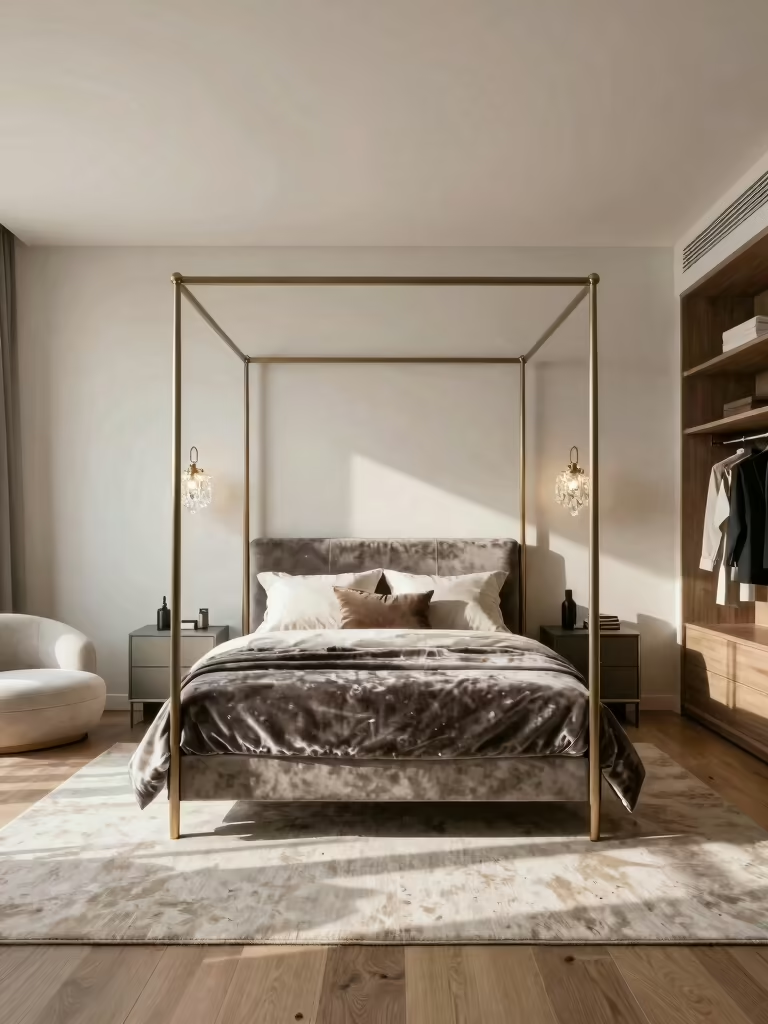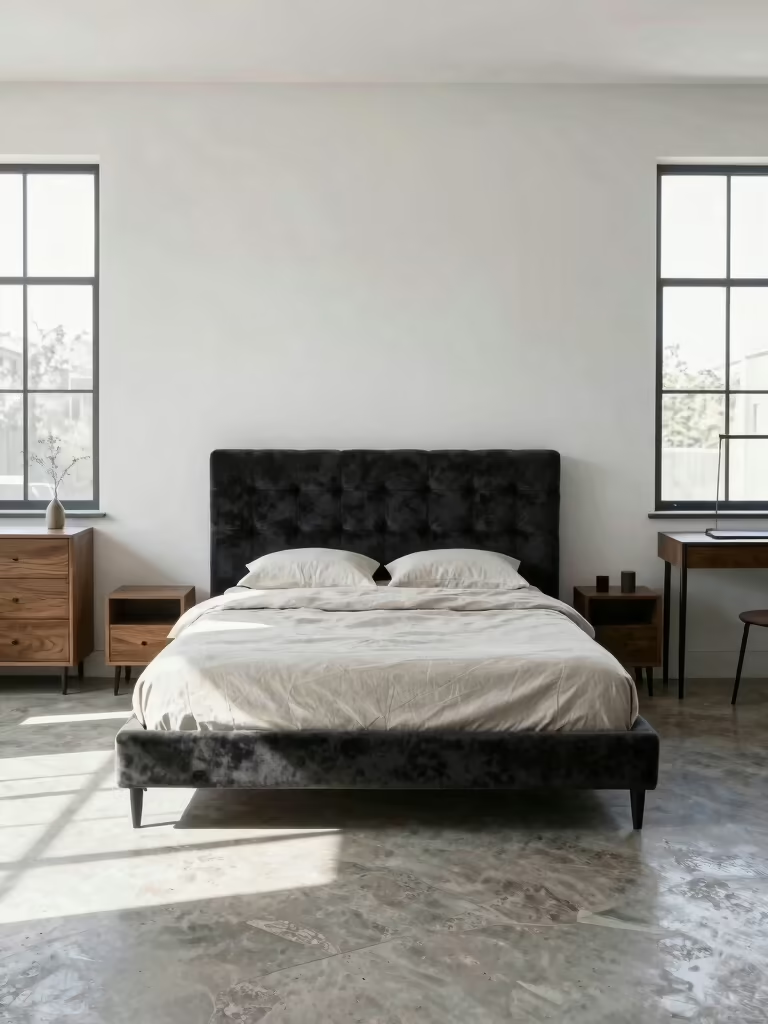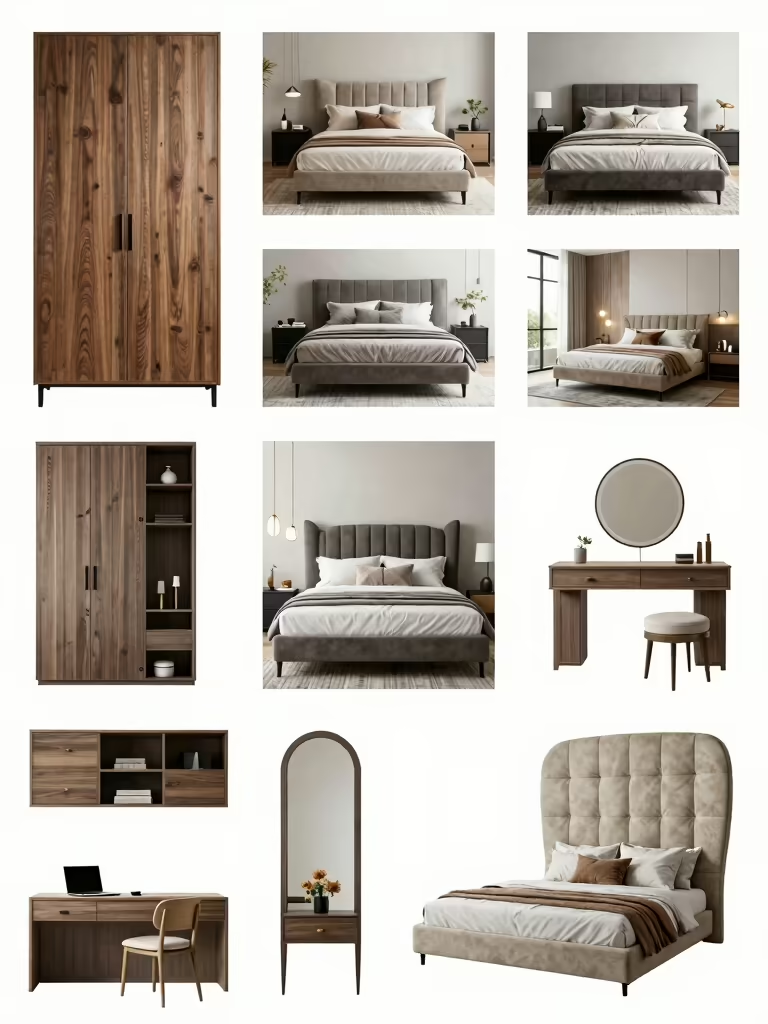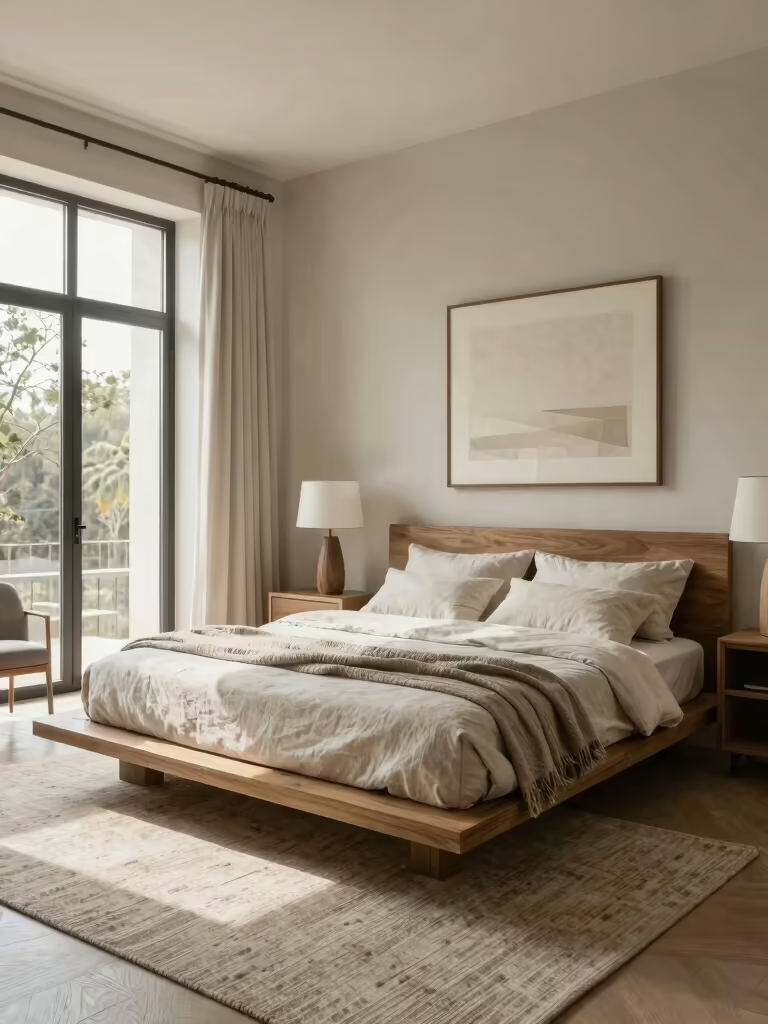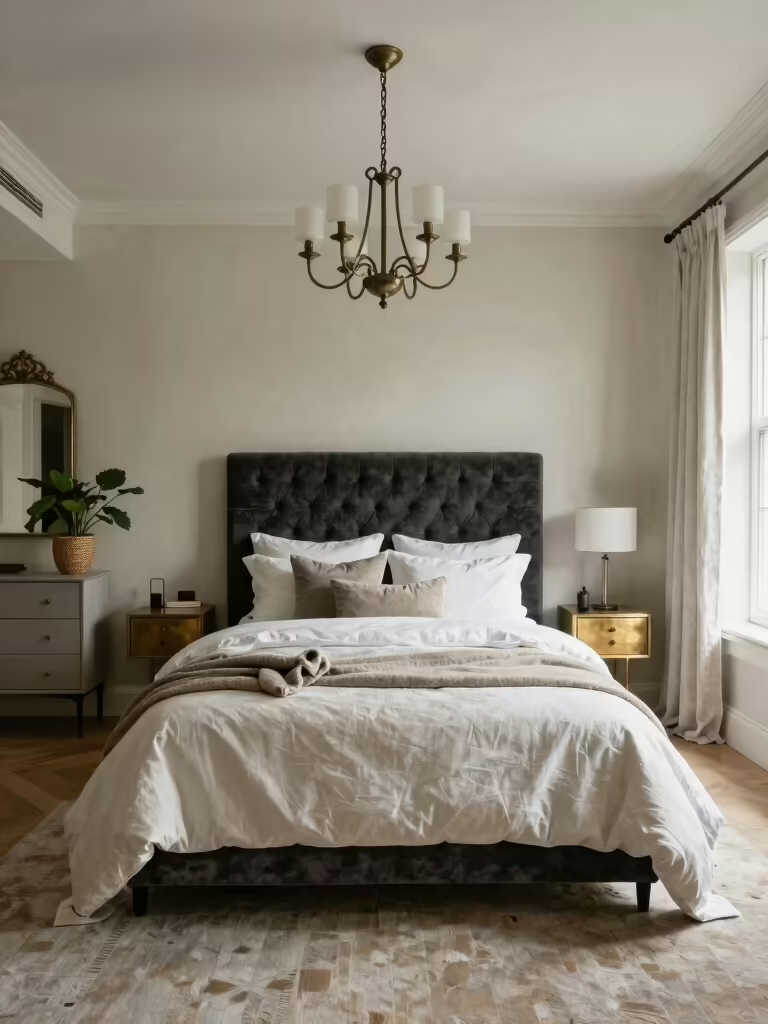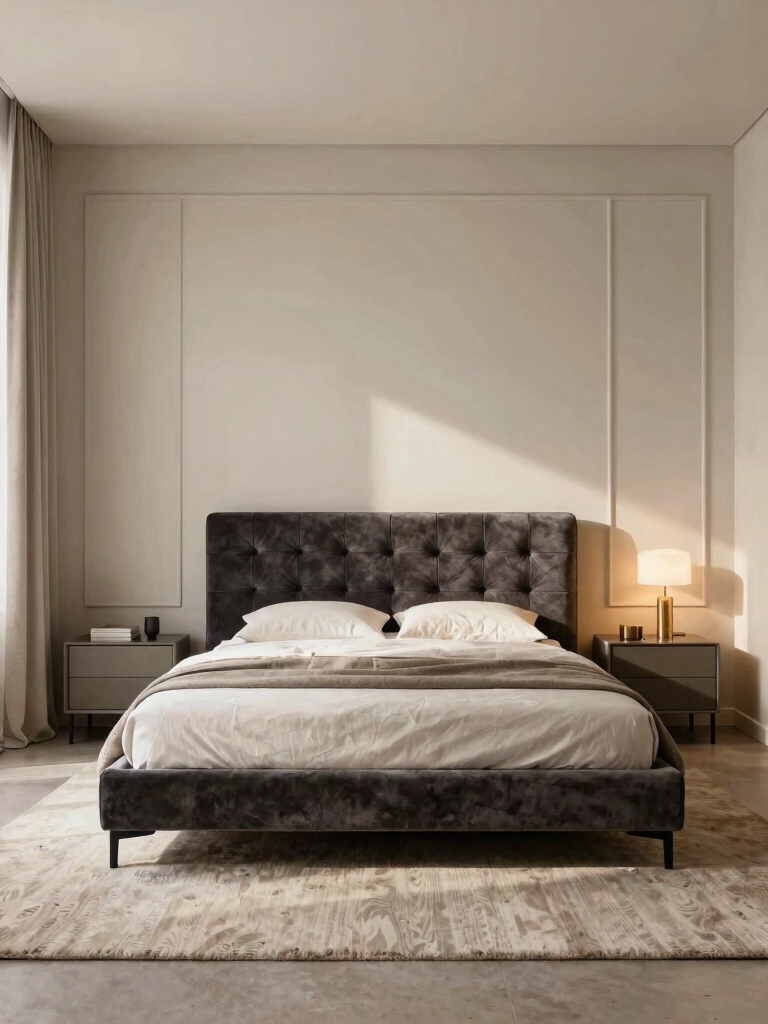

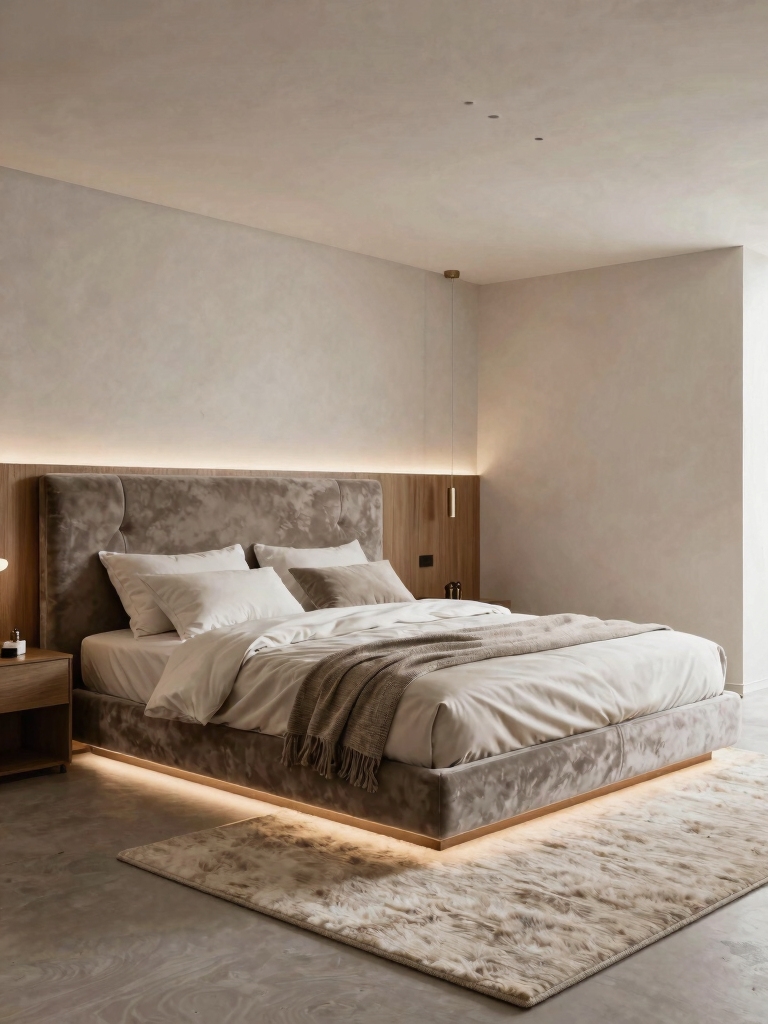
A basement bedroom can feel like a snug retreat or a cramped box. The difference is almost always the layout, the way you carve up, light, and clear a room whose square footage you can’t actually change. The square footage rarely changes; how you zone it, light it, and free the floor is what makes a low, below-grade room feel cozy and open.
These basement bedroom layout ideas focus on exactly that: dividing the space into clear zones, pulling in every bit of light, and using built-ins so the floor stays open. Each comes with the practical move and a rough cost. The shell work, moisture and egress, lives in my [luxury basement guide](basement-bedroom-ideas-luxury); here we focus on making the finished room live well.
Cozy, Not Cramped: The Plan
- Zone the room (sleep, lounge, maybe work) so a single space does several jobs without clutter.
- Brighten relentlessly: warm layered light, pale reflective walls, and a big mirror beat the dim.
- Free the floor with built-ins and slim, multi-use furniture so the room reads open.
- Lift the low-ceiling feeling with vertical lines, light color, and the right fixtures.
Maximize Light and Color
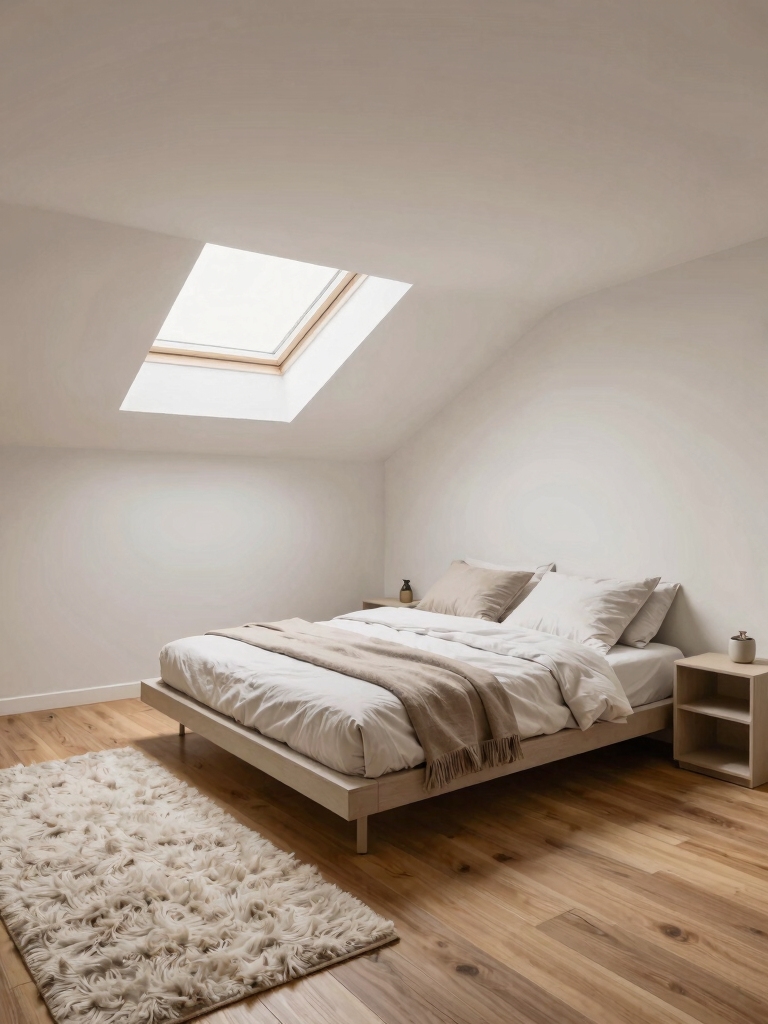
In a basement, brightness sets the whole mood, so light and color come first in any cozy layout. Below grade you’re short on daylight, which means the artificial light and the wall color have to work overtime. Pale, warm walls bounce what light there is, and layering lamps at a few heights keeps the room glowing and full.
Let color carry warmth so the brightness stays warm. A soft warm white or greige on the walls reflects light while staying inviting, and a mirror placed to catch a lamp or window doubles the glow. Keep the big surfaces light and save any deep tone for one cozy accent. My [cozy bedroom color palette guide](cozy-bedroom-color-palette-ideas-changing) covers low-light pairings.
- Paint walls a warm, light tone that reflects light without feeling chilly.
- Layer warm 2700K lamps at three heights so the room never leans on one dim fixture.
- Place a large mirror to bounce light from a lamp or window across the room.
Define Functional Living Zones
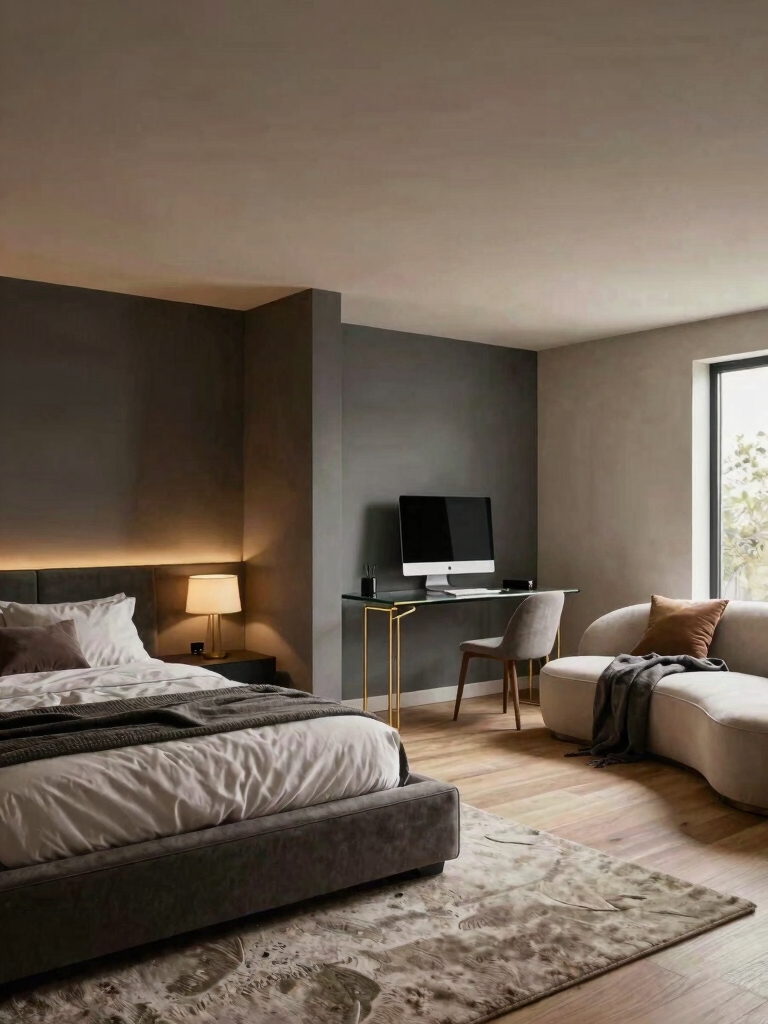
The move that makes a basement feel cozy rather than cramped is zoning, since a clearly divided room reads as intentional and calm. Decide what the space needs to do, sleep, lounge, maybe work or store, then give each job its own little area. Give every foot a job. Even a small basement feels generous when each part has a clear purpose.
Give Every Foot a Job
Cue the zones without walls, since walls would only shrink it. A rug under the bed marks the sleep zone, a different rug and a chair make the lounge, and a slim desk tucked along a wall handles work. Lighting helps too: a warm bedside lamp for sleep, a brighter task light for the desk, and the contrast tells the eye where one zone ends.
Keep a clear path between the zones so the room flows. A walkable basement feels far bigger. Even at the same size, one you edge around always feels tighter than one with a clear path through it. If the space is doing real double duty as a guest or multi-use room, my [small-room layouts that feel big](bedroom-ideas-for-small-rooms-feel-big) cover flexible plans.
📋Cozy Basement Layout Checklist
- ✓Map the zones (sleep, lounge, work) before placing furniture
- ✓Paint walls a warm, light, reflective tone
- ✓Layer warm lamps at three heights plus one big mirror
- ✓Build storage into the odd nooks to free the floor
- ✓Lift the ceiling feel with vertical lines and low furniture
Brighten Basements With Windows
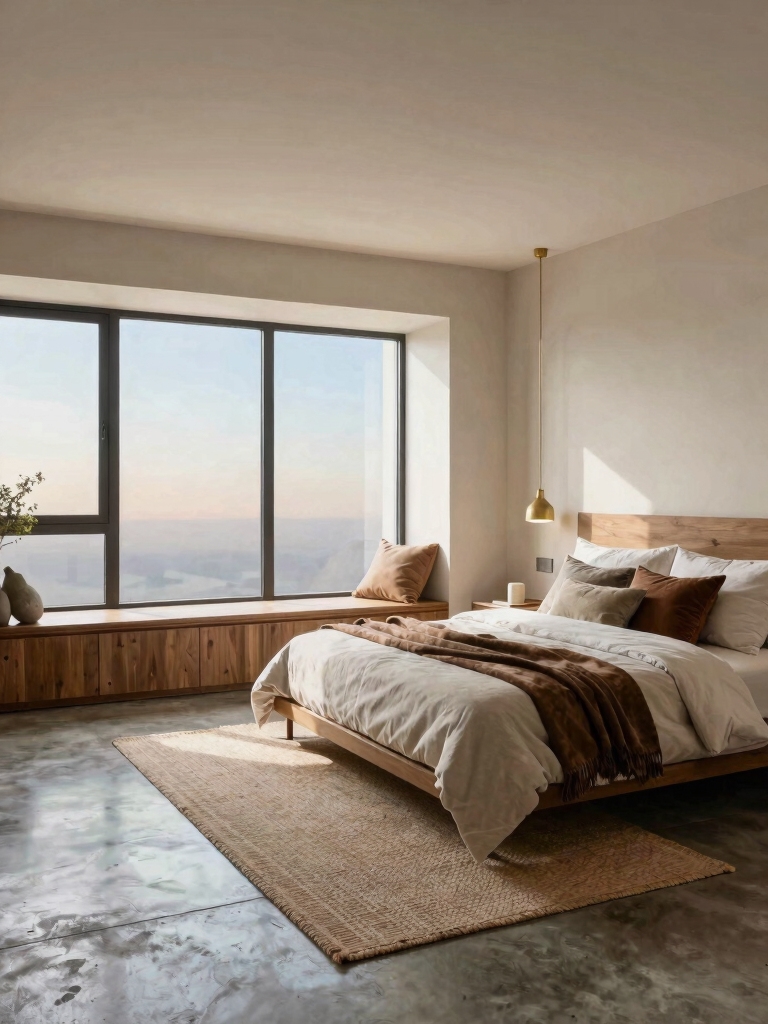
Whatever real windows a basement has, working them hard pays off, since even a little daylight transforms a below-grade room. An egress or hopper window up near the ceiling is precious, so keep it clear and dress it with the lightest covering that still gives privacy. Position the bed or a seat to catch that slice of natural light.
Bounce and stretch the daylight you get. A mirror opposite the window throws the light deeper, pale walls keep it moving, and skipping heavy drapes lets every bit through. If a window well is gloomy outside, painting it white and clearing debris brightens the light coming in. For layering the rest with lamps, see my [bedroom lighting ideas for mood](bedroom-lighting-ideas-mood).
- Keep egress and hopper windows clear, with only sheer or light coverings for privacy.
- Hang a mirror opposite the window to push that daylight across the room.
- Brighten a dim window well by painting it white and keeping it clear of debris.
Clever Built-In Storage Solutions
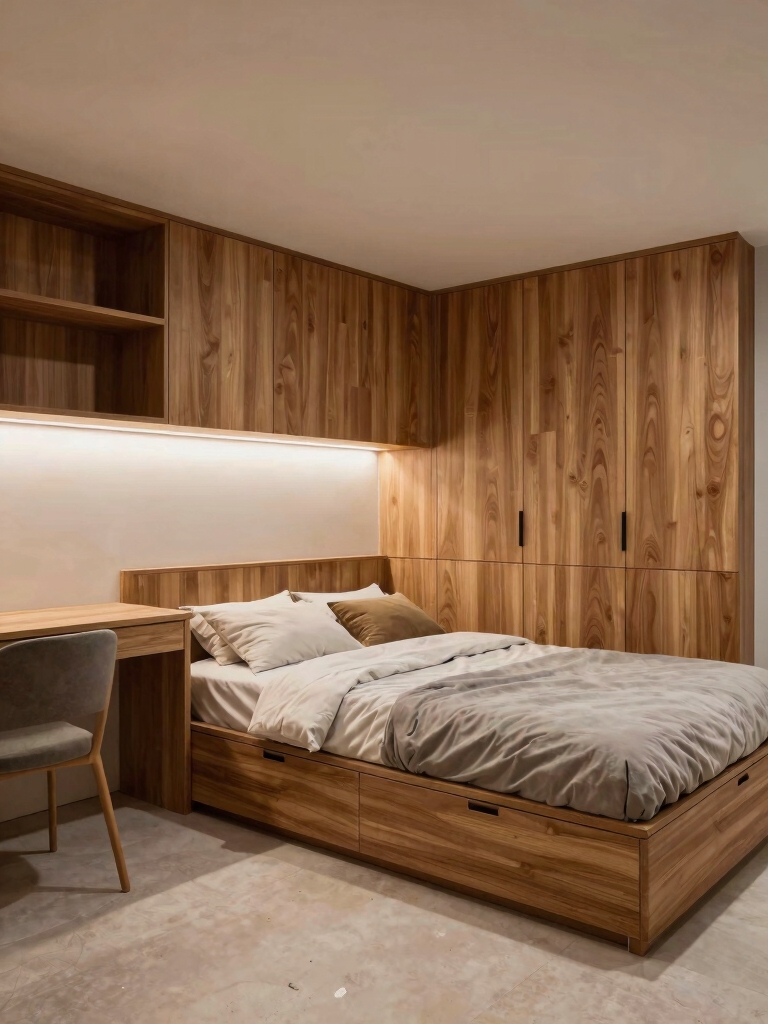
Built-in storage is the quiet hero of a cozy basement layout, because it frees the floor that keeps a low room from feeling cramped. Basements hand you odd nooks (under the stairs, between support posts, along a knee wall) that custom shelves and cabinets turn into capacity. Storage that’s built in also makes the room feel finished and considered.
Choose mostly closed storage to keep the room calm and guard against any humidity. Under-bed drawers, a window-seat with a lift-up lid, and wall niches all hide the daily stuff while looking built-in. Lift soft goods off the floor where you can, and keep a few open shelves for the good-looking pieces. My [storage ideas that beat clutter](bedroom-storage-ideas-clutter) cover systems that hold up.
- Build storage into the dead nooks under stairs and between posts.
- Use under-bed drawers and a storage window-seat to keep the floor clear.
- Favor closed cabinets below grade so things stay protected and the room stays calm.
What does your basement layout need most? A quick read:
1It feels dark and cave-like
Prioritize light: pale reflective walls, layered warm lamps, and a big mirror opposite any window.
2It feels cramped and cluttered
Zone it and build in storage so each area has a job and the floor stays clear.
3The low ceiling presses down
Lift it with vertical lines, a light ceiling color, recessed lights, and low, leggy furniture.
Low-Ceiling Aesthetics That Lift the Room
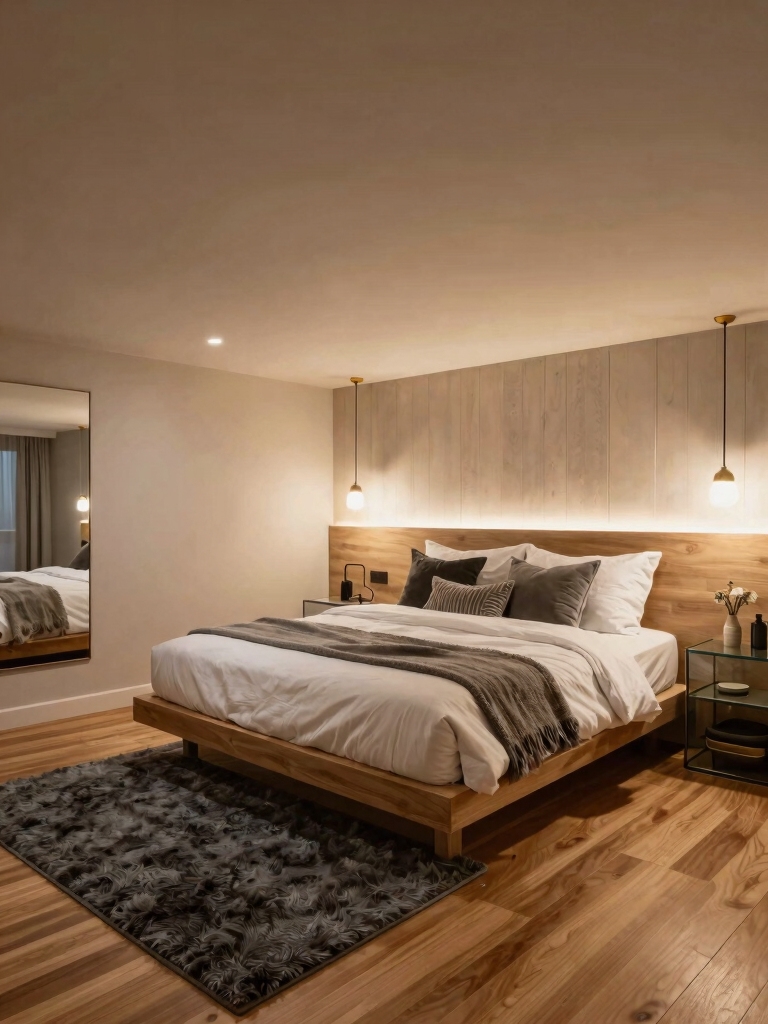
Low ceilings are the basement’s signature challenge, and a few visual tricks make them feel higher than they measure. The goal is leading the eye upward and keeping the overhead light from pressing down. Work through these to lift the whole room.
- Add vertical lines with tall, narrow shelving or floor-length curtains to draw the eye up.
- Paint the ceiling a light tone, or the same color as the walls, so it recedes overhead.
- Use recessed or low-profile lights so nothing hangs down into the headroom.
- Keep furniture low and leggy so there’s air above it and the ceiling feels farther away.
Cozy Layering That Warms a Basement
A basement runs cooler and harder than rooms upstairs, so cozy layering is what makes the layout feel inviting to actually sleep in. Start at the floor. A deep-pile rug laid over the bare concrete cushions every step and muffles the hollow echo a hard basement throws back the instant you raise your voice or drop a shoe. That single piece does more for warmth and comfort than almost anything else down here.
Build up from there with soft, tactile layers. Linen and cotton bedding, a chunky throw, upholstered seating, and heavier curtains all add the warmth a bare basement lacks while soaking up sound. Mixing a few textures keeps the room looking rich and gives it the layered comfort that turns a plain finished basement into a real retreat.
Mind the climate as part of the comfort. A dehumidifier keeps the air fresh and protects your soft goods, steady airflow stops it feeling stuffy, and a little extra warmth on cold nights makes the room as comfortable as anywhere in the house. Comfort you can feel is what separates cozy from merely finished.
Multi-Use Furniture for a Flexible Basement
Basement bedrooms often pull double duty as a guest room, a den, or a teen hangout, so furniture that flexes keeps the layout cozy without crowding. A daybed or a sofa bed handles both sleeping and lounging, an ottoman stores while it seats, and a slim console works as a desk or a vanity. Each piece earning two jobs is what keeps the floor open.
Choose slim, low-profile pieces sized to the room rather than the showroom. A compact bed frame, a narrow dresser, and nesting tables that tuck away leave more breathing room, which any low basement needs. Pieces with visible legs help too, since the glimpse of floor beneath them reads as more space.
Plan the layout around how the room actually gets used through the day. If it’s a guest room most days, prioritize the bed and easy storage; if it’s a daily retreat, give the lounge zone more room. Matching the furniture to the real routine is what makes a flexible basement feel intentional rather than overstuffed.
Budget Layout Wins You Can Do This Weekend
Most of what makes a basement layout cozy costs very little. It comes down to placement and light far more than purchases, which is good news for anyone working with a finished basement and a thin decorating budget. Rearranging the zones, adding a big mirror, and swapping in warm bulbs can change the whole feel in an afternoon for under fifty dollars. The layout itself is free; you’re just moving what you own into a smarter plan.
When you do spend, put it where it counts. A good rug and quality bedding carry the comfort and are worth real money, while accents, art, and baskets look just as rich thrifted. One bench or a set of under-bed bins frees the floor for a modest sum and pays back in everyday calm.
Phase the bigger pieces over time. Built-ins and a proper window treatment can wait while the free and cheap wins do the heavy lifting first. Start with the zones and the light this weekend, add storage and furniture as the budget allows, and the basement gets cozier at every step without one big outlay.
What to Expect From a Cozy Basement Layout
Set expectations and a basement layout rewards the effort. You won’t get a sun-drenched room, so lean into a warm, layered, cozy feel instead of chasing brightness you can’t have. Done well, though, a basement bedroom can be one of the quietest, most private rooms in the whole house, set apart from the daily traffic and noise of the floors above it, which turns out to be a genuine luxury for deep, undisturbed sleep.
Budget-wise, the layout itself is cheap: paint, light, a mirror, a rug, and smart furniture placement carry most of the cozy feel. The bigger costs (moisture-proofing, a proper egress, any structural or electrical work) belong to a licensed pro and come before the styling. Sort the shell first, then the layout and the cozy layers come together affordably on top.
Cozy Is a Layout Decision
A basement bedroom feels cozy, not cramped, when the layout does the work: clear zones, relentless light, built-in storage, and a few tricks to lift the low ceiling. Add warm layering on top and the below-grade room turns into a private, snug retreat that punches well above its square footage.
Start by mapping your zones and brightening the walls this weekend, and the cramped basement starts feeling like the cozy hideaway it was meant to be.