
Here’s the thing nobody tells you about a tight bedroom: the problem is rarely the room itself, it’s that the furniture is sized for a bigger one. A standard dresser, a full headboard, two nightstands, and a reading chair will choke a small room no matter how cleverly you arrange them. Making every inch count comes down to one shift in thinking. Choose pieces that earn the floor they sit on, and the room opens up on its own.
These layout ideas come at a small bedroom from that angle: decide the room’s main job first, push the bulky storage out to the walls, and scale every piece down until the floor opens back up. Some are five-minute rearrangements, a few are bigger swaps, and none of them ask you to knock down a wall. Get the priorities straight and a packed room starts to feel like it has room to spare.
How to Make Every Inch Work
- Decide the room’s main job first, sleep-only or sleep-plus-work, then arrange everything around that one priority.
- Push the bulky storage to the perimeter so the center of the room stays open and walkable.
- Scale pieces down: a slim nightstand and a smaller frame buy back more floor than any clever trick.
- Keep a two-foot lane on the main route and let the walls do the heavy storage work.
Assessing a Small Bedroom for Efficiency
Efficiency starts with an honest look at what you’re working with, so walk the room and clock the fixed things you can’t move: the door swing, the window, the radiator, the closet opening. Those are the constraints every layout has to bend around, and naming them upfront saves you from a plan that dies the moment the door hits the bed.
- Map the fixed obstacles first, door swing, window, vents, so the layout works around what can’t change.
- Count your real storage load in advance; knowing you own forty sweaters changes the whole plan.
- Note the one thing you do most in the room, sleep, dress, or work, and let that lead, the way these layout ideas for small rooms do.
Prioritize the Space for Comfort First
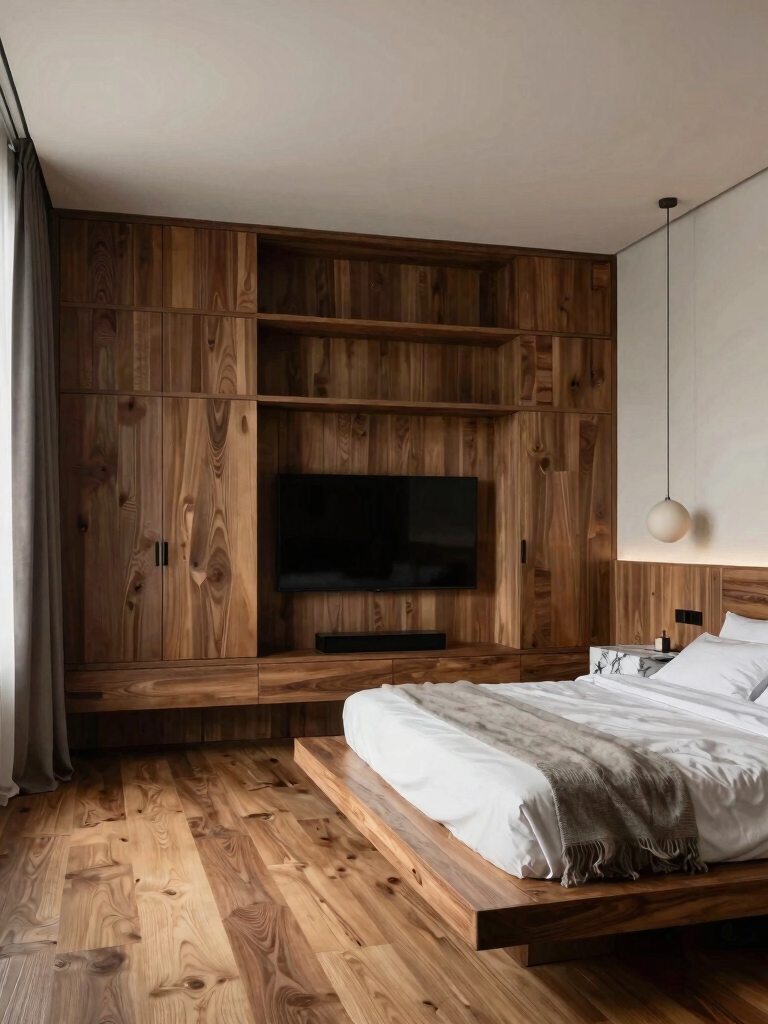
It’s tempting to chase capacity in a small room, but the rooms that actually feel good prioritize comfort over count. A bed you can climb into from either side, a clear stretch of floor to stand and dress, and one calm surface for a lamp matter more than squeezing in a second dresser. The fix I make most often is removing a piece. Pull one out and the breathing room reads as comfort the instant the clutter clears, no shopping required.
- Protect the bedside access on at least one side; a bed you crawl over kills the comfort fast.
- Leave one clear standing zone near the closet so getting dressed never feels like a squeeze.
- Cut the lowest-priority piece before you buy anything new. Subtraction is the cheapest upgrade there is.
Two quick gut-checks before you start moving furniture:
1What’s the first thing to cut in a too-full bedroom?
Usually the second nightstand or a bulky chest of drawers. Both eat floor for storage a tall wardrobe could hold better against the wall. Pull the lowest-priority piece first and judge the room before adding anything back; most rooms feel better with less, not more.
2How much clearance do I really need beside the bed?
About two feet on the side you use to get in and out, less on a side pushed near a wall. That’s enough to stand, turn, and make the bed without bumping anything. Steal it from a slimmer nightstand or a smaller frame rather than the walking path, which needs its own two feet.
Wardrobe-Forward for Maximized Open Floor Space
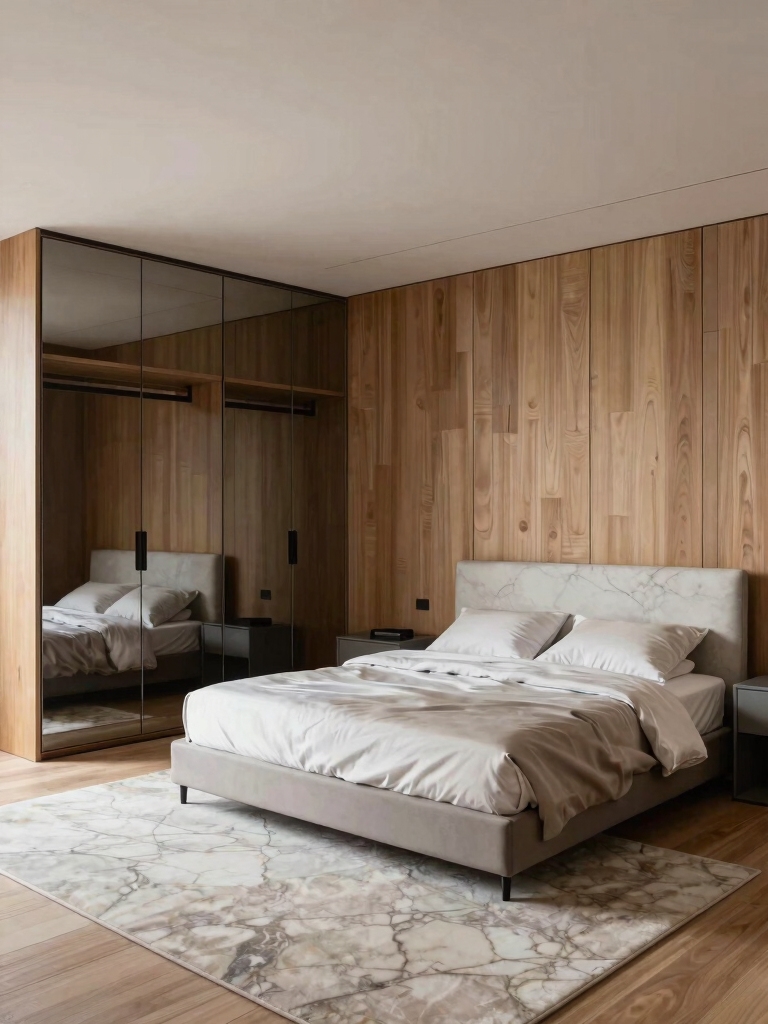
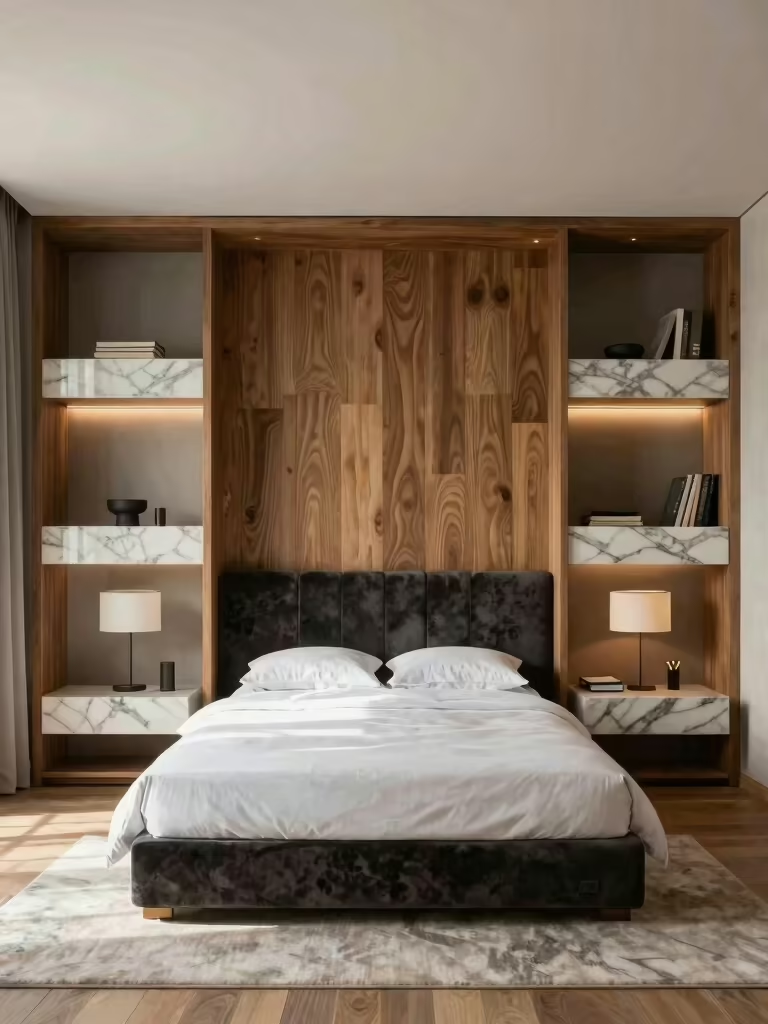
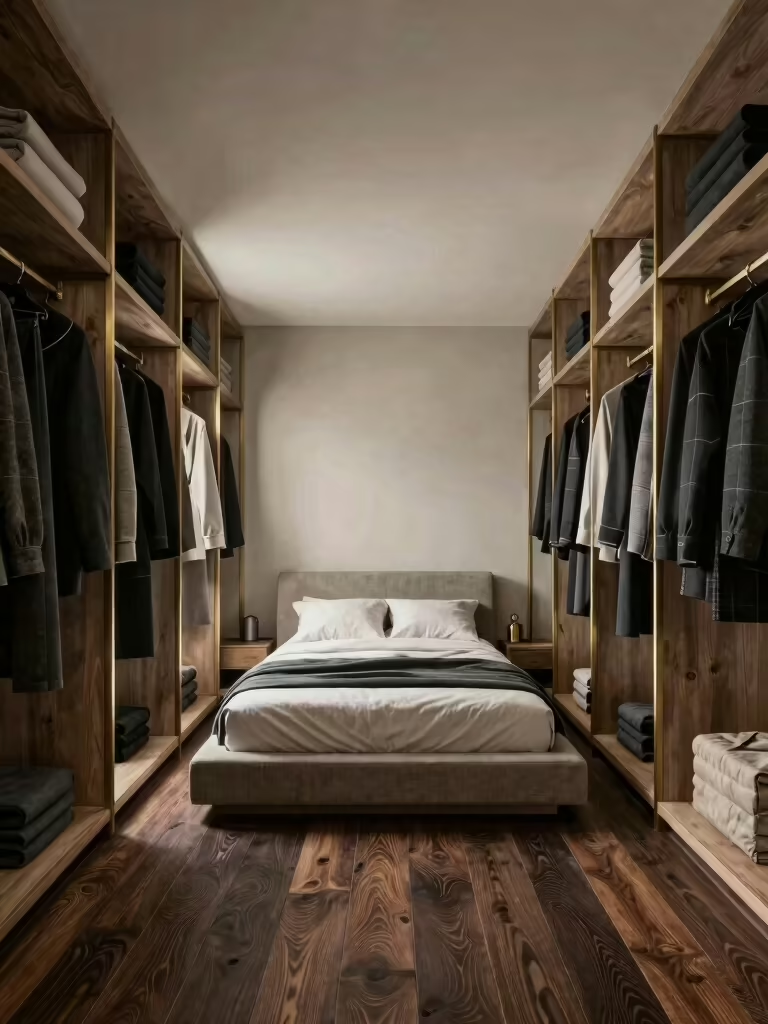
A wardrobe-forward layout is the single biggest move for open floor: push all the bulky storage to one wall and leave the rest of the room nearly bare. A tall, shallow wardrobe along the perimeter, often $200 to $500, holds what a sprawling dresser and a chest would, but it climbs the wall and frees the middle of the room.
A unit twelve to eighteen inches deep holds a full closet’s worth while barely cutting into the floor. The center stays open. The sightlines stay long, and the room reads close to twice its size.
- Choose a tall, shallow wardrobe twelve to eighteen inches deep so storage climbs the wall.
- Run it floor to ceiling on one wall and keep the opposite side deliberately empty.
- Stash the off-season overflow with these storage ideas for hiding clutter so the wardrobe holds only what you reach for now.
Clear Pathways and a Centered Design
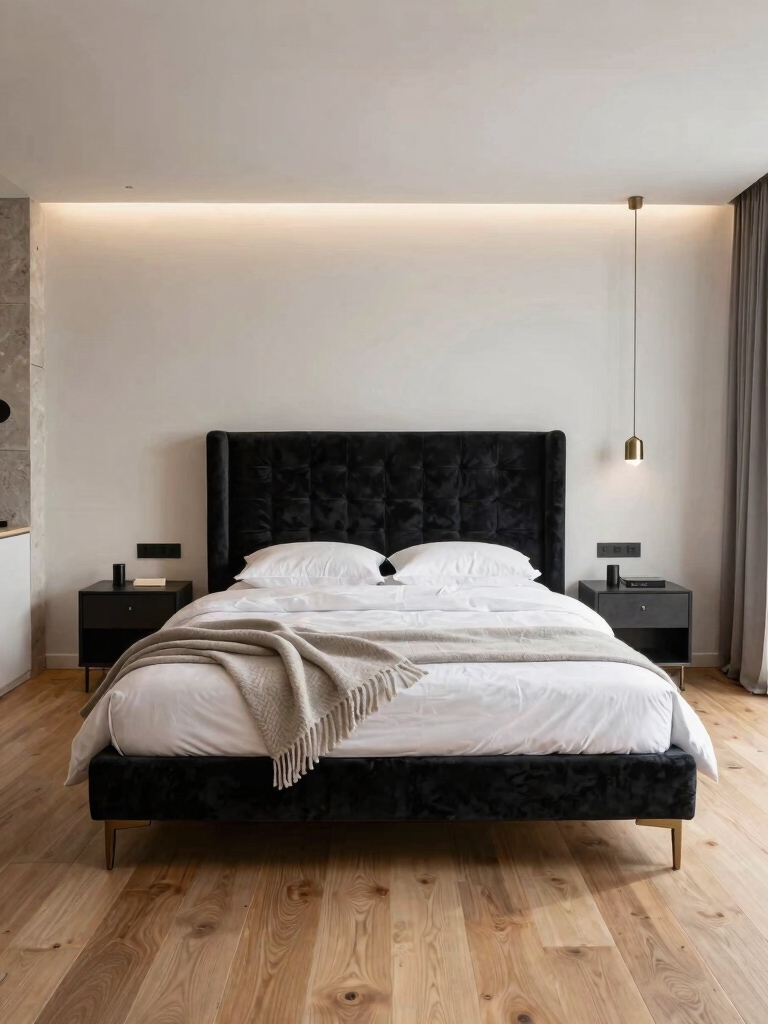
The path through a room is part of the layout. Protecting it is what keeps a small space from feeling like an obstacle course. Aim for a clear two-foot lane on the route you walk most, usually door to bed to closet. Go narrower and you start turning sideways. That sideways shuffle is the body’s signal that the room is too full.
A two-foot lane on the route you walk most
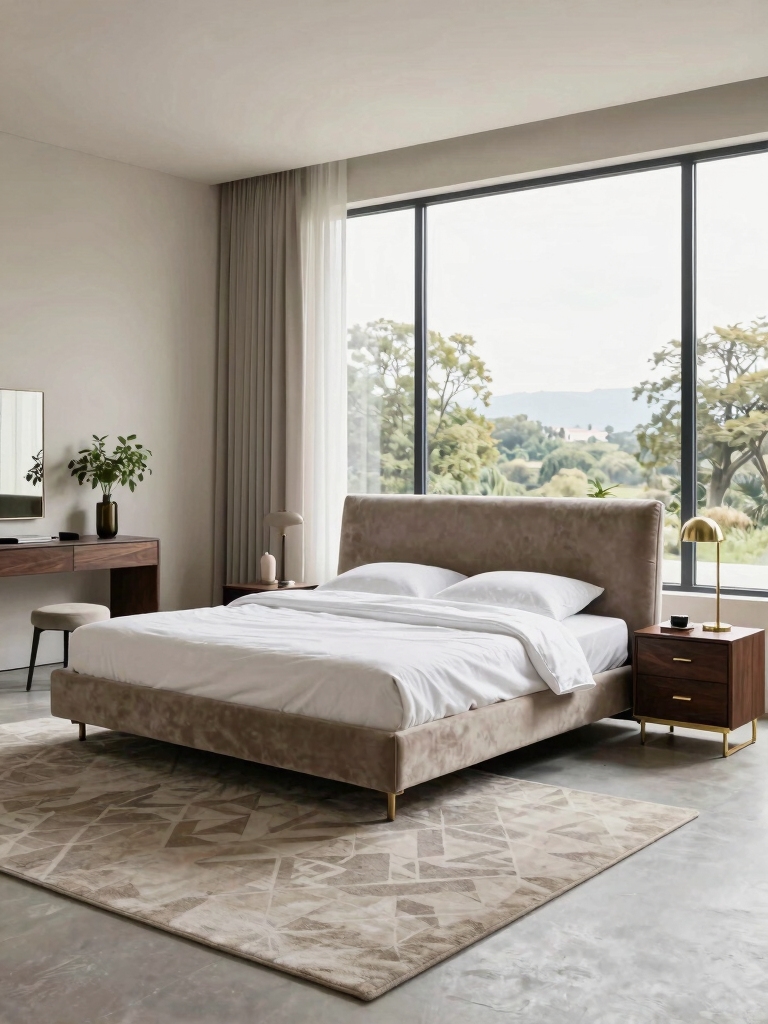
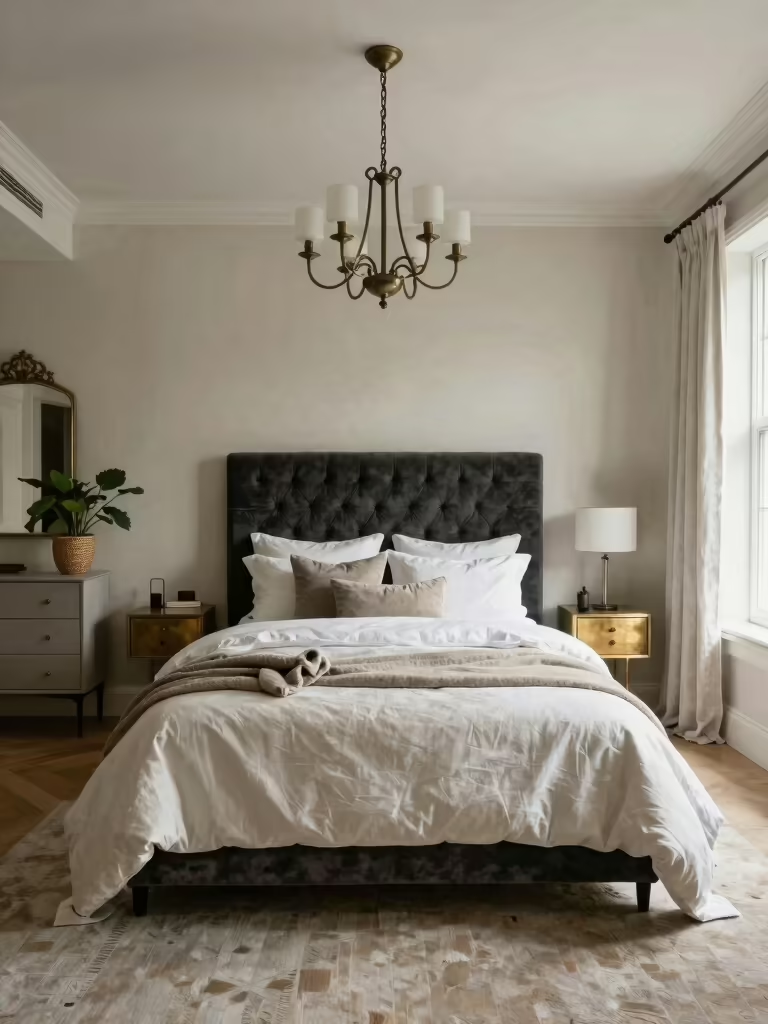
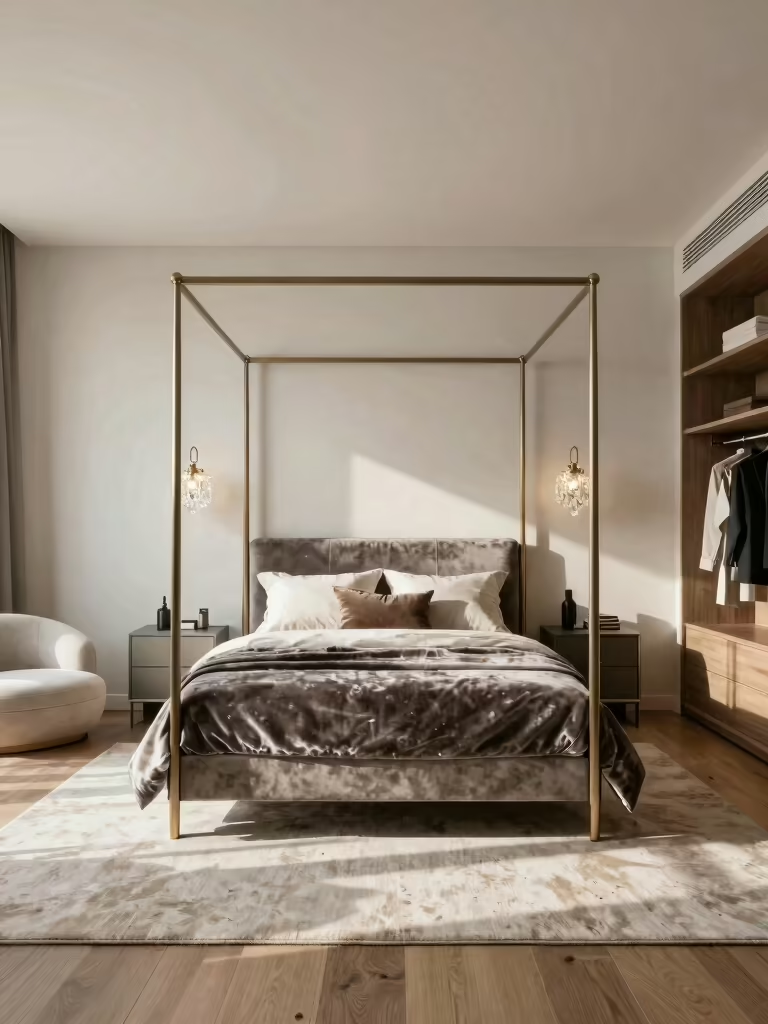
Centering the bed on its wall does a lot of quiet work here. A bed planted dead-center on the longest wall splits the access evenly and gives the room a calm symmetry the eye likes. When the bed has to go in a corner to free a wall, keep at least one long side open so you can reach the far nightstand without crawling across the bed.
Watch where the lanes cross, since bottlenecks always form at the same spots. The pinch point I see again and again is a dresser parked right where the door opens, so I pull it to a wall the door never reaches and the jam disappears. Keep the routes honest and these decor ideas worth borrowing have somewhere to land.
Two layouts for a small bedroom, depending on what you need most:
🎯Wardrobe-forward
Best when storage is your bottleneck. Push a tall wardrobe to one wall, keep the rest of the room nearly empty, and accept a slightly tighter sleeping zone in exchange for a wide-open floor and serious storage.
🎯Bed-centered
Best when you want calm and symmetry over raw capacity. Center the bed on the longest wall with balanced nightstands, lean on under-bed and vertical storage, and let the bed be the clear focal point of the room.
Optimizing the Bedroom’s Functional Zones
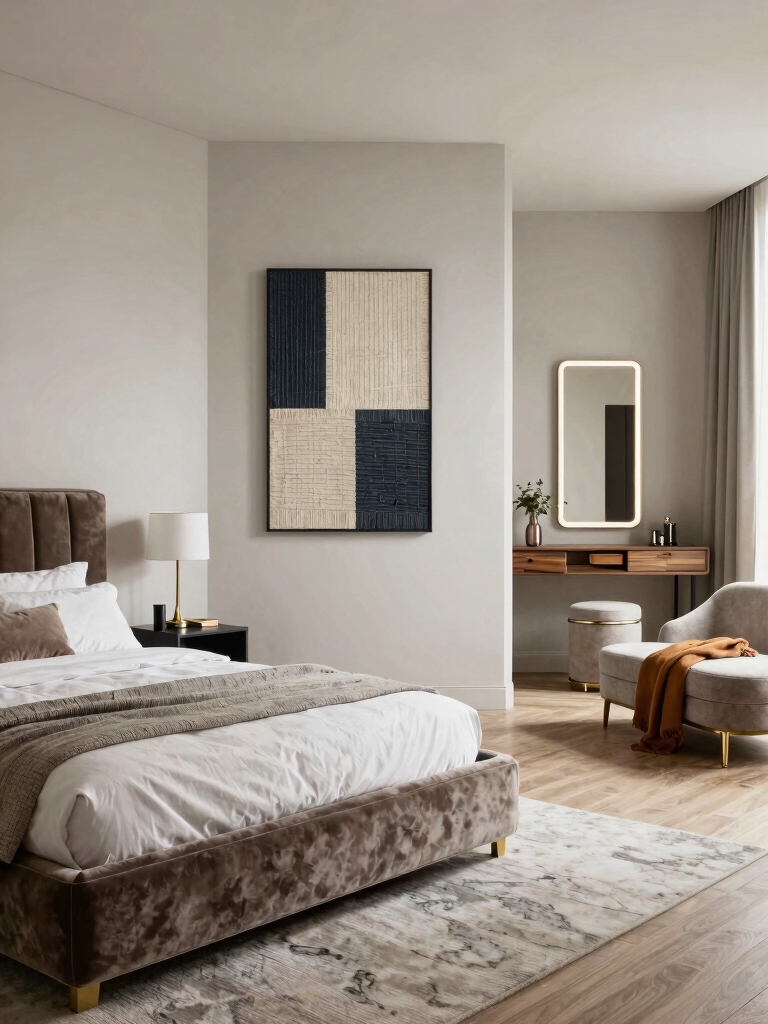
Even a small bedroom usually has to cover three jobs, sleeping, dressing, and unwinding, and giving each a defined spot is what keeps them from bleeding into one cluttered blur. The sleeping zone is the bed and its surfaces; the dressing zone is the wardrobe and a clear patch of floor; the unwinding zone might be nothing more than a chair and a lamp in a corner.
A clear edge does all the separating, so skip the dividers entirely. A rug, a shift in lighting, or the back of the wardrobe acting as a divider is enough to tell the eye where one zone ends and the next begins, so the room feels organized even at this size.
- Give the dressing zone a real patch of clear floor right by the wardrobe, wide enough to stand and turn.
- Mark the unwinding corner with its own warm lamp so it reads as a separate spot after dark.
- Let one piece pull double duty as a divider, a wardrobe back or an open shelf, instead of a wall.
Think Vertical When the Floor Runs Out
When the floor is full, the only direction left is up. Most small bedrooms waste the top half of every wall. That band is free storage. The band of wall above eye level is prime, unused storage: a high shelf running the length of a wall, a tall narrow bookcase, or a row of hooks behind the door all add capacity without costing an inch of floor. Hang art and shelving higher than feels natural, too, and the ceiling reads taller as a bonus.
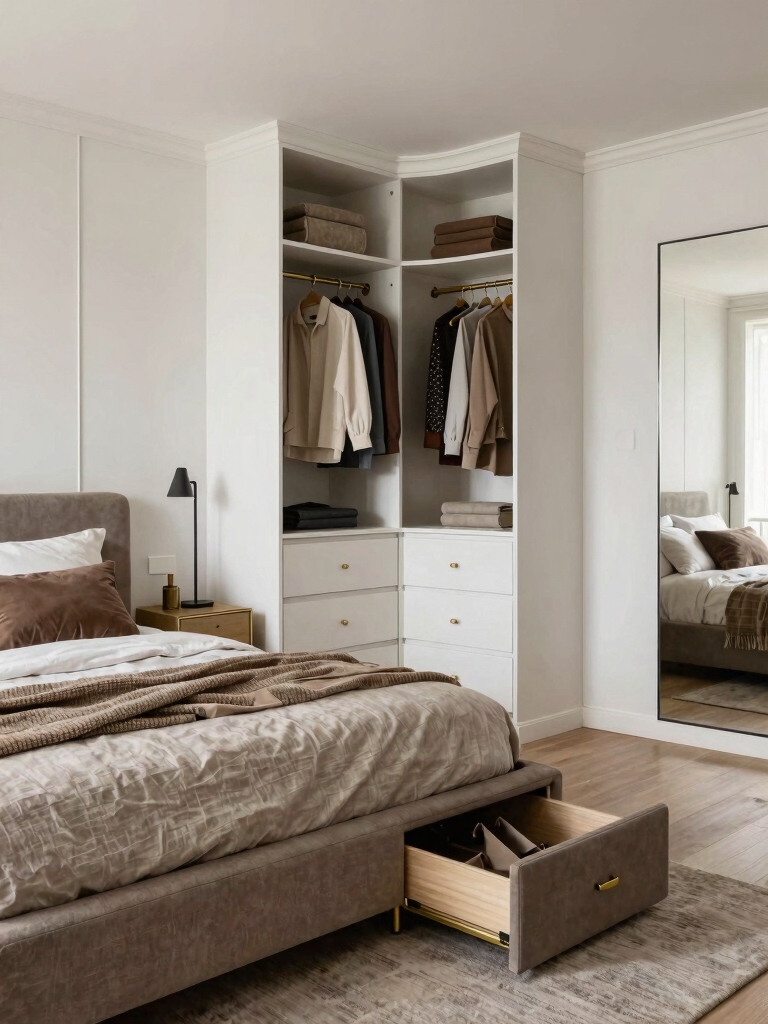
Vertical thinking applies to the furniture itself. A loft-style or platform bed with drawers built into the base turns the volume under the mattress into a dresser, and headboard shelving keeps the alarm, the book, and the charger off a nightstand you may not have room for. Stack the function upward and the floor stays clear for the one thing it’s actually for, which is moving through the room.
Reclaim the Corners You’re Wasting
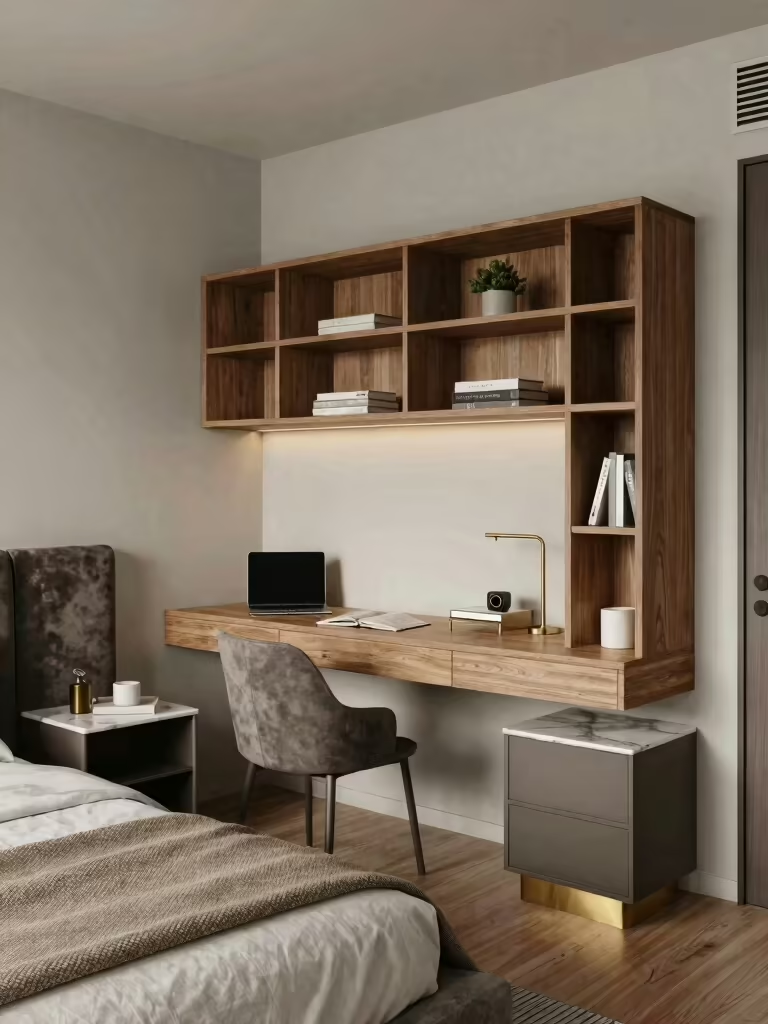
Corners are the most overlooked square footage in a small bedroom, usually left as dead triangles of nothing. Each one can earn its keep: a slim corner desk that tucks into the angle gives you a workspace with almost no footprint, a small triangular shelf unit holds books and a plant, and a reading chair angled across a corner makes a cozy nook out of space that was doing nothing.
A lamp and a small side table finish it. Even a stack of floor cushions and a throw turns the angle into a spot you actually use.
The trick is matching the corner piece to the room’s missing job. If you have no desk, the corner becomes the office; if you have nowhere to sit, it becomes the chair. A corner that pulls one real job out of dead space, often for under $100 with a floating shelf or a secondhand stool, is some of the best value a tight room offers.
Multi-Use Pieces That Earn Their Footprint
In a room where every inch counts, a piece that does one job is a piece you have to justify. The ones worth their footprint pull double or triple duty: a storage bench at the foot of the bed seats you to put on shoes and hides the spare bedding, an ottoman is a footrest, a seat, and a hamper, and a fold-down wall desk becomes a workspace that vanishes when you close it.
Buy these for the everyday use. A solid convertible you actually like, often $150 to $300, beats a flimsy one that needs a fussy two-step routine and gets abandoned by week two. Spend a little more once. You replace it far less often. Swap a couple of textiles every few months to keep the room feeling new, and a small bedroom of hard-working pieces never feels like a compromise, the way these paint ideas to refresh a room keep the backdrop fresh.
Make the Inches Earn Their Keep
Making every inch count comes down to a few honest choices: name the room’s main job, send the bulky storage up the walls, protect the path you walk most, and refuse any piece that doesn’t earn its footprint. Do that and a small bedroom stops feeling packed and starts feeling planned, with open floor, clear routes, and a spot for everything you actually use.
Most rooms turn the corner after a single change. Swap the wide dresser for a tall wardrobe, unblock the door-side jam, or wake up a dead corner, and watch how much the rest relaxes around it. The square footage never moves. The way the room lives does, and that is the whole point of making the inches work.