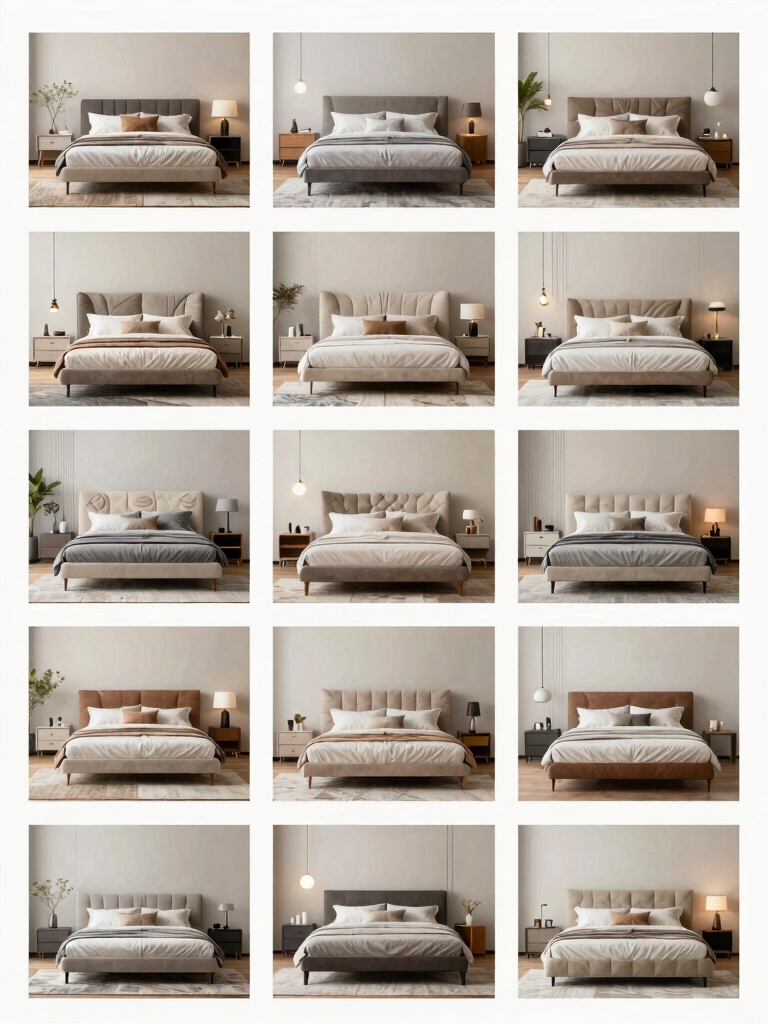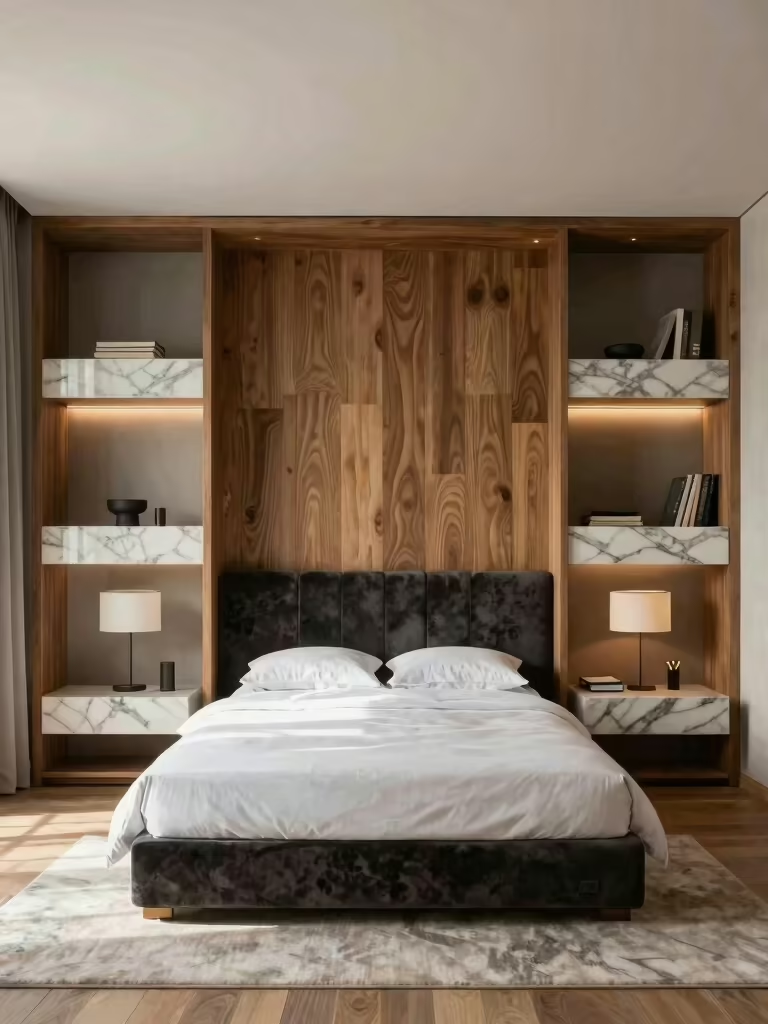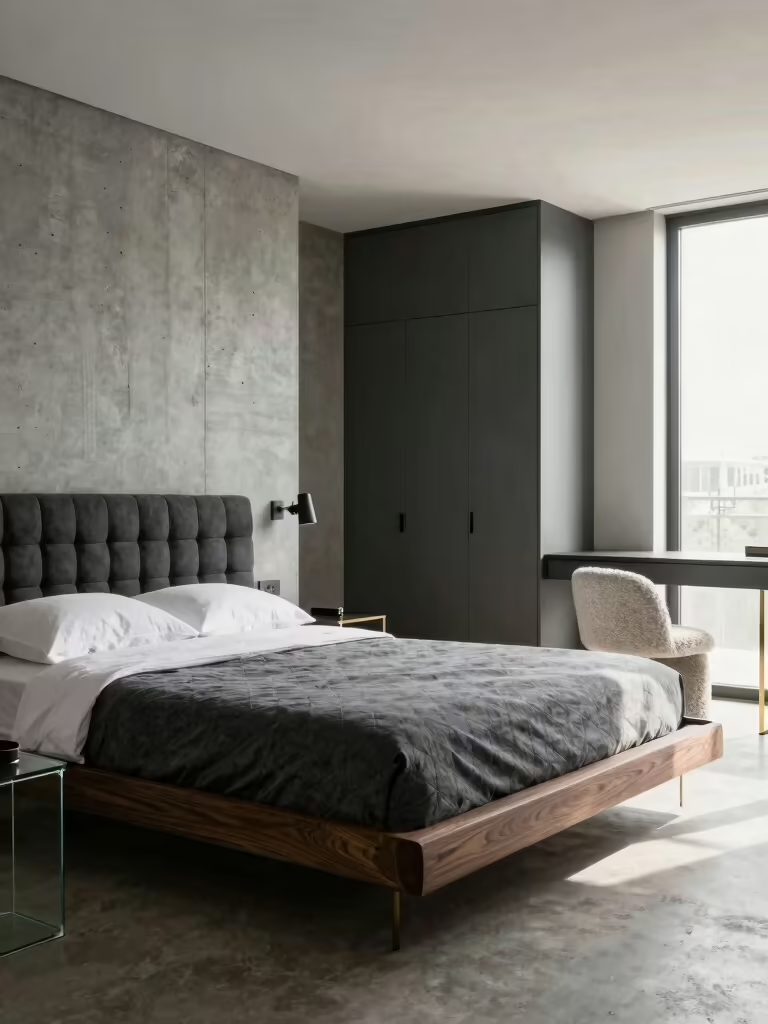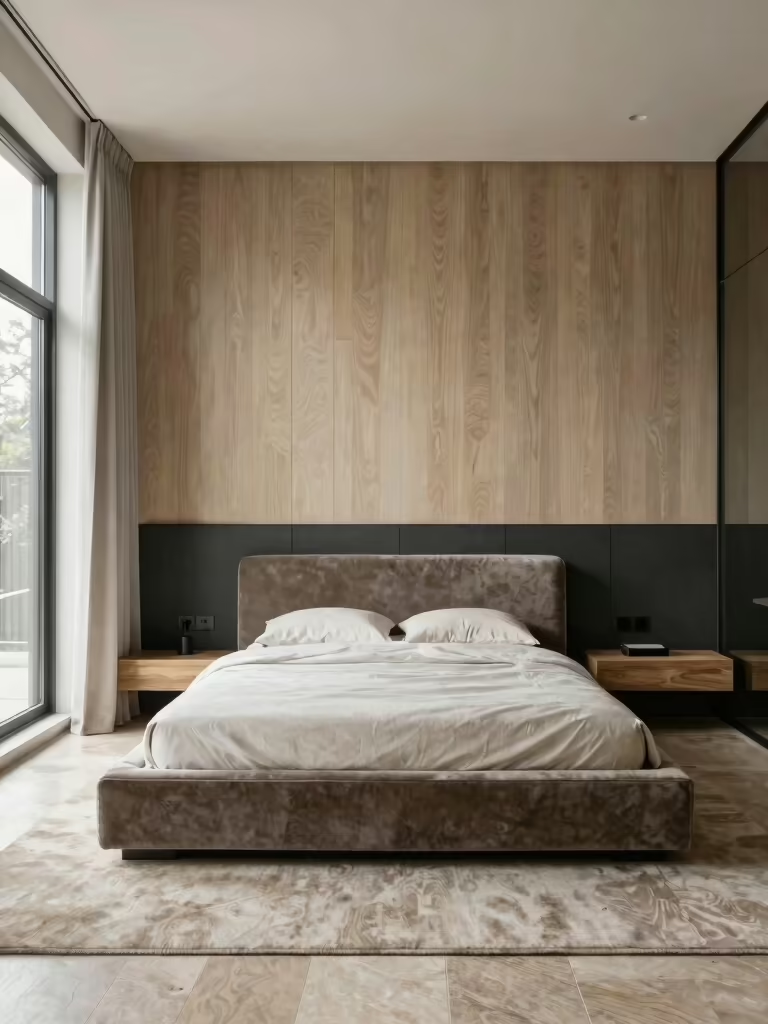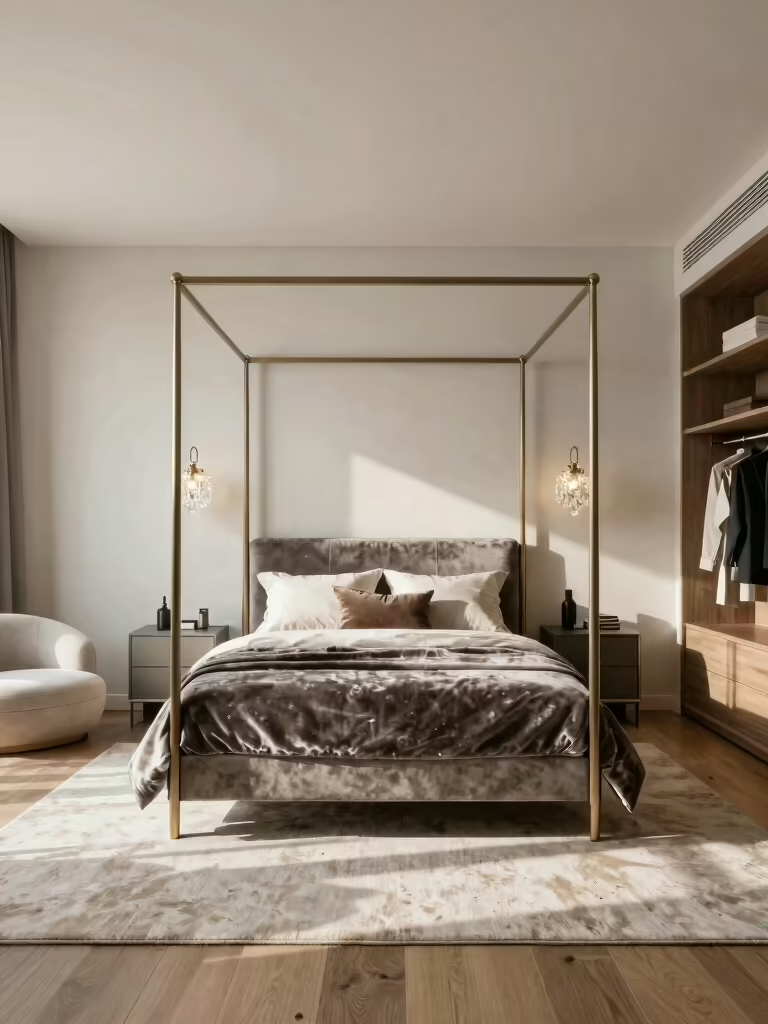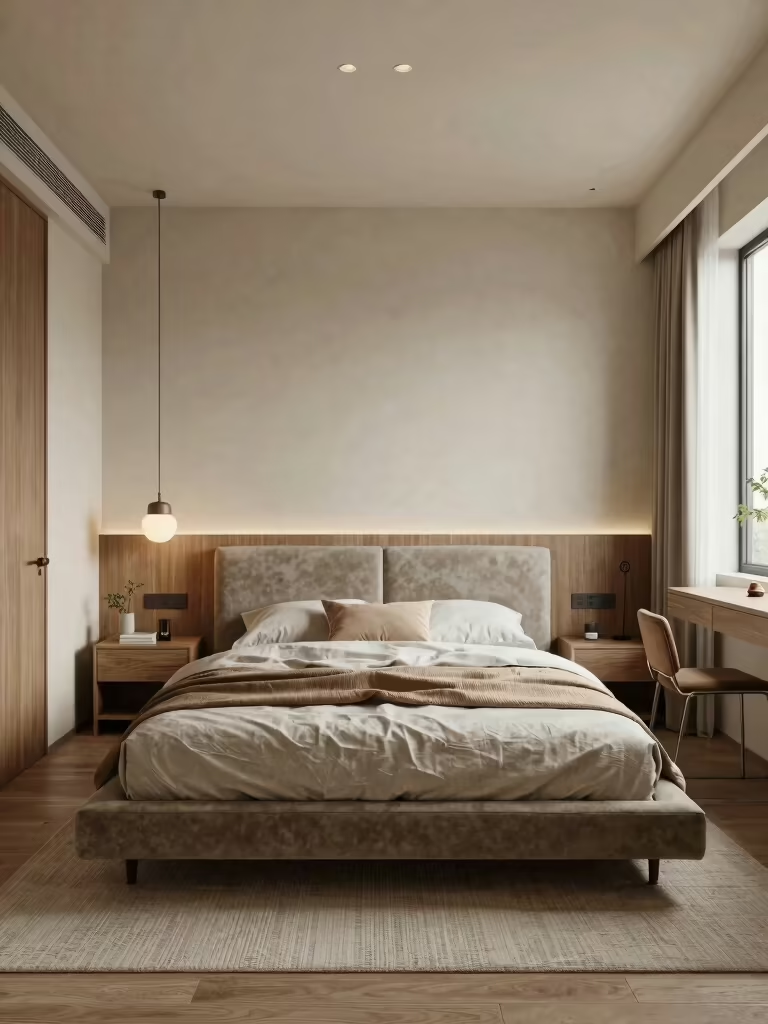

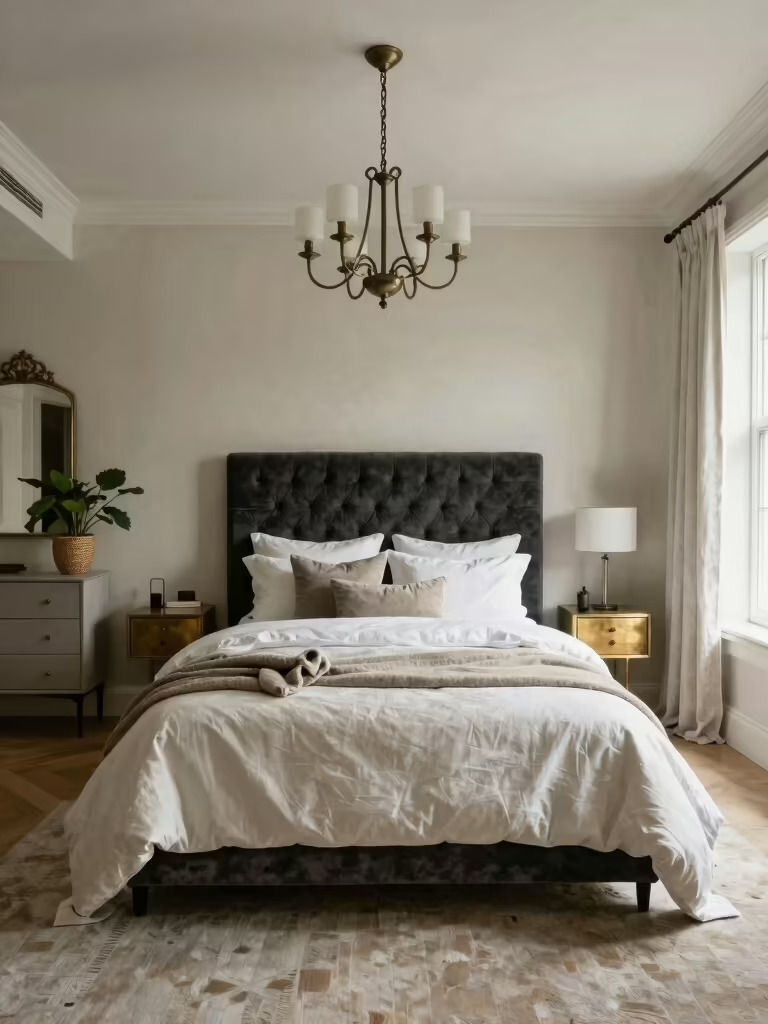
Walk into a well-laid-out bedroom and you feel it before you can name it: your eye lands on the bed, the path to it is clear, and the light falls where you’d want it. That ease is layout, not luck. It’s a set of decisions about where things go, made before a single thing gets bought.
These bedroom layout ideas are the ones designers reach for again and again: zone the room by what you actually do in it, place the bed for light and flow, carve out one cozy corner, and scale the storage so it stays in the background. Get the arrangement right and an ordinary room starts to feel calm and intentional, no renovation required.
Key Takeaways
Layout is the cheapest upgrade in any bedroom, since moving what you already own costs nothing. Start by zoning the room around how you live, sleep, dress, and unwind, then place the bed as the clear focal point with a clean path to it.
Chase the daylight with bed and mirror placement, keep at least 24 inches of clear path on each side you use, and protect a little open floor. One cozy nook and smart, scalable storage finish the job without crowding the room.
Bedroom Design Essentials for a Serene Layout
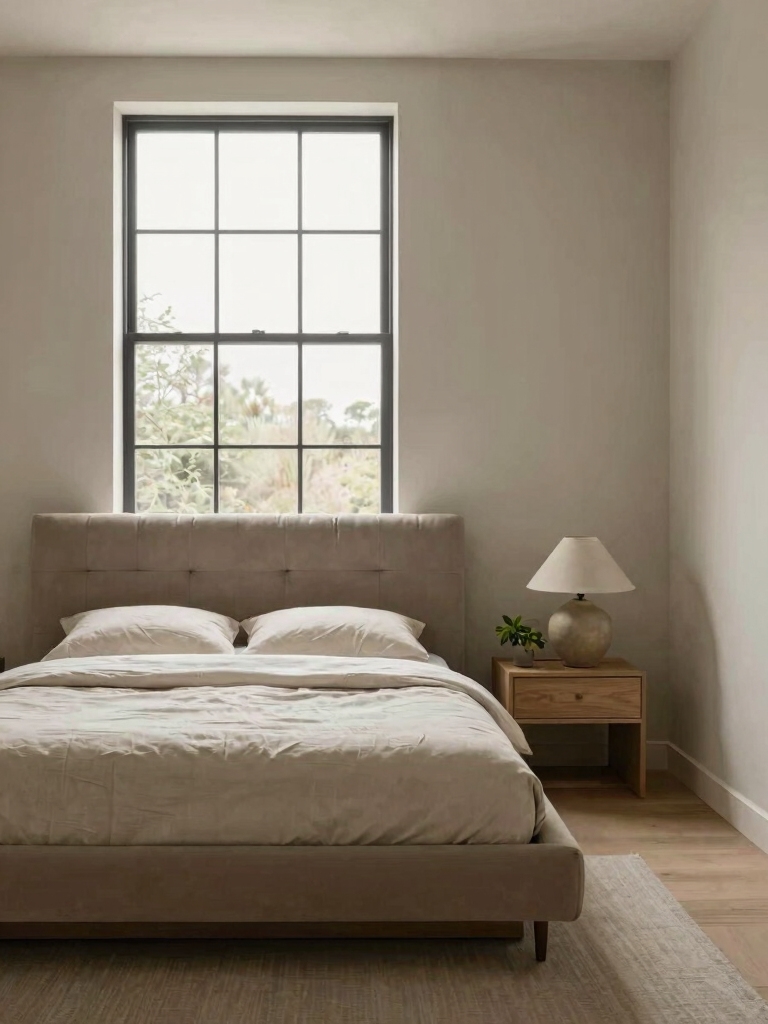
Before I move a single piece of furniture, I figure out what the room actually has to do. A bedroom is rarely just for sleeping; it might also hold dressing, working, or a quiet reading habit, and naming those jobs decides the whole layout. Zone first, arrange second.
- List the real jobs the room does, sleep, dress, work, unwind, then give each one a rough zone before you place anything.
- Make sleep the priority zone and let the smaller jobs tuck into the corners it leaves.
- Note the fixed constraints, the door swing, the windows, the outlets, since those decide more than your preferences do.
- Sketch it to scale on paper first, the same way these small-room layout ideas suggest, before anything heavy gets carried in.
Optimize Bed Placement for Daylight
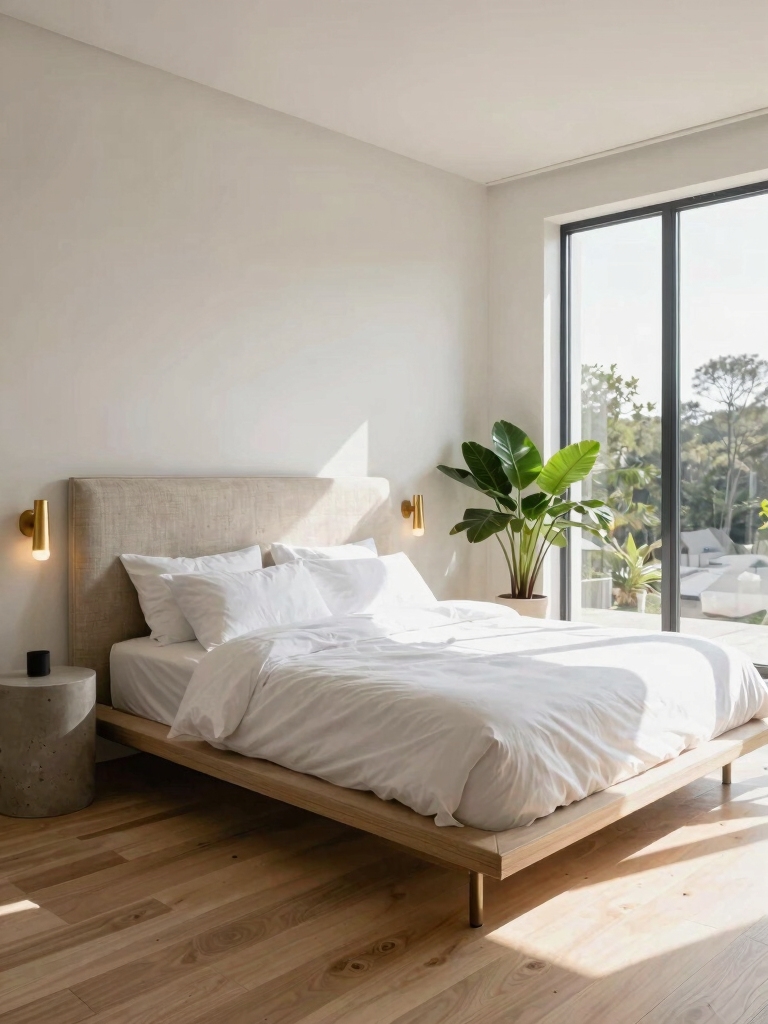
Where the bed goes is the biggest call you’ll make, and light should drive it as much as the wall size. I treat daylight like a material: I look at where the morning sun lands, where the glare comes in, and which wall lets the bed catch a soft glow without the sun hitting your face at six a.m. The right bed wall makes a room feel awake in the morning and calm at night.
Mirrors are the other half of this. A mirror placed across from or beside a window bounces daylight deeper into the room, which makes a darker bedroom feel twice as bright. Keep tall, blocking furniture away from the windows so nothing eats the light you’re trying to spread.
- Place the headboard on a solid wall where the bed catches soft, indirect light and the morning sun stays off your face.
- Hang a mirror opposite or beside the window to push daylight into the room’s darker half.
- Keep wardrobes and tall pieces off the window walls so they don’t block the light.
Heads-Up
Pushing every piece flat against the walls is the most common layout mistake, and it makes a room feel like a waiting room, not a retreat. Pulling the bed or a chair a few inches off the wall, or floating the bed entirely, almost always reads as more intentional, even though it seems to use space less efficiently.
Cozy Nooks That Don’t Crowd the Space
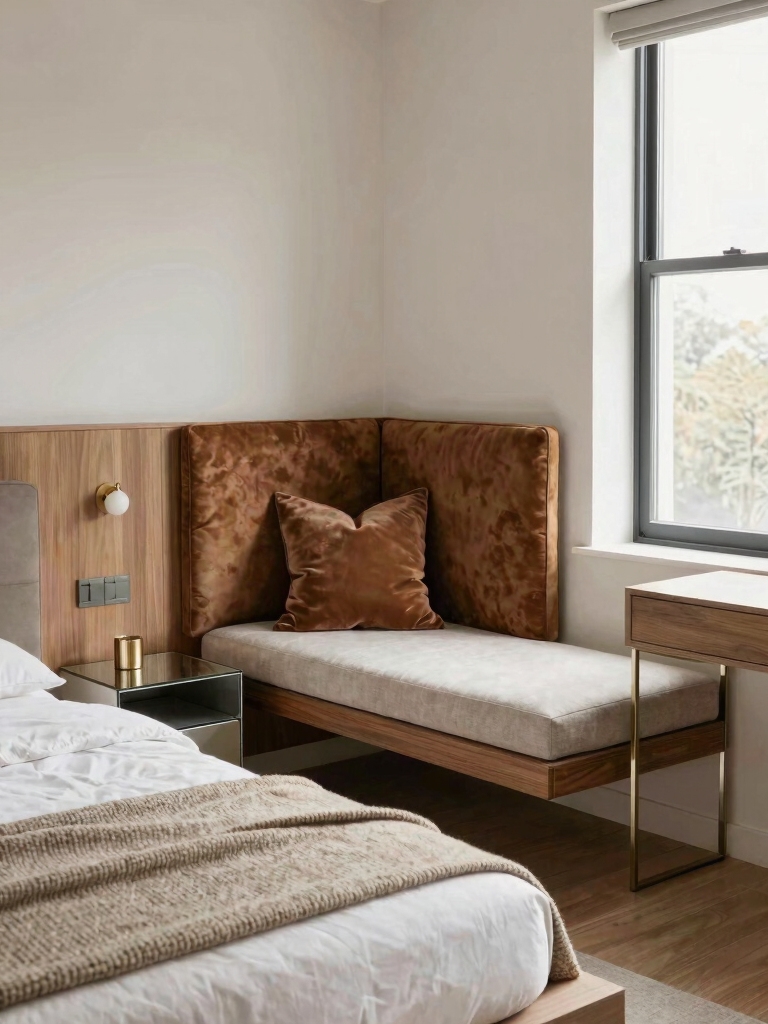
A good layout almost always finds room for one cozy nook, and it’s the detail people love most once it’s there. Even a tight bedroom usually has a forgotten corner or a sliver beside a window that a slim chair and a lamp can turn into a reading spot. The trick is keeping it small and intentional so it adds calm and stays clear of the clutter line.
Anchor the nook so it reads as its own little zone. A compact rug, a slim chair, and a warm lamp is the whole recipe, and a wall shelf keeps the side surfaces clear. Tuck it where the traffic doesn’t run so it stays a pocket of quiet, and these cozy decor ideas worth borrowing help it feel finished.
- Claim a dead corner or window sliver for the nook so it doesn’t eat the main floor.
- Keep it to three pieces, a chair, a light, a small rug, so it stays a quiet pocket rather than a whole extra zone competing with the bed.
- Place it out of the main path so the nook feels tucked away and quiet.
Scalable, Versatile Storage Solutions
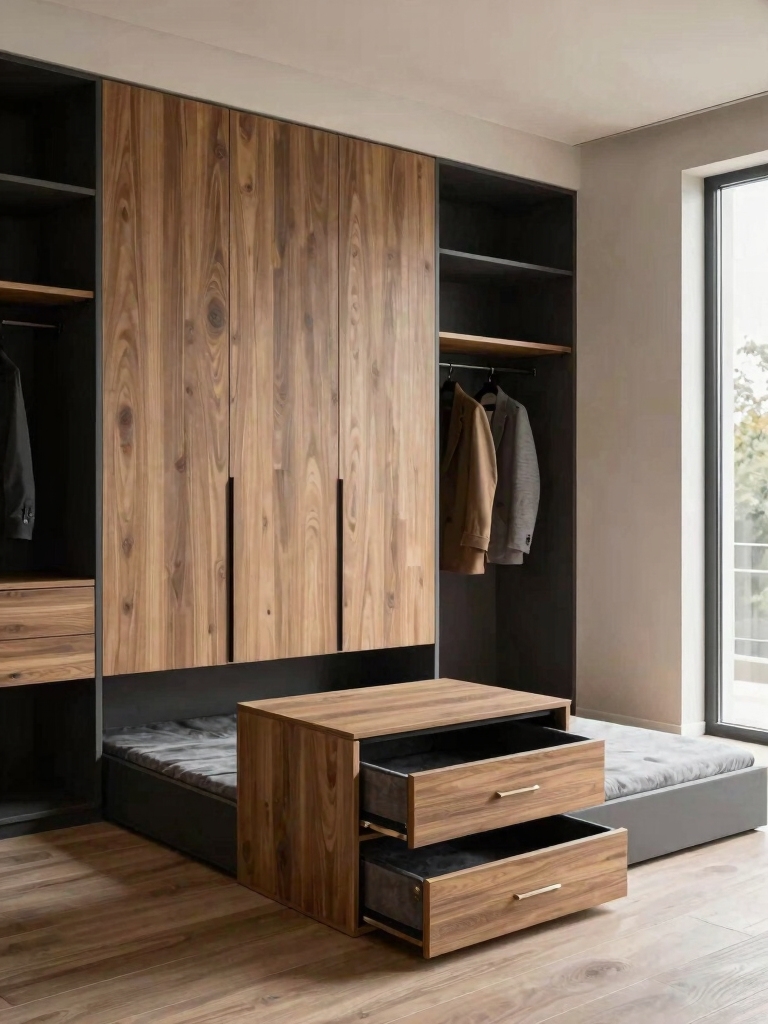
Storage is what keeps a good layout from slowly drowning, and the designers I admire build it to scale. Stuff multiplies, so the systems that work are the adjustable, modular ones you can keep adding to over the years. The goal is to keep the floor open and the surfaces clear, since a clean floor plane is most of what makes a room feel laid out well.
Lean on the spots a layout usually wastes. The under-bed zone, the vertical wall above eye level, and the back of the door hold a surprising amount without crowding the room. A storage bed and a tall, slim wardrobe do more than a wide dresser in the same footprint, and these storage ideas for hiding clutter keep it all out of sight.
- Choose modular, adjustable storage you can expand, so the system grows instead of needing a do-over.
- Go vertical with tall, narrow units that store more in less floor space and draw the eye upward to a taller-feeling room.
- Build storage into the bed and behind closed doors so the surfaces and floor stay clear.
ℹ️Good to Know
A mirror placed across from a window can roughly double the daylight a bedroom gets, since it bounces light back into the room instead of letting one wall absorb it. It’s the cheapest way to brighten a dim layout, and it costs nothing to test by moving a mirror you already own.
Luxurious yet Practical Statement Walls
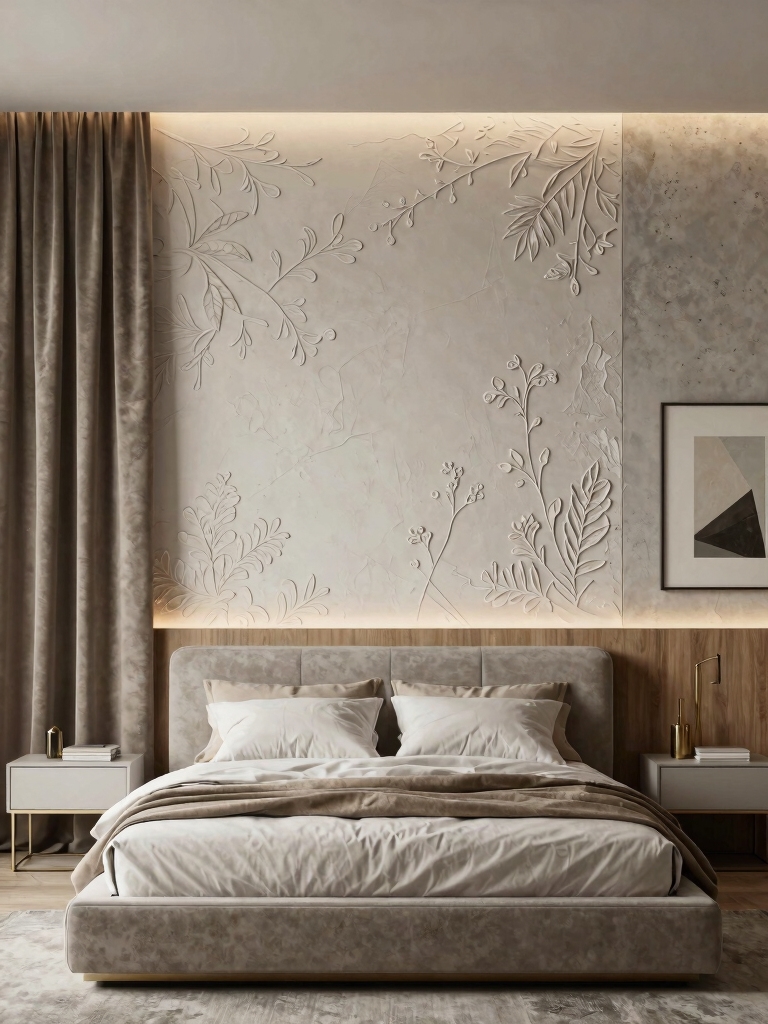
Once the layout works, one statement wall gives the room its character in a single weekend. The bed wall is the natural choice, since it’s where the eye already lands, and a single rich surface there anchors the whole arrangement and pulls the room together. You can leave the other three walls completely alone.
Make the bed wall the one statement
Keep it tactile and calm rather than loud. A textured wallpaper, a deep paint color, a simple slat-wood panel, or a fabric headboard that reads almost architectural all give that curated feel. A textured accent wall runs roughly $50 to $200 depending on the material, which is modest for how much it changes the room.
Light it well or the effect is lost. A pair of wall sconces or a soft LED wash grazing a textured surface brings out the depth after dark, and these bedroom lighting ideas for mood cover the layering. The aim is a wall that supports the bed as the hero, never competes with it.
Three Layouts Designers Reach For First
Most bedrooms fall into a few shapes, and knowing the standard moves saves you a lot of trial and error. The first is the centered bed: headboard on the longest wall, symmetrical nightstands, a clear path on each side. It’s the calmest, most balanced option, and it’s where I start whenever the wall allows it.
The second is the corner or angled bed, which I reach for in awkward rooms with a radiator, a low window, or a door in a bad spot. Floating the bed off the wall or angling it can turn a problem layout into a deliberate one, as long as you keep the path clear. The third is the zoned studio approach, used when a bedroom doubles as an office or dressing room: a rug, a low shelf, or a slim screen splits one room into two without a wall.
Match the layout to the room you actually have, not the one in the photo you saved. A quick paper sketch comparing two of these arrangements will tell you more in ten minutes than a week of staring at the furniture, and it costs nothing but the time.
Common Layout Mistakes Designers Fix First
A handful of layout mistakes show up in almost every room I’m called in to fix. The biggest is the bed jammed into a corner to save floor, which costs you a whole usable side and makes the room feel tighter than it really is.
I pull it out almost every time. Right behind it is the giant rug shrunk down to a bath mat stranded under the foot of the bed; size it up so the front legs of the bed sit on it and the whole layout suddenly looks anchored and deliberate.
The other two are just as common. Blocking a window with a tall wardrobe steals the very light the room depends on, and buying before measuring is the classic that lands a too-big dresser sideways in a doorway. I tell clients the same thing every time. None of these are about taste. They come down to a tape measure and ten quiet minutes of planning, which is exactly why designers rarely make them and most of us learn the hard way.
What to Expect From a Layout-First Approach
Leading with layout means a little patience before the fun, shopping part, and that’s the honest trade. You spend an evening with a tape measure and a sketch instead of an afternoon in a store, and the payoff is that you stop buying pieces that don’t fit and rearranging the same furniture for the tenth time. Most of the best layout fixes cost nothing at all.
Expect the room to feel different almost immediately once the bed and the path are right, even before you’ve added a thing. From there the light, the nook, and the storage fall into place naturally, because the bones are settled. A layout-first room tends to keep working for years, since good arrangement doesn’t go out of style the way a trend color does.
Bedroom Layout Questions, Answered
?Where should the bed go in a bedroom?
Center it on the longest unbroken wall with a clear sightline from the door, and keep at least 24 inches of clear path on each side you use. Let daylight guide the exact wall, so the bed catches a soft glow without the morning sun hitting your face directly.
?How do I lay out a bedroom that’s also an office or dressing area?
Zone it. Use a rug, a low shelf, or a slim screen to split the room into a sleep zone and a work or dressing zone without building a wall. Keep the bed as the main focal point and give the secondary zone the corner with the best light for tasks.
?How do I make a small bedroom layout feel bigger?
Keep the floor as open as you can: float the bed off the wall only if there’s room, go vertical with storage, and place a mirror opposite the window to bounce light. A clear, uninterrupted floor plane is what reads as space, more than any single piece of furniture.
?Should the bed face the door?
Ideally you want a clear view of the door from the bed without being directly in line with it, which feels both restful and secure. Place the headboard on a solid wall that gives you that sightline, and keep the path between the door and the bed open and uncluttered.
Arrange It Until It Disappears
The layouts designers swear by all do the same quiet thing: they make the room feel easy without you noticing why. Zone by how you live, place the bed for light and flow, protect the open floor, carve one cozy nook, and scale the storage, and the arrangement does the work that decor gets the credit for.
The best part is that layout costs nothing but attention, so before you buy anything new, try moving what you already own. What’s one piece in your bedroom that’s fighting the flow right now, and where would it rather be?