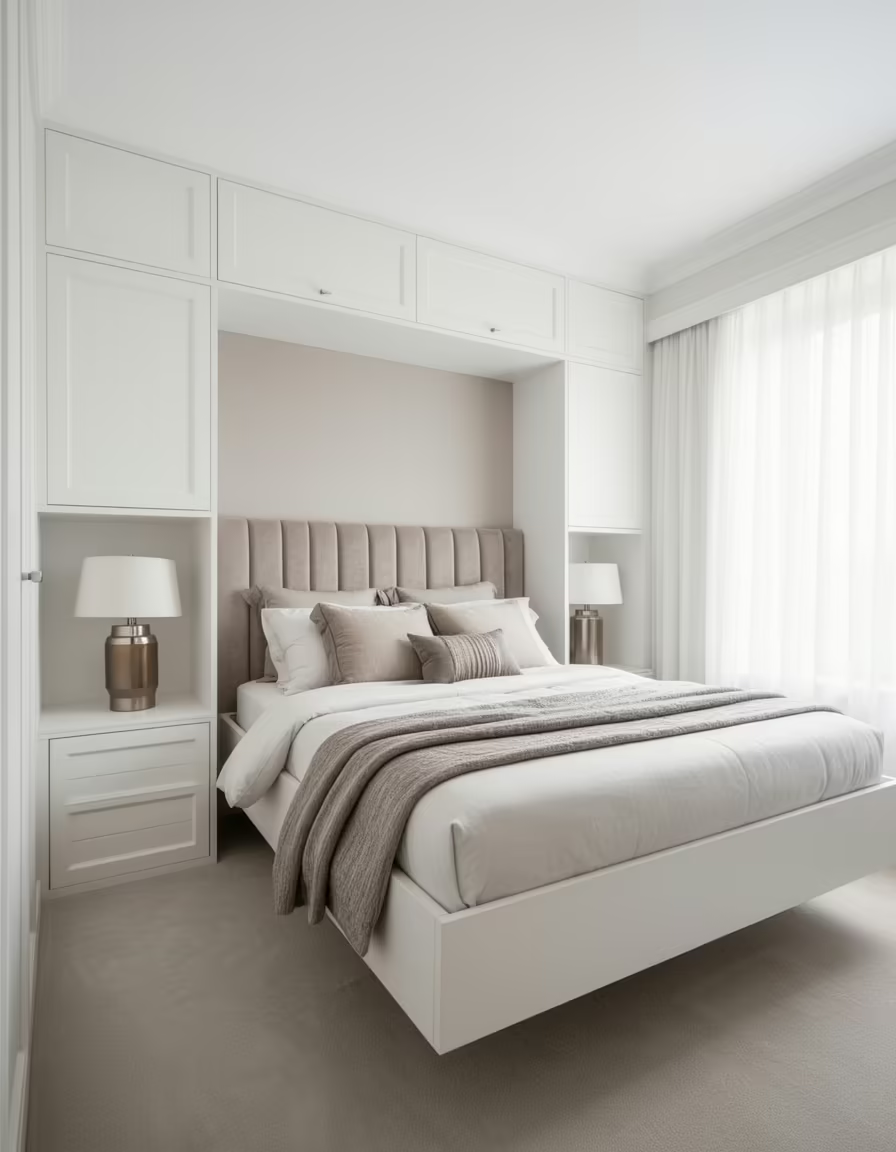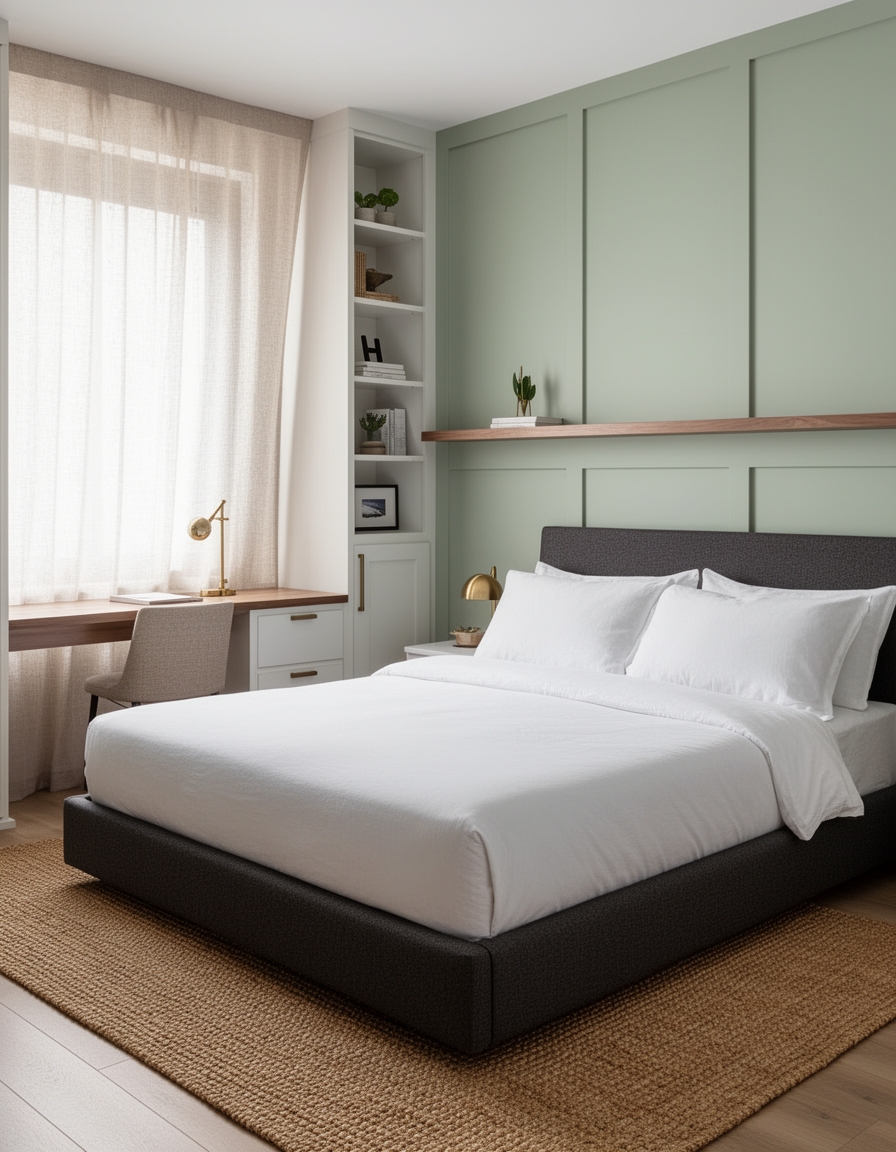

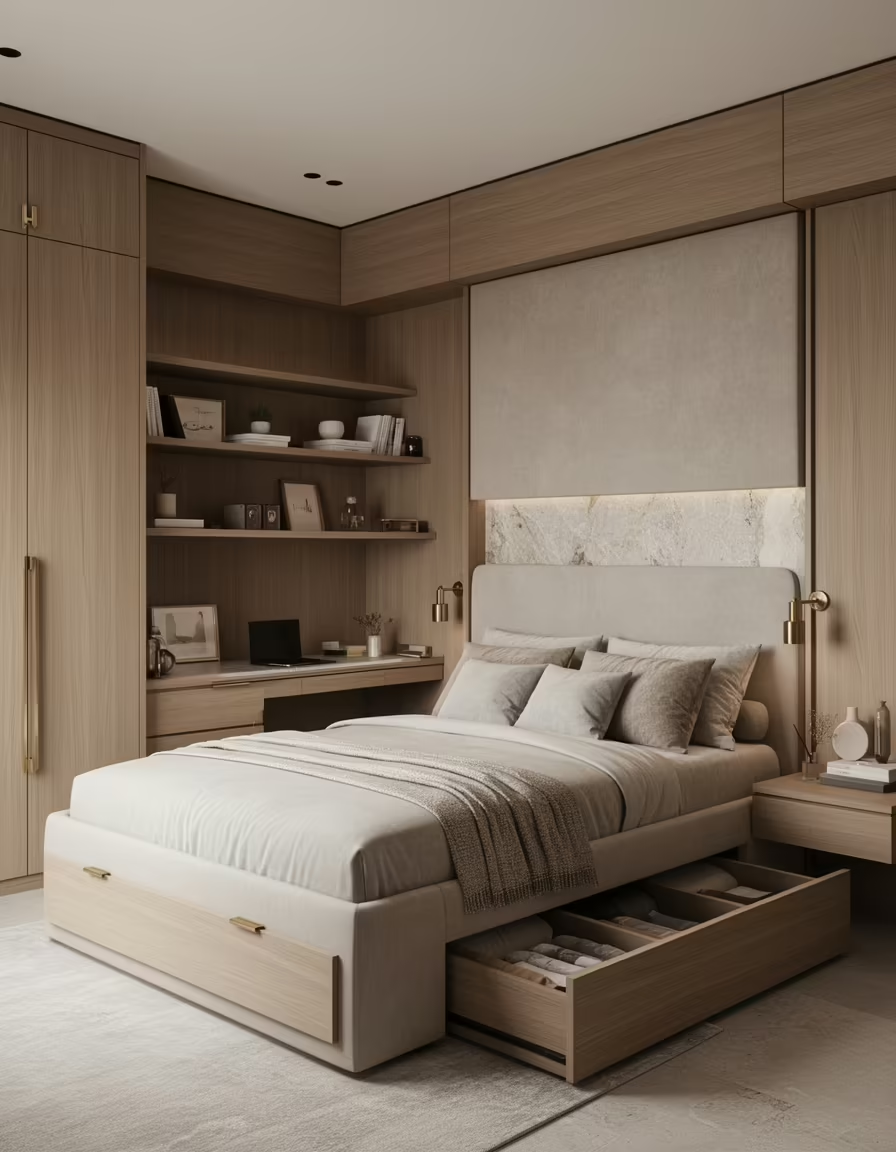
There’s a myth that a small bedroom means giving up storage, a desk, or anywhere to put your clothes. It doesn’t. The rooms that pull all of that off in tight square footage send their storage up the walls and into the architecture, where the floor never feels the weight of it. Maximizing a small room is about finding the storage hiding in plain sight.
These ideas focus on getting the most function out of the fewest square feet: anchoring the bed so the floor opens up, building storage into the walls, climbing vertical, and making single surfaces do three jobs. Some are weekend projects and some are just smarter shopping, but together they let a small bedroom hold a full life without ever feeling packed.
Where the Hidden Space Lives
| Where to find space | How to claim it | What it gains |
|---|---|---|
| The walls above eye level | Shelving, a loft, wall-mounted units | Storage that costs zero floor |
| Inside the architecture | Built-ins flush with the walls | Capacity that looks like the room itself |
| Under and around the bed | Drawers, a storage base, a headboard shelf | A dresser’s worth of room with no dresser |
Smart Layouts That Make Small Spaces Work
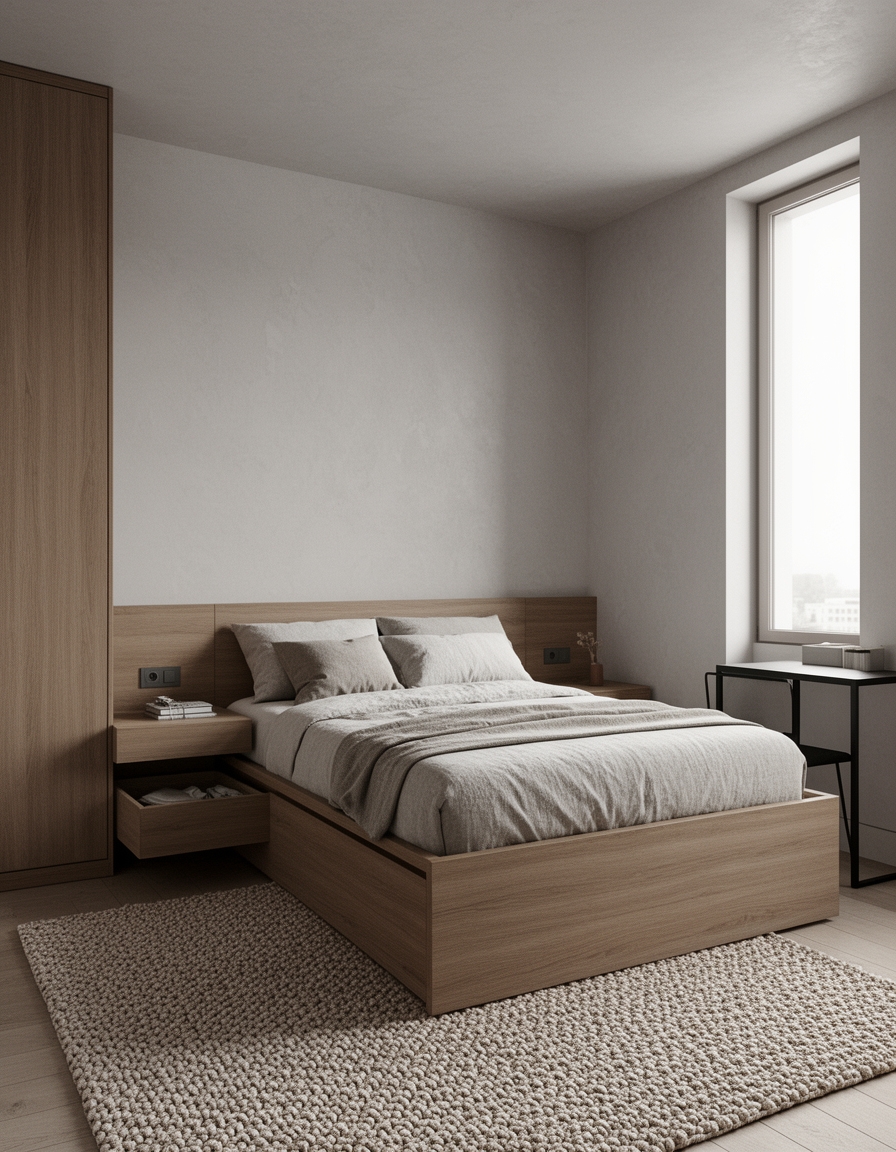
Maximizing a small bedroom starts with a shift in mindset: stop asking what will fit and start asking how much function you can pack in without crowding the floor. The rooms that win the space game treat the walls and the air above the furniture as usable, so the floor stays open while the storage climbs.
That one reframe changes every choice that follows. The floor in a small room is almost always full, while the walls sit half-empty, and the gap between the two is where the extra storage is hiding.
- Plan for capacity per square foot, judging each piece by how much it holds for the floor it takes.
- Treat the walls as the real storage, since floor space is scarce and wall space sits mostly free.
- Anchor the layout with the bed, then build everything else around it the way these layout ideas for small rooms suggest.
Measure and Plan to Optimize the Space
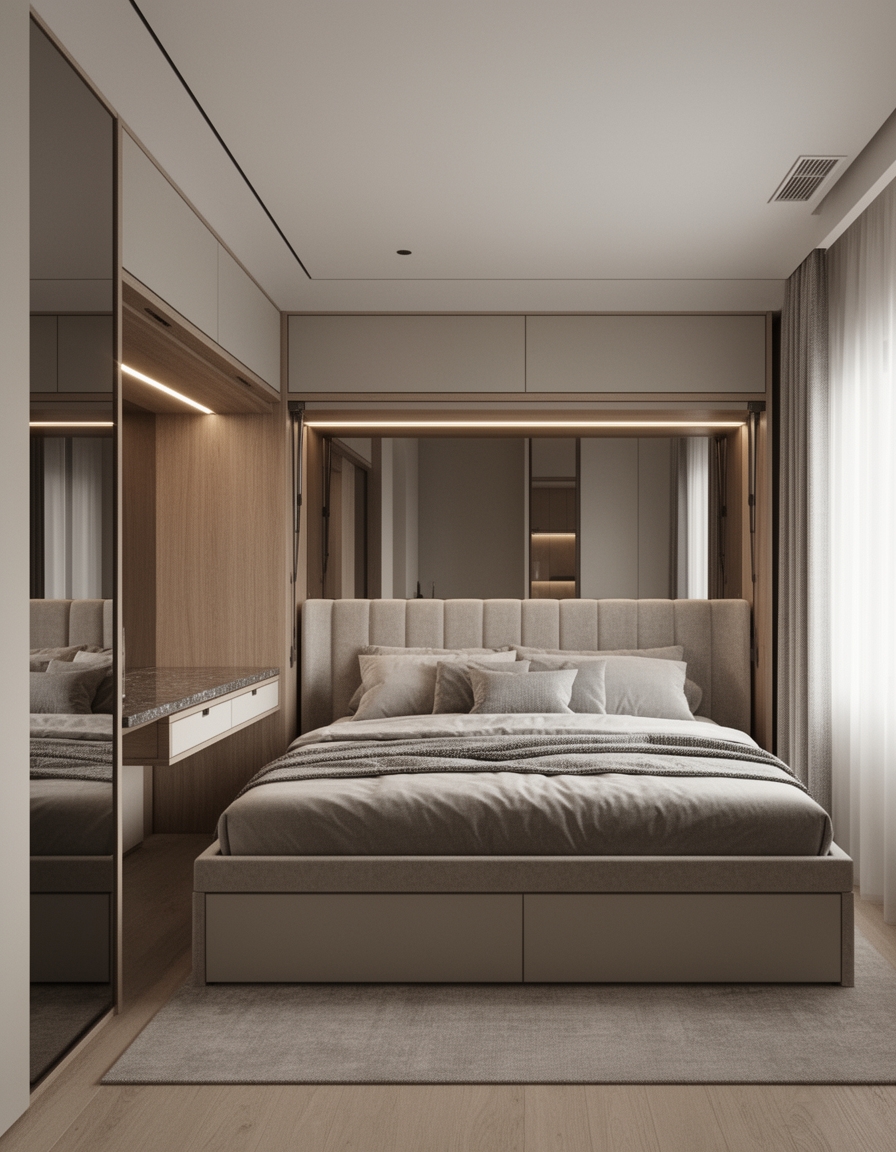
In a small room, an inch is the difference between a piece that fits and one that blocks a door, so precise measuring is what makes ambitious plans possible. Get the wall lengths, the ceiling height, the door swing, and the window sills down on paper before you buy anything.
The ceiling height especially matters here. Vertical room is exactly the space you’re about to claim, and an extra foot of wall above a doorway can swallow a season’s worth of storage you currently have nowhere to put.
Sketch the footprint to scale and test the big pieces on the drawing first. A bed, a wardrobe, and a desk that look impossible at a glance often slot in once you see them mapped against the real dimensions, and the sketch shows you where the built-ins and shelving can go. Five minutes of drawing saves a return trip with a piece that was an inch too wide.
I measure the wall height before I worry about the floor, since that’s where the extra capacity is hiding. Once the numbers are down, the plan stops being guesswork and starts being a puzzle with a solution, the same precision these clever layout ideas reward.
👍Built-in storage
- +Recessed units tuck a full foot of depth between the studs
- +Custom runs take roughly two to four weeks to build and fit
- +Holds the most per square foot of any option here
👎Freestanding storage
- –Ready the same day you carry it through the door
- –Comes with you to the next place, no demo needed
- –Wants clearance behind and beside it, which costs you floor
Maximize Floor Space Efficiently
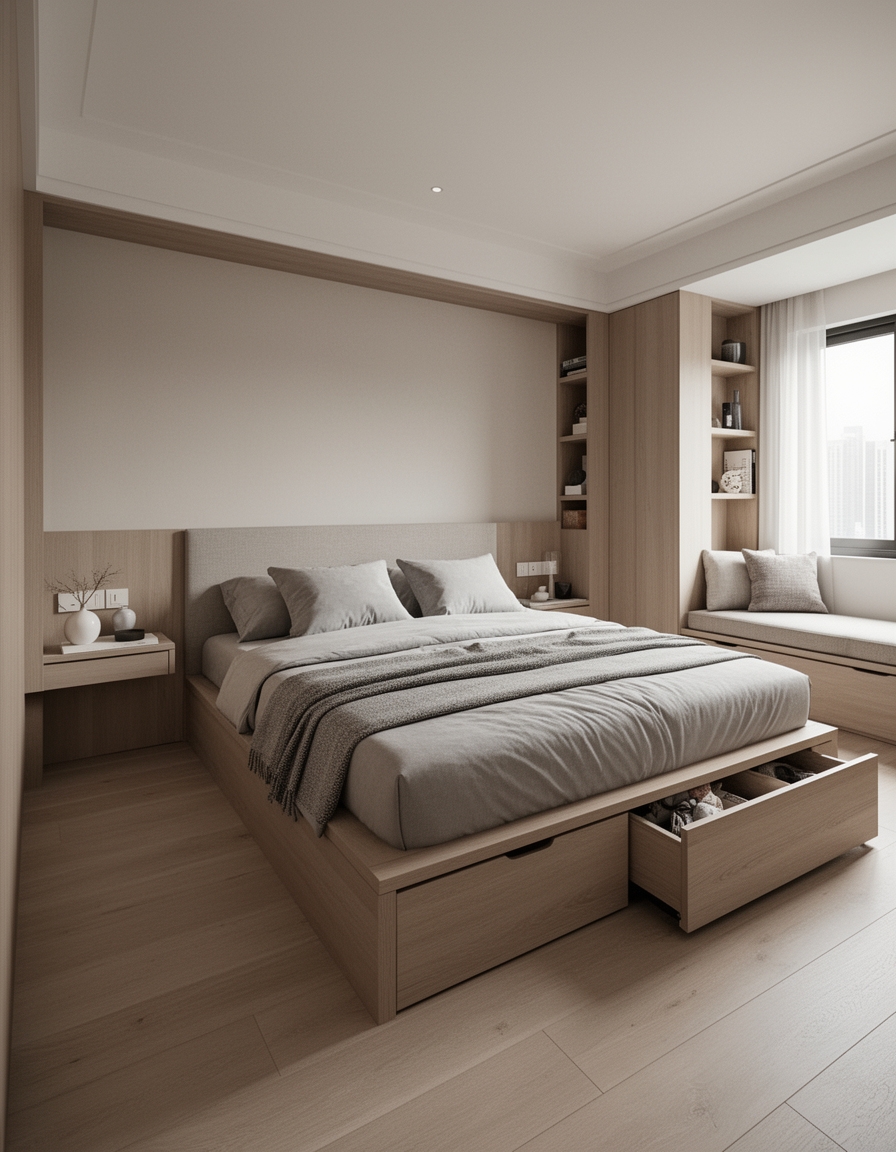
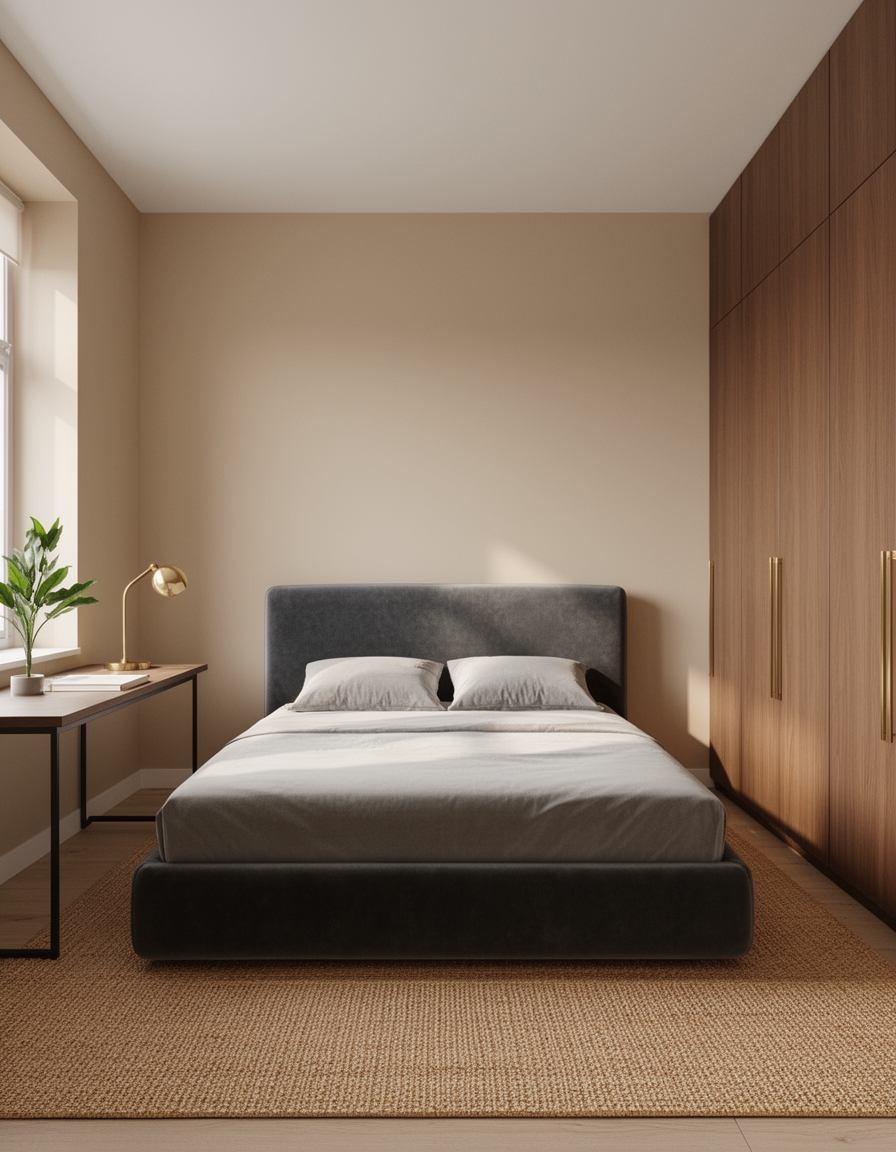
Floor space is the currency of a small room, and the bed spends most of it, so where it lands decides how much you have left. Push it against a wall, ideally into a corner if the room only needs one open side, and a surprising amount of floor opens up at once. A low-profile frame keeps the sightline above it clear, which makes the remaining floor feel even more generous.
From there, keep the center of the room as empty as you can. The open middle is what the eye reads as space, so let the furniture hug the walls and leave a clear core to move through. A single uncluttered patch of floor does more for the feeling of room than any clever piece you could add to fill it. Empty floor is the luxury here. Guard it.
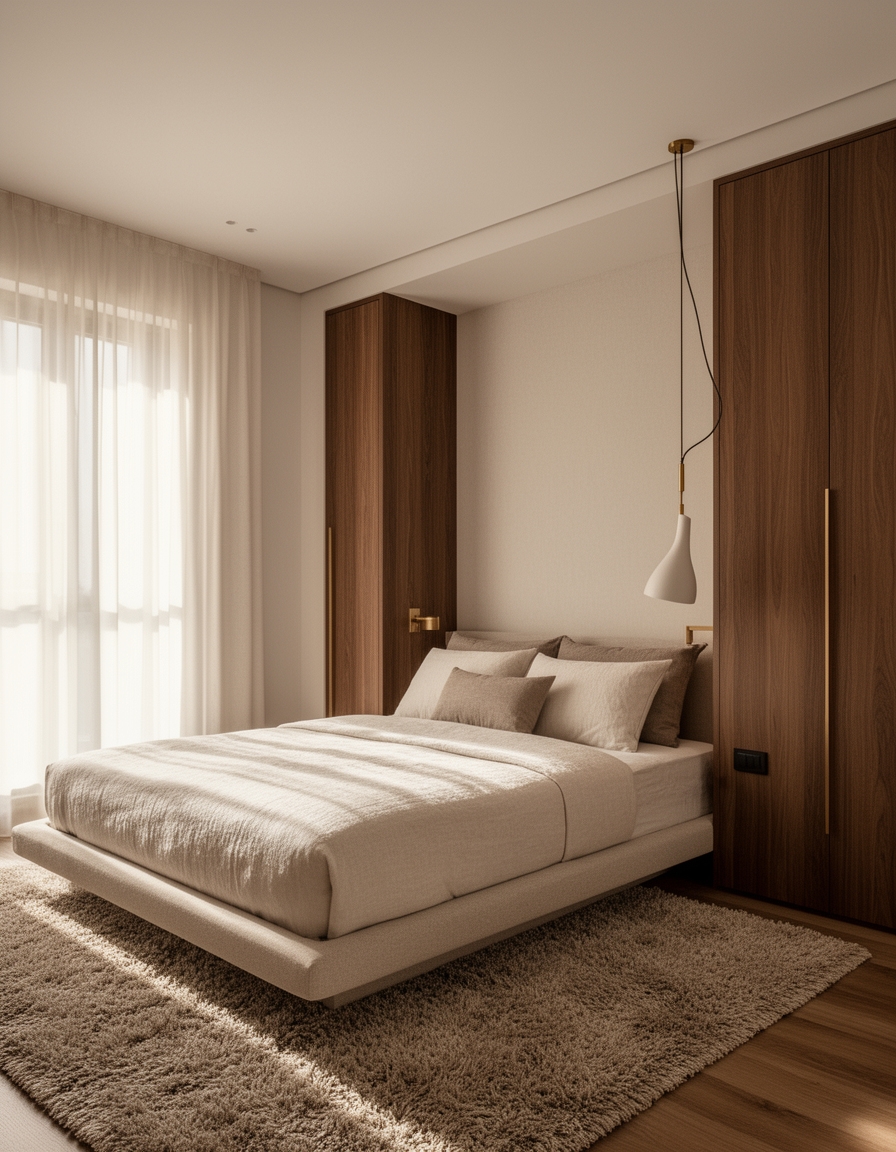
Choose pieces that hover where you can. A wall-mounted nightstand, a floating shelf, or a bench on legs all let the floor show beneath them, so the eye travels under the furniture and the room breathes. The more floor you can actually see, the bigger the room lives, and these decor ideas worth borrowing put it to work.
Functional Built-In Storage
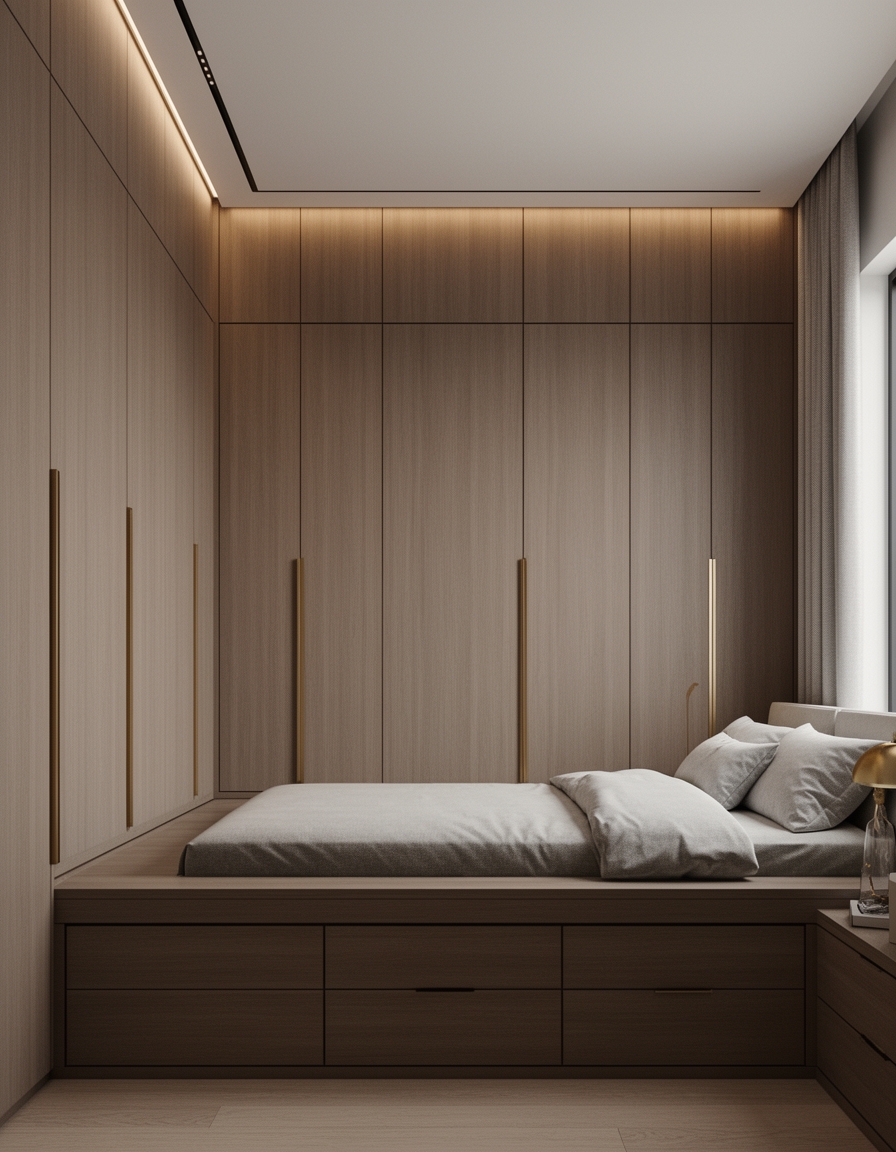
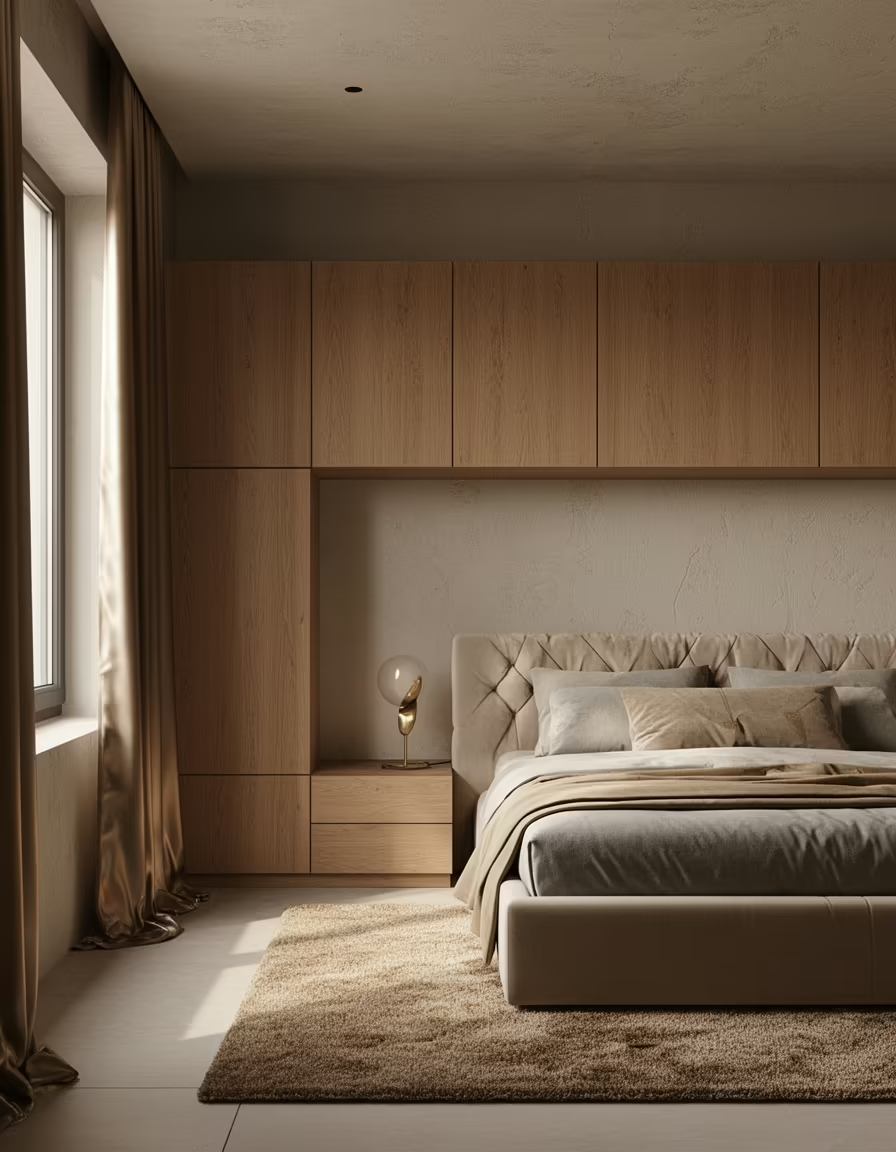
Built-in storage is the move that separates a maximized room from a merely tidy one, because it turns the walls themselves into capacity. Cabinetry that sits flush with the wall, shelving recessed between studs, or a wardrobe built into an alcove holds a roomful while reading as part of the wall.
It looks built, not bought. That is the whole difference between a maximized wall and a cluttered one. The result is storage you barely notice and floor you fully keep.
Build into the dead zones first
Built-ins pay off most when you’re staying put, since they’re an investment in the room itself. A custom run can climb past a thousand dollars, but a paneled IKEA-hack wardrobe or recessed shelving often lands at $200 to $500 and gets you most of the look. I push built-ins on anyone planted in a place for years, because the storage-per-dollar in a small room is hard to beat.
Wrap the storage around the things that don’t move. The wall above the bed, the space flanking a window, the awkward nook beside a chimney, all of these take built-in shelving or cabinets that freestanding furniture could never fit. Building into the dead zones is how a small room quietly doubles what it can hold, and these storage ideas for hiding clutter show where to start.
| Move | Rough cost | Floor it frees |
|---|---|---|
| Wall-mounted nightstands | $30 to $80 each | Two small footprints gone |
| Recessed or IKEA-hack built-ins | $200 to $500 | A whole dresser’s worth |
| Loft or high-platform bed | $300 to $800 | The entire footprint under the bed |
Smart Multi-Use Space Solutions
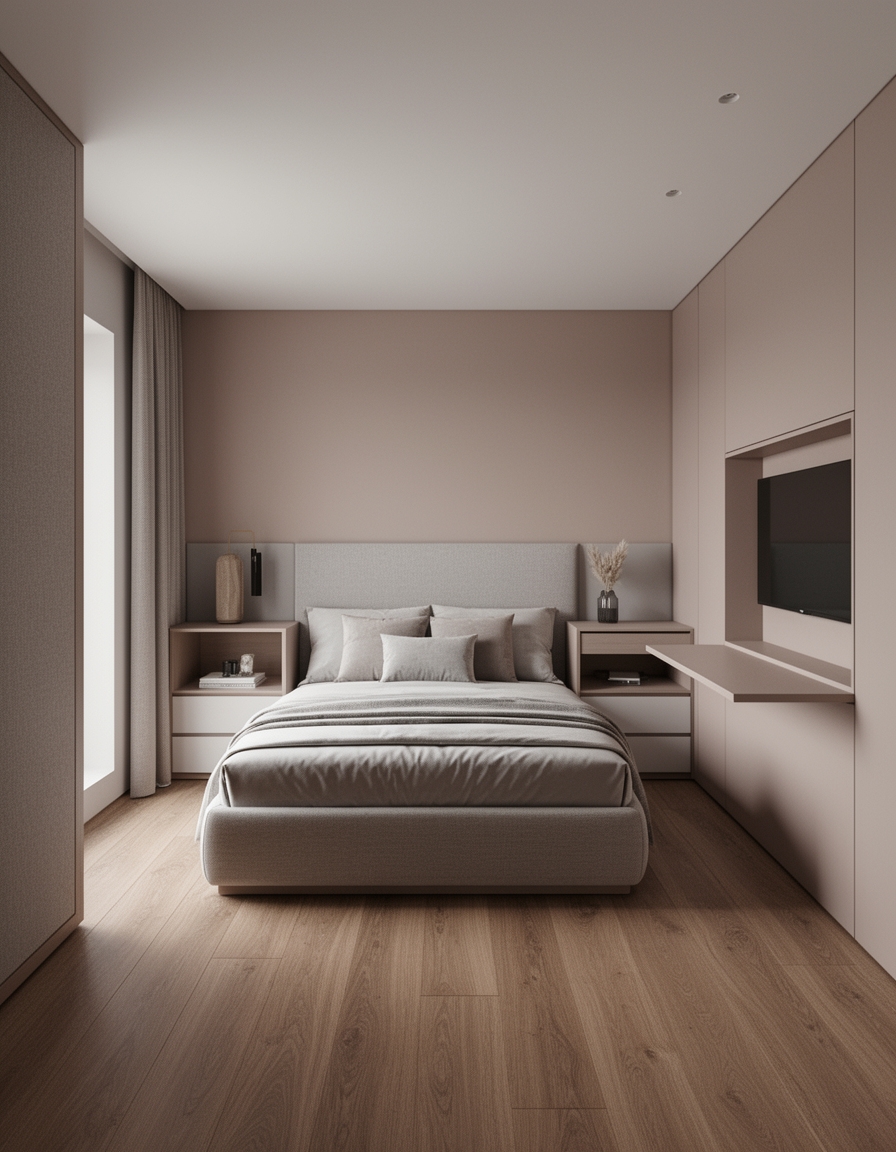
When the floor is spoken for, the next gain comes from making each surface earn more than one job. A single ledge along a wall can serve as a desk, a nightstand, and a dresser-top in turn, so you skip two pieces of furniture and the floor they’d need. The trick is choosing pieces that switch roles cleanly. A good multi-use piece does each job properly; a bad one does all three poorly and you end up resenting it.
Look for furniture that folds, lifts, or converts. A fold-down desk disappears after hours, a storage ottoman seats you and hides the spare bedding, and a daybed works as a sofa by day and a bed by night, so one footprint covers two needs. That is the whole game in a small room.
- Use a single long ledge as desk, nightstand, and shelf so three pieces collapse into one.
- Pick a fold-down or lift-top piece that reclaims its footprint the moment you’re done with it.
- Choose a convertible like a daybed when the room has to double as a guest or work space.
Go Vertical to Add Real Storage
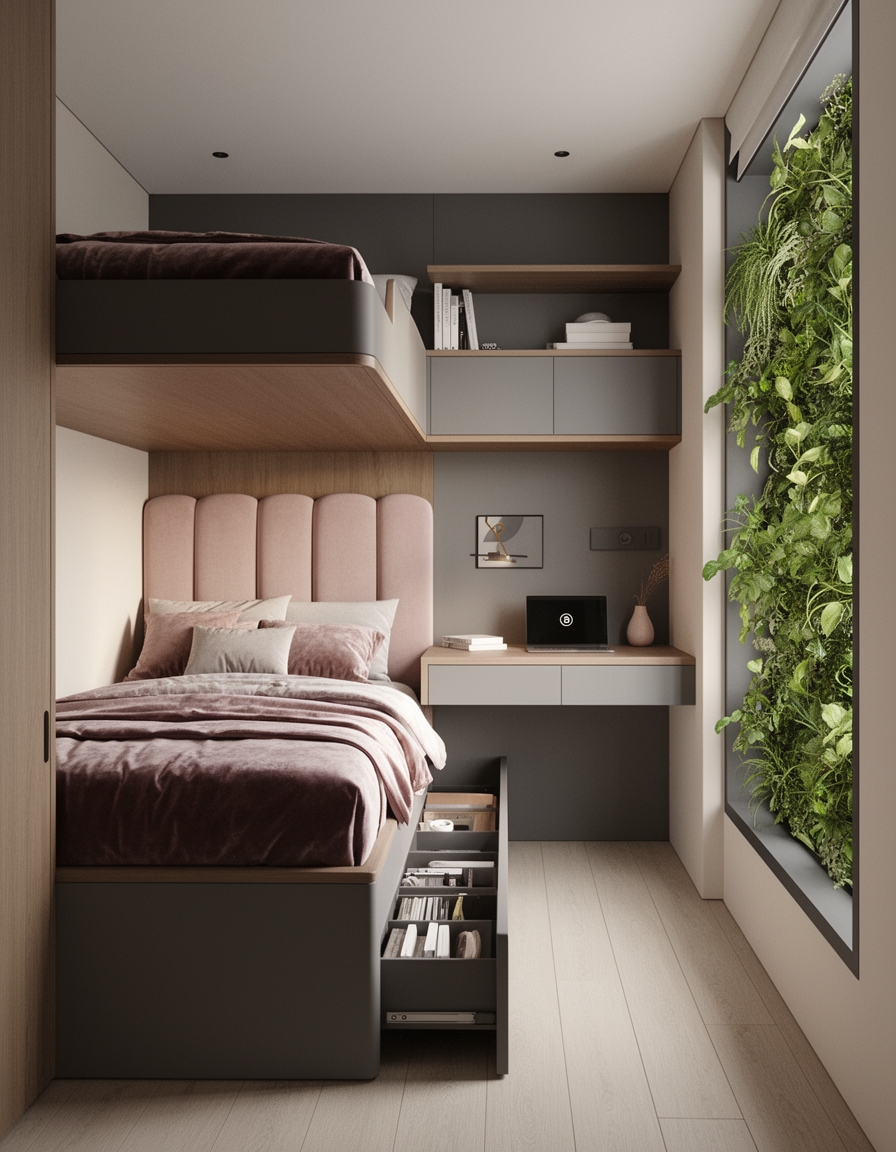
The single most underused space in a small bedroom is the air above your head. Most rooms stop storing at shoulder height and leave two or three feet of wall doing nothing, which in a tight room is a small closet’s worth of space going to waste. Run shelving to the ceiling, hang a rod high for off-season clothes, and put a row of cabinets above the door, and the capacity climbs without touching the floor.
For the boldest gain, a loft or high-platform bed lifts the whole sleep zone up and frees the entire footprint beneath it for a desk, a dresser, or a reading nook. A sturdy loft frame runs roughly $300 to $800 and can nearly double a tiny room’s usable area. Even short of a loft, raising the bed on a tall storage base buys you a full tier of drawers you didn’t have before. The bed barely moves. The storage doubles.
Keep It Open While You Add Storage
There’s a real risk in a maximizing mindset: you chase so much storage that the room ends up as cluttered as when you started, just with nicer cabinets. The point of all this capacity is to get your stuff off the floor and out of sight, so the open room is the goal and the storage is only the means. I recommend filling the new built-ins and clearing the surfaces in the same weekend, so the room actually reads emptier once the project is done.
Hold the visible layer light as the hidden layer grows. Keep the bedside surface to a lamp and a book, leave the floor clear of anything that lives in a drawer now, and resist decorating every new shelf just because it’s there. A maximized room earns its calm by hiding the volume out of sight, and the payoff is a small space that finally feels like it has room to spare.
Built-Ins or Freestanding: Which Pays Off
The big strategic choice in maximizing a small room is built-in versus freestanding, and it mostly comes down to how long you’ll stay. Built-ins win on capacity and on looking like part of the room, since they use awkward inches freestanding pieces can’t reach and they free the floor completely. The catch is cost and permanence, so they suit owners and long-term renters more than someone moving next year.
Freestanding pieces win on flexibility and price. They move with you, they cost far less up front, and a well-chosen tall wardrobe or storage bed gets you most of the capacity for a fraction of the commitment. The smart play for many small rooms is a hybrid: one built-in where the room has a dead zone worth claiming, and freestanding multi-use pieces for everything else, tied together with these paint ideas to refresh a room.
Maximizing a Small Bedroom, Answered
?How do I get more storage in a small bedroom without crowding it?
Send the storage up the walls and into the architecture. Tall shelving, cabinets above the door, a storage bed, and built-ins between the studs all add capacity without taking floor. The goal is to claim the wall and the air above the furniture so the floor stays open while the storage climbs.
?Can renters get a built-in look without construction?
Yes, and without losing your deposit. Tall wardrobes pushed wall-to-wall, stacked modular cubes, and peel-and-stick paneling fake the flush, built-in look and come right back out at move-out. You give up a little of the flush fit a true built-in gets, but you keep almost all of the floor-saving payoff and you take it with you.
?Do loft beds work for adults, not just kids?
Yes, adult-rated loft and high-platform frames are common and sturdy. The one thing to check first is ceiling height: you want around 60 inches of clearance above the mattress so you can sit up without ducking. Clear that and you get the whole floor under the bed for a desk or dresser, the single biggest space win a small room offers.
Small Room, Maximum Use
Maximizing a small bedroom comes down to looking up and looking into the walls for the space the floor can’t give you. Anchor the bed to free the floor, build storage into the architecture, climb vertical with shelving or a loft, and make every surface pull more than one job, and a tight room ends up holding more than rooms twice its size while still feeling open.
The rooms that feel biggest are the ones where every inch, including the inches over your head, has been put to work. Find your room’s dead zones, claim the wall above them, and the floor will stay clear enough that the room finally lives like the bigger space it has been pretending to be.