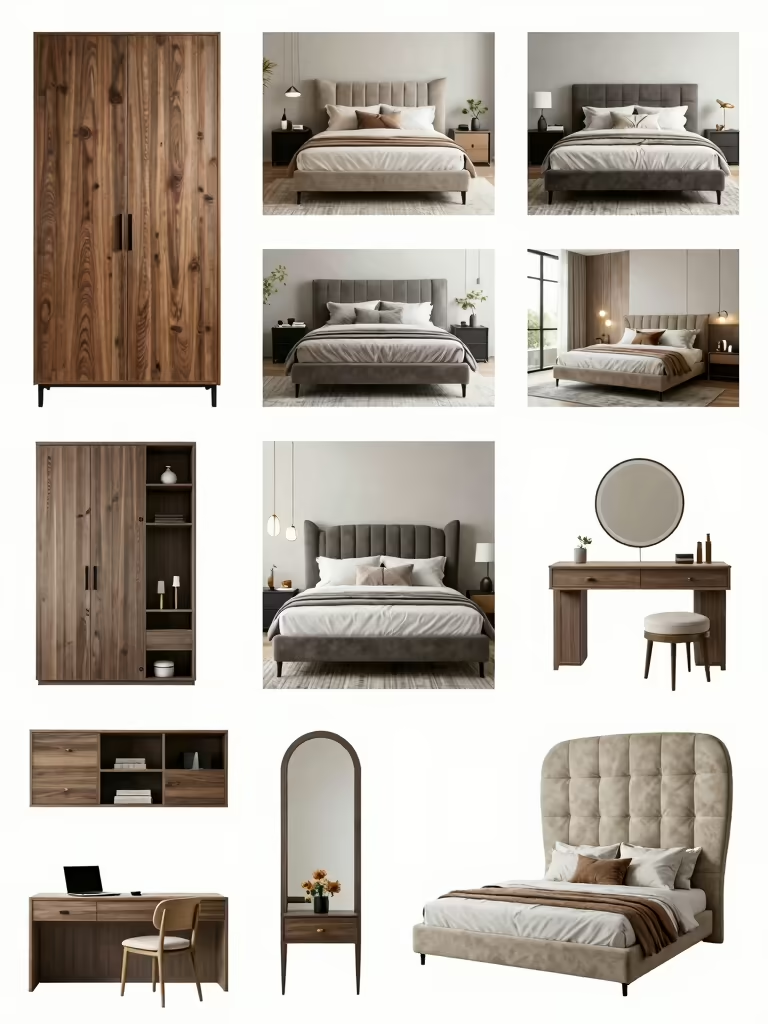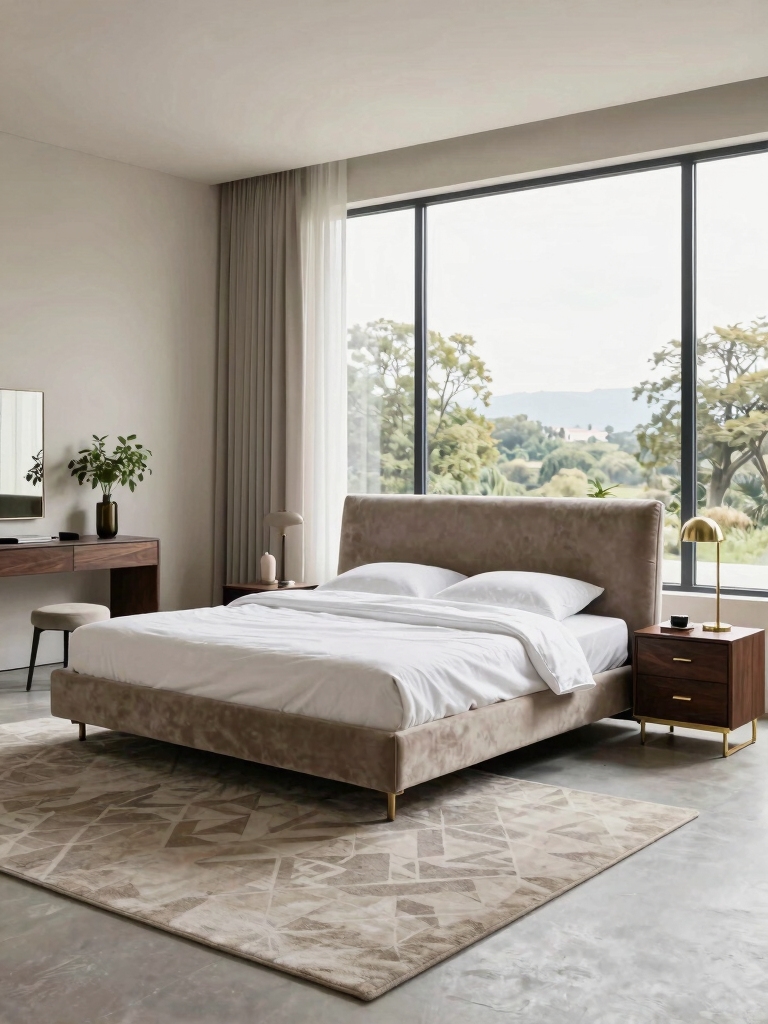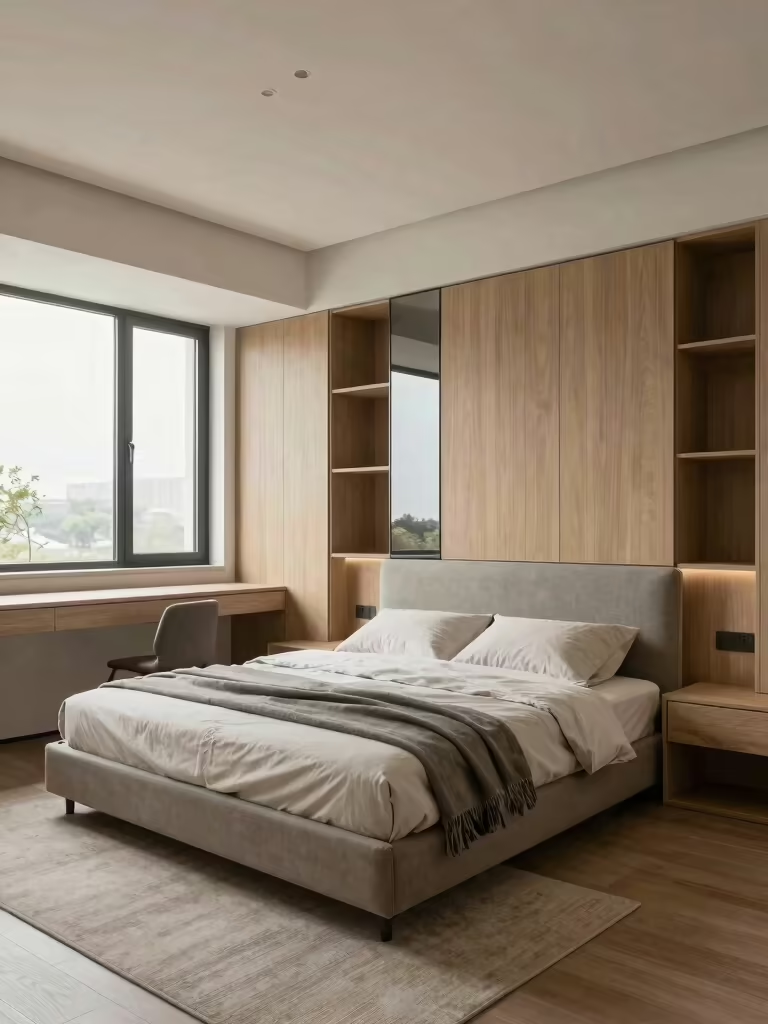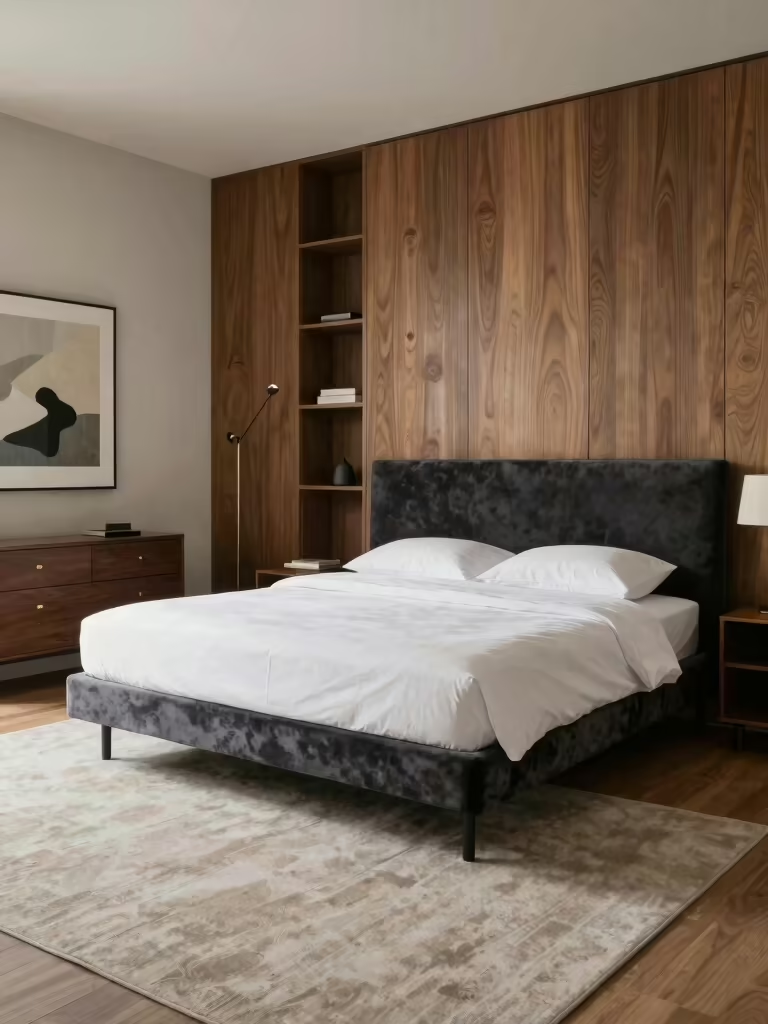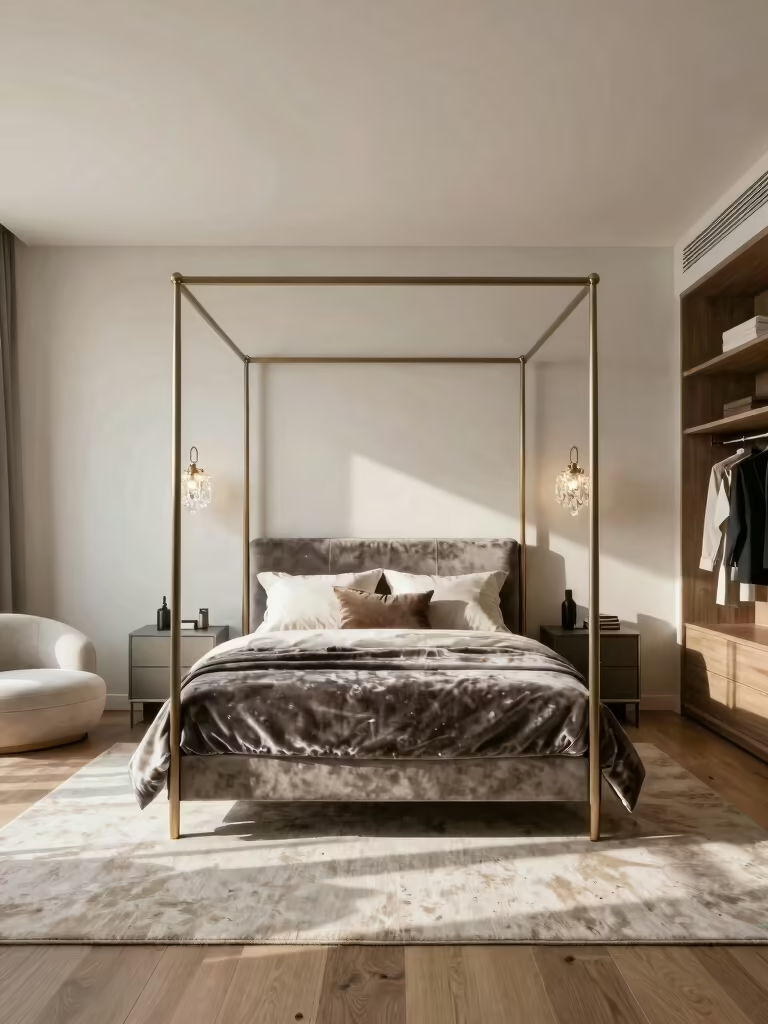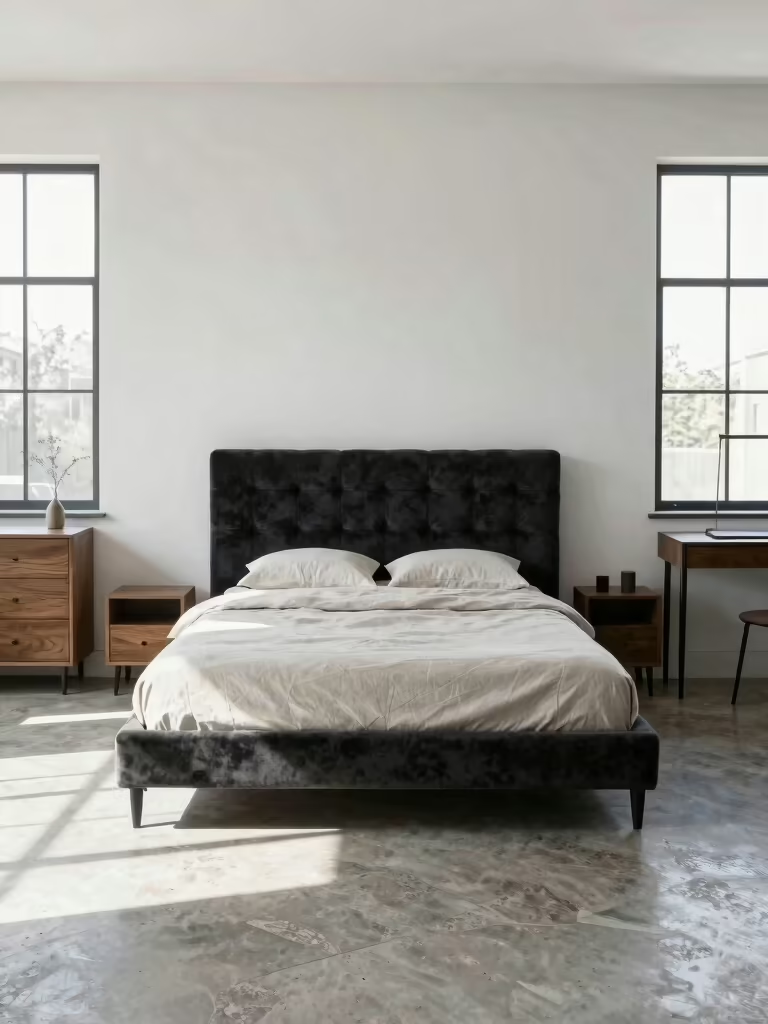

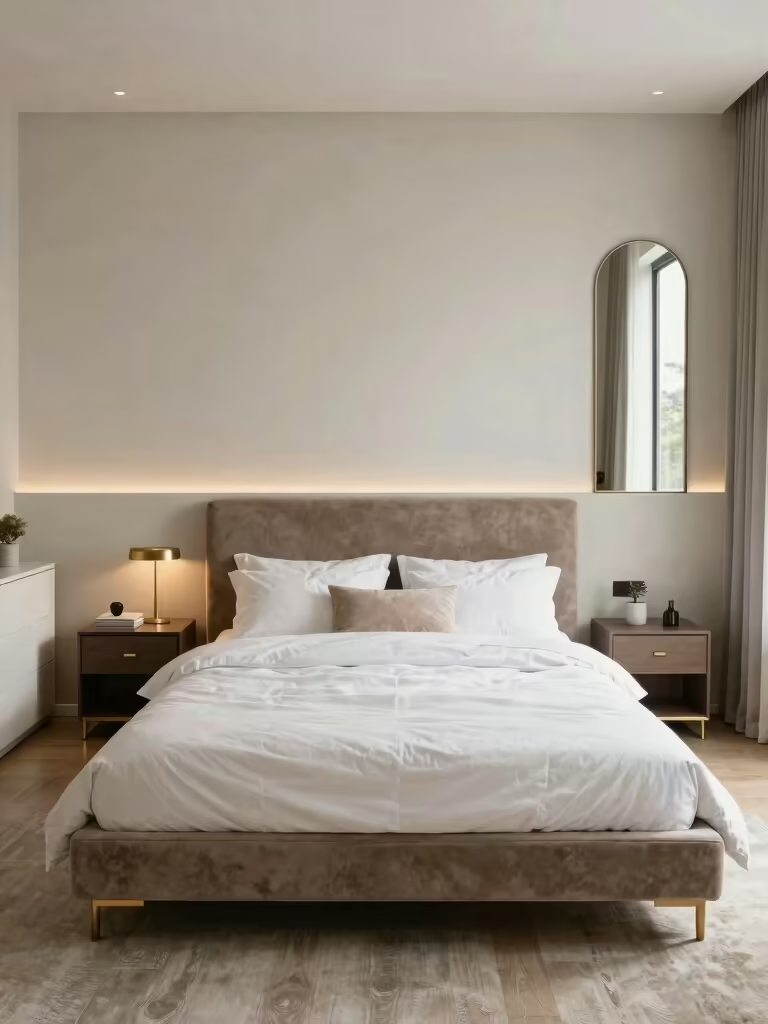
What do you do with a bedroom that’s just plain small? Most people shrink everything and hope for the best, then end up with a room that feels both crowded and a little sad. The good news is that small rooms reward a handful of specific moves, and once you know them, a tight bedroom can feel calm, capable, and truly yours.
This is the overview: the big categories of small-room layout that actually work, from a disappearing bed niche to multi-use furniture, smart zoning, and light that opens the walls. Each one links out to a deeper how-to if you want to go further. Think of it as the map. Pick the category that fixes your biggest frustration and start there, since one good move usually opens up the rest of the room.
Small-Room Moves at a Glance
| Move | Best for | Quick win |
|---|---|---|
| Bed niche or low frame | Rooms where the bed eats everything | Recess or lower the bed and the floor reappears |
| Multi-use furniture | Rooms short on storage | One piece does two jobs and saves a footprint |
| Light palette plus mirrors | Rooms that feel dim or boxed in | Pale walls and one mirror push the walls back |
Space-Saving Bed Niche Ideas
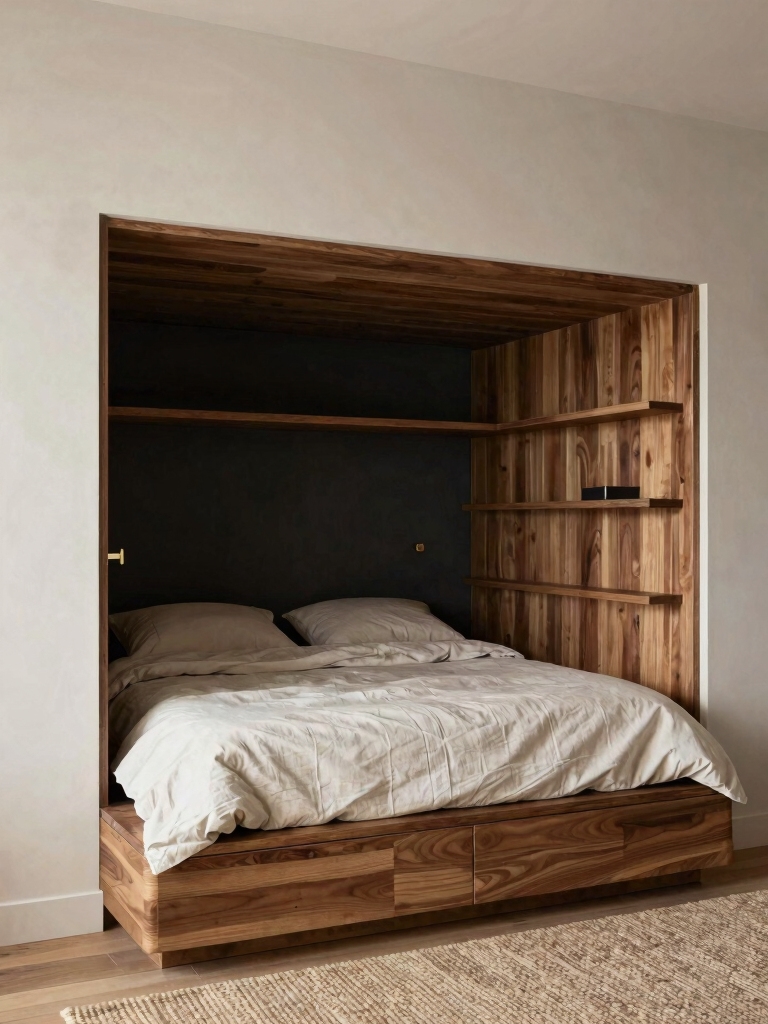
The bed is the biggest piece in any small room, so the first category to look at is how to make it take up less visual space. A bed niche, an alcove the mattress slips into, hands the rest of the floor back to you and gives the room a built-in, tucked-away calm.
If you have a natural recess or a spot between two closets, that’s where the niche wants to go. Look for that gap first. A foot of depth is enough to read as a tucked-in nook, and even a curtain or a half-wall on one side sells the cozy, enclosed feel.
Recess it, or just lower it
No alcove? You can fake most of the effect by lowering the bed and pulling it tight to a wall. A low platform frame works like a niche of its own. It sits close to the ground and keeps the sightline above it open, which makes the ceiling feel higher and the walls taller. Add a slim recessed shelf in place of a nightstand and the bed stops needing furniture around it at all.
I tell people to settle the bed first and judge the room afterward, because everything else is easier once the biggest piece is parked. Once the bed sits light and low, the walls feel further apart and the floor looks like it grew, the same payoff these layout ideas that maximize every inch chase.
Smart Multifunctional Furniture Solutions
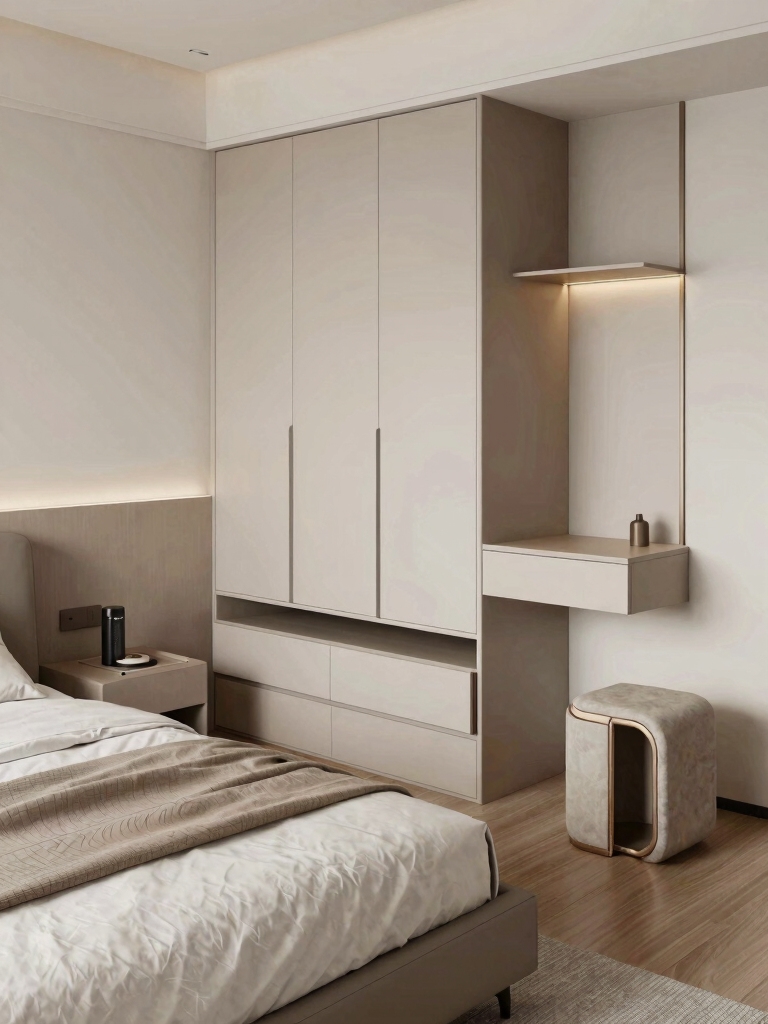
The second category is furniture that earns its footprint twice, which is the heart of small-room living. When floor is scarce, every piece you can collapse into another is floor you get back, so this is the category that pays off fastest. Buy for the everyday use, not the demo. A storage bed runs roughly $250 to $600, and it quietly replaces a whole dresser you no longer have to find room for.
- Pick a bed with drawers or a storage base so the mattress doubles as the dresser you skip.
- Use a desk that works as a dresser or vanity, one surface covering two of the room’s jobs.
- Add an ottoman that lifts to a bin for a seat and a hideaway in one, and stash the rest with these storage ideas for hiding clutter.
Heads-Up
The most common small-room mistake isn’t too little furniture; it’s too much. Before you buy a single space-saving gadget, take one piece out and see how the room feels. Empty floor reads as space, and subtraction is free, so try it before you spend on clever storage you may not need.
Intentional Zoning for a Productive Room
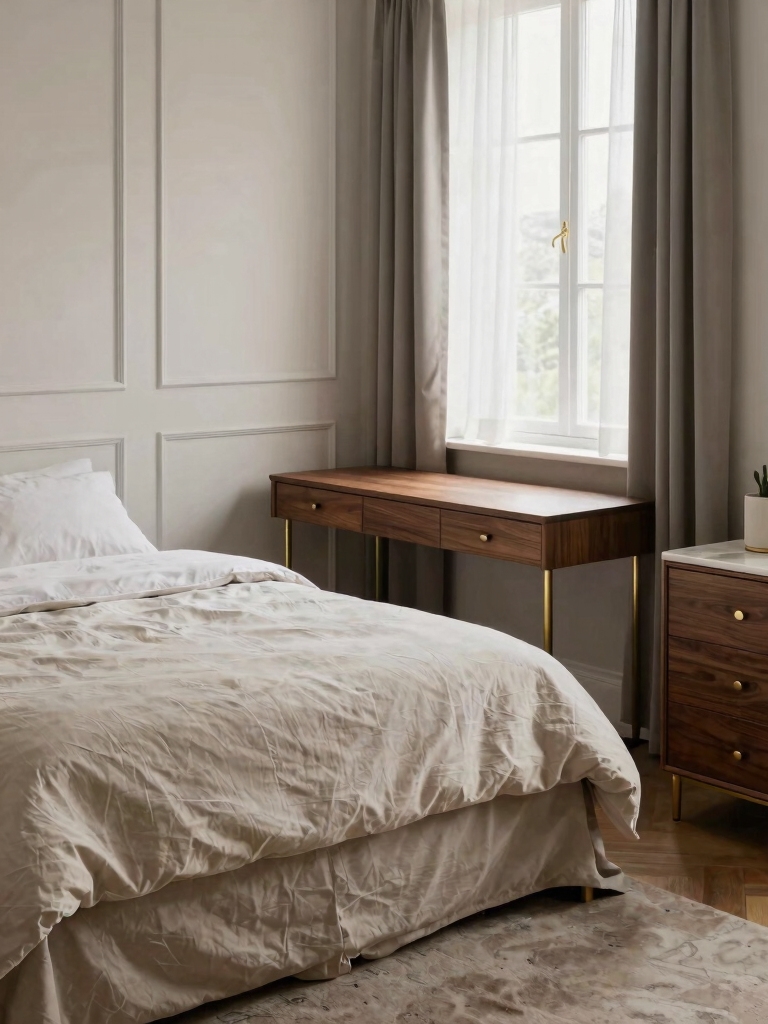
Third comes zoning: splitting even a tiny room into a sleep pocket, a work pocket, and a storage pocket so each has a clear job. It sounds like a move for big rooms, but small ones need it more, because an undefined space looks cluttered while three tidy pockets look planned. You don’t build walls. You just signal the edges with a rug, a lamp, or the back of a shelf.
- Mark the sleep pocket with the bed and a rug, the anchor everything else arranges around.
- Carve a work or vanity pocket into a corner with its own small light so it feels separate.
- Keep a storage pocket along one wall, and lean on these clever layout ideas to place them without crowding.
Layered Lighting That Enhances Small Spaces
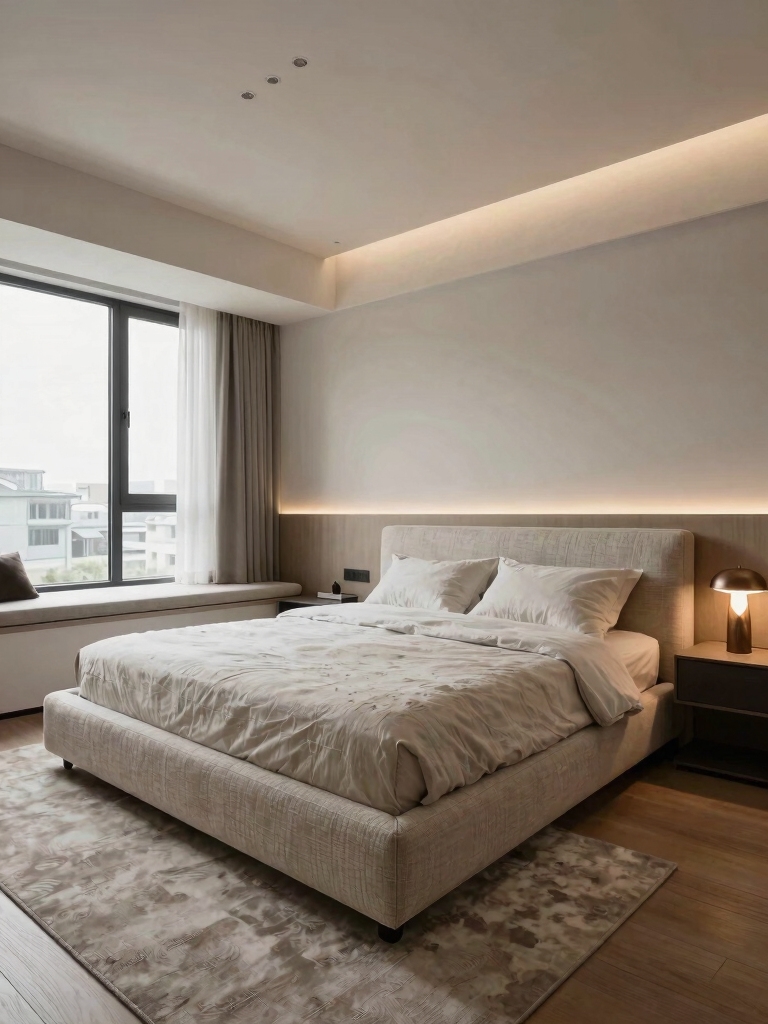
Lighting is the category most people underrate, and it changes a small room more than almost any purchase. A single ceiling bulb flattens a room and shows every limit; spreading the light into layers gives the space depth and makes it feel larger after dark. This is the cheapest upgrade on the list. It’s the one I push hardest with every client.
Three sources beat one bright bulb
Build three sources you can control on their own: a soft overhead, a bedside light, and one low accent glow in a corner. Keep the bulbs warm and put the main fixture on a dimmer, a few dollars well spent, so the room slides from bright in the morning to low and restful at night. Wall sconces earn their place here because they free up the nightstand entirely.
Let a little of that light graze a textured wall or a plant so the corners feel intentional after dark. The room gains a sense of depth that square footage alone can’t buy, and the layers do more for the mood than another piece of furniture would, the way these lighting ideas for mood lay it out in full.
Zone a small bedroom in three quick steps:
1Anchor the sleep pocket
Place the bed and a rug first; that’s the fixed point the other two pockets arrange around.
2Carve the work or vanity pocket
Tuck a slim desk or vanity into a corner and give it its own small lamp so it reads as separate.
3Line up the storage pocket
Run wardrobe and shelving along one wall, keeping the floor between the pockets clear to walk.
Reflective Surfaces That Enhance the Space
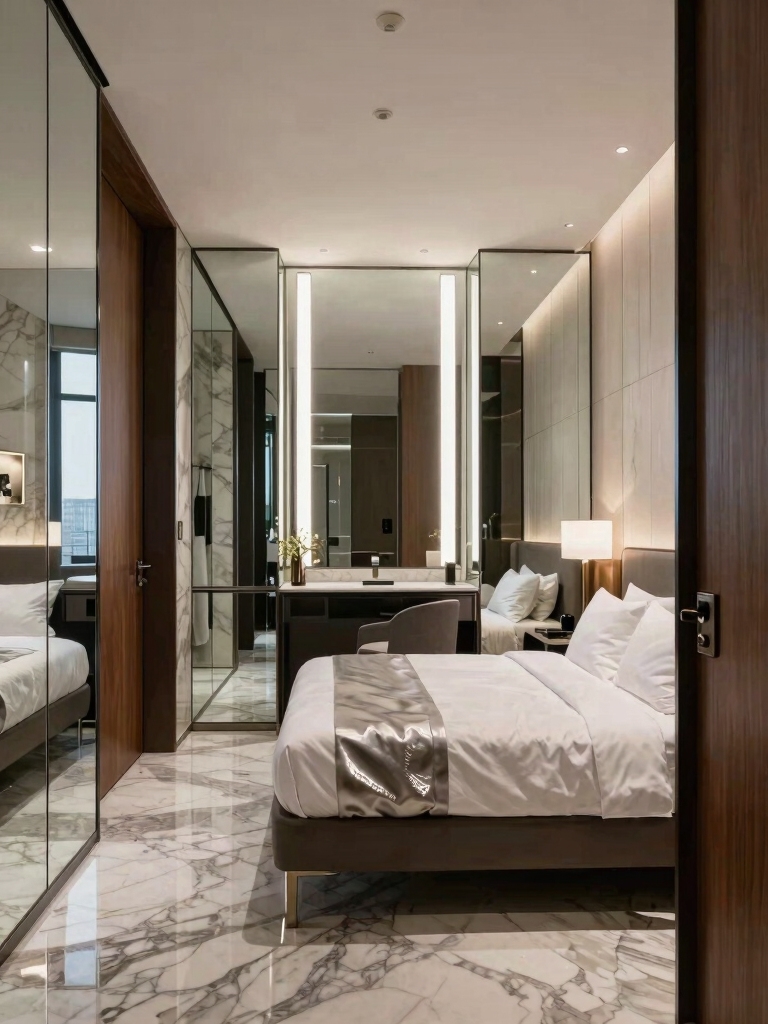
The last big category is reflection: using mirrors and glossy surfaces to borrow light and visual depth without spending an inch of floor. A large mirror catches whatever light the room has and throws it back, so the walls seem to recede and the room looks bigger than the tape says. It’s the closest thing to free square footage a small room offers. One mirror does the work of a window you don’t have.
A few cautions keep it from tipping into busy. One generous mirror beats a scatter of small ones, glass and acrylic pieces lighten the visual load by letting you see through them, and clear, calm reflections work better than fussy framed clusters that just add clutter to bounce back at you.
- Hang one large mirror where it catches daylight or a lamp, then leave the other walls calm.
- Choose glass or acrylic for a side table or shelf so the piece all but disappears.
- Keep the reflected view tidy, since a mirror doubles whatever sits in front of it, mess included.
A Light Palette to Open Things Up
Color belongs on any small-room list because pale walls do quiet, constant work. Light, low-contrast colors let the eye glide from wall to wall without stopping, so the boundaries of the room soften and the space feels more open.
Whites, creams, and soft greiges all feel airy. Keep the trim and ceiling in the same light family and the walls stop feeling like a box. Contrast is what chops a small room up. Hold it down and the room reads as one calm, continuous volume.
You don’t have to go stark to get the effect. A pale base with one gentle accent, a dusty blue or a warm clay in the textiles, keeps the room feeling calm and open while still having a point of view. Match the undertone to the light your room gets, cooler whites for bright rooms and warmer ones for dim, and these color palette ideas help you land it.
Flexible Pieces That Fold Away
For the tightest rooms, the move is furniture that disappears when you’re not using it. A fold-down wall desk gives you a workspace for an hour and folds flat for the rest of the day; a Murphy or wall bed reclaims the entire floor in the daytime; a drop-leaf table or a stacking stool tucks away the moment company leaves.
Each one trades a fixed footprint for floor you get back on demand. The room flexes with your day. Open when you need it, gone when you don’t.
Flexible pieces shine when a room has to wear two hats, bedroom and office, bedroom and guest room. Spend a little more on the mechanisms here, since a smooth fold-down you actually use beats a cheap one that sticks and gets left open, and a good wall desk runs roughly $150 to $400. Pick one flexible piece for the job your room struggles with most and let it carry the double duty, the way these decor ideas worth borrowing do.
Where to Start in Your Own Room
With this many categories, the trap is trying all of them at once and finishing none. So start with the one that fixes your biggest daily frustration. If the bed swallows the room, begin with the niche or a lower frame; if you’re drowning in stuff, lead with multi-use furniture; if it feels dim and boxed in, start with light and a mirror. One category, fully done, changes a room more than five half-tried tweaks.
Give the first move a week before you judge it. Live with the new bed position or the new lighting, notice what still bugs you, and let that point you to the second category. I see small rooms come together fastest this way, one decision at a time, and it keeps a tight budget from going on things the room didn’t actually need.
Small-Room Layout Questions, Answered
?What is the best layout for a very small bedroom?
One that lightens the bed and pushes storage to the walls. A low or recessed bed against a wall, a tall narrow wardrobe, and a clear path through the middle give you the most open floor. Add a mirror and warm layered light, and even a tiny room feels calm and bigger than it is.
?How do I fit everything in a small bedroom?
Lean on multi-use furniture and vertical space. A storage bed, a desk that doubles as a vanity, and shelving that climbs the wall hold far more than separate pieces while taking less floor. Be honest about what you can store elsewhere, since the room only has to hold what you use day to day.
?Do mirrors really make a small bedroom look bigger?
Yes, when they’re placed to catch light. One large mirror across from a window or a lamp bounces brightness deep into the room and adds visual depth, so the walls seem to recede. Keep the reflected view tidy, since a mirror doubles whatever sits in front of it, and one big mirror beats several small ones.
?Where should I start with a small bedroom makeover?
Start with your biggest frustration, not a shopping list. If the bed dominates, lower or recess it; if storage is the issue, add multi-use pieces; if it feels dim, fix the light first. Do one category fully, live with it a week, and let the result point you to the next move.
Small Room, Smart Layout
A small bedroom doesn’t need more space; it needs the right moves for the space it has. Lighten the bed, lean on multi-use furniture, zone the room into clear pockets, and bounce light around with a pale palette and a mirror, and a cramped box turns into a room that feels calm, capable, and a good deal bigger than it measures.
You don’t have to do everything at once, and you shouldn’t. Pick the category that fixes your biggest frustration, give it a real try this week, and let each result guide the next move. A small room rewards patience and a clear plan far more than it rewards spending.