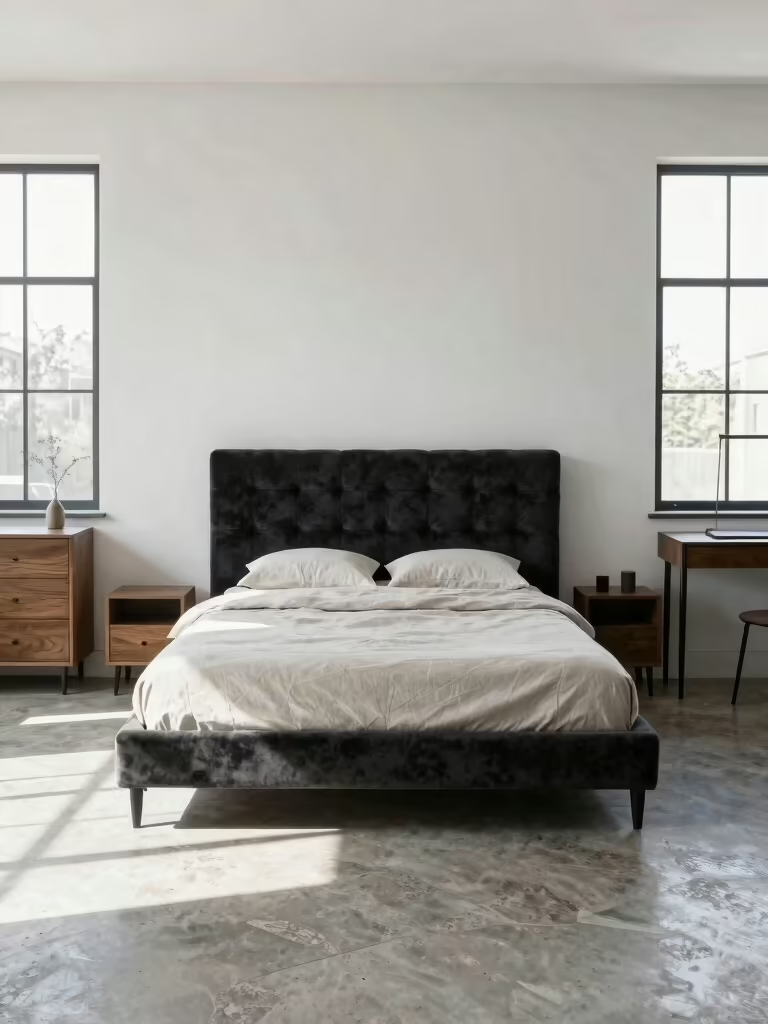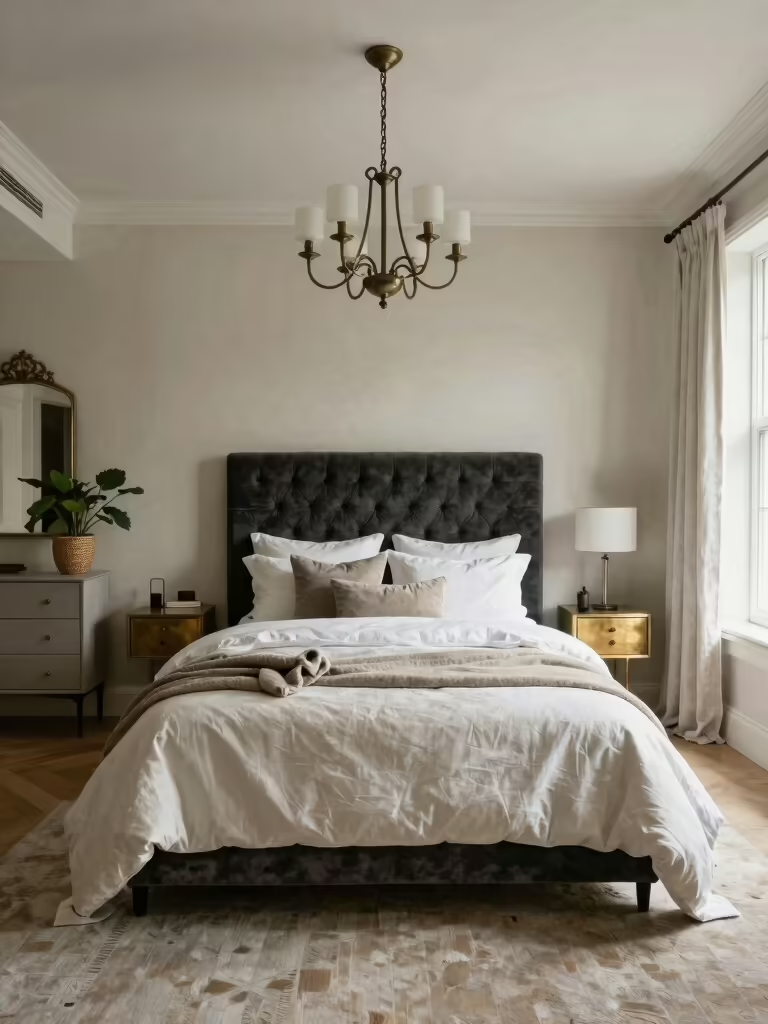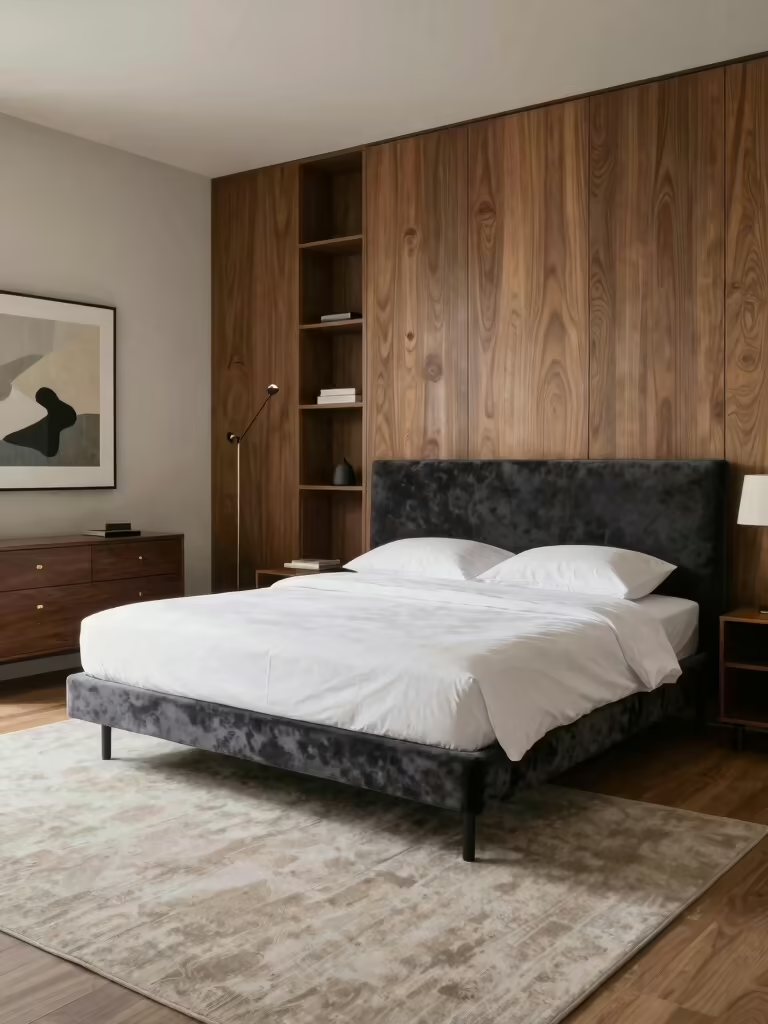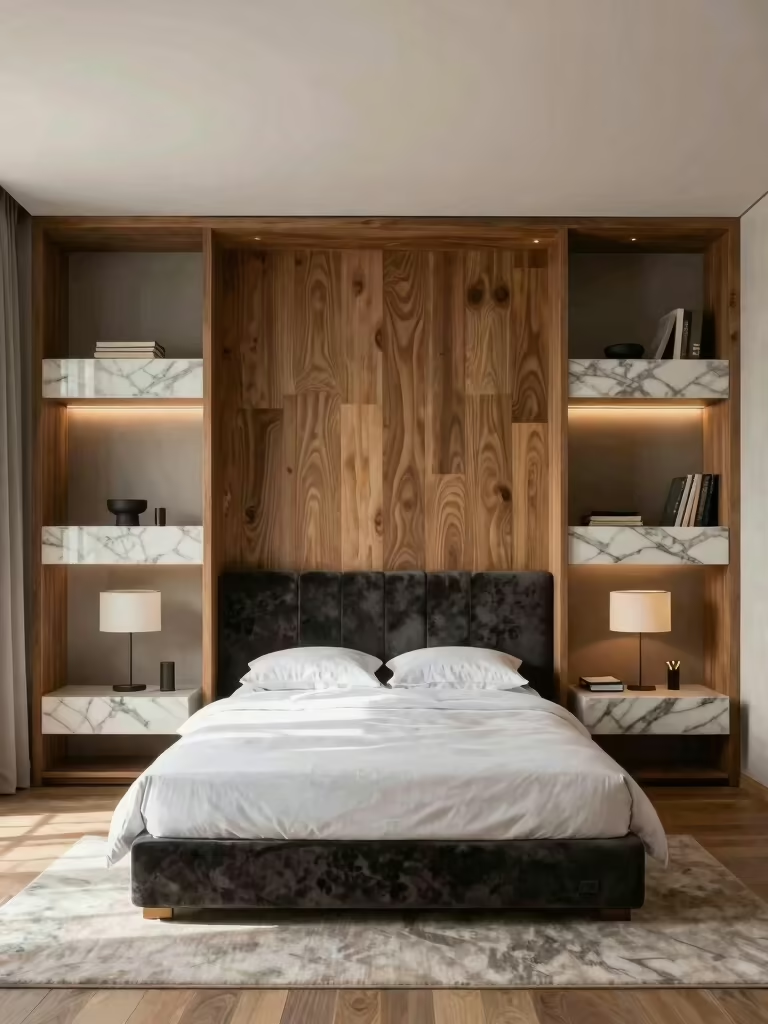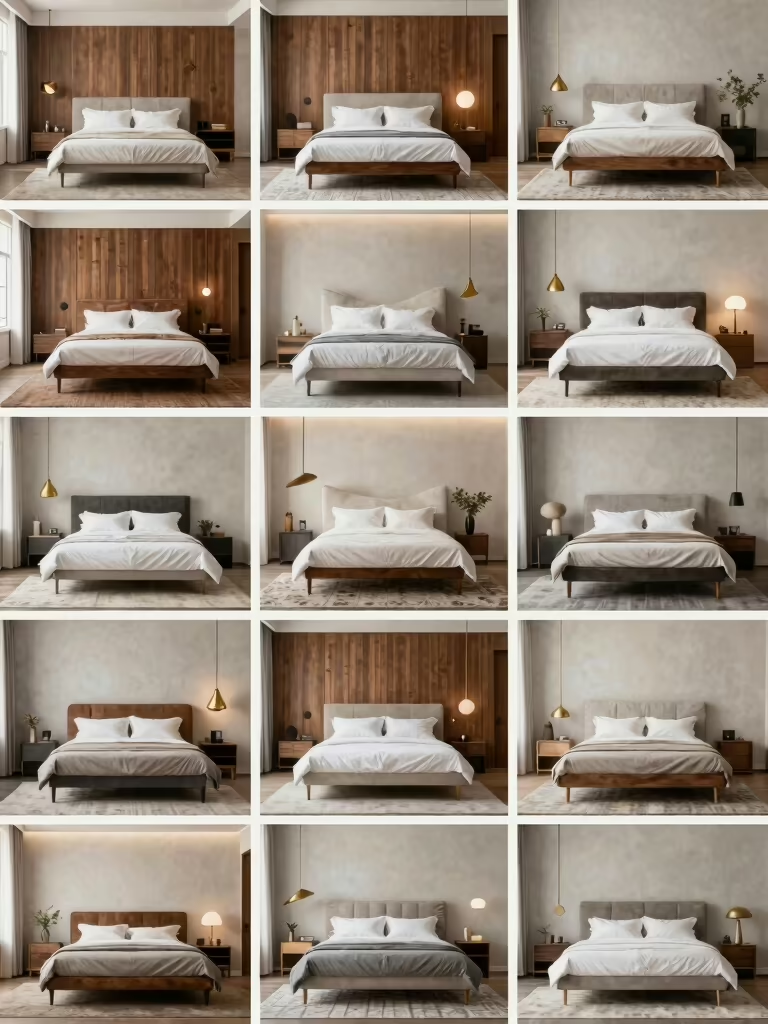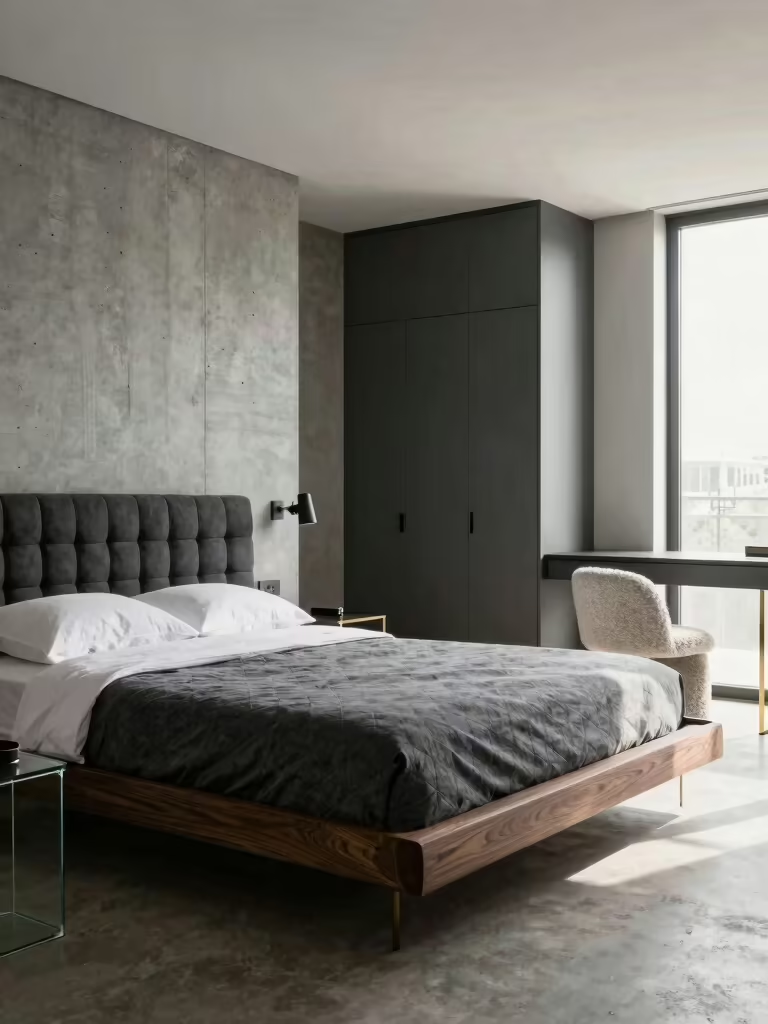

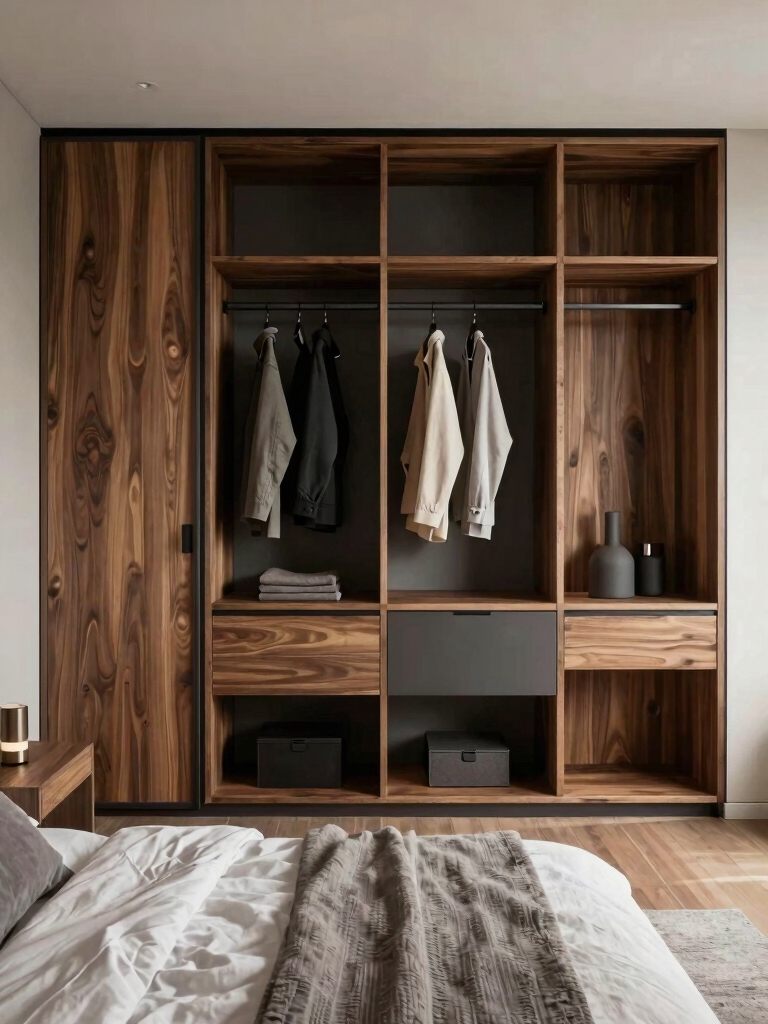
A 10×11 bedroom gets a bad rap. People assume that little square footage means you sleep there and store everything else somewhere else, when the smartest small rooms quietly handle sleep, work, dressing, and downtime all at once. The trick has nothing to do with more space. It’s designing the room around how you actually live in it.
These ideas start from your routine and work backward to the layout: where you wind down in the evening, whether you work from the room, how you get dressed in a rush. Sort the bed, carve the zones your day needs, build the storage in, and add a few smart-home touches, and a tight 10×11 starts pulling its weight from morning to night without ever feeling cramped.
Smarter-Living Moves for a 10×11
| Smart move | What it gives you | Rough cost |
|---|---|---|
| Design around your routine | A room that fits your day, not a template | Free |
| Carve a real work zone | Somewhere to focus without the bed in view | $80 to $250 for a fold-down desk |
| Build storage into the bed | A dresser’s worth of room with no dresser | $300 to $700 for a storage platform |
| Add smart-home touches | Light and power that run on your schedule | $10 to $40 a fixture |
Optimize the 10×11 Layout Around Your Day
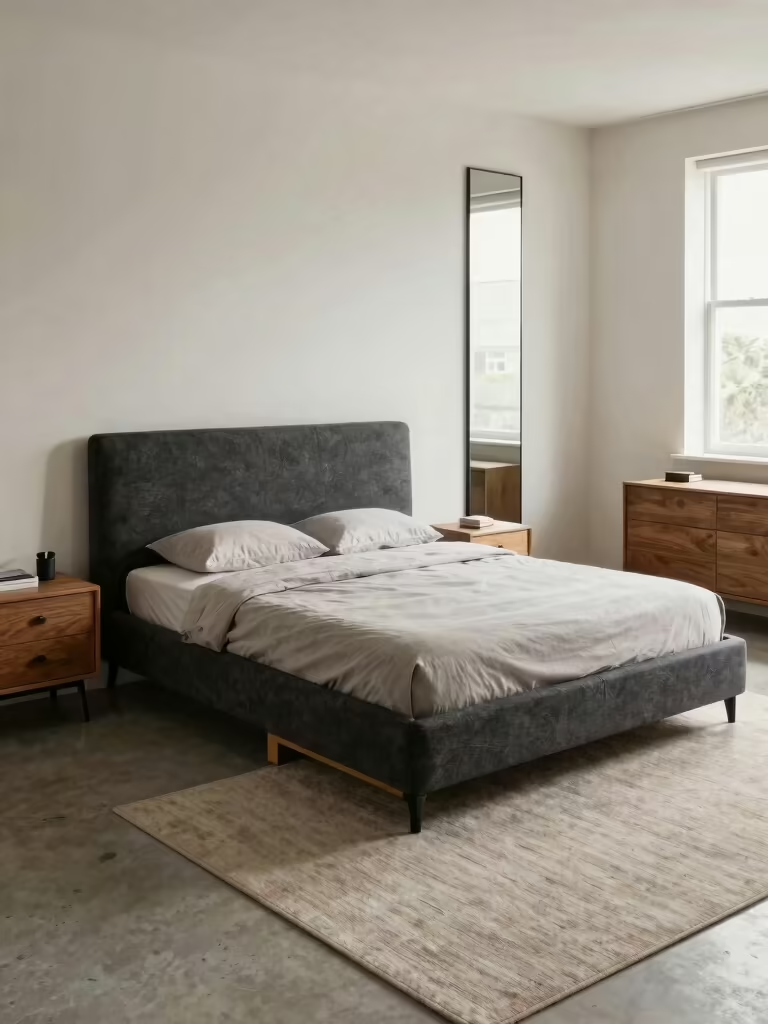
The smartest 10×11 layouts start with a question most people skip: what do you actually do in this room besides sleep? A remote worker needs a desk that doesn’t stare at the bed all night. A clothes lover needs the dressing zone to win. A reader needs a lit corner to land in.
The question I ask first is how you spend your evenings, because the honest answer tells you which zone to protect and which to shrink. This works for a small master bedroom just as well as a spare room. The square footage is the same problem either way, and so is the fix: build the layout around the life, not the label on the door.
- List the two or three things you do here daily, then design the room to serve those first.
- Give the most-used activity the best spot, the daylight, the corner, the clear wall, and shrink the rest.
- Let your routine pick the layout, not a magazine, the way these clever layout ideas adapt to the room.
Optimize Small-Space Zones for Work and Rest
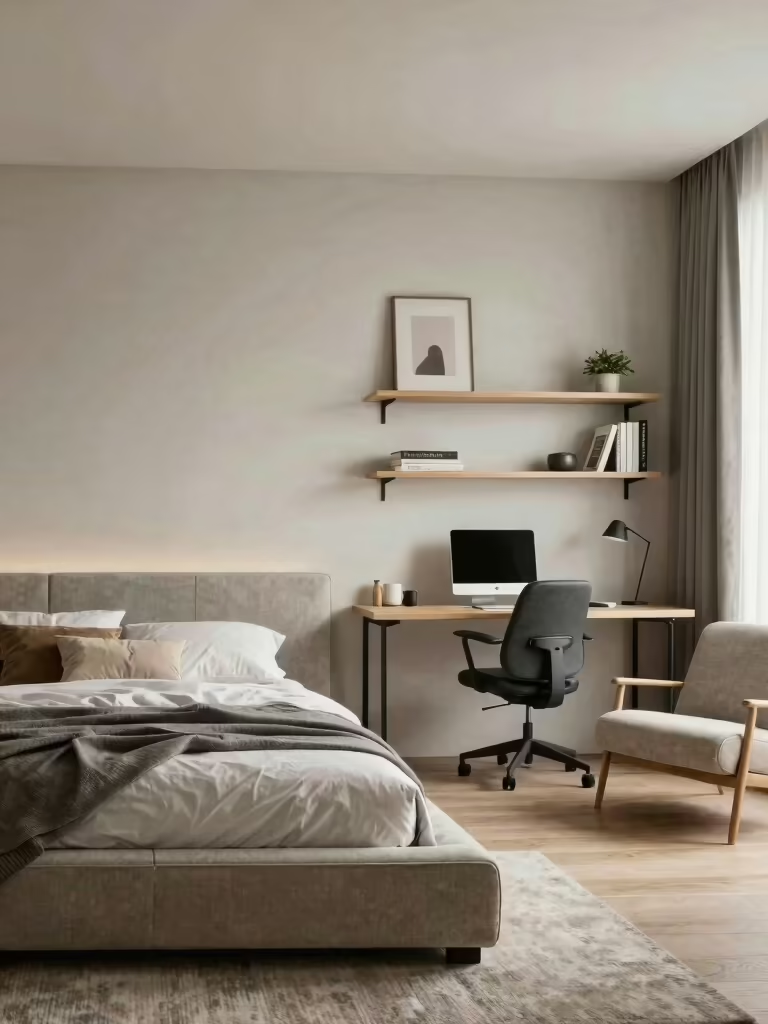
If your 10×11 has to double as an office, the smartest thing you can do is keep the work zone and the sleep zone from bleeding into each other. A desk in your eyeline from the pillow keeps your brain in work mode at midnight, so tuck it where the bed can’t see it: behind a low shelf, in a corner faced away, or in an alcove the headboard hides. The separation does more for your sleep than any gadget.
Keep the desk out of the bed’s eyeline
Use a visual break to mark the line. A slim bookcase set perpendicular to the wall, a curtain on a ceiling track, or even a tall plant signals where work ends and rest begins, and the eye accepts the divide without a real wall. When the workday ends, that break lets you mentally clock out even though the office is six feet from your bed.
Light the two zones on separate switches so the room changes character at night. A focused desk lamp for work and a warm, low glow for rest mean one room serves two moods, and flipping from one to the other becomes part of how you wind down. These lighting ideas for mood cover building those layers.
A few small-space terms that come up when you plan a smarter 10×11:
📖Zoning
Splitting one room into defined areas, sleep, work, dressing, using rugs, light, or furniture instead of walls.
📖Storage platform bed
A bed with drawers or a lift-up base built in, so the mattress doubles as a dresser and frees the floor.
📖Vertical storage
Shelving, rails, and cabinets that climb the wall above eye level, claiming space the floor can’t give you.
Smart Space-Saving Storage Solutions
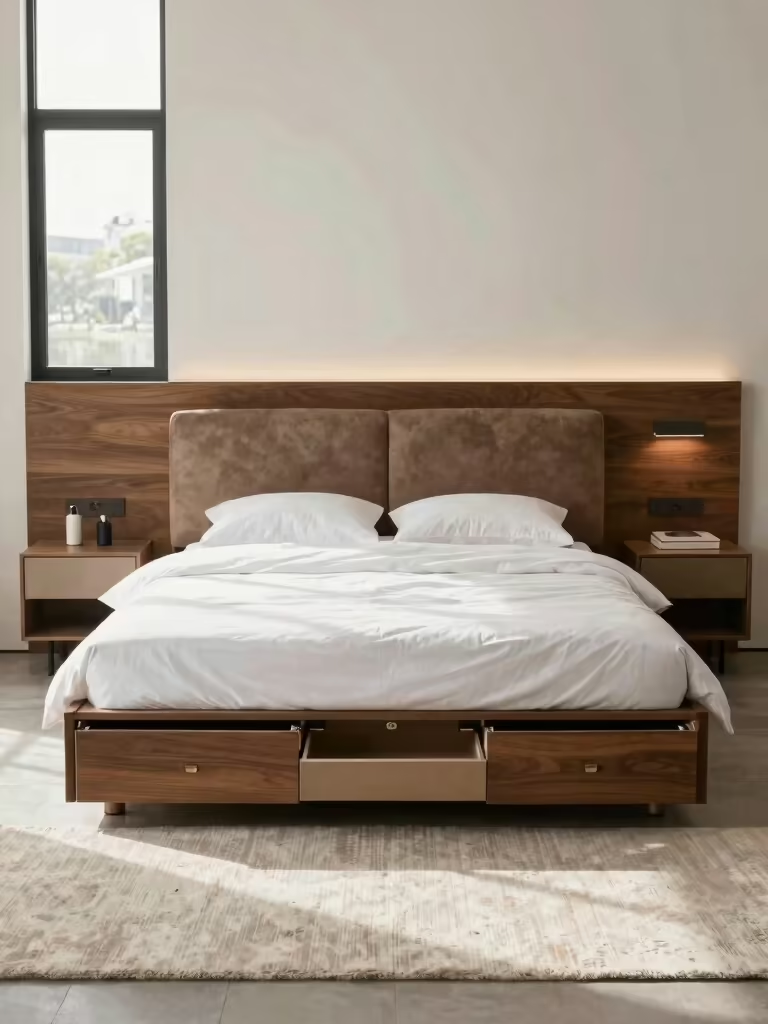
In a room this size, the smartest storage is the storage that doesn’t take floor, so the move is to build it into the bed and up the walls. A storage platform bed, often $300 to $700, swallows what a whole dresser would and gives you the floor back, while a vertical closet system pulls your clothes up and out of the way for a fraction of a built-in’s cost. The goal is a room where everything has a home you don’t have to see. Out of sight, off the floor.
- Lead with a storage-platform bed so the biggest piece in the room doubles as the dresser.
- Run a vertical closet system, often $100 to $250, to stack hanging and shelving up the wall.
- Keep daily clutter off the surfaces with these storage ideas for hiding clutter so the smart storage stays ahead of the mess.
Clever Dual-Purpose Furniture Solutions
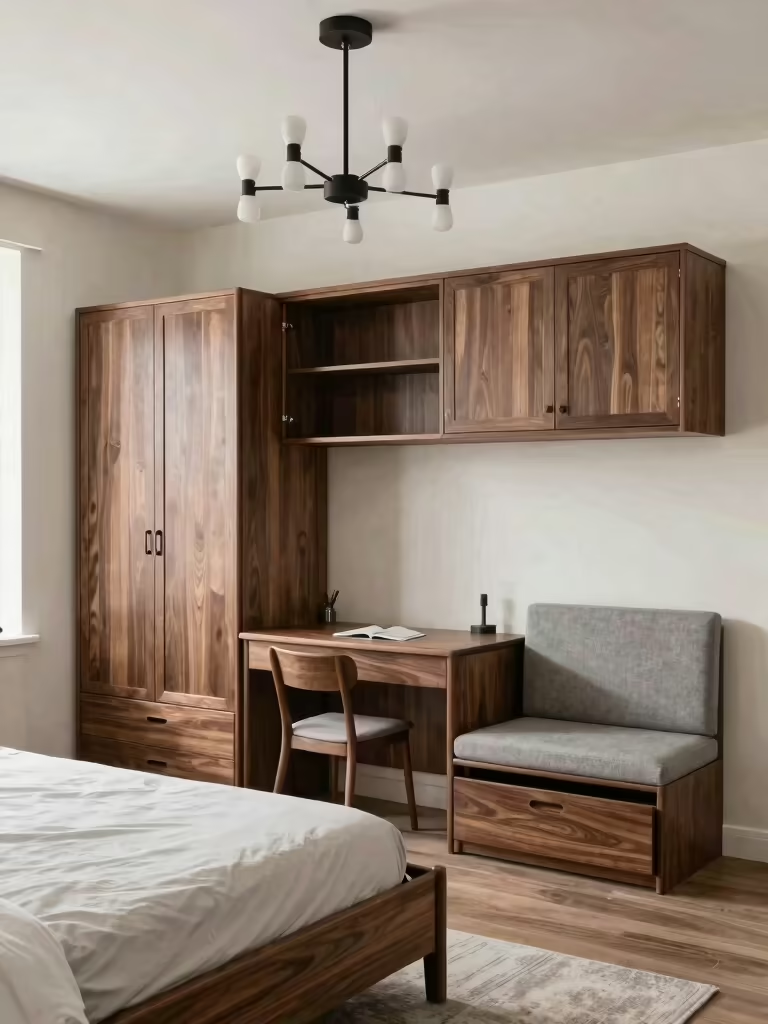
Dual-purpose furniture is where a smart small room really pays off, since every piece that does two jobs is a piece you didn’t have to find floor for. A fold-down desk becomes a workspace for the day and disappears at night; a storage ottoman is a seat, a footrest, and a hamper; a nesting set of tables spreads out for guests and tucks away when it’s just you. One footprint, two or three uses.
Choose these for the life you actually live. A convertible you reach for daily beats a clever one that needs a fussy routine and ends up abandoned, so favor the smooth, sturdy version even when it costs a little more. A good fold-down desk runs roughly $80 to $250 and earns that back the first month you skip renting a coworking spot.
- Pick a fold-down or wall-mounted desk that clears its footprint the moment the workday ends.
- Use a storage ottoman or bench so seating and hidden storage share one piece.
- Favor nesting or convertible pieces that flex for guests, and borrow more from these decor ideas worth borrowing.
Two ways to set up a 10×11, depending on your day:
🎯Work-from-home setup
Prioritize a hidden desk zone out of the bed’s eyeline, separate lighting, and a chair that earns its space. Storage goes vertical so the floor stays clear for the work corner.
🎯Rest-and-recharge setup
Skip the desk and give the freed space to a reading corner and a wider walkway. Lean on a storage bed and built-in nightstands so the room stays calm and clutter-free.
Clever Hidden-Corner Storage
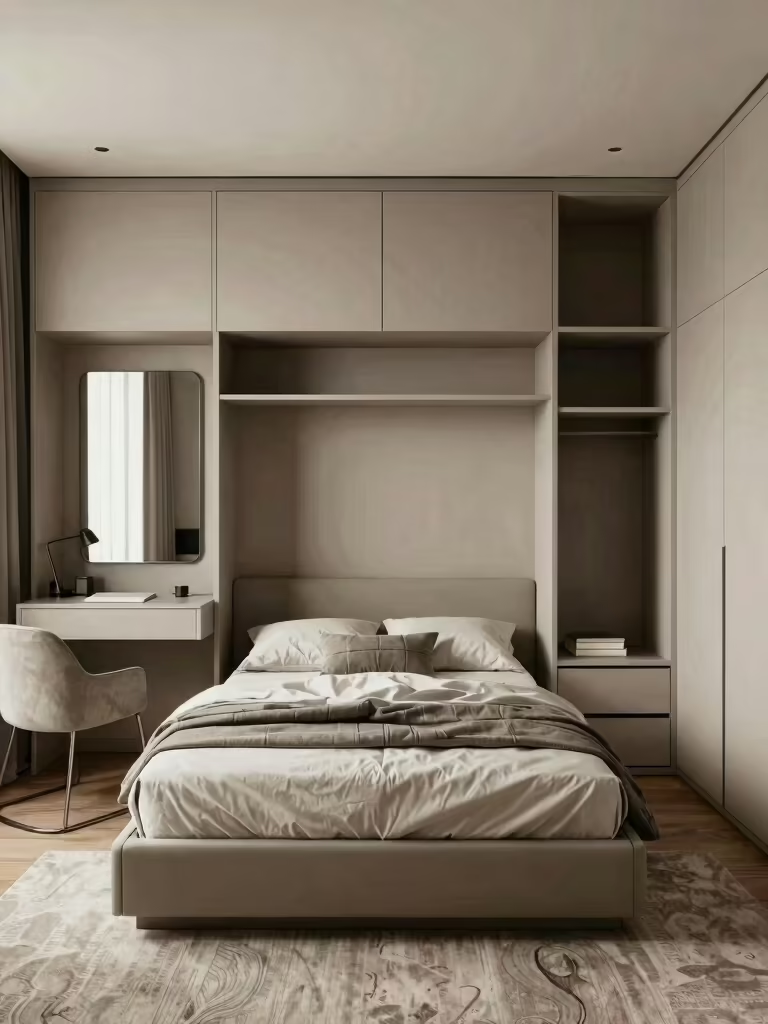
Every 10×11 has a dead corner or an awkward gap doing absolutely nothing, and a smarter layout puts those forgotten spots to work. The corner behind the door, the slice of wall beside a window, the gap between the wardrobe and the wall, each one can hold a slim shelf, a hook rail, or a narrow cabinet that adds real capacity without touching the open floor.
- Fit a corner shelf unit into the angle behind the door, where nothing else wants to go.
- Use a narrow rolling cart in the gap beside the wardrobe for a tuck-away that pulls out when needed.
- Hang a hook or pegboard rail on the back of the door for bags and robes, the way these layout ideas for small rooms reclaim every inch.
Smart-Home Touches Worth Adding
The smarter-living part of a small bedroom is partly about the tech that makes the room run itself, and a few cheap touches go a long way. Smart bulbs, $10 to $20 each, let you dim the whole room from your phone or set it to fade up like sunrise, which beats a harsh overhead on a dark morning. A smart plug turns a lamp into a scheduled light, and a single USB outlet by the bed clears the tangle of chargers off the nightstand for good.
Keep the tech quiet and useful. Gimmicks get unplugged within a month. The point is fewer steps in your day, so automate the things you do without thinking: lights that dim at bedtime, a fan that kicks on at a set temperature, an alarm that brightens the room instead of just blaring.
Set those once and they run in the background for months. That is what smarter living should feel like in a room you only half-think about, quiet help that you stop noticing because it simply works.
Quick Swaps That Punch Above Their Price
Not every smart move is a project; some of the biggest gains in a 10×11 come from cheap swaps you can do in an afternoon. Trade a bulky nightstand for a wall-mounted shelf and a sconce, and you free the floor and the surface at once. Swap a heavy dresser for a slim chest or a hanging organizer, and the room breathes. Replace a door that swings into the room with a sliding or pocket version, and you reclaim a whole arc of floor.
Spend your first dollars where they buy the most room. A $30 over-door organizer, a $40 set of under-bed bins, and a few smart bulbs change how a small room works for under a hundred dollars total, no furniture shopping required. Live with each swap for a week before the next, and you often find the room is most of the way there before you’ve spent on anything big.
Living Smarter in the Room Day to Day
A smart layout only stays smart if the daily habits keep up, so build the upkeep into your routine rather than letting it pile up. A two-minute reset each night, clearing the desk, returning things to their built-in homes, putting the fold-down away, is what keeps a multi-use room from sliding back into chaos by the weekend. The setup does the heavy lifting, but the habit is what keeps it working.
Let the seasons trigger a bigger reset. Twice a year, rotate the under-bed bins, pull the clothes you haven’t worn, and check whether your routine has shifted enough to change the zones. A room designed around your life has to flex when your life does, and a small one rewards that attention more than a big room ever would, since every square foot is already working hard.
Smarter 10×11 Living, Answered
?Can a 10×11 bedroom really work as a home office too?
Yes, as long as you keep the desk out of the bed’s eyeline. Tuck a fold-down or corner desk where the headboard hides it, give it its own light, and use a visual break like a shelf or a curtain. The separation protects your sleep and lets you mentally clock out when the laptop closes.
?What’s the single best layout move for a small bedroom?
Build the storage into the bed. A storage-platform bed, around $300 to $700, holds what a full dresser would and hands the floor back, which does more for a 10×11 than any other single change. From there, go vertical with shelving so the rest of your things climb the walls instead of crowding the floor.
?Are smart-home gadgets worth it in a small bedroom?
The cheap, useful ones are. Smart bulbs ($10 to $20) that dim from your phone, a smart plug for a scheduled lamp, and a USB outlet by the bed cut steps out of your day and clear the charger clutter. Skip the gimmicks and automate only the things you already do without thinking.
?How do I keep a multi-use bedroom from feeling cluttered?
Lean on built-in storage and a quick nightly reset. When everything has a home you don’t have to see, a two-minute tidy each night keeps the room calm. Put the fold-down desk away, clear the surfaces, and return things to their spots, and a multi-use 10×11 stays as restful as a sleep-only room.
A Small Room That Lives Big
Smarter living in a 10×11 comes down to designing the room around the life you actually lead. Start from your routine, separate work from rest, build the storage into the bed and the walls, lean on pieces that do two jobs, and let a few smart-home touches handle the rest, and a tight footprint quietly covers sleep, work, dressing, and downtime without ever feeling small.
The rooms that live biggest are the ones tuned to how their owner moves through a day. Less in them, more thought behind them. Watch your own routine for a week, notice where the room fights you, and fix that one spot first. A 10×11 has more in it than you think, once it’s working for the way you live.