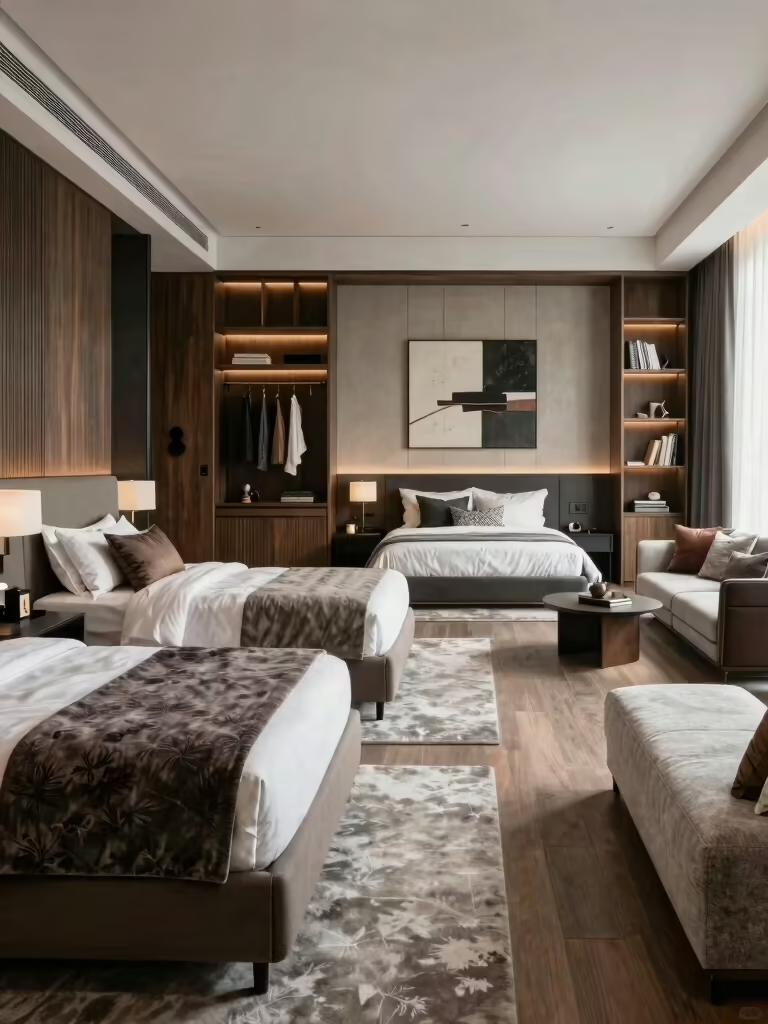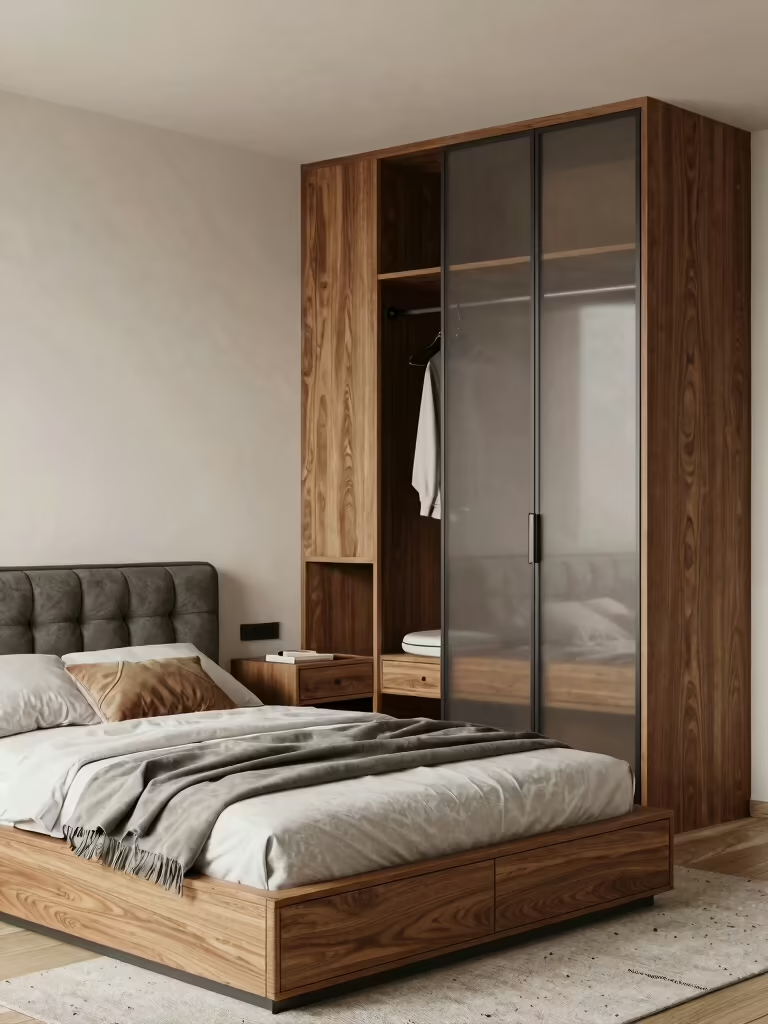

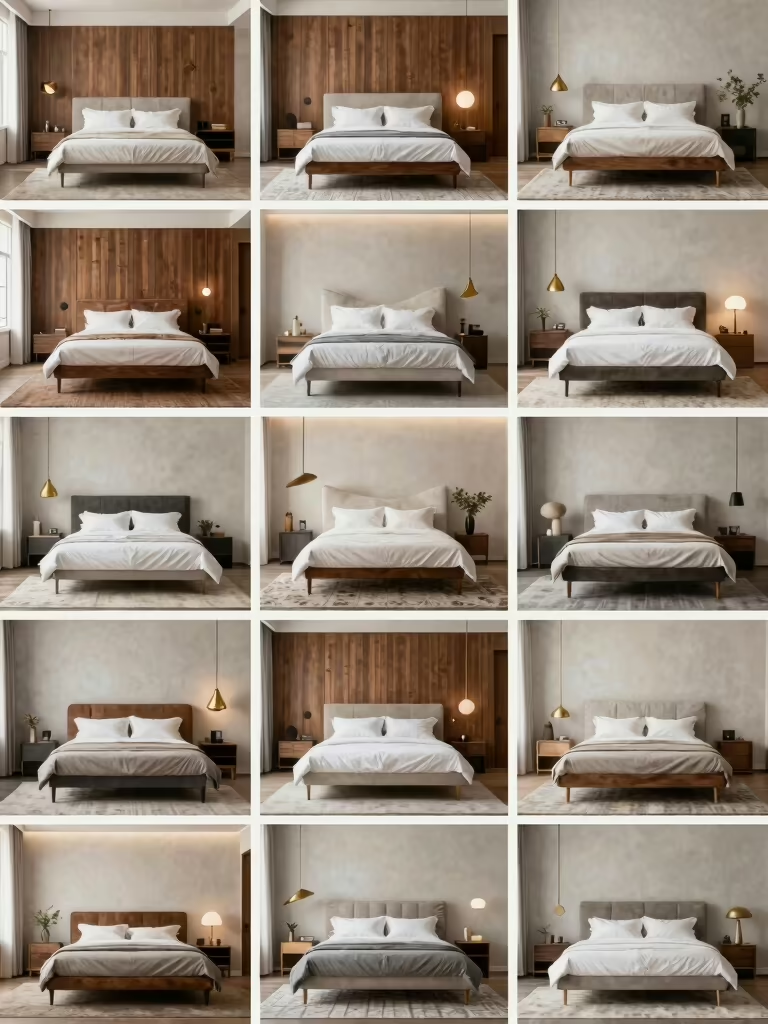
Stand in your bedroom doorway and notice how your eye moves. Does it land somewhere calm, or trip over a dresser blocking the window? Good arrangement is invisible. You feel it as ease, the way you cross the room half-asleep without bumping a thing, even though you can’t say exactly why it works.
These bedroom arrangement ideas are the layouts worth trying, the placement rules pros lean on to make any room flow, feel calm, and use its space well. We’ll cover assessing the room, placing the bed, opening the traffic paths, and zoning, with the practical move for each. Most cost nothing but an afternoon of rearranging what you already own.
Arrangement Rules Worth Knowing
- Measure and sketch first; arranging on paper beats dragging furniture around twice.
- Place the bed against a solid wall, ideally facing the door but not in line with it.
- Protect clear traffic paths so you can circle the bed without squeezing past anything.
- Zone the room with rugs and lamps so each area has a job and the space feels intentional.
Optimal Bedroom Layout Design
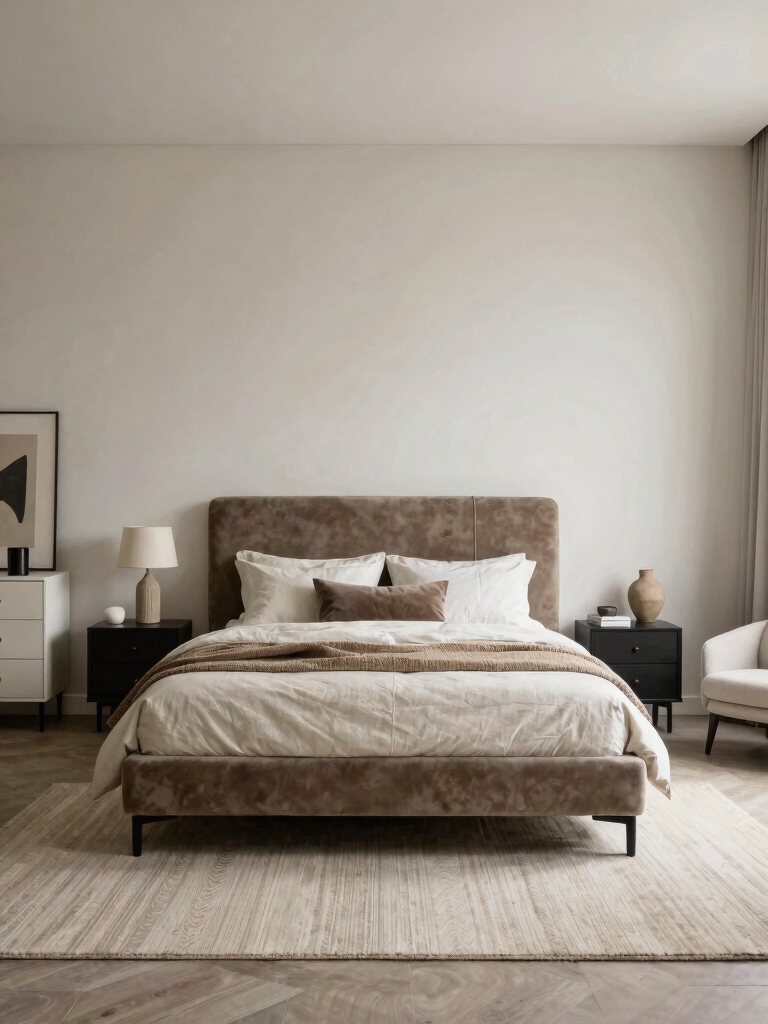
Great arrangement starts before you move a thing. Measure the room and sketch it. Mark the door swing, the windows, the outlets, and the radiator, then note the longest solid wall, because that’s usually where the bed wants to live. Five minutes on paper saves an aching back and a dozen false starts.
Plan on Paper First
Work from the biggest piece down. The bed sets the whole plan, so place it first, then the dresser, the nightstands, and a chair. Everything after the bed is just supporting the decision you make about where it goes, which is why getting that one placement right matters most.
Aim for a balance the eye reads as calm. Symmetry helps in a bedroom (matching nightstands and lamps flanking the bed feel restful), and leaving a little breathing room around each piece keeps the room from feeling packed. For the rules in a tight space, see my [bedroom layout ideas for small rooms](bedroom-layout-ideas-for-small-rooms).
Optimize the Space for Movement
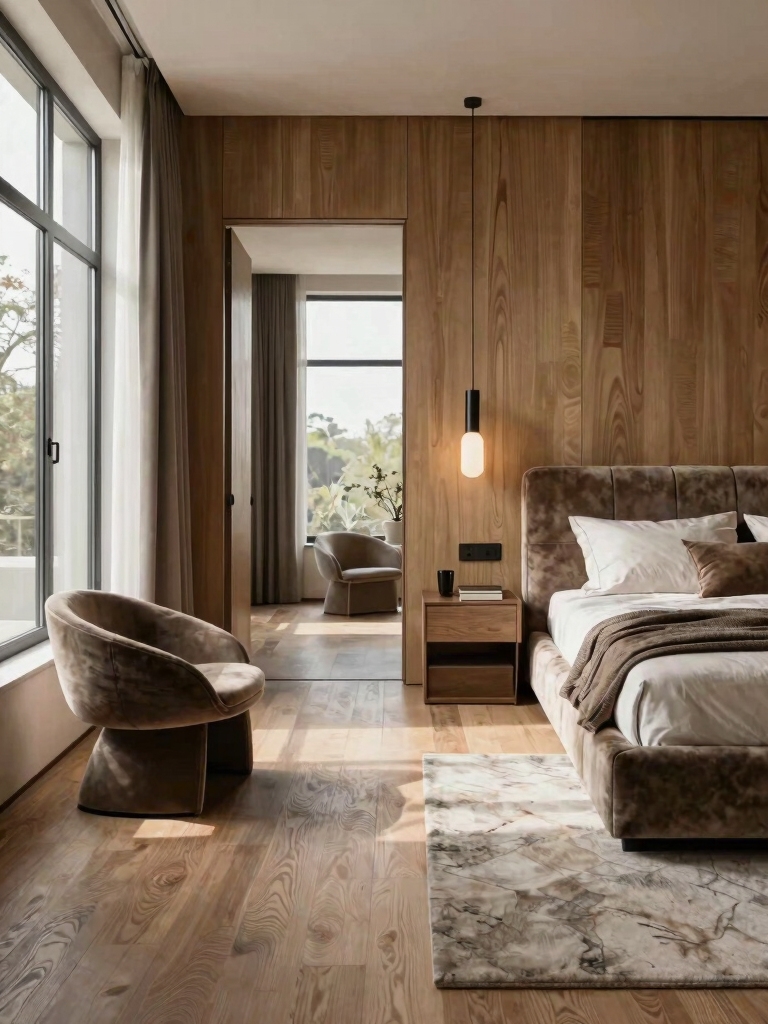
A room can look great and still feel wrong if you can’t move through it. Flow is the quiet half of good arrangement. Walk the room and notice where you slow down, sidestep, or squeeze past something, since those bottlenecks are exactly what to design out.
Design Out the Bottlenecks
Keep the main paths clear and generous. Leave a comfortable lane from the door to the bed and around at least one side of it, and don’t block a window or a closet with anything you have to shuffle past. About 24 to 30 inches of clear walkway is the sweet spot for moving easily without wasting floor.
Center the open space rather than the furniture. Pushing the bigger pieces toward the walls and keeping the middle of the room open makes it feel larger and flow better, even when the square footage is modest. A clear center is the cheapest way to make a room feel easy to live in.
🅰️Bed against the wall
Best for most rooms: frees the floor, feels grounded, and leaves clear paths. The reliable default for small and average spaces.
🅱️Bed floating in the room
Best only in a large room: dramatic and lets you walk all the way around, but it eats floor and needs a freestanding headboard to anchor it.
Calm Bed Positioning Tips
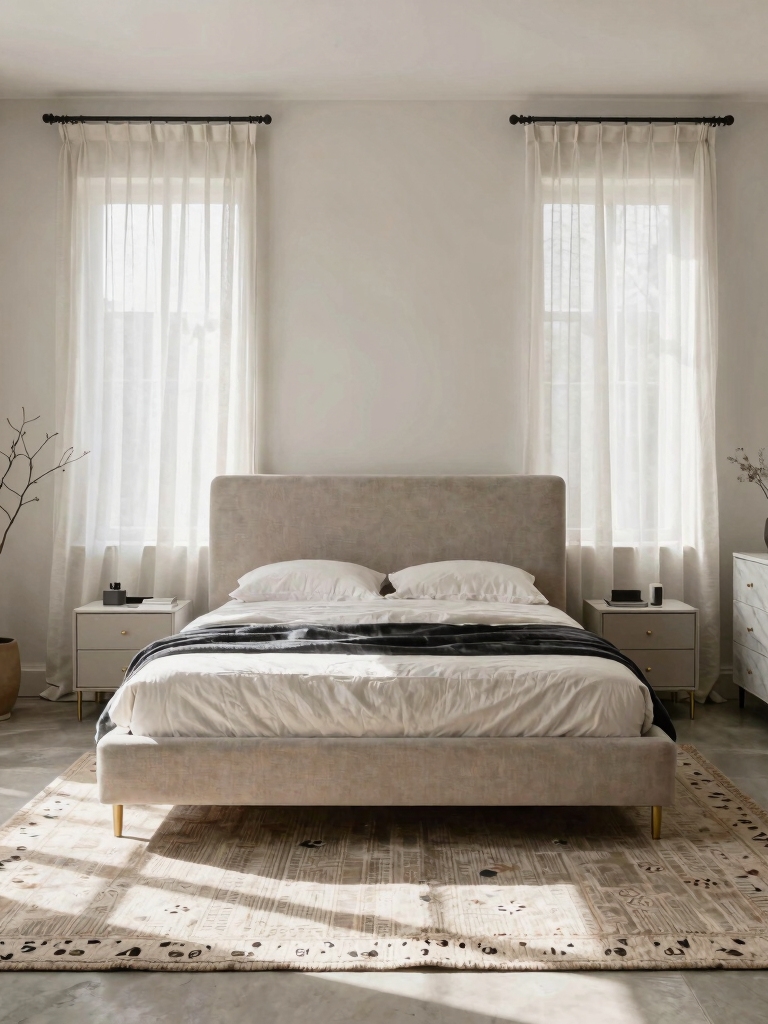
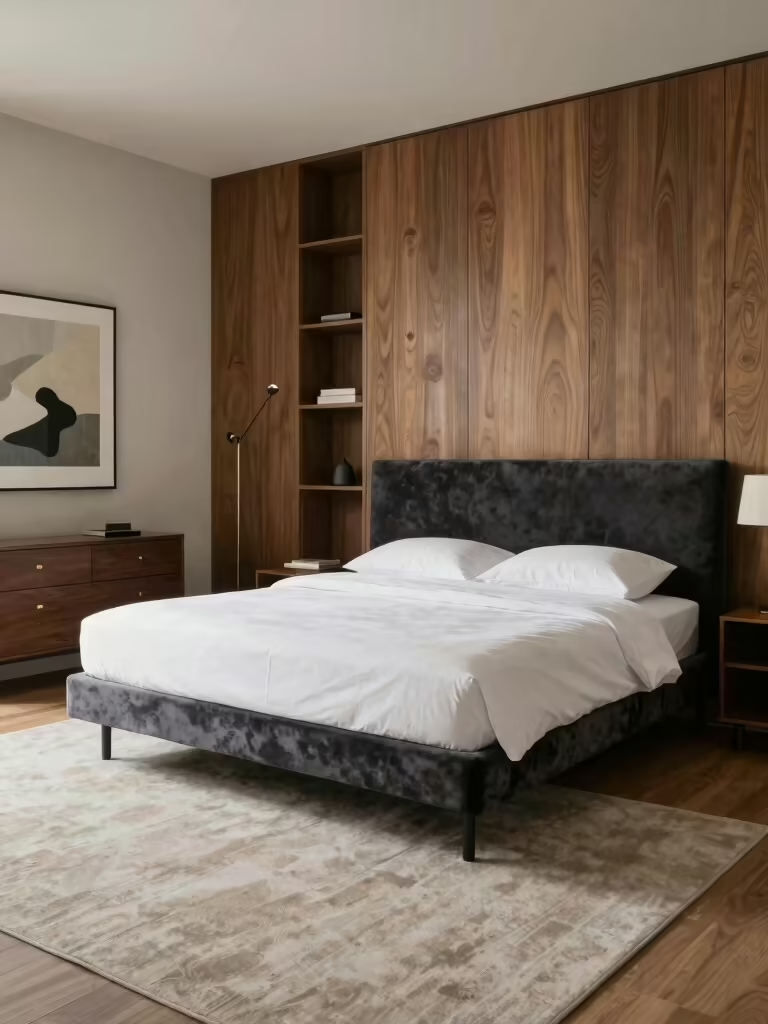
Where the bed sits sets the mood for the whole room, so it earns the most thought. The restful default is a solid wall behind the headboard, with the bed facing the door so you can see who comes in, but not directly in line with the doorway. That sightline feels secure, which matters in a room meant for sleep.
Anchor It, Then Breathe Around It
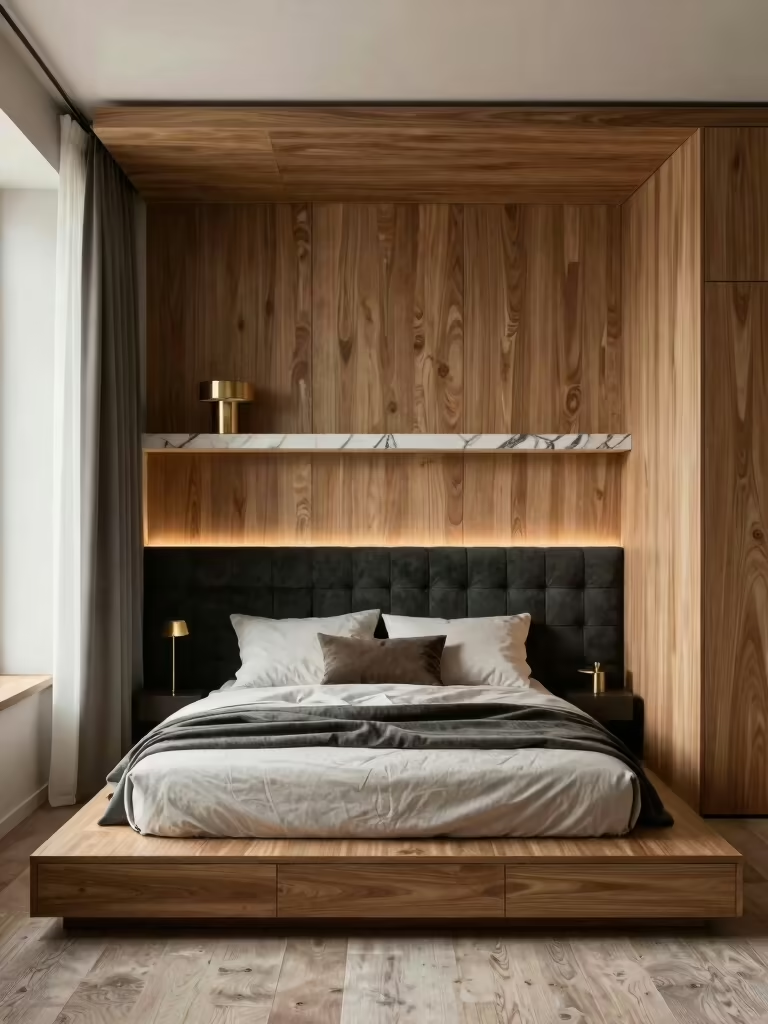
Give the bed breathing room and a real focal anchor. Centering it on a wall, under a window, or against a feature wall makes it look intentional, and flanking it with matching nightstands and lamps adds the symmetry the eye reads as restful. Keep at least a slim path on both sides if two people share it.
Avoid the common bed-placement traps. Don’t wedge the bed into a corner if you can help it (climbing over someone gets old fast), and keep the headboard off a cold exterior wall or a radiator where you can. These small calls are the difference between a bed you flop into and one that quietly annoys you every night.
Smartly Zoned, Multifunctional Spaces
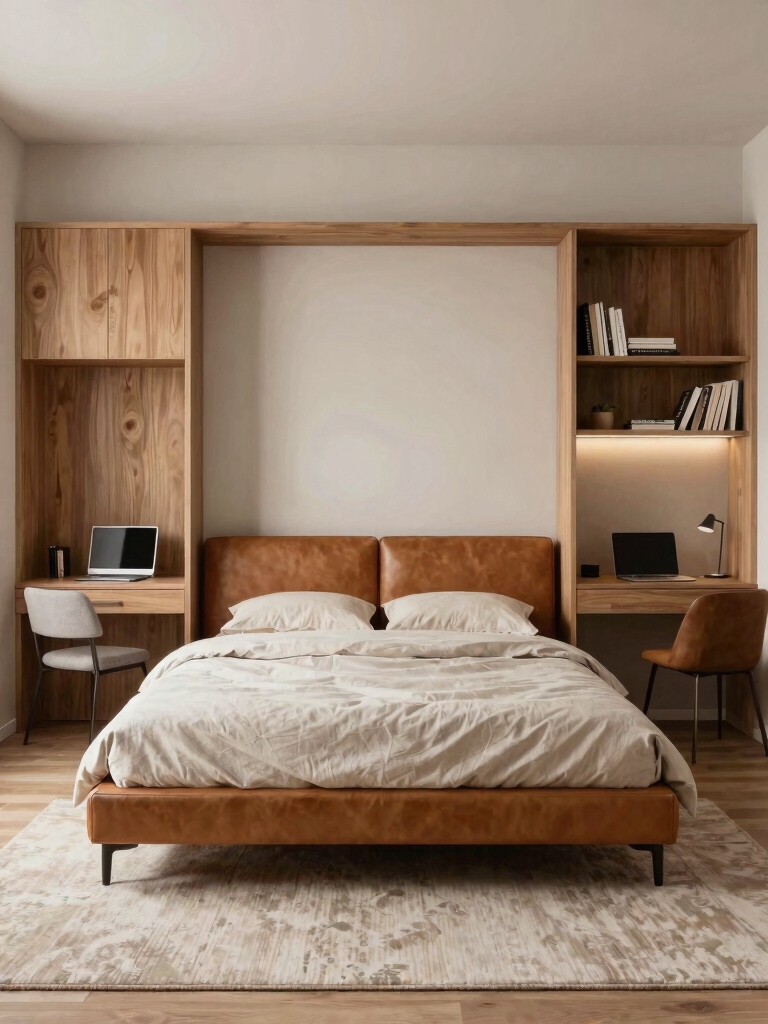
When a bedroom does more than sleep, zoning is what keeps it from feeling like a cluttered box. Give each job its own little territory and the room feels organized even when it’s busy. Here’s how to carve the zones without walls.
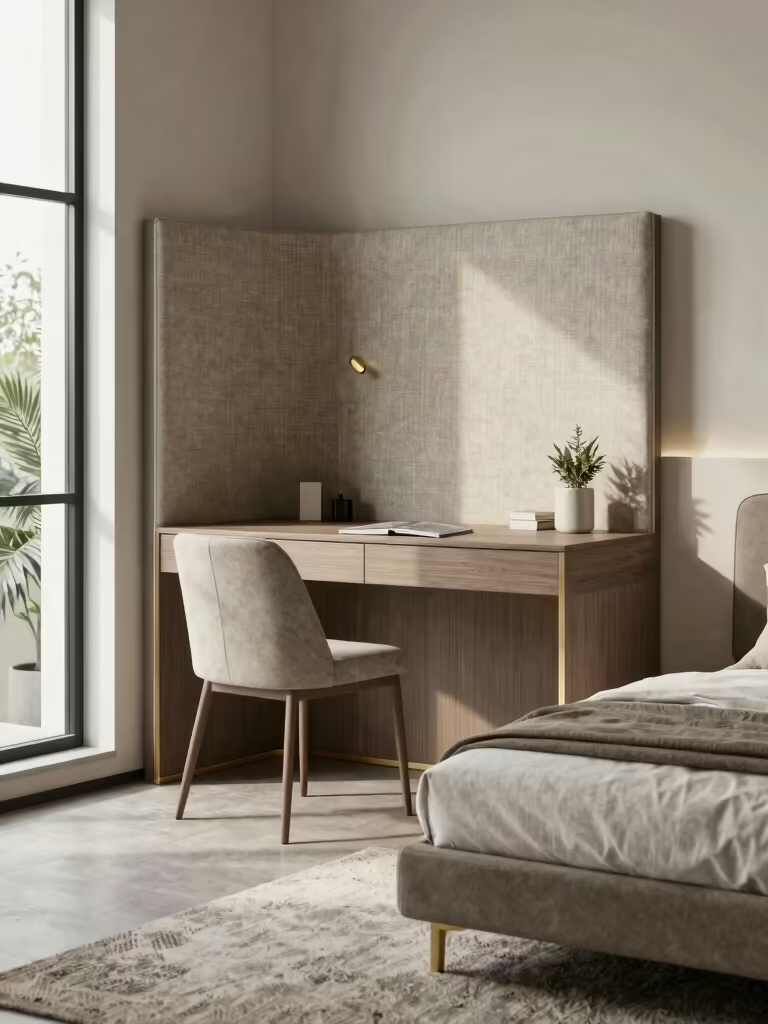
- Mark each zone with a rug and its own light: a warm lamp for sleep, a task light for a desk.
- Use a low bookshelf, a screen, or the back of a sofa to suggest a divider without closing the room in.
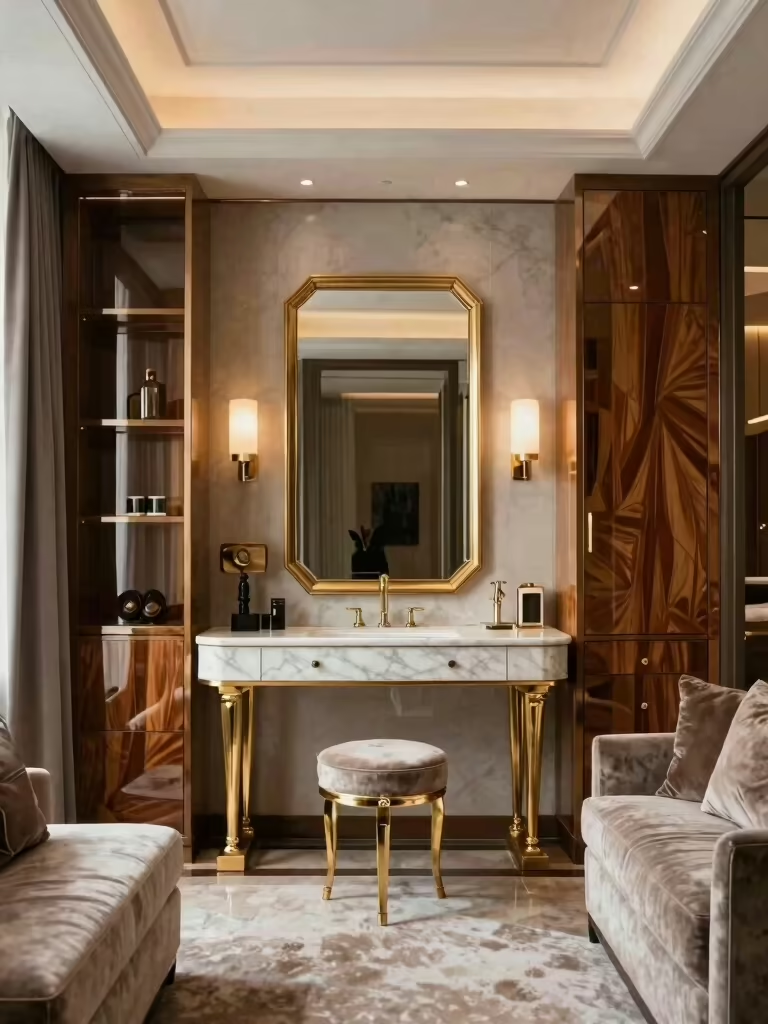
- Keep the sleep zone the calmest, and tuck the work or dressing zone where it won’t be the first thing you see from bed.
- Let one palette run through all the zones so the room reads as a whole. My [storage ideas that beat clutter](bedroom-storage-ideas-clutter) keep each zone tidy.
💡Arranger’s Tip
Before moving anything, tape the bed’s footprint onto the floor with painter’s tape and live with it for a day. You’ll feel whether the paths work and the room breathes before you strain your back finding out the hard way.
Maximize Style in Small Spaces
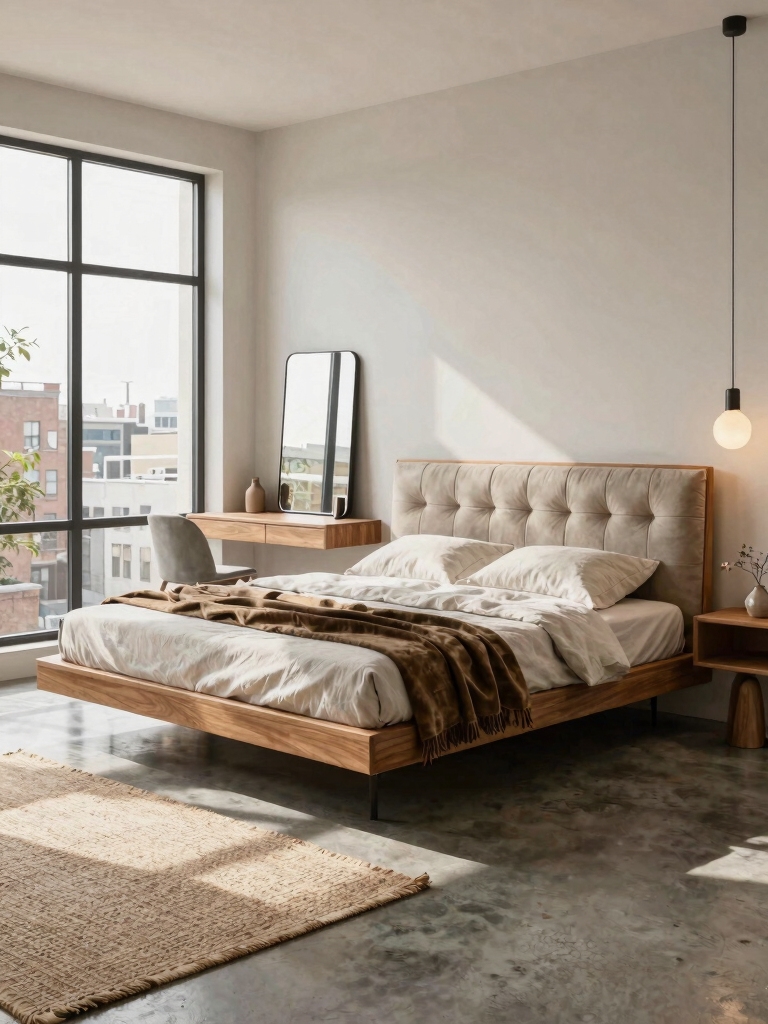
Arrangement matters most when space is tight, since every inch has to earn its spot. The moves that open a small room are simple: low-profile furniture so the floor shows, a few multi-use pieces, and storage pushed up the walls to keep the floor clear. A small room arranged well can feel calmer than a big one that’s badly laid out.
Lean on a few visual tricks alongside the layout. A large mirror stretches a tight room and bounces light, pale walls keep it airy, and leggy furniture looks lighter than bulky boxes. Get the arrangement and these tricks working together and a small bedroom feels open. My [small-room ideas that feel big](bedroom-ideas-for-small-rooms-feel-big) go deeper.
- Choose low-profile, leg-up furniture so the floor shows and the room feels airier.
- Add one large mirror to bounce light and visually widen the room.
- Send storage up the walls so the floor stays open and the layout breathes.
Layouts Worth Trying by Room Shape
The right arrangement depends a lot on the room’s shape, so it helps to match a layout to what you’ve got. In a square room, center the bed on the main wall and flank it symmetrically; the balance suits the shape and feels restful. The square is the most forgiving layout there is.
A long, narrow room needs a different hand. Place the bed at one end against the short wall, then use the length for a seating or dressing zone so it stops feeling like a corridor. Breaking the length into two purposes is what widens a narrow room without touching a wall.
For an oddly shaped or broken-up room, work with the quirks instead of forcing a standard plan. Tuck the bed into the most sheltered nook, give awkward corners real jobs, and let a rug redraw the proportions. My [awkward bedroom layout ideas](awkward-bedroom-layout-ideas-style) cover the trickiest shapes in detail.
Storage and Furniture That Earn Their Spot
A good layout falls apart if the furniture fights it, so choose pieces that pull their weight. In any bedroom, the winners are double-duty items: a storage bed, a bench that opens, a nightstand with a drawer, an ottoman that seats and stows. Each one does two jobs and keeps the floor clearer, which is what makes an arrangement feel roomy.
Scale the pieces to the room, not the showroom. An oversized dresser or a towering headboard can swallow a modest bedroom, while slimmer, lower pieces leave the breathing room a calm layout needs. Measure the wall and the doorway before you buy, since the prettiest piece is useless if it blocks a path or won’t fit through the door.
Let storage do quiet work so surfaces stay clear. Push tall, narrow storage up the walls, use under-bed bins for the overflow, and give the daily clutter a closed home. A room arranged well but piled with stuff never feels finished, so the storage plan is part of the layout, not an afterthought you bolt on later.
Test the Arrangement Before You Commit
The smartest arrangers test before they haul. Tape the footprint of the bed and big pieces onto the floor with painter’s tape and live with it for a day. Walk the paths, open the closet, sit on the imagined bed. You’ll feel a bad plan before you ever lift anything heavy.
Pay attention to the small daily frictions during the test. Can you open every drawer fully? Does a door clear the rug? Is there a spot to set a glass of water by the bed? These tiny snags are what make or break how a layout actually lives, and they’re invisible until you walk the plan.
Adjust in small moves once the furniture is in. Shift the bed a few inches, swap which side the nightstand sits on, angle a chair toward the window. Good arrangement is rarely perfect on the first try; it’s the small tweaks over a week that settle a room into something that feels just right.
What to Ask a Layout Pro
If a room truly stumps you, a single paid hour with a designer or a savvy organizer can be money well spent. Walk in with a measured sketch, photos, and your list of frustrations, and ask the specific questions: where would you put the bed, what one piece is fighting the room, and how would you handle the awkward corner. A focused pro can crack a layout fast.
Keep the line clear on what’s worth their time versus yours. Use a pro for the puzzle-solving (the placement strategy and any built-in advice), and handle the actual moving and styling yourself. That split gets you the expert eye where it counts without paying for the easy parts you can manage on your own.
Bedroom Arrangement Questions, Answered
?Where should the bed go in a bedroom?
Against a solid wall with the headboard supported, ideally facing the door but not directly in line with it. Center it on a wall or under a window for a calm focal point, with clear paths on the sides you use.
?How much walking space do I need around the bed?
About 24 to 30 inches of clear path on the sides you use and from the door. That’s enough to move easily, open drawers, and make the bed without squeezing past furniture.
?How do I arrange a bedroom that’s also an office or dressing area?
Zone it. Give each job a rug and its own light, keep the sleep zone calmest, and tuck the work or dressing area where it isn’t the first thing you see from bed. One shared palette keeps it cohesive.
?What’s the easiest way to test a layout before moving heavy furniture?
Tape the footprint of the bed and big pieces onto the floor with painter’s tape and live with it for a day. Walk the paths and open the doors and drawers to catch problems before you lift anything.
Arrange It So It Disappears
The best bedroom arrangement is the one you stop noticing, because everything simply works: the bed grounded, the paths clear, the zones doing their jobs, the room breathing. Measure and sketch first, place the bed with intention, protect the flow, and zone the rest. Most of it costs nothing but a thoughtful afternoon of moving what you already own.
Tape out your bed’s footprint this weekend, walk the paths, and let the layout settle into the one that finally feels easy.