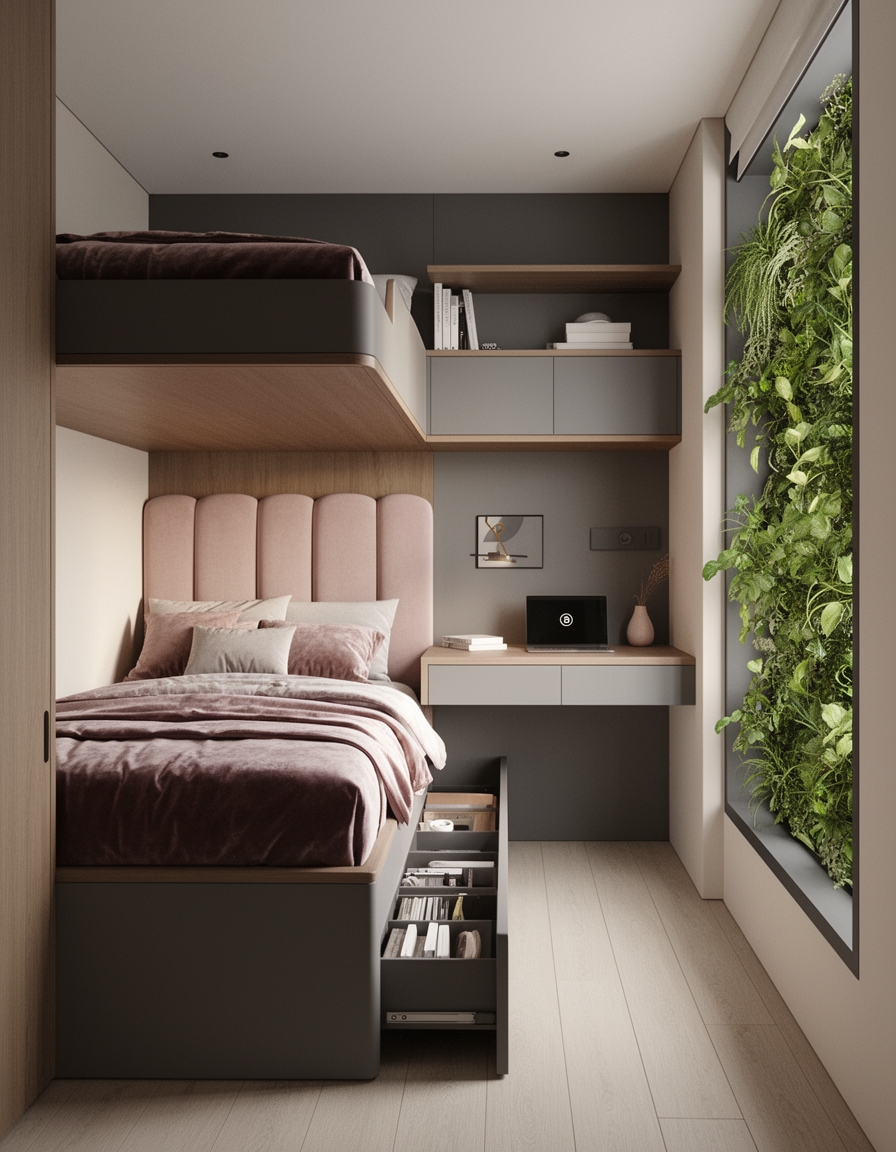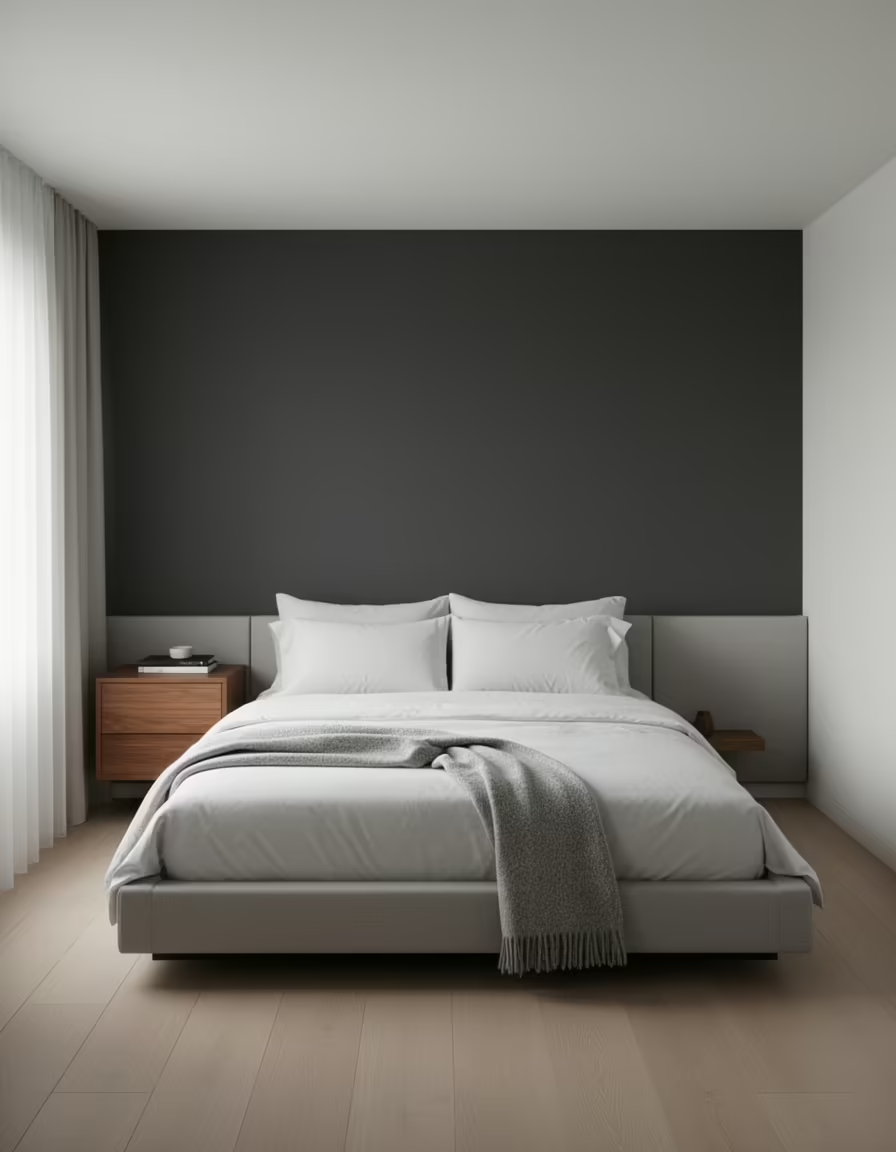

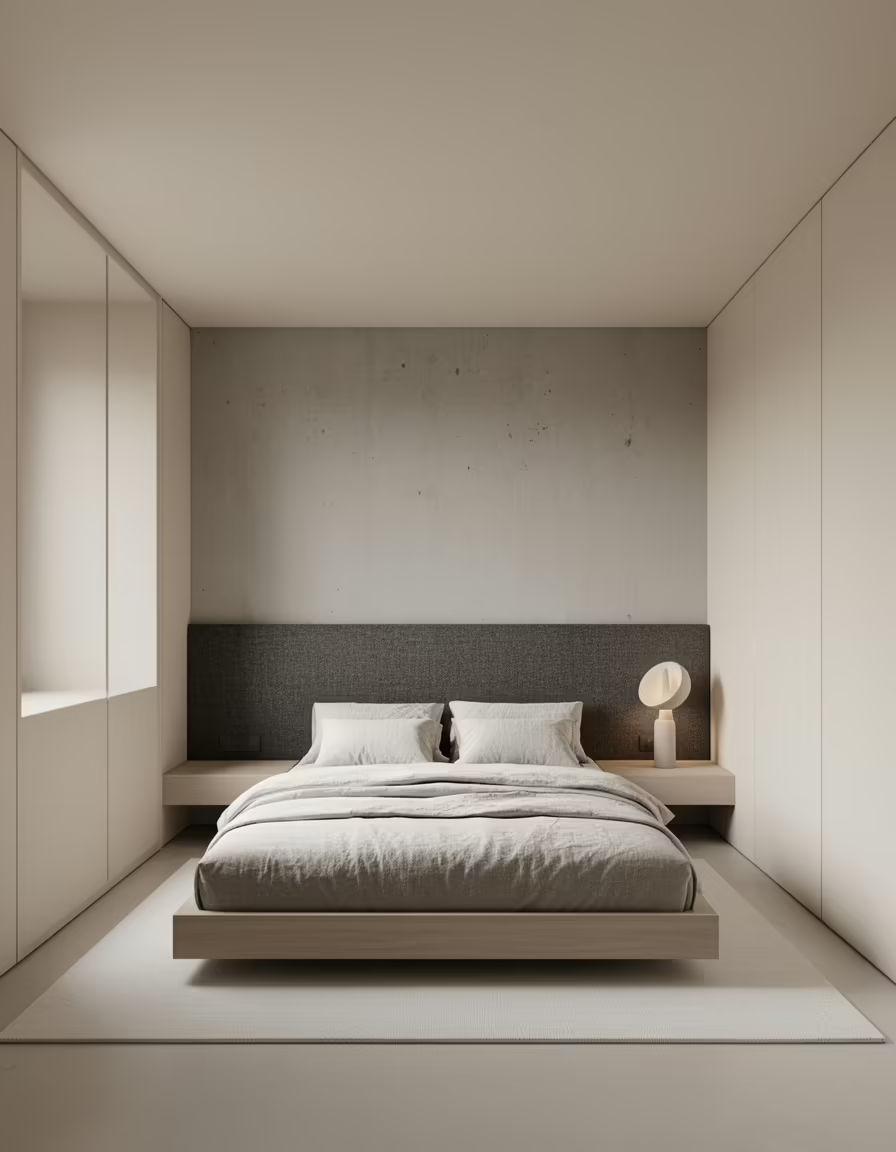
I’ll show you how to master a minimalist bedroom in a small space by redefining space as a mindset, not a checklist. Think proportional, multi-use furniture, hidden storage, and wall-mounted solutions that reclaim floor area. Use soft neutrals, light-reflecting surfaces, and layered lighting to expand the room, while clearly defining zones for sleeping, working, and storage. Add a weekly reset to keep clutter away and boost calm. If you stay with me, you’ll uncover even more practical ideas.
What Minimalism Really Means in Tiny Bedrooms
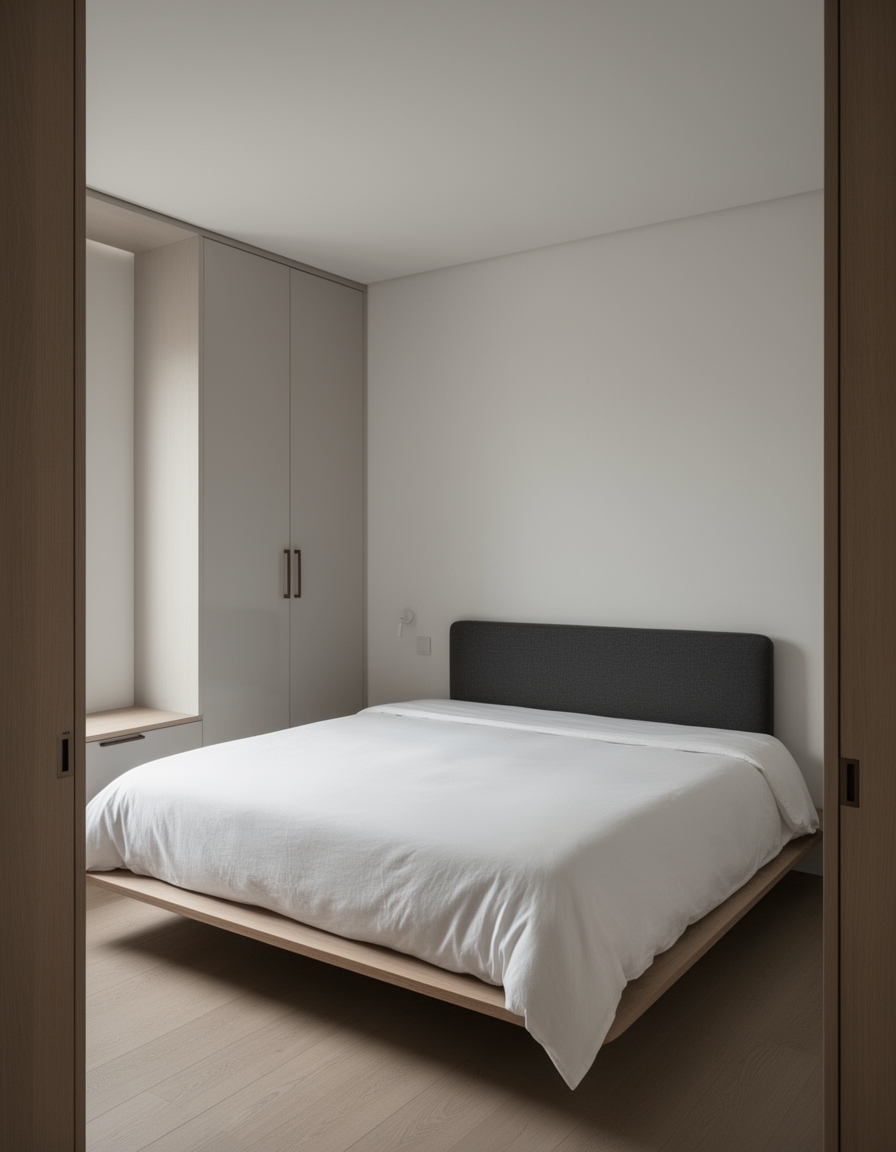
In tiny bedrooms, minimalism isn’t about deprivation; it’s about clarity.
I’m inviting you to redefine space as a mindset, not a checklist.
Minimalism means removing distractions to prioritize what truly matters—rest, function, and calm.
I favor thoughtful routines, clean lines, and restraint.
Embracing minimal bedroom ideas can help small rooms feel more open and purposeful.
Choose Furniture That Fits Small Spaces
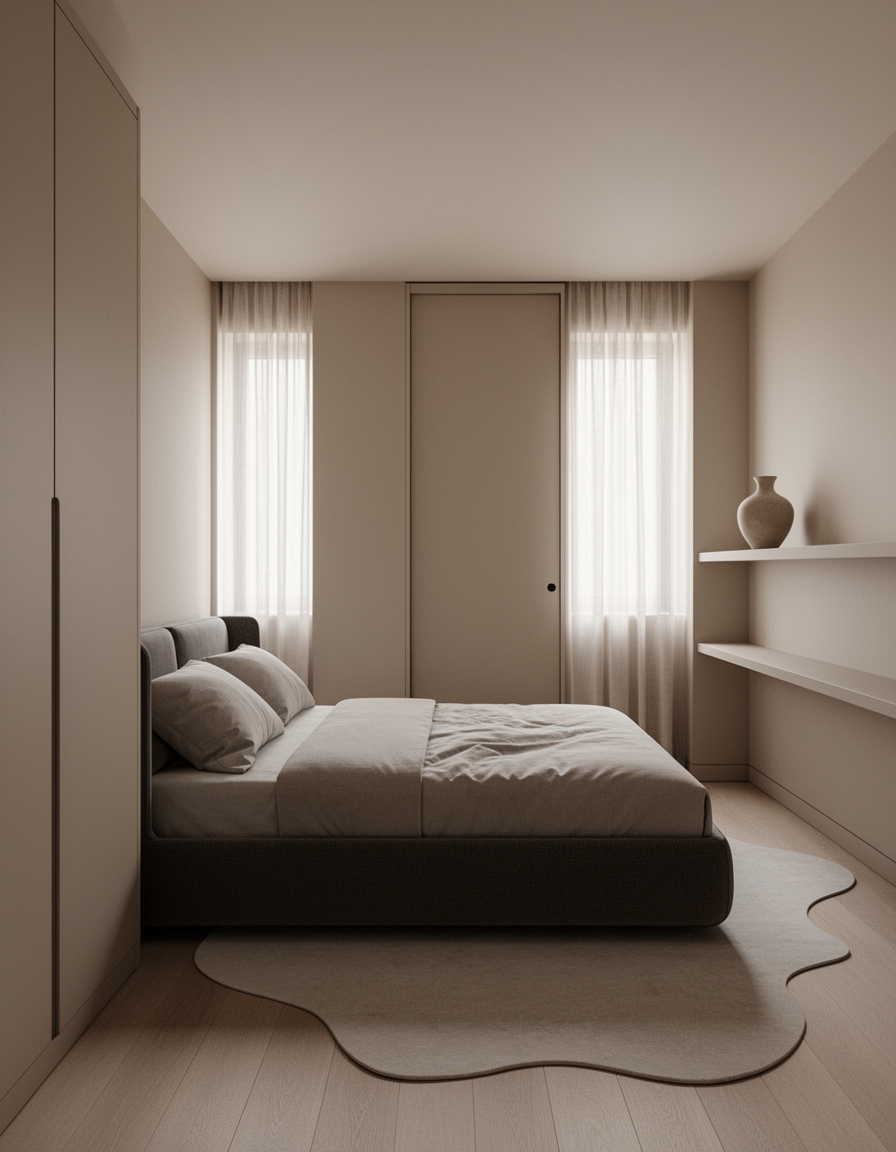
Choosing furniture that fits small spaces starts with scale. I pick pieces that feel proportional to the room, not the dream layout.
Think multi-functional and light-toned to preserve openness. I prioritize clean lines, avoid bulk, and allow circulation.
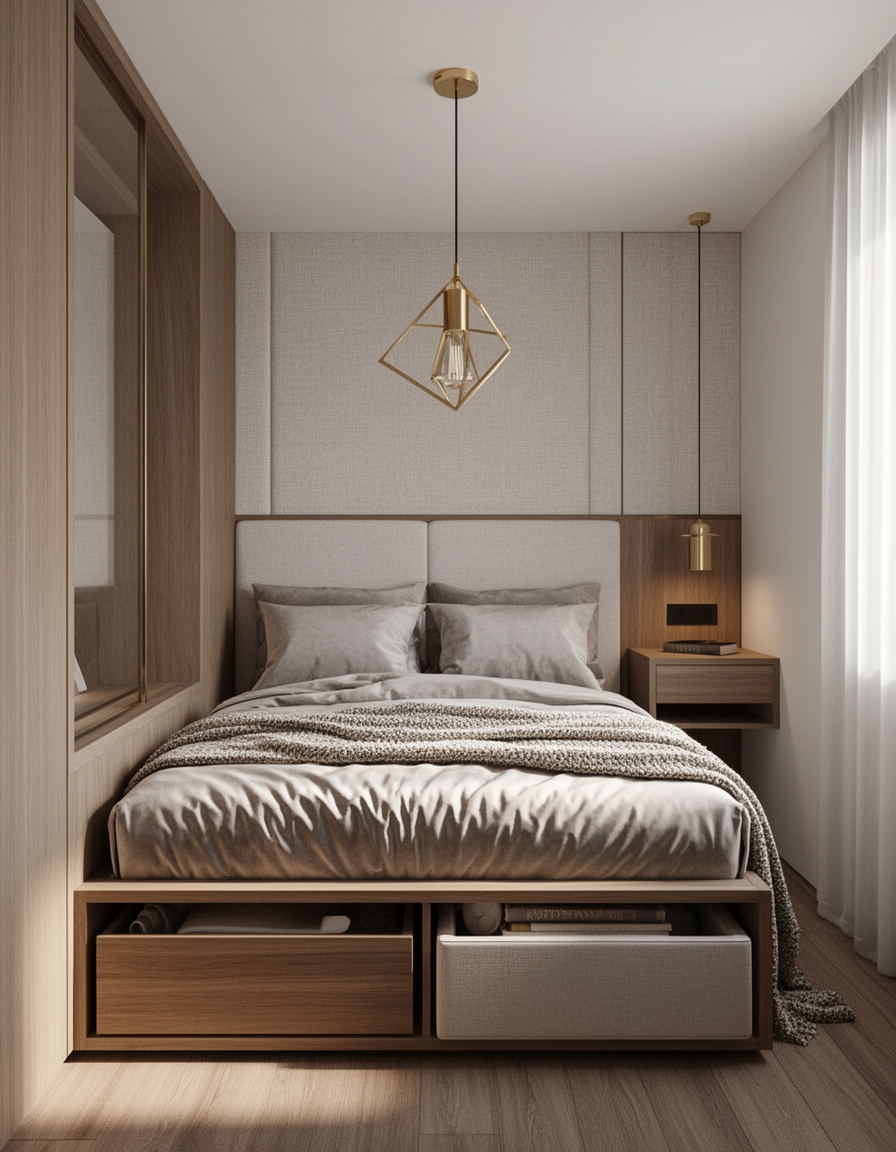
- Choose compact beds with integrated storage
- Opt slim nightstands
- Use wall-mounted or nesting desks
- Favor modular sofas for flexibility
Additionally, incorporating cozy design elements can enhance the charm and comfort of small bedrooms without overwhelming the space.
Built-In Storage: Under-Bed and Headboard Hacks
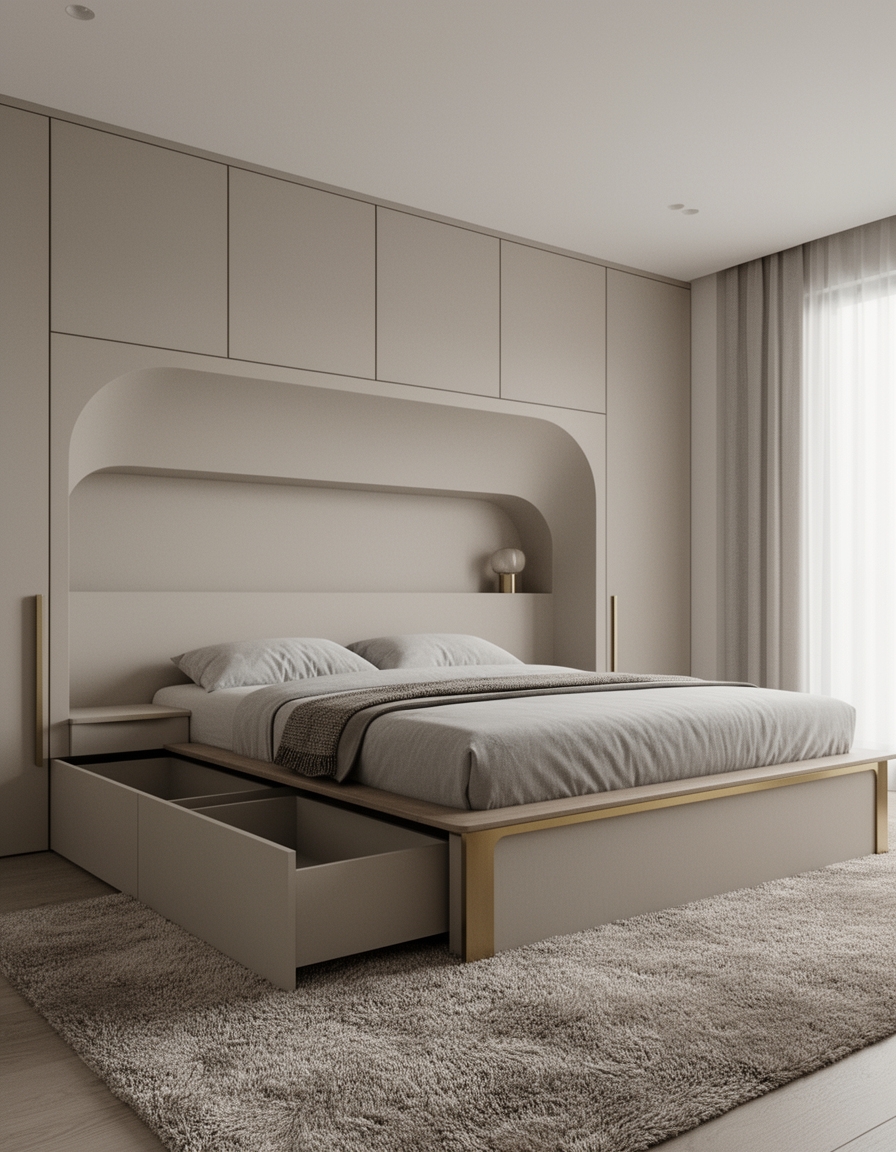
I’m curious how you’ll use built-in storage to keep a small room uncluttered, starting with under-bed hacks that glide with your mattress rather than fight it.
I’ll show you simple, hidden compartments and slide-out drawers that make every inch count, while headboard options conceal chargers, books, or linens without adding bulk.
Let’s explore practical ideas that blend clean lines with smart function, so your space feels expansive and calm.
Incorporating clever space-saving ideas can transform even the tiniest bedrooms into organized, serene retreats.
Under-Bed Storage Hacks
Under-bed storage isn’t just practical—it’s a smart way to reclaim floor space in a small bedroom.
I share ideas that are simple, efficient, and stylish, so your room stays calm and uncluttered.
- Pull-out bins on rollers for easy access
- Slim drawers built into a platform bed
- Clear bins to see contents at a glance
- Fabric under-bed sacks with labeled organizing tags
Headboard Hidden Compartments
Hidden compartments in the headboard are a smart follow-up to under-bed storage, letting you keep daily essentials close at hand without adding clutter.
I design sleek, built-in pockets that blend with the headboard’s lines, so you don’t feel boxed in.
I recommend seamless hardware, soft-close organizers, and a clear zoning system for guards, gadgets, and pajamas.
Minimal, practical, elegant.
Grow Your Space Upward: Wall-Mounted Storage and Shelves
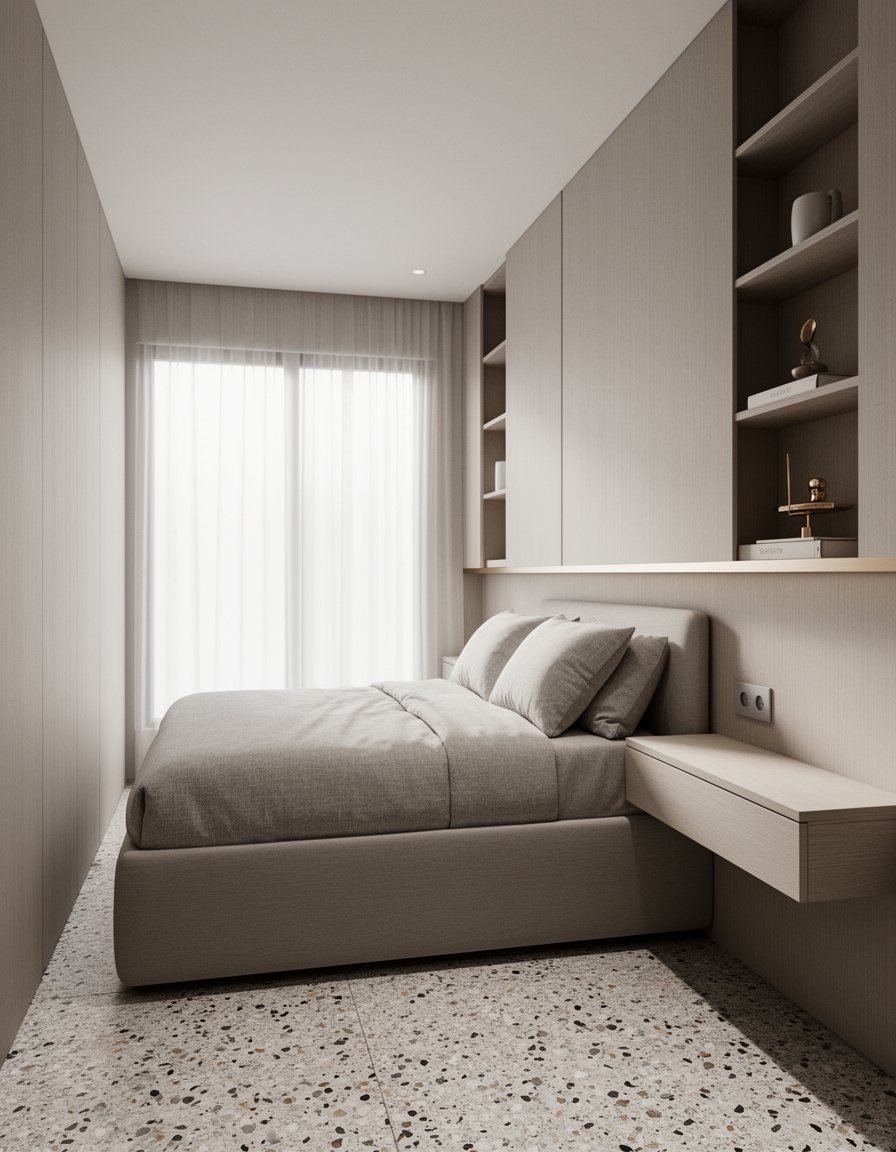
When you’re short on floor space, growing your storage upward can make a dramatic difference.
I lean into wall-mounted shelves to free surfaces while preserving a clean, airy feel. Practical, not fussy, they hold essentials without crowding.
- Floating shelves by bed
- Behind-door organizers
- Under-sill storage
- Tiered wall units
Maximizing vertical space with smart storage solutions can transform even the smallest bedrooms into organized, functional areas.
Choosing a Calming Palette for Small Bedrooms
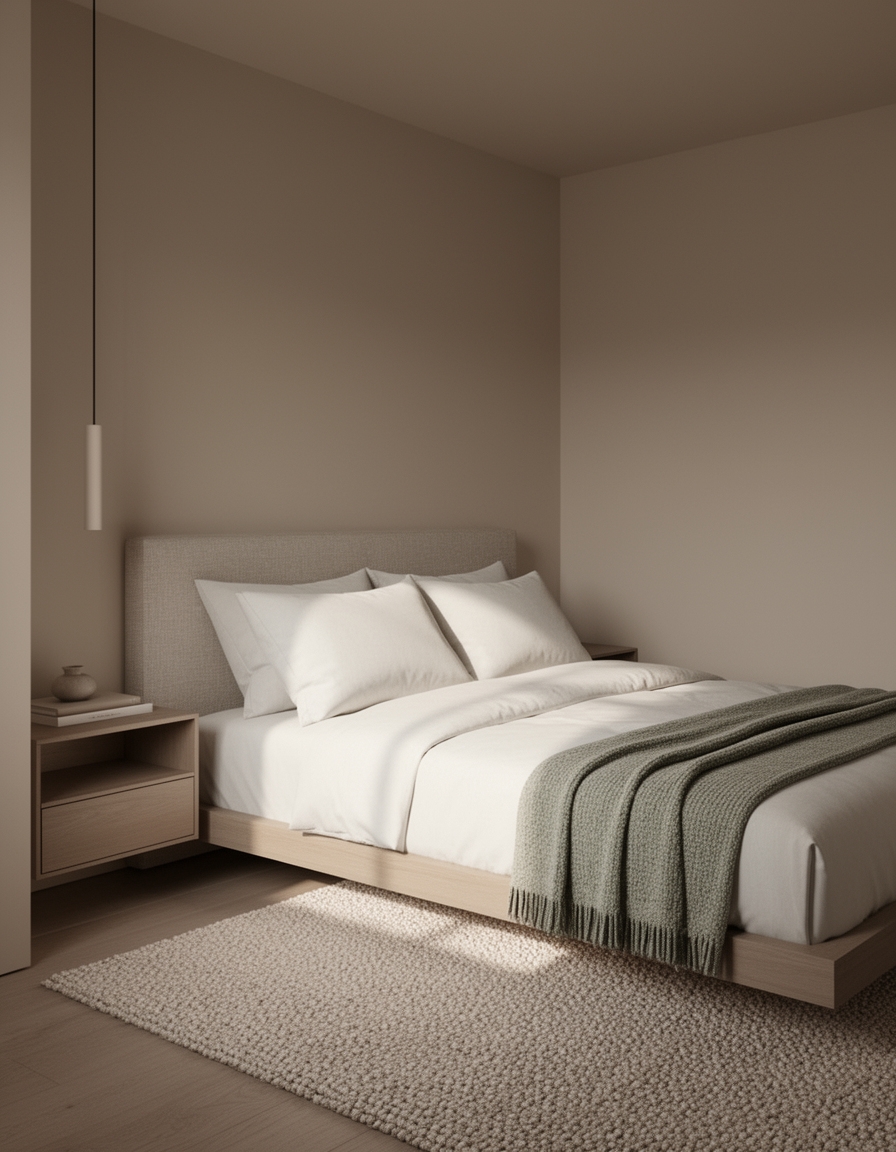
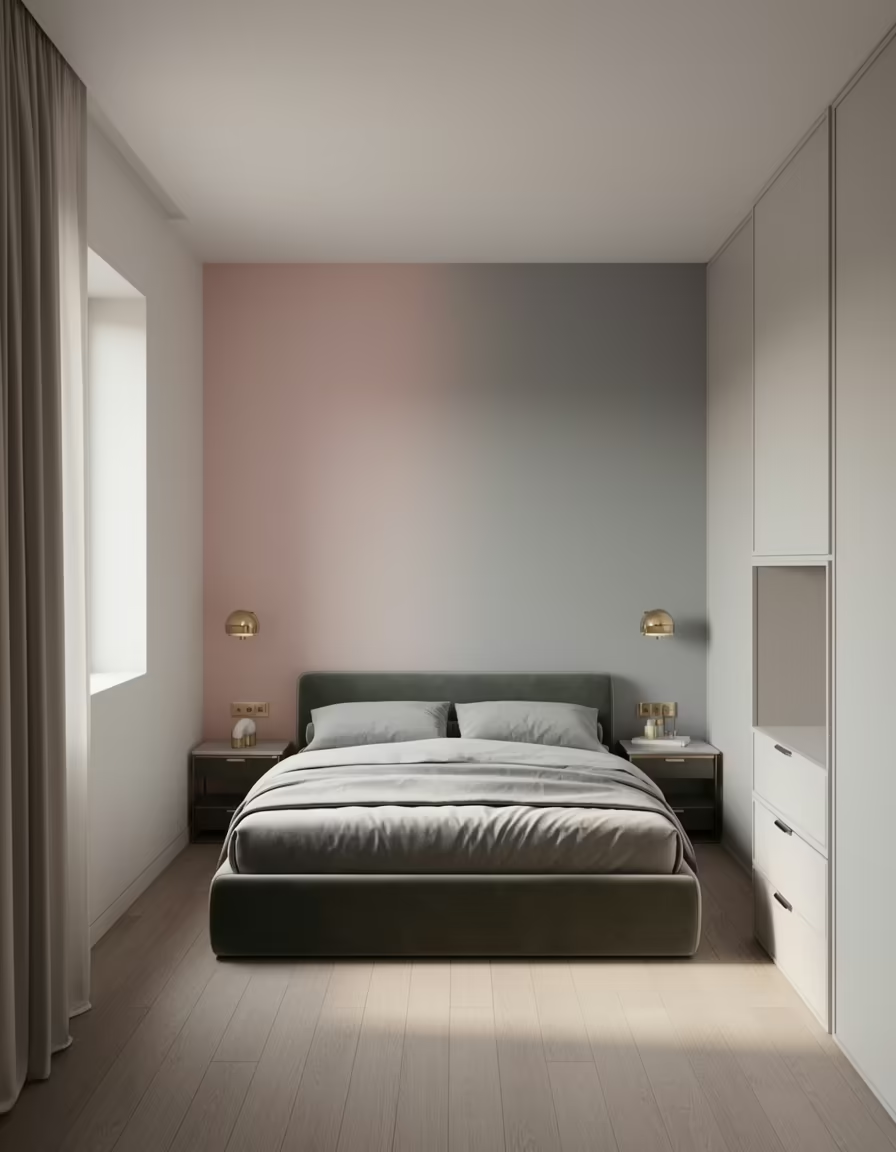
I find that soft neutral tones paired with light-reflecting surfaces can make a small room feel larger and calmer.
I’ll point you toward palettes that balance warmth and serenity without overwhelming the space.
Let’s explore how subtle color and reflective finishes work together to create a peaceful, minimalist backdrop.
Incorporating elements from small room ideas that bedroom fans swear by can further enhance both space and style.
Soft Neutral Tones
I guide you to pick understated hues, build contrast with textures, and keep furniture lean.
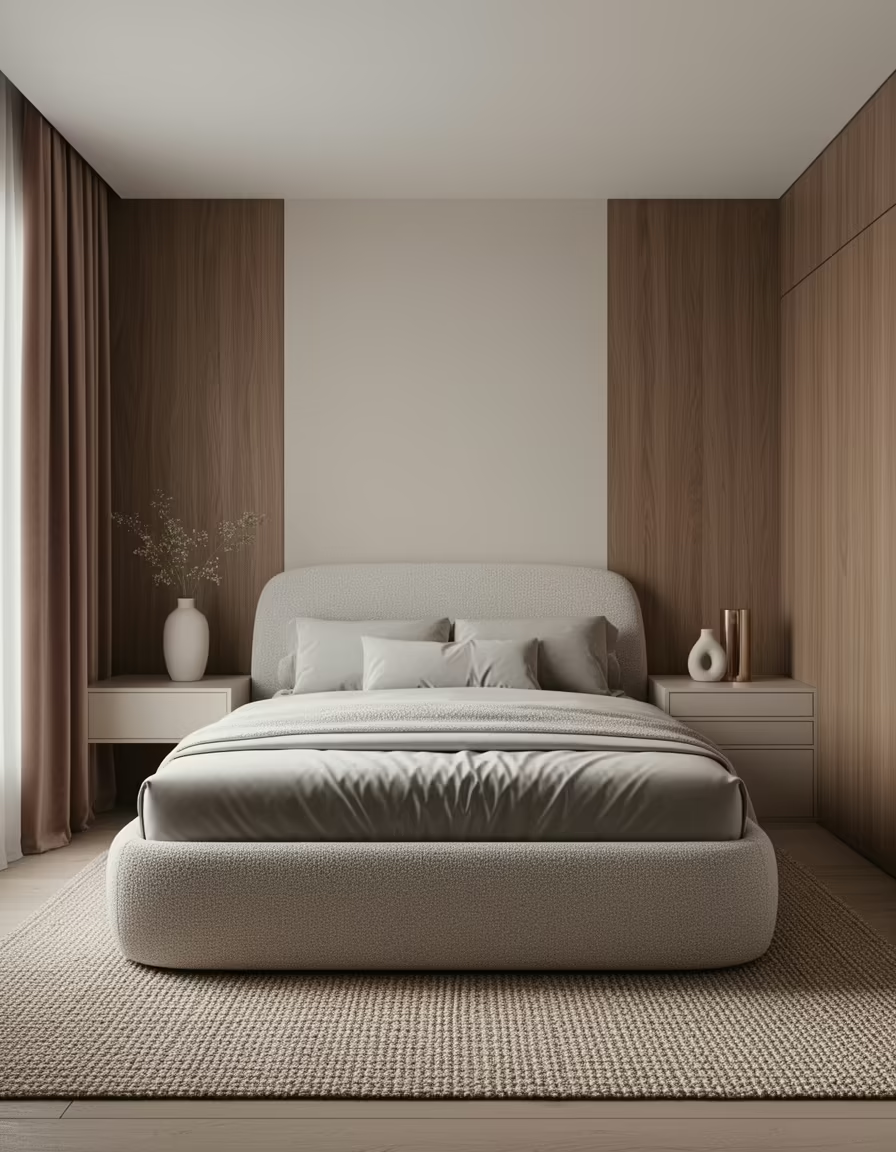
- Balance warm and cool neutrals for depth
- Use matte finishes to reduce glare
- Layer soft textiles for coziness
- Add subtle, cohesive accents for polish
Light Reflecting Surfaces
Light reflects softly in compact spaces, so choosing surfaces that bounce and balance light is key.
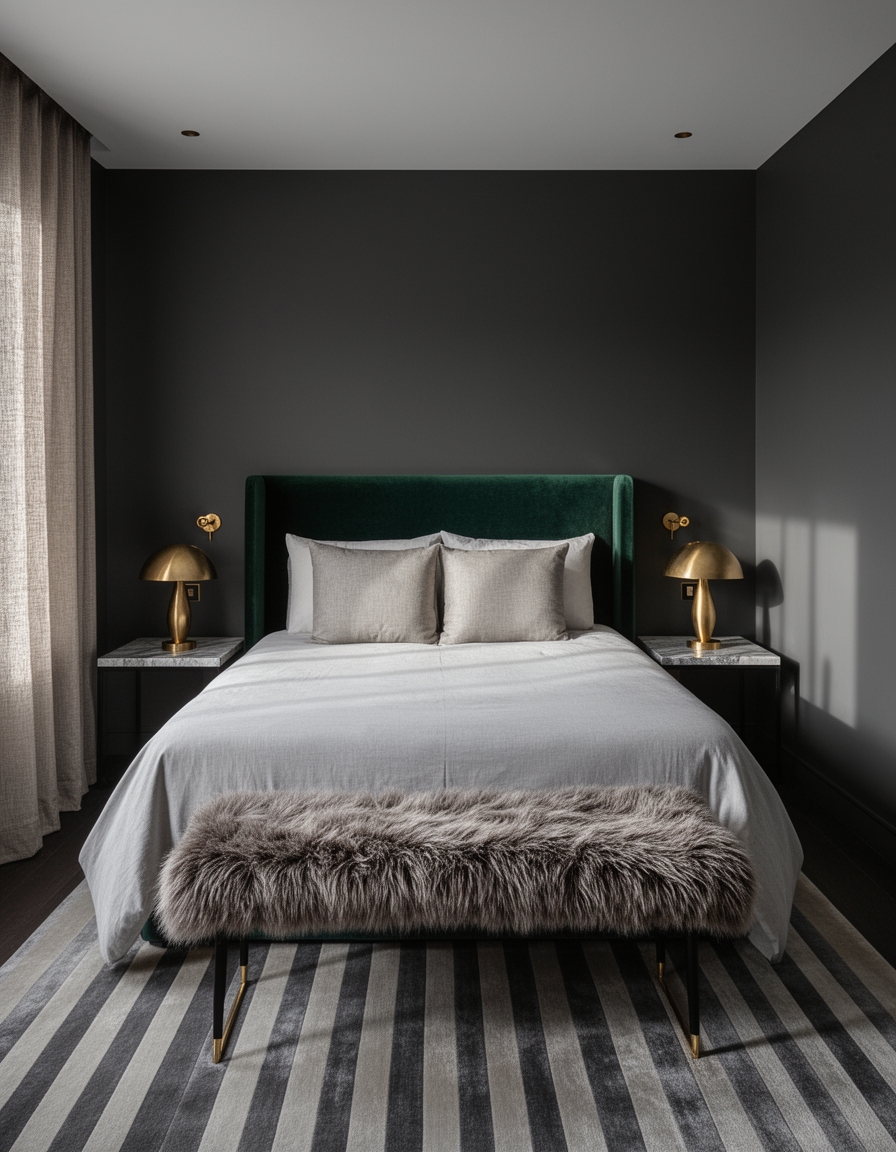
I gravitate toward pale, cool-toned neutrals and soft metallics to keep the room airy. I pair matte textures with glossy accents to avoid glare, fostering calm.
I test reflections by rotating drafts, ensuring every surface amplifies serenity without overwhelming the senses.
Layered Lighting: Natural Light and Ambient/Task Layers
Natural light is the foundation, but layered lighting—ambient and task—lets you shape mood and function after dark.
I blend windows with dimmers, soft white lamps, and focused bedside task lights to calibrate atmosphere.
Here’s how:
- Prioritize daylight hours with sheer curtains
- Use dimmers for flexible brightness
- Place task lights near reading zones
- Layer sources to avoid harsh shadows
In addition, integrating clever storage solutions helps maintain a tidy and functional space without cluttering your lighting design.
Streamlined Textiles for Calm, Breathable Bedding
I keep the bedding simple and breathable, choosing streamlined textiles that feel calm under touch and easy to care for.
I favor solid, natural fibers and a restrained palette to minimize visual noise. Clean lines, low-profile sheets, and lightweight blankets promote airflow without bulk.
The result is a serene sleep space that stays fresh, inviting, and effortlessly chic. Incorporating clever bedroom solutions can optimize every inch of your small room, making it both functional and stylish.
Define Functional Zones in a Tiny Bedroom
I’ll show you how to define clear zones in a tiny bedroom so every square inch earns its keep.
By mapping a compact sleeping area, a small work nook, and a finishing touch zone, you’ll create function without clutter.
Let’s explore practical layouts that maximize space while keeping the room calm and cohesive.
Incorporating creative storage solutions can further optimize your small bedroom’s functionality and style.
Define Clear Zones
In a tiny bedroom, the key to calm is clearly defined zones: a dedicated sleep nook, a compact work or study corner, and a small, efficient storage area.
- Create a distinct bed area with a low headboard and soft lighting.
- Carve out a desk zone beneath natural light.
- Use vertical storage to minimize footprint.
- Separate zones with rugs, curtains, or bookcases.
Maximize Tiny Space
Maximizing a tiny space comes down to purposeful layout: define functional zones that serve daily needs without crowding the room.
I map a quiet sleeping nook, a compact wardrobe, and a slim bureau near natural light, separating work from rest with a rug or furniture alignment.
I keep surfaces clear, devices tucked, and choose multiuse pieces for effortless flow.
Mirrors and Reflective Surfaces to Enlarge the Space
Mirrors and reflective surfaces are powerful tools for making a small bedroom feel bigger.
I leverage angles, not just sizes, to amplify light and depth. Position carefully, avoid symmetry overload, and let the reflections enhance proportion.
Here are ideas:
- Place a tall mirror opposite a window
- Use mirrored wardrobes for seamless flow
- Install a beveled wall mirror
- Choose metal-framed, light-toned reflectors
Incorporating these elements can help you maximize space and create a bedroom that feels twice as big.
Declutter Routines That Keep a Serene Bedroom
I keep daily declutter rituals simple and short, so a serene bedroom is always within reach.
I’ll share practical steps for eliminating hidden clutter and maintaining easy, low-effort routines.
Let’s explore simple maintenance habits that harmonize daily life with a calm, minimalist space.
Incorporating small bedroom design ideas can instantly transform your space into a more functional and peaceful environment.
Daily Declutter Rituals
Decluttering daily isn’t about perfection; it’s about small, steady actions that keep your space calm.
I share simple rituals you can adopt tonight, without fuss, to maintain serenity and order.
- Set a 5-minute tidy timer each evening
- Return items to their homes before bed
- Empty the sink and wipe surfaces
- Review a single area for rehoming clutter
Hidden Clutter Eliminations
Hidden clutter can hide in plain sight, so I tackle the obvious culprits first and then root out the quieter culprits that quietly steal space.
I establish a weekly reset, returning items to their homes and freeing surfaces. I edit clothes, cords, and decor with purpose, preserving calm.
My routine sustains serenity, reduces decision fatigue, and keeps the bedroom effortlessly tidy.
Simple Maintenance Habits
Simple maintenance is the backbone of a serene bedroom, so I lean into small, repeatable routines rather than sweeping, once-in-a-blue-moon efforts.
- Reset nightly: return items to their homes and smooth the bedding.
- Quick declutter: a ten-minute sweep before bed clears surfaces.
- Weekly audit: garderobe and desk drawers get a brief reset.
- Simple habits: calendar reminders keep consistency.
Multi-Use Accents: Seating, Nightstands, and Storage
Multi-use accents can transform a small bedroom by delivering seating, nightstand functions, and storage in one sleek package.
I select pieces that pull double duty without clutter, like ottomans with hidden bins or slim desks that fold into shelves.
My goal is calm efficiency: tidy surfaces, accessible storage, and a cohesive, airy feel you can enjoy every day.
Affordable DIY Upgrades for a Calm Tiny Space
When you’re working with a tiny space, small, thoughtful upgrades can yield big returns, especially when they’re affordable and easy to implement.
I share practical, calm tweaks you can try now:
- paint walls in soft neutrals
- add slim, mounted lighting
- declutter with labeled baskets
- swap heavy fabrics for airy textures
Tiny-Bedroom Floor Plans That Feel Spacious
In a small bedroom, smart floor plans can make the space feel instantly larger by prioritizing open sightlines and clear pathways.
I design layouts that place the bed against a wall, use dual-purpose furniture, and keep circulation uncluttered.
With careful zoning and symmetry, you’ll enjoy airy traffic flow, balanced proportions, and a calm, functional retreat that still reads expansive.
Your Tiny-Bedroom Blueprint: Translating Ideas to Action
From the ideas you liked about open sightlines and uncluttered circulation, here’s how we turn them into a practical plan for your tiny bedroom.
I’ll guide you to act with intention, choosing furniture that serves multiple functions and defining zones clearly.
- Choose a platform bed with storage
- Opt wall-mounted shelves to free floor space
- Use a foldable desk or wall nook
- Declutter weekly to maintain calm, airy lines
Conclusion
Tiny bedrooms don’t have to feel cramped; they can feel calm, intentional, and expansive. I’ve shared bite-sized ideas you can actually implement today—clarify your clutter, pick pieces that fit, and stack your space upward with shelves and built-ins. Think of your room as a canvas you curate, not a box you shrink. By embracing a calm palette and multi-use accents, you’ll reveal a quieter, roomier you. After all, less clutter, bigger life.