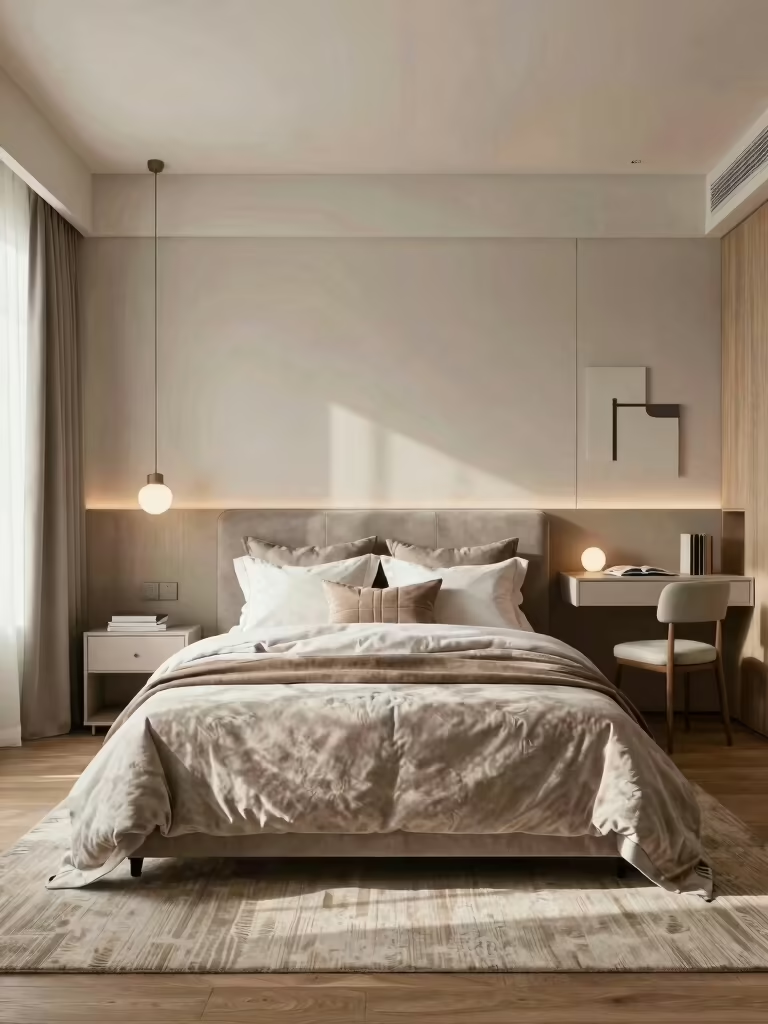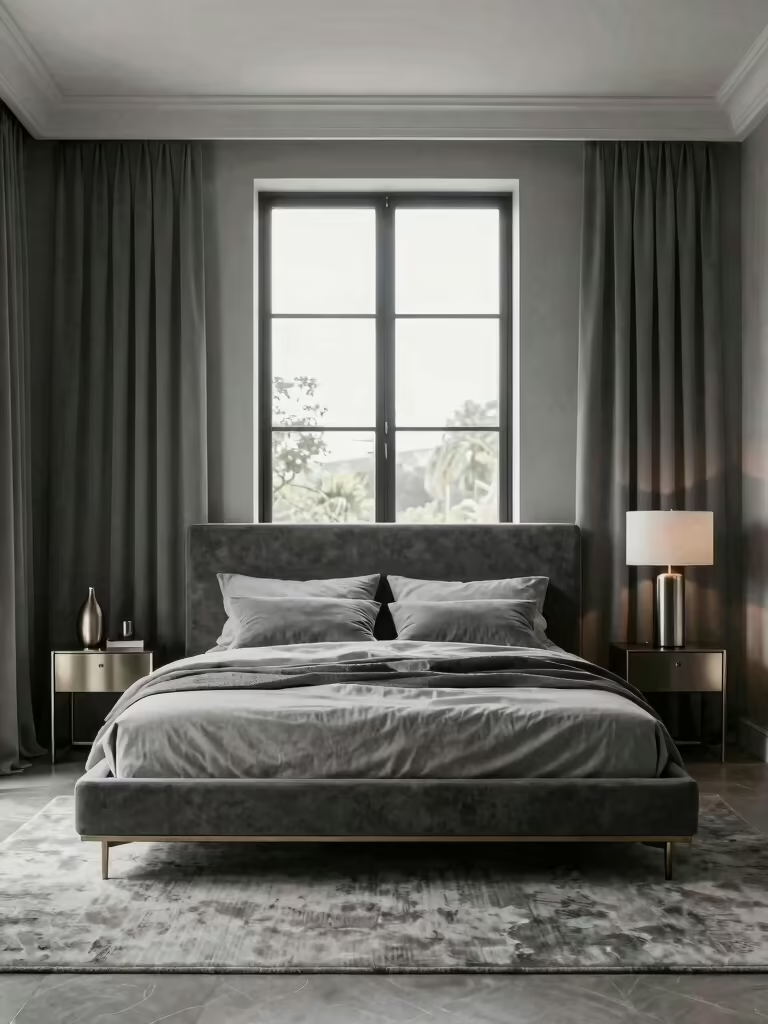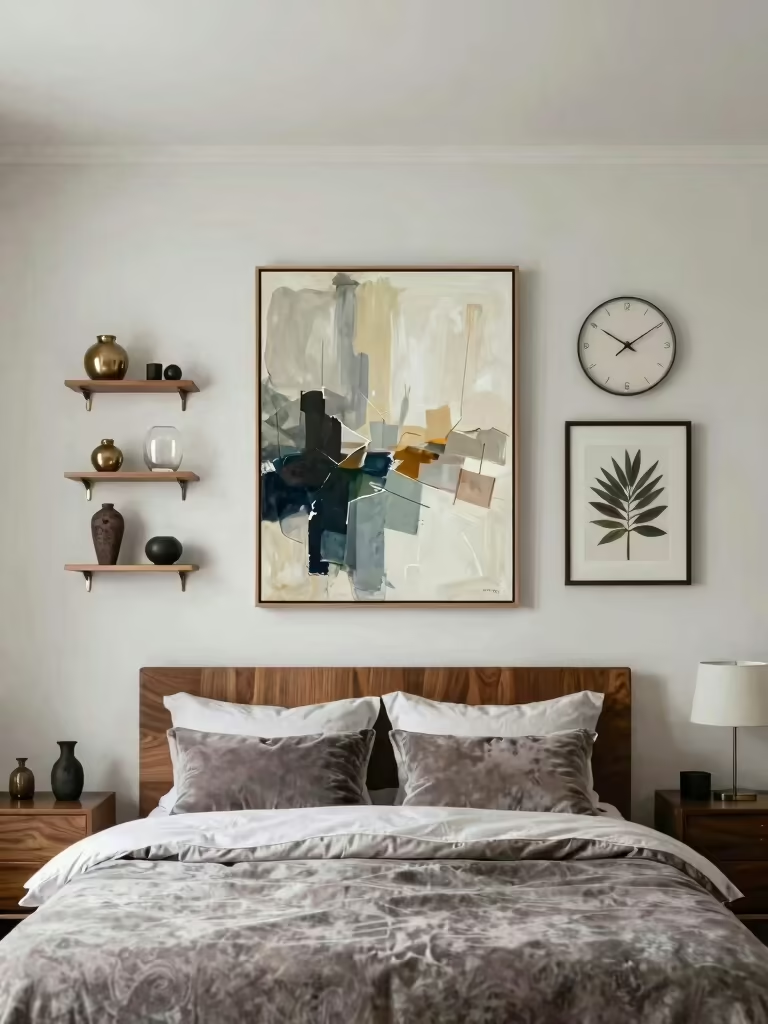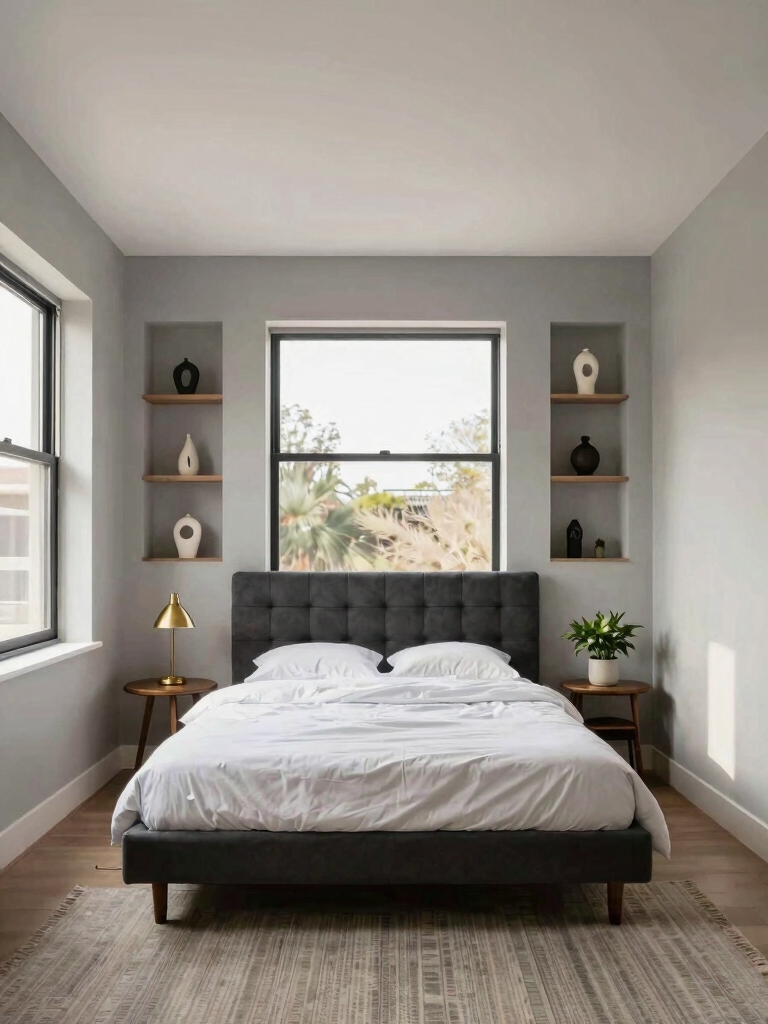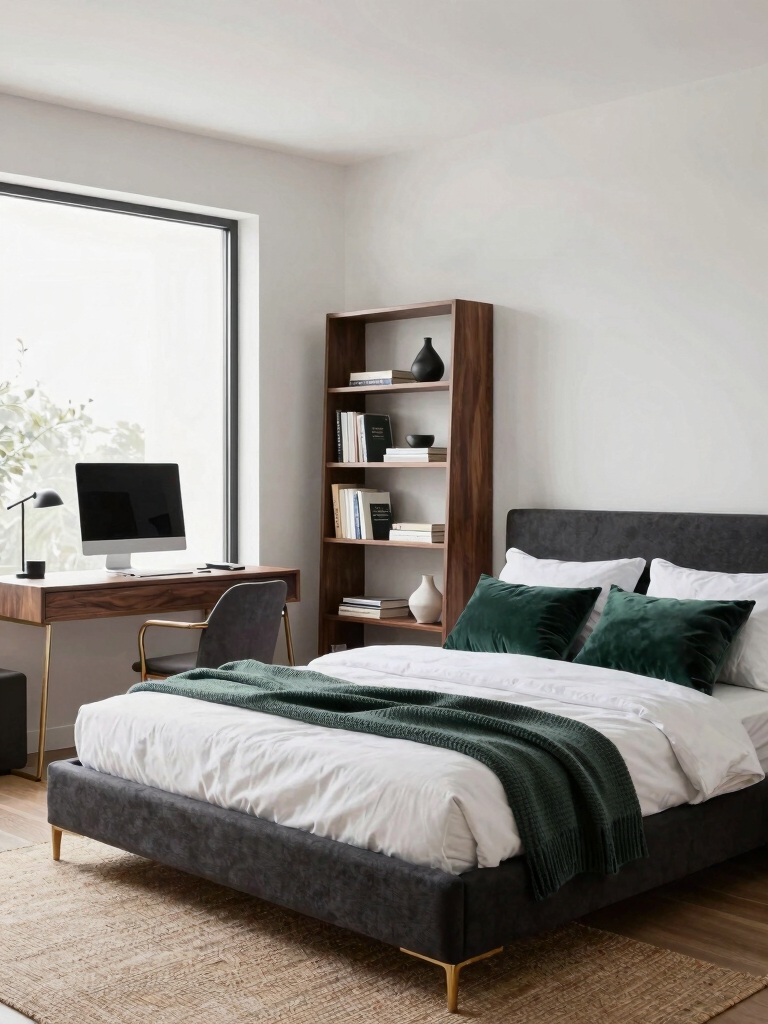

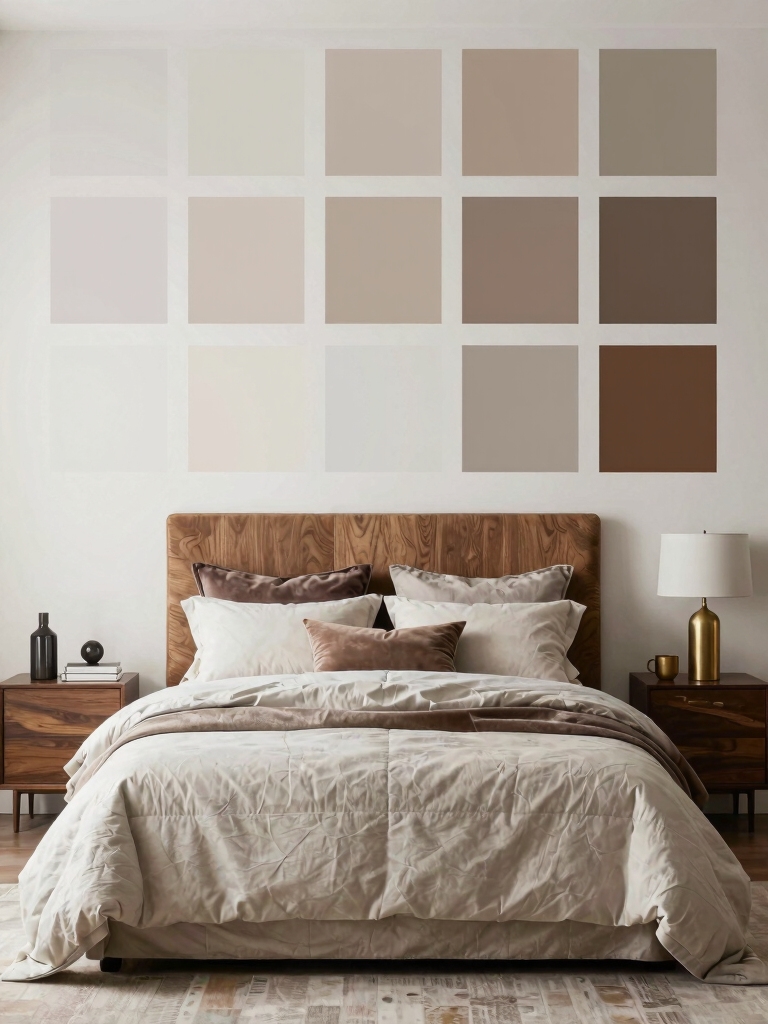
A fresh coat of paint is easy. A fresh-looking room is the harder part, and the difference is the plan behind the paint. Anyone can roll a color onto a wall; the rooms that look designed come from a scheme, a base, an accent that answers it, and a few colors carried thoughtfully across the walls, the furniture, and the textiles so the whole thing hangs together.
These painting ideas are about building that scheme: the color relationships that make a room look intentional. We start with the mood you want, settle on a calm base, add an accent that complements it, layer in finish and texture, and tie it all together so the room looks cohesive. Do the thinking up front and the painting itself is the easy, satisfying part, the afternoon where a tired bedroom turns truly new.
The Painting Plan in Short
A fresh-looking bedroom comes from a scheme, not a single can. Start by naming the mood you want, then choose a calm base color that fills most of the room. Add one accent that complements the base, and tie the look together by carrying your two or three colors across the walls, the trim, the furniture, and the textiles in roughly a sixty-thirty-ten split.
Layer your finishes too, matte on the walls, a little satin sheen on trim or an accent, so light plays across the surfaces. Get the relationships right and even simple colors look deliberate; skip the plan and the prettiest paint still looks scattered.
Define Your Bedroom Vibe First
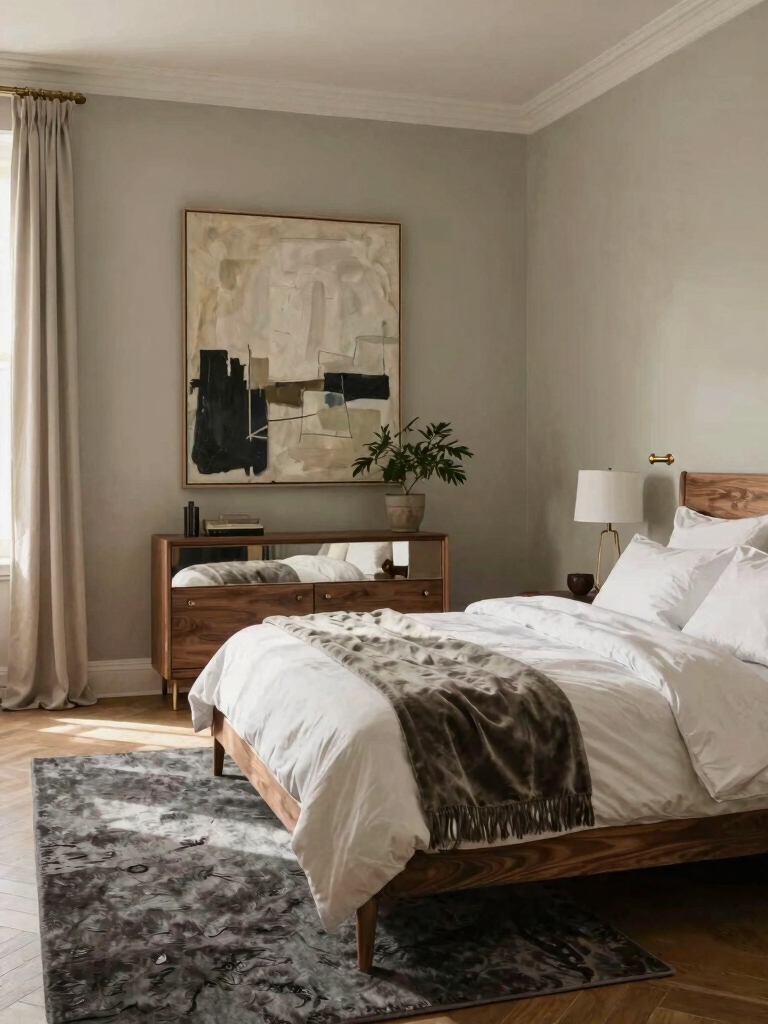
Every good paint scheme starts with a decision about feeling, made before you open a single fan deck. Before you look at a swatch, answer three quick questions: how do you want the room to feel, what colors do you keep gravitating toward, and what do you actually do in the room?
The answers point you at a direction, calm and neutral, moody and rich, bright and airy, and that direction is the filter every later color choice passes through, and once you have it, the colors get a lot easier to choose.
- Name the feeling you want in one word, calm, cozy, energizing, before you shop for color.
- Notice the colors you’re drawn to in clothes and decor; they hint at what you’ll live with happily.
- Match the scheme to how you use the room, and pull the direction from these color palette ideas.
Start With a Calming Neutral Foundation
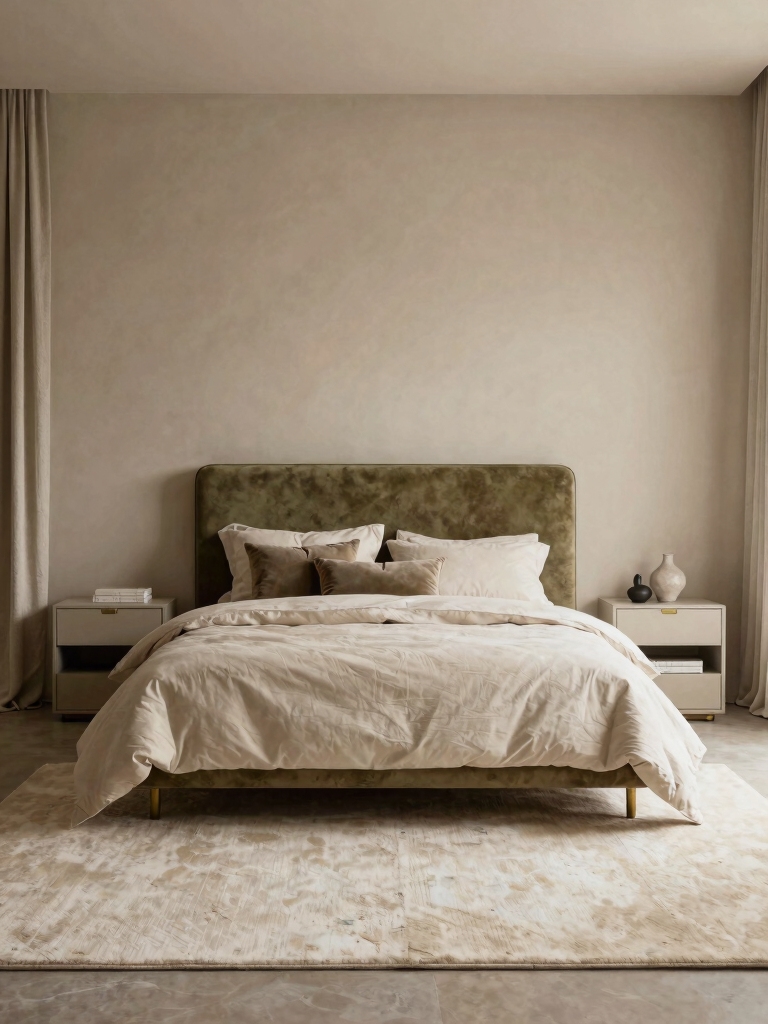
The base color is the one that covers most of the room, so it sets the whole tone and deserves the most thought. A calm, versatile neutral, a soft cream, a warm greige, a pale taupe, gives you a flexible foundation that works with almost any accent you add later and won’t fight your existing furniture. The base is the quiet majority of the scheme, the roughly sixty percent that everything else sits against. It anchors the whole room.
Pick the base to flatter what’s already in the room. Hold a few large swatches against your bedding, your wood tones, and your floor, and choose the one that makes them all look better. A base that gets along with your furniture saves you from repainting or re-buying later. People stall longest right here, second-guessing a perfectly good neutral, so I tell them to hold it against the bedding and trust the one that makes everything else look better.
- Choose a versatile neutral for the base, the sixty percent that covers most of the walls.
- Test the base against your bedding, wood, and floor so it flatters what you already own.
- Keep the base flexible so future accents have room to change, the way these refresh ideas worth saving suggest.
Two ways to build a fresh painted scheme:
🎯Bright, sunny room
South- and west-facing rooms get warm, generous light, so they can carry cooler bases (soft greens, grayed blues) and a deep cool accent without feeling cold. Lean into the light you already have.
🎯Dim, north-facing room
North light is cool and flat, so warm the scheme up: a creamy or greige base and a warm-toned accent (clay, ochre, warm charcoal) stop the room reading gray. Skip stark cool colors here.
Balance a Bold Accent Wall With the Base
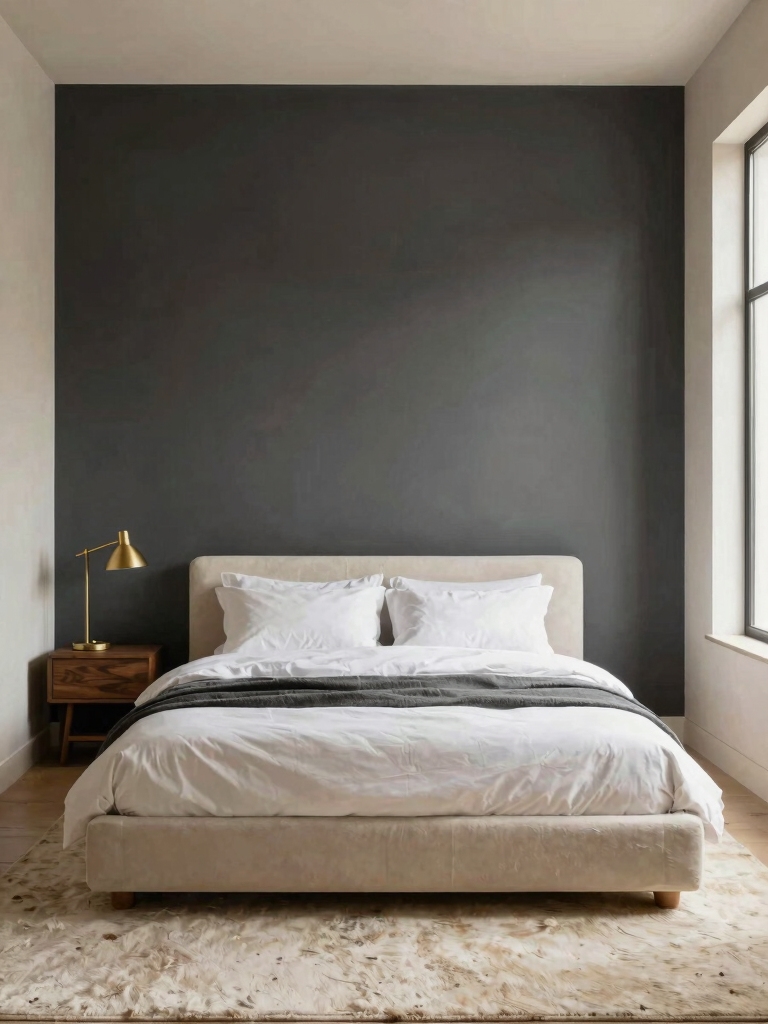
An accent wall gives the scheme its focus, and the trick is choosing one that complements the base and stays in conversation with it. The strongest accent pulls from the same undertone as your base, a warm base with a warm-toned deep color, a cool base with a cool one, so the two read as a deliberate, planned pair built on one undertone at two depths.
Test the accent against your furniture and art before you commit, since the relationship between the colors matters more than either color alone. Test it on the wall first.
- Match the accent’s undertone to the base so the two feel like a planned pair.
- Make the accent the room’s ten percent: one wall, or even just the alcove behind the bed.
- Check the accent against your art and bedding first, and let these layout ideas for small rooms guide which wall.
Layer Texture and Finish for Warmth
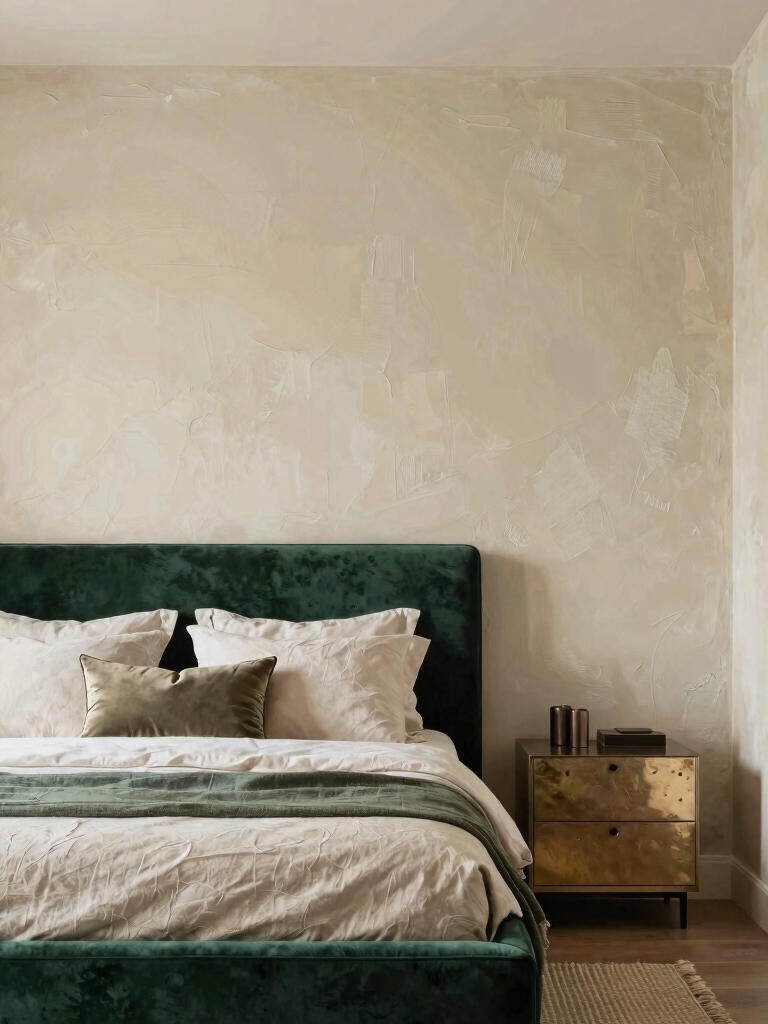
Paint does more than add color; the finish you choose changes how light moves across a wall. A matte or eggshell on the walls looks soft and hides flaws, while a touch of satin on the trim, a door, or the accent catches the light and adds a quiet contrast of sheen. That play between flat and slightly glossy gives a painted room depth even when the colors stay simple. A little sheen goes a long way.
Build on the paint with real texture so the scheme feels layered. Linen curtains, a chunky throw, a woven headboard, and natural wood pick up where the paint leaves off, turning a flat color story into something you want to touch. The most cohesive bedrooms repeat a few colors across both the paint and the textiles, so the textures feel like part of the same plan, the way these decor ideas worth borrowing layer it on.
- Use a matte or eggshell on the walls and a satin on trim or the accent for a sheen contrast.
- Echo the paint colors in the textiles so the fabrics become part of the scheme.
- Add natural texture, linen, wood, weave, to keep a simple color story from feeling flat.
🅰️One accent wall
Lower commitment and the classic move: a calm base with one saturated wall behind the bed. Quick, reversible, and easy to balance, since three light walls keep the room open.
🅱️Color-drench the room
Higher impact: walls, trim, and ceiling all in one deep shade for a rich, enveloping cocoon. Best in a room you want cozy rather than bright, and it hides a boxy ceiling beautifully.
Layer Colors to Create Cohesion
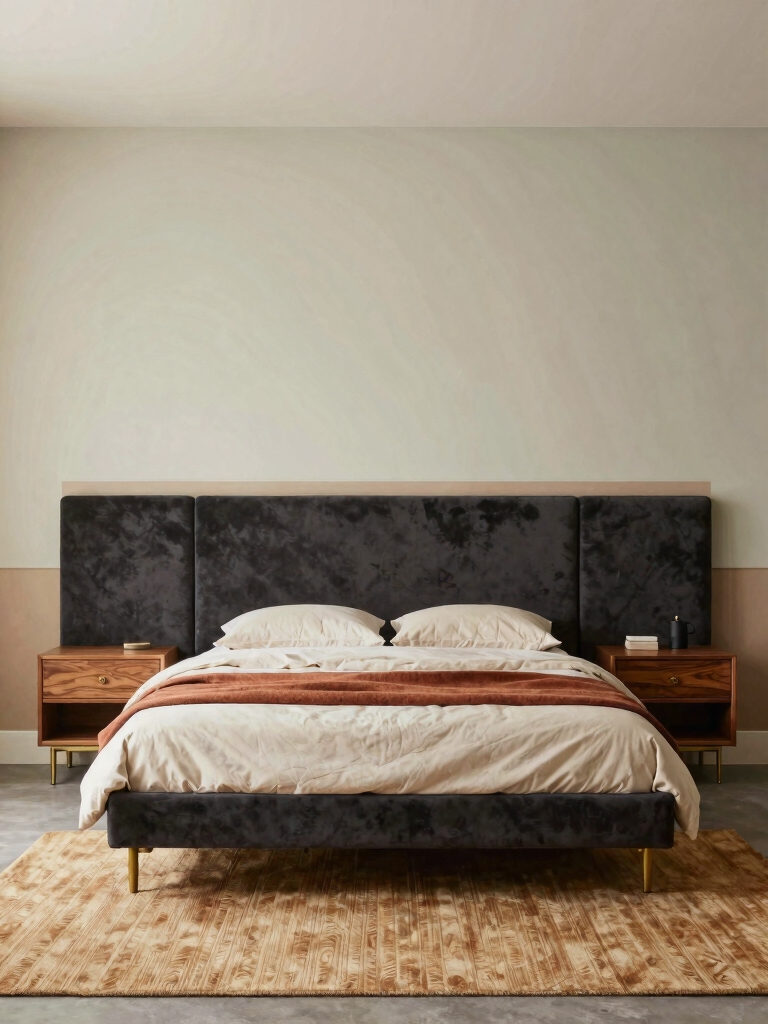
Cohesion is what separates a designed room from a painted one, and it comes from carrying your colors around the space, well past the walls themselves. Pick two or three colors and let them travel: the base on the walls, the accent on one wall and repeated in a cushion or a lampshade, a third color threaded through the art and throw.
When the same few colors reappear in different spots, the eye reads the whole room as one intentional scheme. Gentle repetition is the trick that pulls it together.
Sixty base, thirty secondary, ten accent
Lean on the sixty-thirty-ten rule to keep the balance right. Roughly sixty percent of the room in your base, thirty in a secondary color through bedding and curtains, and ten in the accent, on a feature wall and a few small touches. That ratio keeps a multi-color scheme from tipping into chaos and gives the room a calm, professional balance almost automatically.
Repeat, but don’t match everything exactly. A scheme feels alive when the colors echo loosely, a slightly different shade of the accent here, a tonal cousin there, so the room looks like it came together over years. That gentle repetition is the quiet skill behind every bedroom that looks pulled together, and these small-room paint ideas that transform a space show how color choices change the feel of the room.
Painting Effects Beyond a Flat Wall
Once you’re comfortable with color, a few painting techniques add a fresh look that flat walls can’t. A two-tone, color-blocked wall, painted one color up to about two-thirds height and a lighter shade above, makes a ceiling feel taller and adds a graphic, modern edge for the price of two sample pots. A painted headboard shape, an arch or a soft rectangle behind the bed, fakes a real headboard and frames the bed beautifully.
Other effects bring personality without wallpaper. Simple vertical stripes in tonal colors stretch a low room; a painted arch around a mirror or a nook adds a custom, built-in feel; even a color-drenched scheme, where walls, trim, and ceiling all wear the same shade, feels rich and enveloping.
I’ve watched one deep green swallow a small spare room whole and turn it into the coziest spot in the house. These take a little more tape and patience than a flat coat. They cost the same in paint, though, and give a bedroom a truly custom look.
How to Plan Colors That Work Together
Building a palette that works is simpler than it looks once you lean on a few anchors. Start from something you already love in the room, a rug, a piece of art, a favorite quilt, and pull your paint colors from it, since those colors already agree with each other. A printed fabric is a ready-made palette: the big background color becomes your base, a mid-tone becomes the secondary, and the smallest pop becomes your accent.
Keep the undertones in one camp so the colors feel related. Warm colors with warm, cool with cool, or one deliberate contrast at most, and the scheme holds together. Lay your samples side by side in the room’s own light before you buy, since colors that look great apart can clash on the wall. A little planning here is what makes a multi-color bedroom feel calm and considered, and it costs nothing but a few sample pots and an evening.
What to Expect From a Painting Project
A bedroom repaint is one of the most satisfying weekend projects there is, and knowing what it takes keeps it from stalling. A standard room runs about two gallons at roughly forty to sixty dollars each, plus tape, a roller, and a brush, and the work is mostly prep: patching, sanding, taping, and cleaning the walls so the paint goes on smooth. The painting itself is quick. The prep is what makes it look professional.
Plan for two coats with a little dry time between; each coat takes an hour or two to dry, so a single accent wall is an afternoon and a whole room is a weekend. Nine times out of ten I end up with a calm base and a single bold accent wall; it is the most forgiving way I know to get real character onto the walls.
Pull the tape while the last coat is still slightly tacky for the crispest lines, and resist crowding the furniture back in before the paint cures. Do it in that order and the result looks like a pro came through, which is a remarkable return for the price of a few cans and a couple of days.
Fresh Bedroom Painting, Answered
?How do I choose a cohesive bedroom paint scheme?
Start from the mood you want, pick a calm base for most of the room, then add an accent that shares the base’s undertone so they pair cleanly. Carry two or three colors across the walls, trim, and textiles in a rough sixty-thirty-ten split. Pulling the palette from a rug or fabric you already love makes the colors agree automatically.
?What is the 60-30-10 rule in a bedroom?
It’s a balance for a multi-color room: about sixty percent in your main base color, thirty percent in a secondary color through bedding and curtains, and ten percent in an accent on a feature wall and small touches. The ratio keeps a scheme from feeling chaotic and gives the room a calm, professional balance almost on its own.
?How can I make a bedroom look fresh without repainting everything?
Use targeted paint effects. A two-tone color-blocked wall, a painted headboard shape, simple tonal stripes, or fresh white trim each refresh the look for the cost of a quart or two. Painting a dated dresser a new color is another quick win. These give most of the impact of a full repaint at a fraction of the time and cost.
?Which wall should I choose for the accent?
Usually the wall behind the bed, since it’s the first thing you see and it frames the headboard. The exception is a room with a natural focal wall, a fireplace, a window seat, or a built-in, where the architecture already pulls the eye. Avoid accenting a wall broken up by doors or windows, since the color gets chopped into fragments and loses its impact.
Plan the Scheme, Then Paint It
A fresh new look comes from the plan as much as the paint: name the mood, choose a calm base, add an accent that complements it, layer your finishes and textures, and carry two or three colors around the room in a sixty-thirty-ten balance. Build the scheme first and the painting becomes the easy, rewarding part, the weekend where a tired bedroom turns into one that looks planned and pulled together.
So before you fall for a single swatch, ask what you want the whole room to feel like, then build the colors around that answer. Get the relationships right, and even the simplest palette will give your bedroom the fresh, pulled-together look you were after, for the price of a few cans and a free weekend.