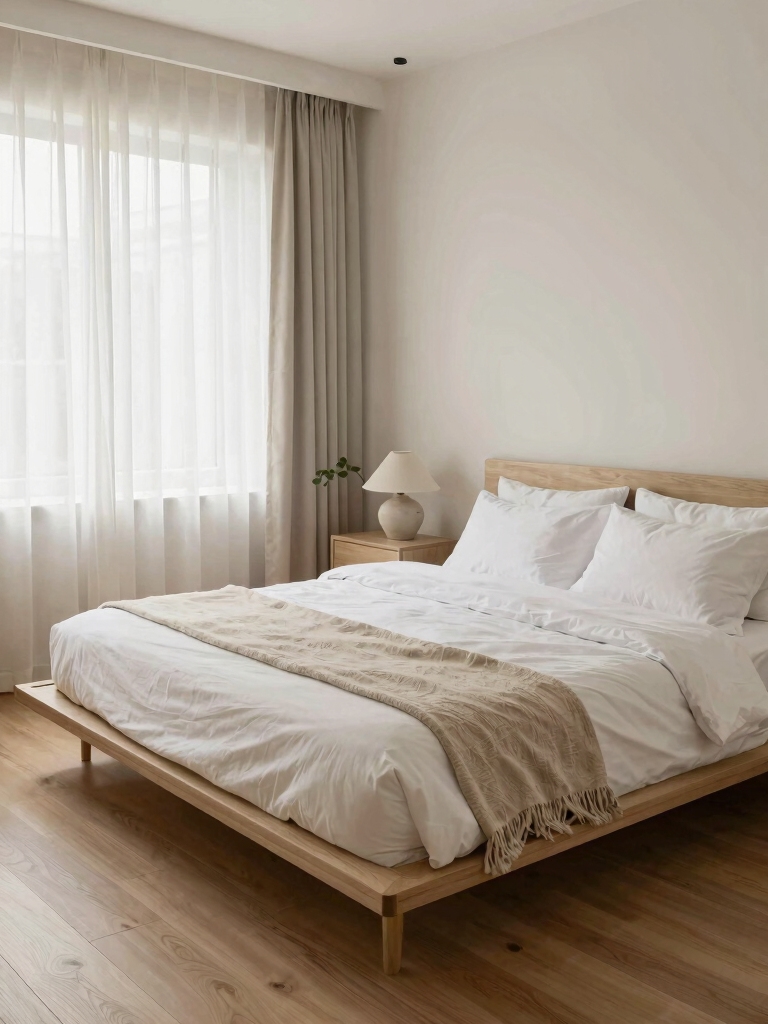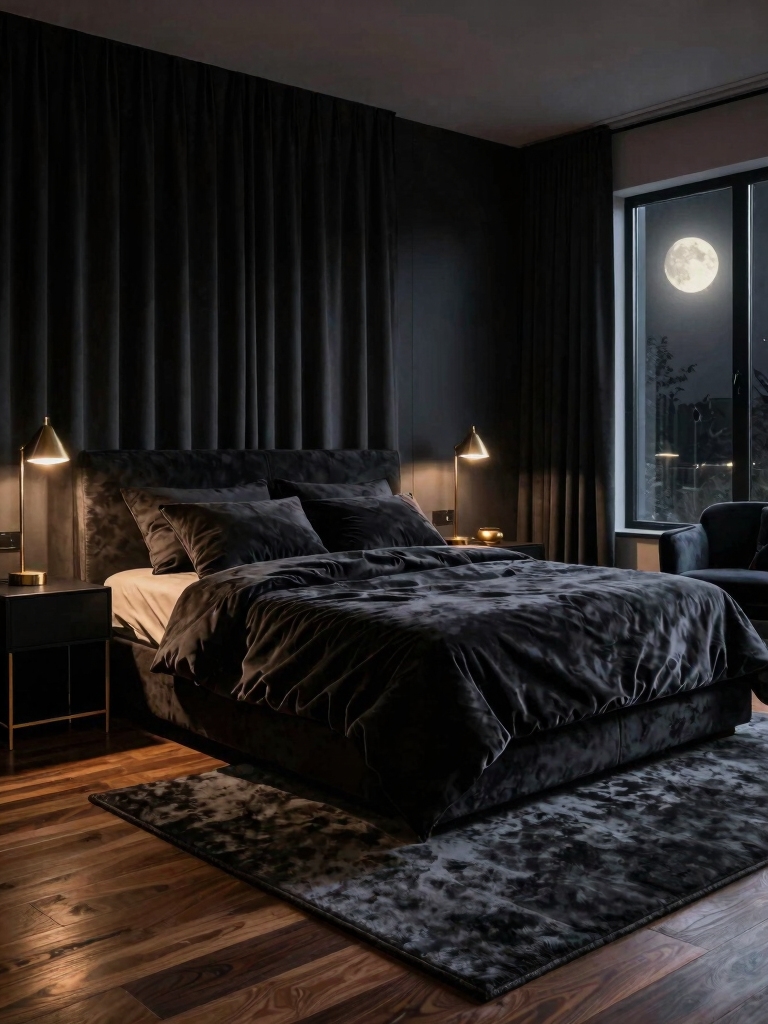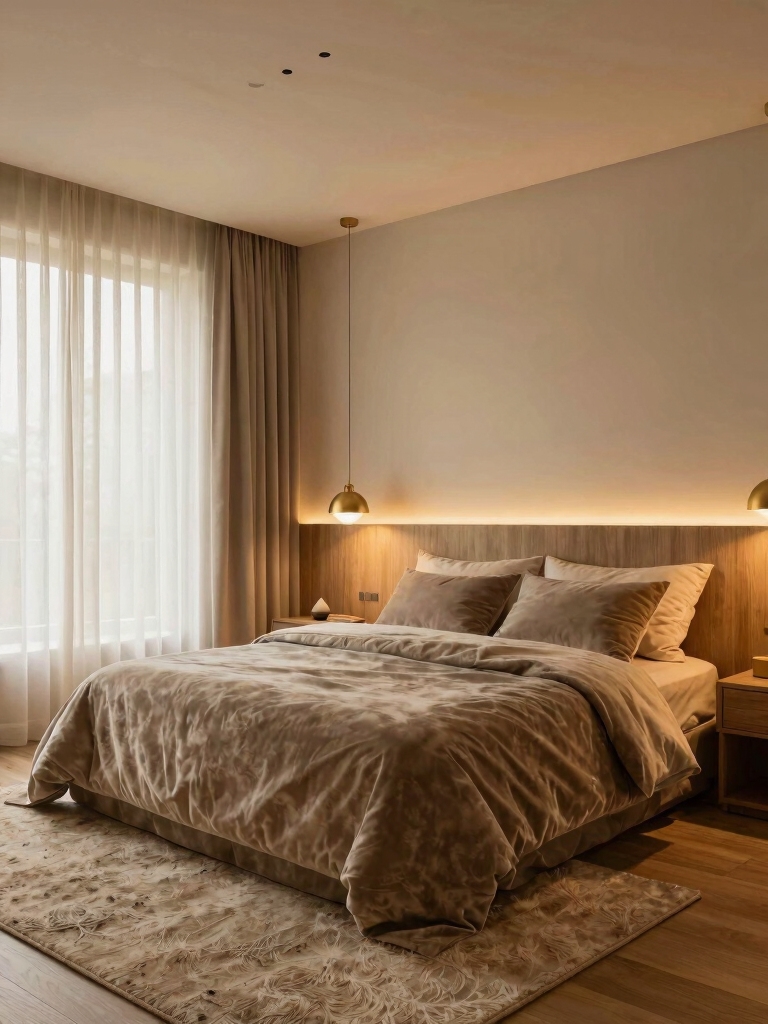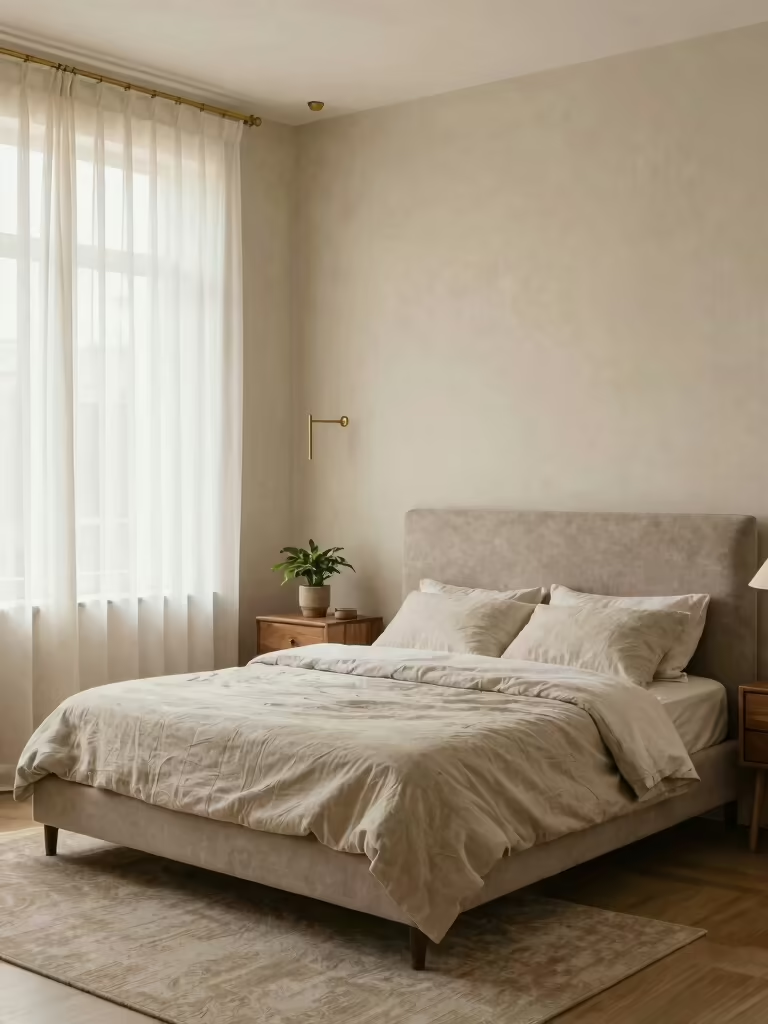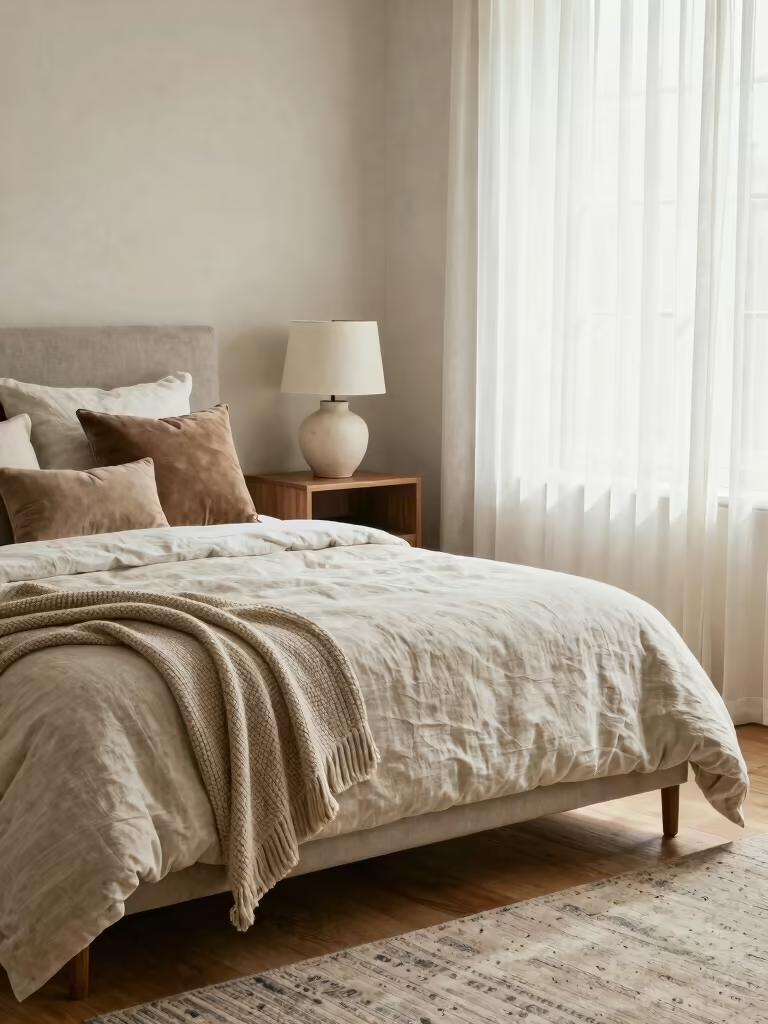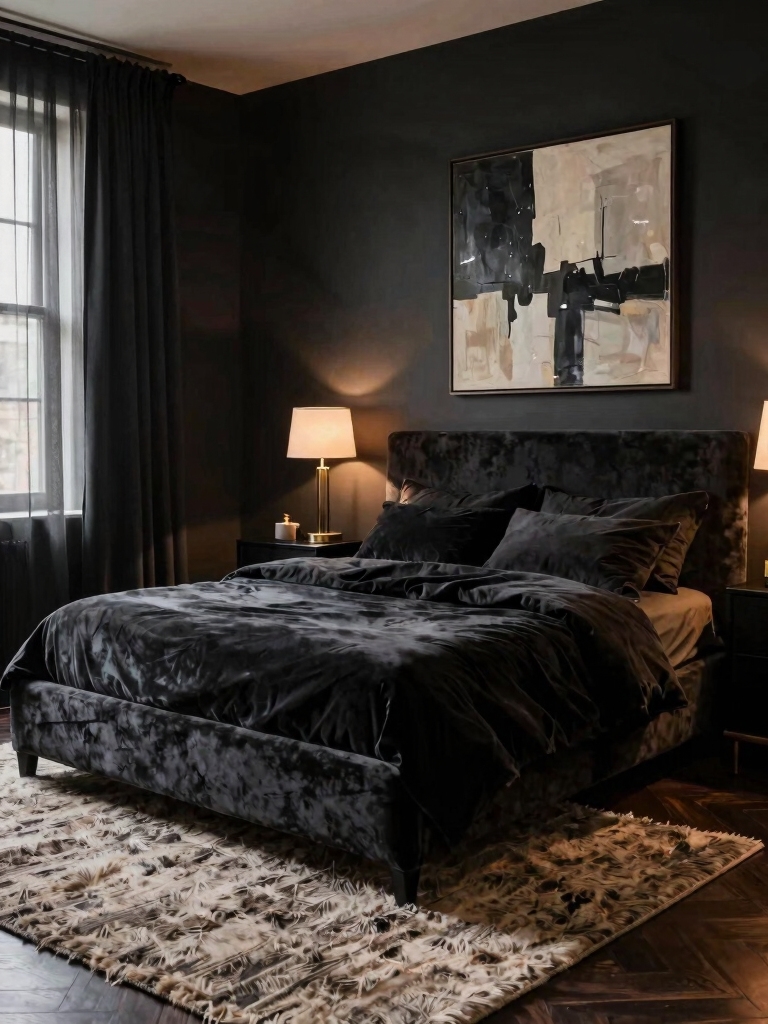

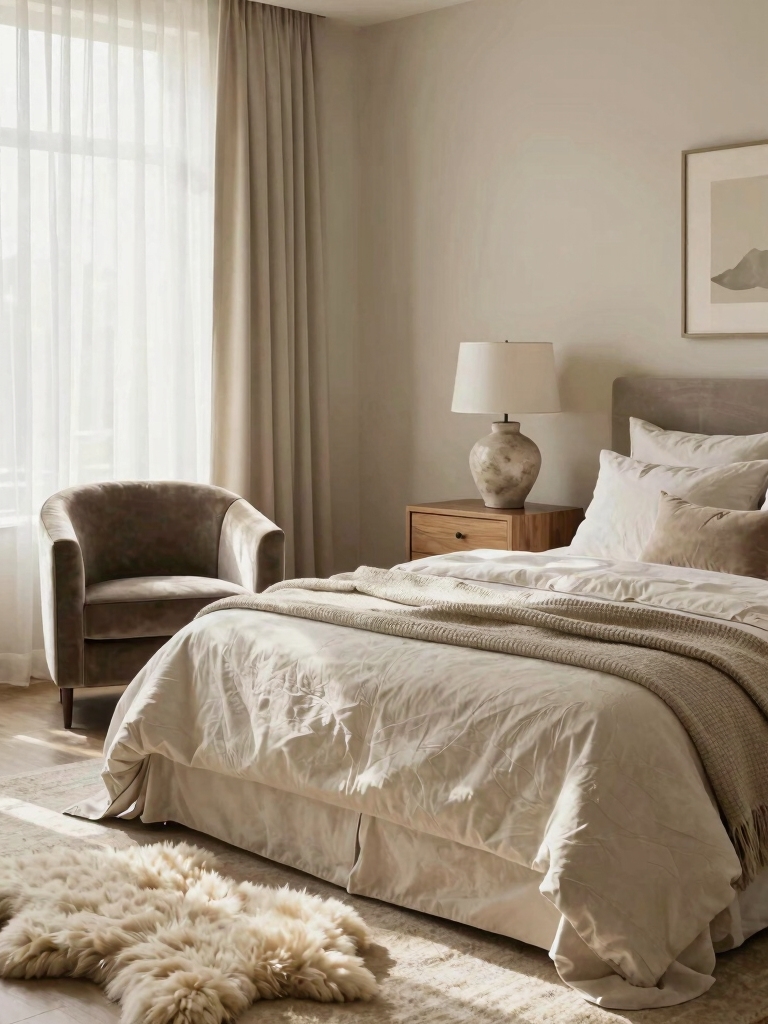
A cozy bedroom rarely comes from buying more. It comes from three moves done well: soft, layered light, an earthy palette, and textures you actually want to touch. These are the aesthetic bedroom ideas I hand to cozy souls who want real warmth at home, and most of them cost less than a nice dinner out.
I’ve styled plenty of rented rooms and tight box bedrooms, so I know the budget route holds up beside the splurge one. Below are the ideas I keep returning to. Each one comes with a rough price and the order I’d actually work through them, so your space feels settled within a weekend.
The Cozy Bedroom Cheat Sheet
- Start with light. A $15 dimmer and two warm 2700K lamps change the whole mood for under $50.
- Pick three to four earthy tones and repeat each one; a tight palette feels calmer and pulls the room together.
- Layer texture in odd numbers and different weights so the bed looks full and still easy to use.
- Give yourself one nook, even a chair and a lamp, so the room has a second place to land.
Make the Room Feel Like a Calm, Personal Sanctuary
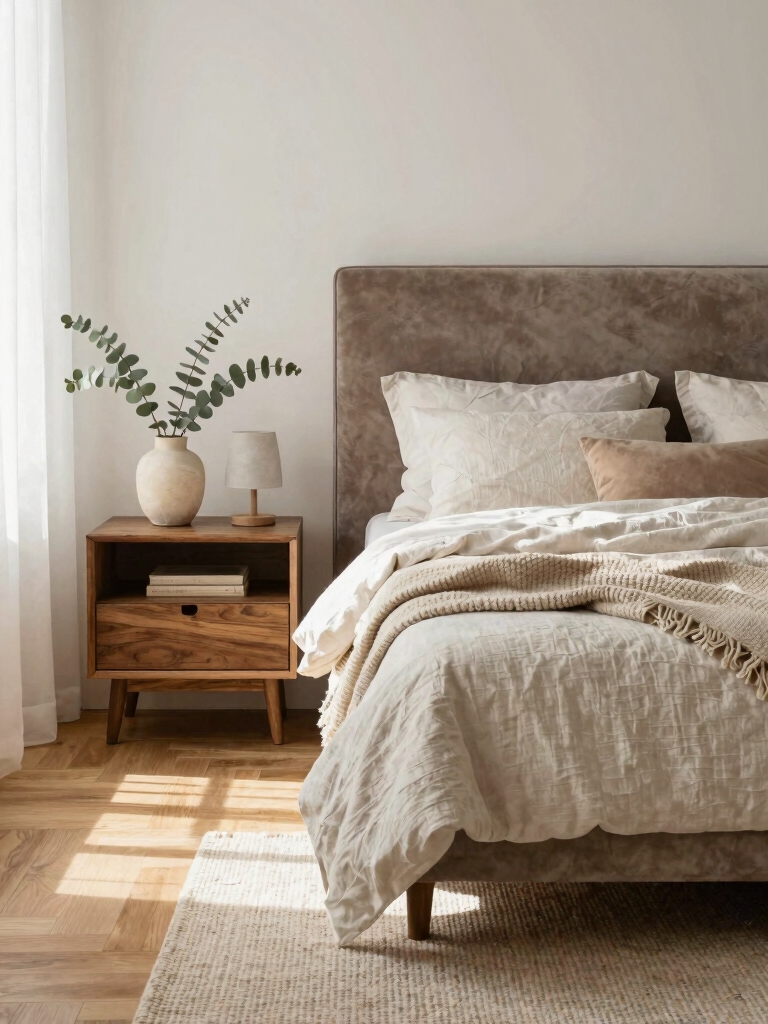
The first thing I ask anyone is where they linger in the room, because that spot tells you what cozy means to them. Some people want a reading corner. Others just want a bed that swallows them after a long day. Once you name the feeling, the shopping list gets short and honest, and the endless scrolling stops.
Build around two or three things you already love and would grab in a move: a quilt, a framed print, a lamp with good light. Everything else supports those anchors. A tight room of meaningful pieces beats a crowded one of fillers, and it costs less, because you stop buying things that never earn their spot.
- Walk in and note where your eyes land first; make that the focal point, usually the bed or a window seat.
- Keep one surface clear on purpose so the room can breathe instead of feeling busy.
- If you rent, lean on textiles and lamps over anything you’d later have to patch or repaint.
Plan a Warm, Soft Lighting Scheme First
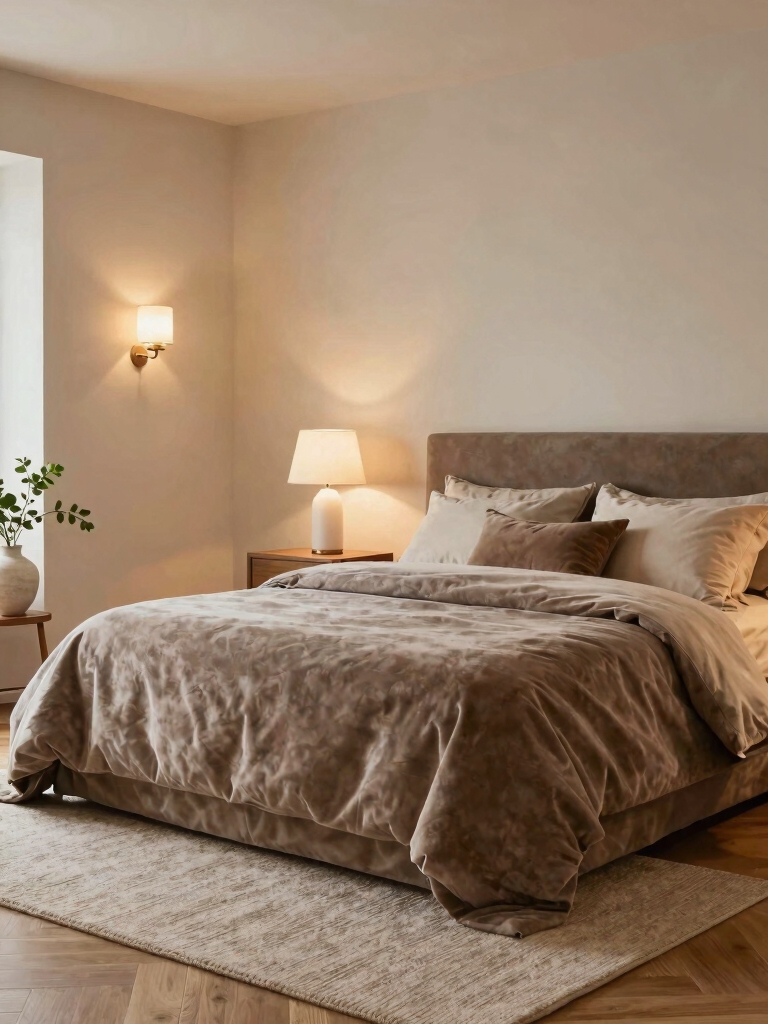
If I could only change one thing in a bedroom, it would be the light. It is also the cheapest fix here. Swap any cool white bulbs for warm 2700K bulbs (about $4 to $8 each) and put the overhead on a plug-in dimmer for $15 to $25. That alone pulls a room from office-bright to evening-soft in ten minutes flat.
Then layer it. You want light at three heights so nothing glares: a low bedside lamp, a mid table or wall light, and a soft overhead you rarely run at full. I add a string of warm fairy lights or a single candle for the lowest setting at night. For the full approach, my [bedroom lighting ideas for mood](bedroom-lighting-ideas-mood) guide breaks down bulb temperatures and placement in detail.
- Aim for 2700K or lower. Anything above 3000K starts to feel clinical once the sun goes down.
- Bounce light off a wall or ceiling to soften the harsh shadows a downward fixture throws.
- Put lamps on smart plugs or a remote so warming the whole room down is one tap from bed.
The biggest cozy myth I hear in consults:
❌ Myth: Cozy means dark and cluttered.
✅ Reality: Cozy means warm and edited. Soft light plus a few good textures beats a room piled with stuff you have to navigate around.
❌ Myth: You need a big budget to make it feel warm.
✅ Reality: Warm bulbs and a dimmer are the two changes that move the needle most, and both take just an evening.
Build a Calming, Earthy Color Palette

After years of holding paint chips against headboards, I’ve learned cozy rooms almost always lean earthy and a little muted. Think soft taupe, warm greige, sage, clay, and a wood tone running through it all. These colors hold candlelight and morning sun without going flat, which is exactly what you want in the place you sleep.
Where People Get the Palette Wrong
Keep it to three or four tones and repeat each one at least twice: a wall, then a pillow; a rug, then a frame. That repetition is what makes a space feel intentional and pulled together. One charcoal or deep-bottle-green accent gives the eye somewhere to rest, so the calm has a little depth to it.
If you’re nervous about commitment, test it on the cheap. A pint of sample paint runs $6 to $9, and peel-and-stick swatches let you live with a color for a week before you roll a whole wall. For pairings that hold up in low light, see my [cozy bedroom color palette ideas](cozy-bedroom-color-palette-ideas-changing) and the warmer route in [brown bedroom ideas that stay timeless](brown-bedroom-ideas-cozy-timeless).
Layer Plush Comfort in a Few Soft Styles
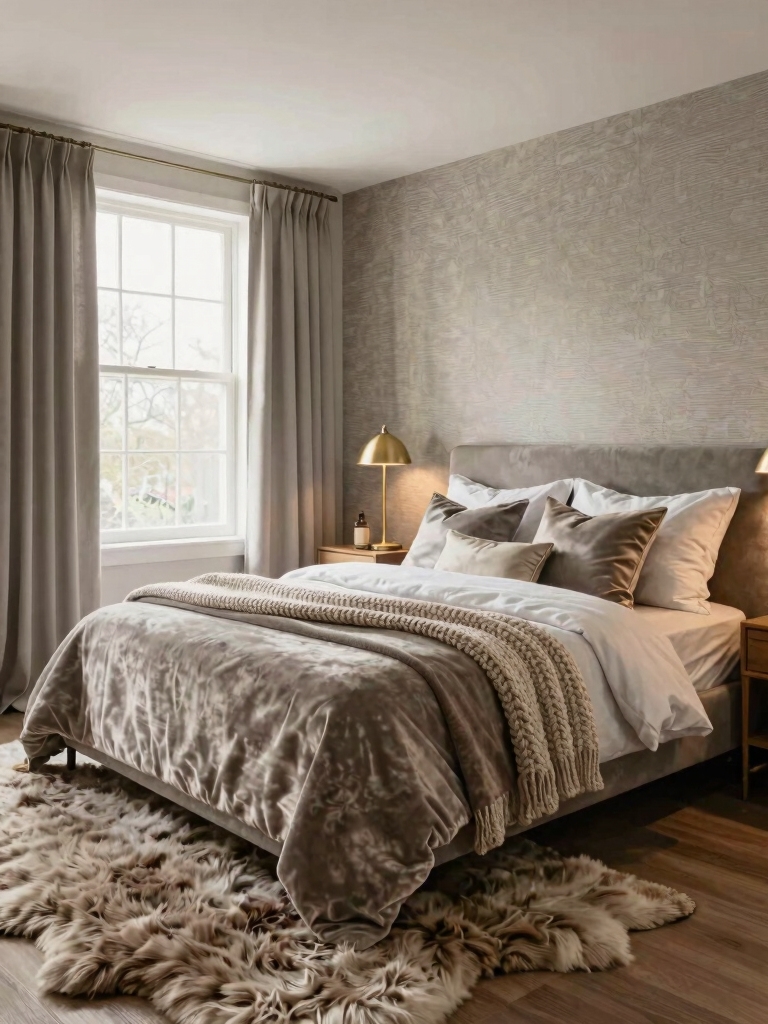
Here’s where I watch people overdo it. Five throws, eight pillows, a bed nobody wants to unmake. Layering works when you mix weights and stop early. Build it in this order and you’ll get a full, touchable bed that stays easy to climb into every single night.
- Start with the sheets. Breathable cotton or linen in a warm neutral is the base everything sits on; a linen duvet cover runs about $80 to $150 and softens with every wash.
- Add one chunky knit or waffle blanket folded across the foot for weight and a little shadow.
- Top with two to three pillows in different textures and calm, complementary tones.
- Ground the whole thing with a soft rug; a wool-blend 5×7 runs $80 to $200 and is the single piece that makes a cold floor feel warm underfoot.
How I lock in a palette before buying anything:
1Pick your anchor
Choose one tone you already own a lot of, like a wood floor or a quilt, and let the room agree with it.
2Add two supporters
Sample two more earthy tones beside it in real evening light, the way the room will actually look.
3Choose one accent
Add a single deeper shade for contrast, then stop. That restraint is what keeps it calm.
Carve Out Cozy, Private Retreat Corners
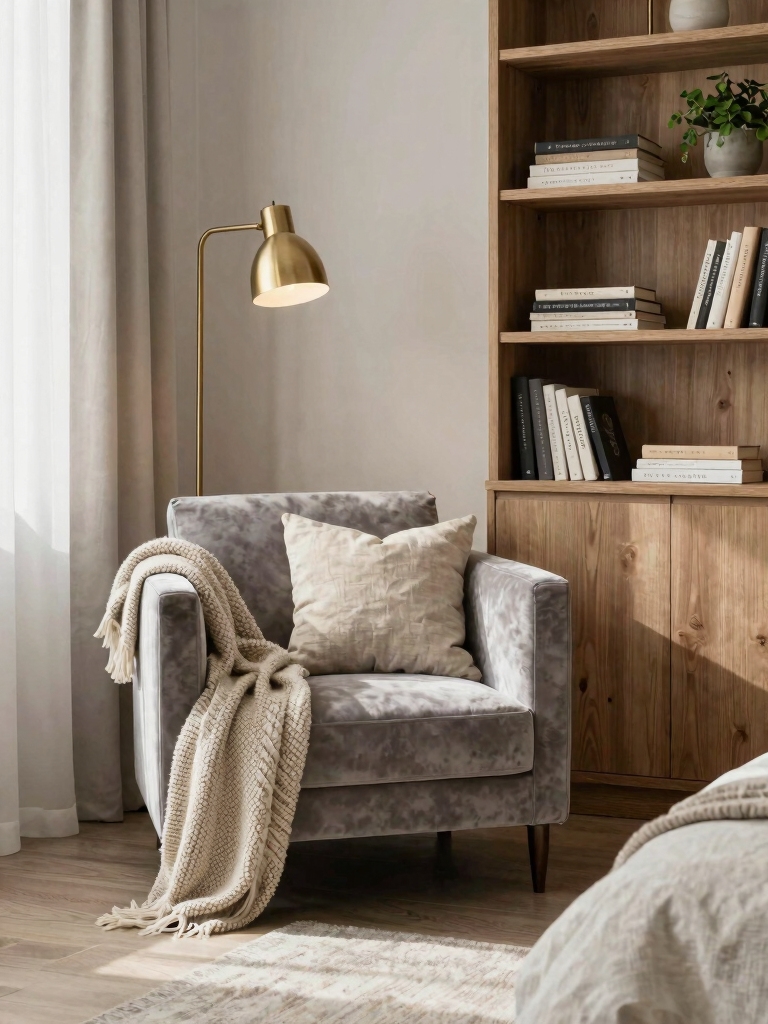
What I tell every first-timer is that a bedroom feels twice as cozy the moment it has a place to sit beyond the bed. It doesn’t take much. A small chair, a tiny side table, a lamp, and one throw will do it. Tuck the whole arrangement by a window if you have one, because daylight does half the styling for free.
In a tight room, the nook can be a floor cushion and a stack of books, or a wide windowsill with a pad on it. The point is a second zone, so the space feels like a retreat with its own small gravity. If square footage is the real problem, my [small-room bedroom ideas that feel big](bedroom-ideas-for-small-rooms-feel-big) cover layouts that free up a corner.
- Keep the nook to about one chair-width; you want intimate and uncluttered, not a second living room.
- Give it its own light so you can read there with the overhead off.
- Add a personal scent or a small plant so the corner feels claimed and lived in by you.
Budget-Smart Swaps That Deliver Big Impact
You don’t have to spend much to make a room feel warmer; you have to spend in the right order. The cheapest wins almost always come from light and fabric. Before you price a new bed frame, change the bulbs, hem a thrifted curtain so it kisses the floor, and trade a stiff store-bought pillow for a down-alternative insert in a textured cover. Each of those runs $10 to $30 and looks far more expensive than it cost.
When you do shop for bigger pieces, hunt secondhand. A solid wood nightstand or a real wool rug shows up on local resale all the time for a third of retail, and older wood carries a warmth new laminate never quite matches. I’d rather you spend $60 on a worn oak side table than $120 on a flimsy one that wobbles by spring.
Spread purchases over a few paychecks. A room that comes together slowly tends to feel more personal, because you choose each piece deliberately and live with it before adding the next. Cozy is patient. That patience is also what keeps the whole project affordable when money is tight.
Common Cozy Mistakes and the Quick Fixes
The most common misstep I see is one harsh light source doing all the work, usually a single bright ceiling fixture. The room stays cold no matter how many blankets you pile on. The fix takes minutes. Dim the overhead, add a warm lamp at bedside height, and let the lower light carry the evening. Your eyes relax, and the whole space softens with them.
The second is clutter creeping back across every flat surface until the calm quietly disappears. Keep one nightstand and one dresser top mostly clear, and give small items a basket or tray so they have a home. A two-minute reset before bed protects the look better than any deep clean ever will.
The third is texture overload. So many throws and pillows pile up that the bed becomes a chore to use. If unmaking the bed feels like work, you’ve gone too far. Pull a layer or two, vary the weights, and let the mattress breathe again. A bed you actually want to climb into is the entire point of all this.
Maintenance & Care: Keeping It Cozy All Year
Cozy is mostly upkeep, and the upkeep is small. Wash and rotate textiles every two to three weeks so the bed stays soft and smells clean, and shake out the rug weekly so it doesn’t pack down and lose that warmth underfoot. When the weather turns, trade heavy knits for lightweight cotton layers in spring, then back again as it cools. You’re swapping just two or three pieces.
Once a season, do a five-minute reset: clear the one surface you keep open, swap a single art piece or pillow cover, and check your bulbs are still warm-toned after any replacements. To stop clutter from creeping back across surfaces, a simple system like the one in my [bedroom storage ideas for clutter](bedroom-storage-ideas-clutter) keeps the calm you worked for from quietly unraveling over the months.
Start With Light, Let the Rest Follow
If you do nothing else this week, fix the light and edit one surface. Those two moves cost almost nothing, and they change how the whole room feels the very first night you try them. The textures, the palette, and the nook can come piece by piece as the budget allows.
Which corner of your room are you turning into the spot you actually want to land in tonight?