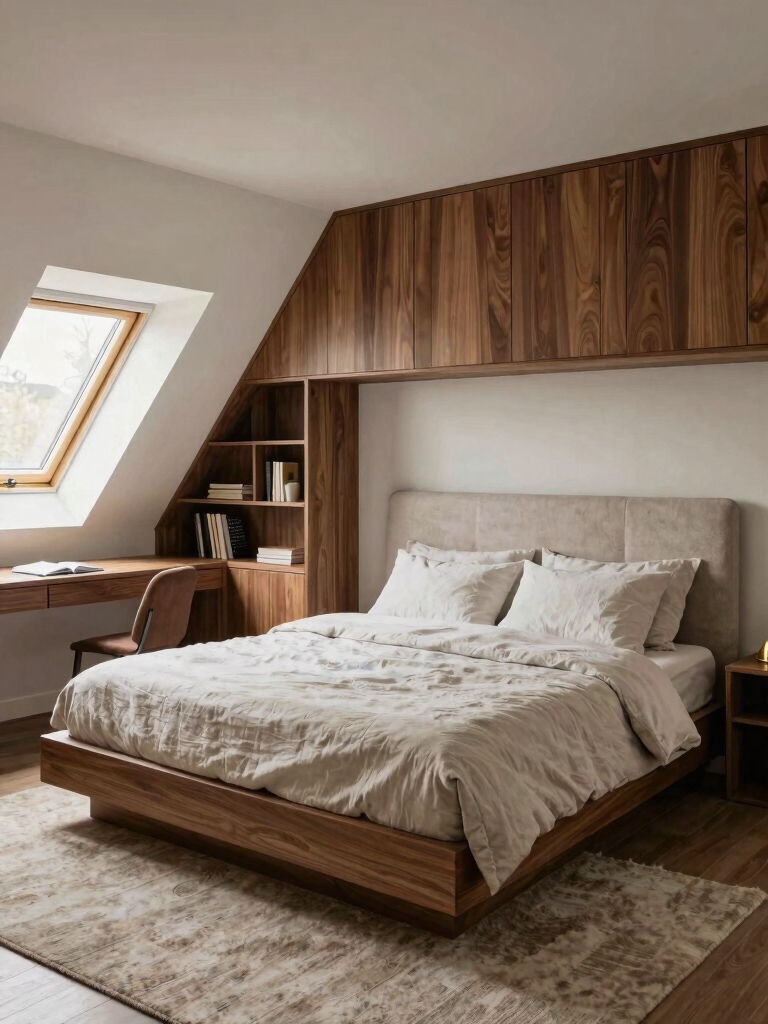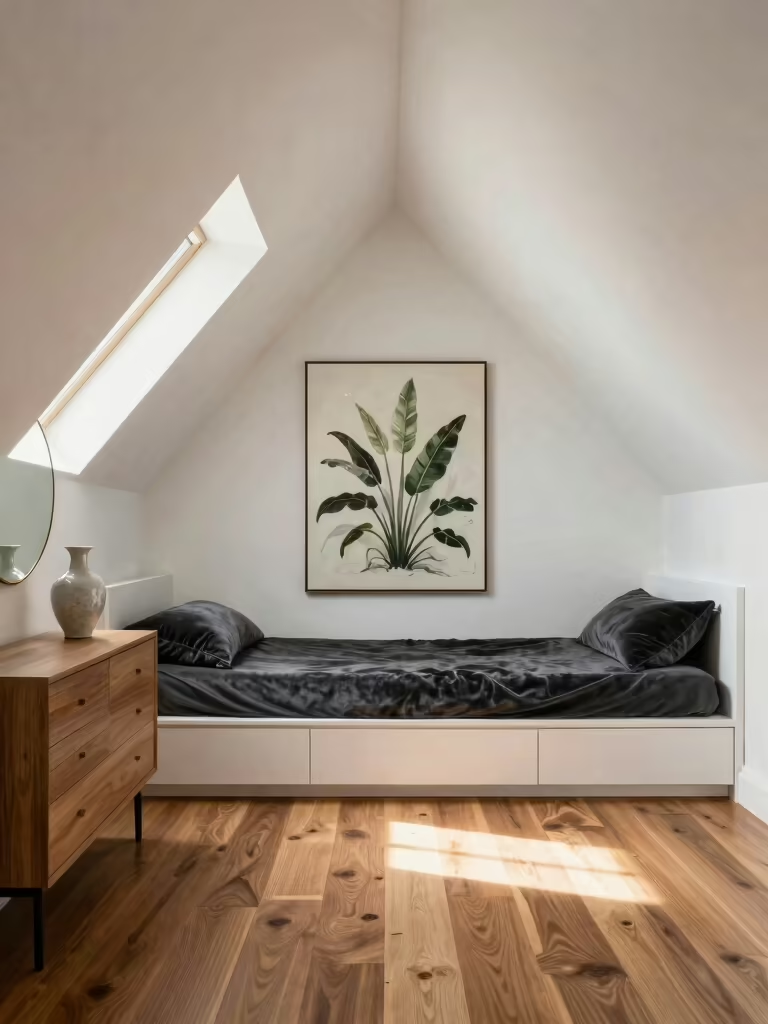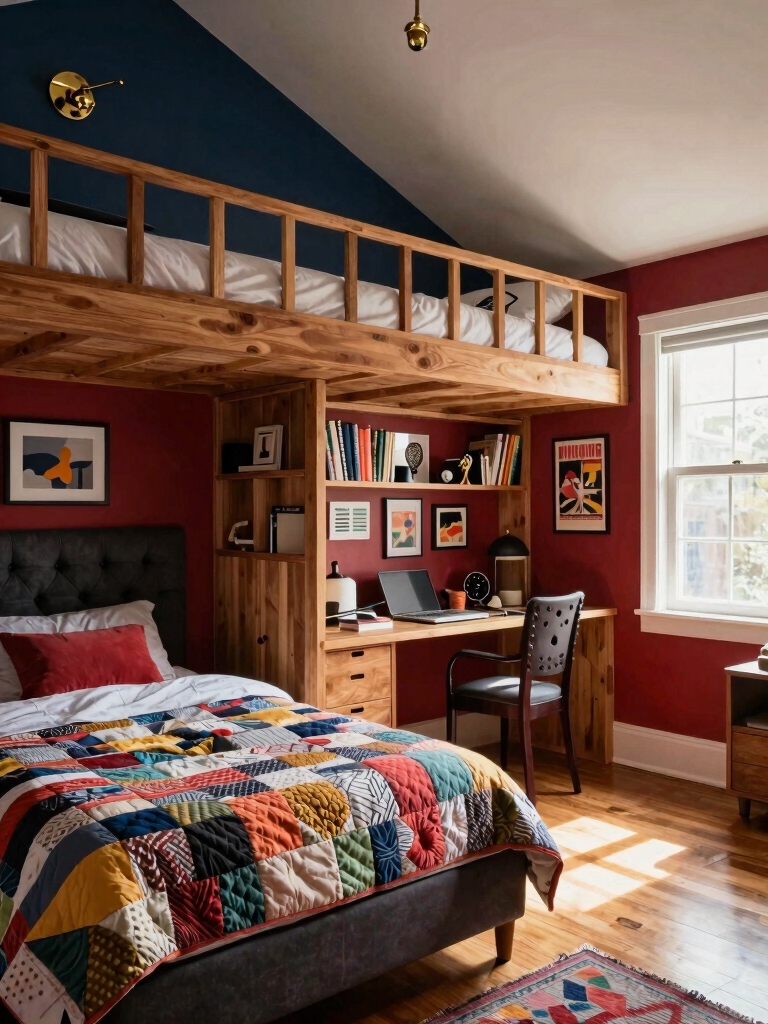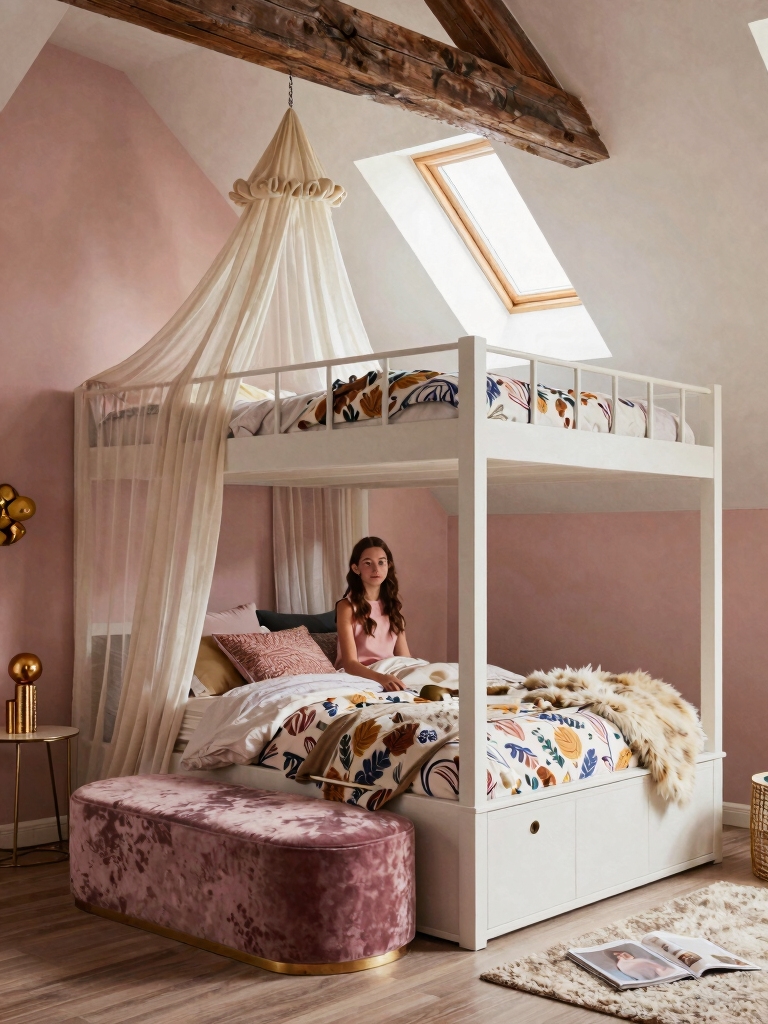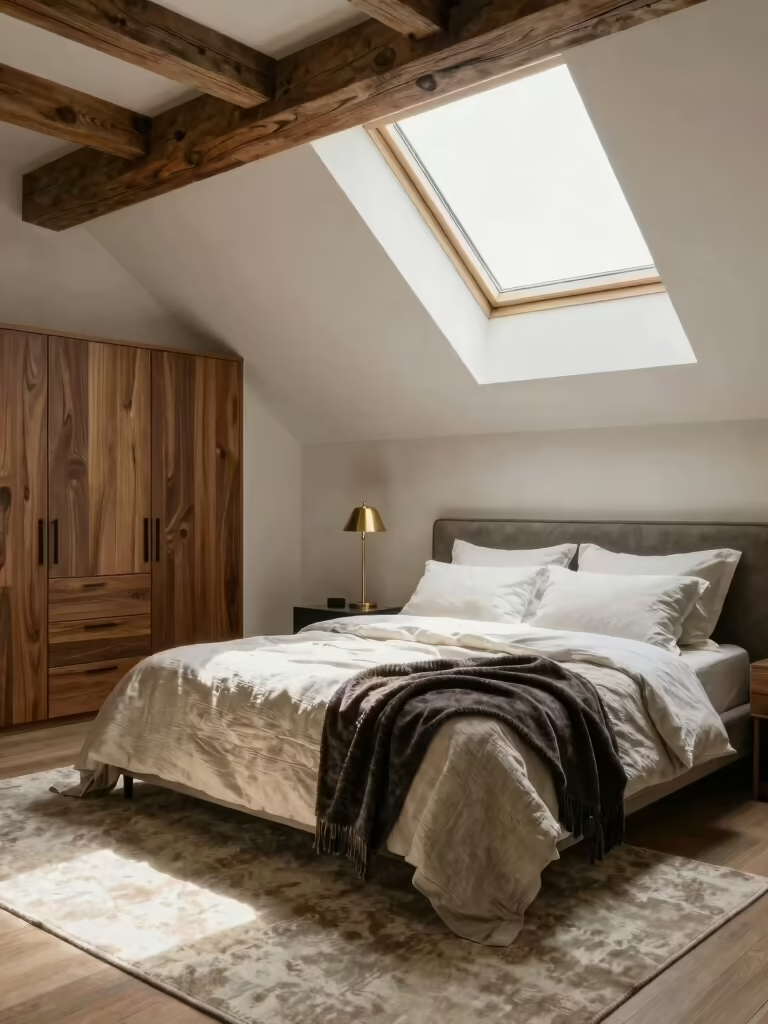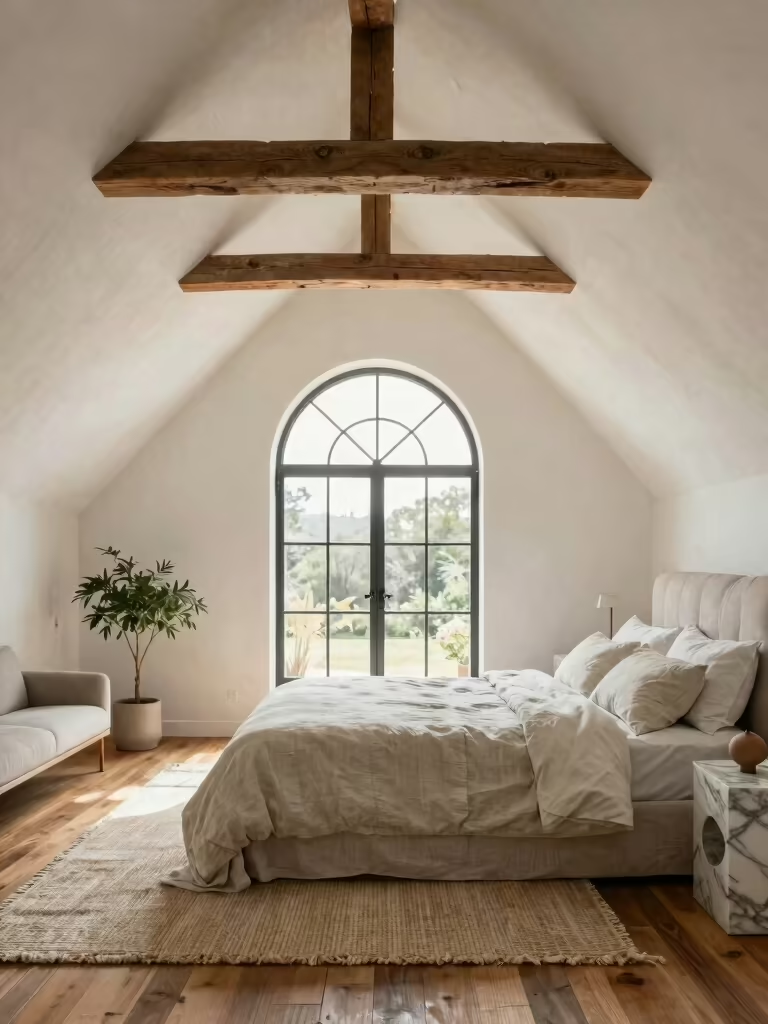

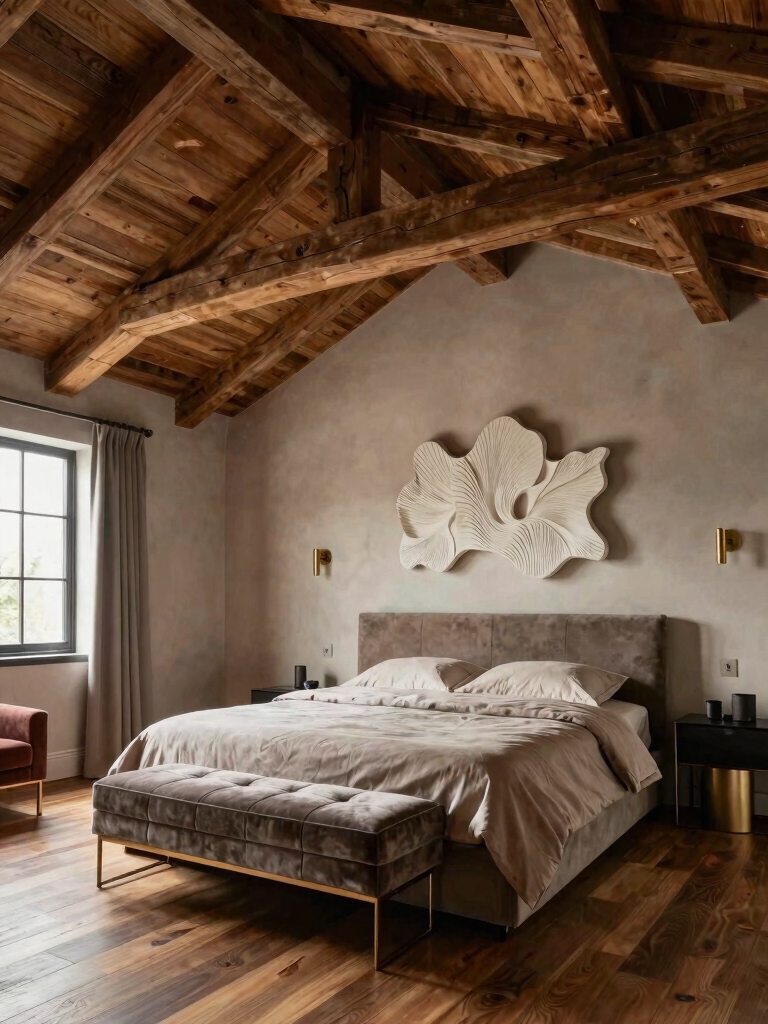
An attic is the most wasted room in most houses, and the one with the most potential. Too many sit half-empty under the slopes when the same square footage could be the calmest bedroom in the home. The best attic bedroom ideas treat the space as a real room that deserves real design, not an afterthought above the stairs.
Below are 13 ways to give an attic the room it could be: maximized height and light, furniture that fits the angles, storage built into the slopes, and the quiet comfort that makes it somewhere you actually want to sleep.
Give the Attic the Room It Deserves
- Maximize the height and light first; that is what turns a cramped attic into an airy one.
- Scale the furniture to the slopes, low and slim, so the angles read as character, not crowding.
- Build storage into the eaves and quiet the noise, and the attic becomes a real retreat.
Why an Attic Bedroom Deserves Real Design
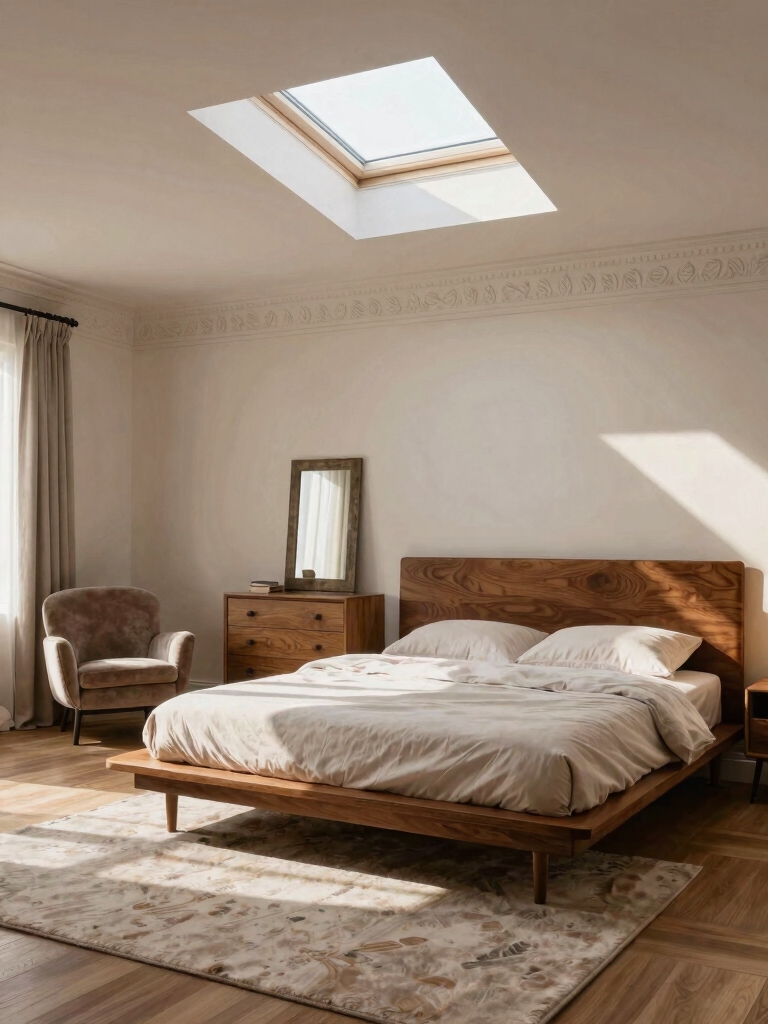
An attic comes with things you cannot buy: real privacy, architectural angles, and often the best daylight in the house. Left as storage, all of that goes to waste. Designed properly, the same room becomes a retreat with more character than any square box downstairs. The slopes are the feature.
See the slopes as the feature
The shift is mostly mental. Stop seeing the slopes as a problem to hide and start seeing them as the feature, and every later decision gets easier. A calm palette, warm light, and storage tucked into the angles turn potential into a room you use every day.
The case I make to anyone sitting on an unused attic is simple: it is a whole bedroom you already own. For the step-by-step version of the work, our an attic makeover walks through it; this one is about what the space can become.
Plan the Layout to Maximize Height and Light
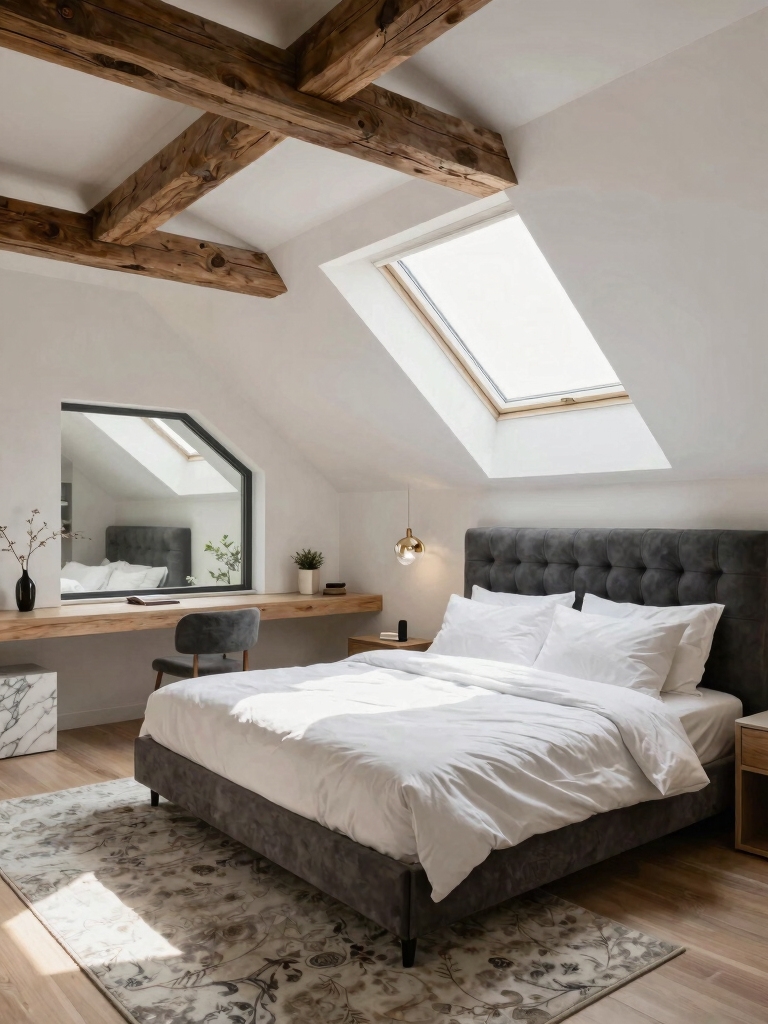
Where the ceiling is tallest is where the room really lives, so plan around the height you have. Map the layout so standing tasks land under the peak and the low slopes take what you do sitting or lying down. Work it in this order:
- Put the bed or main seating under the highest part of the ceiling
- Send sitting tasks, a desk or vanity, under the low slopes
- Place a mirror to bounce a roof window deeper into the room
- Keep the walking path along the tallest line of the ceiling
- Add a skylight or dormer if the budget allows more light
Two things people wrongly believe about attic bedrooms:
❌ Myth: Attics are too small to be a real bedroom.
✅ Reality: Usable floor is what counts, not total square footage. Once you put the bed under the peak and storage in the eaves, an attic often lives larger than a boxy spare room.
❌ Myth: Sloped ceilings make a room feel cramped.
✅ Reality: Only if you fight them. Wrap the slopes in one light color and they read as cozy character, not as walls closing in on you.
Pick a Cozy, Warm Neutral Palette
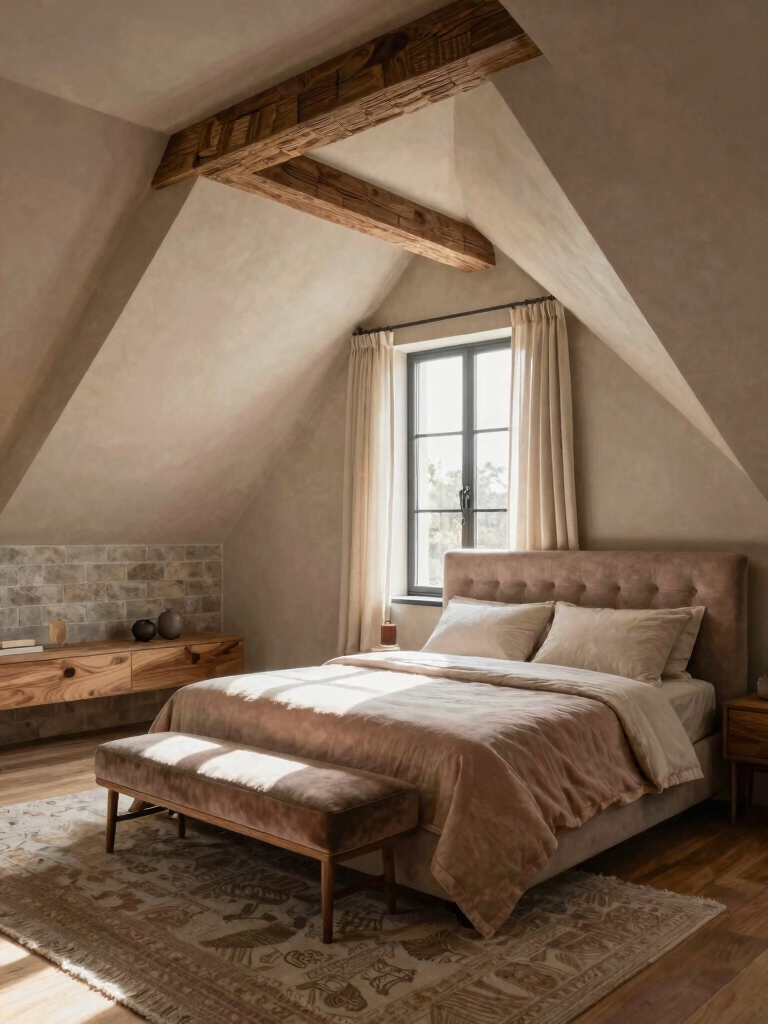
Color decides whether an attic feels cramped or airy, so lean warm and light. Light and warm wins. Soft whites, warm neutrals, and muted earthy tones keep the room feeling open while still cozy, and wrapping the walls and slopes in one shade stops the angles from closing in.
Save the deep, saturated color for a single accent, since too much of it shrinks a low room fast. Let texture and natural light add the depth instead. For a fuller palette plan, our a calm color base helps you build one that suits the light up there.
- Soft white or warm neutral on walls and sloped ceiling alike
- One muted earthy accent, clay, sage, or warm taupe
- Natural wood to add warmth without darkening the room
- Matte finishes so the slopes do not bounce harsh glare
Choose Smart, Space-Saving Furniture
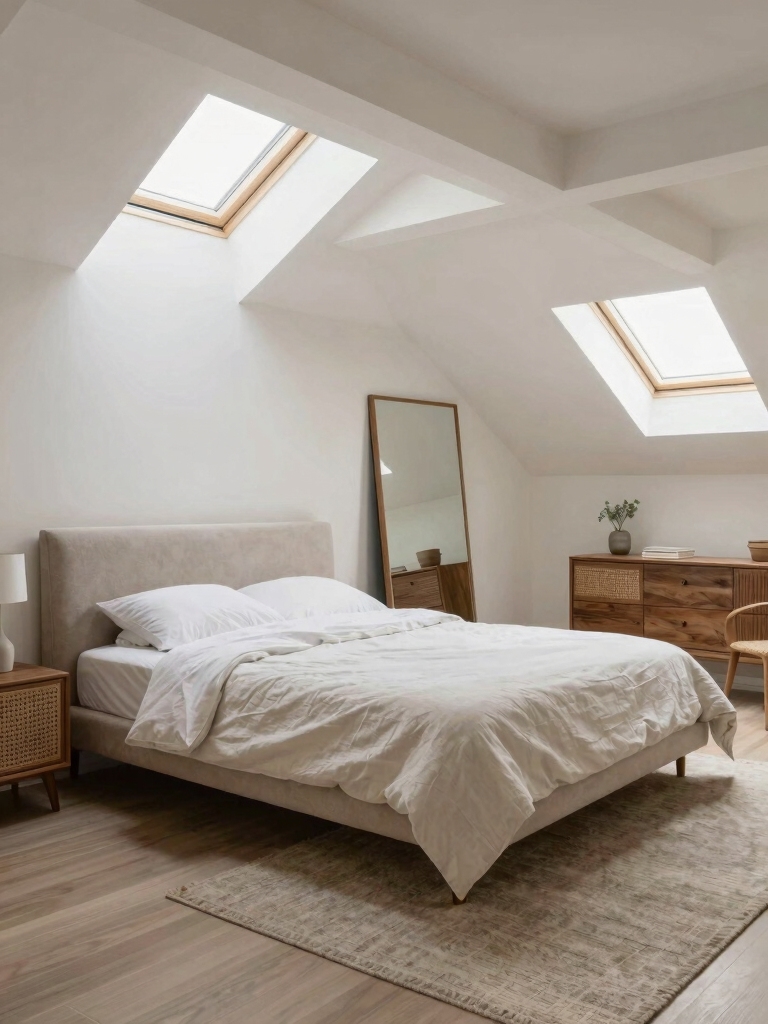
Furniture is where attics go wrong most often, because standard pieces fight the slopes. Scale everything to the angles: low-profile beds, slim dressers, and multi-use pieces that fit under the roofline without crowding the walking room. Measure the ceiling height at each spot before you buy.
Low, slim, and slope-aware
Favor pieces that earn their footprint. A storage bed skips a dresser, a bench seats and stores, a fold-down desk disappears when you are done. Keep the tall items against the full-height walls and let the low slopes hold everything short.
The piece I warn people off most is a tall wardrobe jammed under a slope, where it neither fits nor opens. A long, low dresser along the knee wall holds as much and keeps the room open. For more on this, our make a small room feel bigger applies up here too.
| Ceiling height | Best use | Avoid |
|---|---|---|
| Full height (peak) | Bed, main seating, walking path | Wasting it on storage |
| Mid height | Dresser, shelving, a tall lamp | Anything you stand right against |
| Low eave | Drawers, a desk, a reading nook | A wardrobe that cannot open |
Build Smart Storage for the Slopes
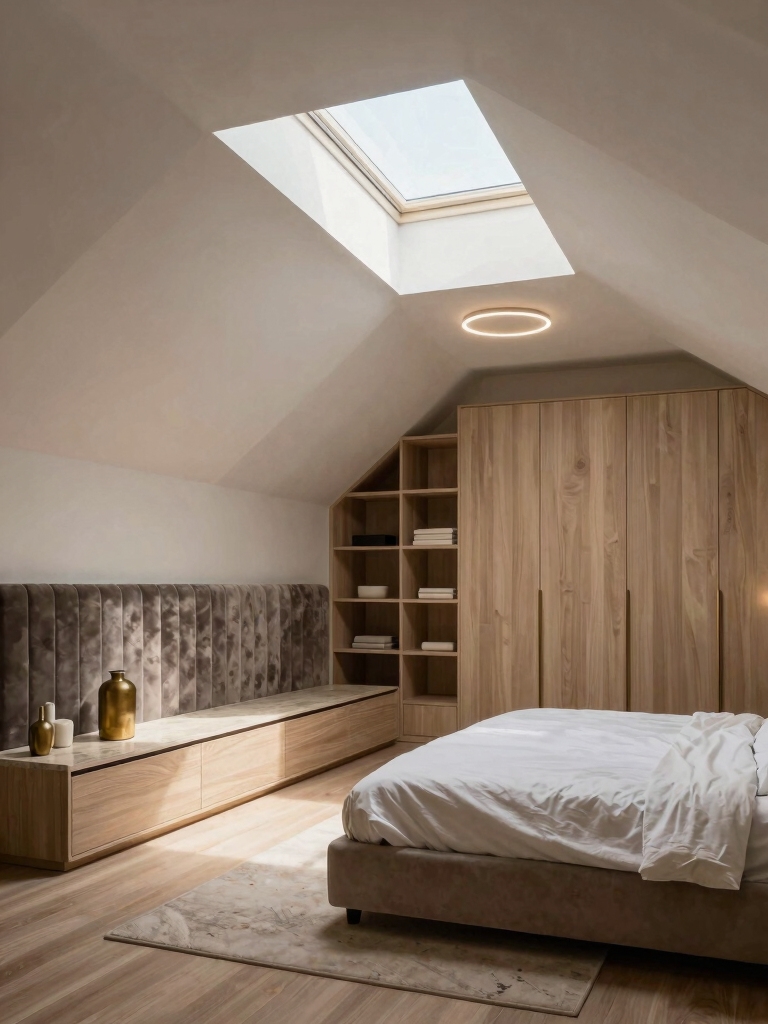
The awkward low space under the slopes is the attic’s hidden storage, and tailoring it to the angle is the whole trick. Use every inch. Build to the exact angle of the roofline instead of forcing in standard pieces; our hidden storage has more. Work it in this order:
- Map every usable inch under the eaves before buying anything
- Fit low built-ins and drawers to the exact angle of the slope
- Use modular bins that hug the awkward corners
- Add grab handles and labels so deep storage stays usable
- Keep clear zones so the storage reads deliberate, not stuffed
Styling Tips for a Sloped Room
Styling an attic is about working with the lines the roof already gives you. Hang art on the full-height walls where it sits straight, and let the slopes stay mostly clear so they read as architecture rather than wall space to fill. One or two well-placed pieces beat a scatter that fights the angles.
Lean into the cozy the shape creates. A soft rug, a layered bed, and a warm lamp in the lowest nook turn the tucked-in feeling into the whole appeal. The attic is not a room to make feel bigger so much as one to make feel intentional.
Layer the Lighting for Beams and Slopes
Attics rarely have good overhead options, which is a gift, since layered lamps and sconces flatter the angles far better. Build warm light in layers that wash the slopes and highlight any beams, and the architecture becomes the feature after dark. Skip the single harsh fixture entirely.
- Warm 2700K bulbs on everything for a cozy glow
- Sconces along the eaves to graze the sloped walls
- Bedside and floor lamps for pools of low light
- A dimmer so the whole attic softens at night
Quiet the Noise for Better Sleep
Attics sit right under the roof, so they catch rain, wind, and echo more than other rooms. A little sound softening makes the difference between a charming space and one you cannot sleep in. Soft, layered materials do most of the work without any construction.
Layer a plush rug, hang heavier curtains, and add an upholstered headboard or a fabric panel to absorb the bounce a hard, angled room creates. Good insulation helps with both noise and temperature, and it is worth doing right while the room is still being set up.
Carve Out a Reading Nook or Quiet Corner
Every attic has a low corner too short to stand in, and that is exactly where a quiet nook belongs. A chair, a lamp, and a shelf turn the most awkward angle in the room into the spot you actually want to sit. It is the kind of corner only an attic can give you.
- A comfortable chair or a built-in window seat under the slope
- A warm reading lamp at the right height for the low ceiling
- A slim shelf or basket for books within easy reach
- A soft throw and a cushion to make the nook yours
Dress the Bed for the Cozy Shape
An attic bed wants to feel tucked in, so dress it to match. Layer it well, a duvet, a chunky throw, a couple of pillows for height, and the low ceiling above turns from a limit into a sheltering, cocoon-like feel. The shape is doing you a favor here.
Keep a slim or low headboard, or skip it and let the slope behind the bed be the backdrop. A washed-linen duvet runs $60-130 and is the one piece worth spending on, since the bed is most of what you see in a small attic anyway.
Bring In Greenery and Natural Warmth
A little green keeps an attic from feeling like a finished box and softens all those hard angles. One forgiving plant near the roof window, plus natural materials like wood and rattan, brings life to the room without crowding the limited floor. Pick something that handles the attic’s swings in light and temperature.
- One larger plant by the brightest window, a pothos or snake plant
- Natural wood and rattan to warm the neutral palette
- A dried stem arrangement where the light is too dim for live plants
- Linen and wool textiles to echo the natural, grounded feel
Make It Over on a Budget, Over Time
Giving an attic the room it deserves does not mean a big renovation. Most of it is paint, light, and textiles, a few hundred dollars and a couple of weekends, if the space is already finished and safe. Tackle it in order and each step makes the next easier.
Once it is set up, keep it fresh with cheap swaps every season, a new throw, a fresh stem, warmer bulbs in winter, so the attic keeps feeling intentional. A five-minute bulb change does more for the mood up there than almost anything you could buy.
Attic Bedroom Questions People Ask
?Is an attic big enough to be a real bedroom?
Usually, yes, since usable floor matters more than total square footage. Once the bed goes under the peak and storage fills the eaves, an attic often functions like a larger room. Check that you have enough standing height in part of the room and a window for egress and light.
?How do I keep a sloped-ceiling room from feeling cramped?
Wrap the walls and slopes in one light, warm color, maximize the daylight with a mirror and minimal window coverings, and keep furniture low. The angles feel like cozy character rather than walls closing in once the color and light stop fighting them.
?What furniture works best under sloped ceilings?
Low, slim, slope-aware pieces: a low-profile bed, a long low dresser along the knee wall, built-in drawers under the eaves, and a fold-down desk. Keep anything tall against the full-height walls, and measure the ceiling height at each spot before buying.
?How do I make an attic bedroom quieter?
Soften it with a plush rug, heavier curtains, and an upholstered headboard to absorb the echo a hard, angled room creates. Good insulation under the roof helps with both noise and temperature, which is worth doing while the room is being set up.
?Where should storage go in an attic?
In the low eave space that is useless for standing. Build drawers and low cabinets to the exact angle of the slope, use the full-height walls for taller storage, and add labels and grab handles so even the deep corners stay usable.
An Attic Worth Sleeping In
An attic does not deserve to stay a storage closet when it could be the most characterful bedroom in the house. Maximize the height and light, fit the furniture to the slopes, build storage into the eaves, and soften the noise, and the same awkward space turns into a room you look forward to climbing up to.
Save this list and start with the two moves that matter most, the light and the layout, then build the rest as you go. The attic has been waiting to be a real room; give it the design it deserves.