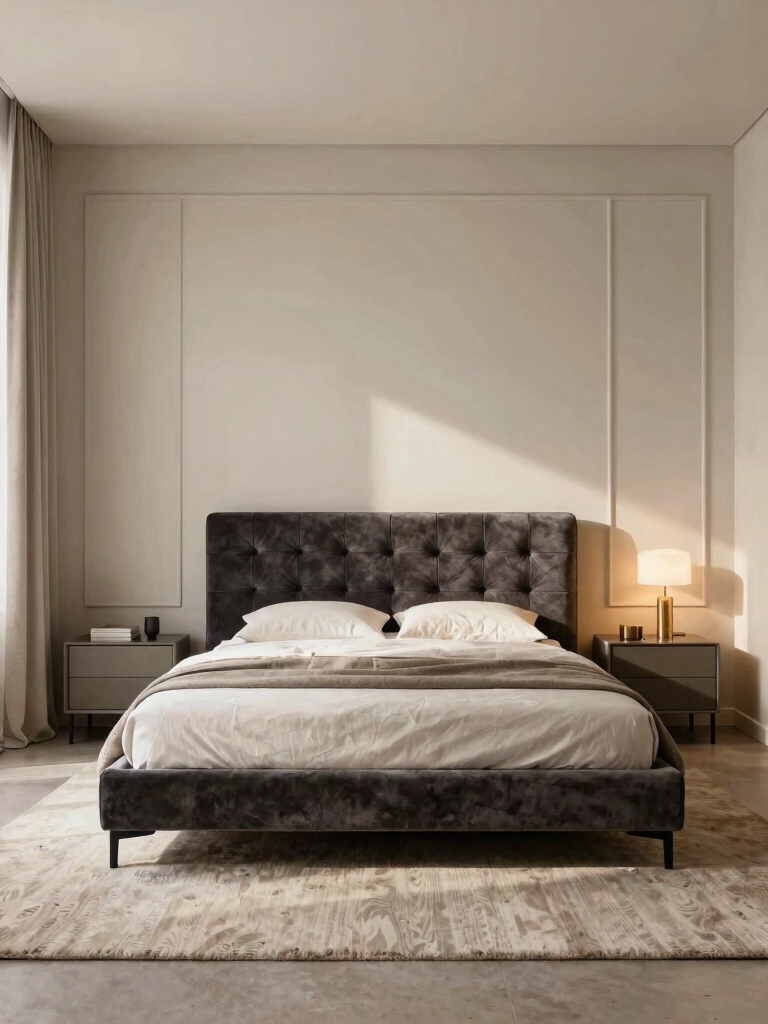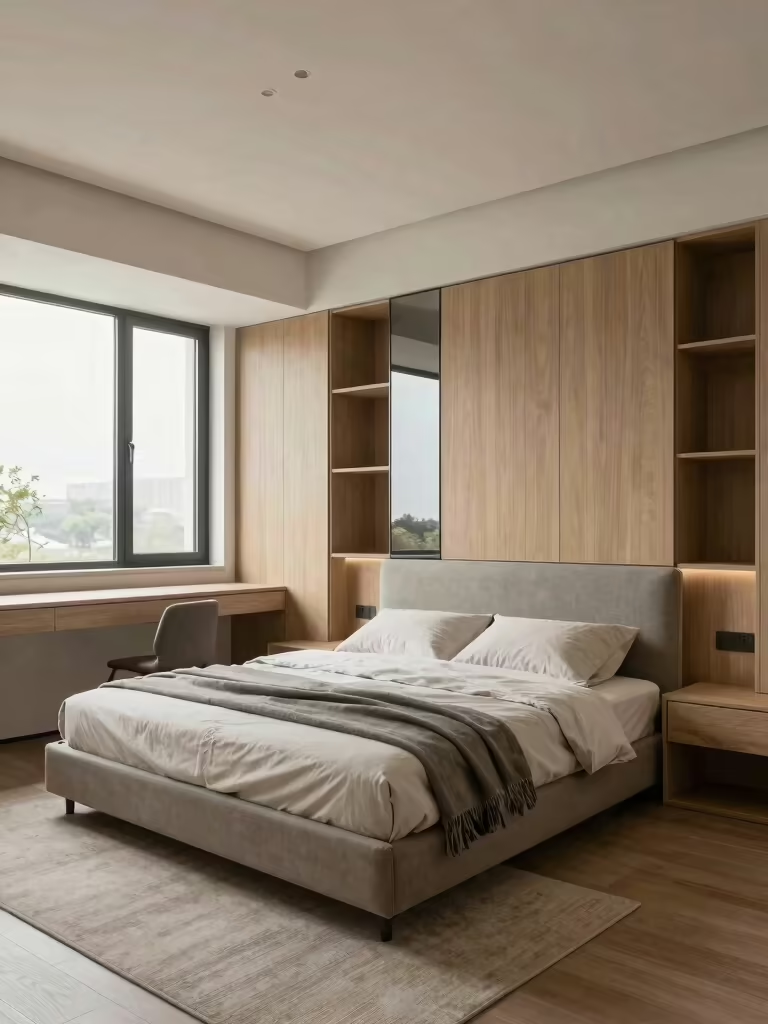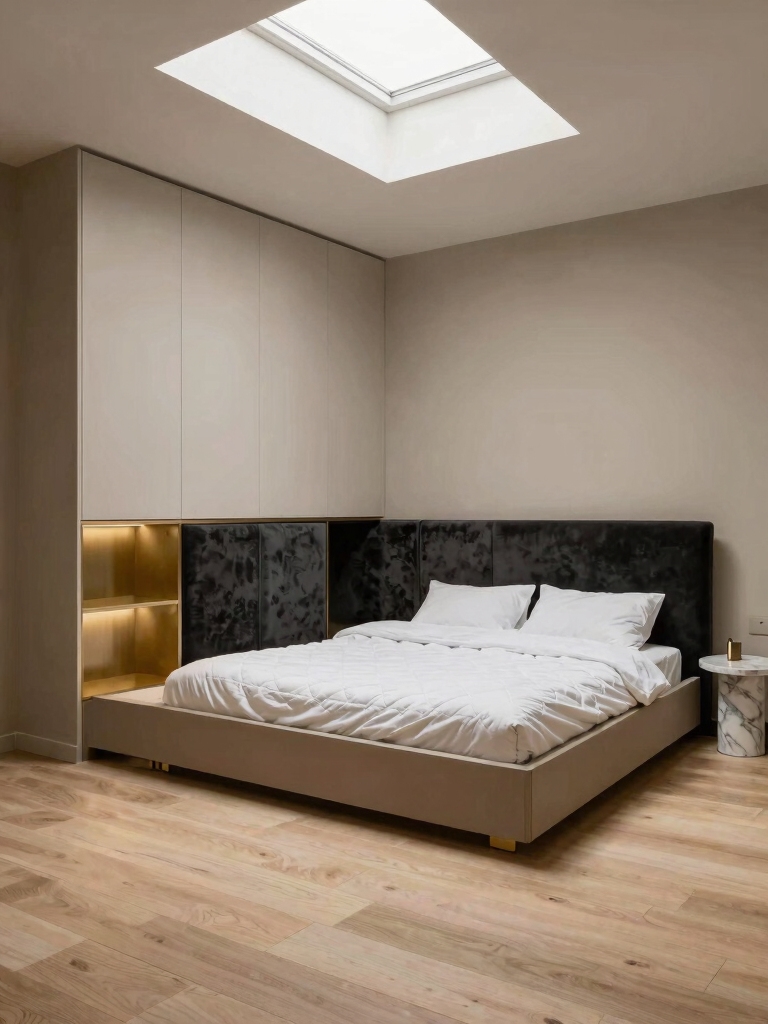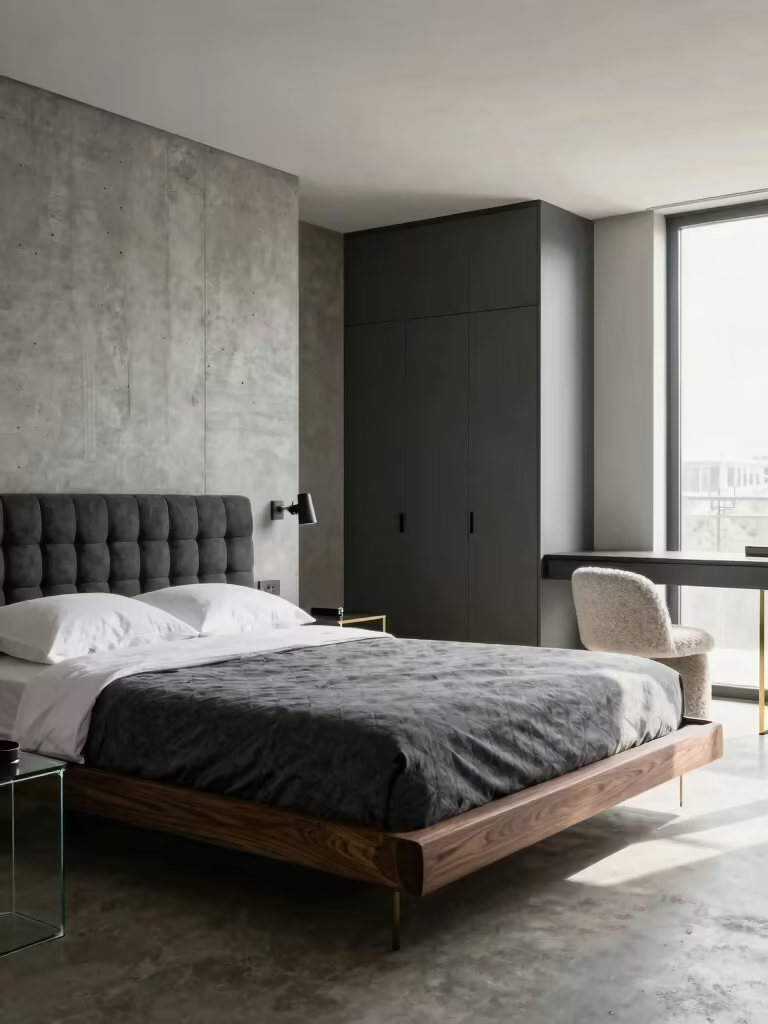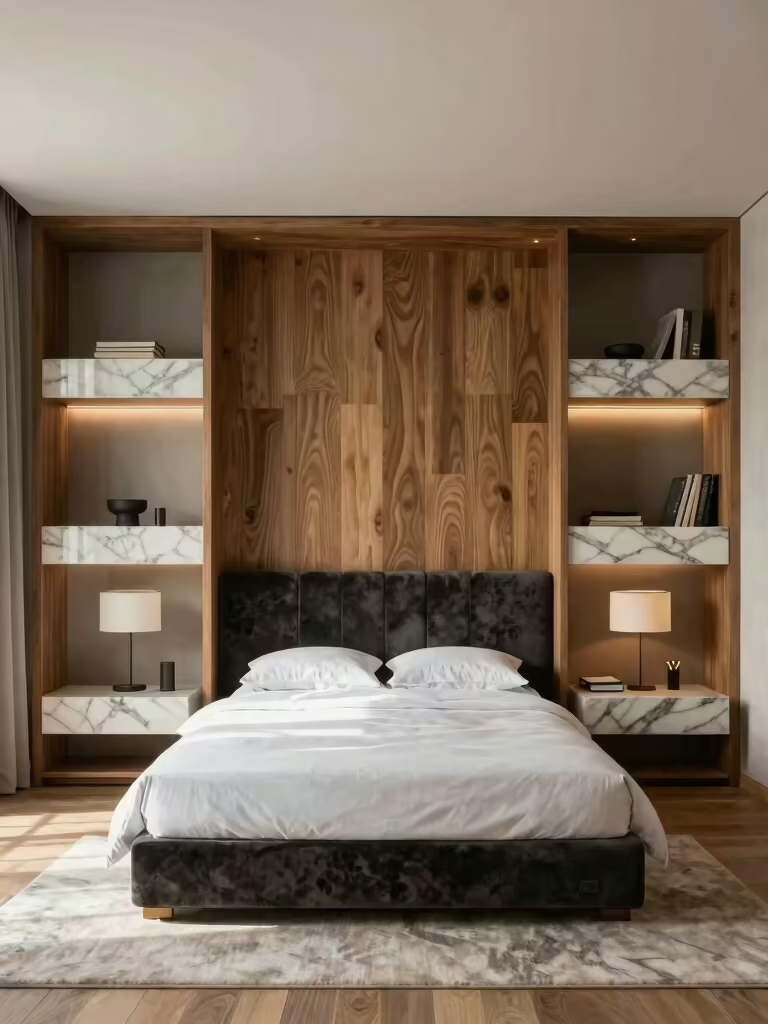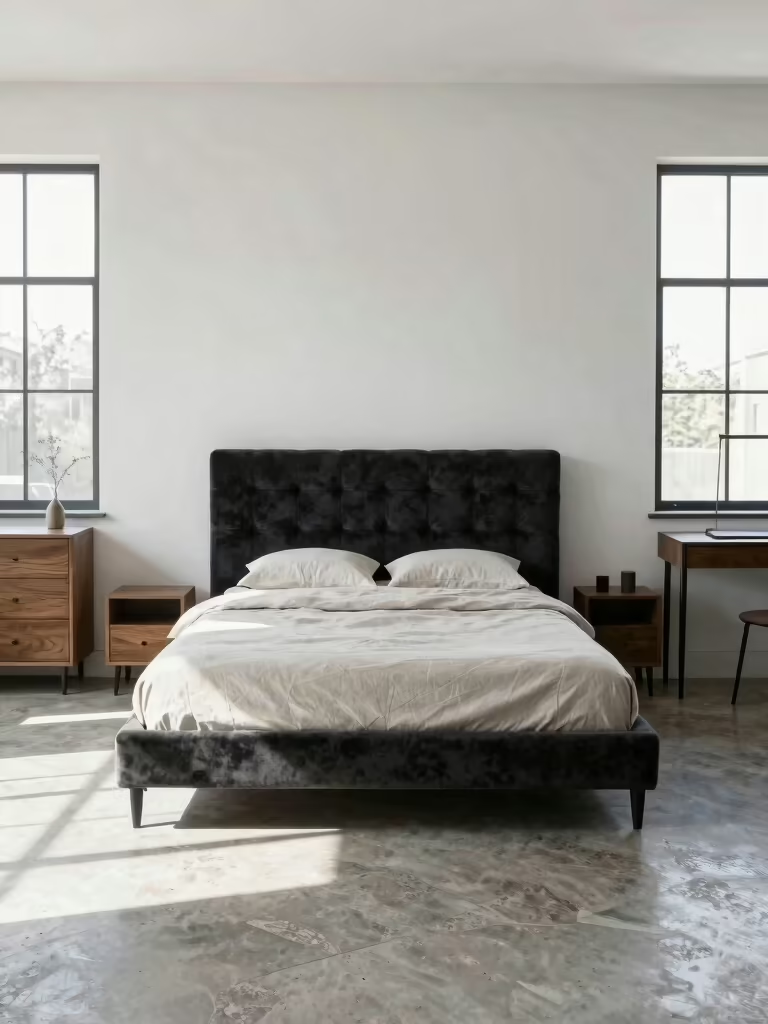
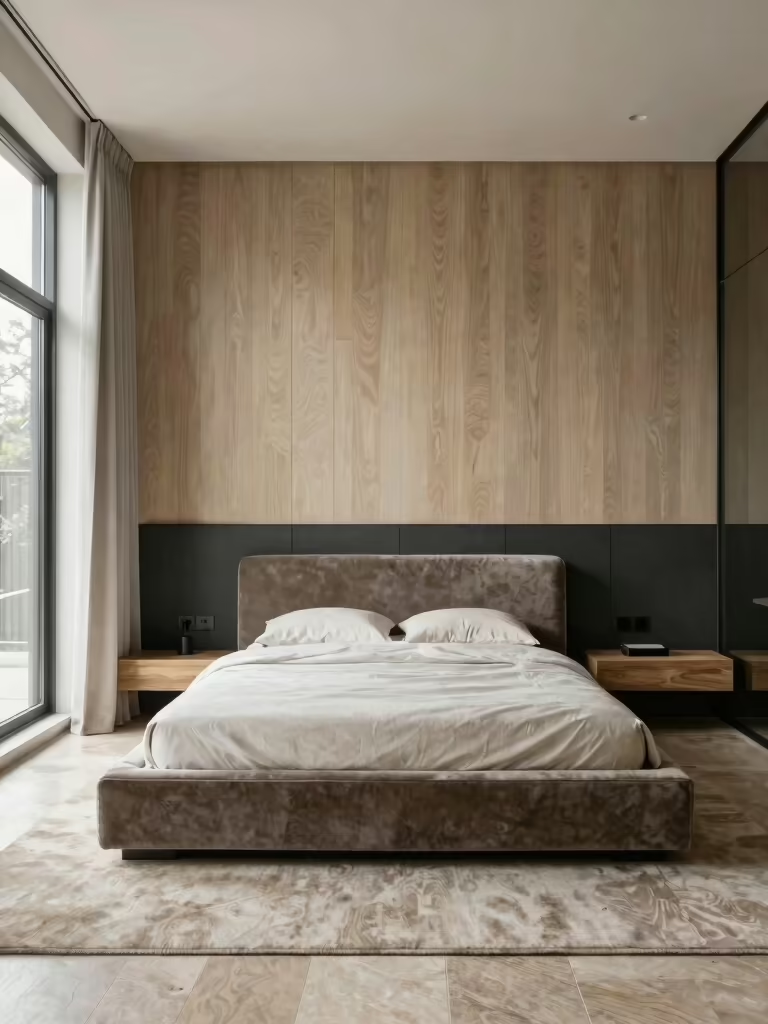
I’ve mapped out 16 long-rectangle bedroom ideas that flow beautifully by prioritizing clear zones, such as a low-profile Sleeping area, a functional Dressing nook, and a cozy Lounging corner. I emphasize aligning the bed with the longest wall, maximizing natural light, and using slim, multi-use furniture to keep pathways open. I blend light walls, subtle textures, and strategic mirrors for perceived space, plus layered lighting for warmth. Keep exploring—there’s more practical layout wisdom ahead.
Assess a Long-Rectangle Bedroom Layout
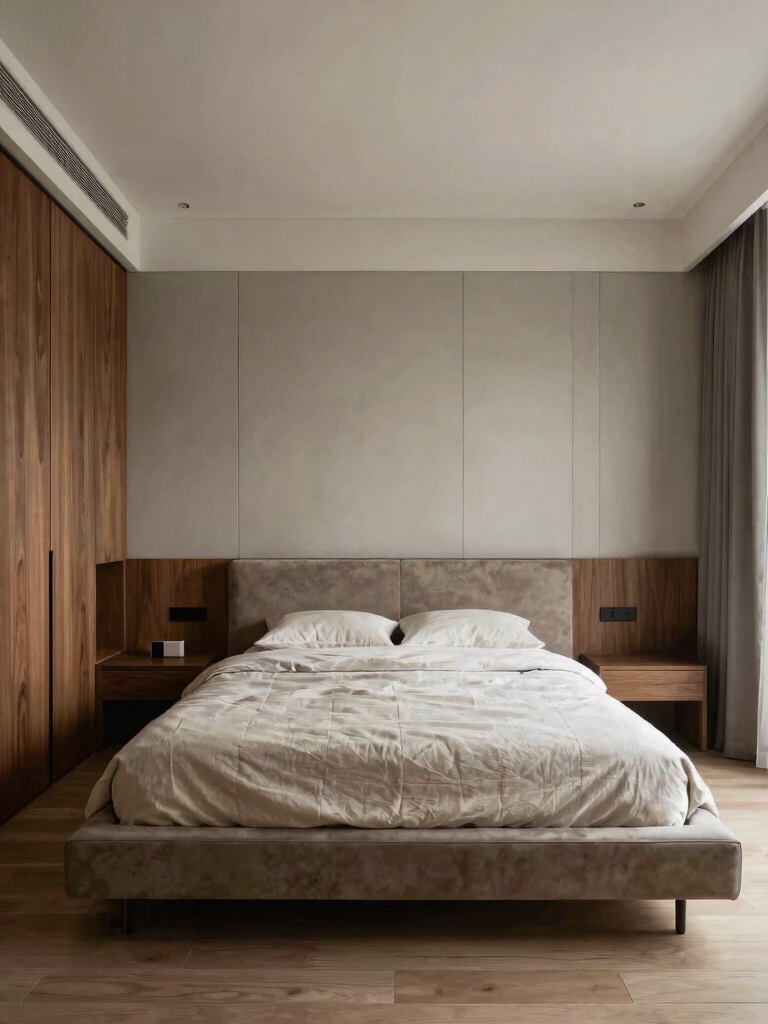
A long-rectangle bedroom can feel tricky, but it’s all about deliberate placement.
I assess the layout by noting traffic flow, focal points, and doorways. I sketch zones quickly, measure alcoves, and consider lighting angles.
I prioritize symmetry or purposeful asymmetry, ensuring bed alignment with the longest wall.
Then I test shifts, aiming for balanced, inviting space that serves daily routines.
Incorporating clever layouts can effectively maximize the potential of narrow bedrooms.
Define Zones: Sleeping, Dressing, Lounging
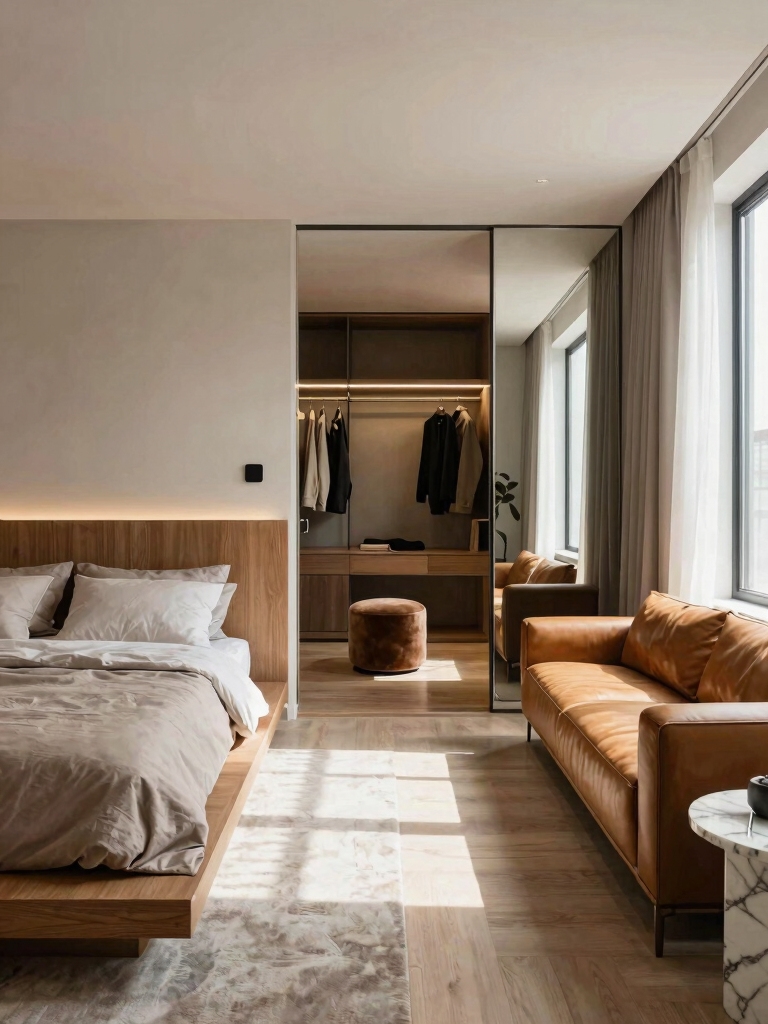
I’ll walk you through defining zones: a clear Sleeping Zone, a practical Dressing Zone, and a cozy Lounging Zone, so every morning and evening feels calmer.
I’ll share simple layouts for the Sleeping Zone, how to position a dresser and mirrors in the Dressing Zone, and a flow that invites you to lounge without dragging clutter into sleep.
Let’s start by outlining quick wins for each zone to keep your space functional, warm, and easy to maintain.
These ideas can help transform awkward bedroom layouts into stylish retreats that maximize comfort and aesthetics.
Sleeping Zone Strategy
Creating a clear Sleeping Zone starts with defining three simple areas: sleeping, dressing, and lounging.
I keep the bed offset for privacy, letting a low-profile headboard anchor the space. Place nightstands within easy reach, add soft lighting, and hide clutter with a simple dresser nearby.
Prioritize quiet, cool air, and a rug that cushions footsteps for a calmer start to the day.
Dressing Zone Layout
In the Dressing Zone, I keep two essentials close at hand: a hanging closet or wardrobe for everyday outfits and a vanity or dresser with a mirror for quick grooming, so getting ready feels calm rather than chaotic.
I separate clothes by function, keep storage accessible, and leave open space for folding or selecting. Clear workflow reduces decision fatigue and awkward rummaging.
Lounging Zone Flow
- Create a gentle visual divider between zones
- Place lighting that adapts for reading, dressing, and relaxing
- Keep low-contrast, clutter-free surfaces for calm lingering
Maximize Natural Light in a Narrow Room
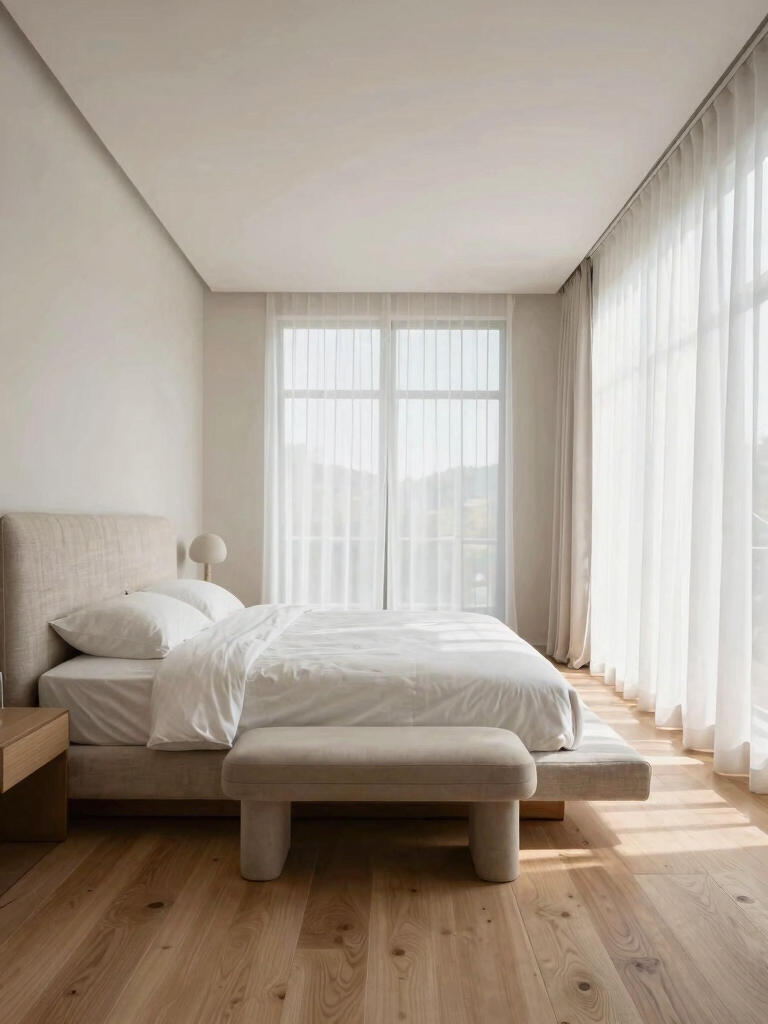
Natural light can transform a narrow bedroom, and I’ll show you practical tweaks that make every inch count.
I keep windows unobstructed, use light curtains, and hang mirrors opposite them to bounce brightness without crowding.
Choose a pale palette, reflective finishes, and simple, low-profile furniture.
Let skylights or clerestory additions join the glow when possible, nothing heavy blocking the view.
Align Sightlines for Cohesive Flow
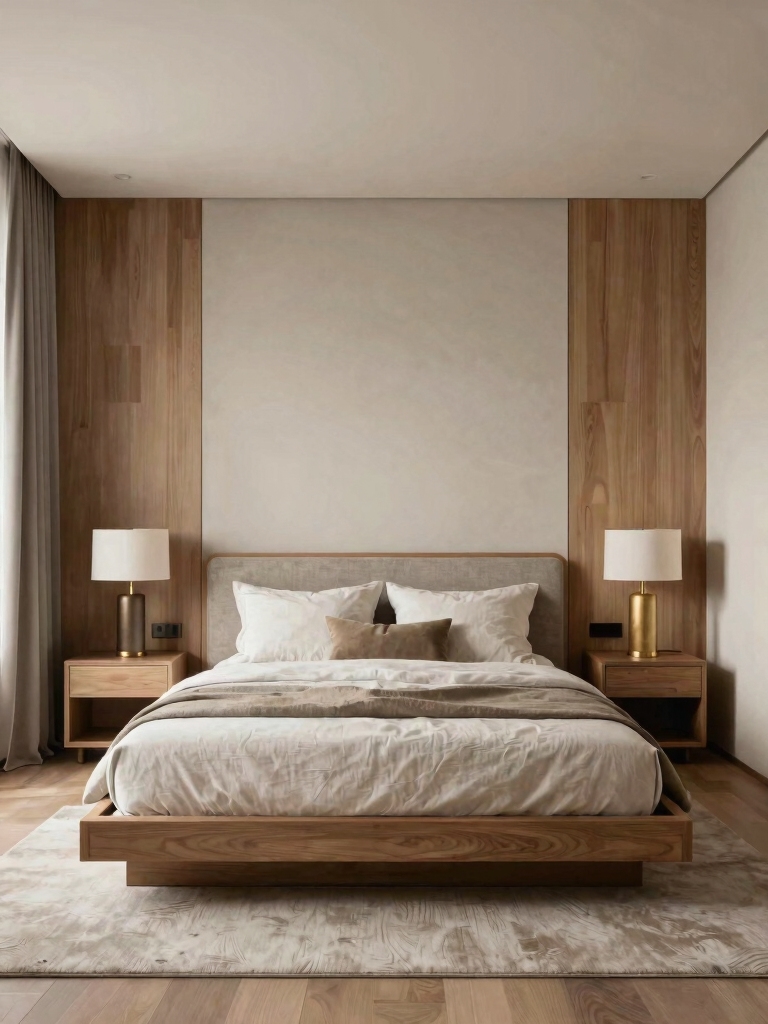
Align sightlines from room to room so the path through your bedroom feels calm and intentional.
I suggest keeping mirrors, art, and bedding aligned along a single eye level to guide the eye smoothly. Avoid clutter that breaks the line. Consistent color, simple shapes, and open sightlines build a cohesive flow.
- Align decorative elements along one axis
- Place furniture to maintain uninterrupted lines
- Use a restrained palette to unify the space
Incorporating clever layouts can maximize the use of limited space while maintaining this visual harmony.
Choose Furniture That Emphasizes Length
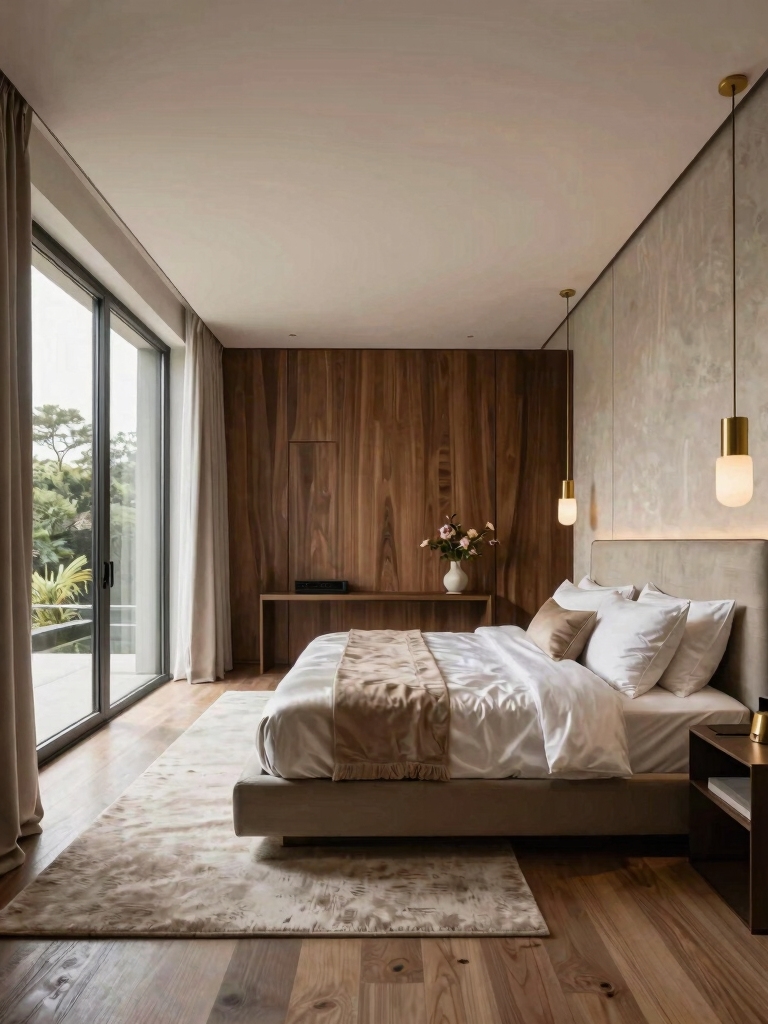
Choosing furniture that emphasizes length is all about guiding the eye along the room.
I show you how to arrange slim profiles and low, long forms—so the space feels uninterrupted.
Place a long bed or bench at the foot to stretch lines, pair a narrow dresser with ample clearance, and use continuous textiles.
Subtle contrasts keep it warm, accessible, and practical.
For renters, incorporating clever bedroom solutions can make these layouts both functional and renter-friendly.
Storage Hacks for Floor-Space Preservation
If you’re tight on floor space, I’ll show you how under-bed storage tricks can free up room without crowding the room.
I’ve found slim wall-mounted solutions that stay out of the way yet stay within easy reach.
Let’s explore practical setups that keep essentials tucked away and your space feeling open.
Incorporating smart storage solutions used by space-saving pros can maximize every inch of your small bedroom effectively.
Under-Bed Storage Tricks
Under-bed storage can be a game changer for a cluttered room, because those hidden spaces add serious floor-to-ceiling capacity without crowding other surfaces.
I’ll share practical tricks that fit any bed frame and budget, keeping your flow intact.
- Slide-out bins maximize access
- Under-bed drawers conserve space
- Vacuum-sealed totes keep seasonal items tidy
Slim Wall-Mounted Solutions
Slim wall-mounted storage is a game changer when you’re short on floor space.
I love compact shelves and hooks that hover above the bed, wardrobes, or desk, keeping surfaces clear.
I share practical tips: choose modular units, measure clearance, and secure to studs.
It’s about accessible, tidy corners, quick grabs, and a calmer, flowy room that still feels inviting.
Bed Placement for Smooth Traffic
When you’re arranging a bedroom, prioritizing smooth traffic around the bed makes the space feel calm and usable. I place the bed so paths stay clear to doors, closets, and seating, avoiding tight corners and foot traffic bottlenecks.
Small shifts can enhance flow and function without sacrificing style.
- Keep at least two feet of clearance on both sides
- Align foot of bed with door swing when possible
- Orient toward natural light for easy navigation
In narrow rooms, using stylish bedroom layouts designed specifically for long spaces can maximize both comfort and aesthetics.
Wardrobe Strategies for a Spacious Feel
I’ve seen how a clear path around the bed sets up calm, and the same idea applies to wardrobes: create an uncluttered workflow that makes the room feel larger.
Choose tall, slim storage to minimize footprint, use open, single-wall shelving sparingly, and favor doors over exposed organizers.
Group items by frequency, keep daily essentials accessible, and maintain tidy, visual balance for serene space.
Incorporating creative storage solutions can maximize your bedroom cupboard’s potential while maintaining a spacious feel.
Visual Width Boosters: Color, Texture, and Mirrors
Here are a few quick ways to visually widen a bedroom without tearing it apart: use color, texture, and mirrors to create a sense of space that feels calm and inviting.
I’ll share simple tweaks you can try today.
- Use light, cool colors on walls and bedding
- Add subtle textures (linens, jute) for depth
- Place mirrors to reflect light and widen the room
Incorporating smart storage solutions can also help maximize space and keep the room clutter-free, enhancing the overall flow.
Layered Lighting for Long Bedrooms
Layered lighting for a long bedroom is all about balance—I’ll help you layer ambient, task, and accent lights so the space feels even and welcoming.
We’ll map a long illumination plan that highlights pathways and mirrors while avoiding harsh hotspots.
Let’s start with simple, practical tactics you can apply right away.
Incorporating smart bedroom layouts can further enhance the effectiveness of your lighting plan by maximizing the use of available space.
Layered Lighting Tactics
Ever wondered how to make a long bedroom feel cozy and balanced without harsh glare or flat lighting?
I’ll share practical layered-tactics that work. Start with ambient, pair task where you read, then add accents to sculpt depth. Use dimmers, warm bulbs, and smart zoning so every corner glows naturally.
- Balance ambient, task, and accent layers
- Dimmer controls for mood and function
- Warm color temperature choices across zones
Long Bedroom Illumination Plan
Let’s map out a long-bedroom lighting plan that keeps the space balanced and cozy from end to end.
I guide you through layered lighting: a soft ceiling wash, task-ready bedside lamps, and a discreet wall washer to elongate walls.
Dimmer options let you shift mood, while reflective finishes boost brightness without glare.
Practical, warm, and easy to implement today.
Rug Placement for Continuous Flow
A rug can shape the flow of a room, so start by placing a large rug under the bed to ground the space and create a clear path through to the rest of the room.
- Align rug edges with furniture for cohesion
- Let the rug extend beyond the bedside tables
- Use a rug color that echoes wall or furniture tones
Incorporating stylish bedroom dresser decor nearby can complement the rug and enhance the overall aesthetic of the space.
Multi-Functional Zone Ideas for Small Spaces
I know small spaces demand smart zoning, so I start by sharing how compact zones can flex to fit daily life.
I’ll show you practical, dual-purpose setups that switch from work to rest without a snag.
Let’s explore ideas that keep circulation clear and every inch serving two roles.
Compact Zone Flexibility
When space is tight, flexible zones are a game changer: you can combine work, sleep, and living without sacrificing comfort.
I design compact zones with built-in storage, fold-away desks, and soft partitions that don’t crowd the room. This keeps flow intact while you switch tasks.
- built-in storage that doubles as room dividers
- fold-away surfaces for occasional work
- soft, movable partitions for privacy
Dual Purpose Setups
I mix compact furniture with defined zones, so you can switch roles without moving rooms. A foldable desk, under-bed storage, and a comfy seating nook keep flow intact, while still feeling calm and welcoming.
Acoustic and Privacy Tweaks for Calm Vibes
To create a calm vibe in your bedroom, focus on sound and privacy first: soften echoes with soft textures and strategic layouts, and choose quiet, sound-dampening materials where it counts.
- Layer rugs and drapes to absorb noise
- Closed storage and soft surfaces reduce reverberation
- Position bed away from shared walls for personal quietness
Traffic Patterns: Effortless Routing
Traffic patterns in a bedroom aren’t glamorous, but they matter—easy, unobtrusive routes let you move from bed to dresser to door without thinking.
I design with clear pathways, avoiding obstacles and dead ends. A simple layout keeps traffic fluid, reduces bumps, and respects privacy.
Prioritize door access and bedside clearance, so mornings feel calm, organized, and effortless for you.
Finishing Touches: Hardware, Trims, and Details
Finishing touches matter because they bring your room to life without shouting for attention.
I choose hardware, trims, and details that echo your color palette and scale, then keep them simple to avoid clutter. Thoughtful choices finish the flow, not distract from it, so I test finishes in natural light and stick to a cohesive, practical feel.
- Match metal tones for coherence
- Use consistent trim profiles throughout
- Prioritize sturdy, simple hardware for ease
Real-World Layout Examples You Can Adapt
Wondering which layout fits your real life?
I’ve mapped a few real-world setups you can adapt: a long, low bed with under-bed storage; a slim dresser across from a wall-mounted mirror; a desk tucked beside the window for morning light; open walkways; and zones for sleep, dressing, and a small seating nook.
Practical choices, minimal clutter, easy to rearrange.
Conclusion
I know a narrow room can feel limiting, but it’s really about smart flow and scale. If you align sightlines, choose long, slender furniture, and carve clear zones for sleep, dressing, and lounging, the space breathes. Don’t worry about “fitting it all in”—prioritize function and light. Add soft textures and cohesive finishes, and the room feels generous. Trust the rhythm of length; your long rectangle will glow with calm, intentional design.