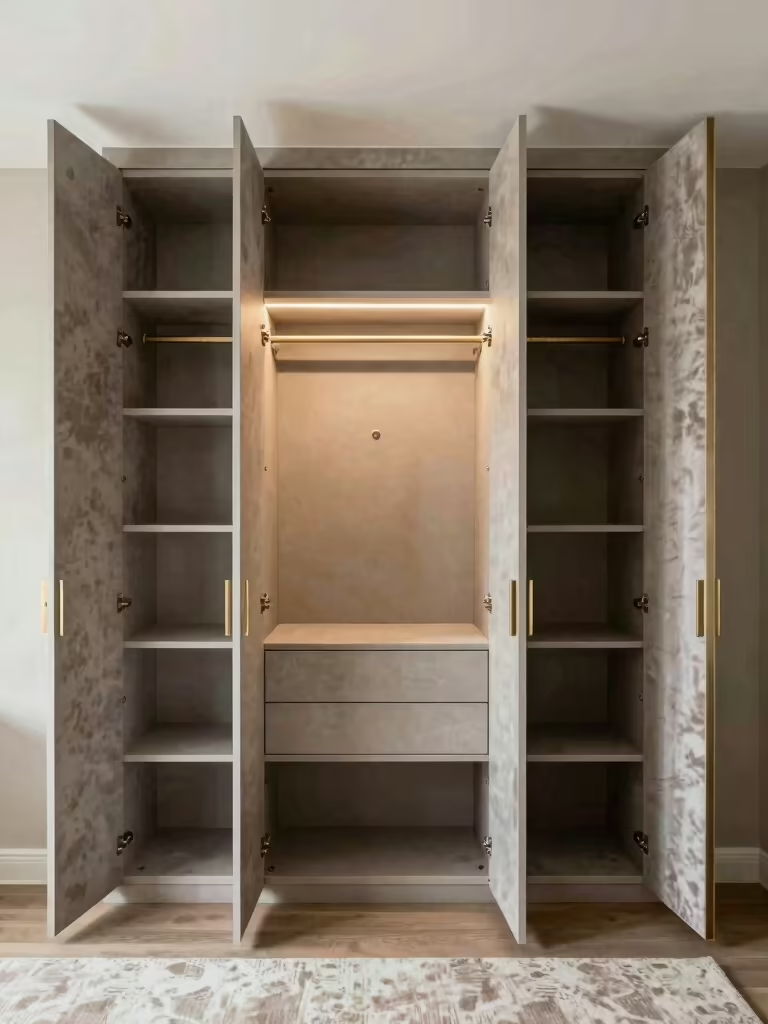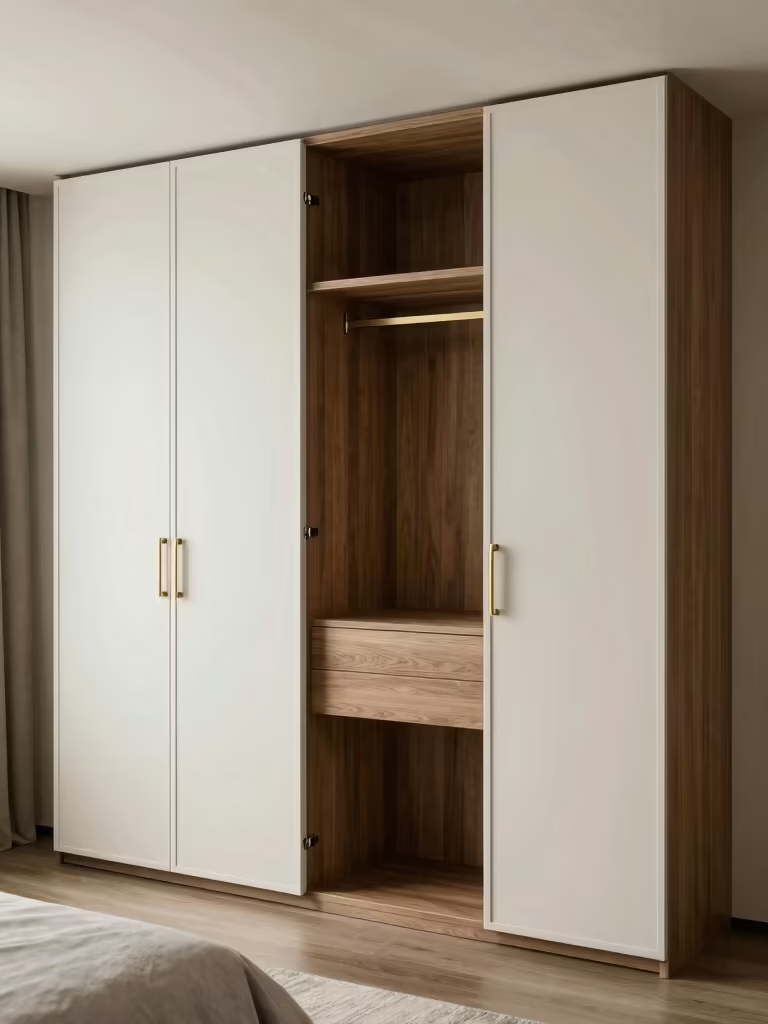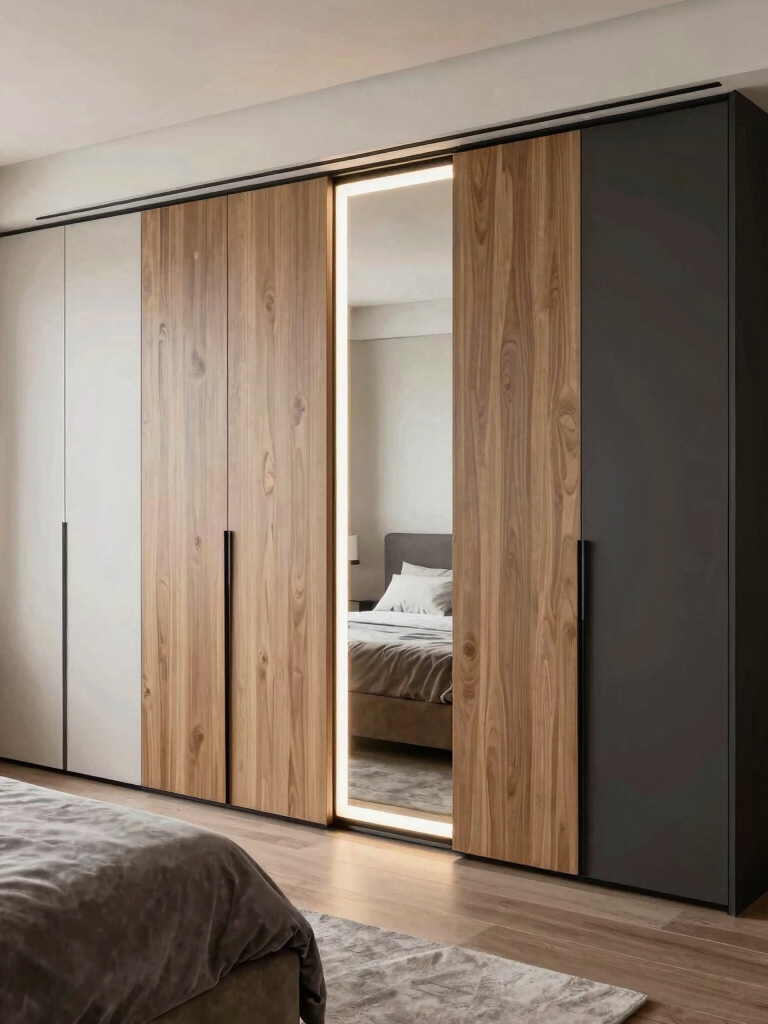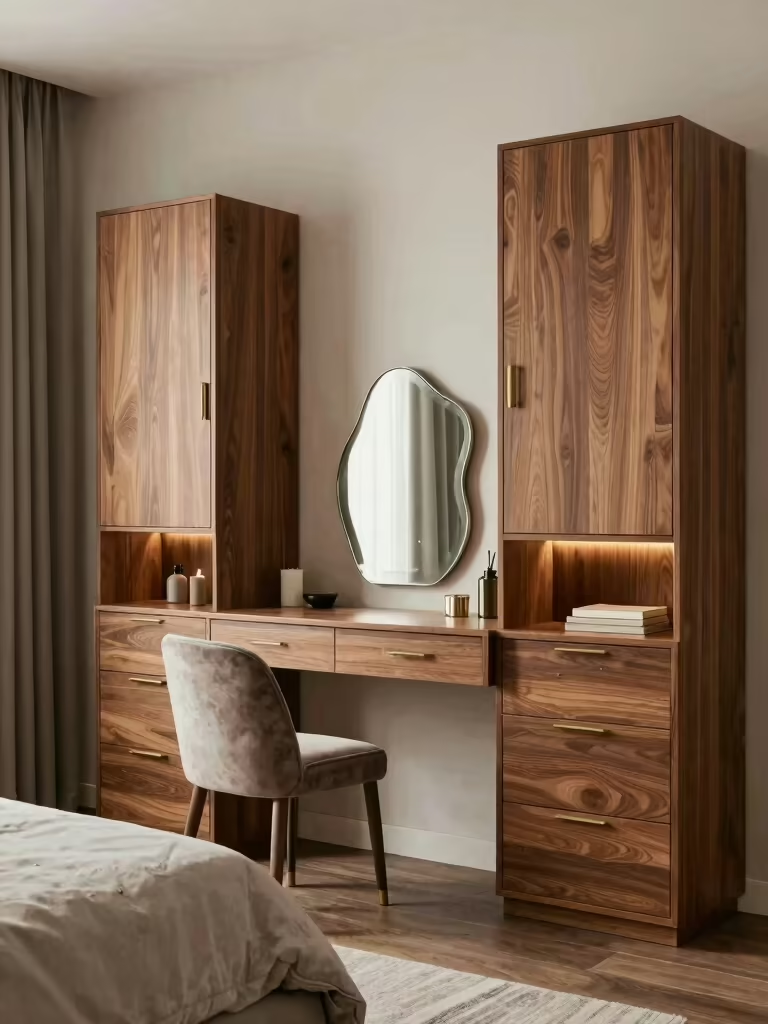

A cupboard fails for one reason: it holds more than it can show you. You shove things in, the door closes, and by Tuesday you can’t find the gray jumper you know is in there somewhere. The fix isn’t a bigger wardrobe. It’s a smarter one, where every item has a spot and you can see all of them at a glance.
These bedroom cupboard storage ideas start with a quick audit of what you actually own, then move through the cheap, low-effort changes that pay off fastest, the deep-shelf and tension-rod tricks that reclaim wasted height, and the modular pieces that flex as your life does. None of it needs a remodel. Most of it you can do in an afternoon with a tape measure and a few bins.
What Makes Cupboard Storage Actually Work
Where do I start with a messy cupboard? Empty it and audit what’s inside before buying a single organizer. You can’t store well what you haven’t counted, so list what you own, note the clutter hotspots, and measure the shelves first.
What’s the cheapest change that helps most? Drawer dividers. A few dollars of dividers turn one jumbled drawer into clear zones for socks, underwear, and accessories, and they take ten minutes to set up.
How do I use the empty space up high? Add a tension rod or a stackable shelf riser. Most cupboards waste a foot or more of height above the rail, and both fixes reclaim it without drilling a thing.
Audit, Organize, Optimize, Transform
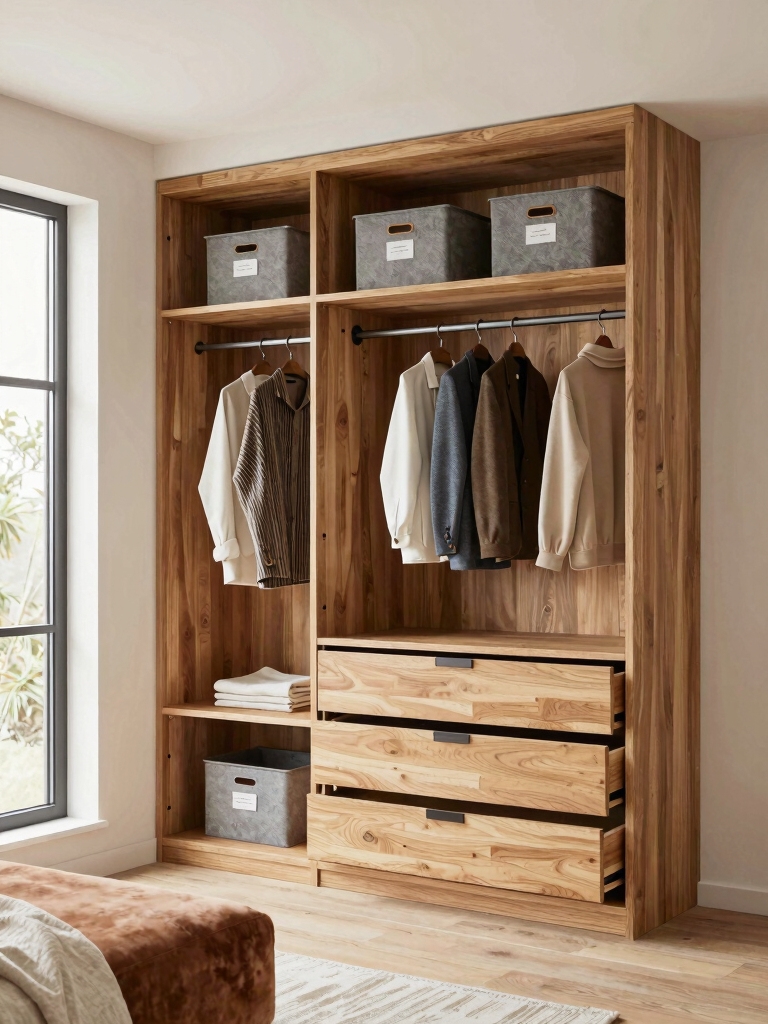
Before you buy a single bin, empty the cupboard and look at what’s really in there. Most people store the cupboard they wish they had, and that gap is why nothing fits. A proper audit takes twenty minutes and saves you from buying organizers that solve a problem you don’t have. Pull everything out. Sort it into keep, donate, and store-elsewhere piles, and you’ll often find a third of the volume gone before you’ve bought anything.
- List what you actually own and group it: everyday clothes, occasional wear, seasonal, and accessories.
- Mark the clutter hotspots, the spots where things pile up or fall over, since those need the most help.
- Measure every shelf, the rail height, and the door clearance before you shop, so what you buy fits the first time.
Easy Drawer Organization Solutions
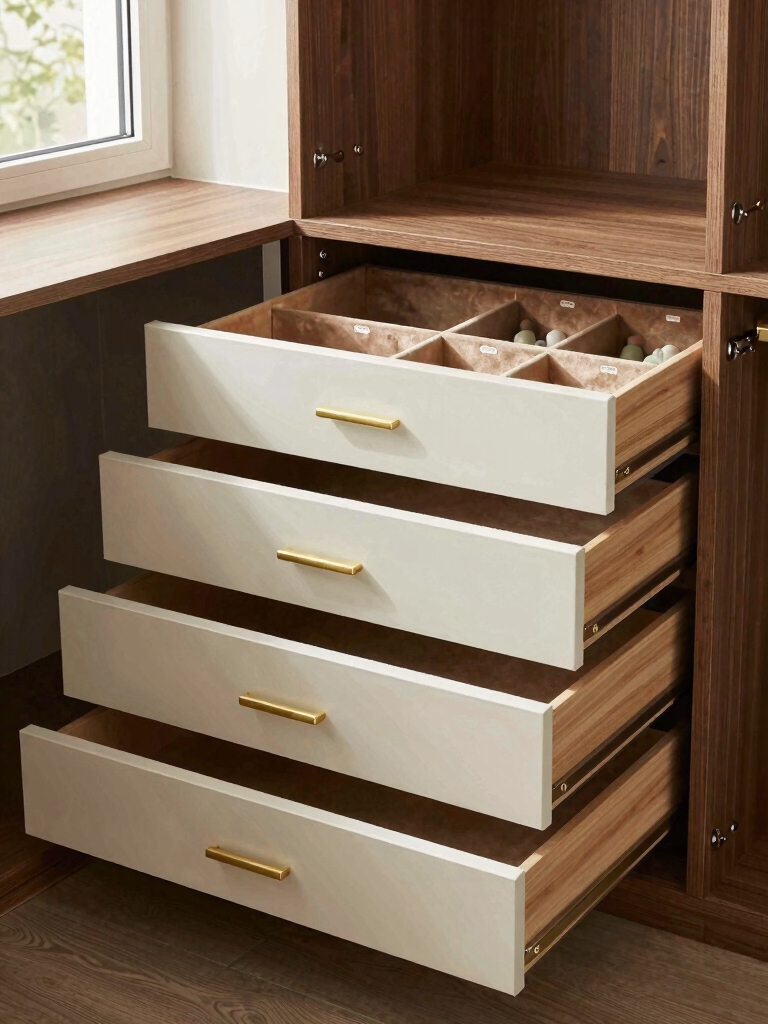
Drawer dividers are the cheapest upgrade here, and they punch far above their price. A jumbled drawer hides half its contents under the top layer; a divided one shows you everything in a glance. Spend a few dollars, spend ten minutes, and the daily friction of getting dressed drops in a way you’ll notice the very next morning.
Match the Divider to the Drawer
The trick is matching the divider to the drawer’s job. Deep drawers want tall, fabric dividers for folded jumpers stood on their edge so you read the spines like books. Shallow drawers want low, rigid trays for socks, underwear, and small accessories, each in its own square. Adjustable, spring-loaded dividers suit a drawer you share, since they slide to claim his-and-hers zones without any tools.
Label the zones once and the system holds. A small label on the front of each section, or just a mental map you keep, means everything lands back in its place after laundry, so the drawer stays orderly between wash days. The real win here is a drawer that holds its order three months later.
“Before you buy a single organizer, empty the cupboard completely and sort everything into keep, donate, and store-elsewhere piles. You’ll almost always shed enough volume that the storage problem shrinks on its own, and you’ll finally know the real dimensions of what needs a home. Only then is it worth measuring the shelves and shopping for bins that fit.”
Adjustable Deep-Shelf Organizers
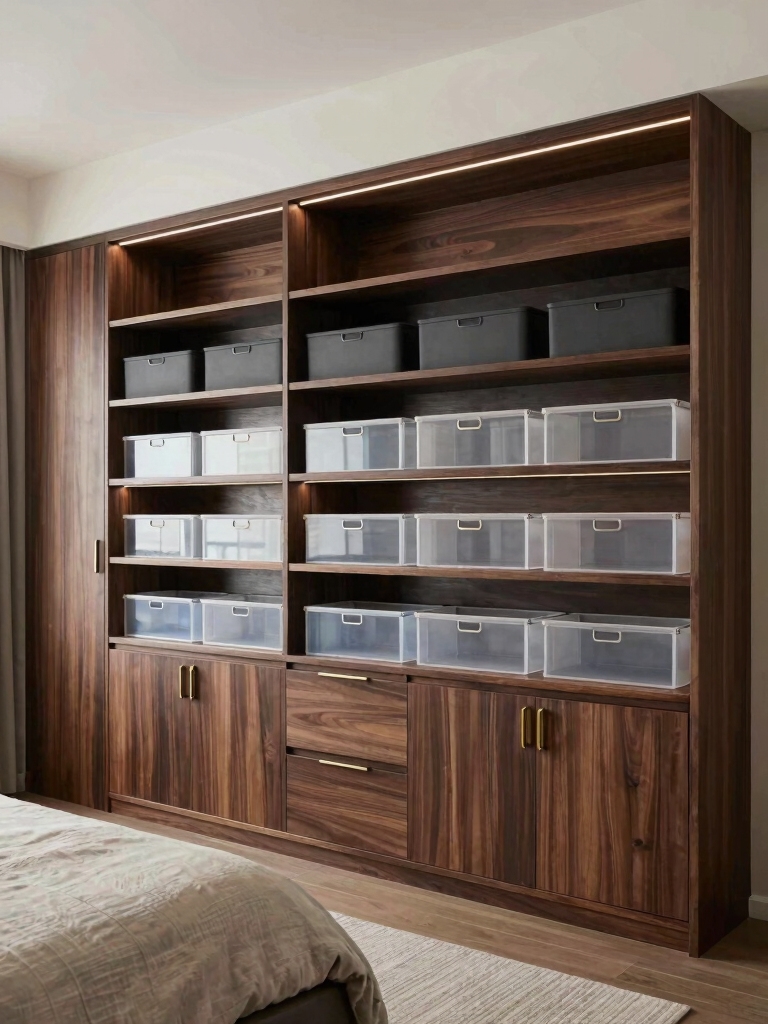
Deep shelves are where storage goes to disappear. Anything pushed to the back is gone from memory, so a deep shelf often holds a front row you use and a dead zone behind it. Adjustable organizers fix this by carving the depth into reachable layers, and the adjustable part matters because no two cupboards share the same dimensions.
Pull-out bins turn the dead back row into a drawer you can actually open. Stackable shelf risers split one tall gap into two usable levels, doubling what a single shelf holds.
For a deep linen or jumper shelf, clear stacking boxes let you see the bottom of the pile without toppling the top of it, which is the whole battle with folded stacks. My [bedroom storage guide for small rooms](bedroom-ideas-for-small-rooms-feel-big) covers stretching tight spaces further.
- Use pull-out bins so the back of a deep shelf becomes reachable again.
- Add shelf risers to split one tall gap into two, and you store roughly twice as much per shelf.
- Choose clear or labeled boxes so you read a deep stack without unpacking it.
Affordable Tension-Rod Solutions
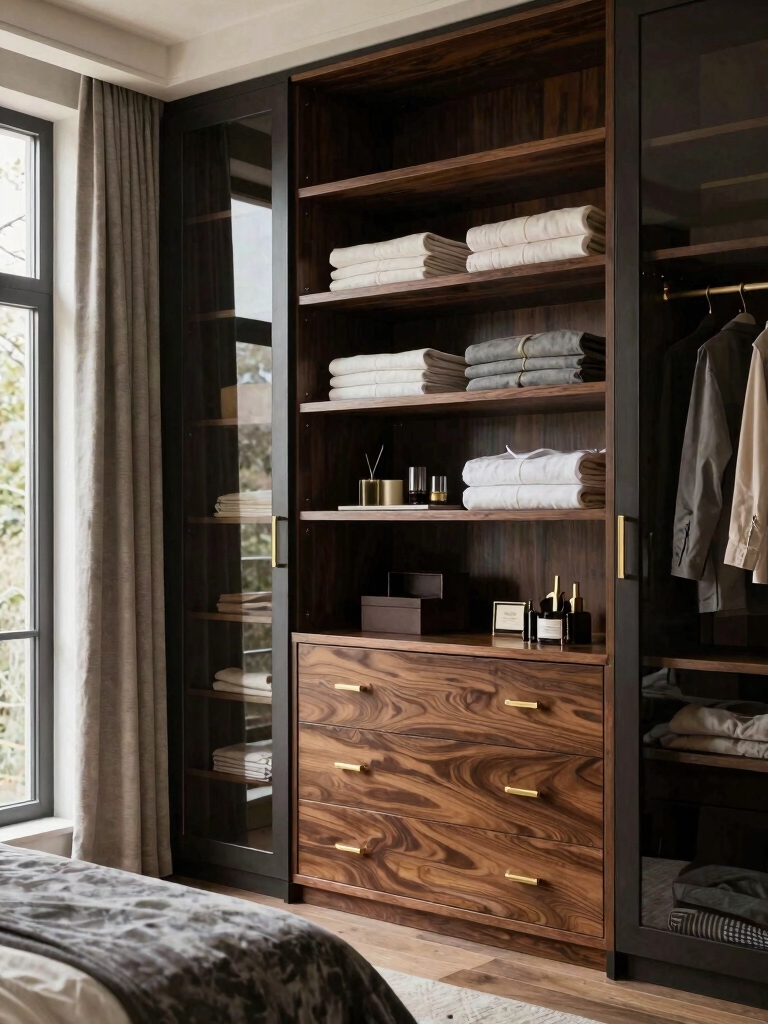
A tension rod is the renter’s best friend: a few dollars, no drill, no holes, and it reclaims space most cupboards waste. The gap above the hanging rail or below short garments is usually dead air. A second rod turned that into a whole extra level in my own wardrobe, doubling the hanging space for shirts and trousers without a single screw.
Beyond a second rail, tension rods earn their keep in small ways. Mounted vertically inside a door, one holds a row of clip hangers for scarves or belts. Set low across the cupboard floor, another stops handbags or boots from sliding into a heap.
They go up in minutes and come down clean, so you can keep adjusting until the layout fits how you actually reach for things. My [clothes cabinet design ideas](clothes-cabinet-design-ideas-bedroom-storage) go deeper on rail layouts.
Four moves to claim the dead air in any cupboard:
1Measure the gap
Check the dead space above your hanging rail and below short garments; that’s almost always a foot or more of wasted height.
2Add a second rail
Fit a tension rod across the gap for an extra hanging level, no drill and no holes, so it suits a rental.
3Split the shelves
Drop in a shelf riser or stacking boxes to turn one tall shelf gap into two usable levels.
4Send the rare stuff up
Move off-season gear and twice-a-year items to the high shelf in labeled boxes, freeing the easy zones for daily clothes.
Flexible, Modular Wardrobe Solutions
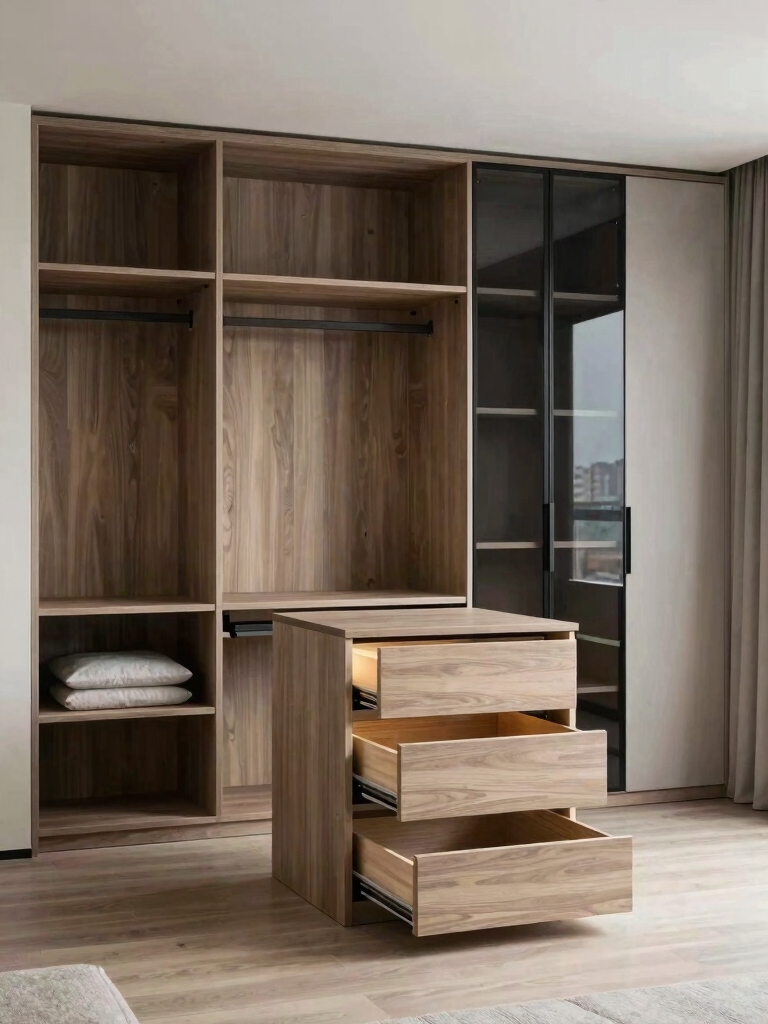
Modular inserts are the upgrade for when dividers and rods have done their work and you want a system that grows with you. Stackable cubes, clip-together drawer towers, and hanging fabric shelves all share one trait: you reconfigure them in minutes, so the layout follows your life as it shifts. Your needs in March aren’t your needs in October, and a modular cupboard keeps up.
Start Small and Add as You Go
Build the core around what you reach for daily, then flex the rest. A drawer tower for folded basics, a short bank of cubes for shoes, and a hanging shelf column for bags covers most wardrobes. When the seasons turn, you swap a cube of shorts for a cube of jumpers rather than rebuilding the whole thing. That swap-don’t-rebuild logic is what keeps a modular system useful for years.
Buy modular pieces from one range so they actually connect. Mismatched bits from three brands rarely stack square or clip together, which defeats the point. Pick a single system, start with the few pieces you need now, and add to it as your storage grows. For pairing looks with function, see my [bedroom cupboard ideas that look expensive](bedroom-cupboard-ideas-expensive).
Fold, File, and Vertical Storage
How you fold decides how much a shelf holds and how much you can see. The file fold, where you fold a garment down to a small rectangle and stand it on its edge, turns a stack you dig through into a row you scan. A drawer of file-folded tees shows every shirt at once, and pulling one out doesn’t collapse the rest. It takes a few minutes more on laundry day and saves you that time back every morning.
Vertical thinking applies above the rail too. The shelf over your hanging clothes is prime real estate that usually holds one squashed duvet and a layer of dust. Add labeled boxes up there for off-season gear, spare bedding, and the things you reach for twice a year, and you free the everyday zones below for everyday clothes. Keep a small step stool nearby so the high shelf earns its keep all year.
Hooks and over-door racks mop up the awkward leftovers. A row of hooks on the inside of a cupboard door holds belts, bags, or tomorrow’s outfit; a slim over-door rack stores shoes or accessories in space that was doing nothing. These cost little and need no commitment, which makes them the easy last layer once the bigger systems are in place.
Keep the System Working Long-Term
A cupboard that works in week one and fails by month three was never really fixed; it was just tidied. The difference is a small habit, not more storage. A two-minute reset, hanging up what’s on the chair and returning strays to their zones, keeps the whole thing honest. Do it while the kettle boils and the cupboard holds its shape for good.
Build in one clear-out a season. As you swap summer for winter, pull anything you didn’t wear last season into a donate bag before it goes back on the shelf. Cupboards fill to whatever size you give them, so the only way to keep breathing room is to let things leave. A wardrobe with a little empty space is a wardrobe you can actually use.
Resist the urge to buy more bins when the real problem is volume. It’s tempting to solve a full cupboard with another organizer, but more containers usually means more stuff hiding in plain sight. Most overstuffed wardrobes need editing, not equipment. Fewer things, each with a home, beats a clever box for everything gathering dust.
Common Cupboard Storage Mistakes
The most common slip is buying organizers before measuring. A perfect set of bins that’s an inch too deep for the shelf is money wasted and a fresh source of frustration, so the tape measure always comes before the trolley. The second misstep is storing by category alone, when how often you reach for something should drive where it lives. Daily clothes belong at eye level and arm’s reach; the rarely-worn stuff can live high or low, out of the prime zone.
The other frequent error is treating the cupboard as one big bucket. Without zones, every item competes with every other one, and the drawer that holds socks today holds chargers and receipts by Friday. Give each kind of thing a defined home, keep the everyday items easy to grab, and the system survives real life. A cupboard works when finding something takes a glance, not a dig.
A Cupboard You Can Actually See Into
Working cupboard storage isn’t about owning more wardrobe; it’s about seeing everything you have and giving each thing a home. Start with the audit, win fast with drawer dividers, reclaim the wasted height with risers and tension rods, then layer in modular pieces as your needs shift. Every one of these is cheap, reversible, and doable in an afternoon.
A cupboard that works is one you can see into, and most of getting there is editing, not buying. Empty a single shelf this week and rebuild it with proper zones; the rest of the wardrobe tends to follow once one part finally makes sense.