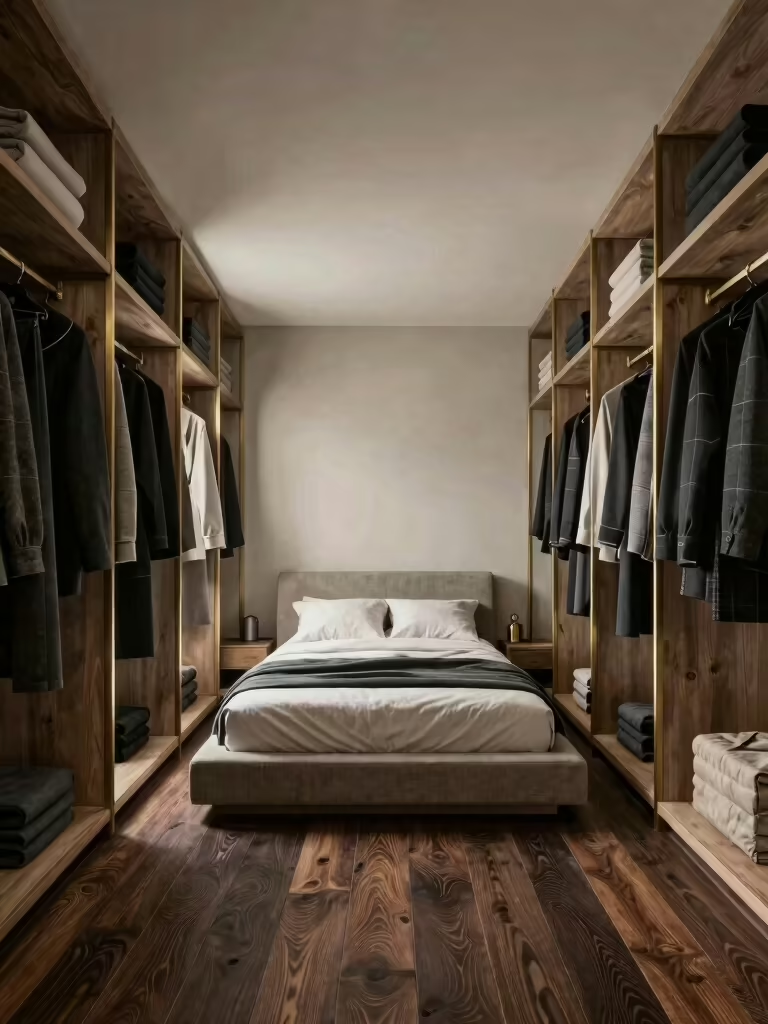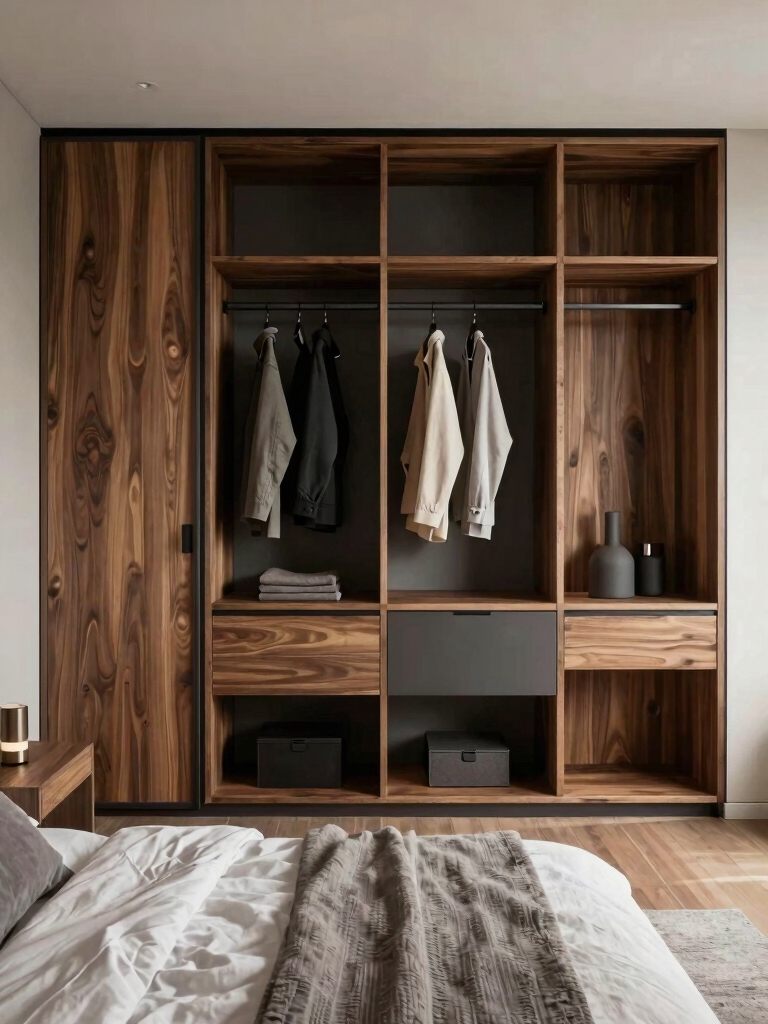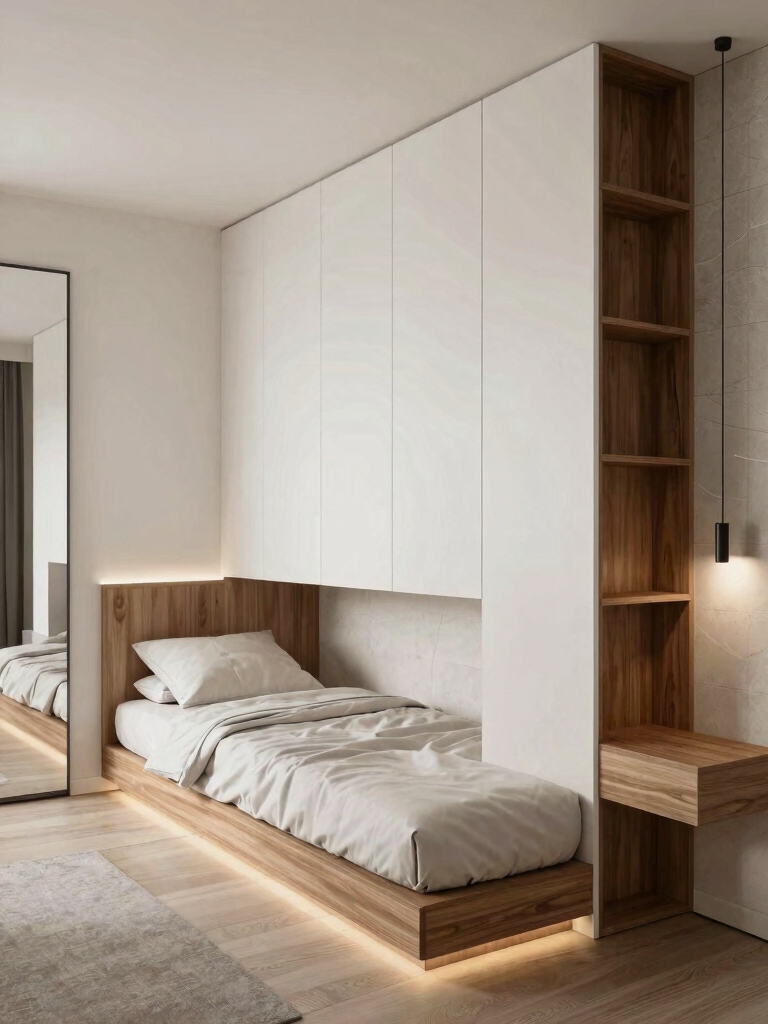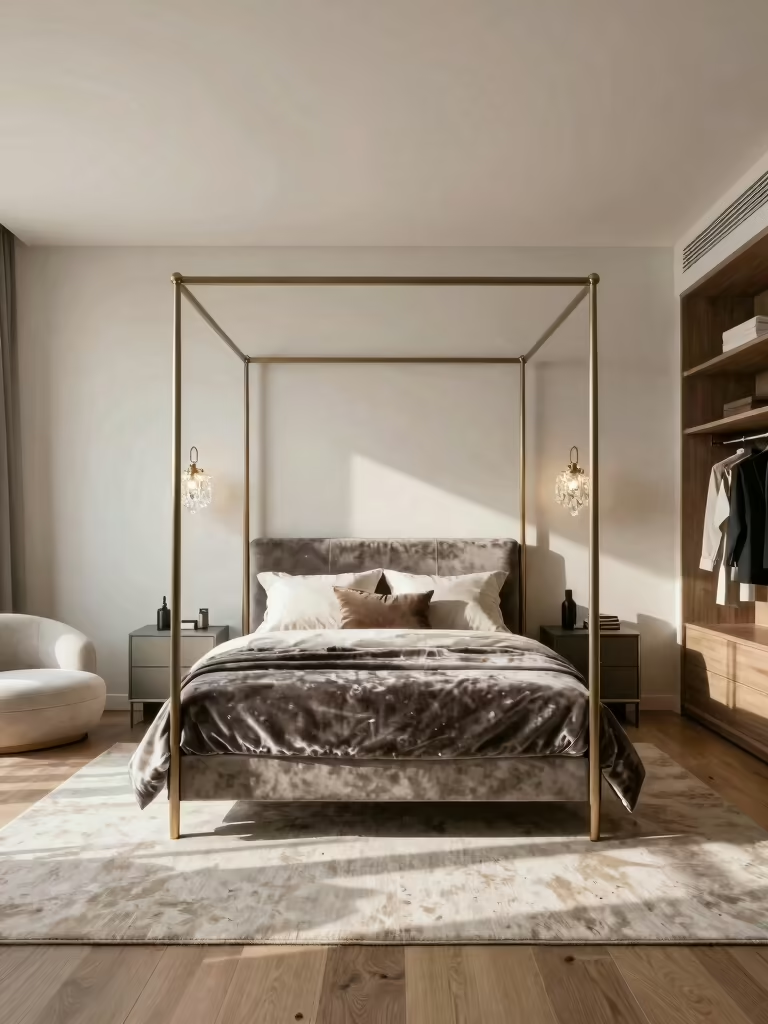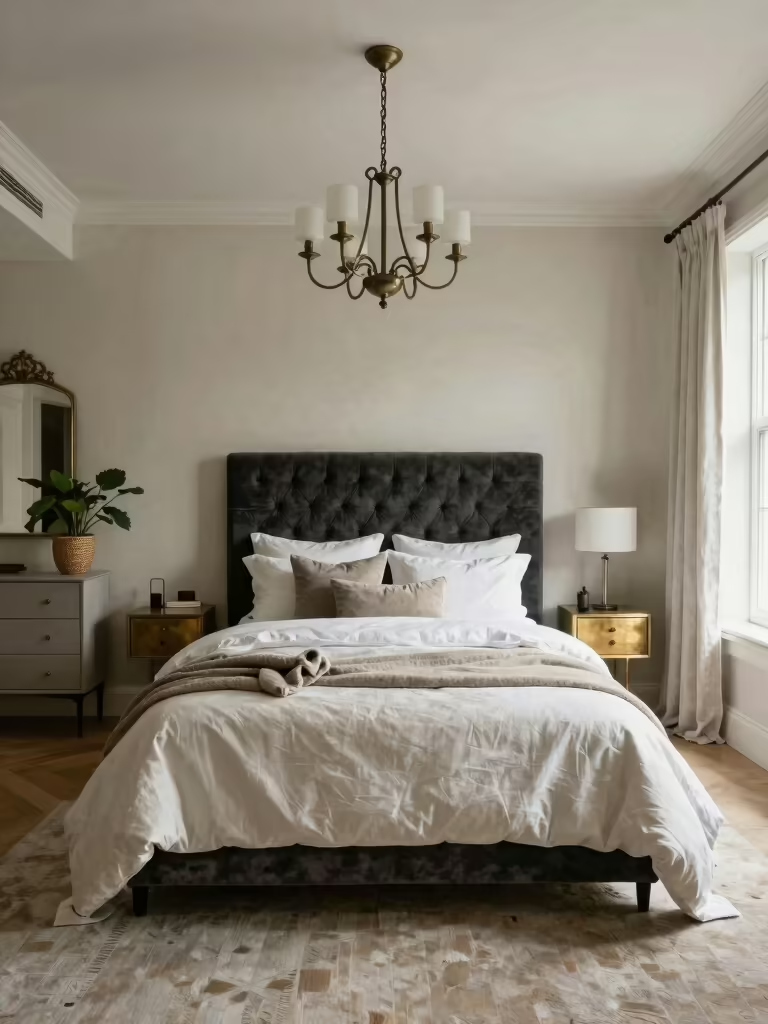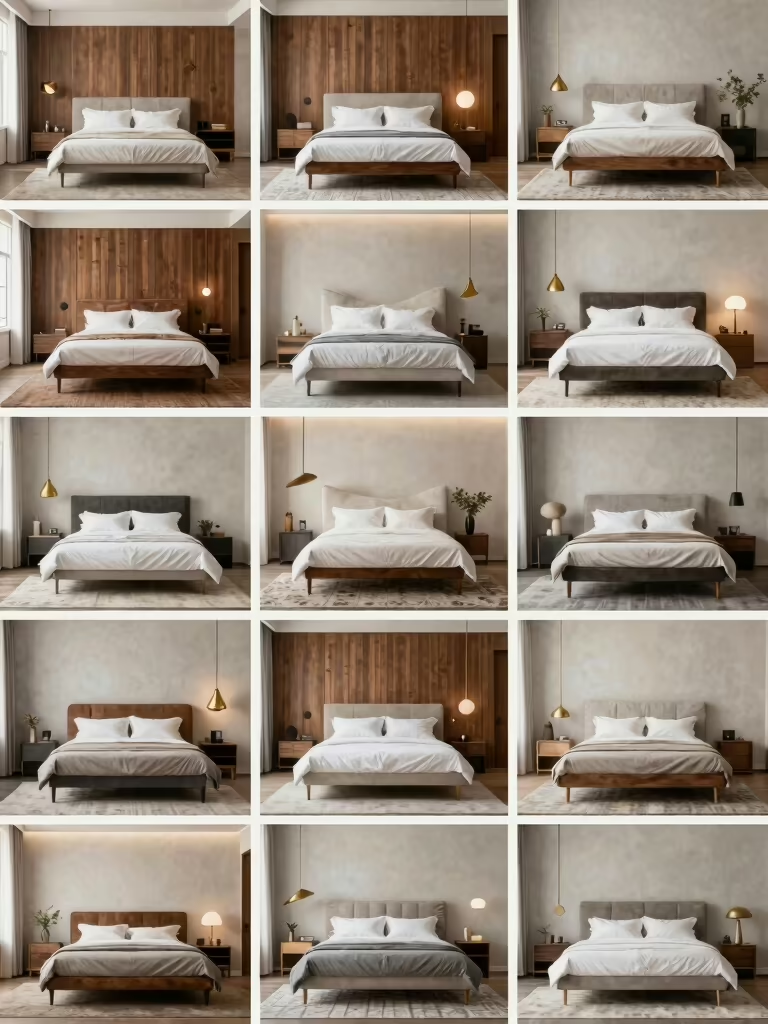

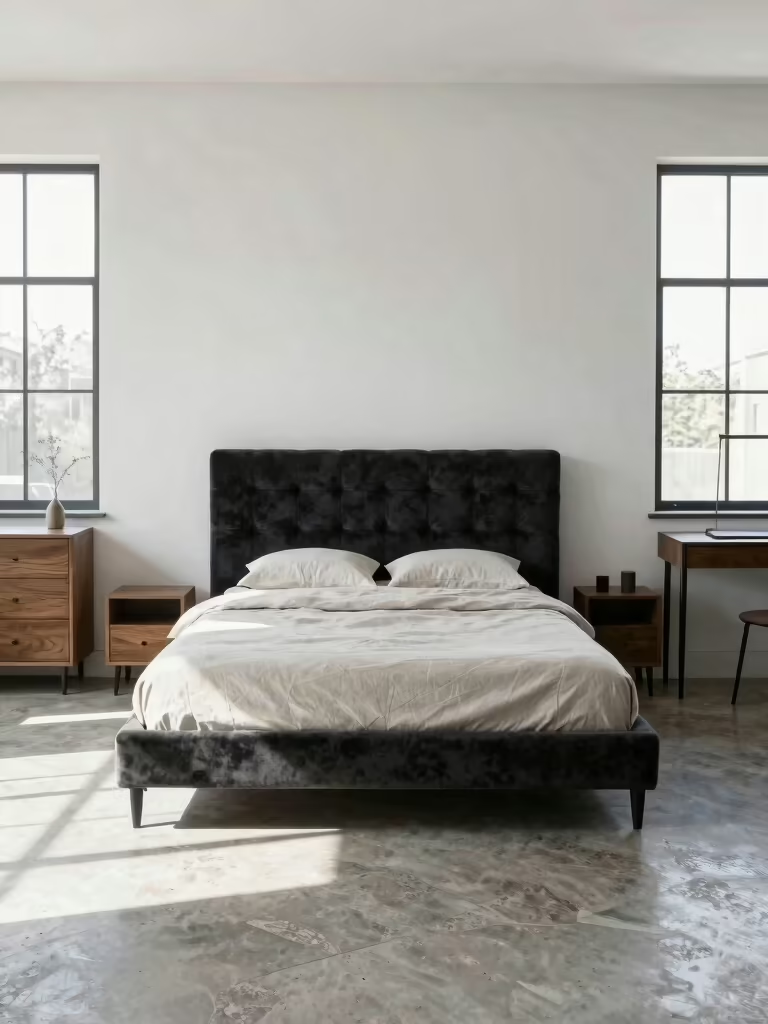
I’ve mapped 20 rectangle bedroom ideas that maximize space, flow, and calm vibes, so you can turn a narrow or awkward room into a practical retreat. I’ll show smart bed placements, clever storage, and crisp traffic paths, plus how to layer lighting and add flexible accessories for a bigger feel. You’ll learn to blend sleep, storage, and desk zones without clutter. Stick around, and you’ll uncover tips that make every inch count—and you’ll see how to apply them to your space.
How to Plan a Rectangle Bedroom Layout: Define Space, Traffic, and Priorities
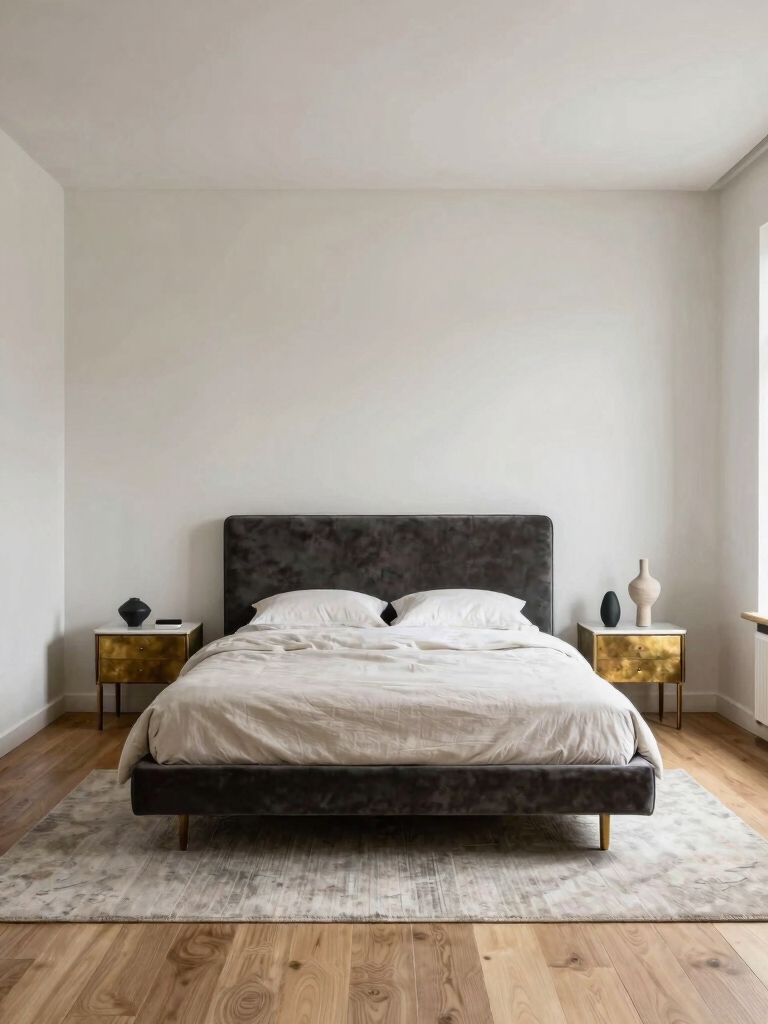
Turning a rectangle room into a comfy, efficient sanctuary starts with defining space, traffic, and priorities.
I walk you through mapping zones: sleep, storage, and movement. I prioritize clear paths, avoid wasted corners, and note door and window placements.
Then, I draft a simple layout, balancing scale and reach. You’ll feel calmer, cleaner, and in control, from first sketch onward.
Incorporating smart bedroom layout ideas can further enhance the functionality and aesthetic of your rectangular space.
Best Bed Placements for Narrow and Square Rooms
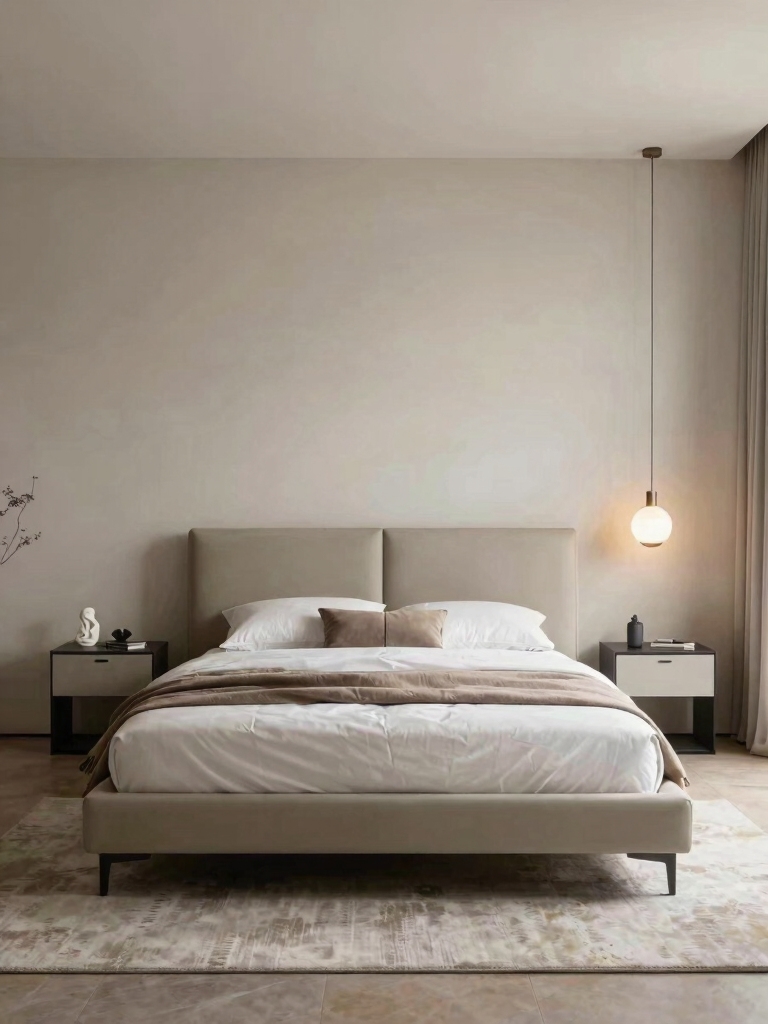
I’ll show you the best bed placements for narrow and square rooms by balancing bed proximity with easy access.
We’ll map a simple flow, so pathways stay clear and you don’t trip over furniture.
Symmetry in placement often delivers calm, tidy vibes without wasting floor space.
Incorporating smart bedroom layouts enhances both maximum comfort and style, making every inch count with thoughtful design choices like space optimization.
Bed Proximity Rules
If you’re working with a narrow or square room, the best bed placement hinges on flow and access: you want to wake up with easy egress, avoid blocking windows or doors, and still leave space for nightstands and a path around the bed.
Proximity matters: center the bed for symmetry, keep nightstands handy, and preserve clear movement zones throughout the room. Practical, not fussy.
Flowing Room Pathways
In a narrow or square room, a smooth, flowing pathway matters as much as the bed’s placement. I start by positioning the bed for easy circulation, then weave clear routes around nightstands and a dresser.
Keep margins generous, avoid clutter, and use soft rug connections. With purposeful spacing, movement feels effortless, and the room breathes—calm, practical, and inviting.
Symmetry in Placement
- Place the bed centered on the longer wall for visual harmony.
- Mirror nightstands to create equal weight on both sides.
- Use a single, bold rug to anchor the scheme.
Wardrobe Zones That Maximize Small Rooms
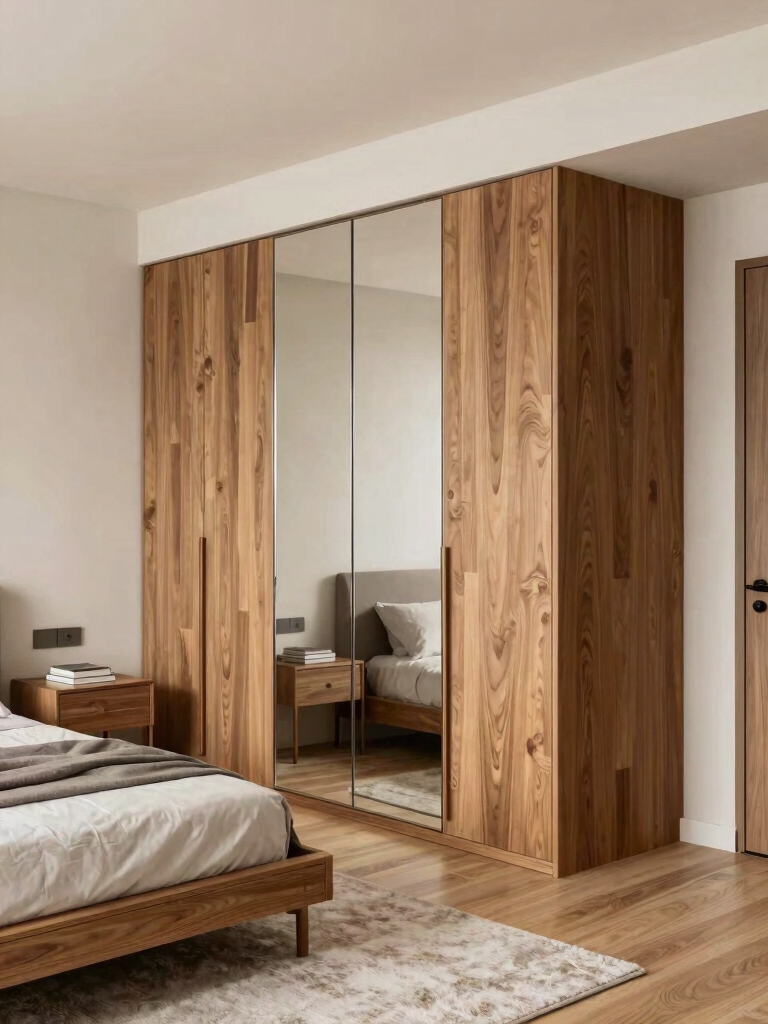
I’m breaking down efficient wardrobe zoning, so you can reclaim floor space without sacrificing function.
I’ll show how vertical storage solutions stack height and grab-and-go access, keeping clothes visible and easy to pair.
Let’s map space-saving closet layouts that fit small rooms without feeling cramped.
These small bedroom cupboard ideas are worth every inch for creating maximized storage space.
Efficient Wardrobe Zoning
Tiny spaces don’t have to cramp your style.
I group outfits by frequency, season, and type, so mornings stay smooth and clutter stays away.
Ready for quick wins? Here are my top wardrobe zones:
- Everydaywear shelf-by-eye
- Seasonal rotation bin
- Hidden fold-and-tull drawers
Vertical Storage Solutions
Vertical storage is my go-to when floor space is tight, because tall walls offer a ton of hidden potential.
I stack shelves, hang rods high, and tucked bins stay out of sight yet easy to grab.
Slim, modular wardrobes adapt to odd corners, while mirrored doors double as light amplifiers.
You get clean lines and surprising capacity—no clutter, just clever vertical wins.
Space-Saving Closet Layouts
Got it—space in small rooms starts with smart wardrobe zones.
I’ll show you practical tweaks that free floor space without sacrificing function, one closet at a time. You’ll gain flow, not clutter, with clever zoning and compact solutions.
- Use tall, slim modules and two-way doors
- Implement midline hanging with grab-and-go shelves
- Zone by activity and color-code items for quick access
Designing Clear Traffic Flow in Long Rectangles
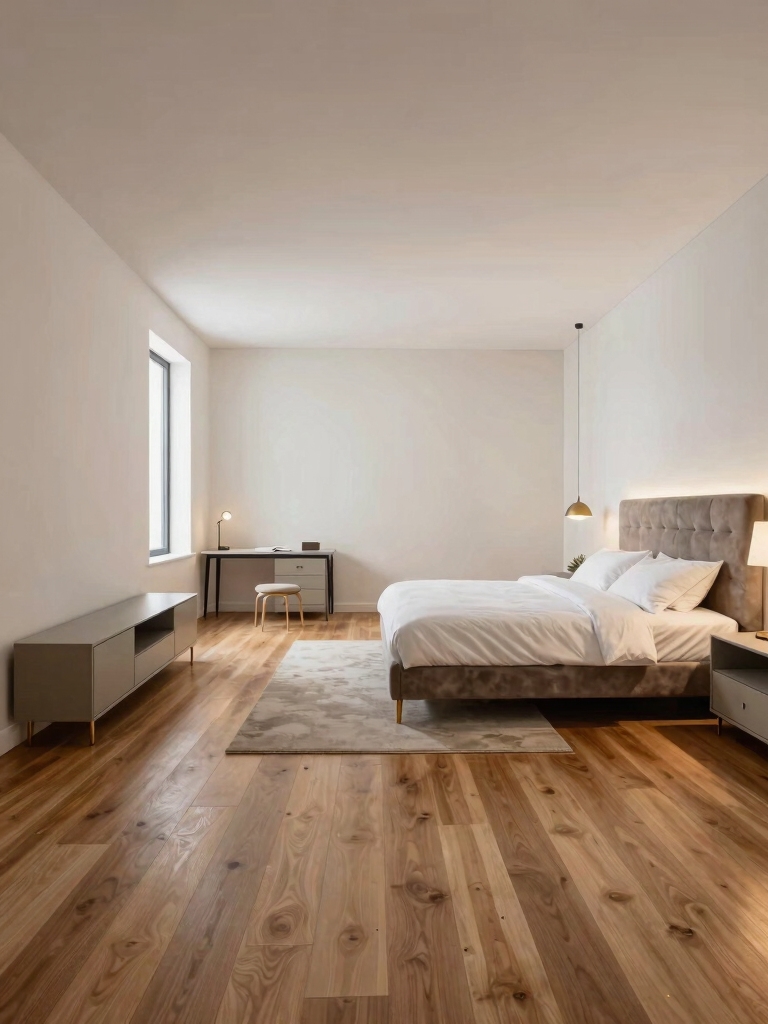
I map paths like a map reader, placing beds, dressers, and desks where doors aren’t blocked.
Keep clear zones, avoid sharp turns, and let negative space breathe.
With simple layouts, movement feels natural, not forced or crowded.
Incorporating creative storage solutions can also help maximize space without disrupting traffic flow.
Lighting the Rectangle: Layered Strategies for Size and Mood
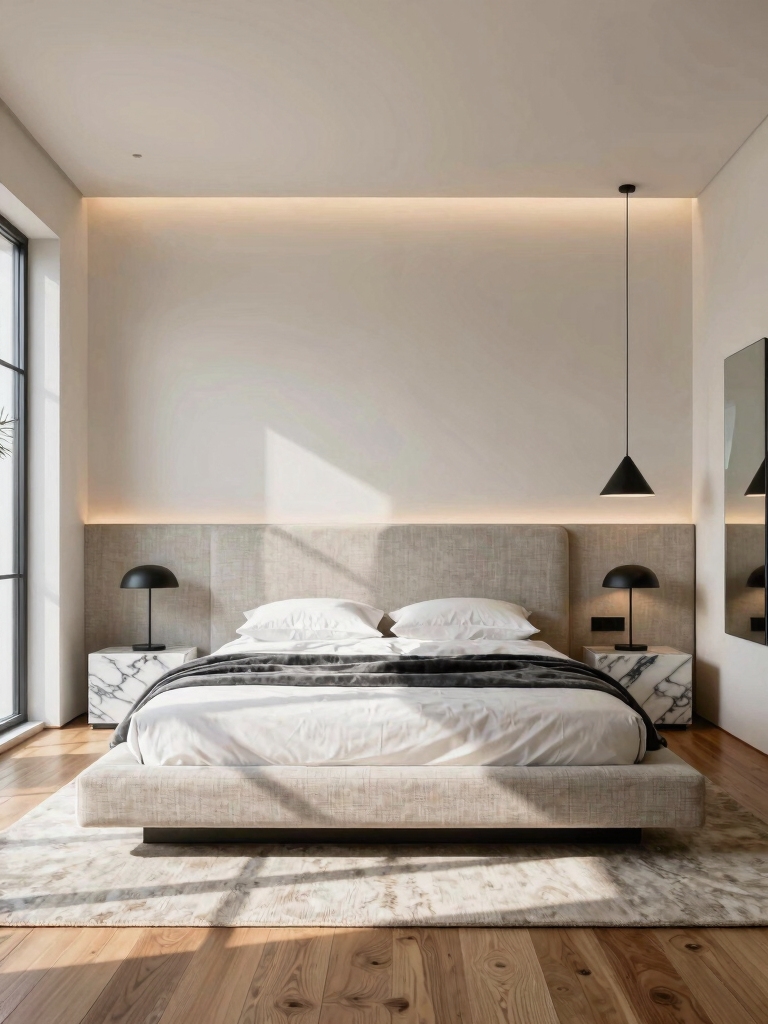
When you’re lighting a long room, layering is your best friend: start with a strong ambient base, add task lights where you read or work, and finish with mood accents that highlight height and texture.
I’ll share practical, punchy ideas you can actually use:
- Layered ceiling fixtures for even glow
- Adjustable sconces to cue zones
- Dimmed lamps for mood and depth
To truly transform your space, consider perfect lighting ideas that set the mood right and enhance the bedroom’s overall atmosphere.
Small-Room Furniture Combos That Maximize Function
Smart layouts for small rooms hinge on choosing multi‑purpose pieces that pull double duty.
I pair a storage bed with slim nightstands to hide odds and ends, then add a fold‑out desk that tucks away when not in use.
A wall‑mounted shelf keeps floor space clear, and a compact dresser doubles as a vanity—functionful, friendly, and totally doable.
Incorporating smart layout ideas can transform your bedroom into a more efficient and relaxing space.
Zoning Sleep, Storage, and Desk Areas Together
I like the idea of zoning sleep, storage, and a desk area so you’ve got a calm bed zone and a work nook that don’t fight for space.
I’ll show you simple ways to blend these zones with shared storage, muted finishes, and smart spacing so everything feels intentional.
Let’s explore practical setups that keep your night desk tidy and your sleep area undisturbed.
Incorporating clever layouts can significantly maximize the functionality of your small bedroom without making it feel cluttered.
Zone Sleep And Storage
Creating a cozy, single-zone feel matters when you tie sleep, storage, and a desk into one compact nook.
I show you practical, playful moves that blend calm and function, so clutter disappears and comfort stays.
Ready ideas:
- Use under-bed bins for quick-access storage
- Stack modular units beside the bed for essentials
- Select a compact desk with hidden compartments
Desk Area Cohesion
When I’m tying sleep, storage, and a desk into one cozy nook, I look for natural zones that flow, not fight, each other.
A cohesive desk area feels calm yet efficient: tucked wiring, a single surface, and light that travels across the room.
I keep essentials at arm’s reach and swap clutter for purposeful, tiny organizing rituals.
You’ll notice the harmony.
Space-Saving Bed Options for Rectangle Rooms
If you’re tight on space, a smartly chosen bed can make or break a rectangle bedroom, and there are plenty of clever options that don’t crowd the room.
Here are a few space-savers you can try:
- Wall-mounted platform with under-bed storage
- Floating bed frame with slim side rails
- Murphy bed that folds into a compact wall niche
Incorporating clever storage solutions can help you hide everything and keep the room feeling open and uncluttered.
Desks and Tech Nooks in Compact Layouts
I’m excited to share compact desk configurations that fit even the tiniest rooms.
I’ll show you smart layouts and quick tech-nook zoning tips that keep cords tidy and workstations efficient.
Let’s get practical and playful as we tailor a space that works for you.
Incorporating clever space-saving ideas can transform your small bedroom into a highly functional and stylish area.
Compact Desk Configurations
Choosing a compact desk setup is all about smart spacing and tidy tech, so you can work comfortably without feeling boxed in.
I’ll share three crisp ideas you can actually implement today:
- Wall-mounted fold desk for instant breathing room
- Narrow clamp-on shelf that holds monitor and lamp
- Slim rolling cart as a personal tech hub and file keeper
Tech Nook Zoning Tips
Let’s map out a cozy, efficient tech nook in a compact layout, so you’ve got a focused workspace without sacrificing living space.
I’ll tuck cables away, place a slim desk near natural light, and designate zones for work, charging, and relaxation.
Use vertical storage, wireless everything, and a compact monitor.
Practical, playful tips keep tech tidy and welcoming.
Focused, comfortable, productive.
Corner Storage: Floating Cabinets and Wall Niches
Corner storage is a smart move in any bedroom, and floating cabinets plus wall niches make it feel effortless and sleek.
I love how they free floor space while keeping essentials reachable.
Here are quick ideas:
- Install a corner nook with a slim shelf
- Use recessed niches for—small, grouped items
- Pair floating cabinets with under-shelf lighting for mood and function
For even more efficiency, consider creative storage solutions that maximize your bedroom cupboard space.
Visual Tricks to Make a Rectangle Room Feel Bigger
If you want a rectangle room to feel bigger, start with simple visual tricks that don’t require major remodels.
I prioritize vertical lines, light colors, and functional furniture placement. Use mirrors to bounce light, reposition goals, and align rugs with walls.
Keep clutter tucked away, maximize negative space, and let sightlines run uninterrupted.
Small tweaks create surprisingly spacious vibes without chaos.
Color and Material Cohesion for Rectangle Spaces
Color and material cohesion in a rectangle space isn’t about matching everything perfectly; it’s about building a simple rhythm you can follow.
I’ll keep it practical and fun, guiding you to unify finishes without rigidity.
- Pick a unifying base color and repeat it in walls, textiles, and furniture.
- Mix textures (matte, satin, weave) to add depth without chaos.
- Use a single accent material to anchor the room.
Window-Adjacent Layouts: Capturing Natural Light
Ever wondered how to make natural light work its magic right where you sit or sleep?
I place the bed or desk near a window, align with the sill, and use sheer curtains to diffuse glare.
Mirrors reflect daylight without shouting, and light colors bounce brightness softly.
I keep furniture slender, so views stay prime and rooms feel breathable.
Minimalist vs Cozy: Mood in Rectangle Bedrooms
When you’re choosing a mood for a rectangle bedroom, minimalist and cozy options aren’t enemies—they’re two different vibes you can swap in and out.
I’ll keep it simple and practical, so you can pick fast.
- Minimalist: clean lines, uncluttered surfaces, calming balance.
- Cozy: layered textures, warm lighting, soft textiles.
- Blend: a touch of warmth within a restrained framework.
Elevate the Headboard as a Focal Point
If you want to grab attention in a rectangle bedroom, start with the headboard and watch the whole room lift.
I elevate the headboard by chunky frames, bold fabric, or a statement silhouette, creating instant drama without crowding.
Add lighting accents and coordinated textures to anchor the bed, guiding the eye and practical space flow.
You’ll love the focal payoff.
Flexible Seating That Doubles as Storage
Two clever tricks can turn seating into extra storage without sacrificing style: ottomans that lift, and benches with hidden compartments.
I’ll show you practical options you can trust in real rooms, not fantasies, with quick, tidy wins.
- Lift-top ottomans for blankets, remotes, and chargers
- Hidden-compartment benches by the bed for shoes and seasonal sweaters
- Storage-shelf window seats to reveal a tidy, bright space
Acoustic Touches for a Calm Rectangle Sleep Space
Rectangles aren’t fragile, but a calm rectangle sleep space benefits from a soft acoustic nudge.
I tune the room with plush rugs, soft curtains, and a paneling bounce to tame echoes.
Add a quiet white-noise machine or fan for night drift, plus textured wall art to diffuse sound.
Keep surfaces simple; calm arises from measured, thoughtful sound.
Pocket-Smart Accessories for Clutter Control
Pocket-smart accessories keep a cluttered room from tipping into chaos, and I’ve found a few small picks that make big differences.
I stay practical, playful, and concise—no fluff, just tips that actually fit a rectangle bedroom.
- Wall-mounted organizers
- Slim cable tidy reels
- Foldable storage boxes
Real-Life Floor Plans: 20 Example Rectangle Setups
Here are real-life floor plans you can actually apply: twenty rectangle-friendly setups that maximize small-space flow without sacrificing style.
I’ve tested layouts that fit a bed, dresser, and desk without crowding doors or windows.
Try a single-page corridor flow, a left-anchored bed, or a slim two-nightstand combo.
Practical, scalable choices that stay tidy and visually balanced.
How to Adapt Your Rectangle Plan Over Time
As your room evolves, I’ll show you how to use timeline-driven tweaks and flexible zoning so your rectangle plan grows with you.
We’ll start simple, then layer in more space or privacy as life changes.
Let’s map quick wins now and lay the groundwork for future adjustments.
Timeline-Driven Layout Adaptations
When your needs change, your rectangle plan should flex with you, not fight you. I guide you through timeline-driven tweaks that keep flow intact while rooms evolve.
- Reclaim space with modular furniture as milestones hit.
- Shift focal points seasonally, swapping bed orientation and lighting.
- Archive layouts that worked, note what’s next, plan a compact reconfiguration.
Flexible Zoning For Growth
Flexible zoning means you plan for growth, not grids.
I design with seasonal shifts in mind, so today’s bed stays cozy while tomorrow’s desk or wardrobe slides in without chaos.
I favor movable partitions, transferable power, and clear sightlines.
You’ll tweak layouts as life changes, never sacrificing flow.
Simple, practical steps keep expansion breezy and bedroom rhythms joyful.
Conclusion
I’ve been chasing layout ideas, and wouldn’t you know it, I unboxed a dream while rearranging—my coffee cup nudges exactly where I’m kicking a doorway. It’s goofy, yes, but it nails the vibe: a rectangle that breathes, with every inch earned. So try one tweak, then another, and watch how the space lightens up. coincidence or design, the room starts to say, “this is mine,” and you’ll want to stay a little longer.