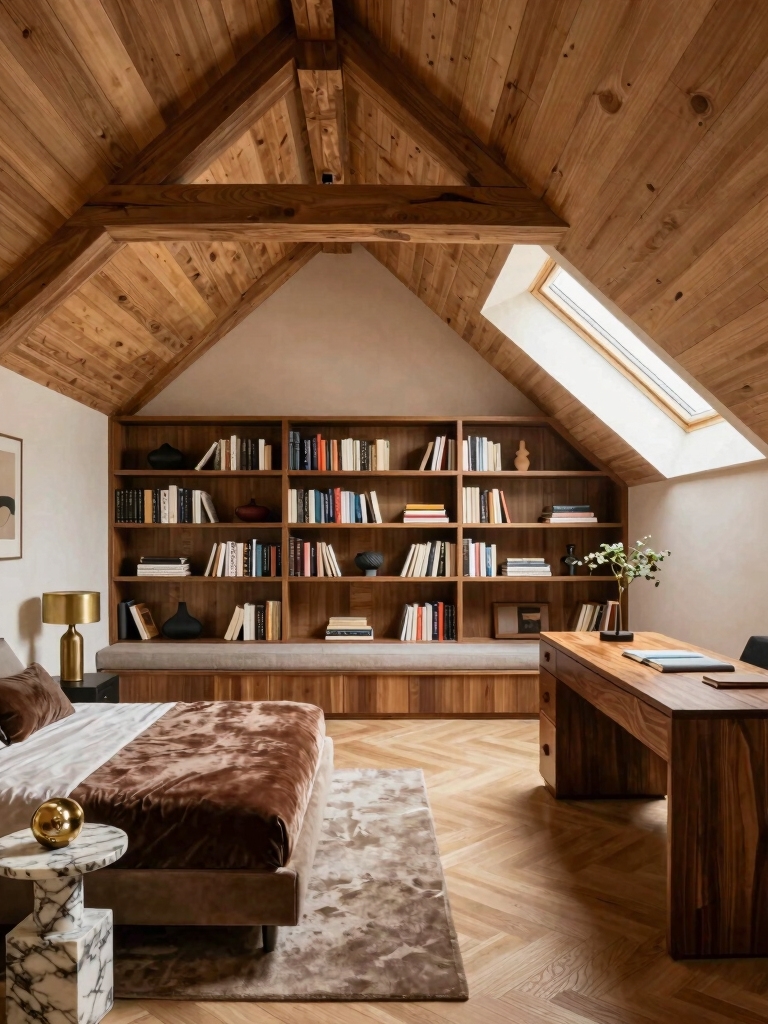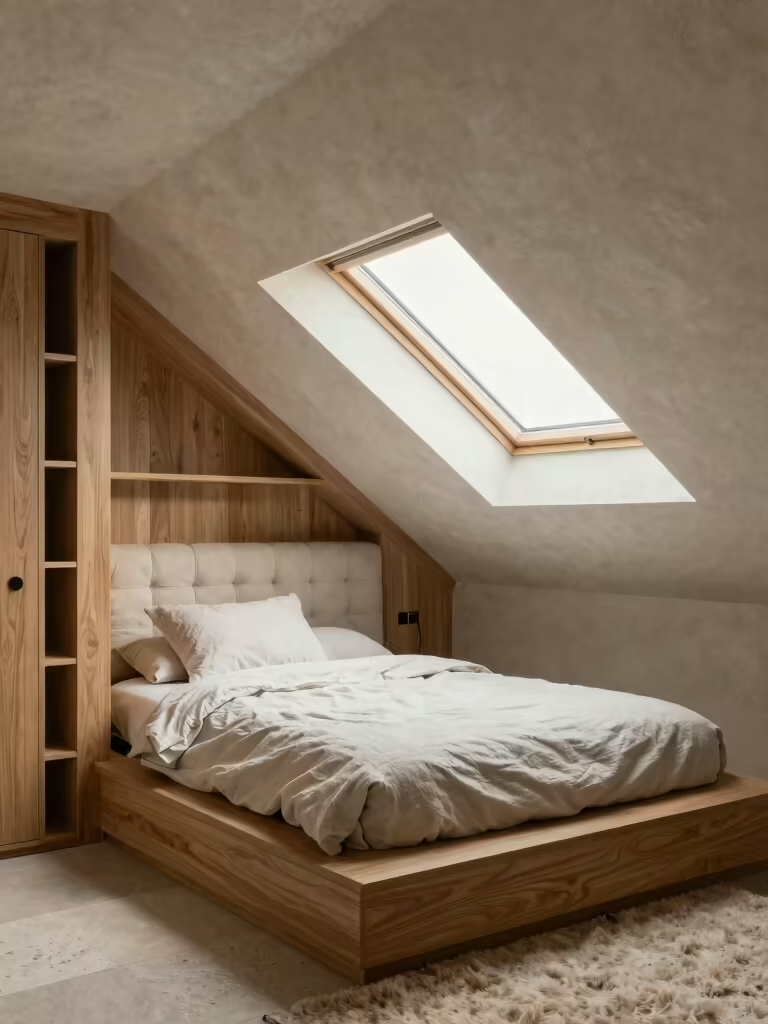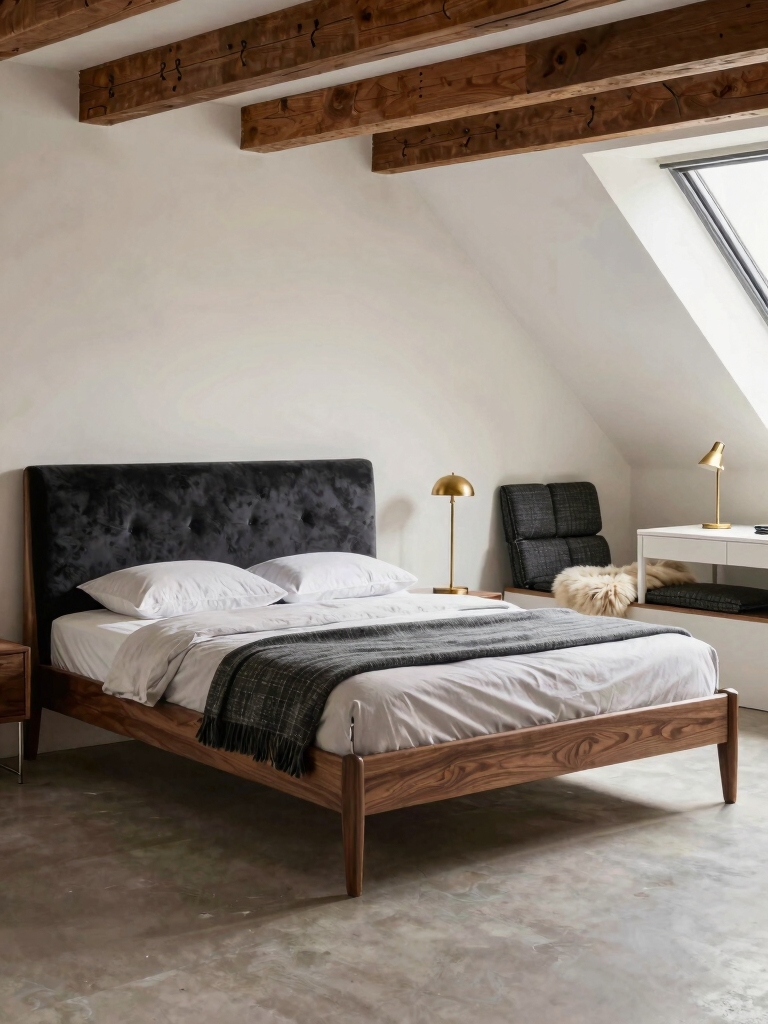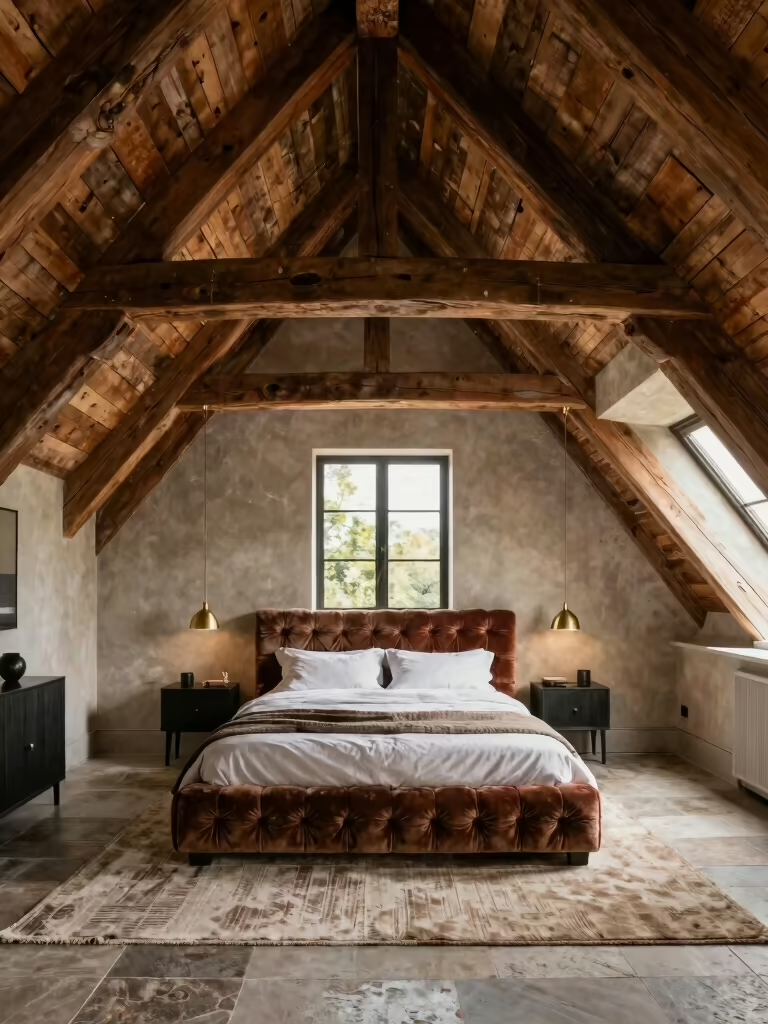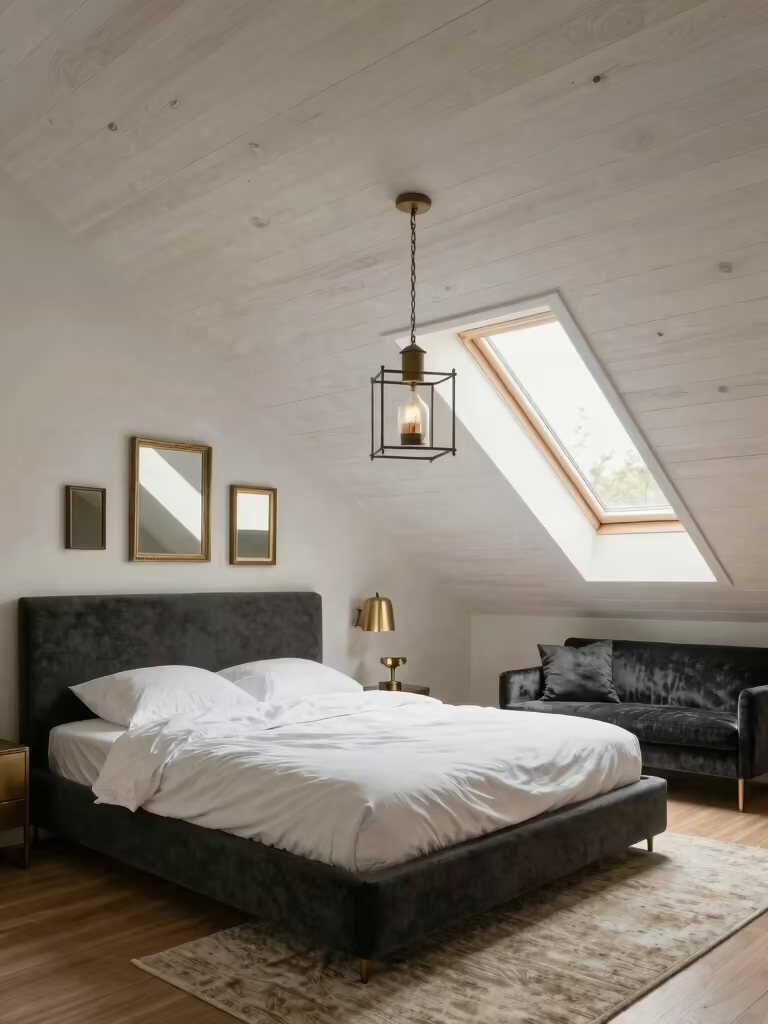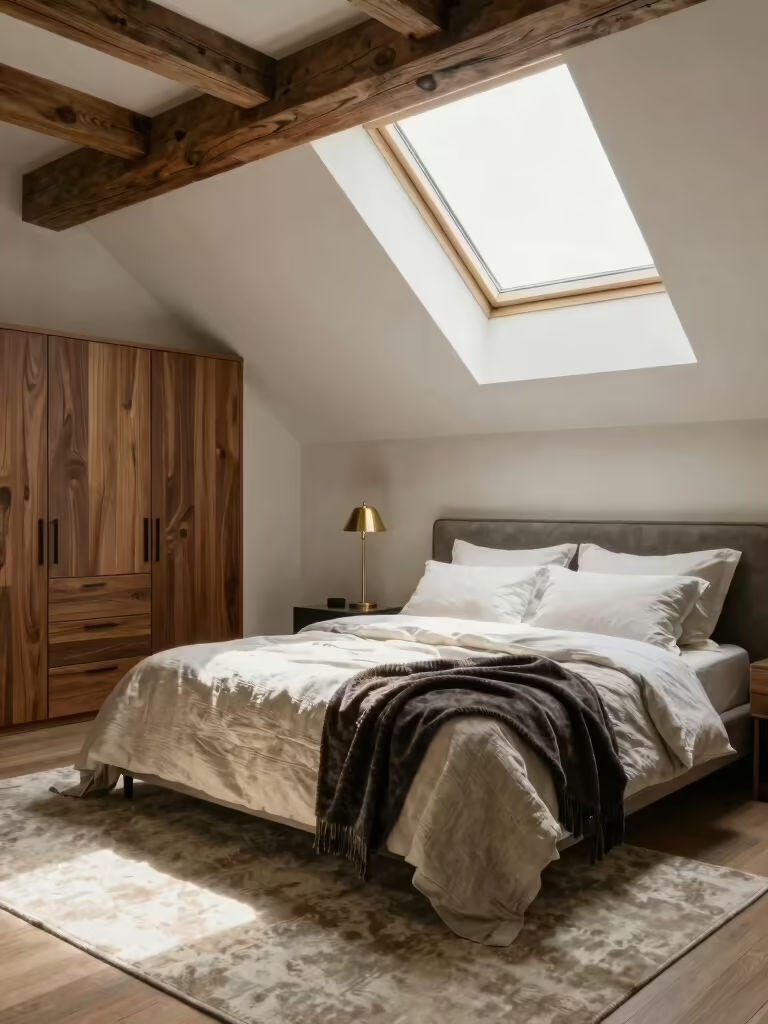

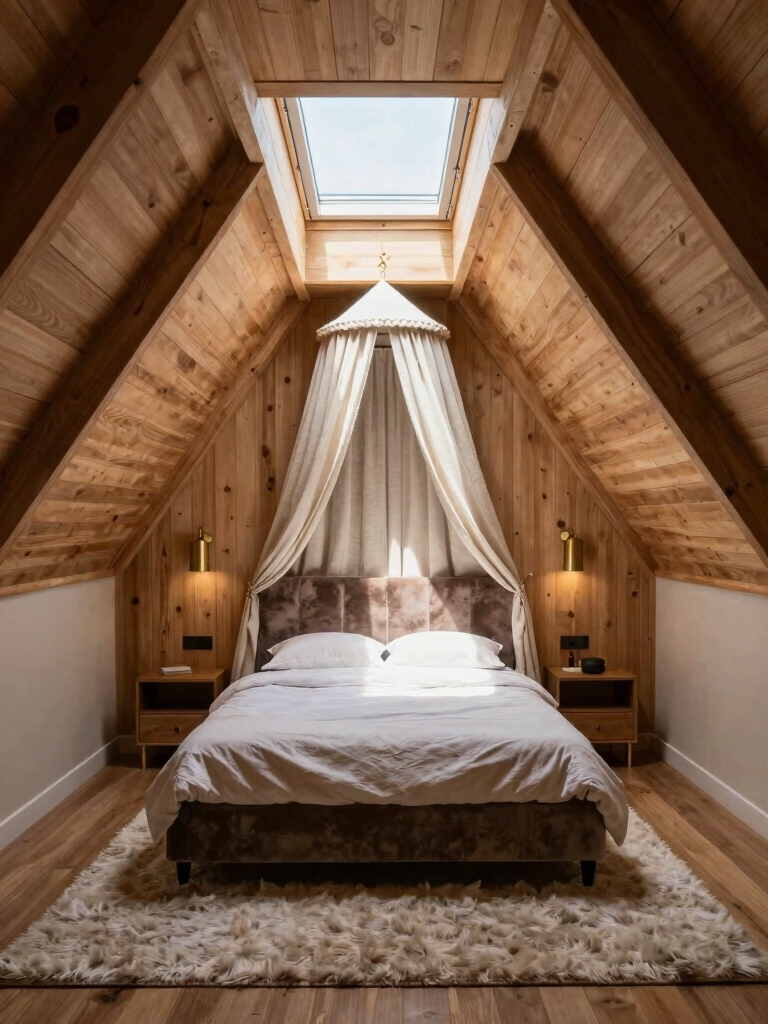
I’ll show you that a low-ceiling attic can feel cozy, bright, and brilliantly organized with smart layouts, light textures, and clever storage. Think warm neutrals, mirrors, skylights, and sheer curtains to bounce light in. Plan headroom first, map ceiling lines, and keep sightlines clear. Use vertical storage, hidden wardrobes, and multi-purpose furniture to free floor space. DIY accent walls heighten height perception, and layered lighting seals the deal. Want more tips to keep going? I’ve got you.
Why a Low-Ceiling Attic Can Still Feel Cozy
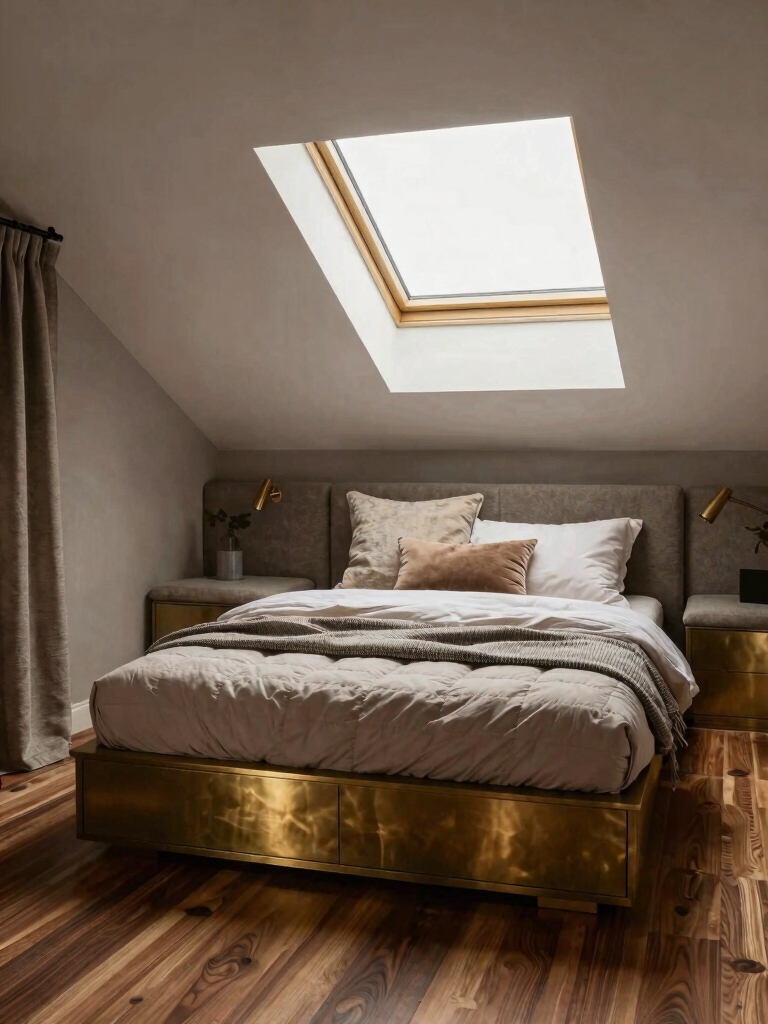
Low ceilings don’t have to feel like a downer; with the right tricks, a compact attic can read as cozy, not cramped.
I’ve learned that color, lighting, and smart storage steal space back. I choose low-profile furniture, mirrors to bounce light, and warm neutrals for depth.
You’ll notice the height doesn’t bite when rhythm, scale, and intention steer the room.
Incorporating design elements from charming attic bedroom ideas can transform even the smallest space into a stylish retreat.
Plan for Headroom: Critical Layout Principles for Attics
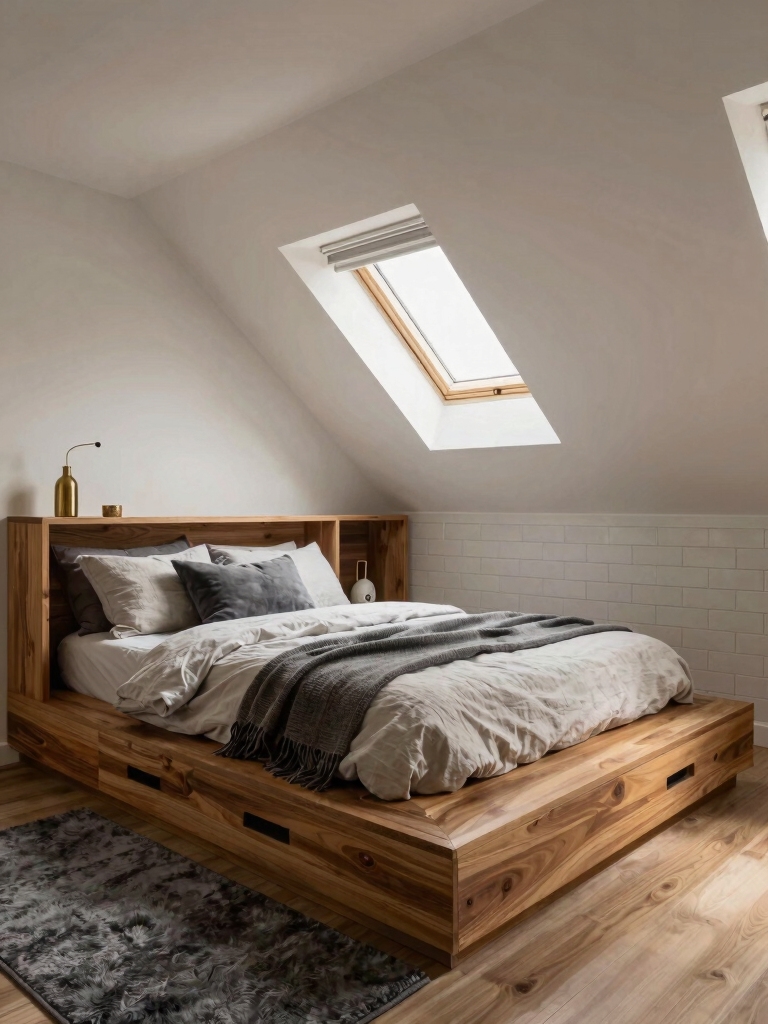
Let me walk you through Headroom Planning Essentials so you can actually use the space above your head.
I’ll cover attic ceiling clearance tips and how to spot slope constraints without turning your project into a math problem.
Together, we’ll map a layout that respects those angles while keeping the room livable and comfy.
Maximizing this dead space can transform your attic into a cozy and functional bedroom.
Headroom Planning Essentials
When you’re planning an attic, headroom isn’t just a nice-to-have—it shapes every layout decision. I map ceiling lines first, then place essentials where you’ll actually move through spaces.
I favor clear sightlines, avoid tight choke points, and reserve a comfy zone for sleeping or lounging. Practical thinking beats glamorous hacks; function quietly drives the coziness you’ll feel daily.
Attic Ceiling Clearance Tips
Ceiling clearance isn’t just about fitting a bed and a dresser; it shapes every move you’ll make up there.
I’ll share practical cues that keep you nimble and comfy, without turning every corner into a wrestling match.
- Plan door swing and obstacle-free zones for smooth strides
- Choose low-profile furniture and wall niches to save space
- Mark head-height lines to prevent accidental ceiling hugs
Layout for Slope Constraints
Slope constraints don’t have to cramp your style; with smart planning, you’ll turn low ceilings into living, breathing space.
I map slopes into usable zones: keep beds and seating under the tallest point, place storage along the slope’s shallow parts, and use low-profile furniture to avoid crowding.
Let headroom guide, not nag, and design feels effortless.
Create Ceiling-Branching Beds to Add Visual Height
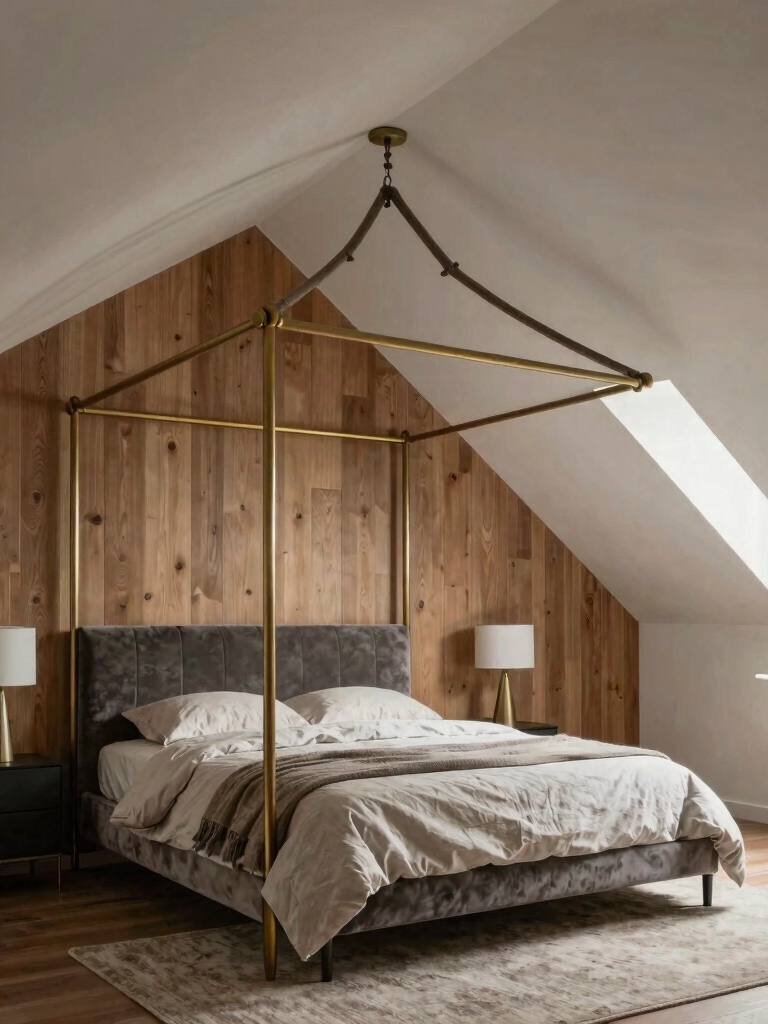
I’m curious how ceiling-branching beds can instantly lift the room’s feel, so I’ll map out simple layouts and the visual height tricks they reveal.
We’ll use the Ceiling-Branching Beds Guide to shape cozy loft nooks, then mix in practical height-illusion tips that don’t crowd the space.
If you’re chasing a smarter attic, this approach keeps it airy, functional, and still restful.
Incorporating sloped ceiling design principles can enhance the charm and usability of your attic bedroom while maximizing space.
Ceiling-Branching Beds Guide
If you’re short on height but crave a roomy feel, a ceiling-branching bed could be the clever shortcut you didn’t know you needed.
I guide you through choosing, installing, and styling safely, so space breathes without headaches.
- Visual lift with a low, pointed canopy and exposed rafters
- Slim posts, sleek rails, and soft lighting to emphasize height
- Clear floor space beneath for circulation and a calmer vibe
Visual Height Techniques
Ceiling-branching beds are my favorite cheat for adding visual height without knocking down walls.
I mix low-profile platforms with sloped-ceiling psychology, guiding your eye upward through vertical headboard accents and tucked-away lighting.
Keep the lines clean: avoid bulky frames, lean into color echoes, and let shelving tip the gaze skyward.
Practical, witty, and surprisingly effective for cramped attic vibes.
Lofty Sleep Nook Ideas
Lofty sleep nooks are my favorite way to steal ceiling drama without tearing down walls.
I’ll show you ceiling-branching beds that feel lofty yet cozy, thanks to smart framing and low-profile storage. You’ll gain visual height without major renos, and sleep tight with clever lighting.
- Floating canopy illusion with tapered posts
- Built-in shelves rising beside the bed
- Under-bed drawers and hidden lighting for depth
Vertical Storage Ideas That Free Floor Space
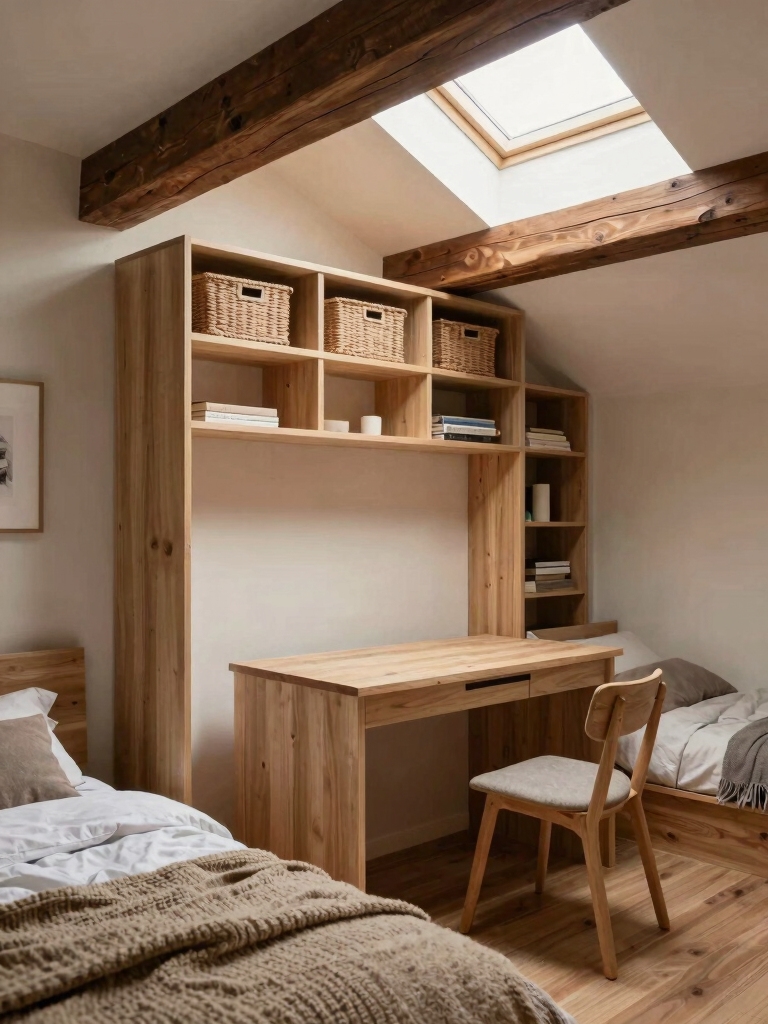
Vertical storage is the secret to freeing up precious floor space in a small attic bedroom, and I’m here to show you how to stack smartly instead of stacking messy.
I swap bulky hampers for hanging shelves, compress under-bed bins, and use tall slim towers.
Every nook scales, drawers glide, and clutter vanishes without wrecking style or airflow.
Practical, witty efficiency.
Incorporating DIY ideas can transform your small bedroom into a functional and stylish retreat.
Smart Wardrobe and Closet Designs for Tight Attics
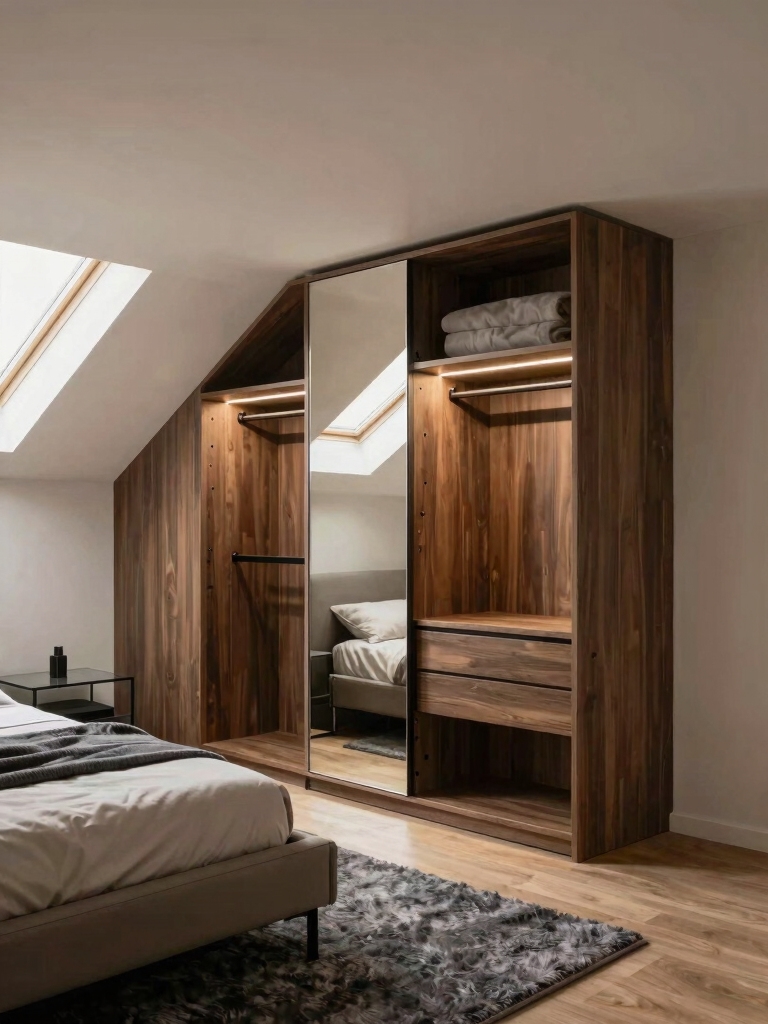
I’ve learned that in tight attics, every inch counts, so I’ll show you how to maximize narrow space with smart wardrobe layouts.
We’ll explore hidden wardrobe solutions, from recessed rails to concealed shelving, so you barely feel the footprint.
And I’ll nitpick sliding door efficiency to keep doors from knocking into beams while you actually reach your clothes.
In fact, incorporating space-saving ideas specifically designed for really small bedrooms can transform even the coziest attic into a functional retreat.
Maximizing Narrow Space
When space is tight, every inch counts, so I’ll show you smart wardrobe and closet designs that actually fit in a narrow attic without feeling like a closet maze.
- Slide-out rails maximize hanging space without widening the room.
- Tiered shelving and slim drawers use every nook.
- Overhead cabinets + mirror fronts visually expand the area.
Hidden Wardrobe Solutions
Hidden wardrobes aren’t just clever hacks; they’re the secret sauce that makes tight attics feel honest-to-goodness livable.
I’ve leaned into smart designs that pack shelves, rods, and totes into odd nooks, using pull-out organizers and low-profile rails to maximize every inch.
You’ll love modular systems, mirrored doors, and hidden hampers—simple, sturdy, and quietly transformational for small spaces.
Sliding Door Efficiency
Sliding doors aren’t just sleek blurbs in a catalog; they’re the turbocharged secret to making a tight attic feel vertical, not claustrophobic.
I guide you through smart wardrobe tweaks that maximize space, accessibility, and airflow without sacrificing style.
- Pocket doors that vanish when opened
- Lighter, mirrored panels to reflect light
- Vertical organizers with modular shelves
Skylights and Windows to Flood the Attic With Daylight
Skylights and big windows aren’t just about brightening a cramped attic; they’re about making the space feel alive.
I’d pick well‑insulated panes and proper placement to flood the room without overheating. Let in morning sun while shading hottest hours.
Use light colors and minimal frames to maximize perception of height, then pair with sheer curtains for soft, practical diffusion.
Your loft breathes brighter.
Incorporating creative attic bedroom ideas can transform unique low-ceiling spaces into functional and cozy retreats by embracing the architectural angles and maximizing natural light through angled ceilings.
Built-In Benches and Study Nooks That Tuck Away
If you want a place to curl up with a book or stash blankets without stealing square footage, built‑in benches and tucked‑away study nooks are your secret weapon.
I design them to vanish into walls, yet sing when used, so you feel organized and cozy without effort.
- Hidden storage under seat lifts
- Quiet, lighted reading corner with a chair
- Slim desks that fold away neatly
Incorporating multifunctional furniture like these helps in maximizing small spaces efficiently while keeping the room stylish and practical.
Multi-Functional Furniture That Saves Inches
I’m all about compact multi-use pieces that pull double duty without pulling your hair out.
Imagine space-saving tricks that turn one piece into two or three—and still look sharp.
Let’s explore real solutions that keep inches free and your attic breathing easy.
Incorporating modern bedroom ideas specifically designed for small rooms can enhance both style and functionality in your attic space.
Compact Multi-Use Pieces
When space is tight, every inch counts, so I reach for multi-use pieces that pull double duty without pulling the rug out from under the room.
I love compact furniture that earns its keep, like hidden storage, foldables, and convertible surfaces.
- Nested ottoman with lift-top storage
- Wall-mounted desk that folds to a sleek shelf
- Sofa bed with recessed arm storage
Space-Saving Furniture Tricks
Small attic spaces demand clever gear, so I’m sticking with the idea of multi-functional furniture that earns its keep.
I grab a bed with drawers, a desk that folds into a wall nook, and ottomans doubling as stairs or storage.
Space-saving tricks keep clutter down, airflow up, and mood bright.
Practical, witty, and relentlessly efficient—you’ll love the inches preserved.
Reflective Surfaces to Bounce Light Around
Reflective surfaces can work wonders in a tight attic bedroom, making the space feel brighter and larger without a single extra inch of wall.
I’m showing you simple, practical tricks that reflect light without shouting design. Trust me, these small choices multiply daylight and openness.
- Install mirrored wardrobe doors to double the glow
- Use glossy paints on walls and ceiling for bounce
- Choose metallic accents and light-reflecting surfaces
Incorporating slanted walls into your design can enhance the unique charm of your attic while maximizing light reflection.
Zoning Tricks to Keep an Attic Clutter-Free
Zoning tricks turn a cramped attic into a calm, organized retreat.
I’ll guide you through smart zones—sleep, storage, study—so clutter never crashes the party.
I use clear boundaries, compact furniture, and labeled bins that actually get used.
You’ll reserve floor space with wall-mounted solutions, keep odds and ends tucked away, and enjoy a calmer, focused nook without sacrificing charm or function.
Incorporating clever storage solutions can maximize every inch and keep your attic bedroom tidy.
Calm Color Palettes That Visually Expand the Room
Ever wonder why some attic nooks feel airy while others squash you in?
I’ll coach you through calm color palettes that visually expand a room without shouting. Soft neutrals with cool undertones, airy whites, and pale blues trick the eye. Subtle contrast keeps depth, not drama, and mirrors bounce light like a champ.
- Soft gray walls with white trim
- Off-white ceiling, pale blue accents
- Light wood floors, minimal furniture
Textures and Patterns That Suit a Low Ceiling
Textures and patterns can make a low ceiling feel taller, so I’m sticking to elements that draw the eye upward and add kinetic energy without shouting.
I favor vertical stripes, herringbone floors, and subtle tonal gradients that read as lift, not clutter.
Avoid heavy textures; go light on bold prints.
Pair glossy surfaces with matte walls to keep the ceiling feeling higher.
Creative Use of Eaves and Awkward Corners
Those awkward corners and sloped eaves aren’t dead weight—they’re diamonds waiting to be shaped.
I’ll show you how to turn quirks into charm: choose storage that hugs angles, install built-ins that echo the ceiling’s line, and cozy up with nooks that feel deliberate, not cramped.
- Custom shelves tucked into eaves for hidden storage
- Low-profile desks fitting under angles without crowding
- Labeled bins that align with slants for tidy pops
Lightweight, Low-Profile Furniture for Airy Feel
When I’m outfitting an attic bedroom, I reach for lightweight, low-profile pieces that keep sightlines open and the room feeling airy.
Think slim desks, floating shelves, and bedframes that don’t crowd the ceiling—these choices also boost visually spacious results.
I’ll show you practical space-saving tips and how to choreograph airy visuals with smart heights and tidy, easy-to-move furniture.
Lightweight, Low-Profile Furniture
If you want an airy feel in a small attic, start with lightweight, low-profile furniture that won’t crowd the ceiling line.
I pick pieces that breathe and move, not cling to walls.
- Slim sofas with exposed legs for visual space
- Nesting tables to tuck away when not in use
- Floaty, wall-mounted shelves not stealing floor room
Airy Room Visuals
Slim, light-footed furniture keeps an attic from feeling boxed in, so I start with pieces that breathe and move.
I favor low profiles, glass accents, and open shelving to keep sightlines clean. Mirrors bounce light, while soft neutrals reflect it.
I shuffle around layouts, not crowds, letting airy gaps guide function. Practical, witty, and ever mindful of space.
Space-Saving Assembly Tips
Lightweight, low-profile pieces let an attic feel airy, so I start with furniture you can lift, slide, and stash without a second thought.
I share tips you’ll actually use: assembly should be quick, tools minimal, and parts labeled.
- Packaged in clear bags, not mystery bags
- Modular beams snap, don’t screw
- Drawer slides pre-oiled for silence
Noise-Control Tips for a Peaceful Attic Retreat
Noise leaks and creaks don’t have to ruin your quiet retreat; I’ve found a few simple swaps that actually work.
I’m starting with door sweeps and weatherstripping to seal gaps, then layering rugs to muffle footsteps.
Use earbuds with white noise, and mount soft-close hinges for cabinets.
Consider acoustic panels behind a headboard—subtle, effective, and surprisingly stylish.
DIY Accent Walls That Visually Heighten the Space
Accent walls aren’t just decorative; they’re height tricks you can pull with paint, texture, and a quick layout rethink.
I’ll guide you—practical, playful, and spoiler-free for the next section—to visually lift a cramped space without overpowering it.
- Pick a vertical pattern or elongated stripe that draws the eye upward
- Use a matte base with a satin accent for subtle contrast
- Apply lighter trim to expand the ceiling line
A Practical Lighting Plan for Every Hour of the Day
Now that we’ve primed the space with a smarter accent, let’s map light to mood and hour by hour.
I guide you: soft blues for morning tasks, warm whites at midday, gentle ambers during late work, then dimmed, cozy glow for evenings.
Use layered lamps, dimmers, and task spots to maximize height perception while keeping the attic vibe practical and witty.
Before-and-After Checklist: Transforming a Low-Ceiling Attic Bedroom
Sure—let’s map out a tight, practical checklist for turning a low-ceiling attic into a comfy sleep space.
I’ll guide you with honest steps, no fluff, just enough swagger to keep it fun.
- Measure headroom and choose low-profile furniture that maximizes floor space
- Trim colors and lighting to visually expand the room
- Plan a multi-use layout with smart storage and tidy zones
Quick-Start Checklist: What to Implement This Week
This week’s quick-start plan picks up right where we left off: we’re turning the low-ceiling attic into a comfy sleep space with practical, fast wins.
I’ll tackle essentials first—clear the clutter, mount space-saving shelves, and swap bulky lamps for wall-mounted lighting.
Prioritize soft textiles, a compact bed, and dual-purpose furniture. You’ll see instant coziness without overhauling the room.
Ready? Let’s go.
Conclusion
I once carved out a tiny attic nook for my sister, who swore the ceiling hugged her like a dare. After a few smarter tweaks—vertical storage, light colors, and a bed that fans out the space—she called it her “secret sky.” Fact: low ceilings don’t doom a room; they sharpen your choices. So don’t wait for a bigger footprint—work with what you’ve got: clever lighting, vertical lines, and a few well-placed mirrors. Your cozy, airy attic awaits.