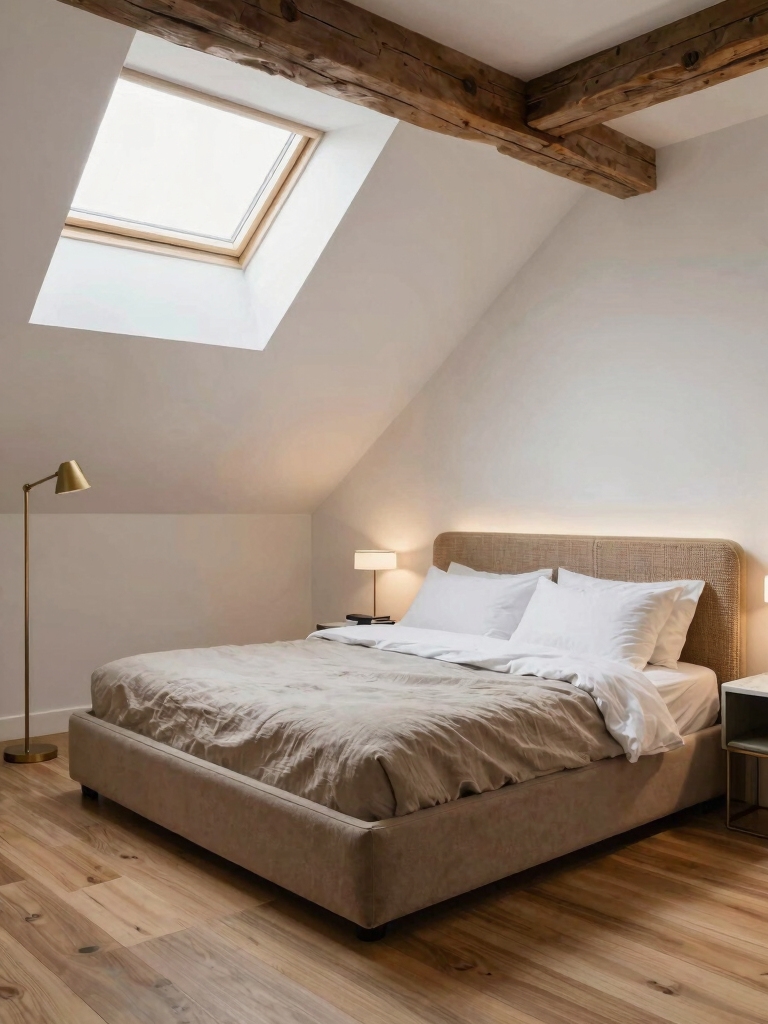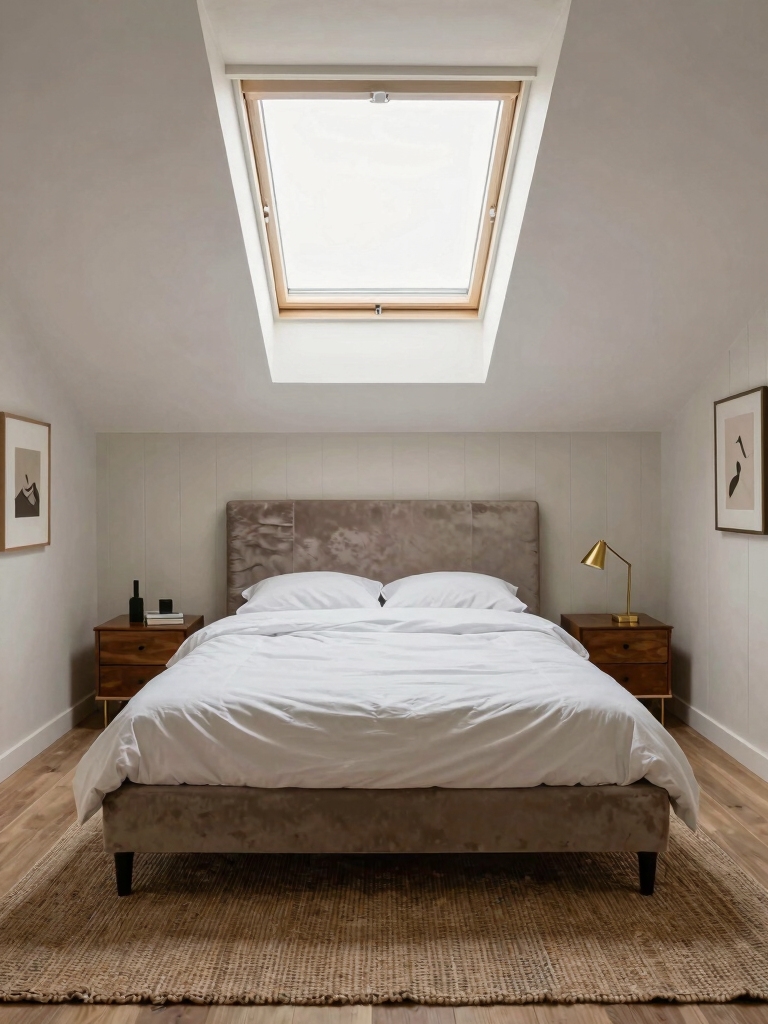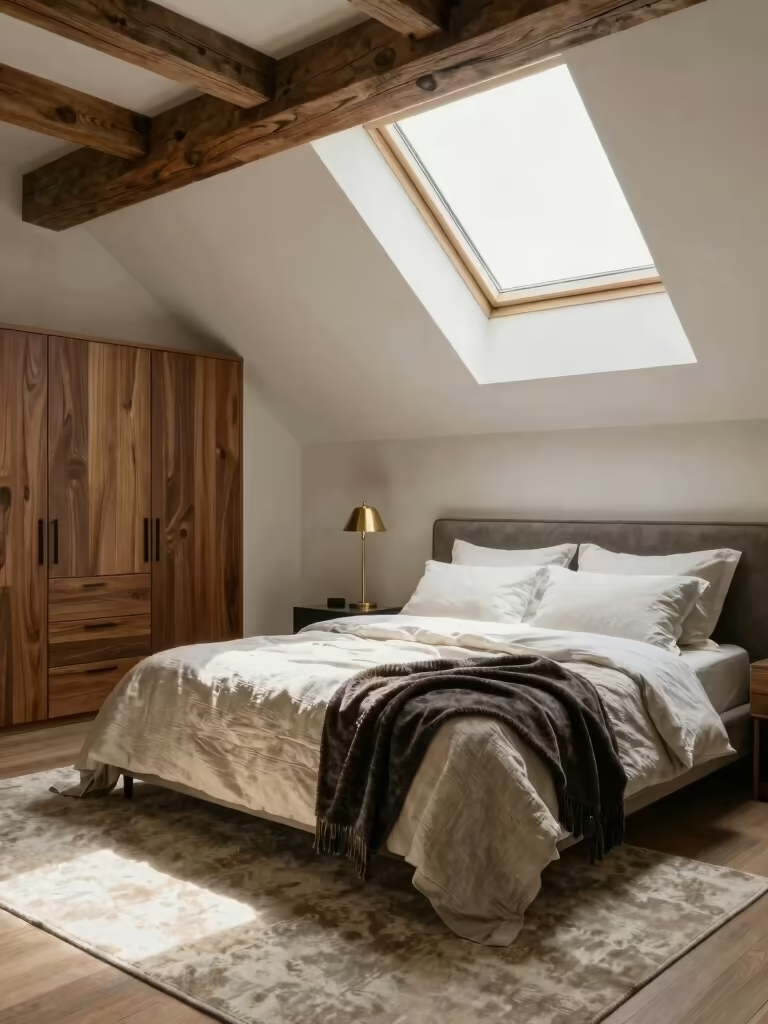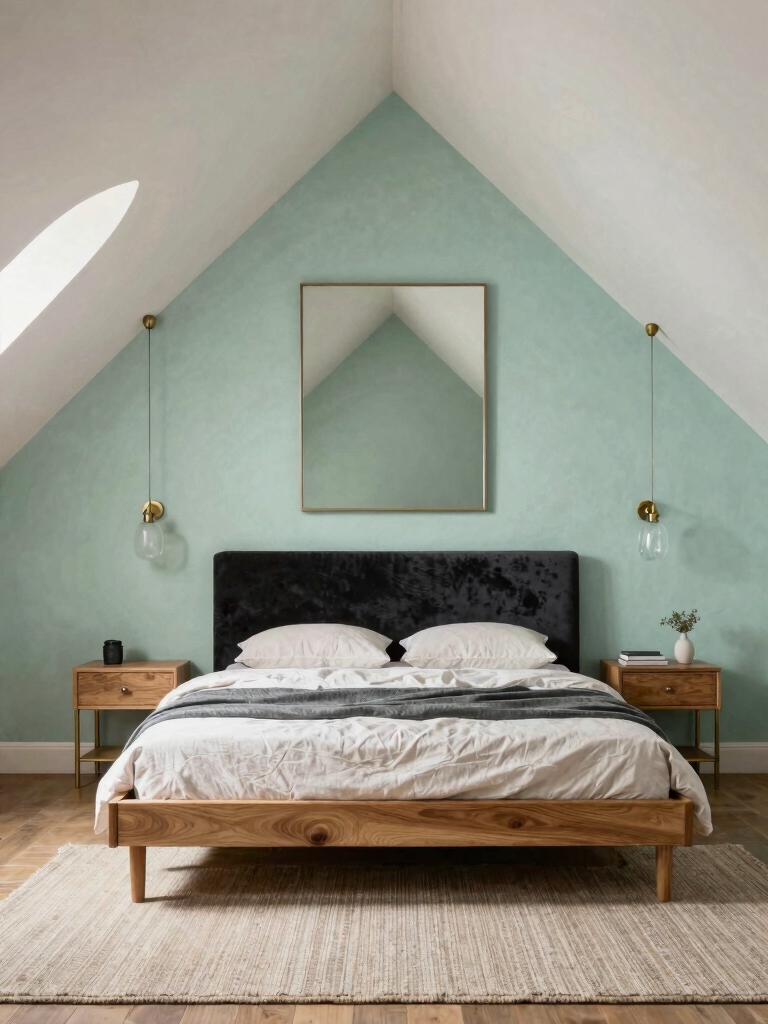

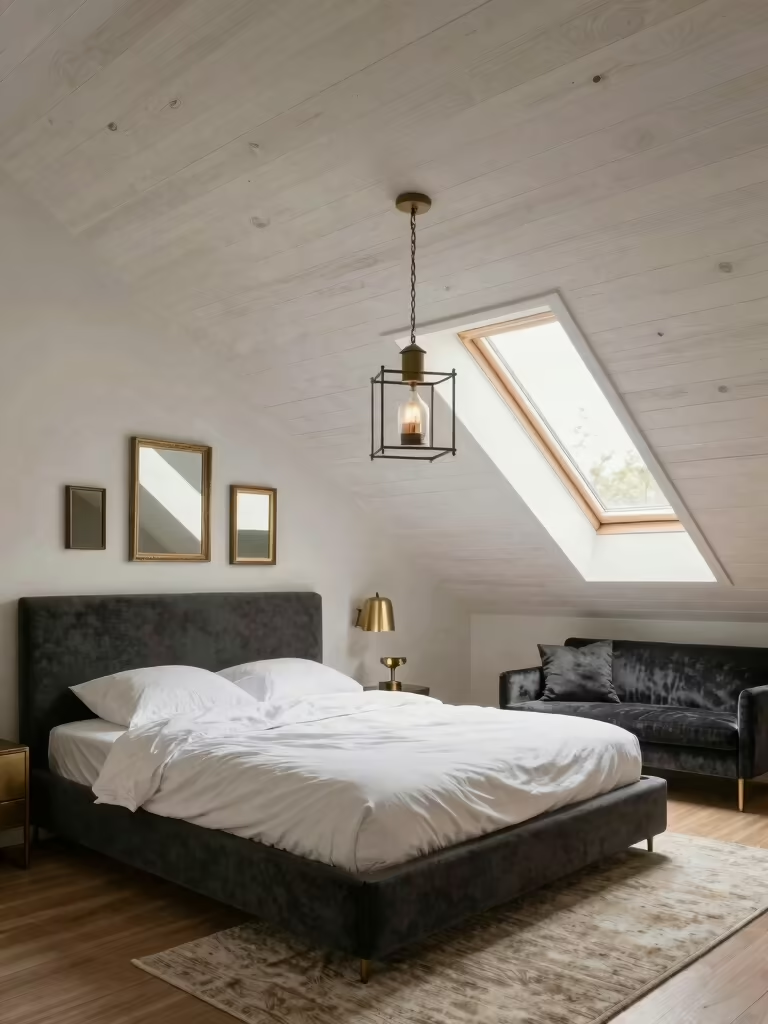
Here’s the reframe that changes everything: a slanted wall is a feature, not a flaw. The same angle that makes furniture-shopping tricky is what gives an attic its tucked-in, architectural character no boxy room can buy. Once you design with the slant instead of around it, the quirk turns into the best thing in the room.
These attic bedroom ideas lean all the way into that. We’ll use the slant to channel light, frame the bed, and carve out nooks that a square wall could never offer, with the cost and the reasoning spelled out. Treat the angle as the star, and your attic stops apologizing for itself and starts showing off.
Make the Slant Work for You
| The slant gives you | Use it for | Rough cost |
|---|---|---|
| A natural light funnel | A skylight or window that floods the room | $0 to style; skylight is a pro job |
| A built-in-shaped cavity | Custom shelves and drawers that look high-end | $150 to $400 per run |
| A sheltering low corner | A reading nook or a tucked-in bed | $50 to $200 to furnish |
| A dramatic ceiling line | An accent paint color or beams as a feature | $40 to $70 a gallon |
Cozy, Intentional Attic Design
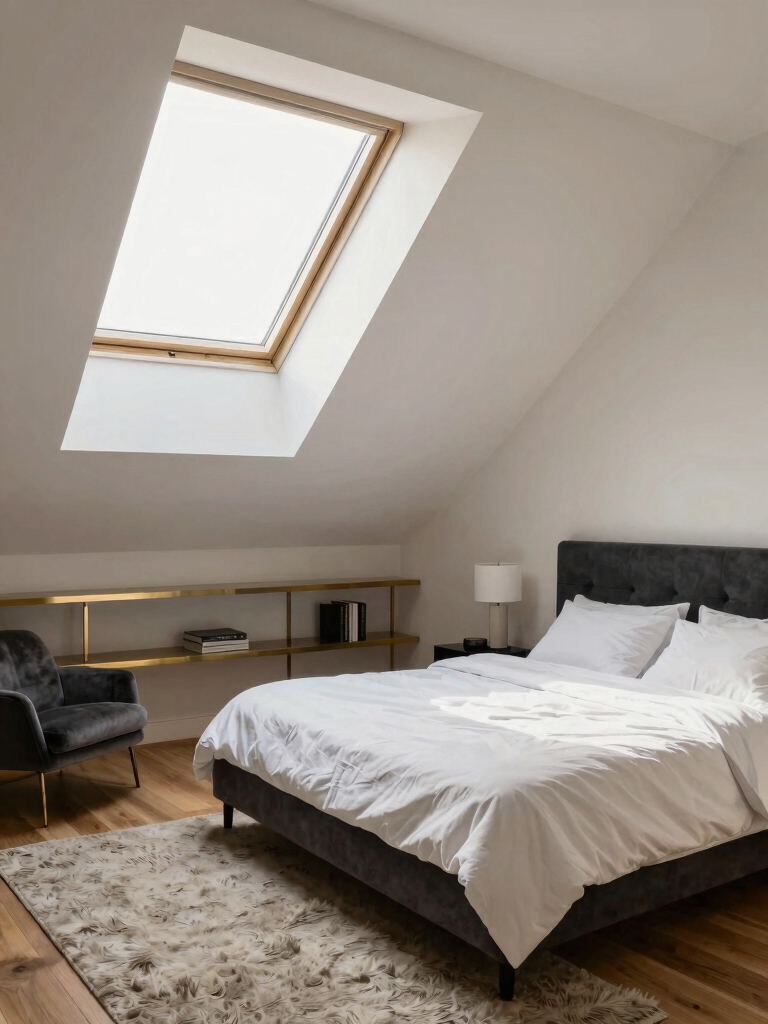
The first shift is mindset: treat the slant as the room’s signature from the start. Designers do this on purpose. They lean into the angles to make a space feel composed and characterful, treating the slope as the room’s strongest line. A room that owns its slope looks like architecture; one that fights it looks like a compromise.
Once you commit to the angle, your choices get easier. You scale furniture low to sit under the slope, run vertical lines to play up the height you do have, and let the ceiling’s drama become the focal point. The room ends up feeling deliberate, the kind of space that looks designed on purpose. For working with the geometry, see my [angled-ceiling attic ideas](attic-bedroom-ideas-angled-ceilings-made).
- Decide the slant is the feature, then make every other choice support it.
- Keep furniture low so the angle stays the most interesting line in the room.
- Play up the height with vertical accents so the eye travels up the slope.
Enhancing the Natural Light Flow
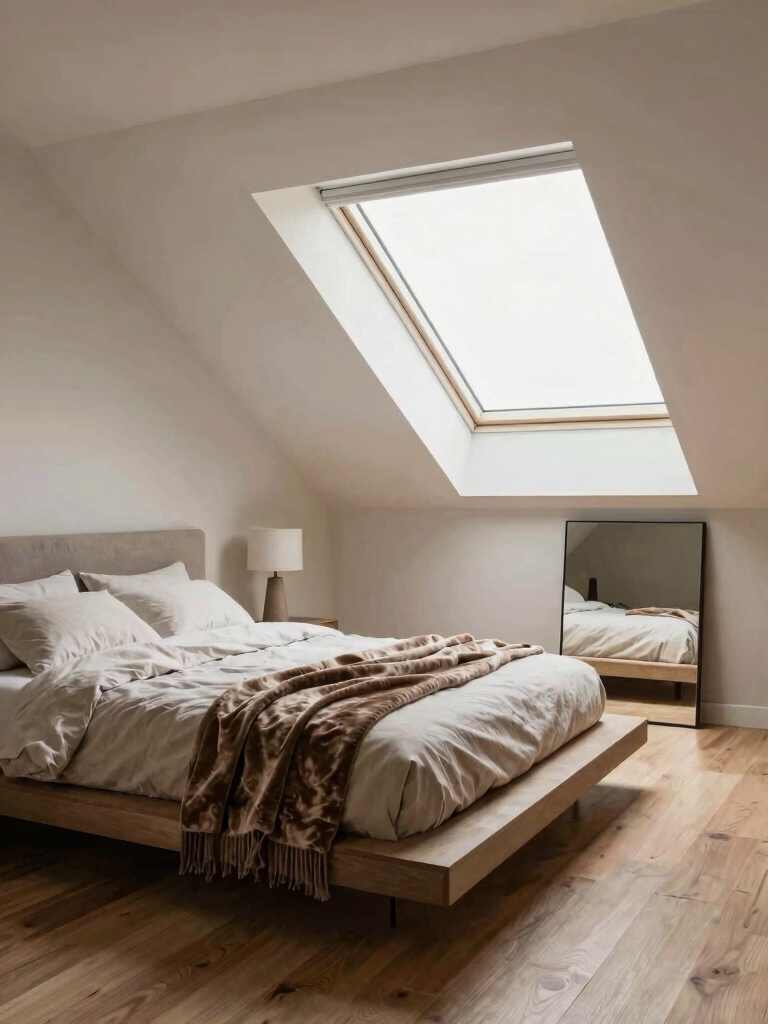
A slanted wall is a built-in light funnel, which is the slope’s most underrated gift. A skylight or window set into the angle catches the sun and spills it down the incline across the room, spreading daylight farther than a flat-wall window manages. Lean into that: keep the glass clear, choose light fabrics, and let the slope do the work of brightening the space for free.
- Set or keep glazing in the slope itself, where it pours light down the incline.
- Dress the glass with sheer or light shades so privacy never dims the room.
- Stand a tall mirror near the bright wall to send that funneled light deeper in.
👍Designing with a slanted wall
- +The angle funnels skylight deep into the room
- +The cavity behind it is free, built-in-shaped storage
- +The low slope makes a cozy nook a flat wall can’t
👎Worth planning for
- –Standard tall furniture won’t fit under the incline
- –Custom builds cost more than off-the-shelf pieces
- –A skylight or structural change needs a licensed pro
Smart Storage for the Angles
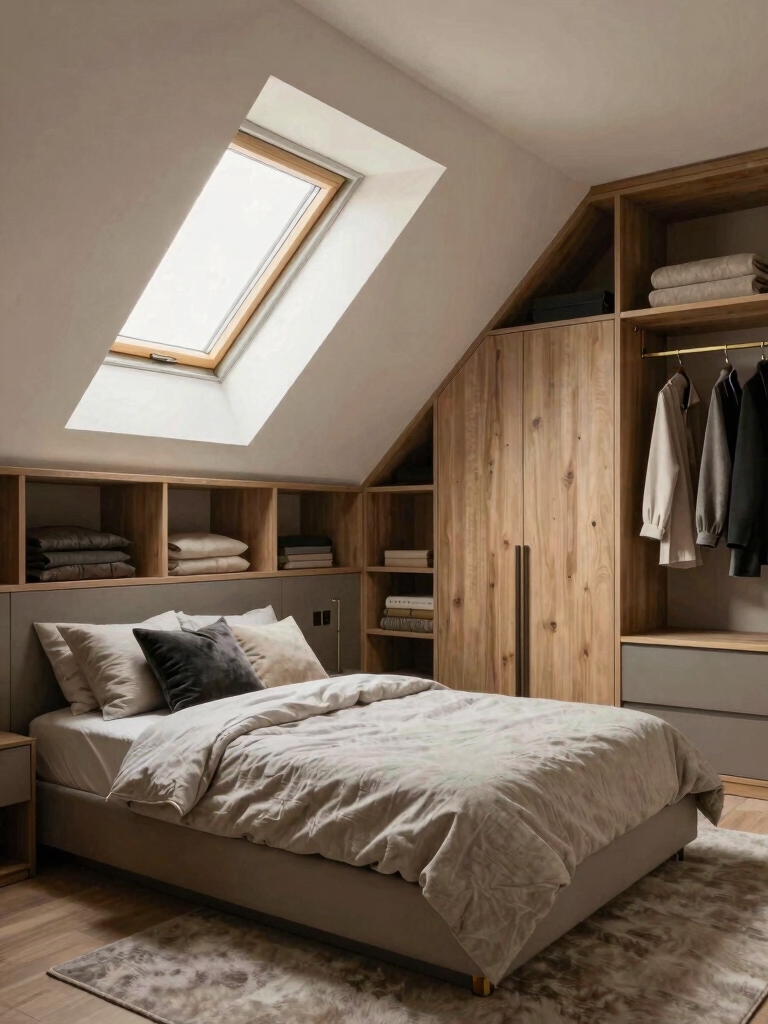
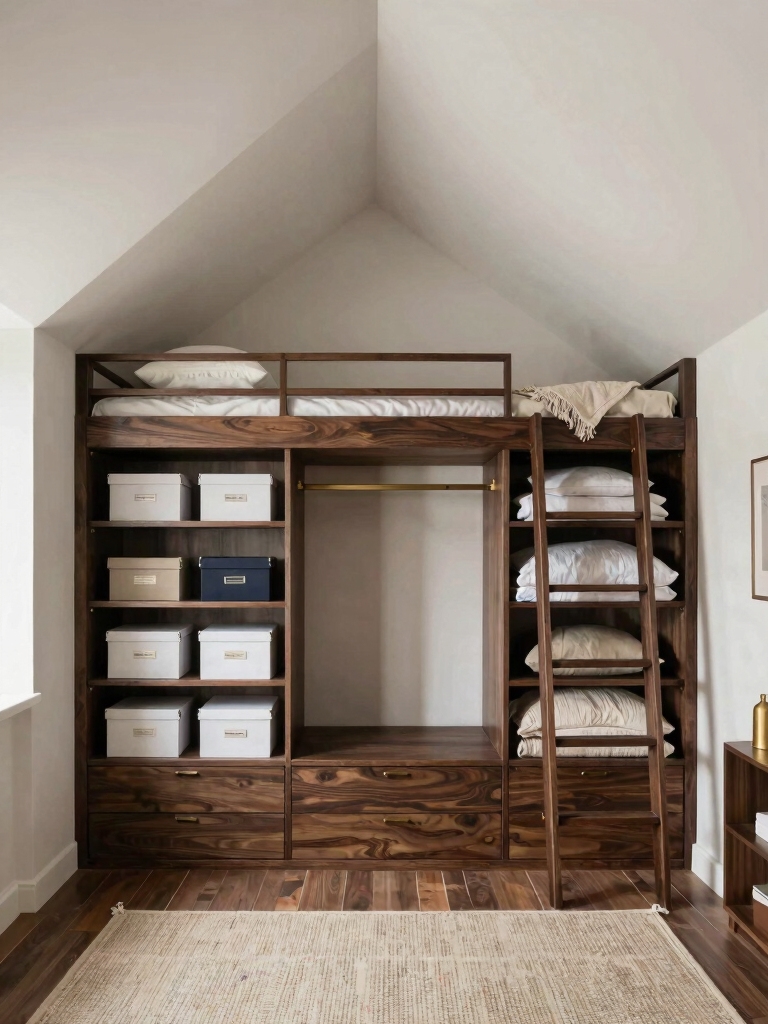
The cavity behind a slanted wall is storage a square room simply doesn’t have, and fitting it out is where the slope quietly pays you back. The triangular space under the incline is the perfect depth for drawers, low cabinets, or shelves cut to follow the angle. Built to the slope, they look like intentional joinery.
Match the storage to how deep the cavity runs. Where the slope meets the floor, shallow pull-out drawers reach into the very tip; higher up, full cabinets or a hanging rail fit. Corner chests and modular units with clear, labeled bins keep daily things in easy reach while the awkward depth swallows the rest. Precision is what makes this feel roomy.
If a custom build is out of budget, fake it. Low freestanding units pushed to the slope, or a row of baskets along the floor line, capture most of the same space for far less money. For systems that hold up, see my [storage ideas that beat clutter](bedroom-storage-ideas-clutter).
A Cozy Retreat Under the Slope
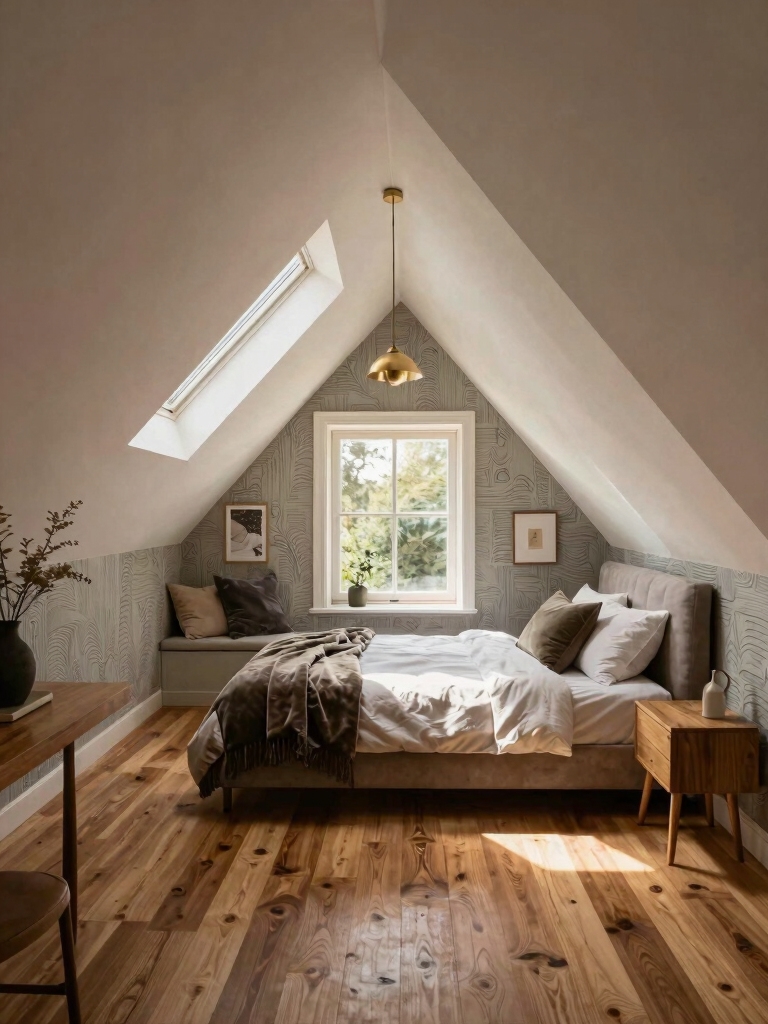
The low crescent of space under a slant makes the coziest nook in the house, because the angle dropping close overhead is exactly what feels sheltering. A square room can’t offer that feeling. The slope hands it to you free. Tuck a low chair or a window seat into the spot, add a warm throw and a small lamp, and a corner that looked useless becomes the place you actually want to sit.
Turn the Low Corner Into the Best Seat
Keep the nook scaled to the space so it feels snug and intimate. One chair-width, a slim side table, and a light to read by are plenty; the slope supplies the intimacy for free. A floor cushion and a stack of books work just as well where a chair won’t fit under the incline.
Light the nook on its own so it feels like a deliberate little zone. A wall sconce or a clip light leaves the floor clear and washes the slope with a glow that plays up the angle. My [bedroom lighting ideas for mood](bedroom-lighting-ideas-mood) cover placement where a tall lamp won’t fit.
What does your slanted wall want to be? Match it:
🎯It faces the sun
Make it a light funnel: glaze the slope and bounce the daylight with a mirror.
🎯It’s a deep, low triangle
Make it storage: fit drawers or cabinets built to the angle.
🎯It’s the lowest corner
Make it a nook or a built-in bed, where you only need to sit or lie down.
Cozy Built-In Attic Beds
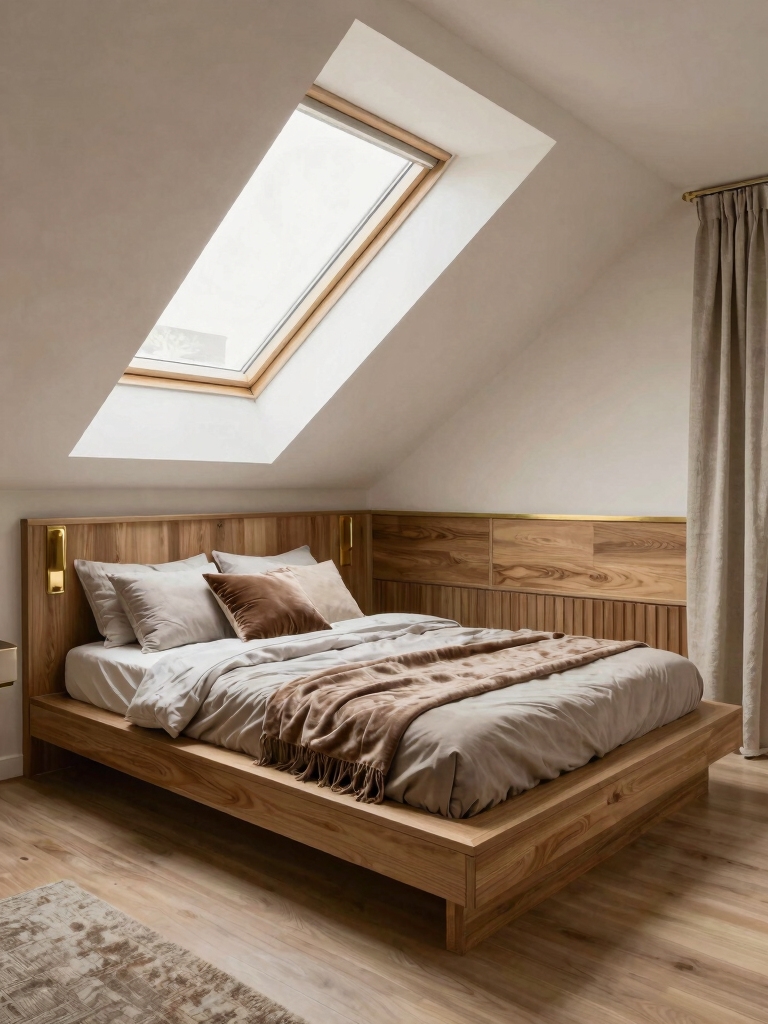
A bed built into the slope is where slanted walls show off most, since the angle wraps the sleeper like a ship’s berth while the rest of the floor stays open. The low side of the room, useless for standing, is the ideal spot to nestle a platform bed. Here’s how to make the built-in look intentional and sleep beautifully.
- Set the platform where the ceiling is lowest, since you only need clearance to sit up at the pillow end.
- Build storage drawers into the base so the bed earns its footprint twice over.
- Run a slim shelf or ledge along the slope beside the pillows for a lamp and a book.
- Dress it in layered bedding so the angle overhead frames a soft, nested look.
Make the Ceiling Line a Feature
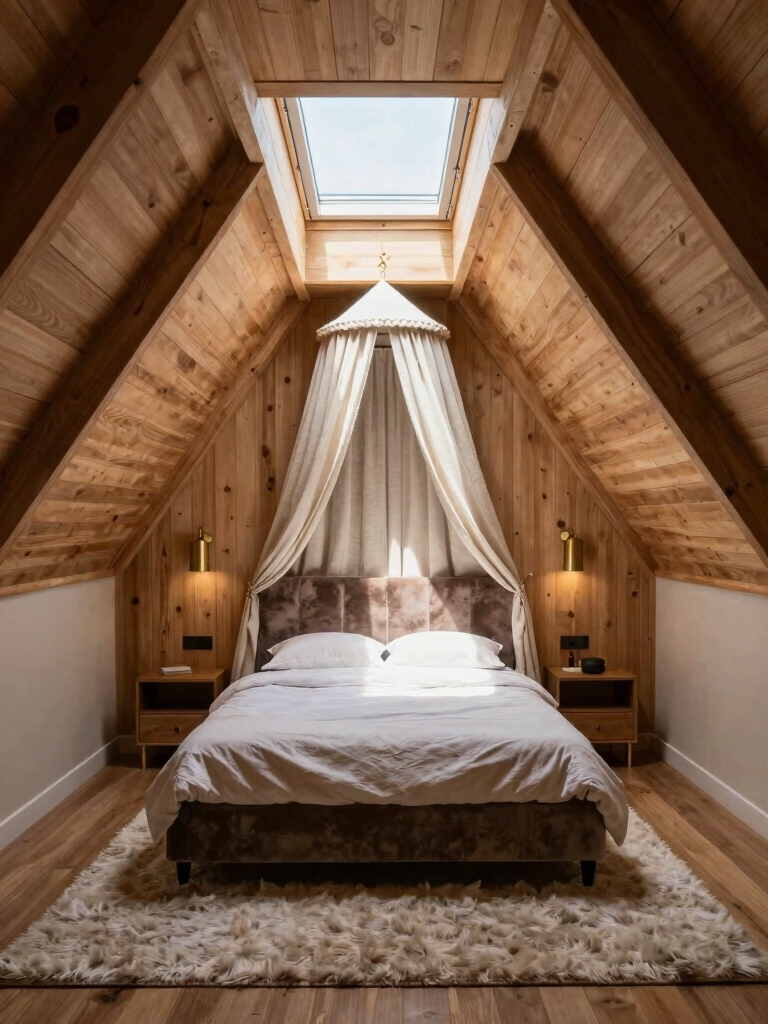
The strongest move with a slanted wall is to celebrate the ceiling line outright. Exposed or added beams trace the angle and turn it into the room’s architecture, giving an ordinary attic a cabin or cottage character. Painting the beams a shade darker than the walls makes them look like a deliberate design choice.
Color is the cheapest way to dramatize the slope. Carrying one continuous tone across the walls and the angled ceiling lets the geometry itself become the feature, while a moody shade up there wraps the room and plays up the cocoon effect. Reserve any bold contrast for the flat gable wall so the slope stays the star. My [attic paint ideas that set the mood](attic-bedroom-paint-ideas-set-mood) walk through the palettes.
Even small touches can frame the angle. A line of pendant lights stepping down the slope, a tall headboard echoing the incline, or art hung to follow the pitch all draw the eye along the line on purpose. The point is to point at the slant. Stop hiding it, and it becomes the thing visitors remember about the room.
Zone the Loft: Sleep, Lounge, and Desk
Slanted walls hand you natural zones, and reading them is how a single odd-shaped room does several jobs at once. The tall center suits standing tasks and a desk; the deepest slope shelters the bed; a dormer or bright corner becomes the lounge spot. The architecture has already drawn the floor plan, so you’re really just furnishing the zones it suggests.
Cue each zone without walls. A rug under the lounge chair, a different light over the desk, and the bed tucked into its slope tell the eye where one area ends and the next begins. This soft zoning keeps the open floor feeling generous while giving the room real function.
Keep the walking path along the tallest line so no one stoops crossing the room. Where you place that path shapes how big the loft feels day to day. For tighter rooms, my [sloped-ceiling loft ideas](attic-loft-bedroom-ideas-sloped-ceiling-need) work through the trickiest layouts.
Budget Upgrades That Punch Above Their Price
Enhancing a slanted-wall room rarely needs a big spend, since the angle is already doing the heavy design work. A coat of paint on the slope, a tall mirror to spread the funneled light, swapped hardware, and a warm lamp in the nook transform the room for well under a couple hundred dollars. These small moves let the architecture shine.
Save the real money for the one or two builds that only the slope makes possible. A custom under-eave drawer run or a built-in bed costs more but reclaims space and looks high-end, so it’s worth phasing in over time. Start with the cheap wins this weekend, add the built-ins later, and the room improves at every step without a single wall coming down.
What to Ask a Pro
Bring in a carpenter or designer for the parts the slope makes specialized, and a clear brief saves you money. Ask which under-eave runs are worth building custom versus faking with freestanding pieces, where a skylight would best catch the sun, and whether the angle hides any structural or wiring surprises. A focused hour of advice can shape the whole project.
Keep the line clear on what’s DIY and what isn’t. Paint, styling, mirrors, and freestanding storage are all yours to handle; cutting into the roofline for a skylight, moving wiring, or any structural change belongs to a licensed pro. Sort the work into those two buckets up front, and the enhancements go smoothly start to finish.
Let the Angle Be the Star
A slanted wall stops being a problem the second you decide to design with it. Use the slope to funnel light, fit its cavity with storage, tuck a nook or a bed into the low corner, and dramatize the ceiling line on purpose. Do that and the angle everyone else apologizes for becomes the feature that makes your attic memorable.
Pick the one slant in your room that bugs you most and give it a job this weekend; you’ll wonder why you ever wanted it gone.