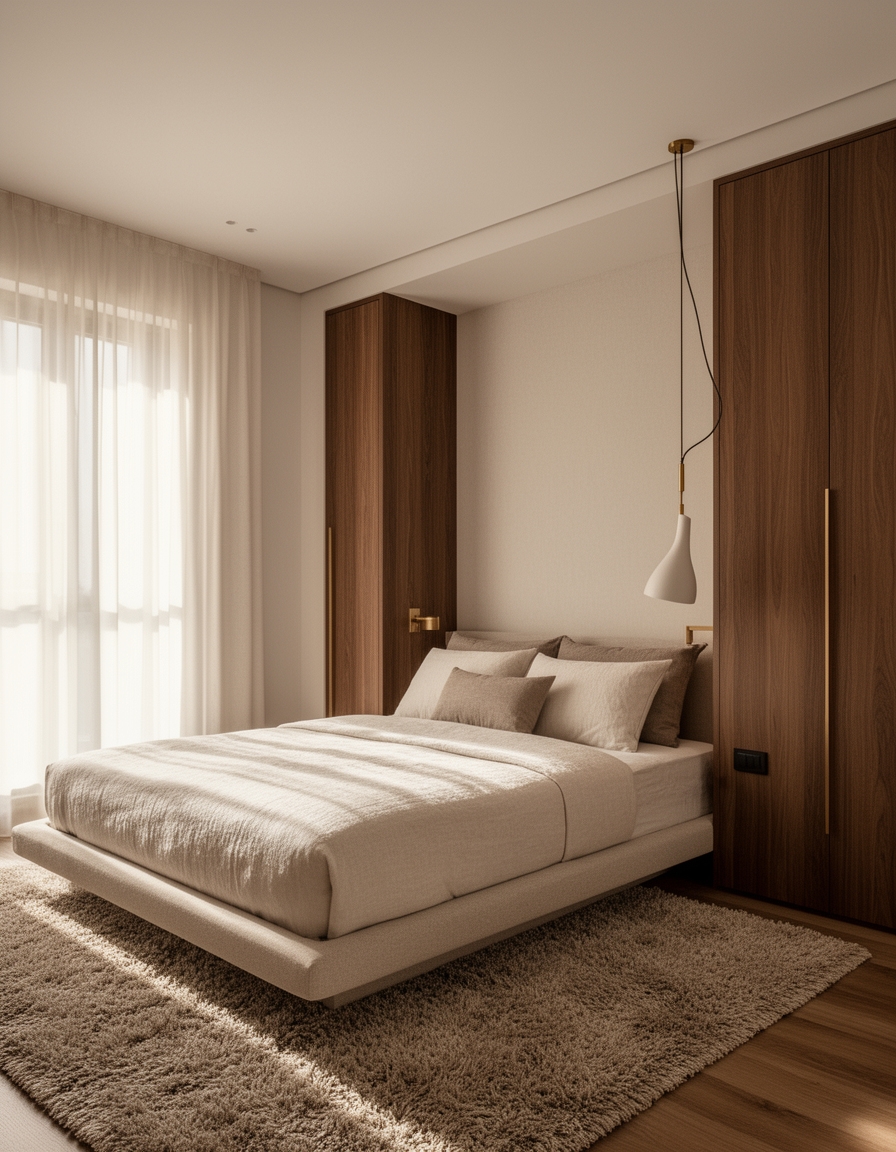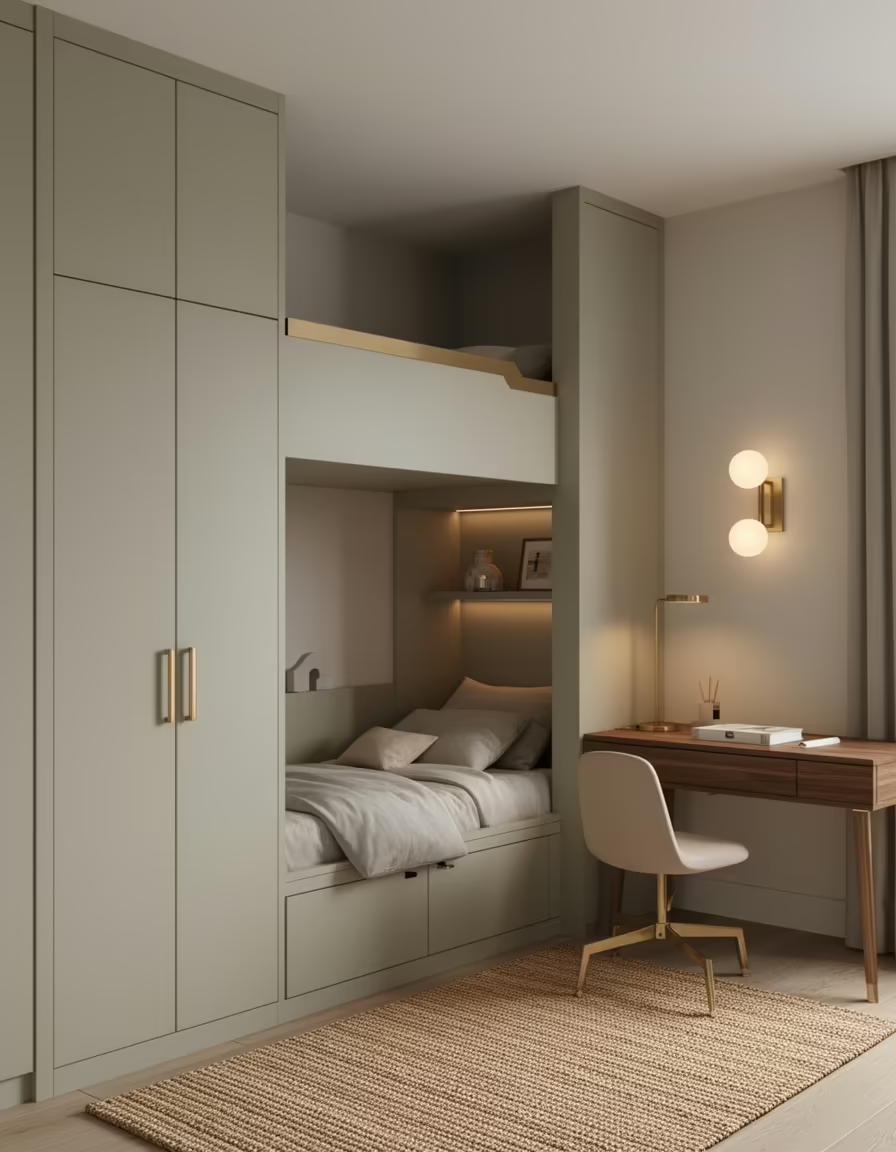

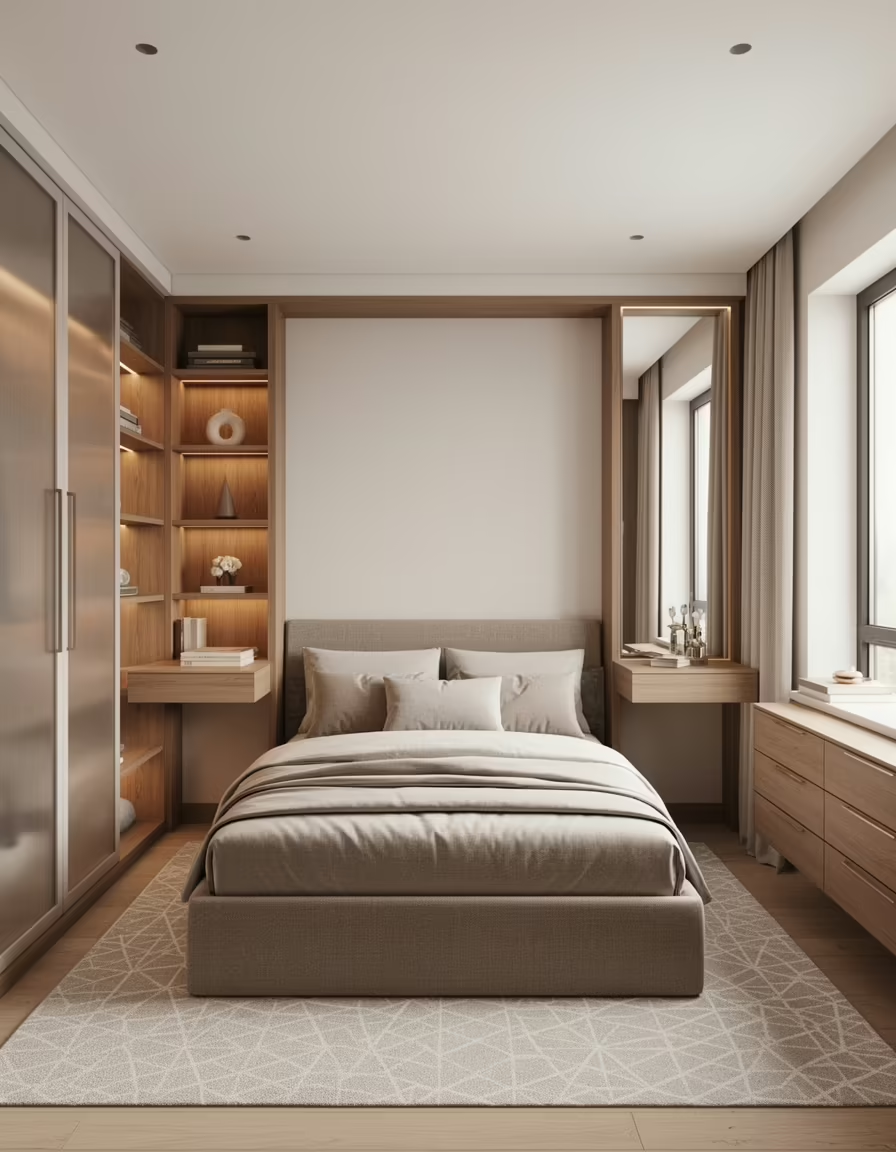
I’ll show you how to turn a tiny bedroom into a practical, airy haven with a smart layout, space-saving furniture, and textures that stretch every inch. Start with a layout that flows, pick a bed that frees floor space, and build a multi-functional core with hidden storage. Maximize verticals, use light palettes and reflective surfaces, and layer textures for depth without clutter. Declutter routines keep things calm, and I’ll share must-haves before you buy—so you’re ready for more ideas.
Start With a Smart Layout for Tiny Bedrooms
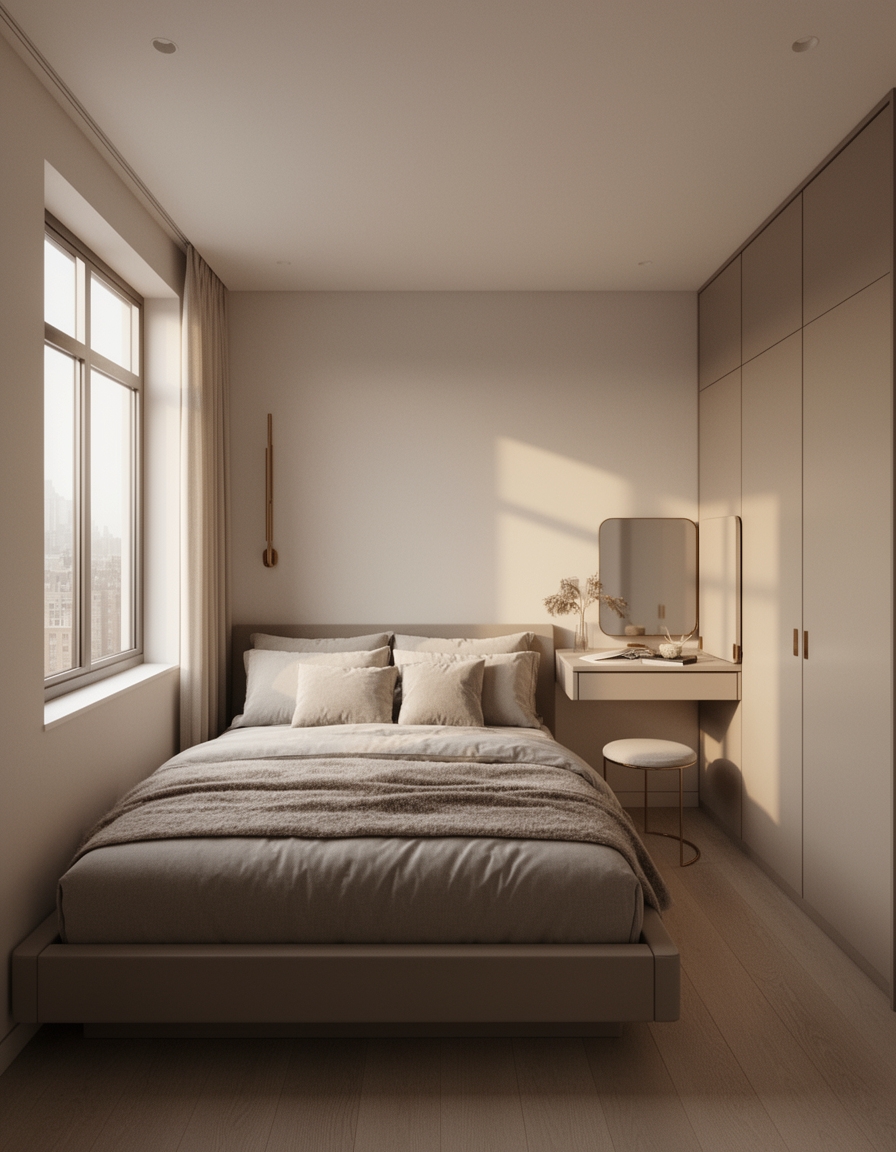
Start with a smart layout, because even the coziest cramped room benefits from a plan.
I map traffic flow first, so you don’t zigzag around a desk or bed. Measure twice, choose compact furniture, and cluster essentials near outlets.
I suggest floating pieces, vertical storage, and a forgiving rug. Clarity, calm, function—your tiny room finally feels spacious, not crowded.
Incorporating space-saving ideas tailored for tiny bedrooms can maximize every inch effectively.
Pick a Bed That Frees Floor Space
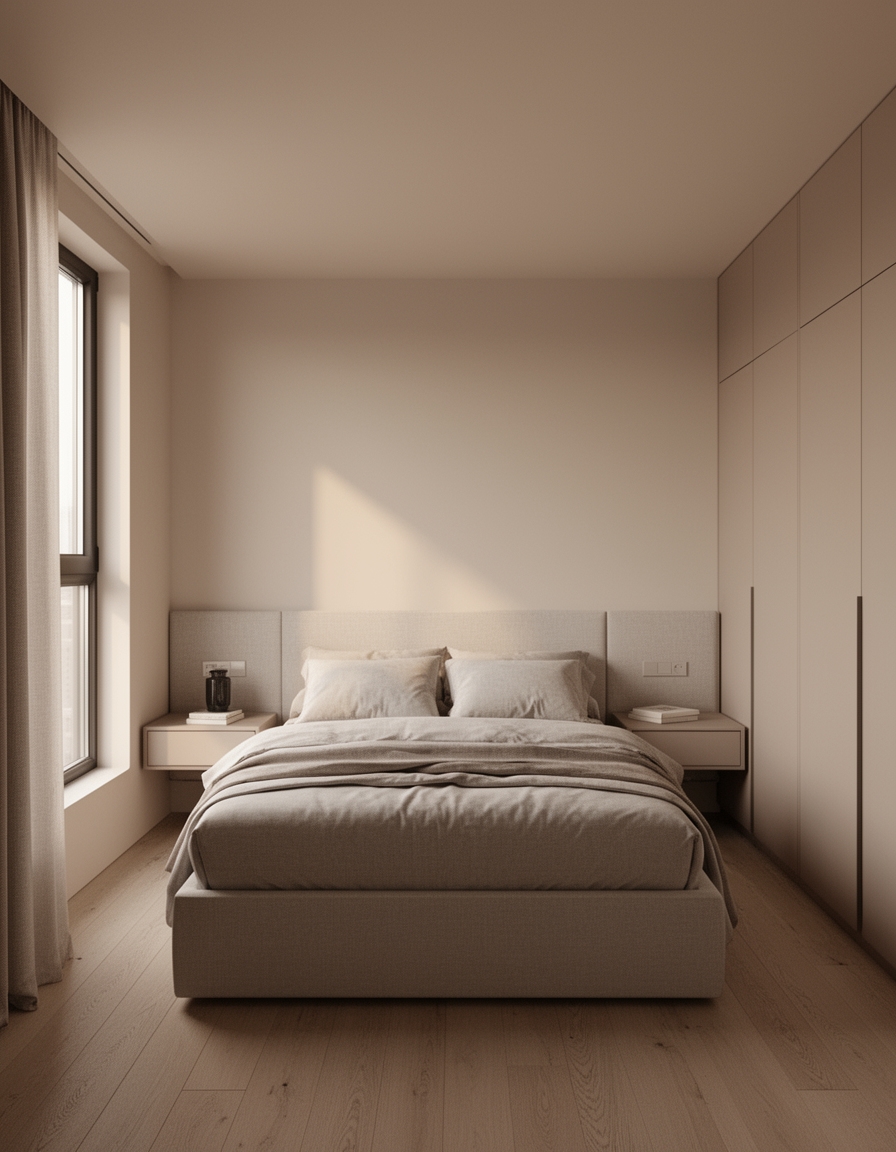
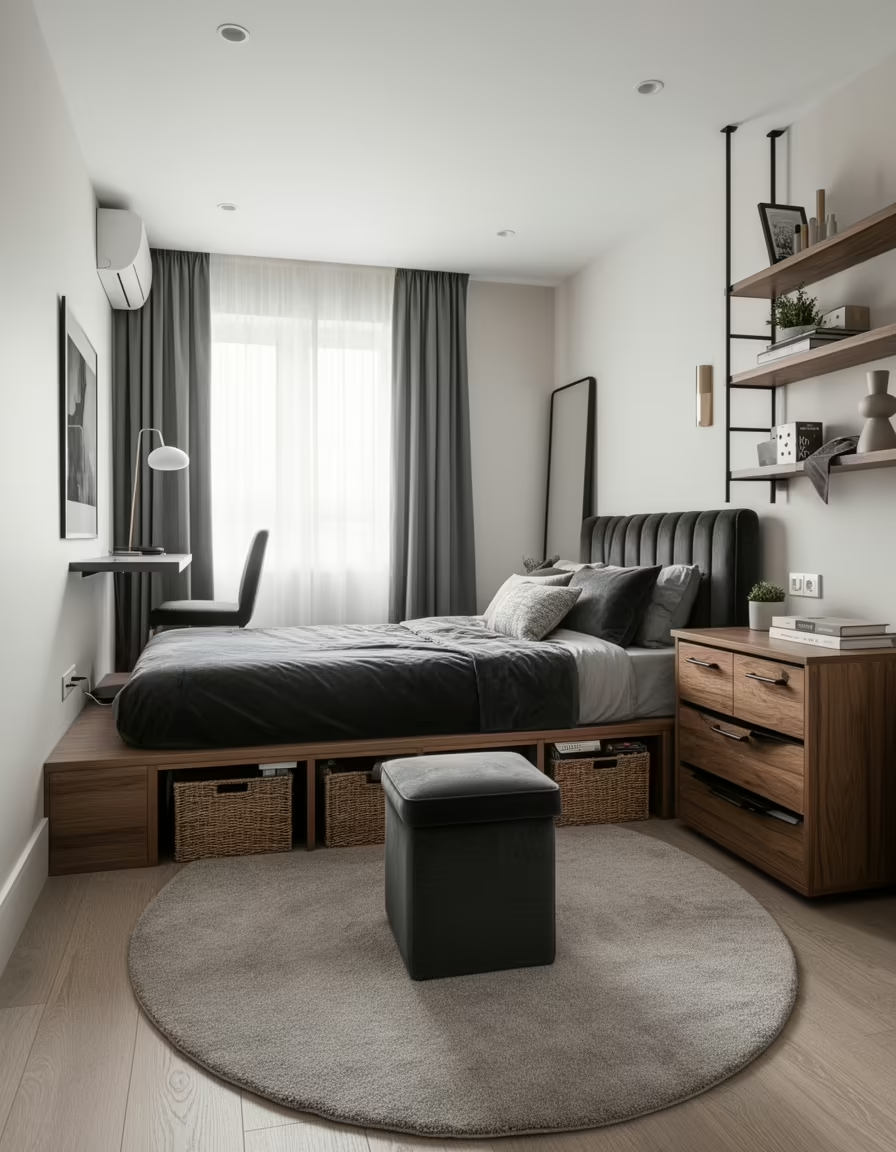
I’m all about clearing the floor, so I’m eyeing beds that float, wall-mount, or tuck away with smart under-bed storage.
The floating bed amps up space visually, the wall-mounted option frees floor area entirely, and the under-bed storage boosts organization without crowding the room.
Let’s talk which combo fits your room shape and sleeping habits.
Incorporating smart storage solutions specifically designed for small bedrooms can maximize functionality without sacrificing style.
Floating Bed Advantages
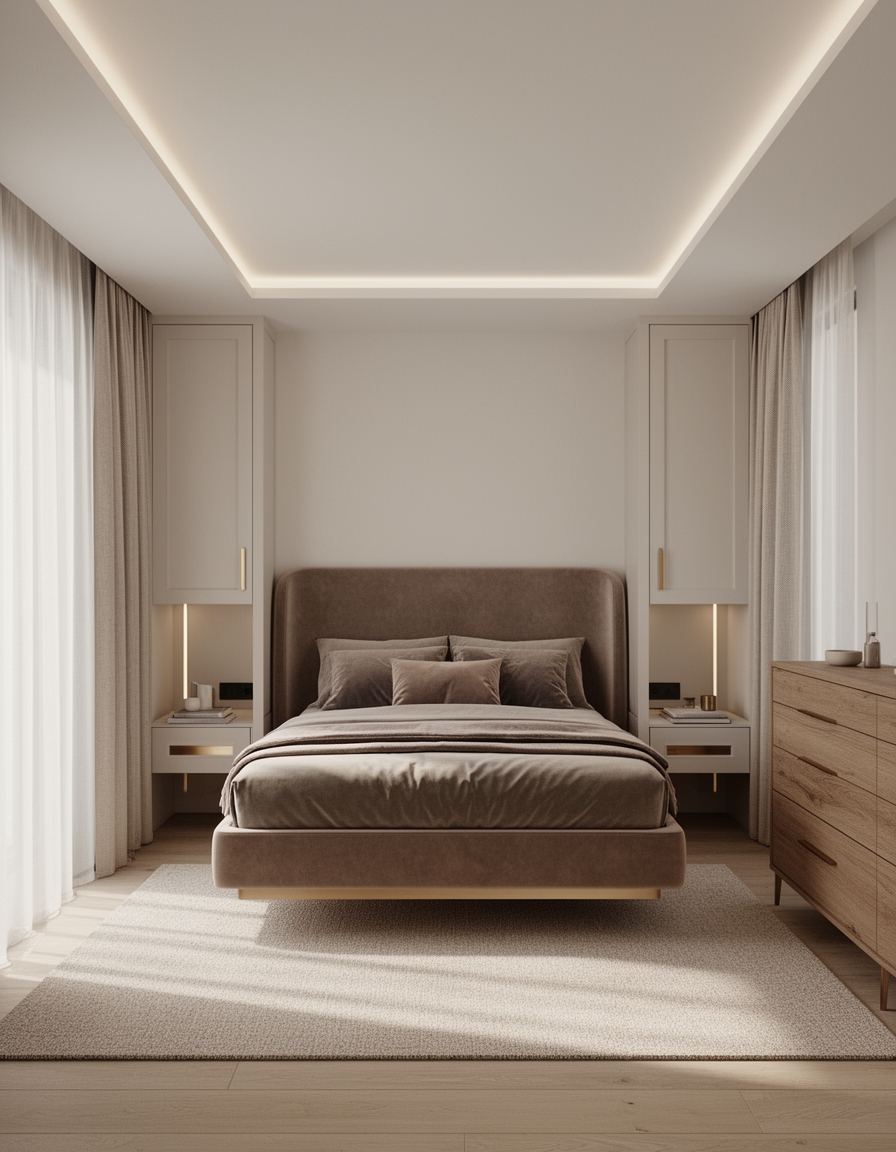
Floating beds free up floor space in a way that’s almost artful: they tuck your bed into the air, leaving room below for a desk, storage, or that trusty under-bed trunk you’ve been eyeing.
I love how clean lines stay intact, plus easier cleaning and a brighter feel.
It’s practical whimsy—functional, not fussy, and surprisingly versatile for small rooms.
Wall-Mounted Bed Pros
Wall-mounted beds are the brisk, space-saving champs for small bedrooms: sturdy, wall-recessed platforms that free floor real estate for a desk, dresser, or dance-worthy tidy piles.
I love that they fold into the wall, exposing more room for living, lighting, and late-night projects.
They feel calm, uncluttered, and deliberately simple—proof that clever design can breathe space into tiny days.
Under-Bed Storage Boost
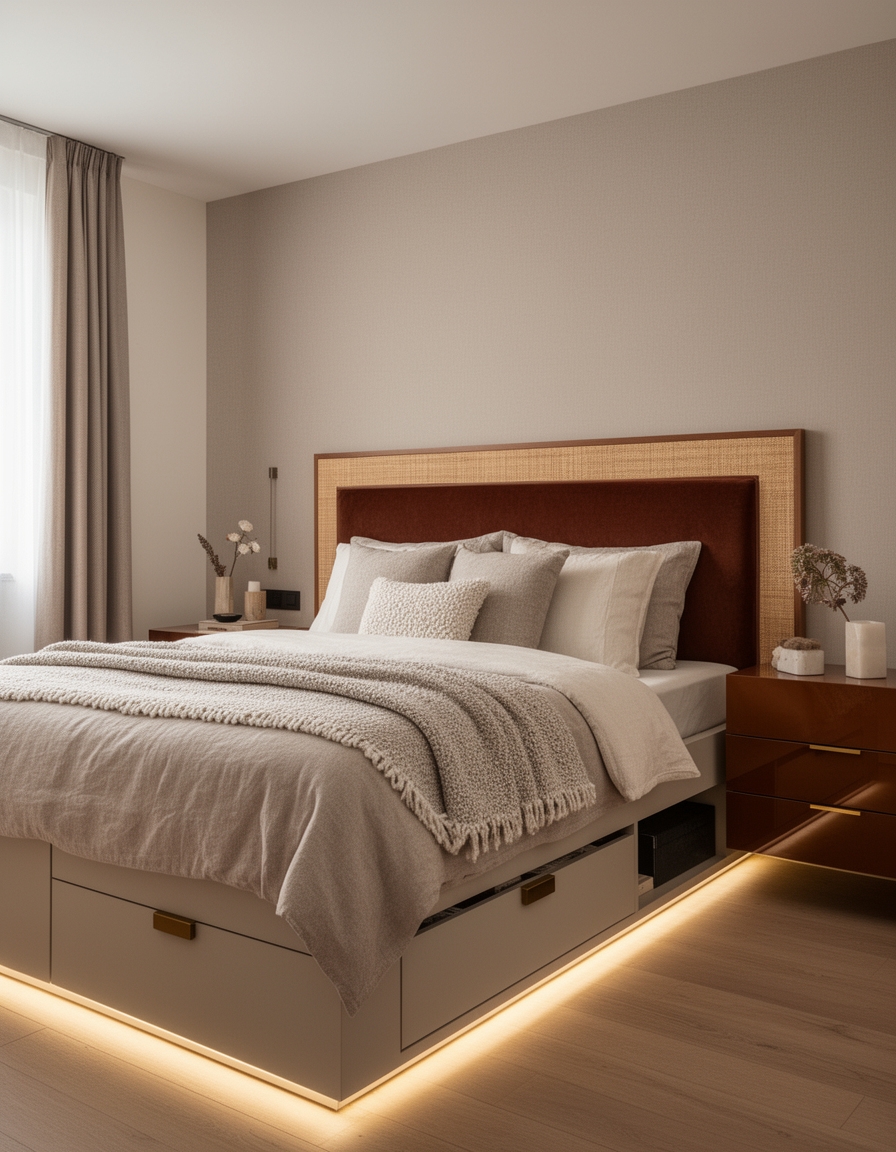
Under-bed storage isn’t an afterthought—it’s the main event when you’re chasing floor space. I pick a bed that frees, not hogs, the square footage.
Under-bed drawers, bins, or a simple platform transform clutter into clever can’t-miss storage. I’ll show you how to measure, choose, and organize so usage feels effortless, not like extra homework.
You’ll thank gravity.
Build a Multi-Functional Core
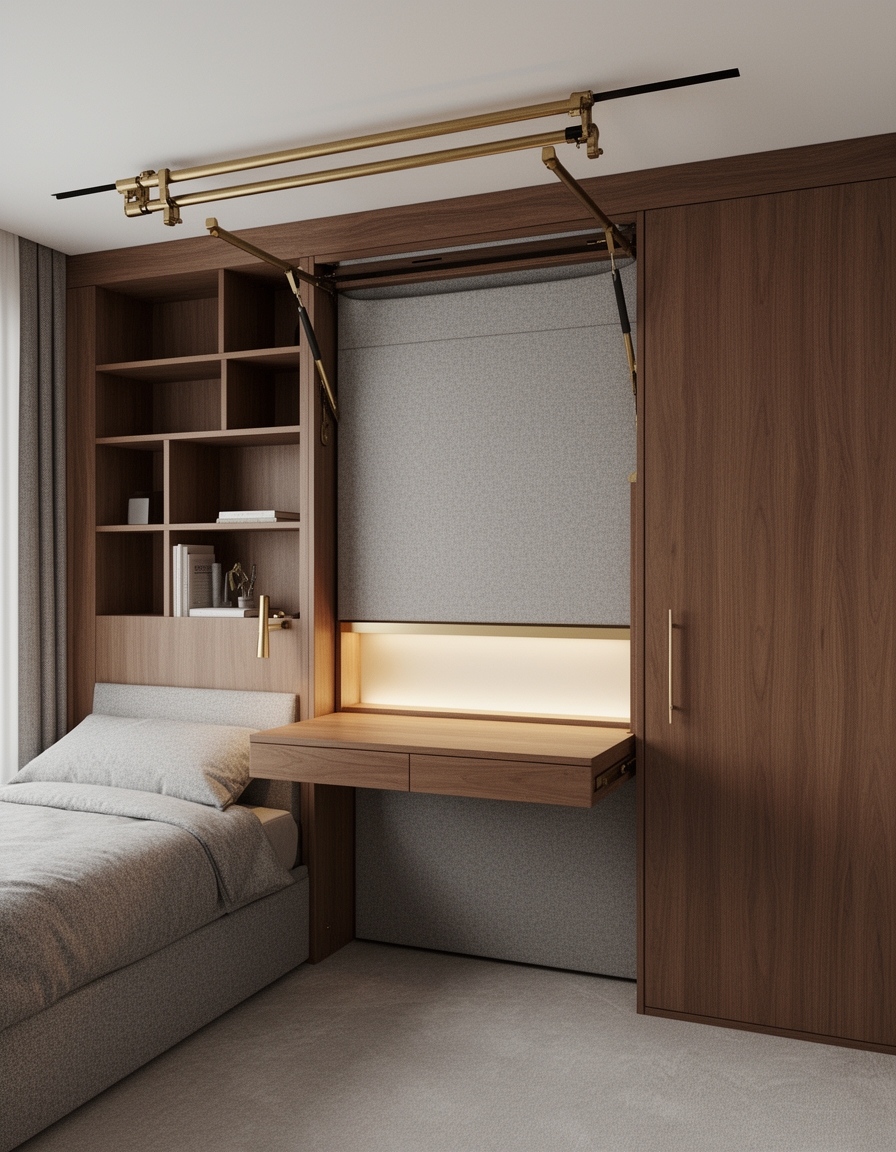
I’m all about a Multi-Functional Core that earns its keep with smart space zoning and hidden storage tucked where it won’t scream for attention.
Think clean lines, compact furniture, and clever nooks that switch roles—from nightstand to workspace in a heartbeat.
Let’s explore the essentials that make this core practical, organized, and surprisingly roomy.
Incorporating clever storage solutions is key to keeping your small bedroom clutter-free and maximizing every inch of available space.
Multi-Functional Core Essentials
Picture a compact core you can actually live with: a quick-start, multi-functional hub that tucks storage, surface, and seating into a few smart moves.
I champion a lean core that breathes: clutter disappears, function stays, style remains.
- Convertible bench with hidden drawers
- Wall-mounted desk that folds flat
- Nested tables that slide apart on cue
- Floating shelves above a compact wardrobe
- Under-bed drawers for seasonal gear
Smart Space Zoning
I map your core first, then carve tiny, practical pockets: a compact desk by the window, a bed that doubles as seating, and light enough furniture to rearrange on a whim.
Clarity beats clutter, always.
Hidden Storage Solutions
Hidden storage isn’t an afterthought in a tight room—it’s the core that lets your whole setup breathe.
I design around multi-use pieces, so every inch earns its keep, and chaos gets decluttered without drama. You’ll gain space, mood, and function—fast.
- Under-bed drawers that glide quietly
- Modular ottomans with hidden compartments
- Wall-mounted shelves doubling as desks
- Stackable crates with lids
- Hidden bed-ends for nightly essentials
Maximize Vertical Storage Without Clutter
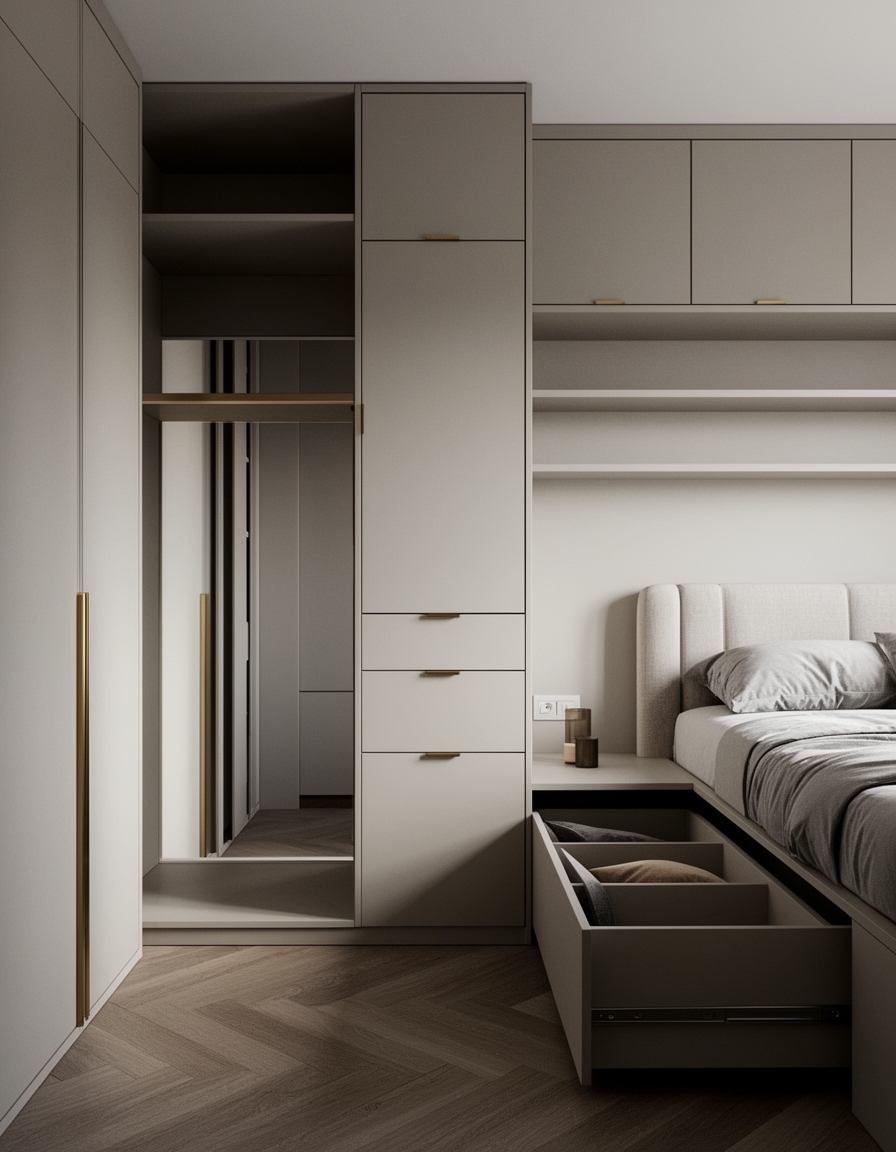
If you’re short on floor space, the answer isn’t cramming more stuff in but stacking smarter, vertical storage that disappears into the room.
I switch to slim profiles, wall-mounted shelves, and bed towers with drawers, so clutter stays off the floor.
I rotate items by season, label boxes clearly, and keep surfaces clear—your room breathes, looks intentional, and stays easy to tidy.
Using clever ways like multi-functional furniture and creative storage solutions can prove that size is overrated in very small bedrooms.
Create Air With Light Palettes and Reflective Surfaces
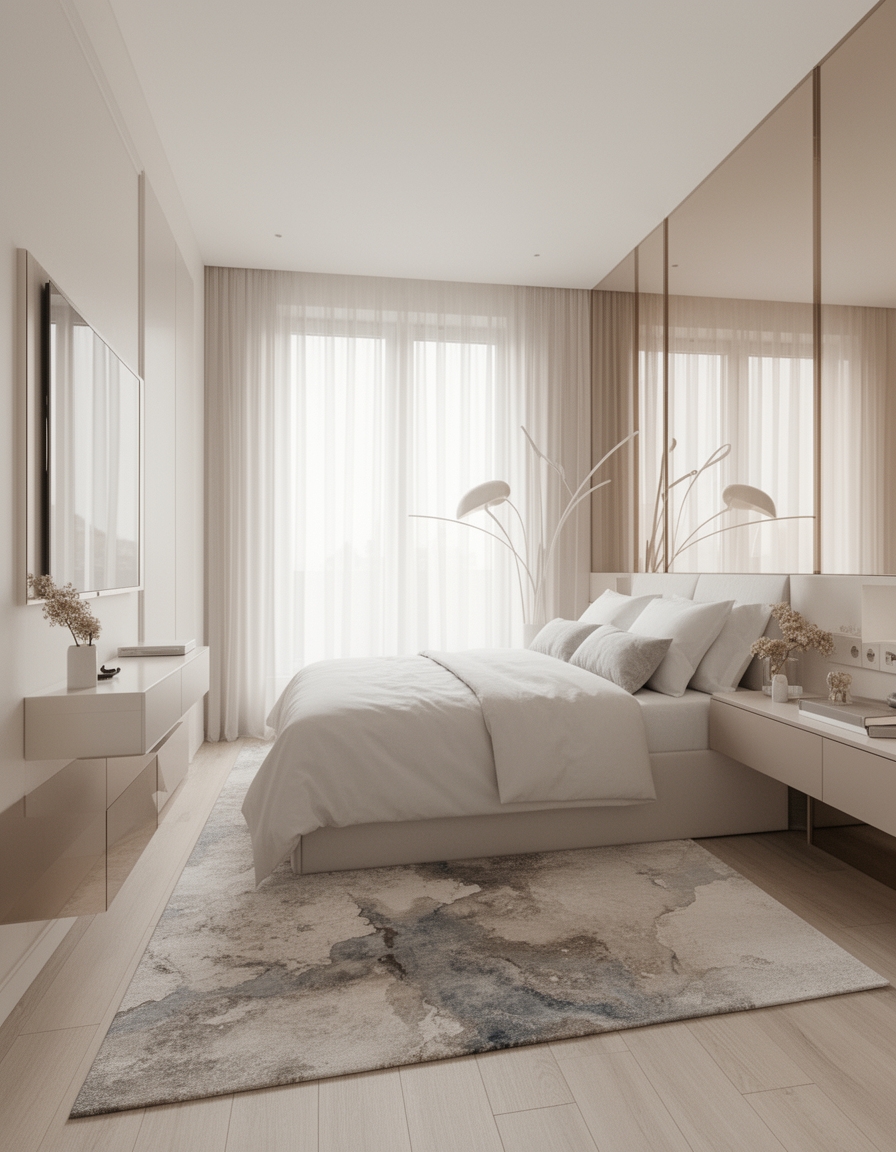
Let’s keep the room feeling airy by weaving light palettes and reflective surfaces into your space.
I’ll show you how subtle shine and pale hues create space, not glare. Opt for soft whites, blush, or sand; mirror accents; glass lighting; and glossy finishes. Together, we’ll maximize airiness without sacrificing function, style, or coziness.
- Choose light tones to reflect more light
- Add a single, oversized mirror for depth
- Use glass or acrylic furniture
- Pick matte finishes with glossy accents
- Layer sheer curtains for diffusion
Incorporating these small bedroom design ideas can transform your space instantly.
Zone Living, Sleeping, and Dressing Without Walls
Let’s talk about carving out zones—living, sleeping, dressing—without tearing the room apart.
I’ll show you practical tricks to define each area with color, rugs, and smart furniture, not walls. You’ll get a calmer flow and a sharper look, all while keeping the space feeling open and intentional. Incorporating charming small bedroom ideas can enhance the coziness and functionality of your zones without overcrowding.
Zone Living, Sleeping, Dressing
In small bedrooms, you don’t need walls to zone—you repurpose sightlines and routines instead.
I mix zones with furniture cues, lighting, and everyday controls, so each corner serves a purpose without crowding.
I’ll show you how to live, sleep, and dress with purpose—no partitions required, just smart flow and a dash of style.
- Use a low dresser as a room divider
- Align bed foot with a window for light cues
- Flag zones with warm, distinct lighting
- Place a compact vanity near the wardrobe
- Replay morning routines with clear sightlines
Walls-Free Yet Defined
Walls-free doesn’t mean aimless; it means intentional, zone-by-zone living that still feels cohesive.
I guide you to carve spaces with rugs, lighting shifts, and clever storage, not walls.
I’ll mix sleeping, lounging, and dressing zones using colors, textures, and furniture that whisper separation.
You get fluid flow, practical boundaries, and a sense of privacy without closing in.
Use Mirrors and Glass to Expand Depth
Mirrors and glass aren’t just décor; they’re depth multipliers. I spot them strategically to double space perception, bounce light, and soften edges without shouting.
Small rooms feel bigger when reflections pair with minimalism. I keep frames slim, glass fronts, and mirrored wardrobes to amplify airiness.
- Place a wall mirror opposite a window for natural expansion
- Use glass tabletops to fade visual weight
- Install mirrored closet doors for seamless reflections
- Choose clear glass for minimal, unobtrusive surfaces
- Layer with light, neutral frames to avoid clutter
Incorporating charming design tips for small single bedrooms can further enhance the functionality and style of tiny spaces.
Lighting Tricks That Make Rooms Feel Bigger
Lighting can make or break a small room, so I’m all about tricks that add daylight without wrecking bandwidth (or budgets).
Natural daylight wins, so I favor sheer curtains, skylights, and strategically placed mirrors (but not overkill).
Use light walls, warm bulbs, and layered lighting—ambient, task, and accent.
Keep furniture low and reflective, so space breathes and feels brighter, not crowded.
Incorporating smart bedroom layouts also helps maximize the effectiveness of lighting by optimizing space and flow.
Slide Doors to Improve Flow
Slide doors can be a game changer in tight bedrooms, letting you close off a messy corner without building a wall of regret.
I’ll show you practical fixes that feel airy, not cramped, and keep flow smooth as a breeze.
- Save floor space with sliding tracks
- Hide clutter behind sleek panels
- Nudge room zones without doors clicking
- Emphasize light with translucent finishes
- Install soft-close for stealthy vibes
These renter-friendly solutions are perfect for maximizing functionality without permanent changes, making them ideal for small space bedroom ideas.
Layer Textures to Add Depth, Not Clutter
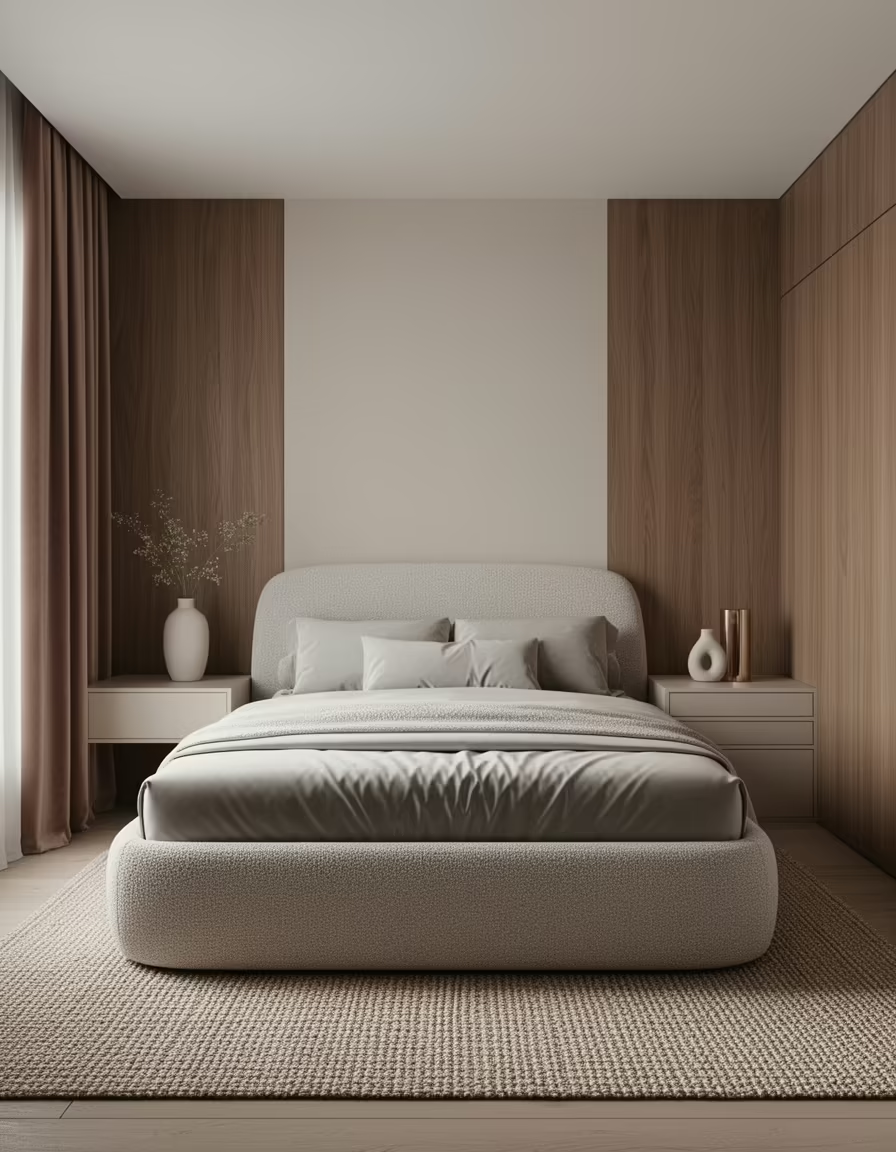
Layer textures without turning the room into a textile avalanche by mixing nubby wool, smooth velvet, and a crisp, linen-look weave in small, deliberate doses.
I mix tactile basics with subtle patterns, avoiding overload. Let contrasts exist, not compete.
A throw here, a pillow there, a rug underfoot—carefully placed anchors that add depth, warmth, and clarity without clutter. Incorporating charming decor tips can help create a cozy and inviting atmosphere even in small bedrooms.
Color Airiness: Use One Accent Wall Wisely
One bold accent wall can air out a small room in a hurry, so choose it with intention and taste.
I pick a color that complements furniture, adds brightness, and stays calm. You’ll feel space expand without screaming.
- pick a hue that echoes natural light
- use matte finish for depth
- balance with neutral surroundings
- test swatches at different times
- keep trim simple and clean
Decluttering Routines for Calm Small Rooms
Decluttering can feel like a treasure hunt in a tiny space, but the trick is to make it repeatable, not heroic.
I’ll keep routines simple: 10-minute daily clears, a weekly 20-minute reset, and a monthly purge.
I label, I return, I donate. No drama, just consistent momentum.
Quiet spaces follow loyal habits, not heroic bursts. You’ll notice calmer rooms, faster mornings, calmer minds.
Before-You-Buy Essentials for Small-Room Makeovers
Before you plunge into a tiny-room transformation, I’ll spell out the essentials you should nab before you buy a single new thing.
I’ve learned the hard way: focus first on function, not fluff, and measure twice, buy once.
- Multi-use furniture
- Clear-scale textiles
- Solid storage organizers
- Proper lighting layers
- Quality paint and finishes
Conclusion
Tiny rooms don’t have to feel tiny. If you act smart with layout, storage, and color, a bedroom can breathe. Fun stat: up to 40% of a small room’s space is wasted in clutter and poor layout. Switch to a bed that frees floor space, use vertical storage, and pick light palettes with reflective finishes. You’ll gain calm, not compromises, and I’ll bet you’ll actually enjoy tidying—because every square inch earned feels like a win.