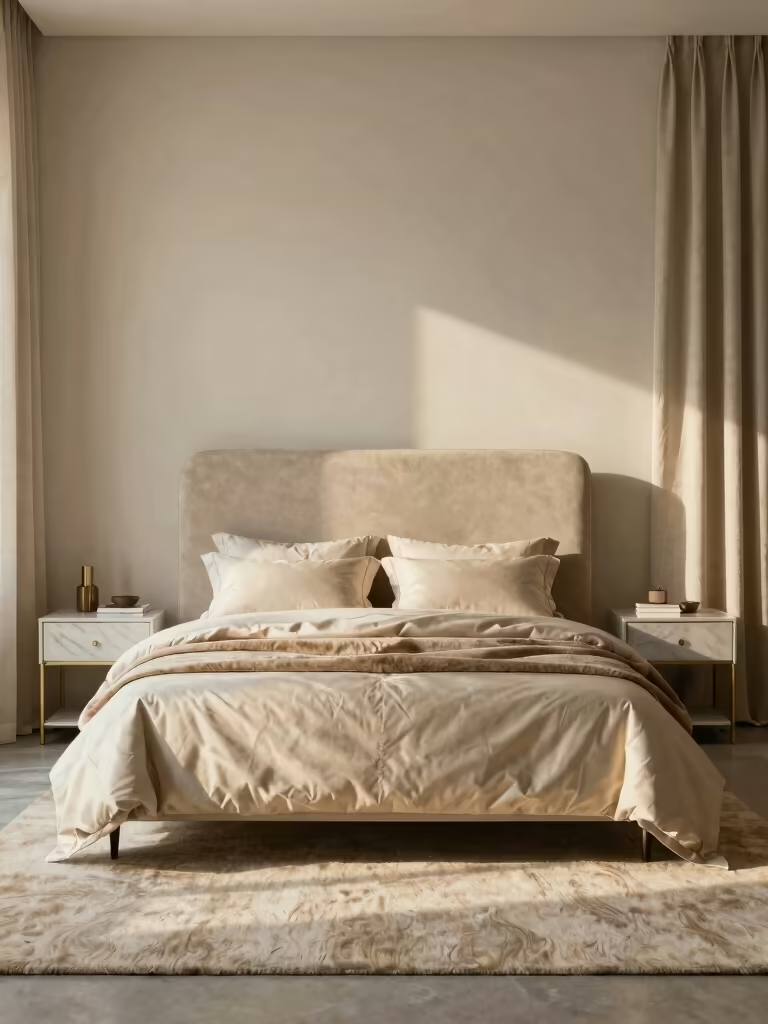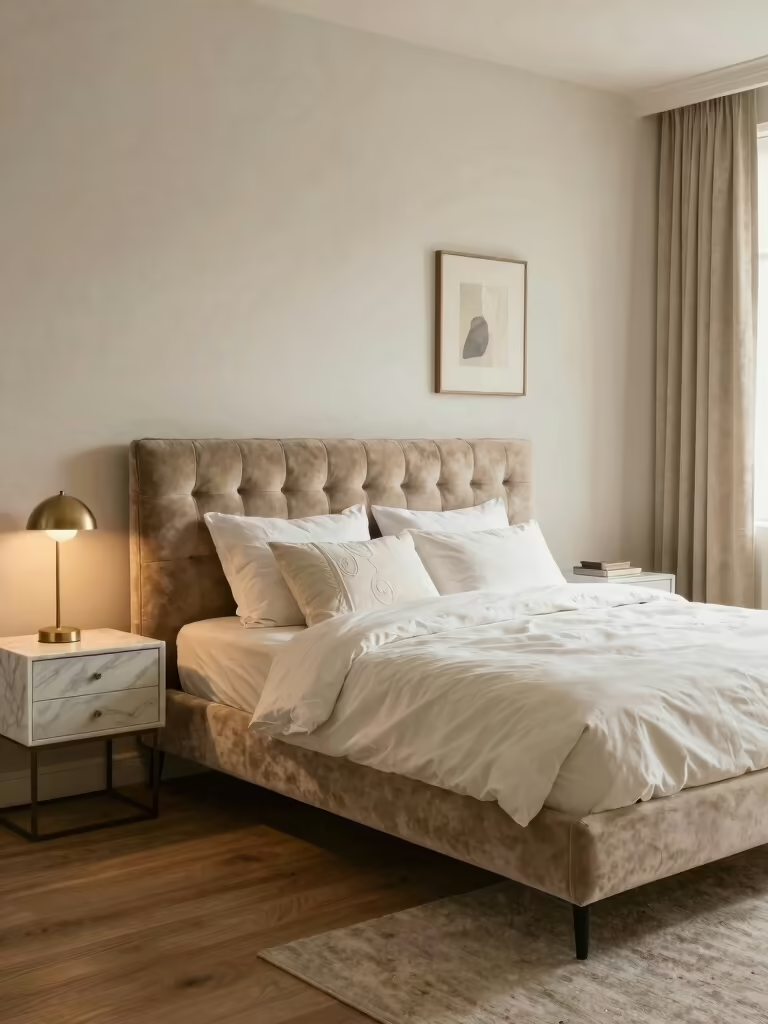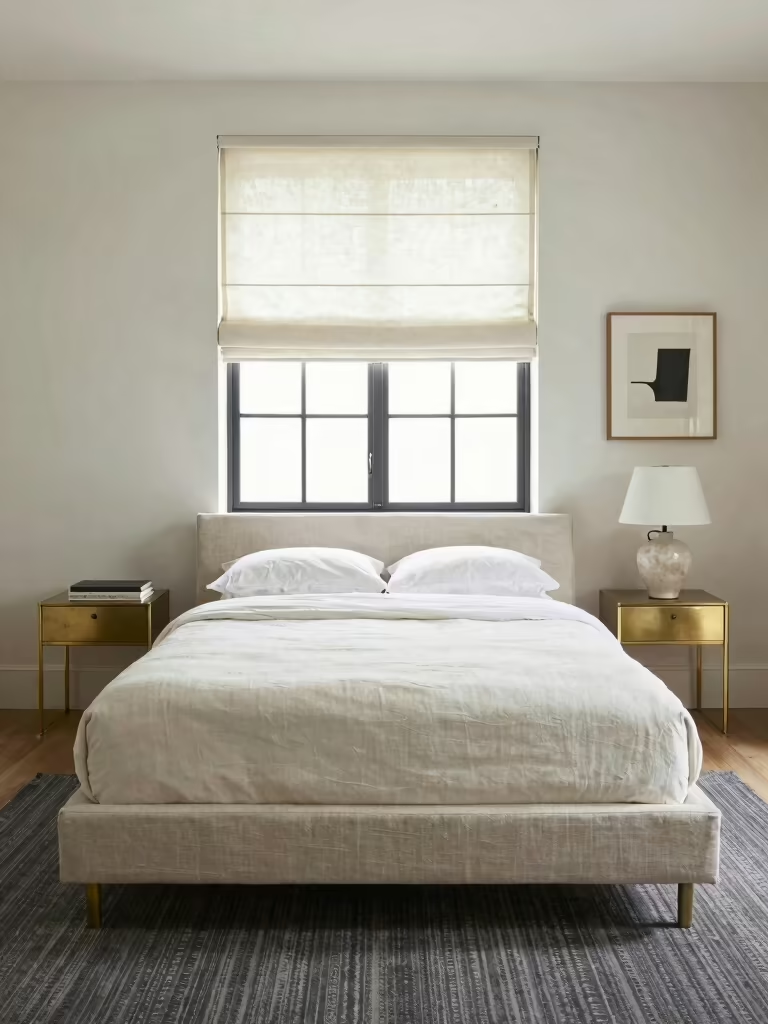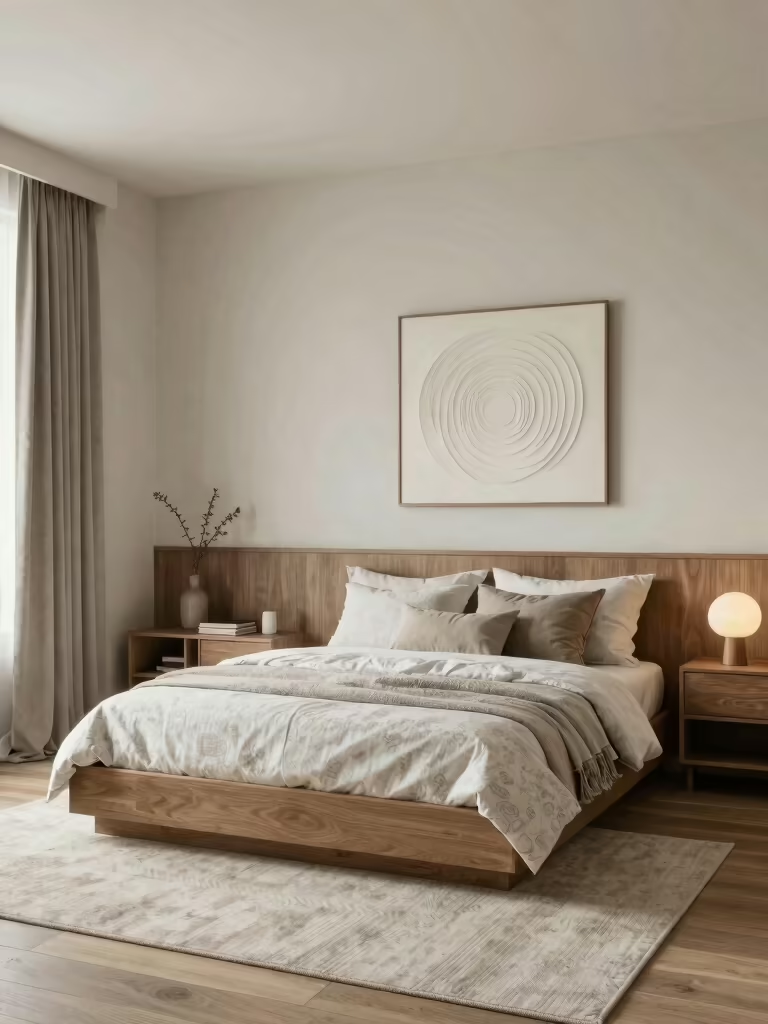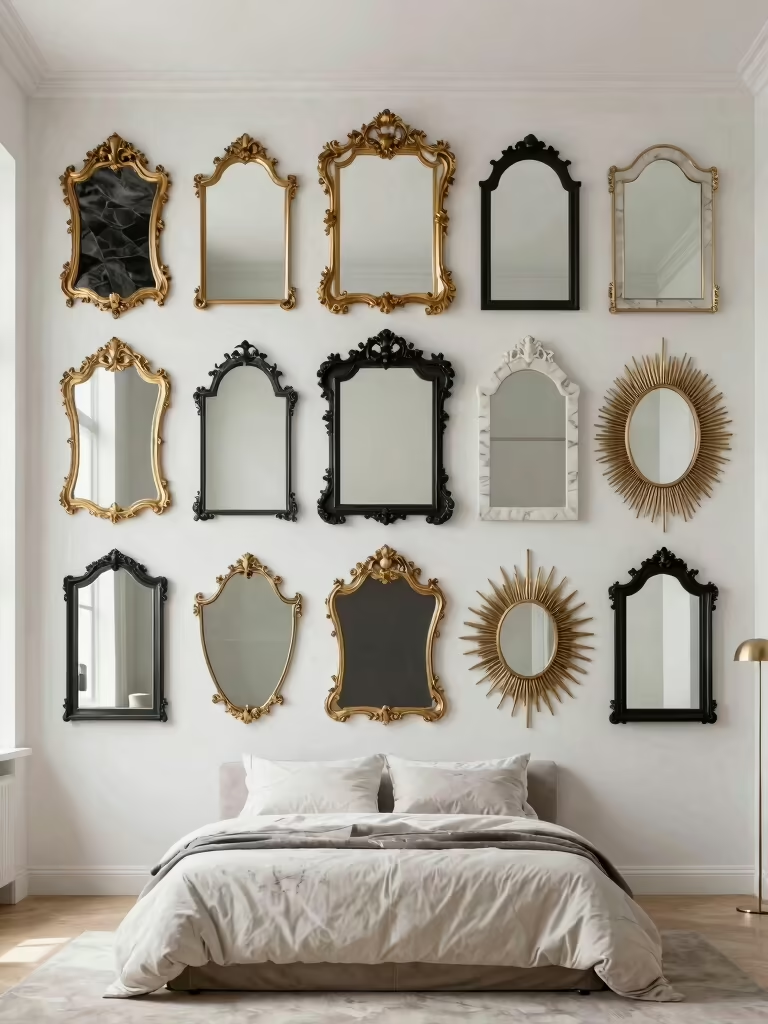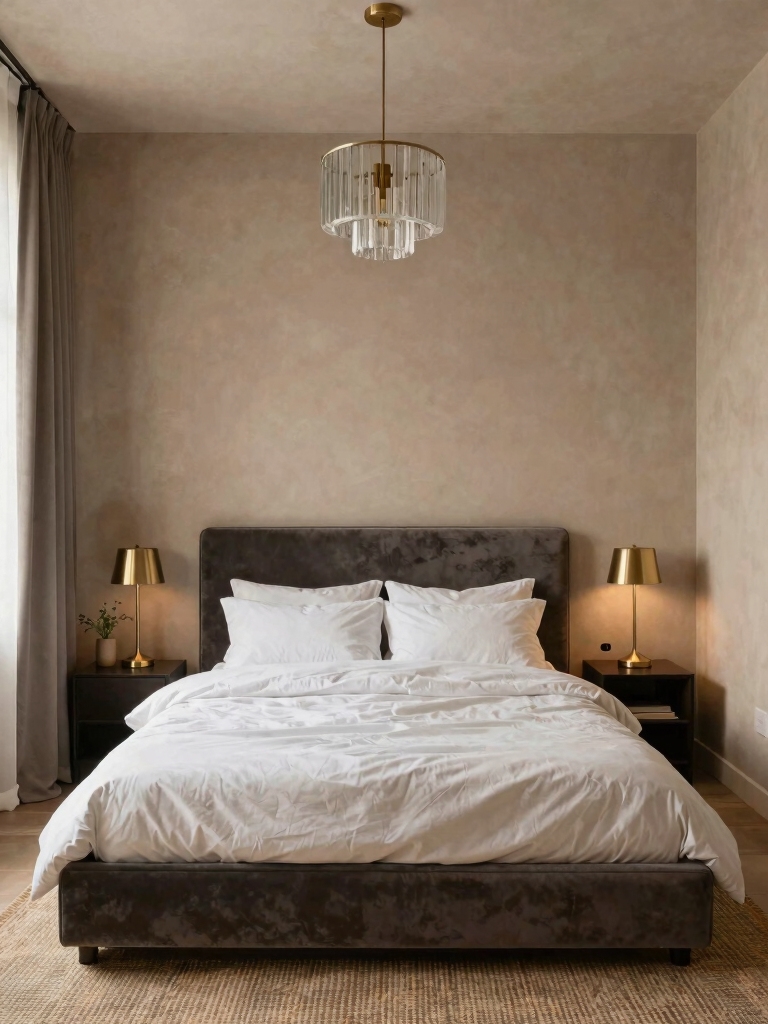
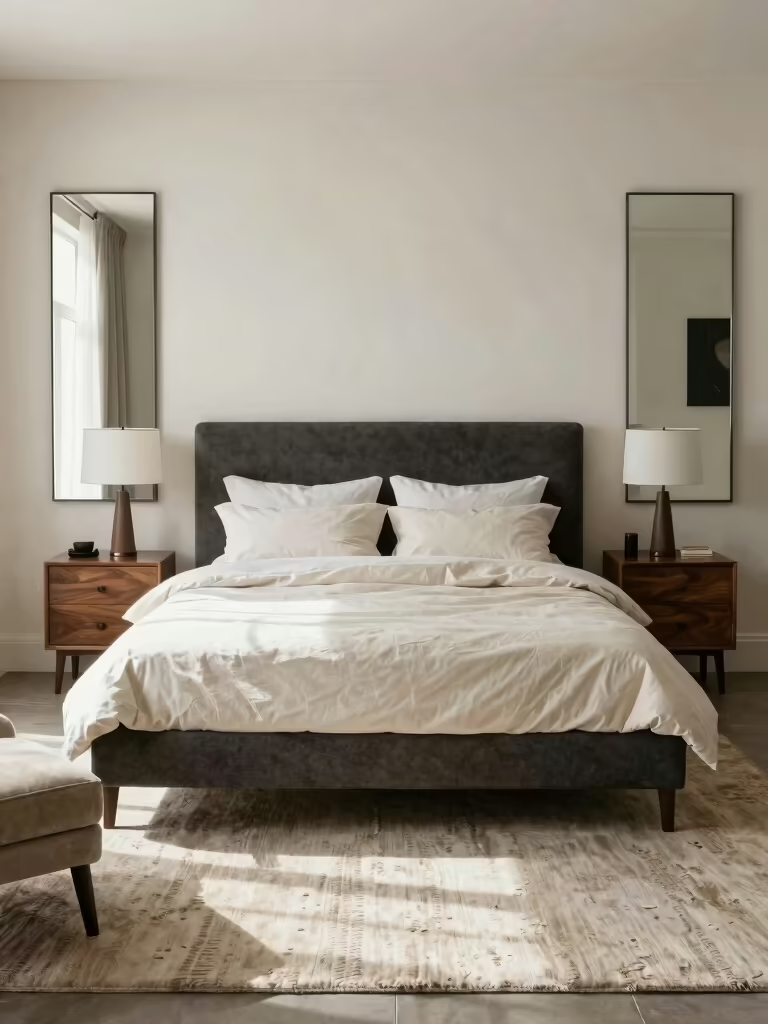
How do two people share one bedroom without it feeling like one person won? The answer is balance, built in on purpose: equal sides, shared and personal zones, and a palette you both signed off on. A perfectly balanced couple’s bedroom is less about taste and more about fairness you can see in the layout.
Below are 14 balanced bedroom ideas for couples, arranged as a simple framework you can work through together. Each step balances one more part of the room, the color, the bed, the light, the storage, so the finished space feels equally like both of you.
How Balance Actually Works
A balanced couple’s bedroom comes from symmetry and shared ownership, not from splitting the room down the middle. Match the sides, agree on the palette, give each person equal storage and a reading light, and the room feels fair and calm.
Work it as a framework: color, then bed placement, then light, then storage, then the personal touches. Each step balances one layer, and by the end the room belongs to both of you without anyone keeping score.
Design a Balanced Shared Bedroom
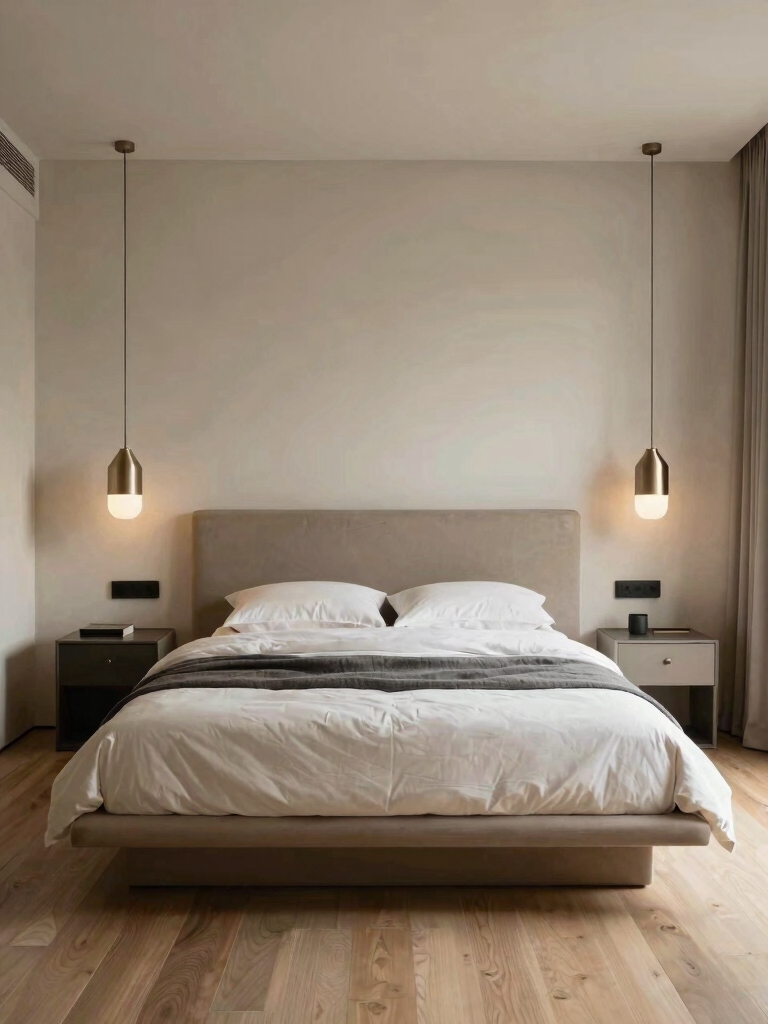
The simplest path to a room that feels like ours is a short framework you walk through together. It keeps the project calm and makes sure neither person’s needs get lost. Work through it in this order:
- Assess both routines: who sleeps which side, who rises first, who reads in bed
- Agree on a shared palette before buying anything
- Balance the bed with matched sides and symmetry
- Split storage into shared and personal zones
- Add personal touches in equal measure, one each
Agree On a Cozy Color Palette
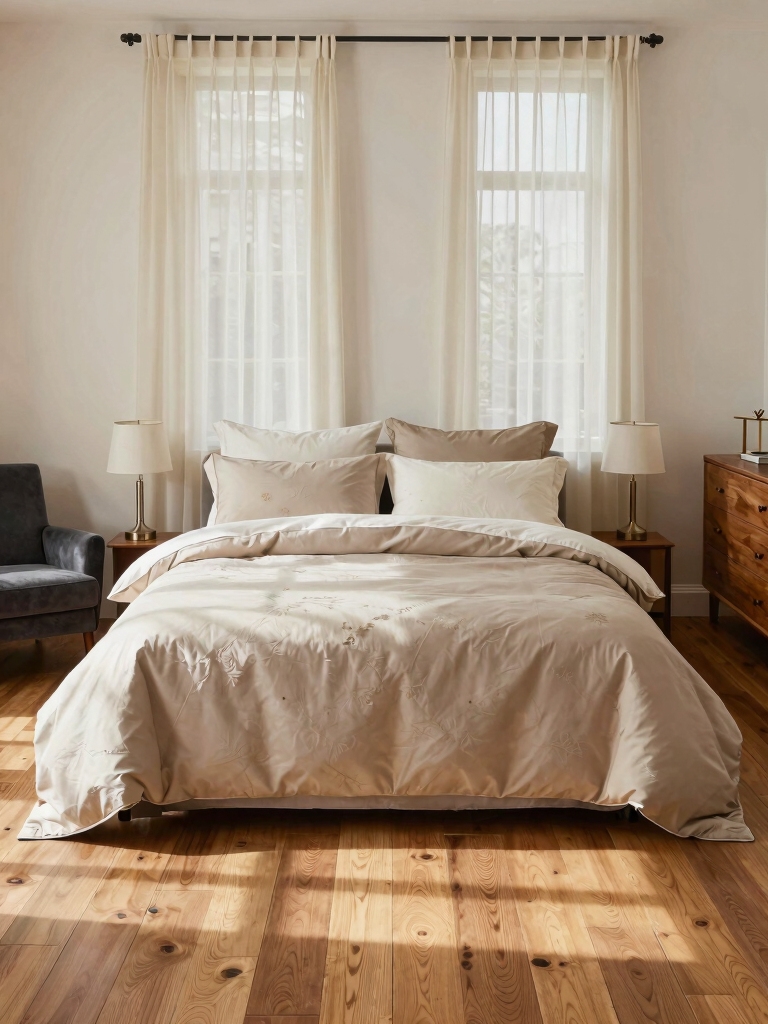
Color is the first thing to balance, since it sets the whole room and is the easiest place to deadlock. Pick a shared base of warm neutrals you both like, then add one accent each person can live with. Agreeing here makes every later choice easier, and a calm palette keeps two sets of stuff from clashing. Our a calm color base helps you land one.
- A warm neutral base you both sign off on first
- One shared accent, repeated around the room
- Let one person pick the neutral, the other the accent
- Keep it to three or four tones so two styles still cohere
Two questions to settle before you start:
1Do we have to like the exact same style?
No. You need one shared base, a palette and a few big pieces you agree on, and each person can own the smaller details on their side.
2How do we handle different sleep schedules?
Build for it: a reading light and a blackout option on the early riser’s side, so neither of you wakes the other. Balance means planning for the differences, not erasing them.
Plan Bed Placement for Flow and Intimacy
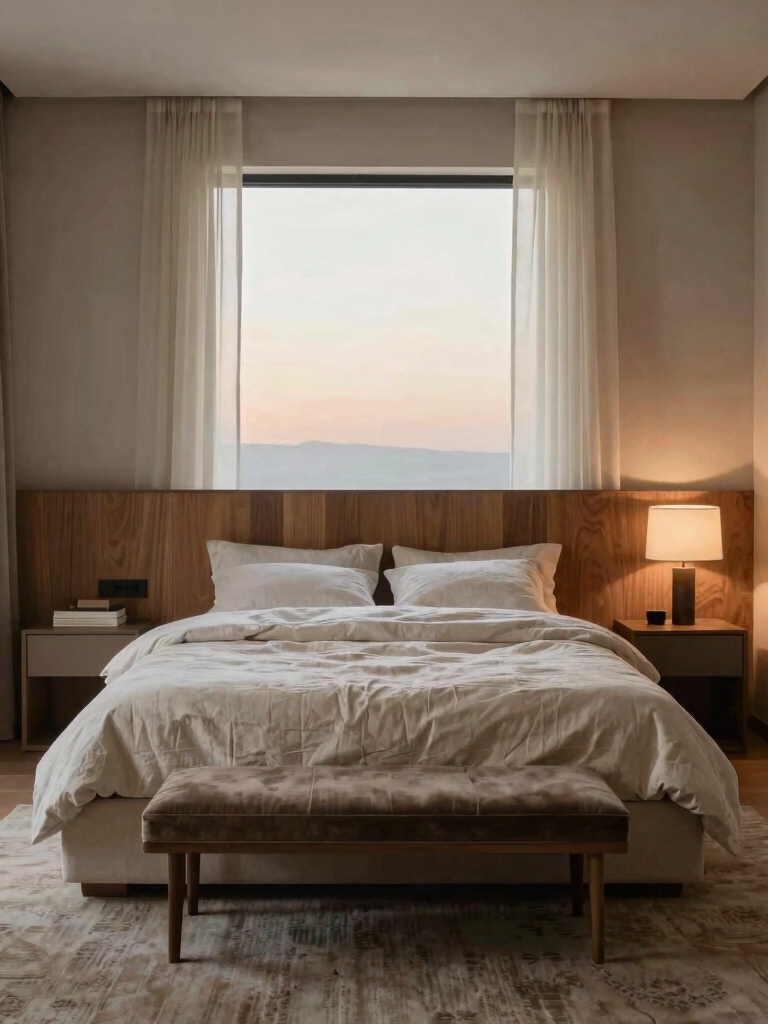
The bed is the heart of a shared room, so where it sits sets the balance. Center it on the main wall with equal clearance on both sides, so each person can get in and out without climbing over the other. Symmetry here feels calm and fair before you add a thing. Match the sides.
Equal sides, equal access
Leave a clear path from the door to each side of the bed, roughly two feet to walk comfortably. Avoid pushing one side against a wall, which quietly makes that side the lesser one. Equal access is the most basic fairness a couple’s room can offer.
What I tell every couple setting up a room is to give both sides of the bed the same clearance, even if it means a smaller dresser. I have seen more low-grade friction come from a cramped side of the bed than from any disagreement about style. Balance the bed first.
Layer Lighting for Mood and Function
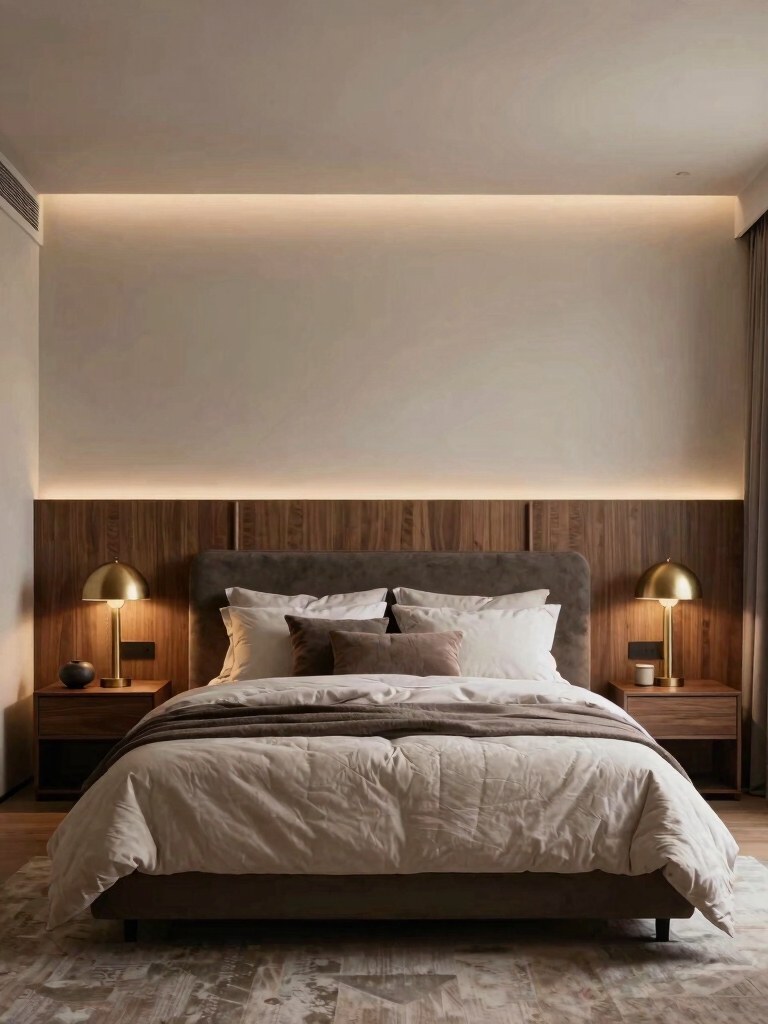
Lighting has to serve two people doing different things at the same time, so balance it with layers each of you controls. Build it in this order, and our layered lighting guide adds the placements:
- Two matching bedside lamps, one per side, on separate switches
- Warm 2700K bulbs so evenings feel intimate, not harsh
- The overhead on a dimmer for shared, practical light
- A reading light on each side so one can read while the other sleeps
- A low accent glow for winding down together
Two myths about shared bedrooms:
❌ Myth: A couple’s room means giving up your style.
✅ Reality: You compromise on the shared base, the palette and big pieces, and keep your own taste in your personal zones. Balance is sharing the bones, not erasing either person.
❌ Myth: Matching both sides is boring.
✅ Reality: Symmetry feels calm and fair, which is exactly what a shared room needs. You can still vary the personal styling on each side, so balanced does not have to mean identical.
Split Shared and Personal Storage
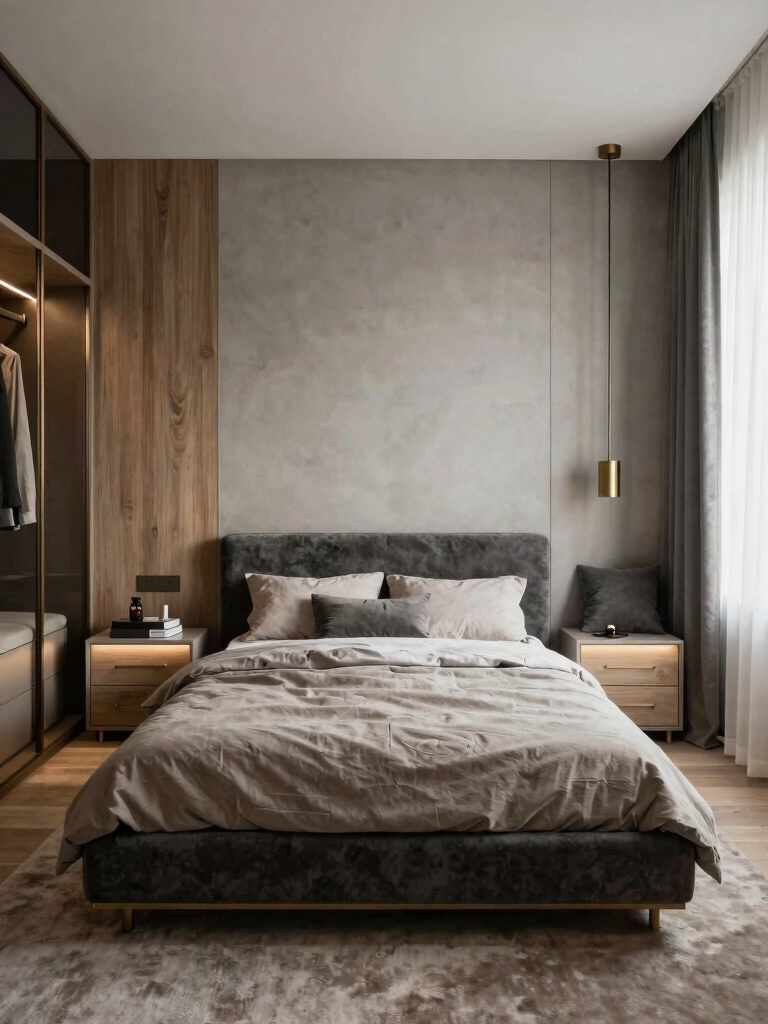
Storage is where balance gets practical. Split it evenly. The split I set up first is a nightstand each, then I divide the rest into shared zones for joint stuff, linens, spare bedding, and personal zones each person controls, a drawer, a shelf, a side of the closet. When each of you has space that is clearly yours, the daily clutter stops becoming a negotiation.
Give each person the same amount, since unequal storage is a quiet source of resentment. Closed storage keeps both sets of things out of sight, which matters more when two people share. For more ways to hide it all, our hidden storage helps.
- Shared drawers or a bench for joint linens and overflow
- A personal drawer and shelf for each person, equal in size
- A nightstand each, so neither side is the catch-all
- Closed storage so two people’s clutter stays hidden
Styling Tips for a Two-Person Room
Once the bones are balanced, styling is about keeping both voices in the room. Symmetry is the easy shortcut: matched lamps, paired nightstands, balanced art all feel calm and fair. Where you want personality, let each person style their own side or shelf so the room comes across as a duet.
Keep the shared surfaces neutral and save the individual taste for the personal zones. A tray on each nightstand, one personal object each, and matched bedside styling hold the balance without making the room look like a showroom. Restraint on the shared parts is what lets the personal parts shine.
Plan for Two Different Sleep Styles
Most couples do not sleep the same way, and a balanced room designs for that. Different temperatures, schedules, and noise tolerances all have simple fixes that keep the peace, and the aim is for each person’s needs to be met without costing the other.
A blackout layer on the early riser’s side (a liner runs about $20-40), a small reading light for the night owl, a dual-weight duvet or a fan for a temperature gap. Each one removes a daily friction point. For the bigger-picture compromise on style, our couple’s compromise on style goes deeper.
Build In Romance Without the Cliche
A couple’s room can feel romantic without tipping into heart-shaped pillows. The romance comes from warmth and intimacy, soft light, layered texture, a quiet corner for two, rather than from literal symbols. Keep it grown-up and the room feels intimate to both of you.
- Warm, dimmable light for an intimate evening mood
- A layered, inviting bed you both want to sink into
- A small seating nook or two chairs for time together
- One or two shared photos, framed simply, over novelty decor
Make Room for a Small Shared Retreat
If you have the space, a small shared corner gives a couple somewhere to be together that is not the bed. Two chairs or a loveseat, a shared lamp, and a side table turn dead space into the spot you both drift to in the evening. It is the most underrated balance move there is.
Keep it equal and comfortable, two seats, so neither person is the guest in the corner. A soft rug and a warm light make it the place you actually use. For a small-room version that still fits a couple, our a small-room couples version is worth a look.
Refresh It Together, Season by Season
A balanced room stays balanced when you tend it together, not when one person quietly redoes it. Make the seasonal swaps a joint, low-stakes ritual, a new throw, fresh stems, warmer bulbs in winter, and you both keep a hand in the room. Shared upkeep keeps it feeling shared.
Rotate the small stuff every few months and let each person pick something each time. It keeps the room current for the price of a couple of cushions, and it quietly reinforces that the space belongs to both of you. The balance is a habit as much as a layout.
Dress the Shared Bed Together
The bed is the one piece you both use every night, so dress it for two. One bed, two sleepers. A shared duvet over the top keeps the look unified, while a lighter blanket on one side and a heavier throw on the other let each person set their own warmth. It looks like one bed and sleeps like two.
Spend here, since you both touch it nightly. A washed-linen duvet runs $60-130 and is worth it, and two pillow firmnesses cost little and end a lot of silent grumbling. Keep the bedding in your shared palette so the personal tweaks still read as one calm bed.
Bring In Plants and Shared Character
A few shared touches make the room feel like a story you are writing together. Build it slowly. One larger plant, a piece of art you bought on a trip, a stack of books you both read, these give the room a joint character beyond the furniture. Add them slowly, together, and keep a quick two-minute nightly reset you split so neither of you owns the mess.
- One larger plant you both like, placed where it gets light
- A shared object or two from somewhere you have been
- Art chosen together over pieces either of you owned before
- A two-minute nightly reset you split between you
Shared Bedroom Questions Couples Ask
?How do we decorate a bedroom when our styles clash?
Agree on a shared base, the palette and the big pieces, then let each person own the smaller details on their own side or shelf. Balance comes from sharing the bones and keeping individual taste in personal zones, so neither style has to win outright.
?What does a balanced couple’s bedroom actually mean?
Equal sides and shared ownership: matched nightstands and lamps, the same clearance on both sides of the bed, equal storage, and a palette you both chose. It is fairness you can see in the layout, which keeps the room calm and stops it feeling like one person’s room.
?How do we handle different sleep schedules and temperatures?
Design for the differences. A blackout layer and a small reading light on the early riser’s side let one sleep while the other reads, and a dual-weight duvet or a fan settles a temperature gap. None of it costs much, and each fix removes a nightly friction point.
?How do we split storage fairly?
Give each person an equal personal zone, a drawer, a shelf, a side of the closet, plus shared space for joint items like linens. Equal storage matters more than people expect, since unequal space quietly breeds resentment. Keep it closed so two sets of things stay out of sight.
?How do we make a shared room feel romantic without it being cheesy?
Lean on warmth, not symbols. Soft, dimmable light, layered texture, and a small seating nook for two read intimate and grown-up, where heart-shaped decor looks like a gift shop. A couple of shared photos framed simply add the personal note without the cliche.
One Room, Two People, Fairly Shared
A perfectly balanced couple’s bedroom is built, not lucked into. Agree on the palette, match the sides of the bed, give each person equal storage and light, and design around how you each actually sleep, and the room stops feeling like a compromise and starts feeling like home for two.
So start with the framework, settle the color, then balance the bed, then split the storage, and work through it together. Get the fairness into the bones, and the personal touches on each side will take care of the rest.