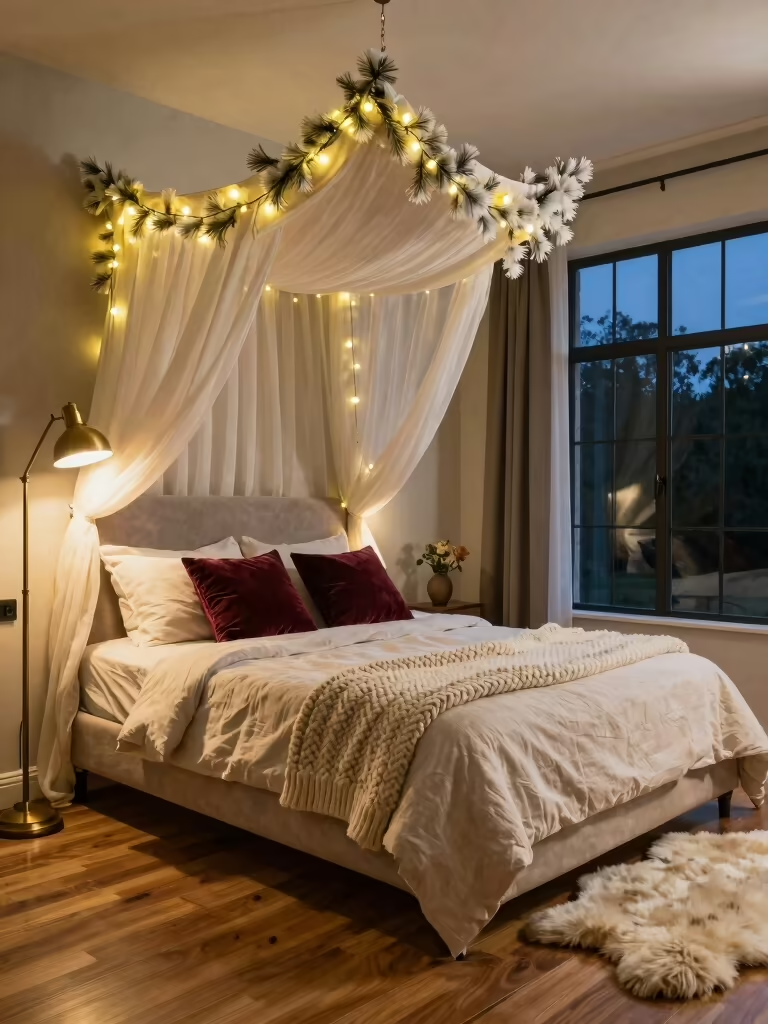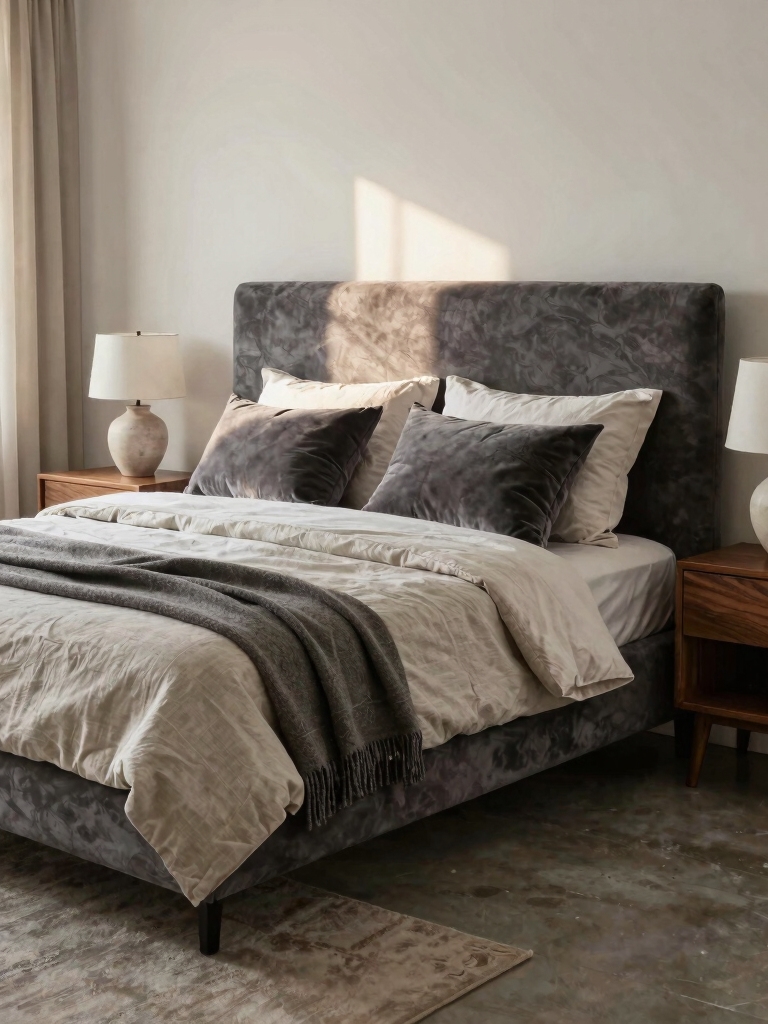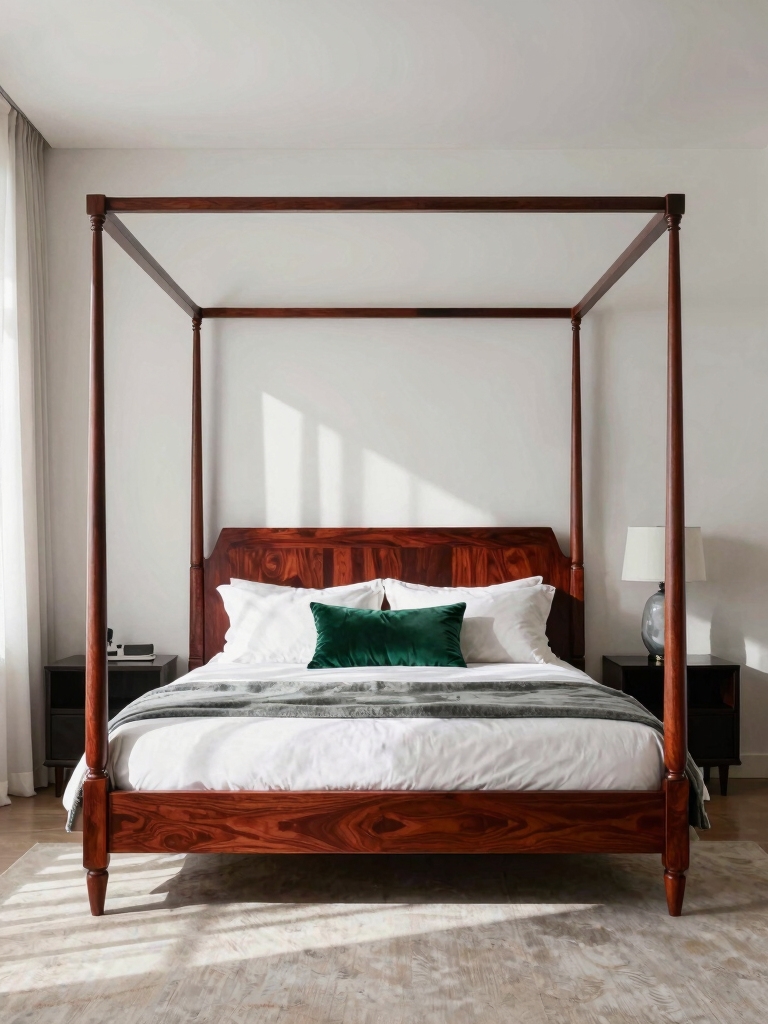

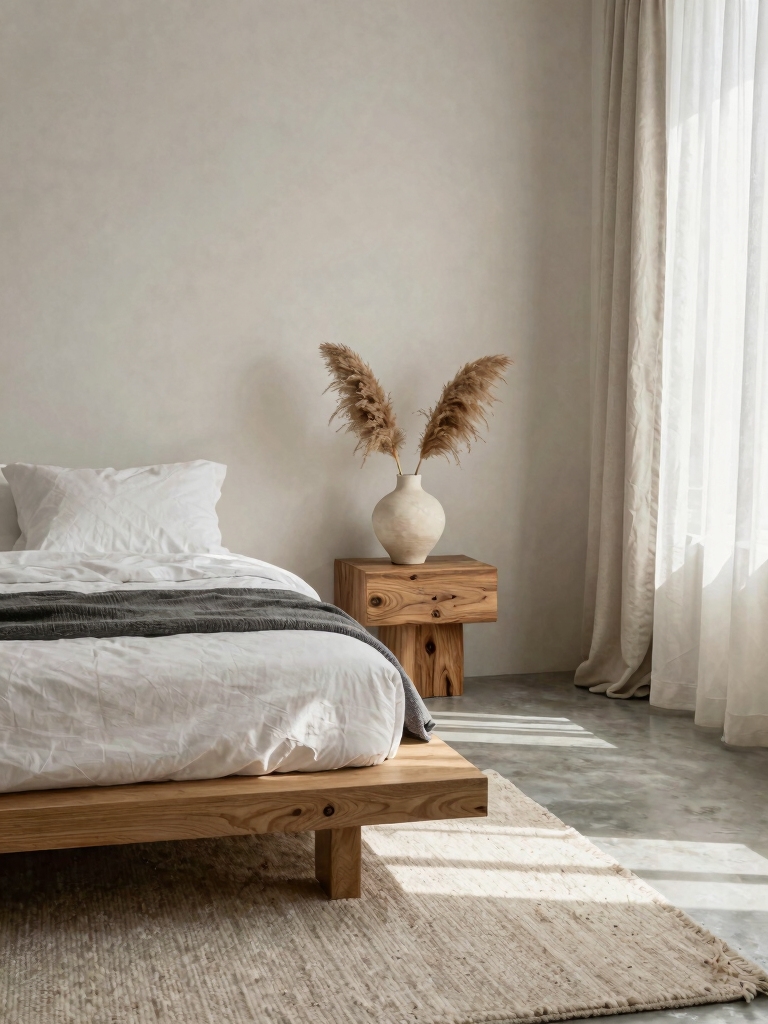
It is the hour after sunset that tells you whether a bedroom works. A lamp warms one wall, a chunky throw slumps over the foot of the bed, and your shoulders drop the second you walk in. That gathered, slightly-yours feeling is what the best bedroom decor ideas aesthetic souls crave all come down to, and almost none of it costs much.
Below are 13 moves I keep coming back to, sorted from the ones that change a room in an afternoon to the small swaps you can finish on a Saturday. Pick two or three; you do not need all of them for the room to feel different.
Start Here: What Each Move Gives You
| Move | What it changes | Rough cost |
|---|---|---|
| Warm base + texture | Feels cozy and settled instead of flat | $0-80 |
| Layered low light | Clears the cold overhead glare | $40-120 |
| Meaningful objects | Makes the room read as yours | $0 |
| Plants + closed storage | Softer, calmer, clutter out of sight | $15-60 |
| Weekend swaps | A fast lift before guests arrive | $30-90 |
Start With a Warm, Cozy Base of Color and Texture
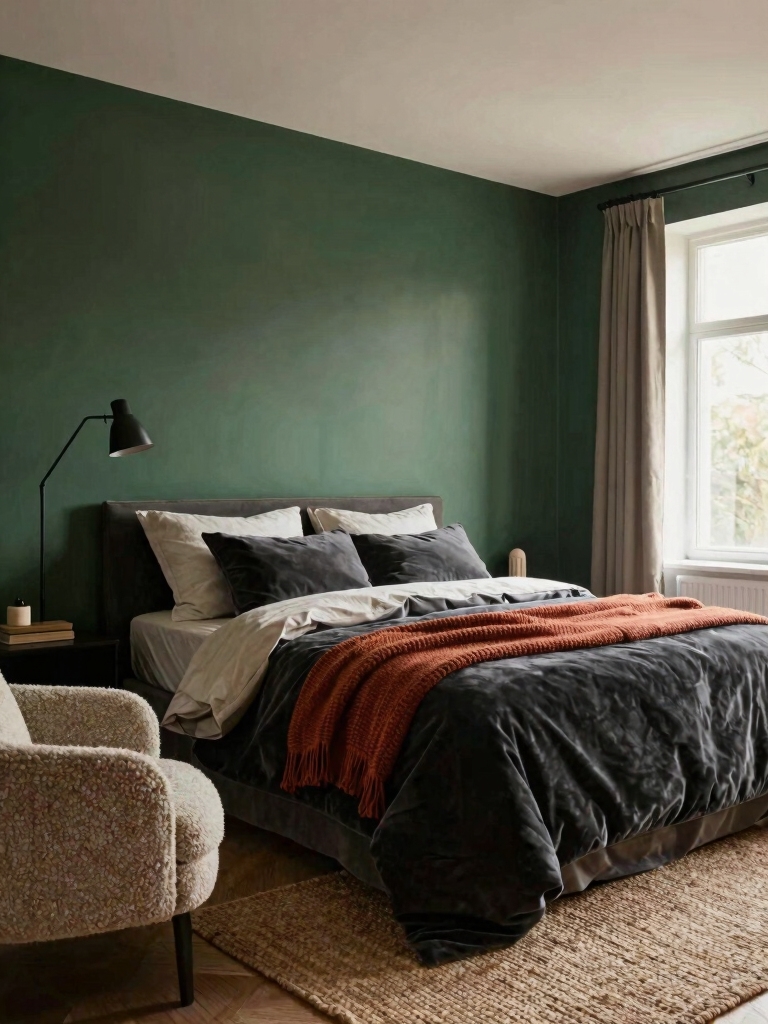
Begin with the bones of the room and work outward. Warmth does the quiet work here. A warm neutral wall, greige, oat, or soft clay, flatters both skin and lamplight, where a cool stark white tends to tip chilly once the sun drops. Then choose one accent color and repeat it three times: a rust pillow, a folded throw, a small print that ties them together. Three touchpoints look deliberate; a single pop comes across like an accident you forgot to fix.
Smooth against rough, always
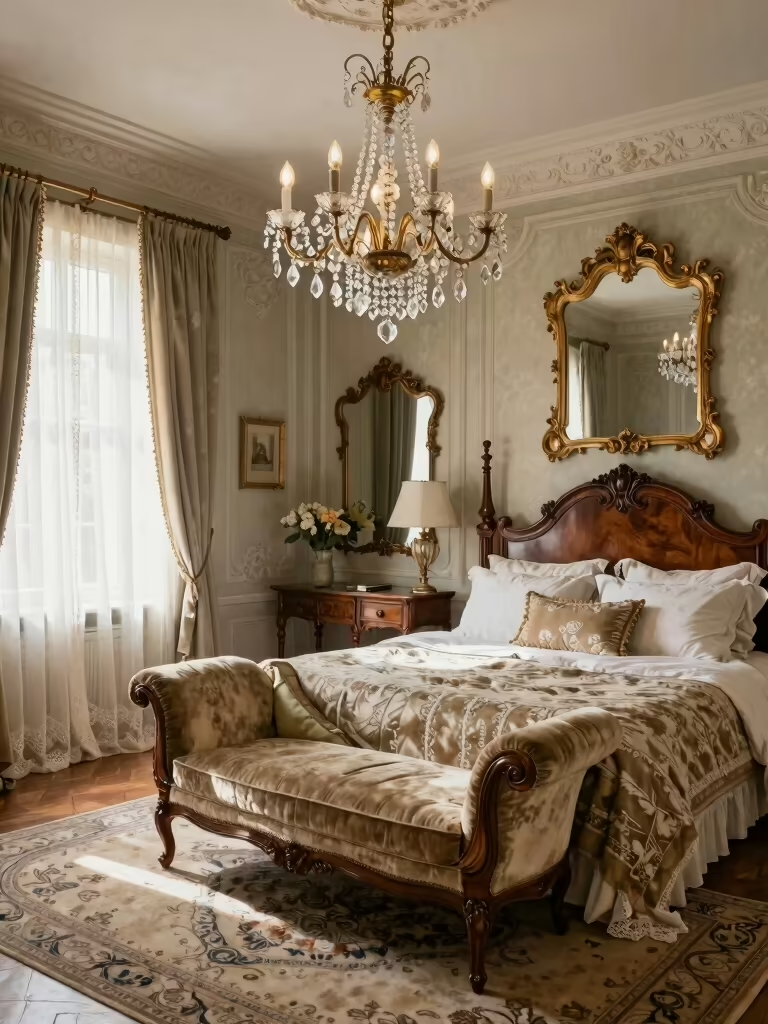
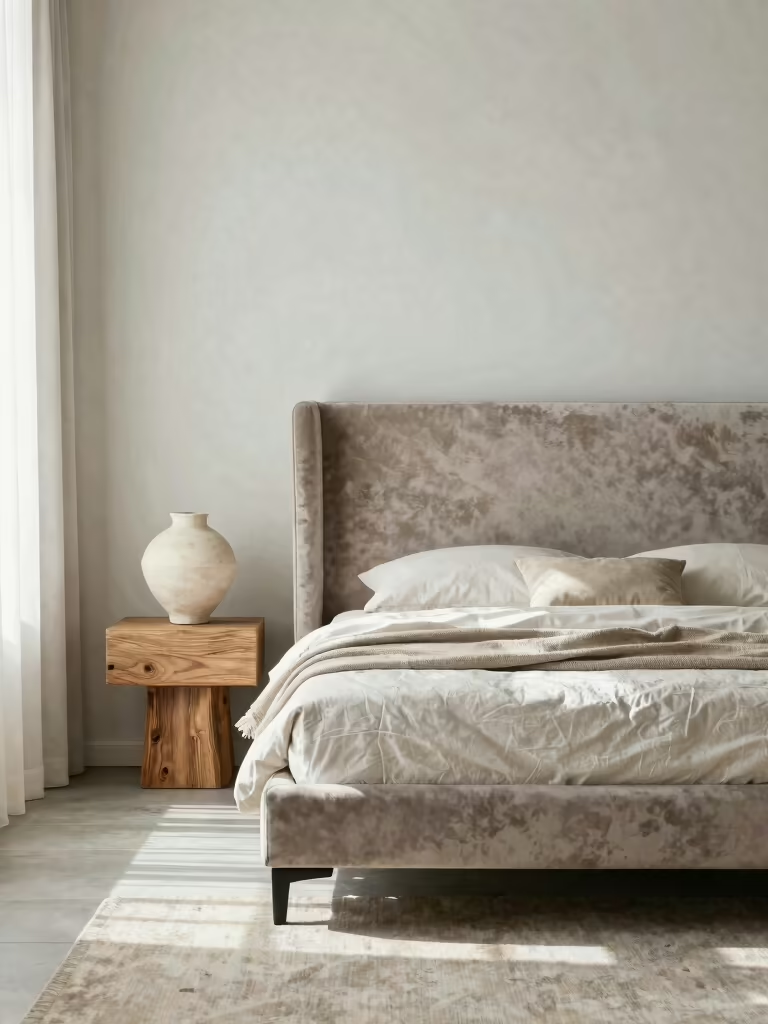
Texture is what keeps a quiet palette from going flat. Mix, do not match. Layer linen over velvet over a little wool so the eye has somewhere to rest, a nubby throw on smooth sheets, a jute rug under a soft duvet. If you want the color side settled first, our aesthetic room color ideas and a calm beige palette both pair well with this kind of layering.
The fix I make most often is talking someone out of buying more and into layering what they already own. Swapping a flat duvet for a washed-linen one ($60-120) and adding two textured pillow covers ($15 to $25 each) shifts a bed more than a whole new frame would. The honest trade-off: linen wrinkles, and that softness is the point, so if crisp hotel corners make you happy, this fabric will frustrate you.
Build Layered Lighting for a Softer Glow
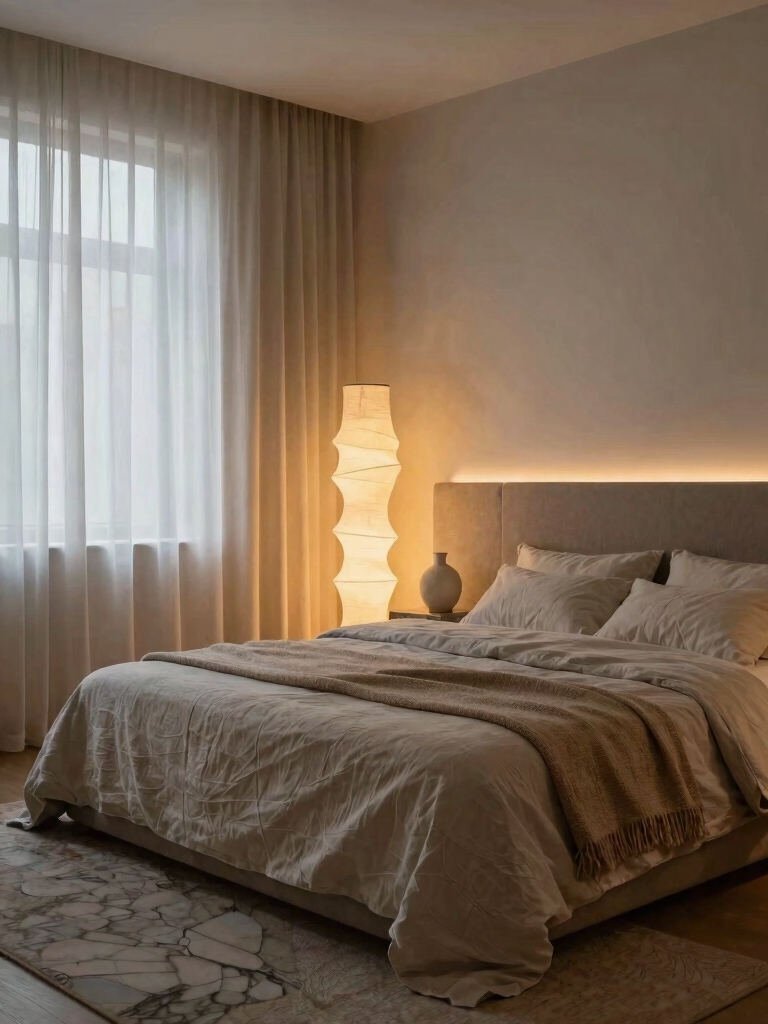
After enough makeovers I stopped trusting a single ceiling light to carry a bedroom, because it flattens everything beneath it. Layers beat one bright bulb. The rooms people save are lit low, a warm pool here, a soft glow there, all of it controllable.
Aim for three or four light sources you can switch on separately, and put the overhead on a dimmer so it plays backup at night rather than lead. For more placements, our layered bedroom lighting goes spot by spot.
- Two bedside lamps for symmetry and easy reading light close to eye level
- A floor lamp set where the bedroom goes dimmest, to fill in the gloom
- Warm fairy lights or a low dresser lamp for the soft after-dark glow
- 2700K warm bulbs throughout, since a cool bluish bulb undoes the whole mood in seconds
Not sure which warm direction to commit to? Match it to the light your room actually gets:
🎯North-facing, cooler light
Lean into clay, terracotta, and caramel to push warmth back into a room that runs cool.
🎯South-facing, bright light
You can carry deeper olive or navy accents without the room ever feeling dim.
🎯Renting, cannot paint
Bring the color in through a duvet, curtains, and two prints instead of the walls.
Design an Intentional, Calm Sleep Setup
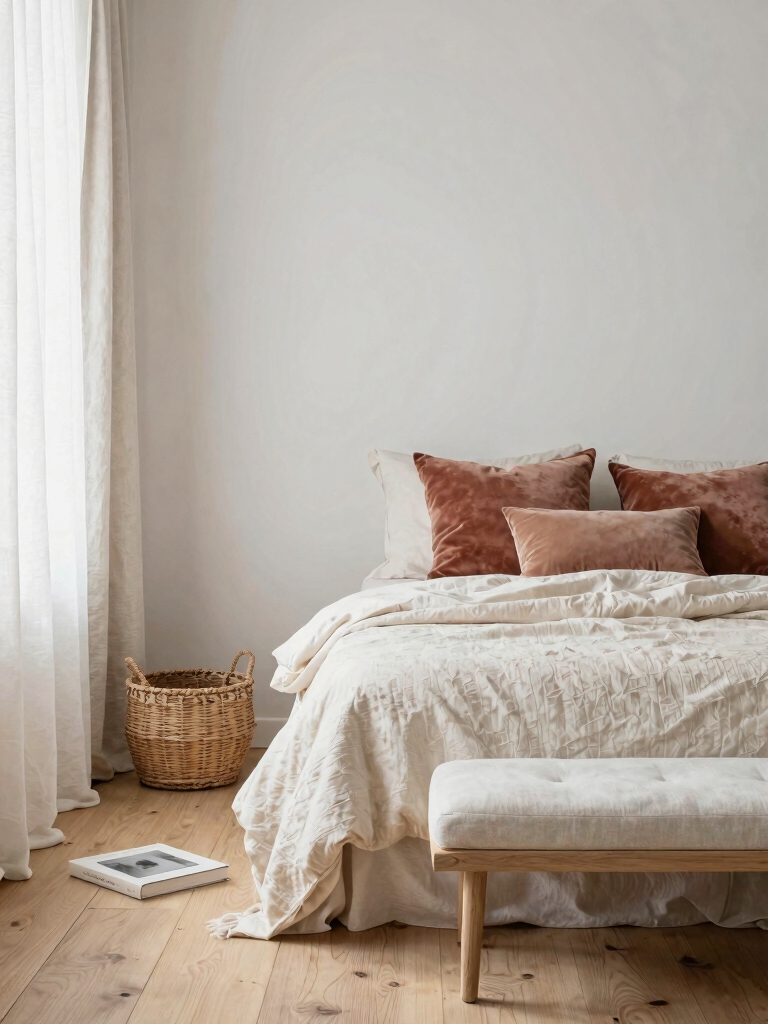
A sleep zone that calms you down is mostly about subtraction. I clear the nightstands first, every time. Pare the area right around the bed back to what you actually use, and the space starts to feel restful instead of busy. Work through it in order:
- Clear both nightstands down to a lamp, a book, and one small object
- Pick low, simple furniture so the eye travels smoothly across the room
- Choose one focal accent, an arched headboard or a single large piece of art, and let it lead
- Keep the palette tight, two or three tones, so nothing competes for attention
- Give every daily item a closed home, so surfaces stay clear without daily effort
Fill It With Meaningful, Personal Pieces
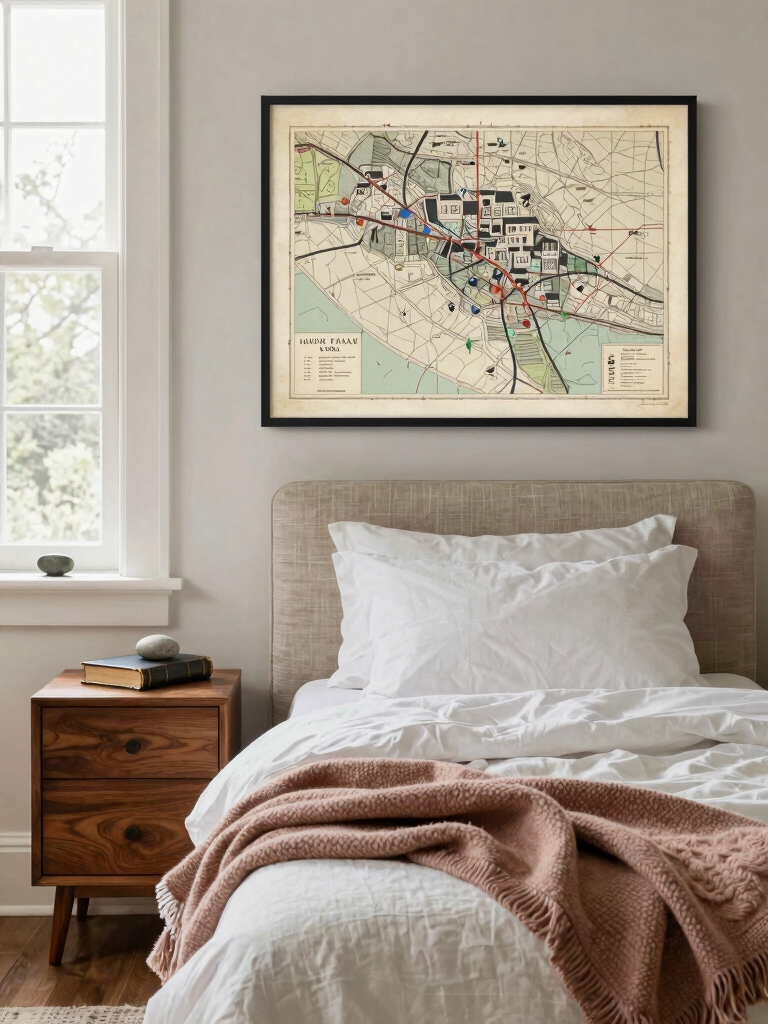
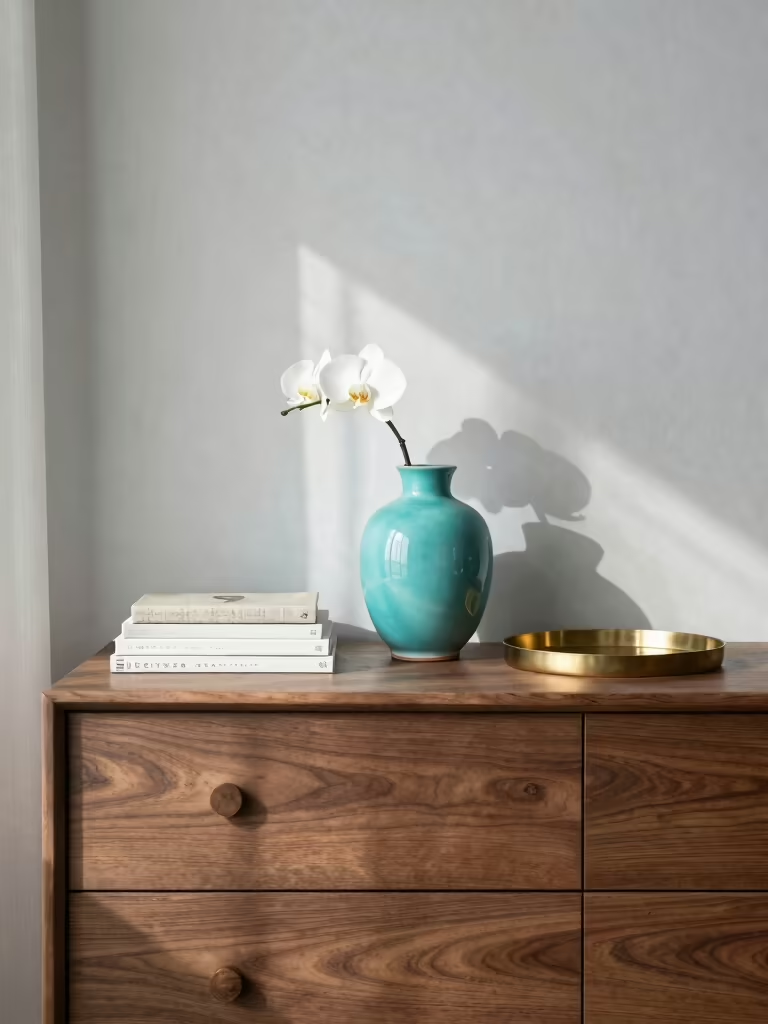
Calm does not have to mean blank. The bedrooms that pull at you have a few personal objects with real weight behind them, a stack of the books you reread, a framed photo, a ceramic you found at a market. These are what stop a styled bedroom from looking like a showroom floor.
The objects I tell people to keep out are always the ones with a story, and to box up the rest for now. One meaningful piece per surface, with a little breathing room around it, feels collected and warm. Crowd ten trinkets together and the same shelf looks like clutter, even when each piece means something to you.
- Group objects in odd numbers and vary their heights so a vignette feels natural
- Frame personal photos in matching tones to keep the wall quiet
- Let one handmade or thrifted piece carry more weight than a shelf of small buys
👍Where minimalist pays off
- +Clear surfaces make a small room read calmer and bigger
- +Less on show means the room actually stays restful day to day
- +It forces every object left out to earn its spot
👎Where it can go cold
- –Strip too far and the room feels like a hotel rather than yours
- –Hard, bare surfaces can echo and feel chilly at night
- –It needs real storage, or the clutter just piles up out of sight elsewhere
Use Art and Texture to Add Real Warmth
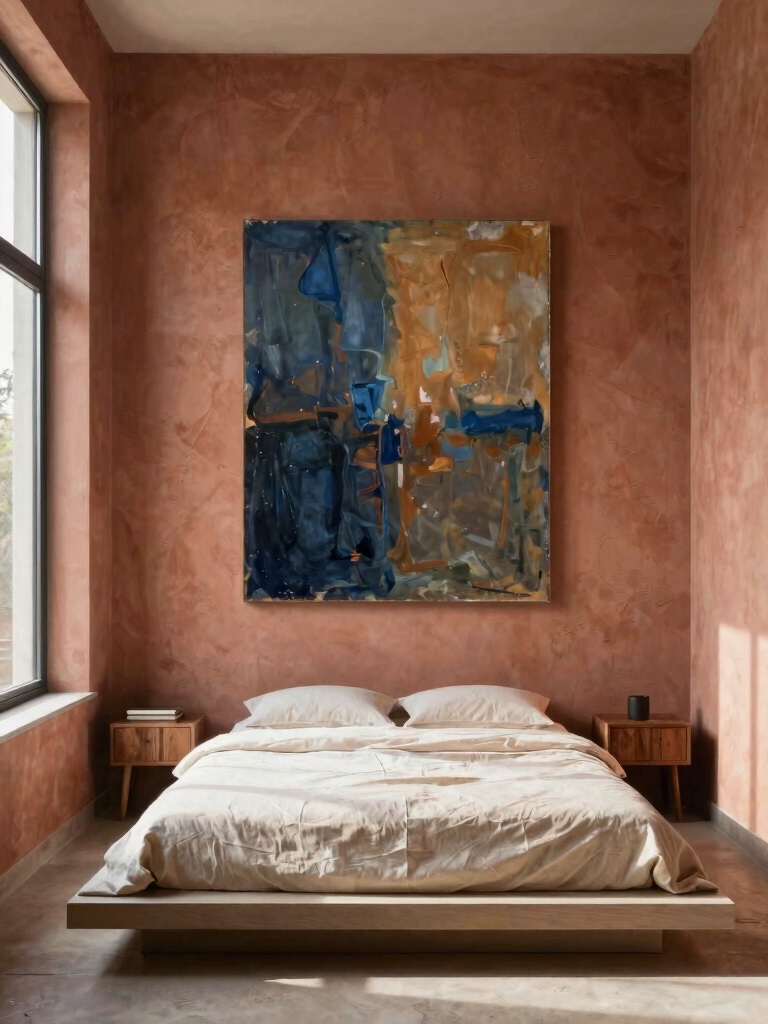
Walls are the last layer, and the easiest to get wrong by going too small. Scale is everything here. One large, calm piece above the bed does more than a scatter of little frames, and it warms the room the moment it goes up. Hang art around eye level, around 57-60 inches to center, leaving even space above the headboard so the wall looks intended.
Texture belongs on the walls too. A woven wall hanging, a soft linen textile, or a piece on real canvas adds warmth that a flat print behind glass cannot. What I watch happen, every time, is a room shift from rented-feeling to settled the moment a single well-scaled piece lands on the biggest bare wall.
Bring In Plants and a Little Living Green
A little living green is the cheapest way to soften a bedroom’s hard edges and put some life into a still room. One larger plant looks calmer than a row of tiny pots, and the right pick survives low bedroom light without much fuss from you. Set it where it catches whatever daylight the room gets, then mostly leave it alone.
- A snake plant or ZZ for dim corners and forgetful watering
- A trailing pothos or ivy off a shelf to soften a hard edge
- A dried stem arrangement if real plants and your light do not get along
- Skip anything thirsty or finicky, since a struggling plant looks sadder than none at all
Hide Daily Clutter in Closed Storage
Every calm bedroom hides its mess somewhere. Hide it, do not stack it. Closed storage does the quiet work, a lidded bench at the foot of the bed, baskets on a shelf, a nightstand with a real drawer for the small daily stuff that otherwise creeps across every surface.
Start with the surfaces you see on the way in, since those set the tone before you notice anything else. Under-bed bins on wheels swallow off-season clothes and spare bedding, while a couple of lidded baskets handle the daily creep of cords, chargers, and books. For more ways to find room without crowding the floor, our hidden bedroom storage and the small-room version both help in tight square footage.
Choose a Headboard That Sets the Tone
The headboard sets the tone of the whole bed, and softer shapes feel calmer than a hard tufted rectangle. A curved or arched silhouette, a nubby upholstered panel, or warm cane and rattan all feel current and quiet, echoing the rounded natural forms the rest of the room leans on. Even a slim cane headboard keeps the wall behind it from going heavy.
You can fake the shape for very little. A curved plywood panel wrapped in linen, a textile hung from a slim rod, or even an arch painted straight onto the wall all land the look for well under a hundred dollars, which is a lot of payoff for the money and a good weekend project.
Dress the Bed in Layers You Will Actually Use
A made bed is most of the aesthetic, and layering is what makes it look pulled together rather than plain. Build it up in a simple order so it looks full without feeling fussy or hard to redo each morning before work, and the whole room benefits from the one piece you see most.
- Crisp fitted and flat sheets as the smooth base layer
- A washed-linen or cotton duvet for the soft, slightly rumpled top
- Two sleeping pillows plus two euro shams for height against the headboard
- One folded throw across the foot to add color and a third texture
Cheap-Chic Swaps for One Free Weekend
If you only have a Saturday, spend it on the swaps that move the mood fastest rather than on big purchases. A few small changes, done together, come across as a whole new room for $30-90 total.
Work top to bottom and stop when it feels right, since you rarely need every item on the list. The point is momentum, one finished corner that makes the rest of the room feel possible right now.
- Trade builder-grade lampshades for warm linen or paper ones
- Add one textured throw and swap two pillow covers
- Switch dresser hardware for something warmer, brass or wood
- Rotate or rehang art so a tired wall feels new again
Bedroom Questions People Actually Ask
?What makes a bedroom feel calm instead of just decorated?
Calm comes from restraint and warm light more than from any single piece. A tight warm palette, three or four low light sources you can dim, clear surfaces, and a few meaningful objects given space all add up to a room that settles you. Decorated rooms fill every corner; calm ones leave a little quiet around things.
?How do I make a plain bedroom feel cozy on a small budget?
Start with the free moves: swap to 2700K warm bulbs, clear and hide the clutter, and layer texture from what you own, a knit throw, a linen duvet, a thrifted basket. Add one larger plant and a single big piece of calm art, and the room feels warm and gathered before you spend on furniture, usually under fifty dollars.
?What lighting actually makes a bedroom look aesthetic?
Low and layered, with the bright ceiling fixture mostly off at night. Use warm 2700K bulbs across a couple of bedside lamps, a corner floor lamp, and a soft accent like fairy lights, and put the overhead on a dimmer. The aim is several pools of warm light you control separately, so the room glows gently after dark.
?How many decor ideas should I actually use at once?
Two or three to start. Pick the moves that fix what bothers you most, warmth, light, or clutter, and finish those fully before adding more. A room built one finished layer at a time looks intentional, while doing a little of everything at once usually leaves it half-done and busy.
?Can a soothing, layered look work in a small bedroom?
Yes, and it often flatters a small room. A warm enveloping palette makes tight square footage feel deliberate, and clutter-free habits matter more when floor space is scarce. Lean vertical with sconces and tall narrow storage, then choose a few larger pieces over many small ones so the room feels calm rather than crowded.
Build the Room You Actually Relax In
None of this asks for a big budget or a free month. Get the warmth and the low light right, give your favorite objects room to breathe, and edit the clutter, and a bedroom starts to feel like the one you keep saving, mostly from pieces already in the house.
Pick the one move that bugs you most tonight. Start with a single corner. Swap the bulbs to warm or clear the nightstands, and let the room show you what it wants next. The rooms that calm a soul are built slowly, a layer at a time, and this season is as good as any to start. For a running list to pull from, the ideas fans keep saving make an easy next stop.