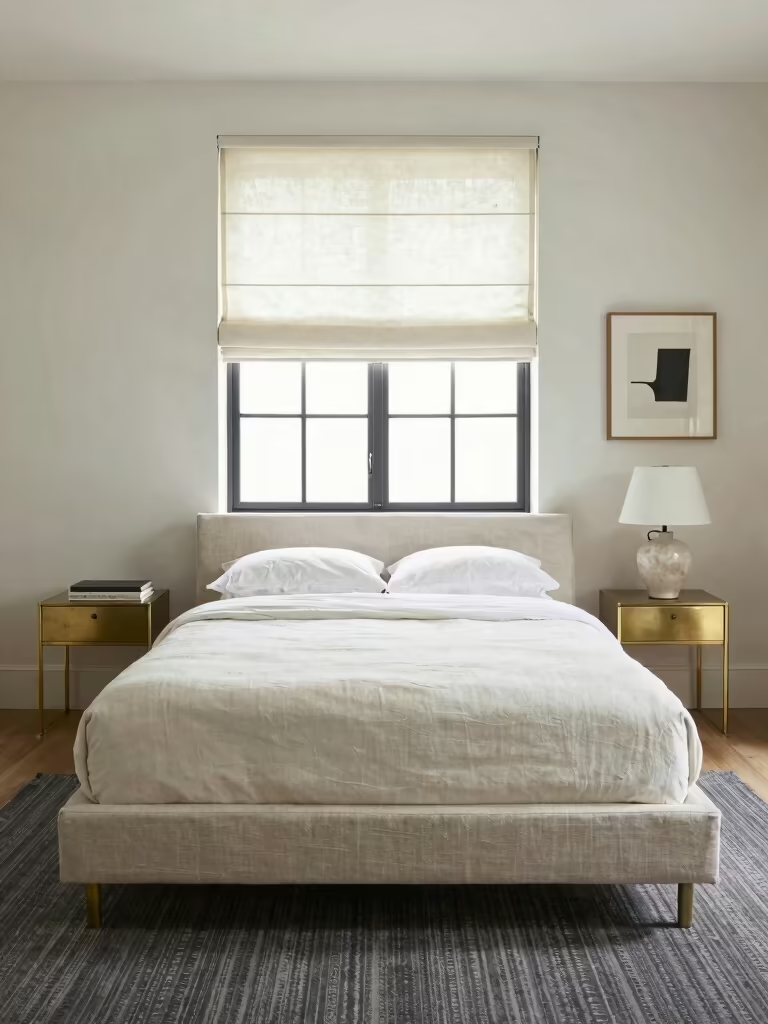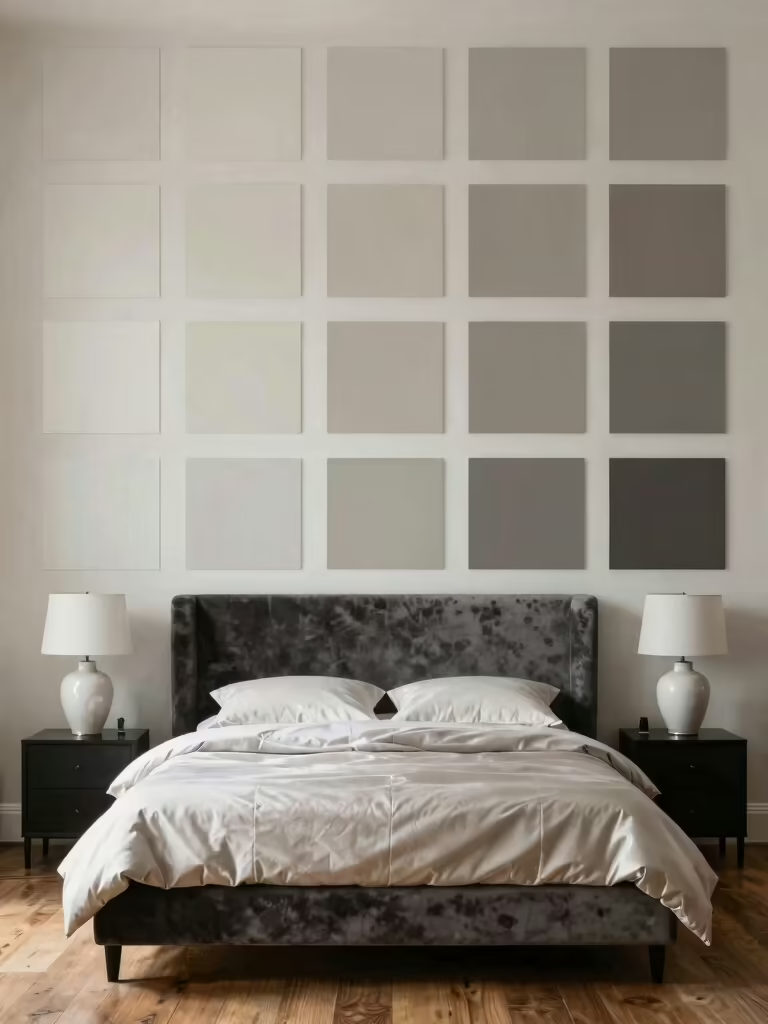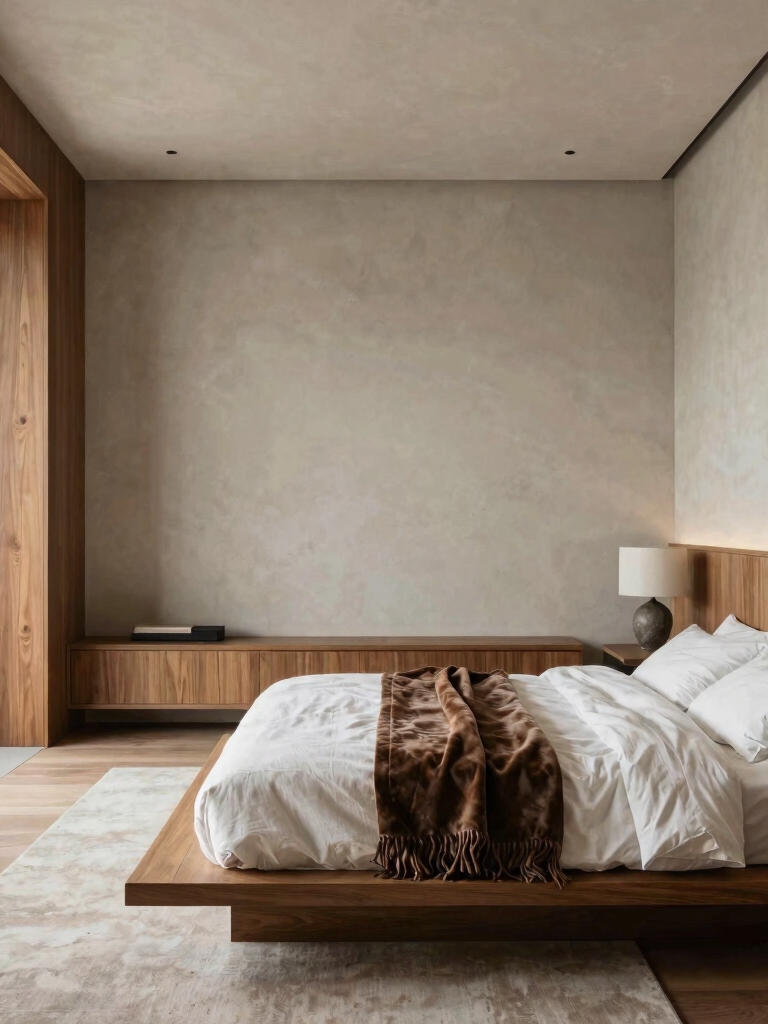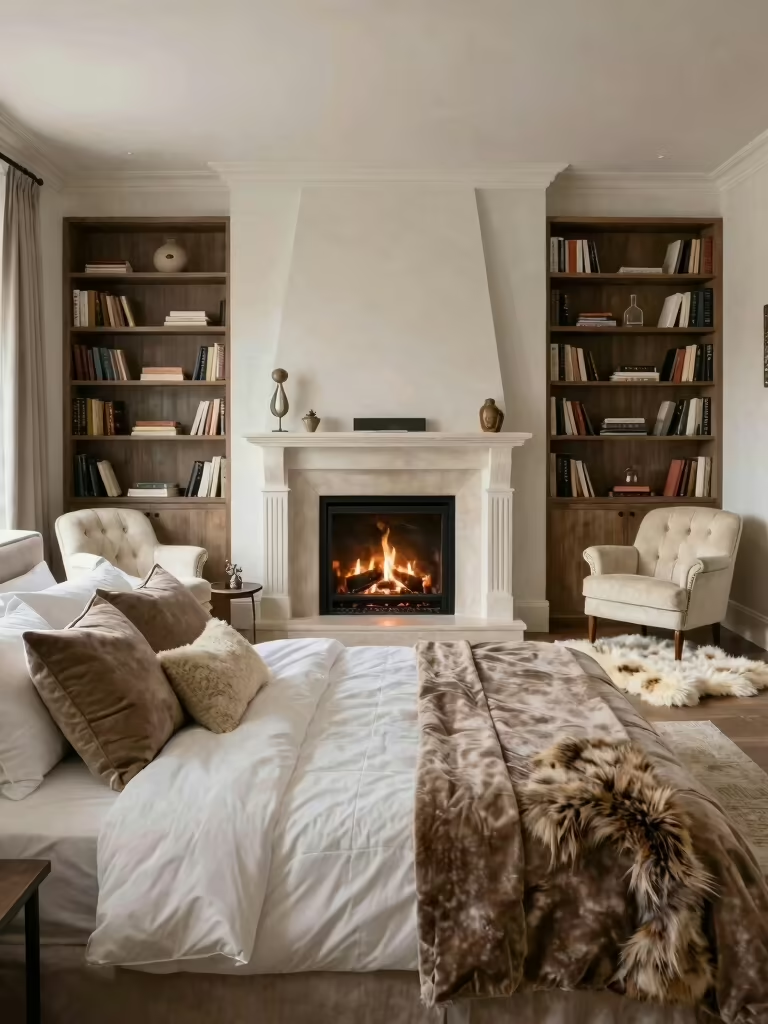

Walk into a great basement bedroom and you’d never guess you were below grade: warm light pooling on a plush rug, deep walls, not a hint of damp or dim. The luxe version is absolutely doable. It just starts a layer deeper than a normal room: the things you can’t see come before the things you can.
These basement bedroom ideas turn underground into a retreat that feels like a boutique hotel, starting with the foundations (moisture, light, egress) and moving up through color, texture, and ceiling treatments. Each comes with the honest detail on what’s a weekend job and what needs a pro, so you build something both beautiful and sound.
Underground to Upscale
Luxury below grade starts with the unglamorous basics: a dry, insulated shell and a code-compliant egress window. Get those right, by a pro, and the rest of the room can be as plush as you like.
From there it’s about beating the dim: layered warm light, reflective surfaces, and a color scheme chosen for low light. Add rich texture and a treated ceiling, and the basement feels less like a cellar and more like a suite.
Luxurious Basement Bedroom Foundations
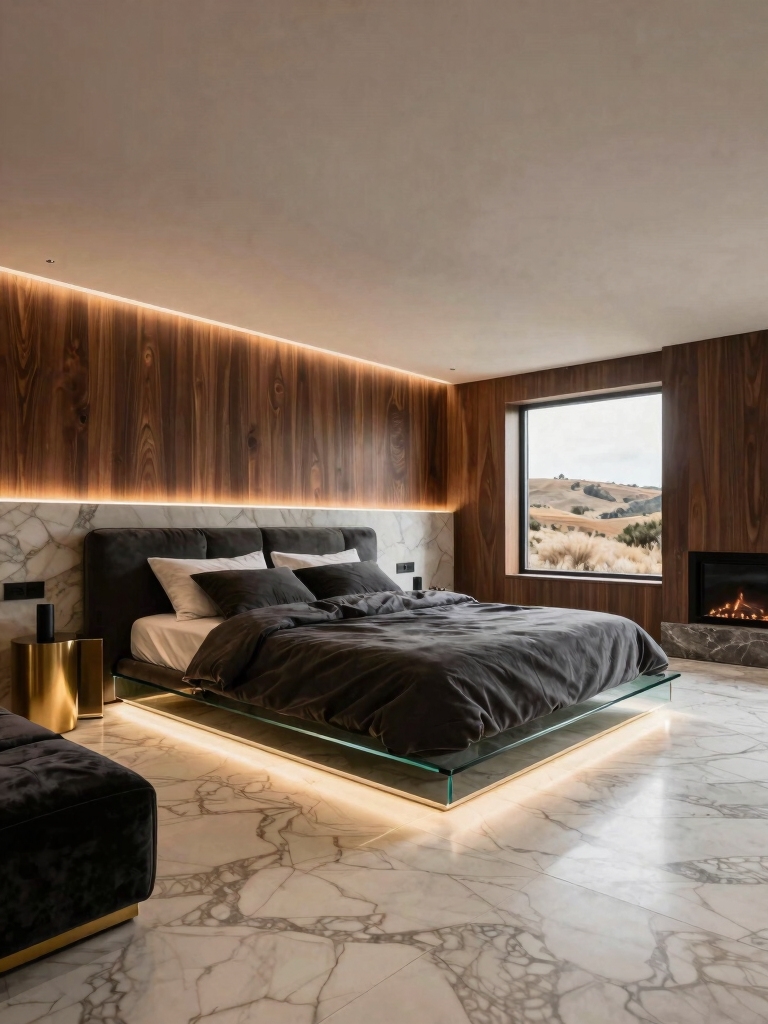
Luxury in a basement is built from the ground up, and the parts you don’t see decide whether the pretty parts last. Before a single pillow, the shell has to be dry and sound: a proper moisture barrier, sealed walls, and a stable, insulated floor. Damp is the enemy here. It kills both the vibe and your furniture, so this is where the budget earns its keep.
Get the safety basics right, because a basement bedroom is legally a bedroom only with the right exit. Most codes require a code-compliant egress window large enough to climb out of, plus a smoke and carbon-monoxide alarm. This is firmly licensed-pro and permit territory, a job for permits and a licensed pro, and worth doing properly before any decorating begins.
While the walls are open, plan for comfort. Insulation in the walls and ceiling keeps the room warm and quiet, and a radon test (cheap and important below grade) protects the air you’ll sleep in. Sort these foundations first, then the luxe layers go on with confidence. The unglamorous groundwork is what separates a real bedroom from a glorified storage room.
Light-Enhancing Small-Space Solutions
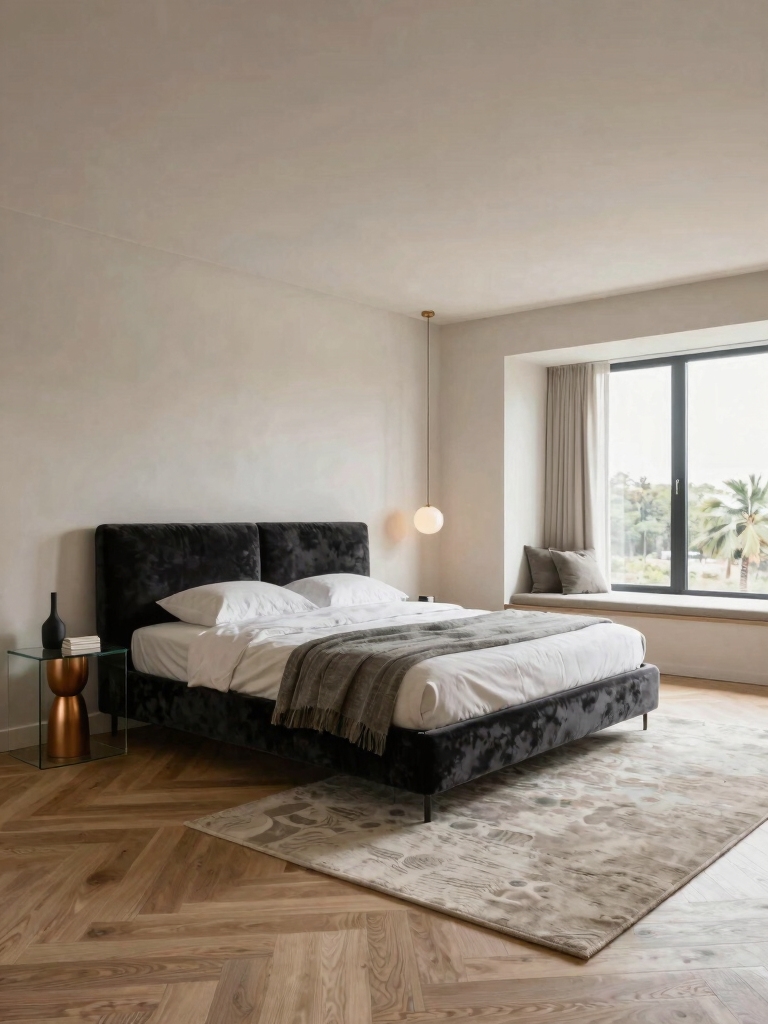
The biggest job in a basement is beating the dim, since natural light is scarce below grade. The fix is layering plenty of warm artificial light and bouncing every bit of it around. Use light at three heights, warm bulbs, and reflective surfaces so the room glows instead of feeling like a cave at noon.
Make the most of any real daylight you have. A clean egress or hopper window, light sheer coverings, and a large mirror placed to catch that window all stretch the daylight further. Pale, lightly reflective wall finishes keep the glow moving. For the full layering approach, see my [bedroom lighting ideas for mood](bedroom-lighting-ideas-mood).
- Layer warm 2700K light at three heights so the room never relies on one dim fixture.
- Hang a large mirror to bounce whatever daylight and lamplight you have around the room.
- Add recessed or wall lights if the ceiling is low, so nothing hangs into the headroom.
“Before you spend a dollar on decor, get the shell assessed by a pro: moisture, insulation, egress, and a radon test. It’s the least glamorous money you’ll spend and the most important, because every luxe layer you add on top is only as good as the dry, safe room underneath it.”
Mood-Boosting Basement Color Schemes
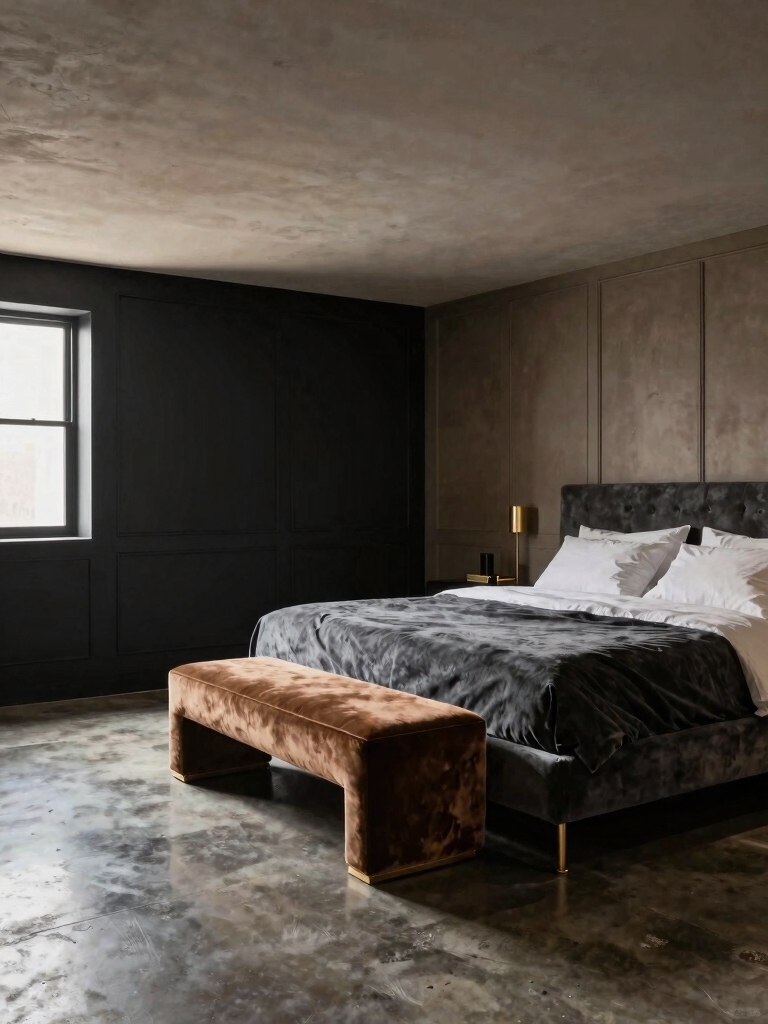
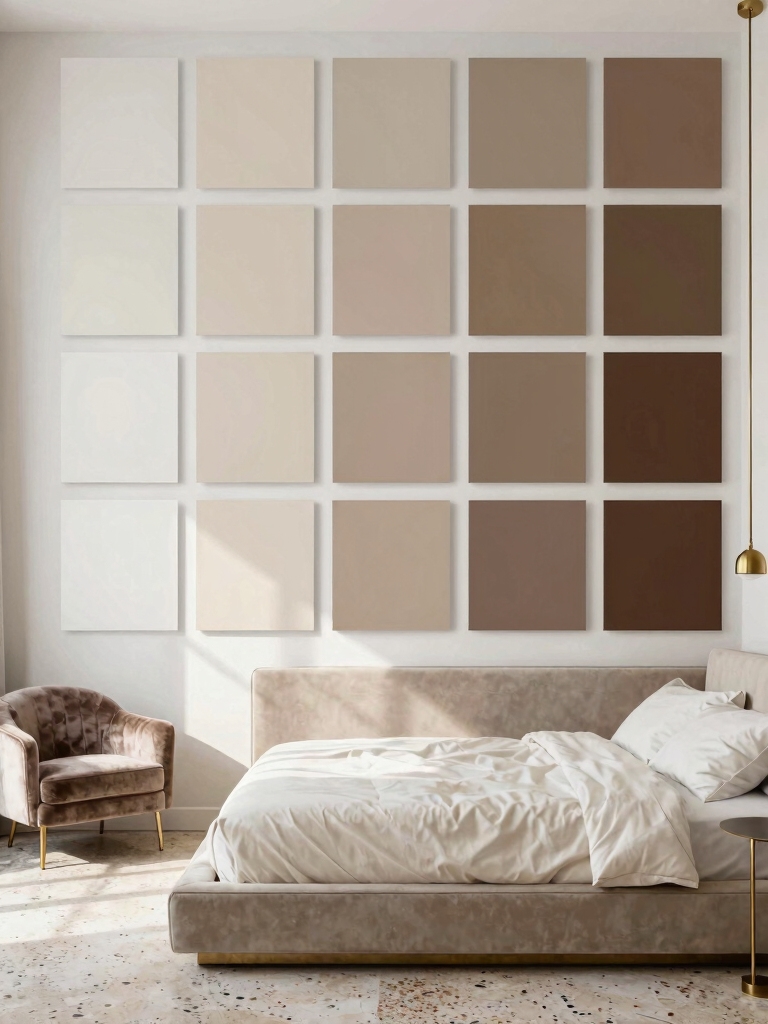
Color does heavy lifting below grade, where you’re not fighting bright daylight and can lean into mood. Counterintuitively, a basement often suits a richer, cozier palette than a sunlit upstairs room, since deep tones feel intentional and rich down here. Pick a scheme that matches the feeling you want and commit to it.
- For serene and spa-like, try soft neutrals with one deep accent like forest or charcoal.
- For sophisticated and moody, lean into navy or espresso with warm brass or wood.
- To widen a tight, low room, keep walls in a soft, light tone and let texture add the depth. My [cozy bedroom color palette guide](cozy-bedroom-color-palette-ideas-changing) has pairings for low light.
Cozy Textures for Comfort
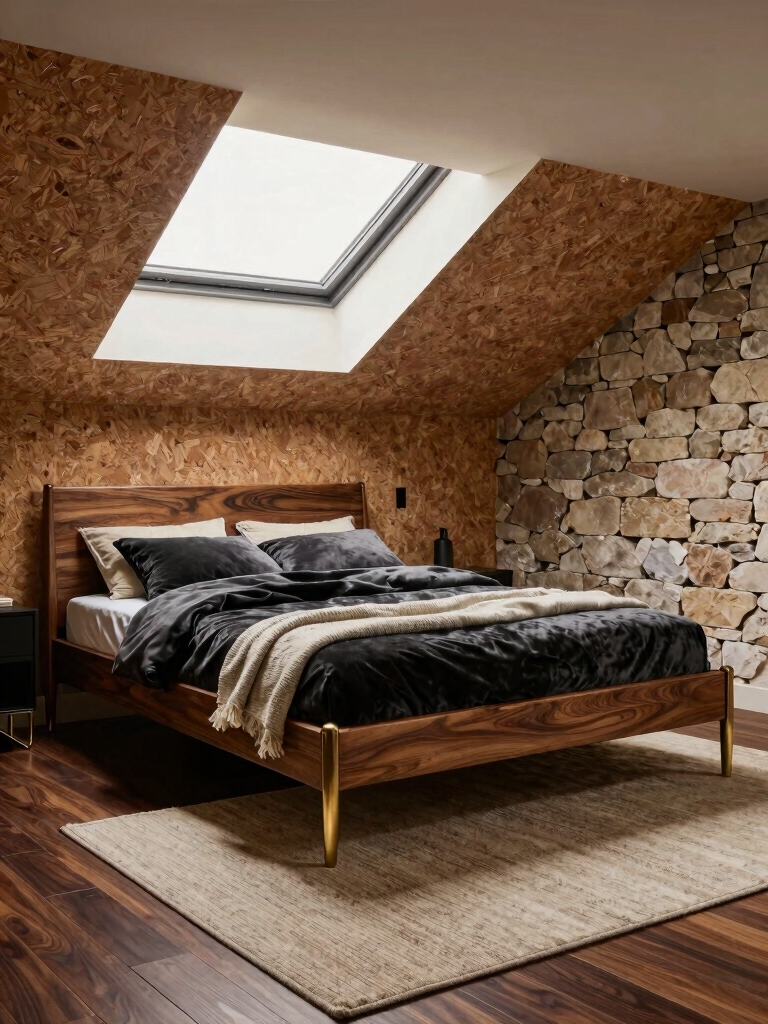
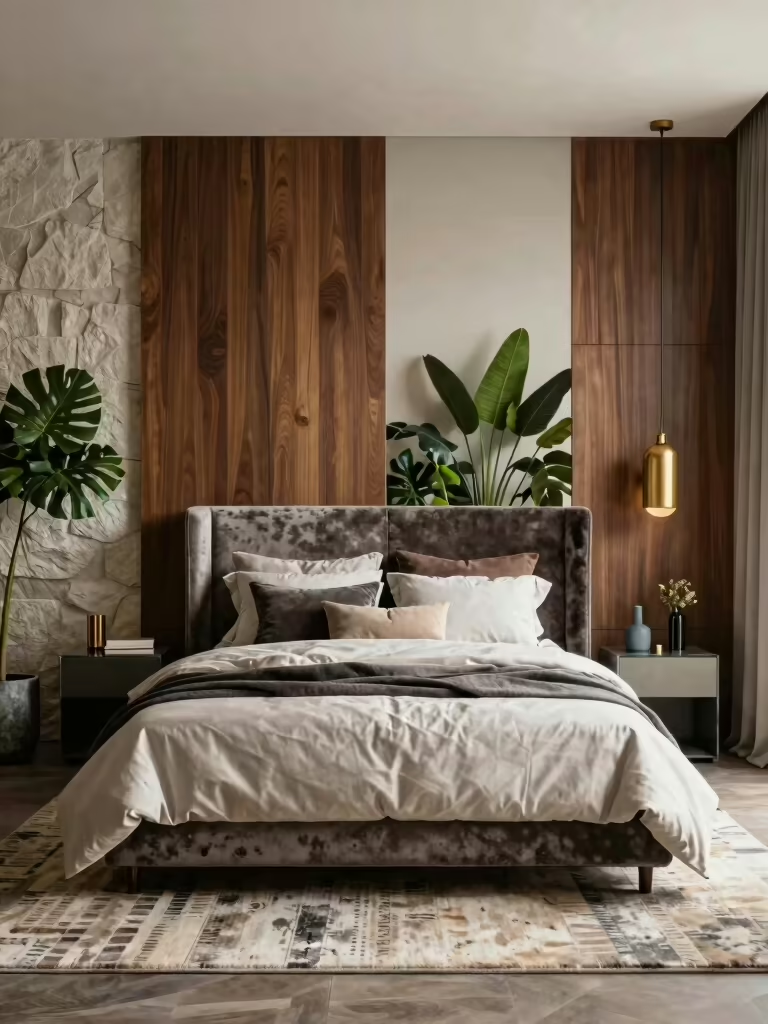
Texture is what turns a hard, echoey basement into a warm retreat, and it does double duty down here. A thick rug over the cold floor softens underfoot, hushes the echo a hard-walled basement throws around, and adds the layered warmth a below-grade room needs. Pile on the tactile and the cellar feeling disappears fast.
Soft Goods Built for Below Grade
Layer a few weights and materials so the room feels rich. Wool throws, a velvet headboard, linen bedding, and natural-fiber baskets bring warmth the bare shell lacks, and soft upholstered pieces soak up sound. Mixing smooth and chunky textures gives the eye and hand something at every level, which is what luxury feels like.
Favor durable, moisture-friendly materials below grade. Choose rugs and fabrics that handle a slightly humid environment, keep a dehumidifier running if needed, and lift soft goods off the floor where you can. Comfort that lasts is part of the luxury, and a basement rewards materials chosen with its conditions in mind.
Which basement luxury direction fits you? A quick read:
🎯You want spa-calm and restful
Soft neutrals, a deep green or charcoal accent, plush texture, and warm layered light.
🎯You want moody and sophisticated
Navy or espresso walls, brass and wood, a dark-painted ceiling owning the industrial look.
🎯The room feels tight and low
Light walls, a big mirror, recessed lighting, and texture for depth instead of dark color.
Transformative Ceiling and Wall Textures
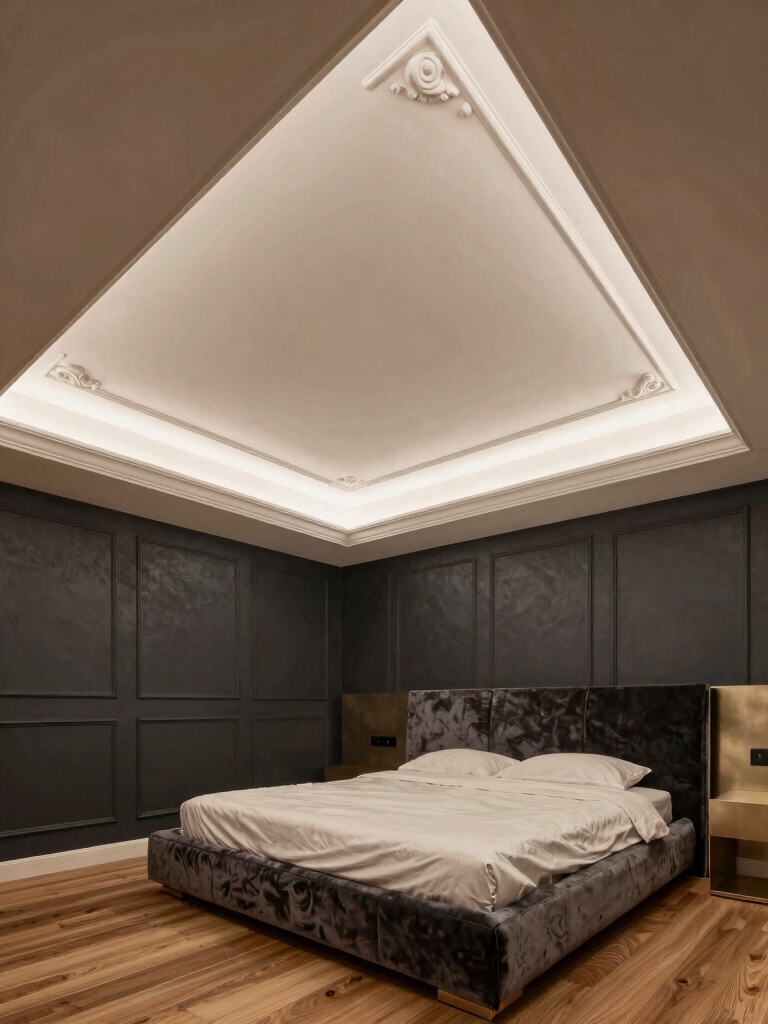
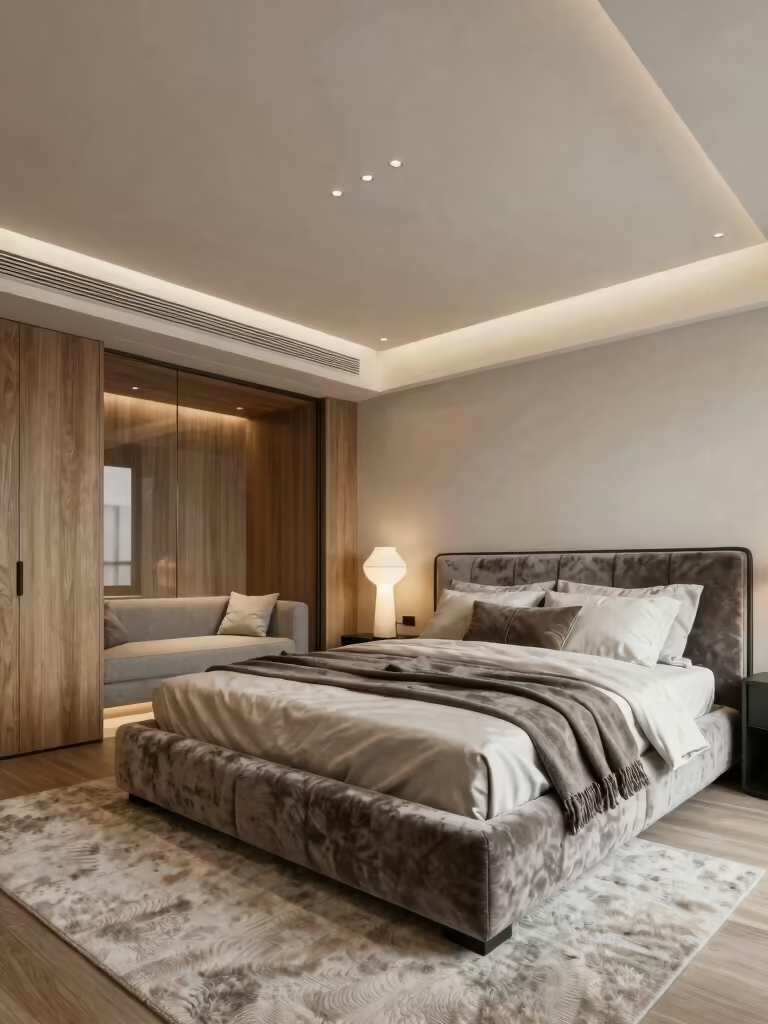
The ceiling is a basement’s trickiest surface and its biggest opportunity, since exposed joists and ductwork are what scream cellar. You have two luxe routes here. Hide it, or own it. A clean drywall ceiling or a drop ceiling with quality tiles reads polished; painting exposed beams and ducts one dark, matte color makes the industrial look a deliberate, moody feature.
Walls offer the same chance to add dimension. Beadboard or panel molding brings architecture a flat basement wall lacks, a textured plaster finish adds subtle depth, and a single accent wall in a rich color or a warm wood gives the room a focal point.
Keep the treatments calm and cohesive so the room feels designed, and the basement loses its unfinished edge entirely. My [storage ideas that beat clutter](bedroom-storage-ideas-clutter) help keep those handsome surfaces clear.
Smart Storage and Built-Ins Below Grade
A luxe basement bedroom stays luxe only if the clutter has somewhere to go, and basements offer odd nooks that built-ins can claim. The space under a stairway, the gaps between support posts, and the runs along a knee wall all take custom shelving or cabinets that turn awkward corners into storage. Built-ins also make a basement feel finished rather than improvised.
Choose closed storage to keep the room calm and protect things from any humidity. Cabinets with doors, a wardrobe, and lidded boxes shield clothes and linens from the slightly damper basement air, while a few open shelves can hold the good-looking pieces. Lift storage off the floor where you can, both for the look and as a hedge against any stray moisture.
Add a piece or two that does double duty. A storage bed, an upholstered bench that opens, and a slim console that works as a desk all earn their footprint in a room that’s often doing more than one job. For a basement that doubles as a guest room or a retreat, that flexibility is part of what makes it feel considered and high-end.
Air, Warmth, and Everyday Comfort
Below-grade comfort is mostly about air and temperature, the things that separate a pleasant basement from a clammy one. A dehumidifier keeps the humidity in a healthy range, which protects both your sleep and your furniture, and good airflow from the home’s HVAC or a quiet fan keeps the air fresh. Stale, damp air is the fastest way to undo a beautiful basement.
Warmth matters too, since basements run cooler than the rest of the house. Insulation does the heavy work, a warm rug and layered bedding handle the rest, and a small electric heater can take the edge off a cold night. The goal is a room that feels as cozy as anywhere upstairs, with none of the chill people expect from a cellar.
Mind the practical safeguards that keep it healthy. Test for radon below grade, keep the egress window clear and operable, and make sure the smoke and carbon-monoxide alarms work. These are quiet, essential details, and any work touching ventilation, gas, or the foundation belongs to a licensed pro rather than a DIY afternoon.
Budget Moves That Read High-End
Once the shell is sound, most of the luxe layers are surprisingly affordable. A coat of moody paint, a plush rug, warm bulbs, and a large secondhand mirror transform the feel of a basement for a couple hundred dollars. The expensive part is the dry, safe room underneath; the part everyone sees can lean heavily on smart, thrifty choices.
Spend where your body and eye land most, and save everywhere else. A quality mattress and good bedding are worth real money since you feel them nightly, while art, baskets, and accent pieces look just as rich thrifted. One genuine splurge surrounded by clever finds reads more designed than a room of mid-priced everything.
Lean on a few high-leverage tricks the eye reads as money. Curtains hung high and full soften the hard shell, matching metals across lamps and hardware pull the room together, and a single well-placed plant softens the below-grade feel. None of these cost much, and together they tip a finished basement toward boutique.
Common Mistakes to Avoid
The biggest basement mistake is decorating over an unsolved moisture or air problem. A plush rug on a damp floor or fresh paint over a leaky wall only buries trouble that resurfaces fast, so fix the shell and the humidity before the styling. The second is skipping the egress: a below-grade room without a proper exit fails as a legal and safe bedroom, no matter how pretty it looks.
The other common slip is fighting the basement instead of leaning into it. Chasing a sun-drenched look in a windowless room usually disappoints. Leaning into a warm, moody, layered scheme plays to the space’s strengths and feels intentional. Light it warm, texture it richly, and let the basement be the cozy, tucked-away retreat it’s naturally suited to be.
Basement Bedroom Questions, Answered
?Can a basement legally be a bedroom?
In most areas, only with a code-compliant egress window or door, proper ceiling height, and working smoke and carbon-monoxide alarms. Check your local code and use a licensed pro, since the requirements protect your safety and your home’s value.
?How do I keep a basement bedroom from feeling damp?
Fix the moisture at the source first: a proper barrier, sealed walls, and a dehumidifier to hold humidity in a healthy range. Decorating over damp only hides it, so the shell and the air come before the styling.
?What’s the best way to brighten a windowless basement?
Layer plenty of warm light at three heights, hang a large mirror to bounce it, and keep walls pale and lightly reflective. Lean into a warm, cozy scheme rather than chasing a sun-drenched look that won’t happen below grade.
?What colors work best in a basement bedroom?
Because you’re not fighting bright daylight, basements suit richer, moodier palettes: navy, espresso, deep green, or soft neutrals with a bold accent. For a tight, low room, keep walls light and add depth through texture.
?Is a basement too cold for a comfortable bedroom?
Not once it’s insulated and finished. Good insulation, a warm rug, layered bedding, and steady airflow keep it as cozy as upstairs. A small heater handles the coldest nights, and a dehumidifier keeps the air fresh.
A Retreat That Happens to Be Underground
A basement bedroom turns luxe when you respect the order: dry, safe shell first, then the layers that dazzle. Solve the moisture and egress with a pro, beat the dim with warm layered light and mirrors, choose a scheme that loves low light, and pile on rich texture and a treated ceiling. Do that and underground becomes the most surprising retreat in the house.
Sort the foundations first, then build the boutique-hotel layers on top, and the cellar nobody wanted becomes the room everyone asks to sleep in.