
A client once told me her bedroom felt blah and she couldn’t say why. The furniture was nice, the light was fine. We changed one thing, the wall color, and the whole room shifted from forgettable to the calm retreat she’d wanted all along. Color is the cheapest lever you have. It changes a bedroom’s entire vibe faster than any furniture, and it costs about a gallon of paint.
These bedroom color ideas are organized by the feeling you want to wake up to, over chasing a trend. We’ll match each vibe (calm, moody, breezy, romantic) to the colors that deliver it, plus the lighting and texture that seal it. Pick the mood first and the palette almost chooses itself, which is how the pros land a room that feels exactly right.
Pick the Vibe, Then the Color
- Start from the feeling you want (calm, cozy, moody, breezy), then pick colors that deliver it.
- Warm neutrals feel calm and grown-up; jewel tones turn moody and rich; soft blues bring a breezy lift.
- Test any color on the wall day and night, since light changes a vibe completely by the hour.
- Let lighting and texture finish the mood, since color alone only gets you most of the way.
Mood-Driven Bedroom Color Selection
The mistake most people make with bedroom color is starting from a trend or a paint chip they liked in the store. Start from the feeling instead. Decide how you want the room to make you feel when you wake up and when you wind down, then work backward to the colors that create that feeling. The vibe is the brief; the color is the answer.
The Vibe Is the Brief
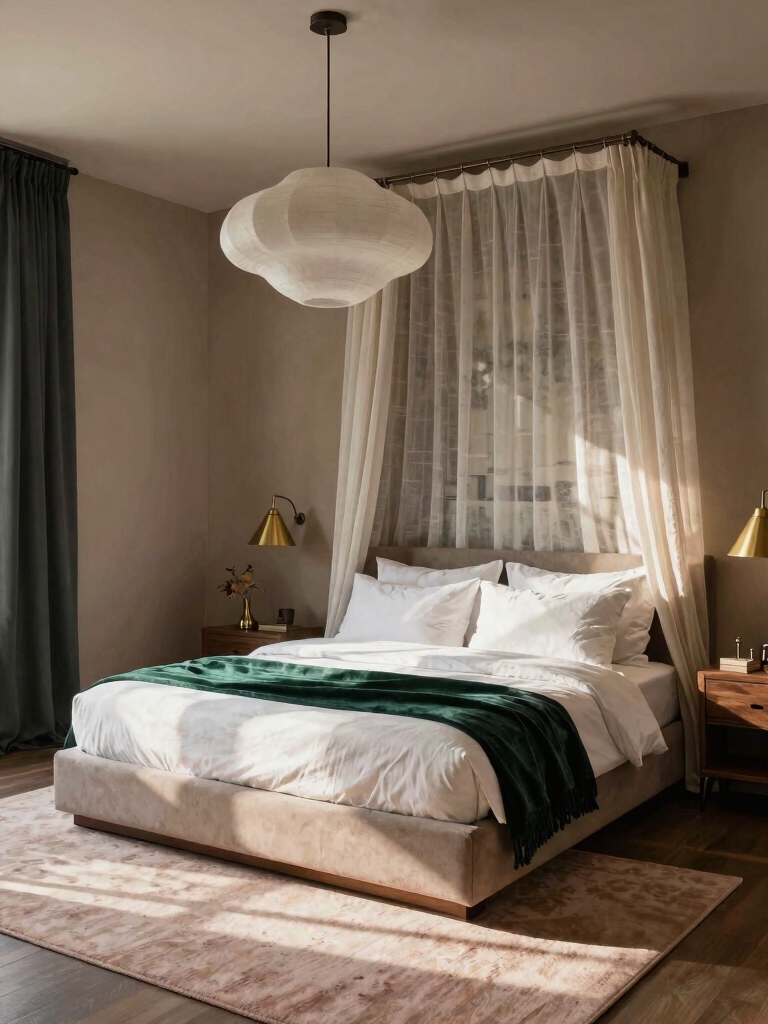
Map the feelings to broad color families first. Calm and grown-up calls for warm neutrals; cozy and rich points to deep or earthy tones; moody and dramatic points to jewel tones; breezy and fresh points to soft blues and greens. Naming the mood narrows a paralyzing wall of swatches down to a handful worth testing.
Then test before you commit, because the same color can read as two different vibes depending on your light. Brush big swatches on a couple of walls and look at them in the morning and at night. A pint of sample paint runs a few dollars and saves a whole-room mistake. My [aesthetic room color ideas for any bedroom](aesthetic-room-color-ideas-bedroom) catalog the specific pairings.
Calm Neutrals With Warm Accents
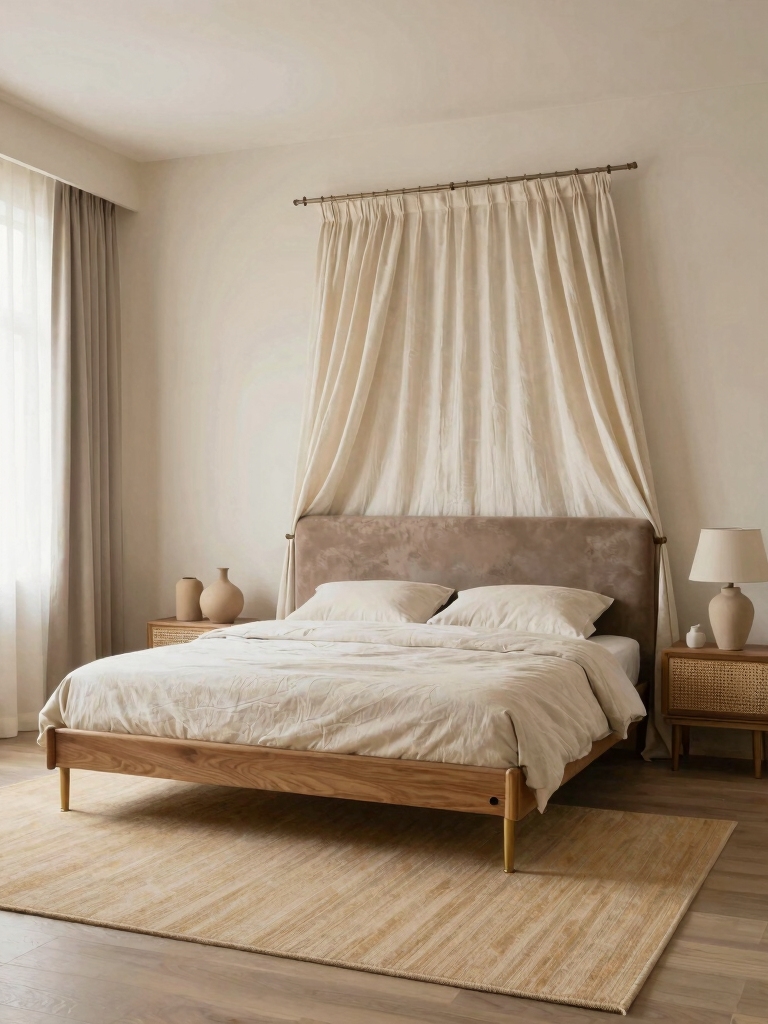
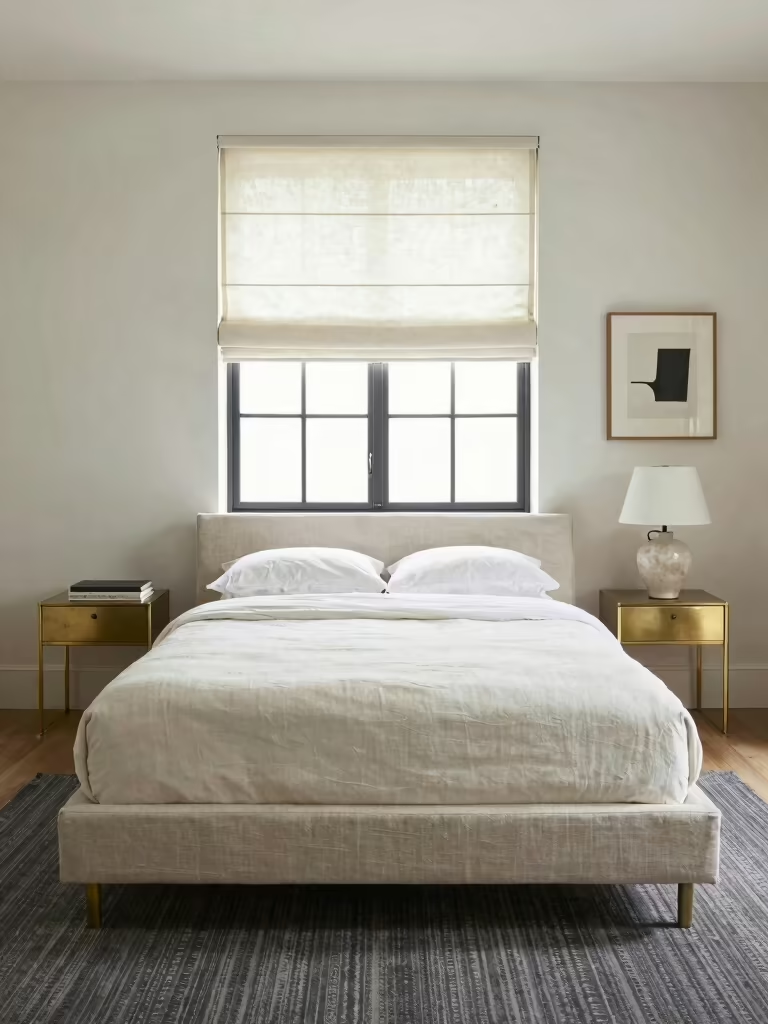
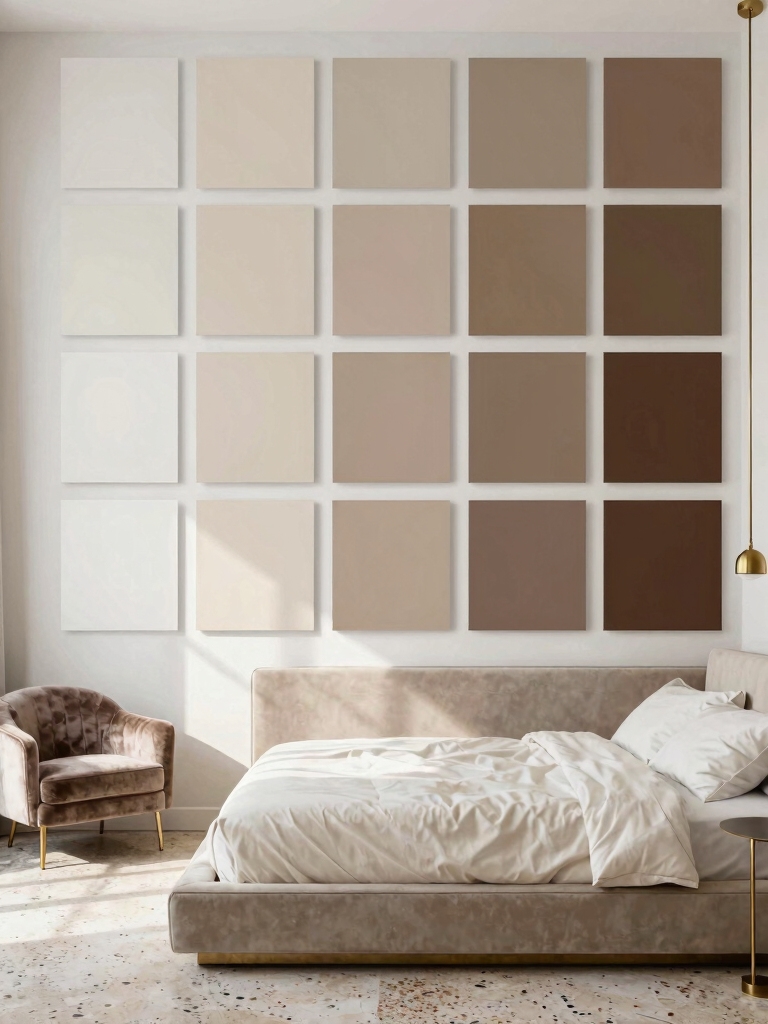
If the vibe you want is calm and quietly grown-up, warm neutrals are the answer. Soft cream, warm greige, oatmeal, and the gentlest taupe settle a room into a restful feeling that never goes out of style. The key word is warm: a neutral with a little cream or clay in it soothes, while a cold gray can feel sterile.
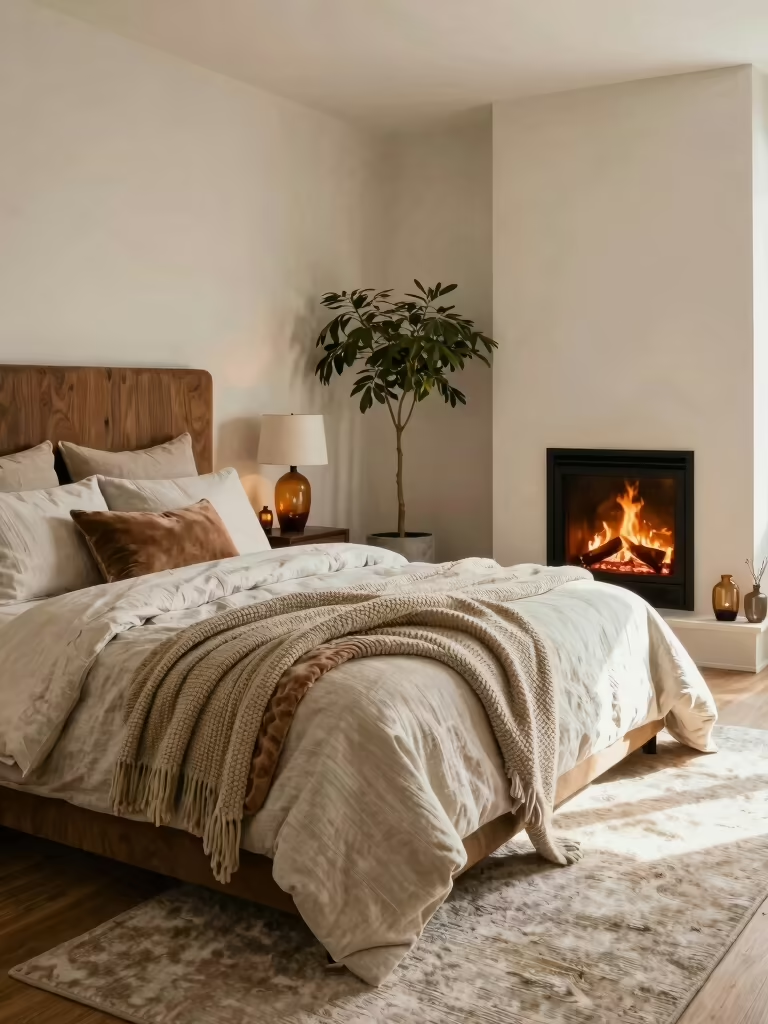
Keep neutrals from feeling flat by layering warm-toned texture. Linen, boucle, velvet, and pale wood add the depth that stops a calm room from feeling boring, and one slightly deeper accent (a caramel throw, a bronze lamp) gives the eye somewhere to land. This is the vibe that suits almost anyone and any room, which is why it’s the most reliable place to start.
The color myth that leads to repaints:
❌ Myth: Pick the color you love in the store and go.
✅ Reality: Store light lies. Always test a swatch on your own wall, day and night, since the same chip can read warm and calm at home or cold and flat under different light.
❌ Myth: You need a whole new room to change the vibe.
✅ Reality: One wall color shifts a room more than any furniture. Color is the cheapest, fastest vibe change there is.
Moody Jewel-Tone Elegance
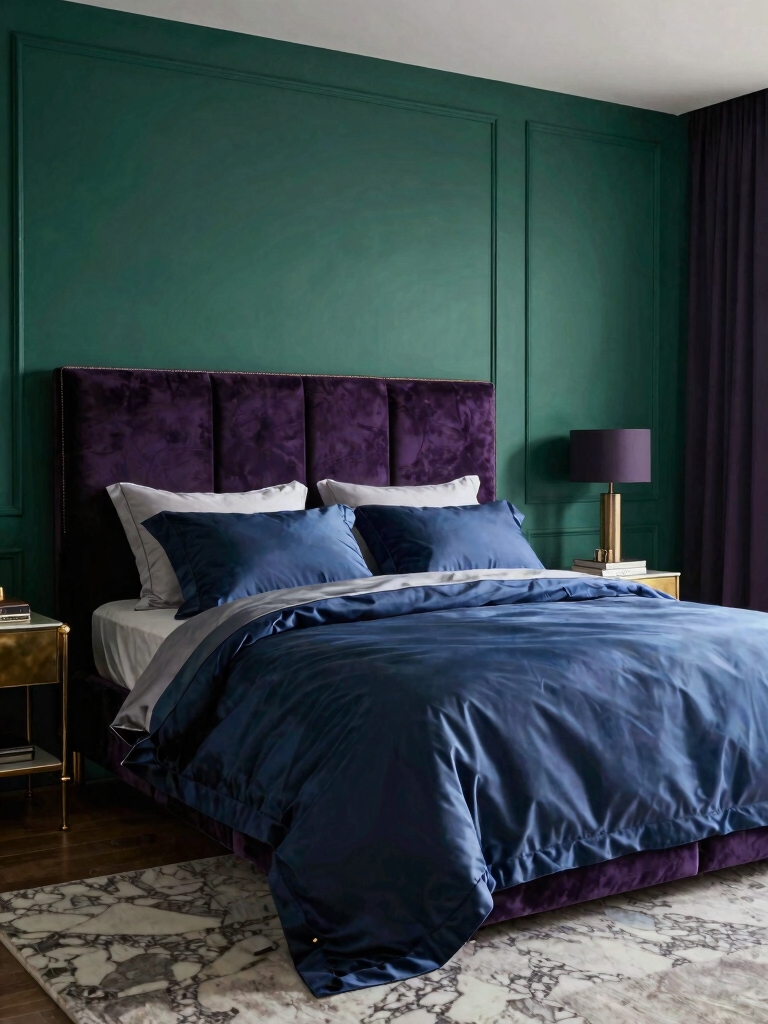
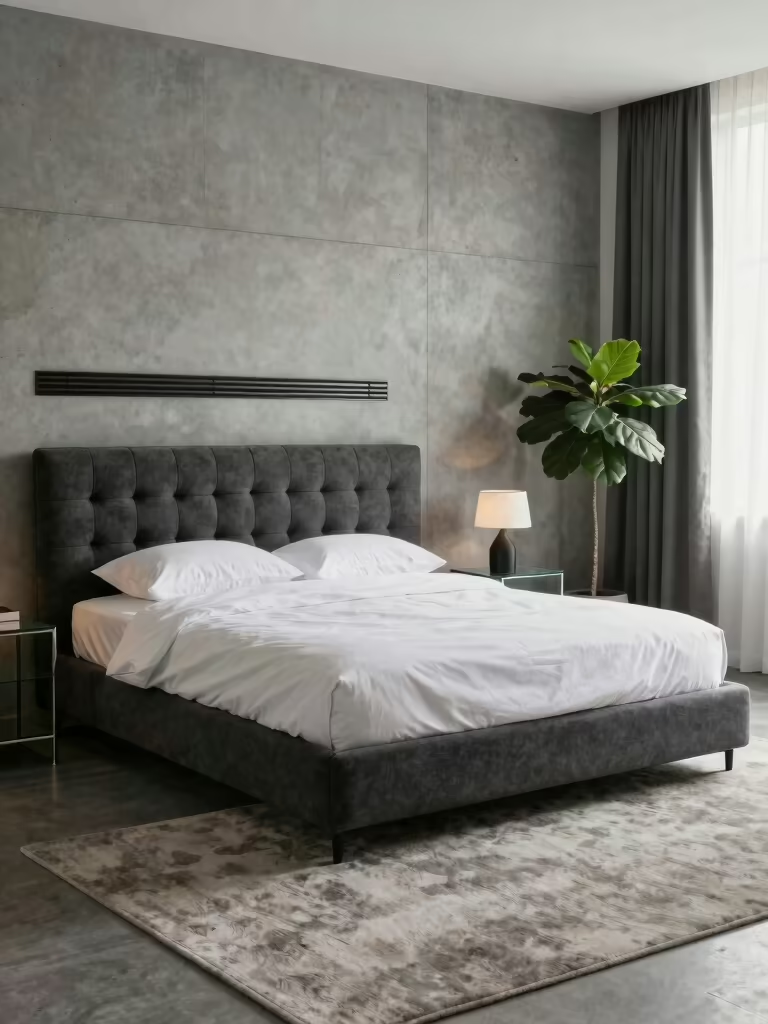
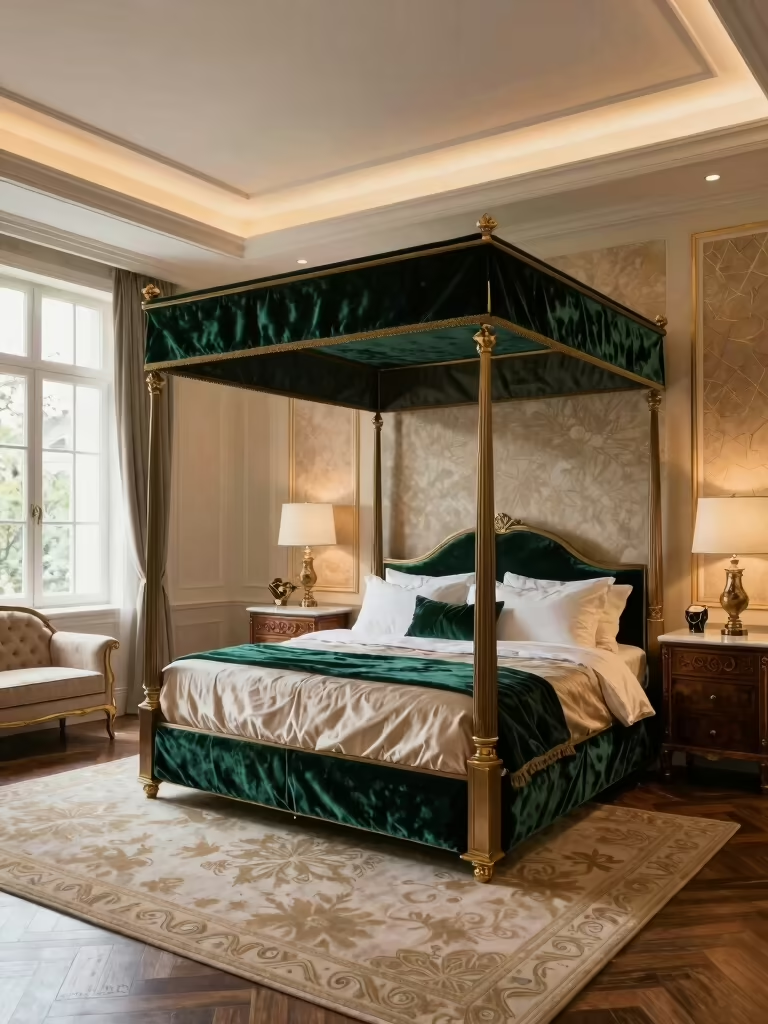
When the vibe is moody, dramatic, and a little luxe, jewel tones deliver. Deep emerald, sapphire, and rich plum wrap a bedroom in a cocooning, sophisticated feeling, especially with warm metallics in the mix. The trick is balance. Get the saturation right and the room feels immersive, not overwhelming. Build the moody vibe like this.
- Anchor with one deep jewel tone on the walls or a feature wall, then calm it with neutrals.
- Add warm brass or gold and matte textures so the dark color looks rich and soft.
- Keep the light warm and low, since jewel tones drink up light and shine in a dim, cozy room.
A Calm Coastal Bedroom Retreat
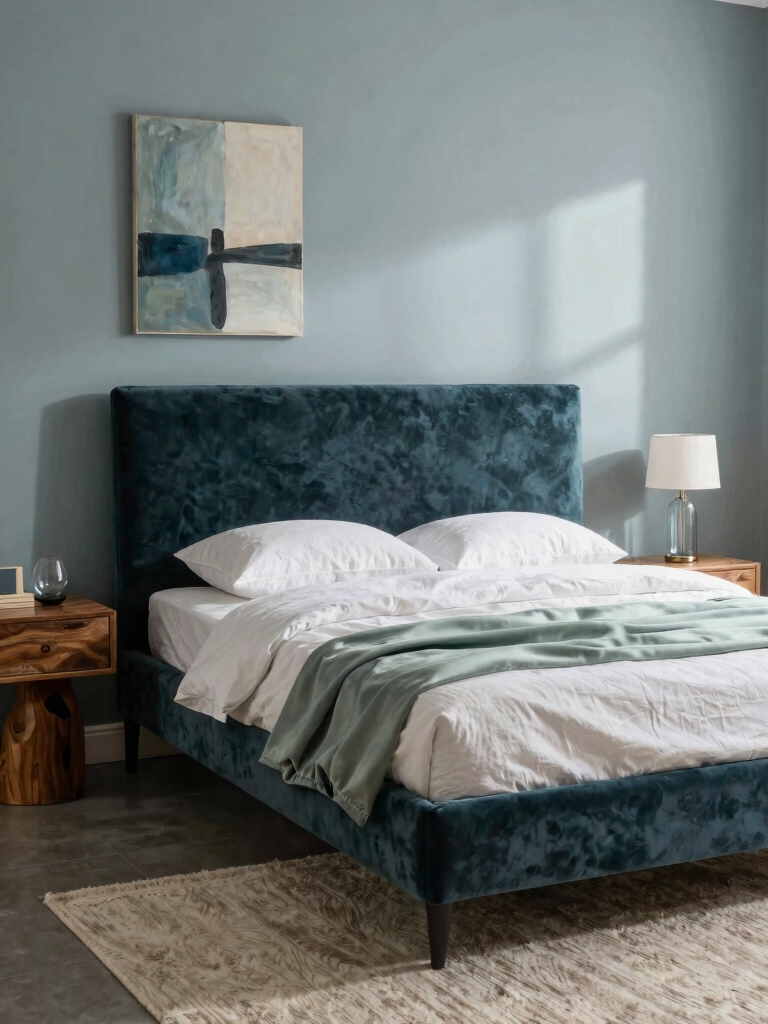
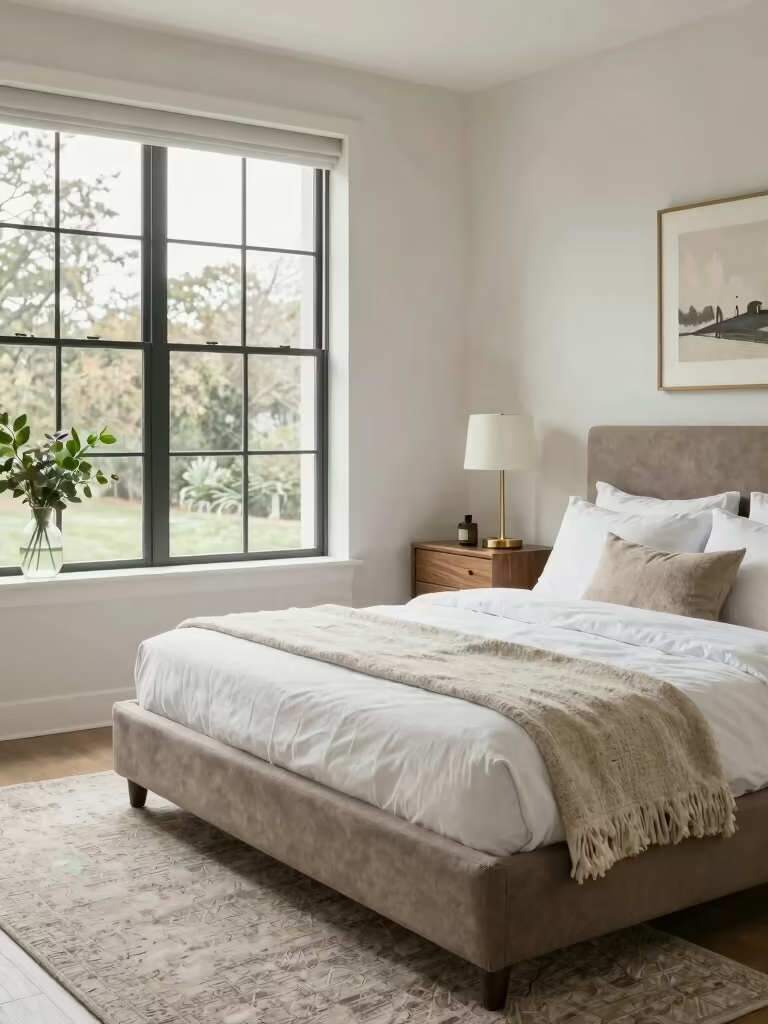
For a breezy, fresh, on-vacation vibe, soft blues and greens with sandy neutrals do the work. Think the colors of sea glass and driftwood: dusty blue, soft seafoam, pale sand, and crisp white. This palette feels airy and calm, the kind of room that lowers your shoulders the second you walk in, and it suits a bright, sunny bedroom beautifully.
Keep the coastal vibe subtle so it reads grown-up. Lean on the soft colors and natural textures (linen, jute, light wood) rather than literal beach decor, and the room comes across breezy without a single seashell. For the palest, airiest end of this look, my [baby blue bedroom ideas](baby-blue-bedroom-ideas-sweet) cover keeping cool tones warm and inviting.
- Build on soft blue or seafoam with sandy neutrals and crisp white for a breezy base.
- Use natural textures (linen, jute, light wood) instead of literal coastal props.
- Keep it bright and airy, since this vibe loves natural light.
📋Vibe-First Color Checklist
- ✓Name the feeling you want (calm, moody, breezy, romantic)
- ✓Match it to a color family, then a few specific shades
- ✓Test big swatches on the wall, morning and night
- ✓Decide accent wall vs full-room based on room size and nerve
- ✓Finish with warm or cool light and layered texture to seal it
Romantic, Soft Lighting Decor
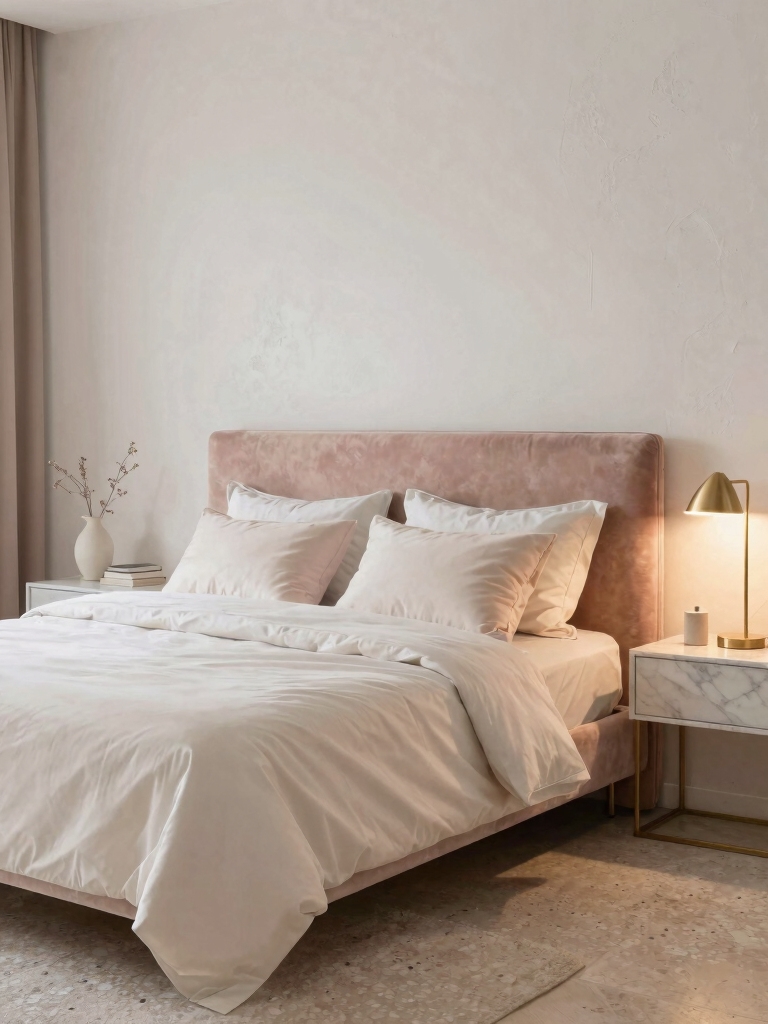
For a romantic, tender vibe, soft warm tones plus the right lighting do it. Blush, dusty rose, warm ivory, and the gentlest mauve create a soft, intimate feeling, and they flatter skin and candlelight alike. This is the palette for a room meant to feel like a gentle exhale when the day winds down.
Lighting is what tips this vibe from sweet into romantic. Keep it warm and low: a bedside lamp, a dimmer, and the flicker of candlelight (real or flameless) turn a soft palette truly intimate. Layer in plush, touchable textures and the room turns into a retreat for two or just for you. My [bedroom lighting ideas for mood](bedroom-lighting-ideas-mood) walk through the warm layering that makes it work.
Accent Wall or Full-Room Color?
Once you’ve picked a vibe and a color, the next call is how far to take it: one accent wall or the whole room. An accent wall is the low-commitment route, perfect for testing a bold jewel tone or a moody shade behind the bed without darkening the entire space. It costs about a gallon and comes back with one repaint if you tire of it.
Full-room color makes the strongest statement and the most immersive vibe. Wrapping a bedroom in a deep, moody tone (walls and sometimes the ceiling) creates a cocoon an accent wall can’t match, and a soft full-room neutral feels smooth and calm. Go full-room when you’re confident in the color and want the vibe to fully take over.
Match the choice to your room and your nerve. A small or dim room often does better with a light full-room color or a single bold accent, while a larger room can carry deep color on every wall. There’s no wrong answer, only the version that delivers the vibe you’re after. For pairings either way, see my [cozy bedroom color palette guide](cozy-bedroom-color-palette-ideas-changing).
Let Light and Texture Seal the Vibe
Color sets the vibe, but light and texture are what make it land, and skipping them is why a great paint color can still fall flat. Warm 2700K bulbs deepen a cozy or moody vibe; cooler light keeps a breezy coastal room crisp. Match the bulb temperature to the feeling you chose, and put the main light on a dimmer so the vibe can shift from morning to night.
Texture gives a color dimension the eye takes in as intentional. A flat painted wall in a beautiful color still needs a layered bed, a soft rug, and a mix of fabrics to feel finished. The same blue feels breezy with linen and jute, or moody with velvet and a deep rug, so the textures you pair with a color steer the vibe as much as the hue.
Pull it together with repetition. Echo your chosen color two or three times around the room (a wall, a pillow, a piece of art) and the vibe feels cohesive instead of accidental. Color, light, and texture working as a trio is the difference between a room that’s painted a nice color and one that truly changes how you feel.
Budget Ways to Test a Vibe Before You Commit
Changing a room’s vibe with color is cheap, and testing it first is cheaper than a repaint. Grab two or three sample pots at a few dollars each and brush big squares onto poster board, then move them around the room over a couple of days. Watching a color shift from morning to lamplight tells you whether it delivers the vibe you wanted or fights it.
Test the supporting cast at the same time. Pull the throw, pillow, or art you’d pair with the color and set them against the swatch, since the vibe comes from the whole grouping, not the wall alone. A blush that looks sweet next to gray can turn romantic next to warm wood, so judge the color in company.
Lean on reversible tricks if you rent or you’re unsure. Peel-and-stick paint samples, removable wallpaper, and colored textiles let you trial a vibe with zero commitment, and you can carry the winner into a full repaint later. Testing this way means the only color that ever goes on your walls is one you already know you love at every hour.
Maintenance & Care for a Painted Vibe
A color-led room keeps its vibe with a little upkeep, mostly on the paint itself. Wipe scuffs from walls with a damp cloth, keep a labeled cup of leftover paint for quick touch-ups on dings, and dust the tops of trim and frames where grime dulls the look. A washable matte or eggshell finish makes all of this easier and is worth choosing up front.
Refresh the accents as the seasons or your taste shift, since that’s the cheapest way to evolve a vibe. Swapping the throw, pillow covers, and a piece of art changes the room’s energy without repainting, and it lets one wall color carry several looks over the years. Keep the base color you love and let the accents do the seasonal work.
Bedroom Color Questions, Answered
?How do I choose a bedroom color?
Start from the vibe you want, not a trend. Name the feeling (calm, moody, breezy, romantic), match it to a color family, then test a couple of shades on your own wall in morning and evening light before committing.
?What colors create a calm bedroom?
Warm neutrals like cream, greige, and soft taupe, or soft blues and greens. Keep them warm-toned and layer in texture so the calm reads cozy and grown-up rather than cold or flat.
?Should I do an accent wall or paint the whole room?
An accent wall is the low-commitment way to test a bold color, ideal for small or dim rooms. Full-room color makes a stronger, more immersive vibe and suits larger spaces or a color you’re confident in.
?Why does my paint color look different at home than in the store?
Store lighting is bright and cool, which changes how a color reads. Your room’s natural and warm artificial light can shift the same shade noticeably, so always test a swatch on your wall day and night.
Change the Color, Change Everything
Color is the most powerful, least expensive lever you have in a bedroom, and the secret is leading with the vibe. Decide how you want to feel, match that feeling to a color family, test it in your own light, then let lighting and texture seal it. One thoughtful color choice can shift a room from blah to exactly the retreat you pictured.
Name the vibe you want to wake up to, grab a sample or two this week, and watch a single wall color change the entire feeling of the room.