
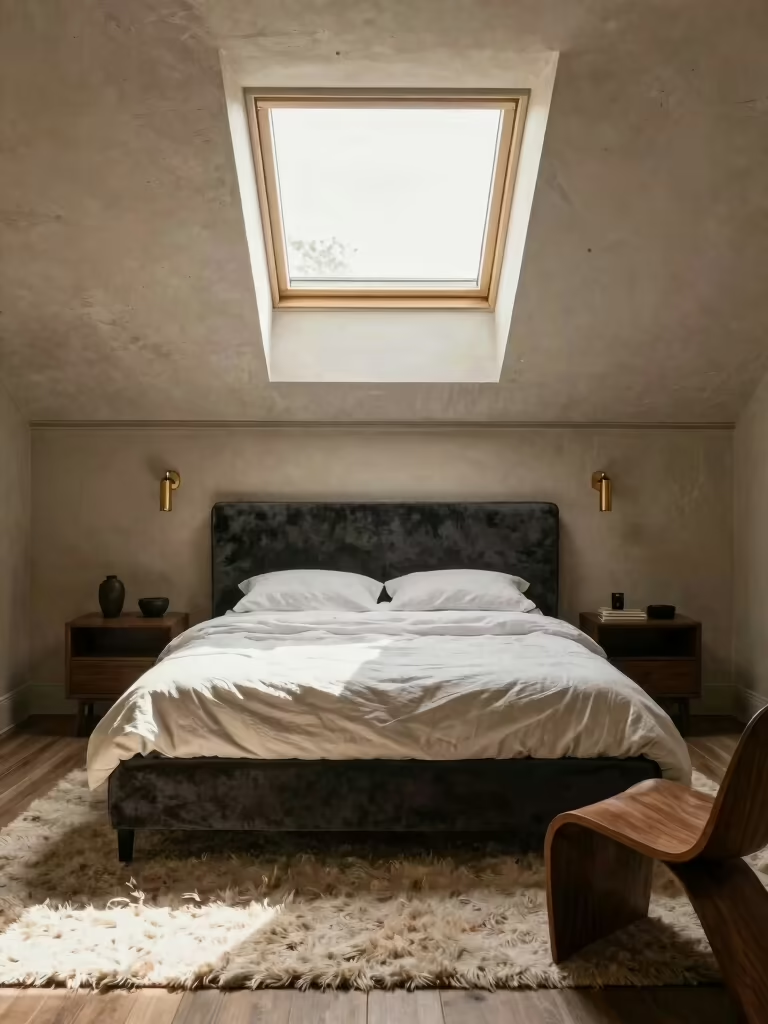
A lot of people treat attic paint as an afterthought, a quick coat of whatever white is on sale. That move leaves a sloped room feeling flat and a little cold. Paint is the single biggest lever you have up here, and the right color makes the angles feel intentional.
These attic paint ideas are organized by the mood you want, from airy and calm to deep and cocooning, with the undertones, finishes, and slope-painting tricks that make each one work. A gallon of good paint runs about $40 to $70, so it’s a low-cost, high-impact change. Pick the palette that fits your light and copy it.
Attic Paint Quick Answers
How many paint colors should an attic have? Usually one main tone plus a trim shade, with at most one accent on the flat gable wall. A tight palette keeps the angles calm.
How much paint will I need? A small attic bedroom often takes one to two gallons for walls and slope, plus a quart for trim. Buy samples first to test before the full gallon.
Where should an accent color go in an attic? On the flat gable wall, never the slope. An accent on the slope drags the eye to the lowest point; on the gable it adds depth without lowering the room.
Start With Soft, Neutral Attic Colors
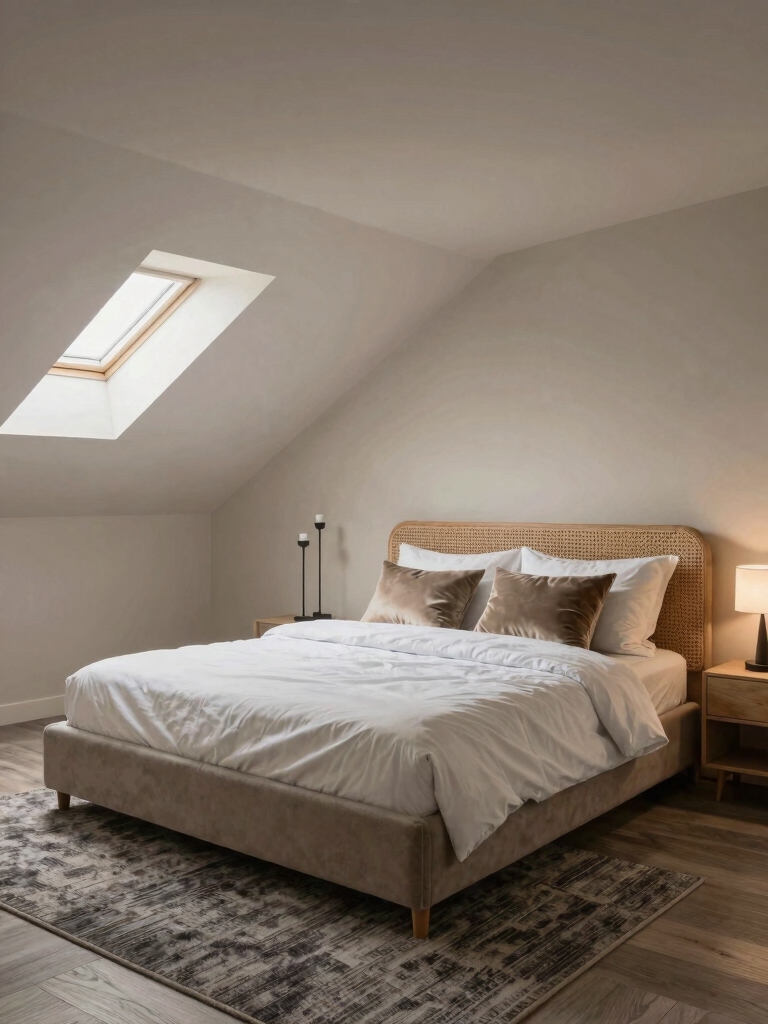
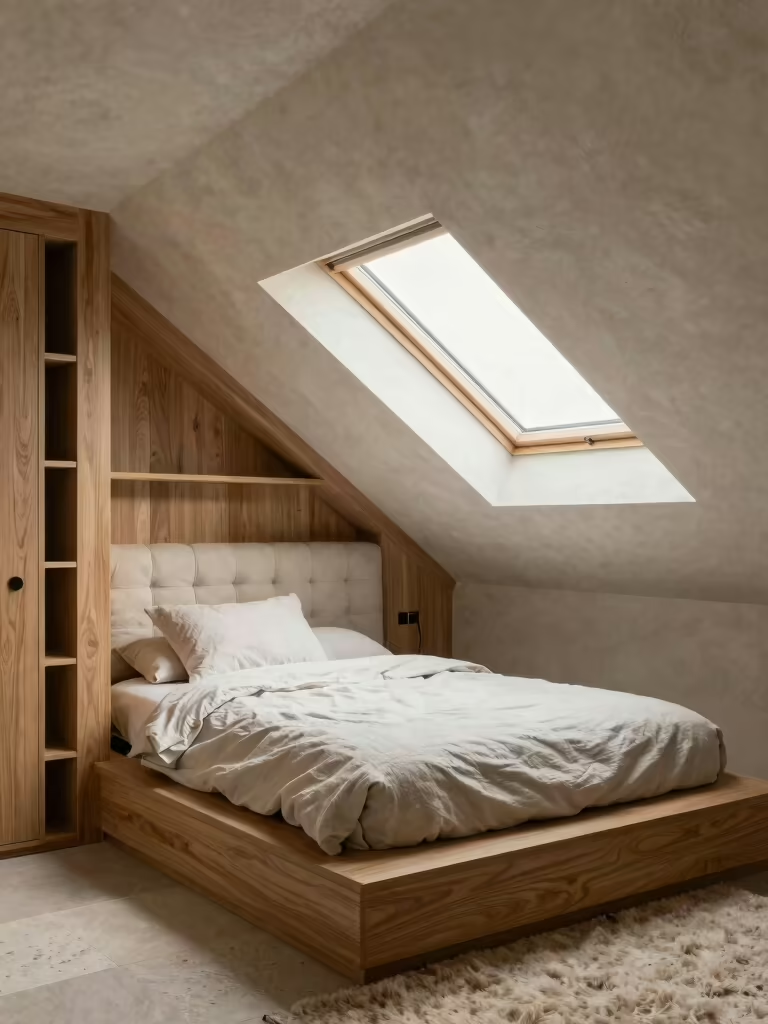
Soft neutrals are the safest, most forgiving place to start an attic, especially when the ceilings slope. A pale, warm-toned neutral bounces what light the room gets and softens the hard angles, so the space feels calm and open. Think warm white, oatmeal, greige, and the gentlest taupe.
The trick that makes neutrals sing in an attic is painting the walls and the sloped ceiling the same tone. That continuous color blurs the line where wall meets slope, so the eye can’t measure exactly how low the ceiling sits and the room reads taller. A crisp trim in a close shade keeps the whole thing serene.
Test before you commit, because neutrals shift more than any other color with the light. Brush big swatches on two or three walls, live with them for a few days, and check them at morning and lamplight. A pint of sample paint is a few dollars and saves you from a whole-room repaint. My [cozy bedroom color palette guide](cozy-bedroom-color-palette-ideas-changing) covers neutrals that hold up in low light.
Cozy, Light-Filled Warmth With Wood
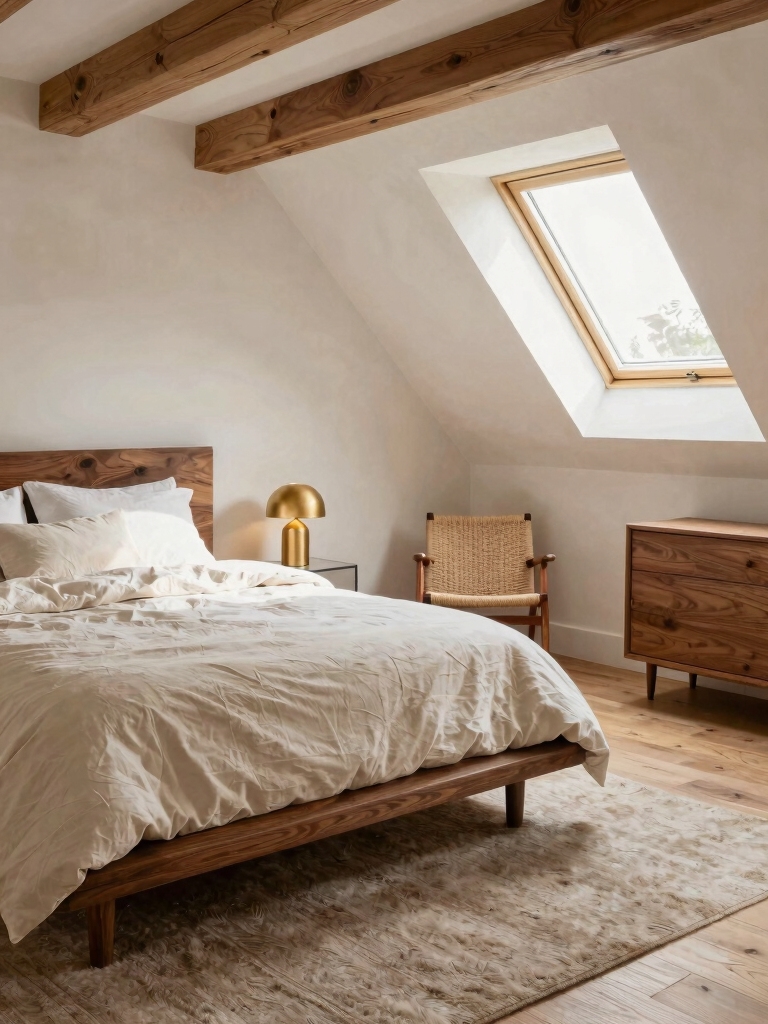
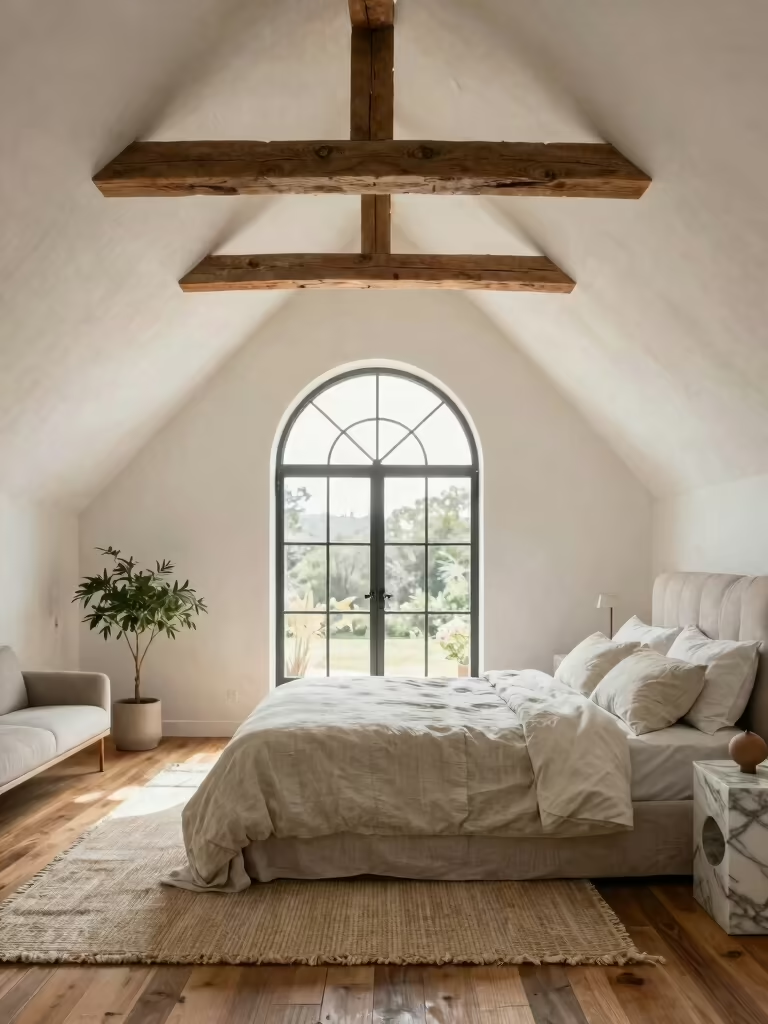
For an attic that feels cozy and sunny at once, pair a warm white on the walls with natural wood tones in the room. The white keeps the ceiling feeling high and the corners calm, while the wood adds the warmth and texture that warms a plain white room right up. It’s the recipe behind those inviting, light-filled lofts. Build it like this.
- Choose a warm white (a hint of cream or greige) rather than a stark blue-white, so it glows under warm bulbs.
- Bring in wood through the floor, a headboard, or exposed beams to ground the brightness.
- Keep trim and ceiling in the same warm white so the shell stays smooth and tall.
“Buy samples before a gallon, always. Brush two or three contenders onto poster board, move them around the attic, and watch them through a full day and under your lamps at night. Attic light shifts more than any other room’s, and a $5 sample saves you a $60 gallon and a weekend of regret.”
Light, Airy, Calming Hues
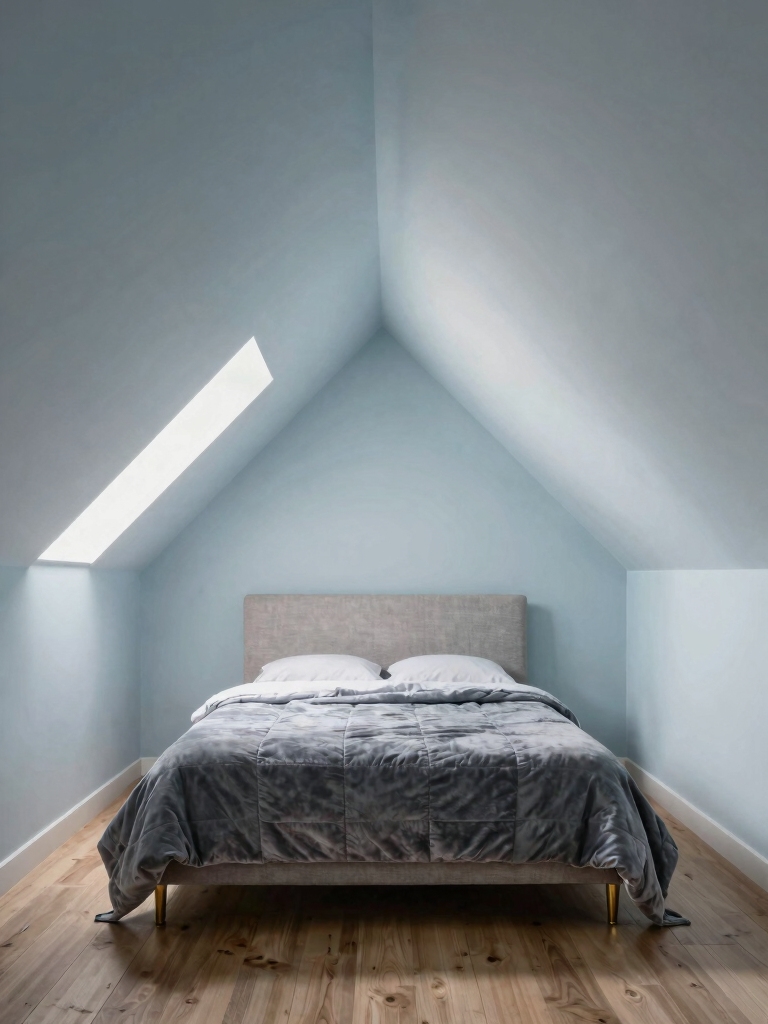
When an attic runs small or dim, light-boosting colors open it up and keep it warm. Pale blues, misty grays, and the softest greens bounce daylight and add a quiet, calming wash that suits a bedroom. These shades visually lift a low ceiling while keeping the room cohesive and easy to live in.
Cool Colors, Warm Result
Lean cool but warm it up so the room never feels chilly. A misty gray with a warm undertone, or a pale blue with a touch of green, stays soft and gentle, and warm wood or brass accents hold the balance. The goal is airy and serene, the feeling of a calm morning.
Mind the light direction when you choose. North-facing attics get cool light, so the palest cool tones can tip icy there; warm them up or shift slightly toward green. South-facing rooms can carry cooler blues with ease. My [aesthetic room color ideas for any bedroom](aesthetic-room-color-ideas-bedroom) cover reading undertones in different light.
A Moody Attic With Balance
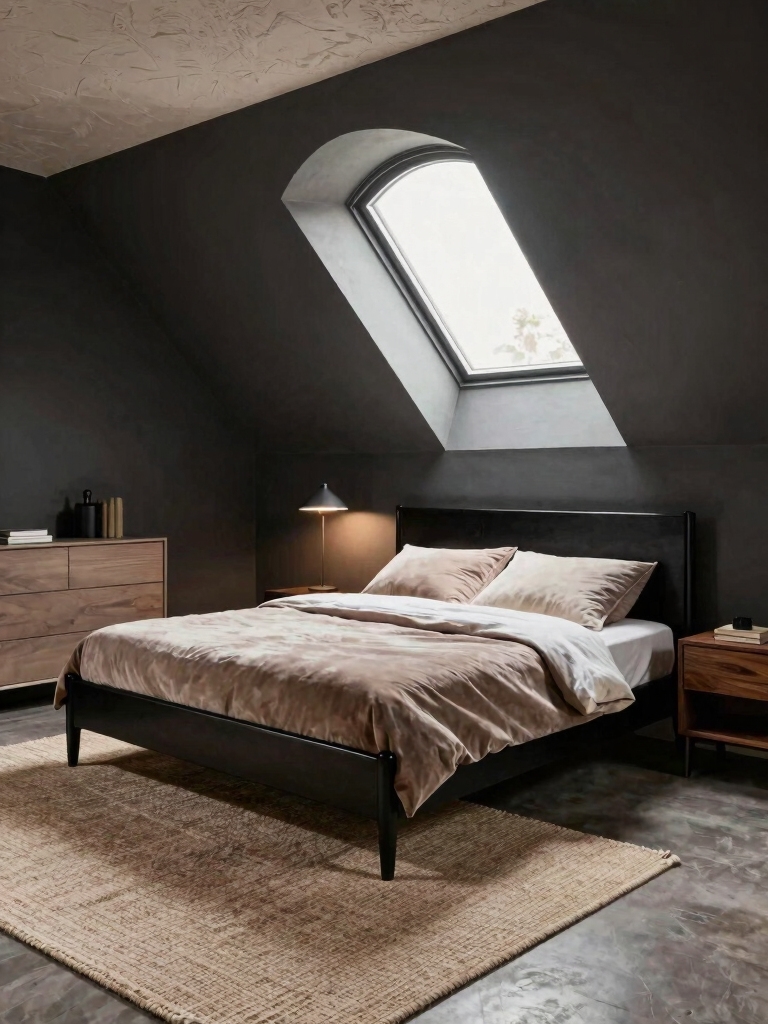
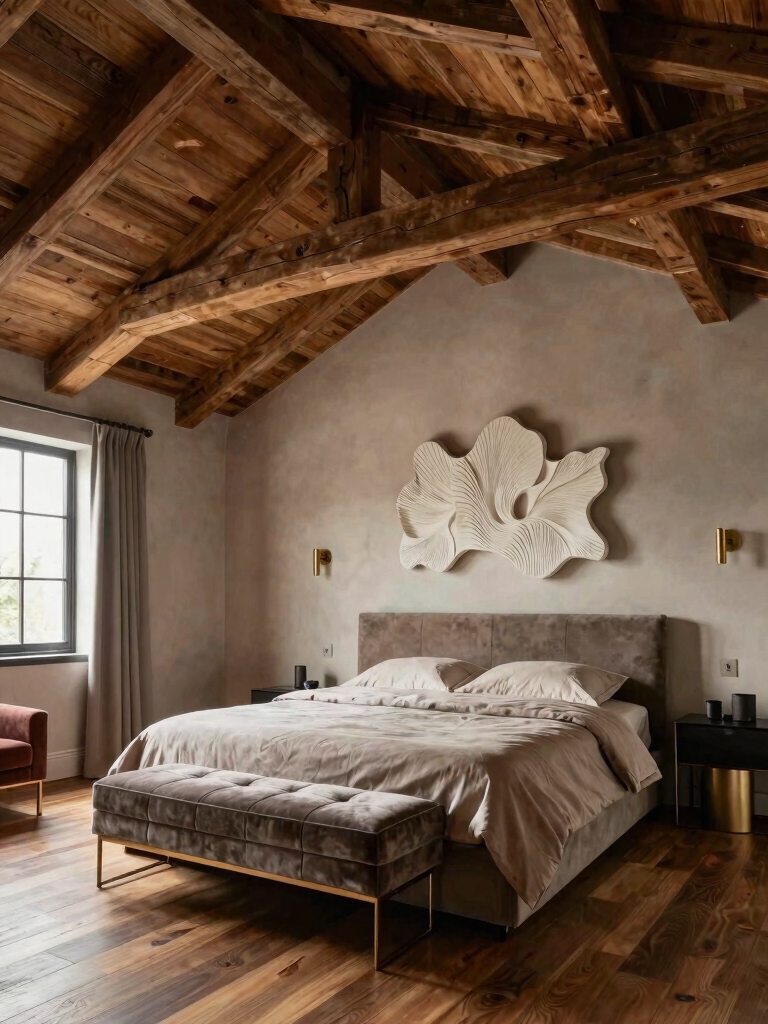
A moody attic is a deliberate choice, and the sloped ceiling makes it cozier than a moody square room ever could be. Charcoal, deep green, or inky blue on the walls and slope wraps the room like a cocoon, which suits a bedroom you want to feel tucked away in. The key is balance so the dark reads rich and warm.
Light the moody attic and soften it so it stays inviting. Warm timber, plush textures, brass accents, and good layered lighting keep a dark room feeling warm and welcoming. Matte finishes help here, soaking up the light so the color looks deep and soft. For a warmer take on a dark, grounded palette, see my [brown bedroom ideas that stay timeless](brown-bedroom-ideas-cozy-timeless).
- Paint walls and slope a deep, soft tone (charcoal, forest, navy) for a cocoon effect.
- Balance the dark with warm wood, brass, and plush texture so it feels rich and grounded.
- Keep the finish matte and add layered warm light so the color stays soft after dark.
💡Painter’s Tip
When you paint the slope and walls one color, run the same shade onto the trim too. Contrasting white trim chops up a small attic and draws a hard line at the angle. A soft, tonal trim lets the eye glide right past the slope, which is the cheapest height trick in the book.
Calm Coastal Attic Decor
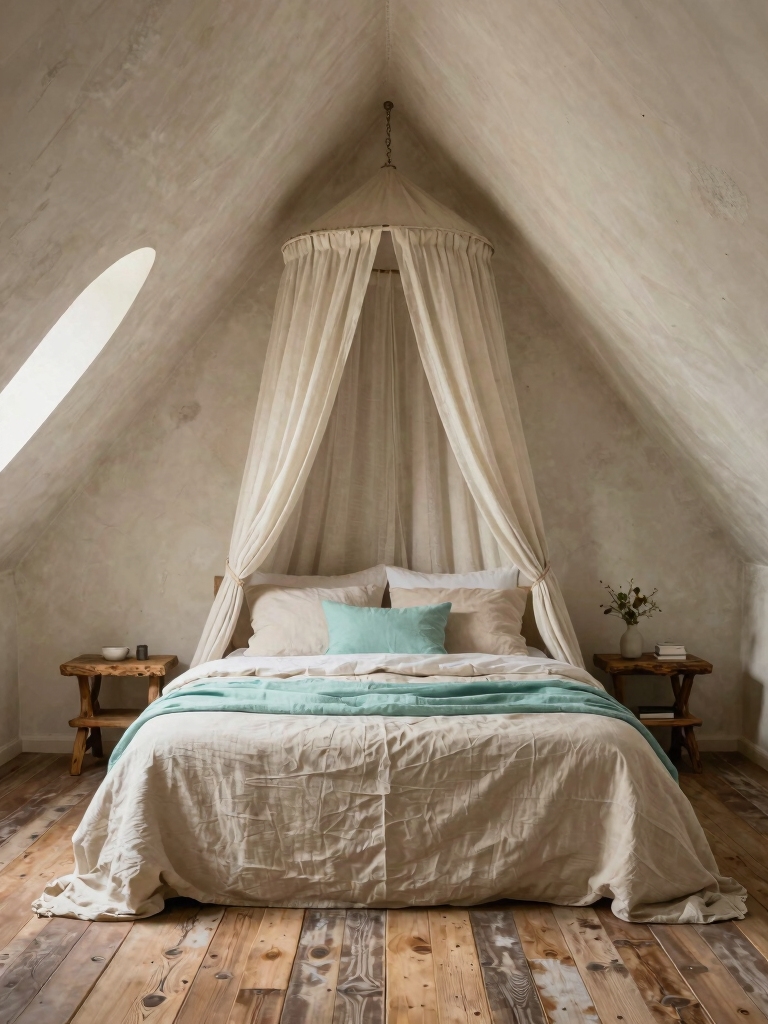
A coastal palette suits an attic beautifully, since the airy, sun-bleached feel plays up the light and the sloped ceiling reads like a cabin or a beach house loft. Build it from sand, soft seafoam, and light linen tones for walls that glow softly and stay calm. It’s a calm, breezy mood. It wears well in any season, holding up where a bolder theme might date.
Keep the coastal look from going theme-park by staying subtle. Sand-toned walls bring warmth with a soft, matte glow, a whisper of seafoam on an accent or in textiles adds the fresh note, and light linen fabrics breathe and bounce light. Natural textures like jute, driftwood, and rope reinforce the feel without a single literal anchor or seashell in sight.
Pair the palette with plenty of natural light and breezy, sheer window treatments to complete the airy effect. The coastal scheme leans on brightness, so it shines in an attic with a good skylight or dormer. For more on working the light, see my [low-ceiling attic ideas](attic-bedroom-ideas-low-ceiling-rock).
One Accent Wall, Done Right
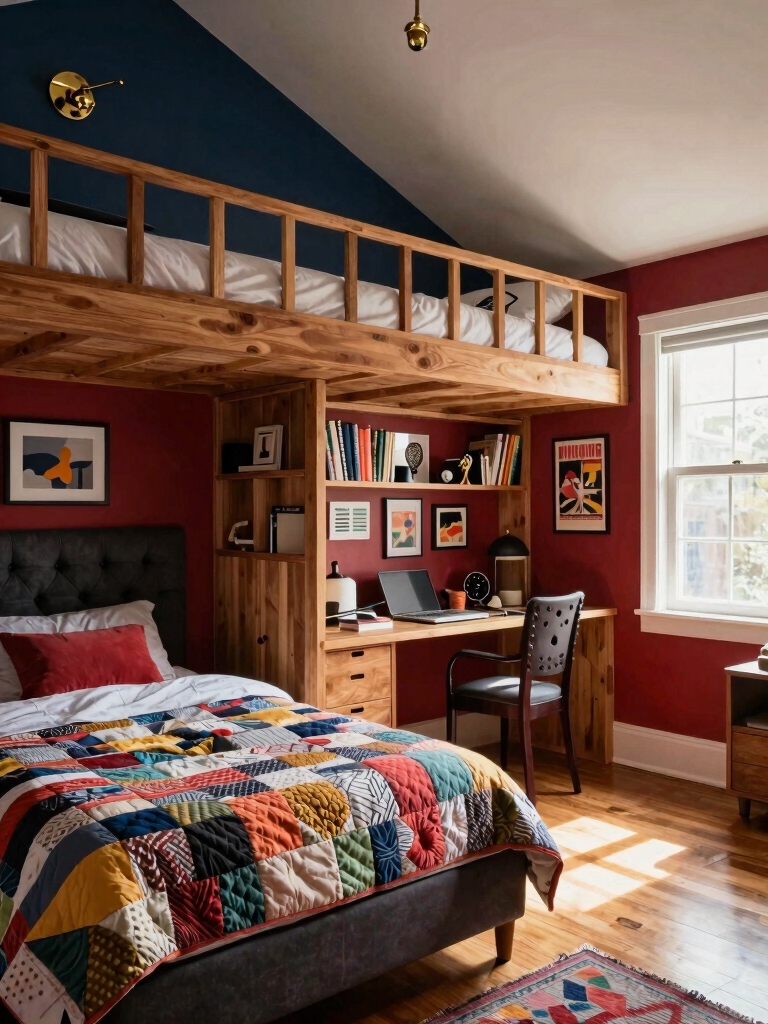
An accent wall is the lowest-commitment way to set a mood, and an attic gives you a natural canvas: the flat gable wall at the end of the room. Painting that single wall a deeper or bolder shade adds depth and a focal point while the rest of the room stays light. Behind the bed is the classic spot, since it frames the headboard and draws the eye where you want it.
Keep the accent on the flat wall, not the slope, so it adds drama without pressing the ceiling down. Pick a color that pulls from your palette, a deeper version of a tone already in the room, and the wall feels intentional and tied to the room. One bold wall against calm neutrals is the balance that makes the whole room look designed.
A single gallon usually covers an accent wall, so it’s a cheap, reversible way to test a bolder color before you commit to more. If you love it, you can carry the shade into textiles; if you tire of it, one wall is easy to repaint. That low stakes is what makes the accent wall the most beginner-friendly mood-setter there is.
Finishes That Minimize Glare
Finish matters as much as color in an attic, because sloped ceilings and skylights throw light at odd angles that a glossy paint will bounce right back at you. Matte and eggshell are the safe choices: they soften reflection, hide the imperfect joints and patches common in older attics, and keep the color looking soft and even. A glossy sheen up here tends to spotlight every flaw.
Match the sheen to the surface and its wear. Flat or matte suits the walls and especially the ceiling, where you never want glare, while eggshell or satin holds up better on trim and any high-touch spot since it wipes clean. This small choice is the difference between a room that feels calm and one that feels shiny and hard.
Think about durability too, since attics can be high-traffic for kids or a busy household. A quality washable matte gives you the soft look with a wipeable surface, which is worth the small upgrade in a room that gets daily use. The finish is where a paint job quietly succeeds or fails.
How to Paint a Sloped Ceiling Well
Painting a slope is a little different from a flat wall, and a few habits make it go smoothly. Prep first. Fill the cracks and nail holes that older attics collect, sand them flush, and prime any bare or patched spots so the color sits even. Skipping prep is the top reason an attic paint job looks blotchy under a skylight.
Work the awkward angles in order. Cut in the edges where the slope meets the wall and the trim with a brush, then roll the big planes with an extension pole so you keep a wet edge and avoid lap marks. Two thinner coats beat one thick one every time, especially on a ceiling where drips love to form.
Mind the light as you go. Paint dries differently under the strong, shifting attic daylight, so check your coverage at more than one time of day before you call it done. A missed patch hides at noon and jumps out at dusk. A little patience here is what separates a flat, even finish from a streaky one.
Maintenance & Care for Attic Paint
Attic paint lasts longest with a little care, since the temperature swings up here are harder on a finish than in the rest of the house. Before you paint, make sure the surfaces are clean and any moisture issues are sorted, because paint over a damp or dusty slope peels fast. A good primer on bare or patched areas is what makes the color last for years.
Once it’s on, upkeep is simple. Wipe scuffs from a washable matte with a damp cloth, dust the high, sloped areas where cobwebs gather out of reach, and keep a labeled cup of leftover paint for quick touch-ups on dings. A five-minute touch-up now and then keeps an attic looking freshly painted long after the project is done.
Attic Paint Questions, Answered
?Should attic walls and sloped ceilings be the same color?
Usually yes. Painting them one continuous tone blurs where the wall meets the slope, so the eye can’t tell how low the ceiling is and the room feels taller.
?What paint finish is best for an attic bedroom?
Matte or eggshell. They soften the light that skylights and slopes throw around, hide imperfect joints, and avoid the glare a glossy finish creates. Use a washable matte if the room gets heavy use.
?What colors make a small attic feel bigger?
Light, warm-toned neutrals and pale, slightly warm cool tones like misty gray or soft blue. They bounce daylight and lift a low ceiling. Keep the whole shell in one light family for the most space.
?Can I do a dark, moody attic without it feeling cramped?
Yes, with balance. Use a deep matte color on walls and slope, then add warm wood, brass, plush texture, and good layered lighting so the dark reads rich and cozy.
?How do I choose a paint color for tricky attic light?
Test big swatches on several walls and judge them at morning, midday, and night. Attic light shifts hard by the hour, so a color that looks right at noon can turn cold by evening. Samples settle it.
Let the Paint Set the Tone
Paint is the cheapest, fastest way to change how an attic feels, and the sloped ceiling rewards a thoughtful choice. Decide on the mood first, airy and calm or deep and cocooning, then pick the undertone for your light, paint the slope to match the walls, and choose a matte finish to kill the glare. A gallon or two later, the awkward room has a whole new personality.
So which mood would you want to wake up to up there: bright and breezy, or deep and tucked away?