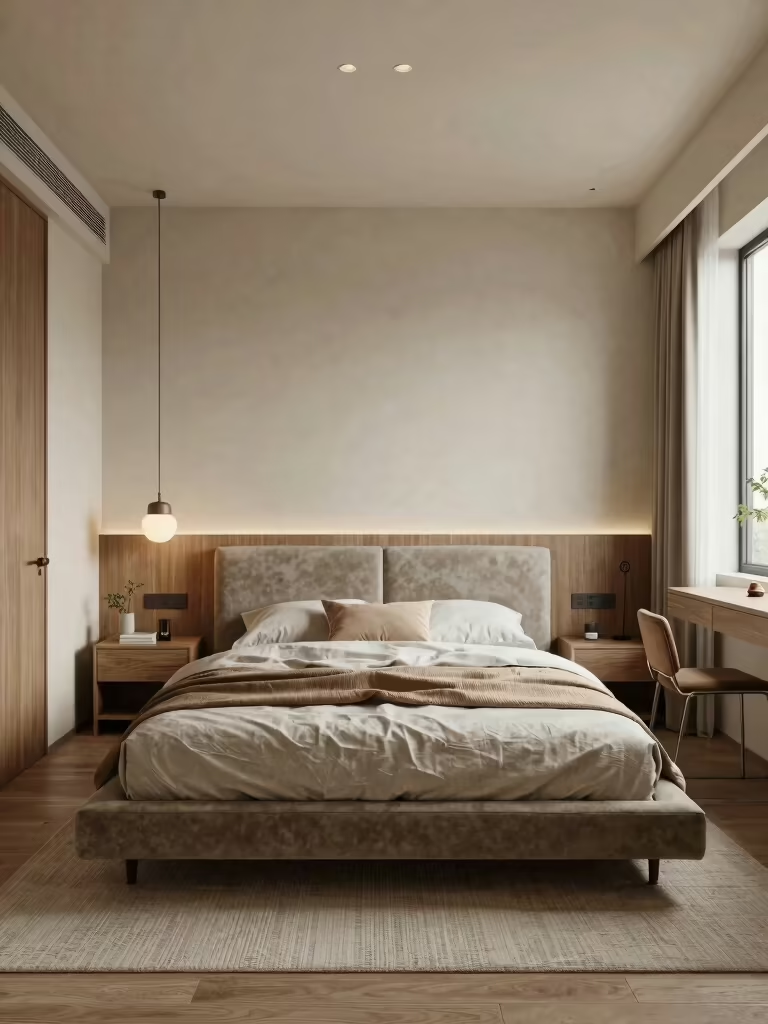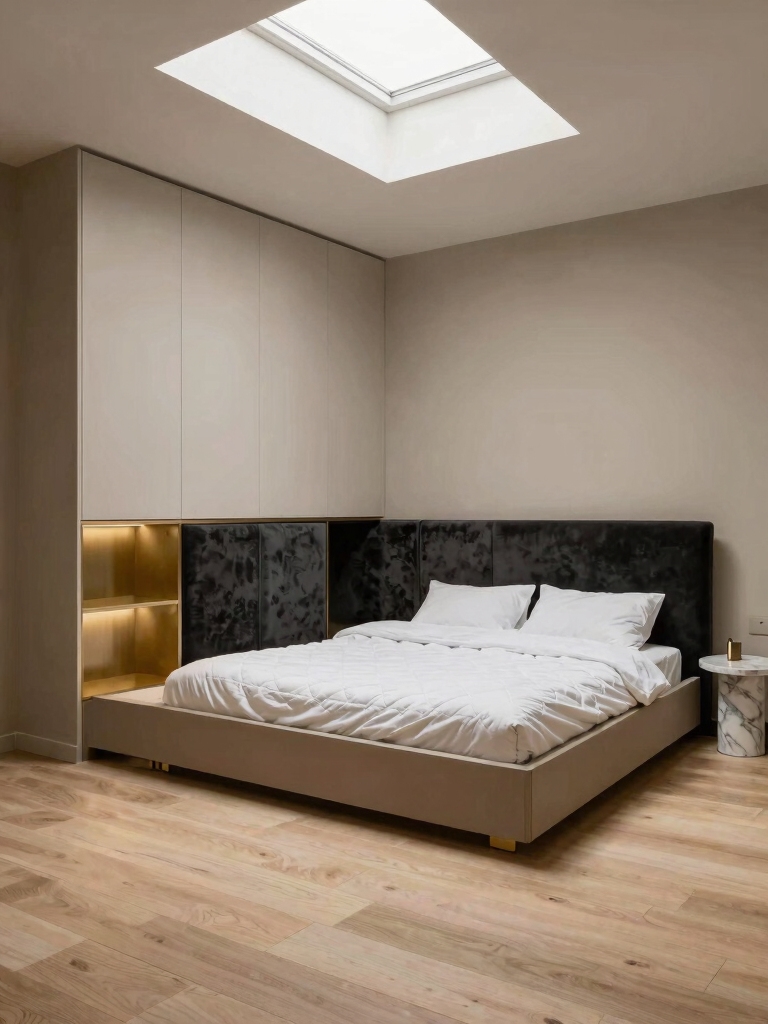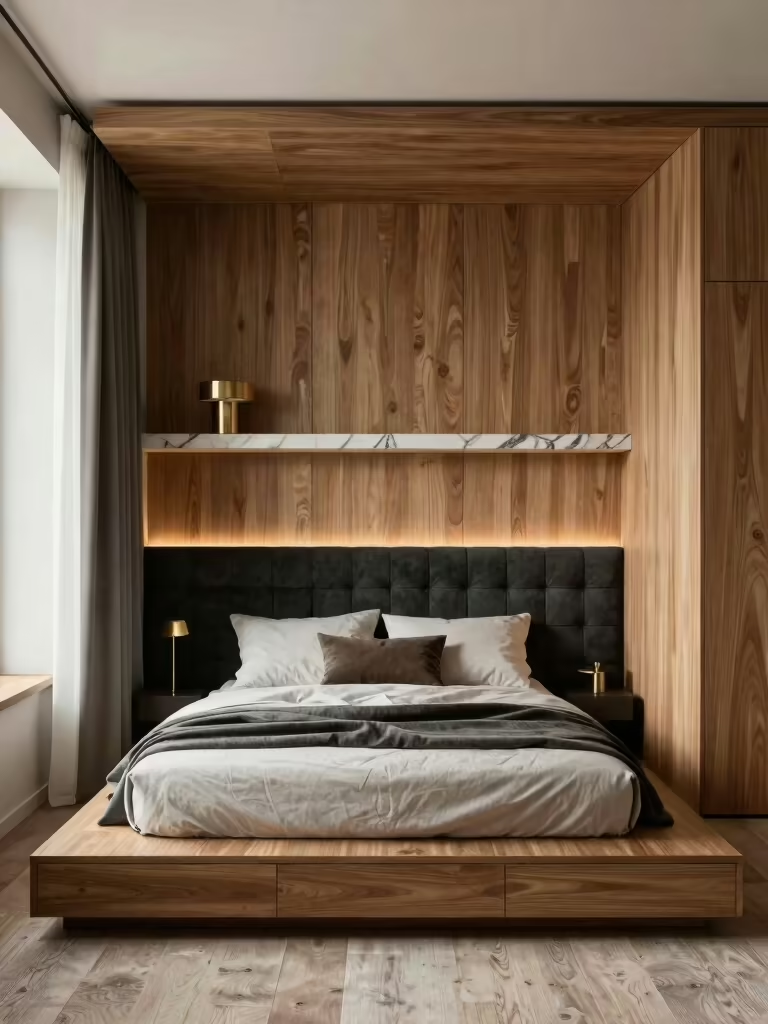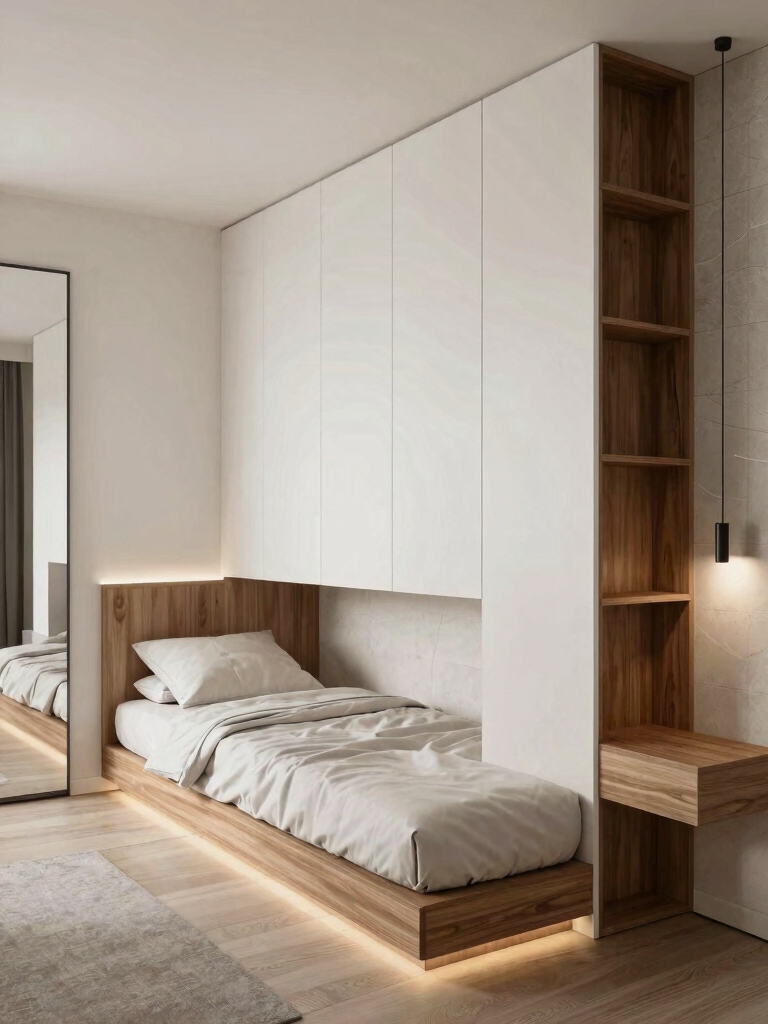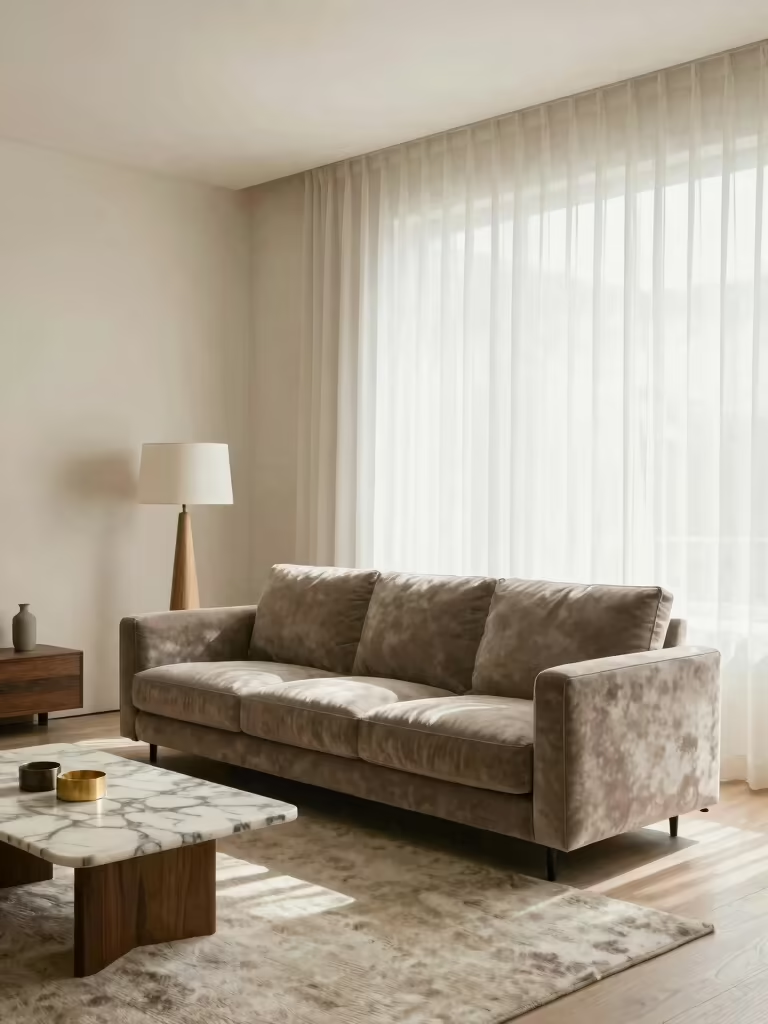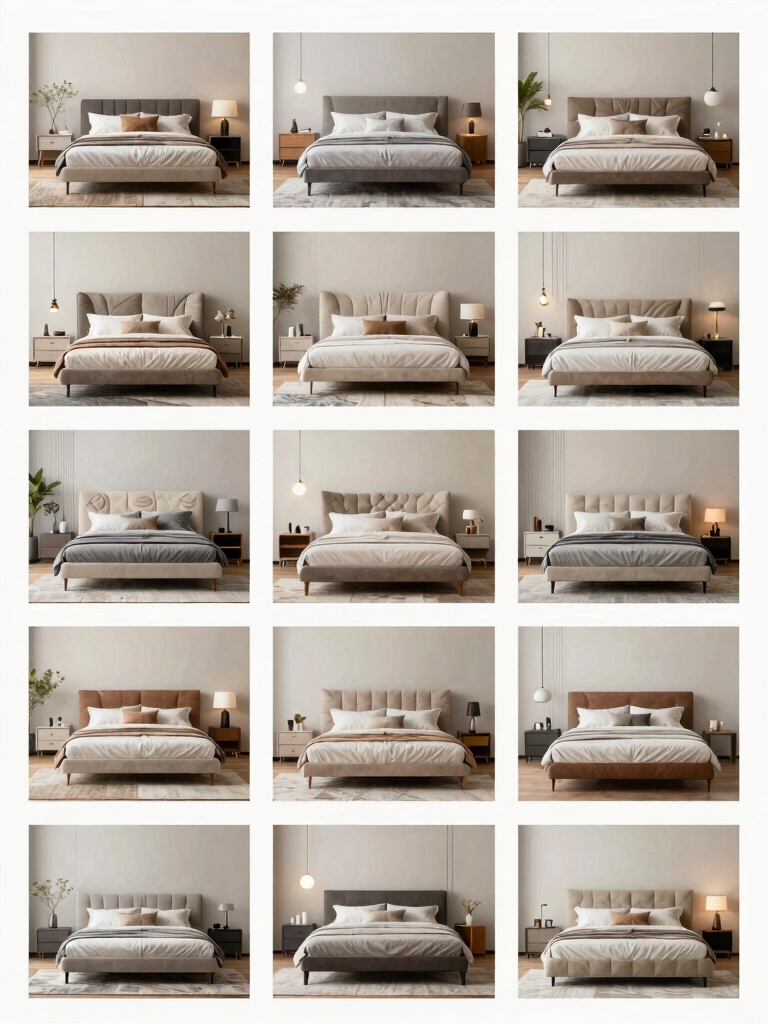

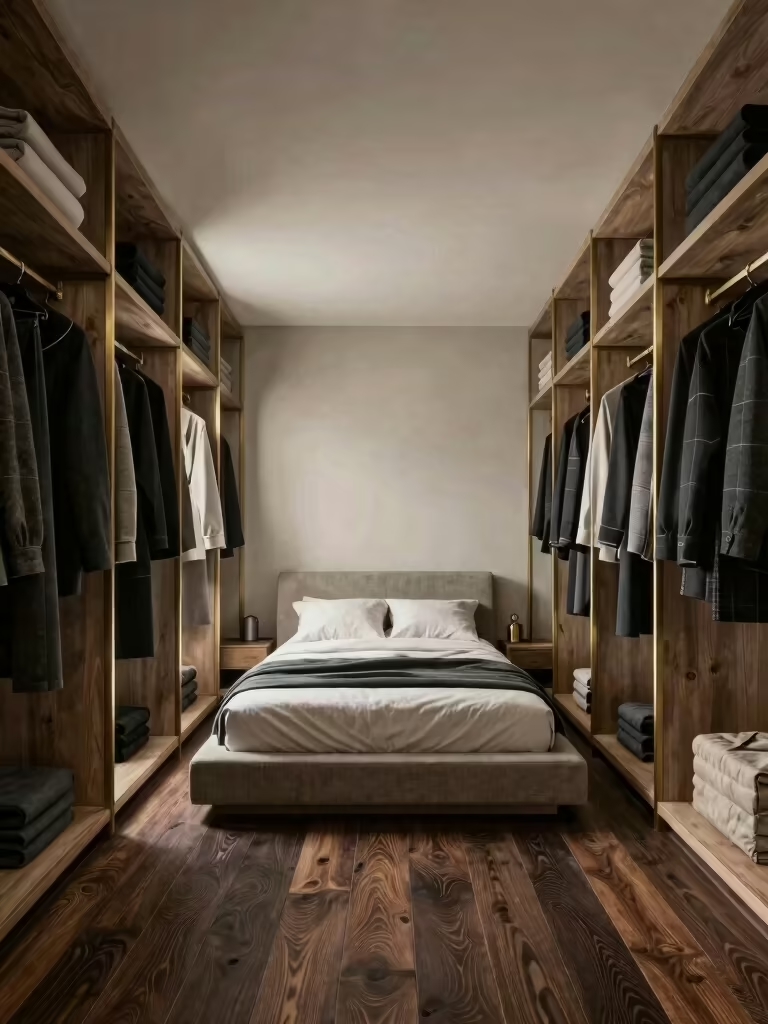
I’ve cracked the code for long, narrow bedrooms with layouts that feel open, organized, and surprisingly roomy. Start by measuring, planning, and zoning so every inch earns its keep. Place the bed to boost height without crowding doors, add built-ins and wall niches for seamless storage, and keep traffic clear from door to window. Use color rhythm and smart workspaces to widen the feel. Curious how the rest comes together? There’s more to uncover below.
Why Narrow Rooms Feel Confined (And 3 Proven Solutions)
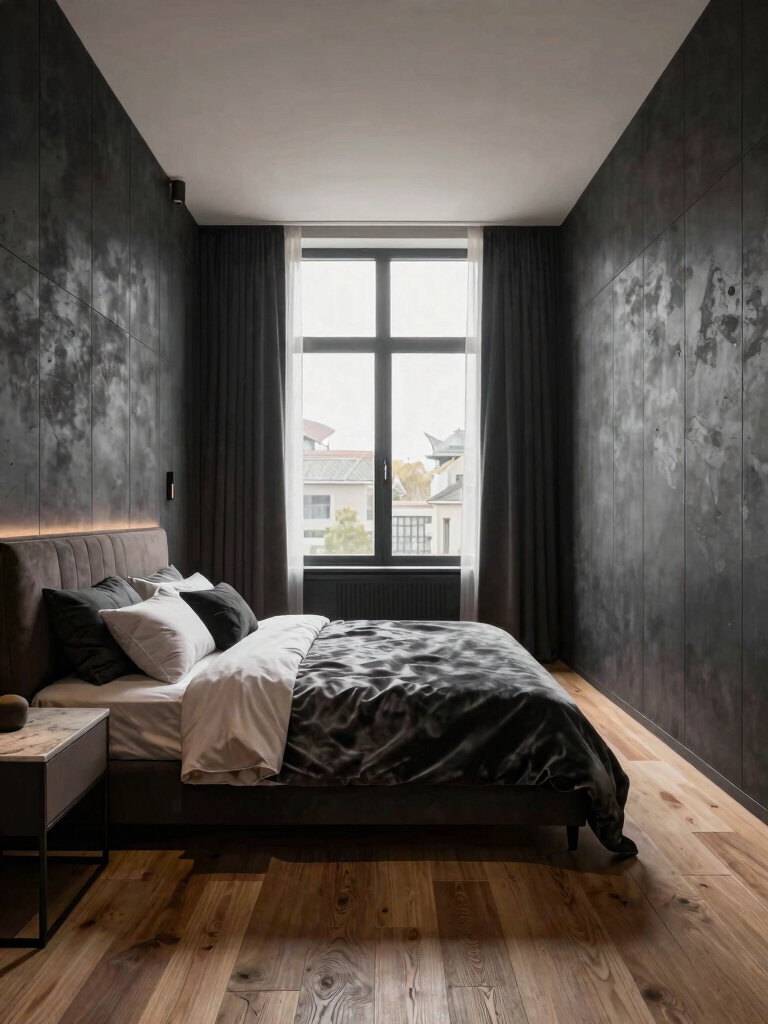
Narrow rooms often feel cramped because every inch counts, and clutter instantly crowds the space.
I’ll show you why this happens and how three proven fixes cut the squeeze.
First, optical tricks widen perception with simple mirrors.
Second, vertical storage pulls stuff up, freeing floor real estate.
Third, purposeful zoning creates calm zones.
Incorporating smart bedroom layout ideas can further enhance the functionality of narrow rooms.
Ready to reclaim breathing room? Let’s start.
Measure, Plan, and Zone a Narrow Bedroom
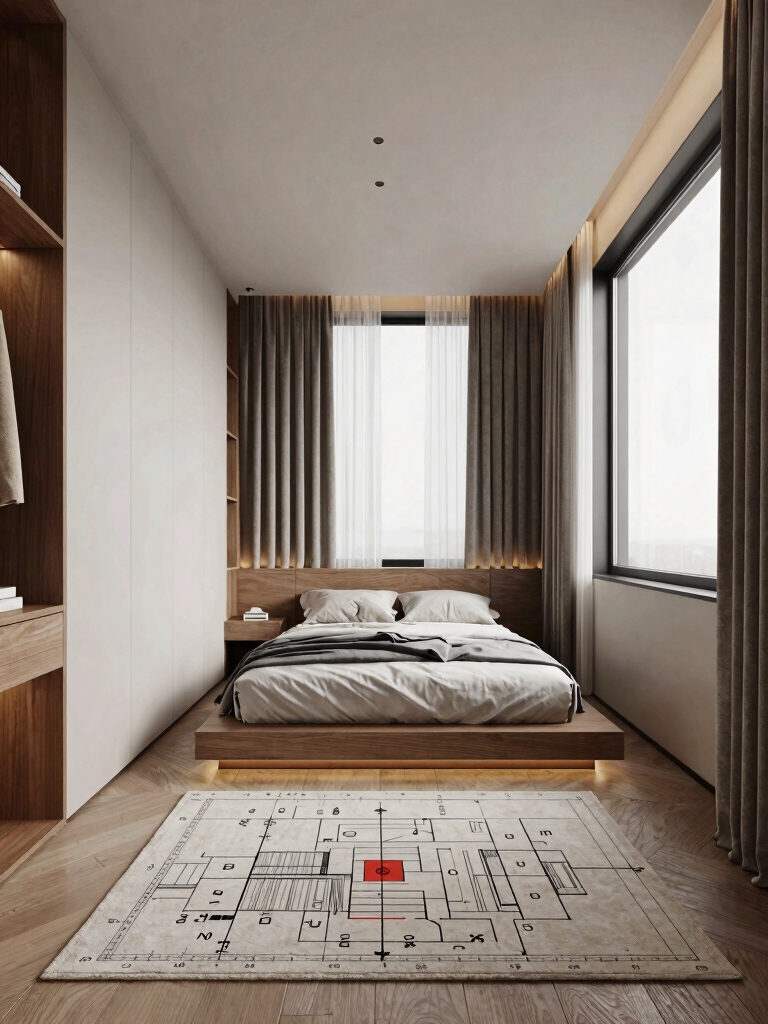
To reclaim a comfy bedroom, we start with a simple trio: measure, plan, and zone.
I guide you to map walls, note door swing, and sightlines, then sketch zones for bed, storage, and seating. This helps declutter before choosing compact furniture and flow.
- Measure once, plan twice
- Mark clear walking paths
- Zone storage to walls
- Prioritize low-profile pieces
- Test scale with tape outlines
Incorporating creative solutions for maximizing small bedrooms can significantly enhance the functionality and feel of your narrow space.
Bed Placement That Feels Taller, Not Crowded
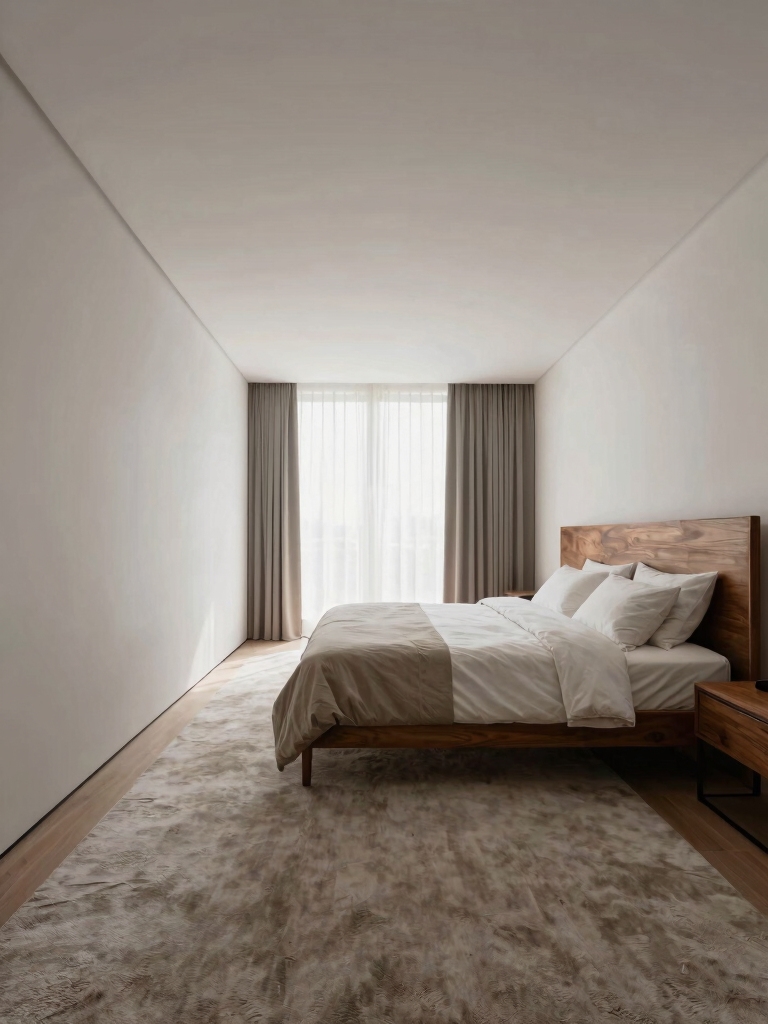
I’ll show you how to position the bed so it reads taller and feels open, not crowded.
We’ll explore a space-efficient layout, smart headboard choices, and how visual height tricks can expand the room.
Let’s talk practical tweaks that keep your narrow bedroom airy and inviting.
Incorporating clever layouts can further maximize the functionality and aesthetic appeal of your narrow bedroom.
Taller Bed Positioning
When you want a bed that feels taller and less crowded in a narrow room, start with a low-profile frame and a mattress that doesn’t crowd the space around you.
- Choose a slim headboard to keep sight lines open.
- Place the bed away from doors for breathing room.
- Use bedside tables with narrow profiles.
- Opt vertical, not bulky, storage nearby.
- Lean toward lighter, breathable linens.
Space-Efficient Bed Layout
A small room doesn’t have to feel claustrophobic: with a smart bed layout, you can create the illusion of height and breathing room.
I suggest a low-profile frame, wall-mounted shelves beside the headboard, and a narrow nightstand to keep floor space clear.
Position the bed to mirror natural sightlines, and use light colors to enhance openness without sacrificing coziness.
Visual Height Techniques
Now that the bed setup feels taller and lighter, let’s focus on visual tricks that make the whole space breathe without feeling crowded.
- Choose a low, slim headboard to keep vertical lines airy.
- Opt for light colors and reflective surfaces to expand perception.
- Use floating nightstands to reduce footprint.
- Hang art higher to draw the eye up.
- Add vertical textiles or tall plants for height.
Built-Ins and Wall Niches for Seamless Storage
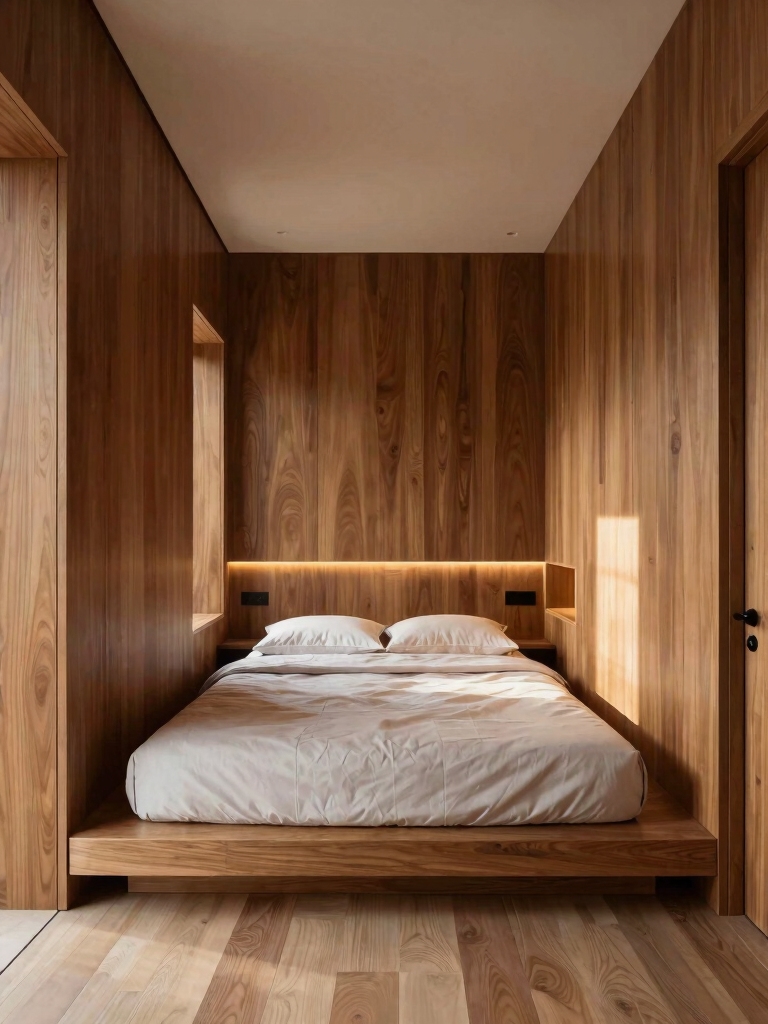
I love how built-ins can create a smooth storage flow without stealing floor space.
Wall niches guide everything from chargers to small treasures, keeping surfaces clean and usable.
Let’s talk about integrating cabinets with the room’s lines so nothing feels stuck or out of place.
In narrow bedrooms, clever storage solutions like built-ins and wall niches are essential for maximizing space efficiency.
Built-In Storage Flow
Built-in storage isn’t an afterthought here—it’s the backbone of a calm, functional bedroom in a narrow space.
I tune the flow so every piece serves two roles: hidden storage and everyday access. No wasted steps, no clutter. Let’s move smoothly with smart integration.
- Align drawers with doorways for seamless traffic
- Use shallow, tall modules to maximize ceiling height
- Add recessed niches above bedside tables
- Choose doors that blend with walls
- Label bins for quick, tidy retrieval
Wall Niche Placement
Wall niches are where smart storage lives in a narrow bedroom, because they tuck in without stealing floor space.
I place them at bedside height for quick access, or higher to keep clutter out of sight.
Build slim recessed shelves, add lighting, and color-match finishes.
They feel integrated, not cramped, turning walls into practical, playful storage without crowding your footprint.
Seamless Cabinet Integration
- Choose finish-matched panels
- Use hidden pulls and push-to-open doors
- Align niches with床 headboard for flow
- Add soft LED accents
- Favor shallow, adjustable shelves
Create Clear Traffic Paths From Door to Window
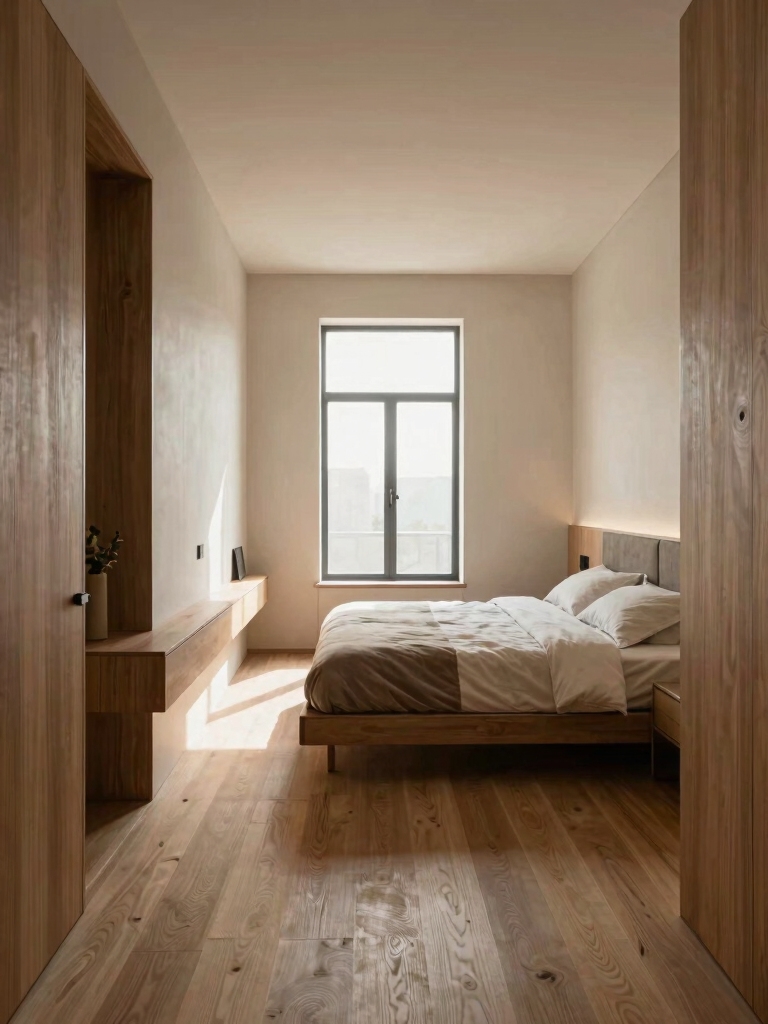
Clear traffic in a narrow bedroom means the path from door to window should feel obvious and unblocked.
I imagine you stepping in, glancing straight to the window, and having no detours. Use a slim path, place nightstands close but not in the way, and keep clutter off the floor.
Simple, practical flow keeps the room breathable and functional. Incorporating smart bedroom layouts enhances both comfort and style while maximizing available space.
Slim, Multi-Use Furniture That Frees Up Floor Space
Slim, multi-use furniture isn’t just a space-saver—it’s a freedom-maker in a narrow bedroom.
I pick pieces that pull double duty, so every inch earns its keep. You’ll save floor space without sacrificing function, and you’ll laugh at how smart choices stack up.
- Convertible desk beside bed
- Storage ottoman with hidden twist
- Wall-mounted folding desk
- Nesting tables that tuck away
- Under-bed drawers for shoes
Transforming awkward spaces with stylish retreats can elevate the overall feel and functionality of your bedroom.
Light Colors and Reflective Surfaces That Brighten Narrow Rooms
Light bounces around a narrow room best when I keep things pale and bright.
I find that light reflects off walls, floors, and ceilings to make the space feel bigger, not crowded. Pale tones amplify that sense of airiness, and a few well-placed reflective surfaces keep the glow going. Incorporating charming bedroom decor ideas can further enhance the overall ambiance and appeal of narrow rooms.
Light Reflects Brightly
Brighten up a narrow room by leaning into light colors and reflective surfaces that bounce sunshine around, making the space feel more open.
I’ll share quick, practical ideas you can use today:
- Choose glossy or satin finishes on furniture
- Paint walls in airy whites or pale pastels
- Add a mirrored tray or backsplash
- Use translucent curtains to diffuse light
- Place a bright rug to anchor reflections
Pale Tones Amplify Space
Pale tones do more than lighten a room—they bounce every bit of daylight around, making a narrow space feel suddenly expansive.
I tap into light colors and reflective surfaces to open sightlines, reduce visual clutter, and keep furniture lean.
You’ll notice ceilings feeling higher, walls appearing farther back, and a calmer feel that stays practical for daily life.
Maximize Natural Light: Window Placement for Length
If you want more natural light in a narrow bedroom, start by lining up windows with the length of the room rather than the width, so sunlight travels farther and brighter across the room.
- Align panes along the long wall
- Use larger, unobstructed openings
- Float furniture to avoid blocking rays
- Consider skylights for vertical daylight
- Trim external shutters to reduce glare
Additionally, choosing clever layouts like floating beds or built-in storage can help maximize space and light, enhancing the overall small bedroom design.
Layered Lighting to Add Depth Without Clutter
Layered lighting keeps a narrow room feeling open by combining ambient, task, and accent lights without crowding surfaces.
I’ll show you how to place a soft ceiling wash, a reading lamp, and a slim wall sconce so the space reads tall rather than cluttered.
Let’s explore practical setups that add depth with careful turns of light, not extra stuff.
Incorporating creative bedroom layouts can further enhance the effect of layered lighting by optimizing spatial flow and visual interest.
Layered Lighting Techniques
Layered lighting is all about using multiple light sources to sculpt a small room without clutter.
I mix task, ambient, and accent hues to guide vibes and functions without overcrowding corners.
- Use a dimmable ceiling light for flexible mood
- Add a desk lamp for focused tasks
- Layer with wall sconces to free floor space
- Incorporate strip LEDs under shelves
- Balance with warm bulbs for coziness
Depth-Enhancing Illumination
Depth is all about perception, so I’ll show you how to fake it with light instead of clutter.
I mix layered lighting: a soft ceiling wash, a couple of task lamps, and a dimmer for mood. Contrast creates depth without crowding walls.
Keep cords tucked, switches accessible, and scales balanced. You’ll feel roomy, calm, and effortlessly stylish every morning.
Zone the Space With Rugs and Subtle Dividers
To zone a narrow bedroom without carving it up, start with rugs and subtle dividers that cue separate zones without closing the space in.
I guide you with simple tricks that feel intentional, not cluttered, turning thin rooms into defined areas.
- Layer runners for color cues
- Use low-profile screens
- Place a rug under bed edge
- Align furniture edges
- Create airy paths
Incorporating these elements helps transform small bedrooms into spacious retreats that maximize every inch.
Workstations in Tiny Bedrooms: Smart Desk Spots
When you’re squeezing a desk into a tiny bedroom, clever placement beats size every time.
I’m sharing compact zones that keep work friction-free: a wall-mounted or foldaway desk, a corner nook with a chair that tucks in, and vertical organizers to cut clutter.
Seek light, power access, and a mirror to visually expand the space—functional, not fussy.
Color Rhythm: Accent Walls That Create Perceived Width
Color rhythm isn’t just about painting walls; it’s a trick of the eye you can use to make a narrow room feel wider.
I’ll share quick, practical ideas you can try tonight:
- Choose a light base
- Use a bold accent on one end
- Pair matte walls with a glossy trim
- Wing in vertical stripes
- Keep furniture low and coordinated
Real-Life Studio-Style Layouts You Can Recreate
Starting from those color rhythm tricks, I’ve rounded up real-life studio-style layouts you can actually recreate in a narrow space.
Think glass, platform beds, hidden desks, and reading nooks that double as art. I’ll guide you step-by-step, stay practical, and keep lines clean.
No fluff—just actionable setups, balanced zones, and storage tucked into visuals you’ll actually love living in.
Quick DIY Upgrades to Transform Your Narrow Bedroom Today
Swoop in with quick, no-fuss upgrades that make a narrow bedroom feel bigger and brighter today.
I show you simple, real-life tweaks you can actually do now.
- Declutter surfaces to reveal walls and light
- Paint an airy color and add reflective accents
- Mount shelves instead of freestanding units
- Use multi-purpose furniture, like a bed with drawers
- Add soft, layered lighting rather than one harsh source
Conclusion
I’ll admit it: a narrow bedroom can feel like a trick room, until you see the lines shift. Imagine waking up with a plan in place, every inch measured and planned, every corner nudged into usefulness. You’ll step back, breathe, and realize the space isn’t closing in—it’s revealing possibilities. I’ve shown you layouts, storage hush-hush spots, and a few DIY sparks. Ready to test one tonight? The room is about to answer back, in perfect, practical whispers.