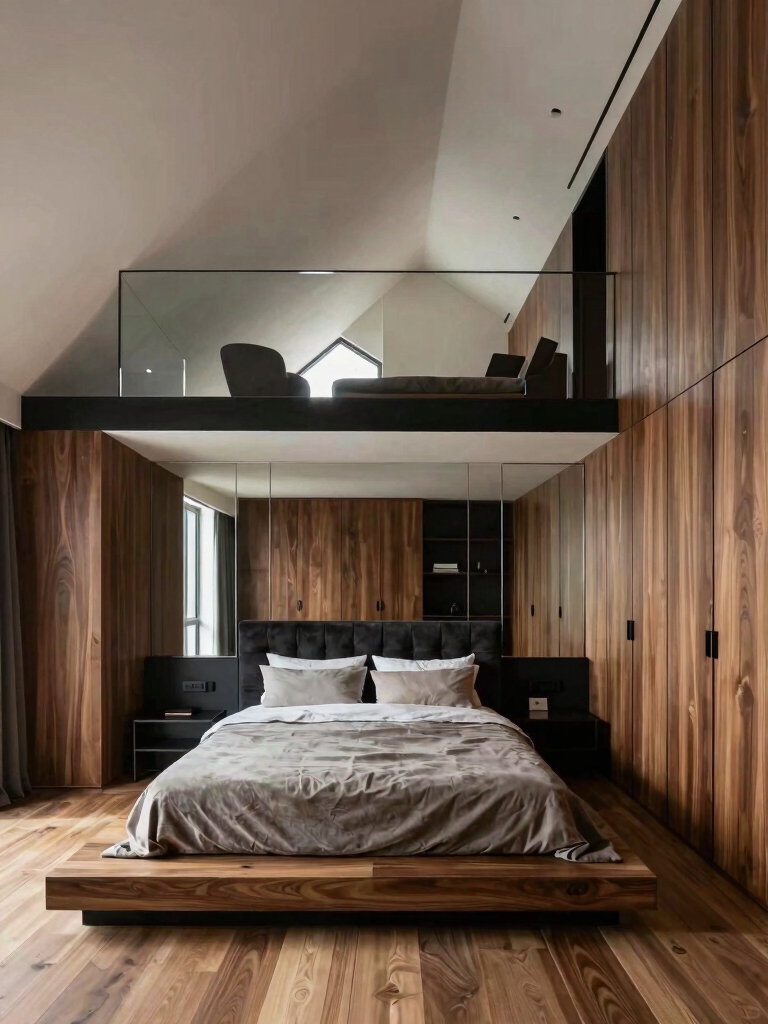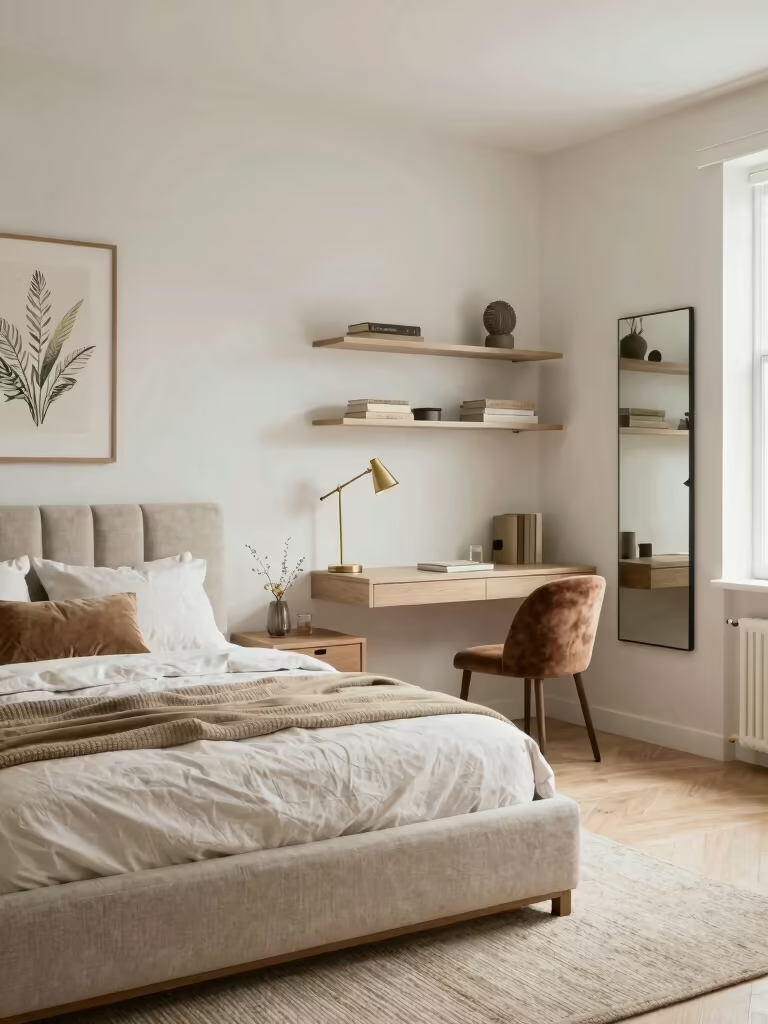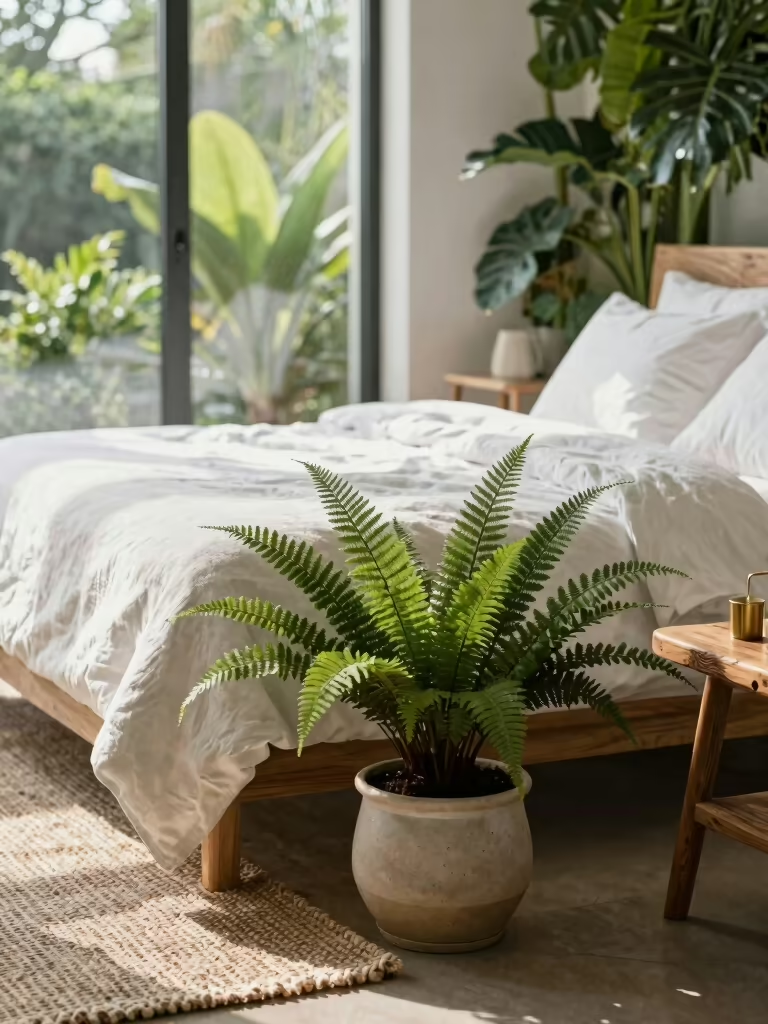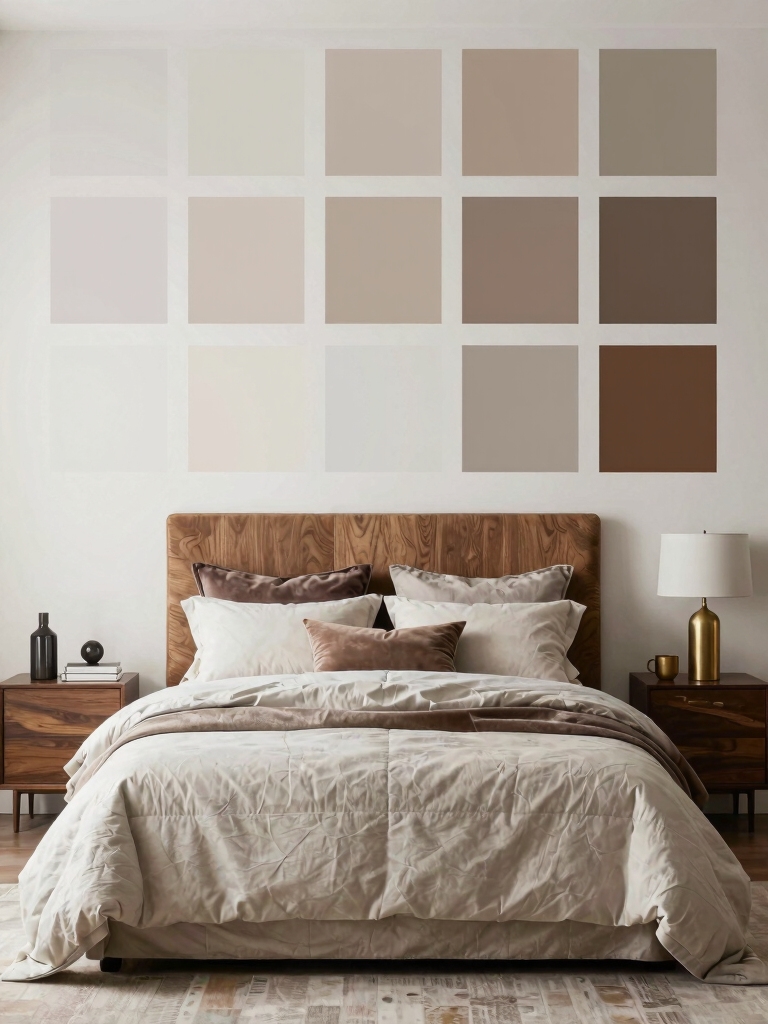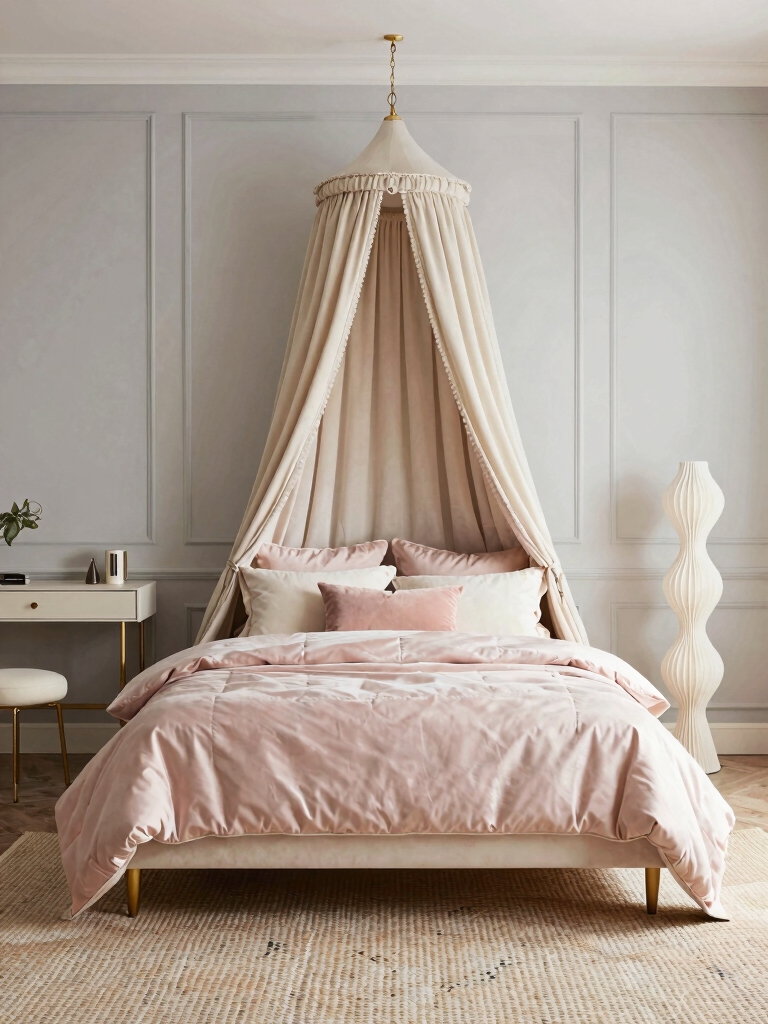

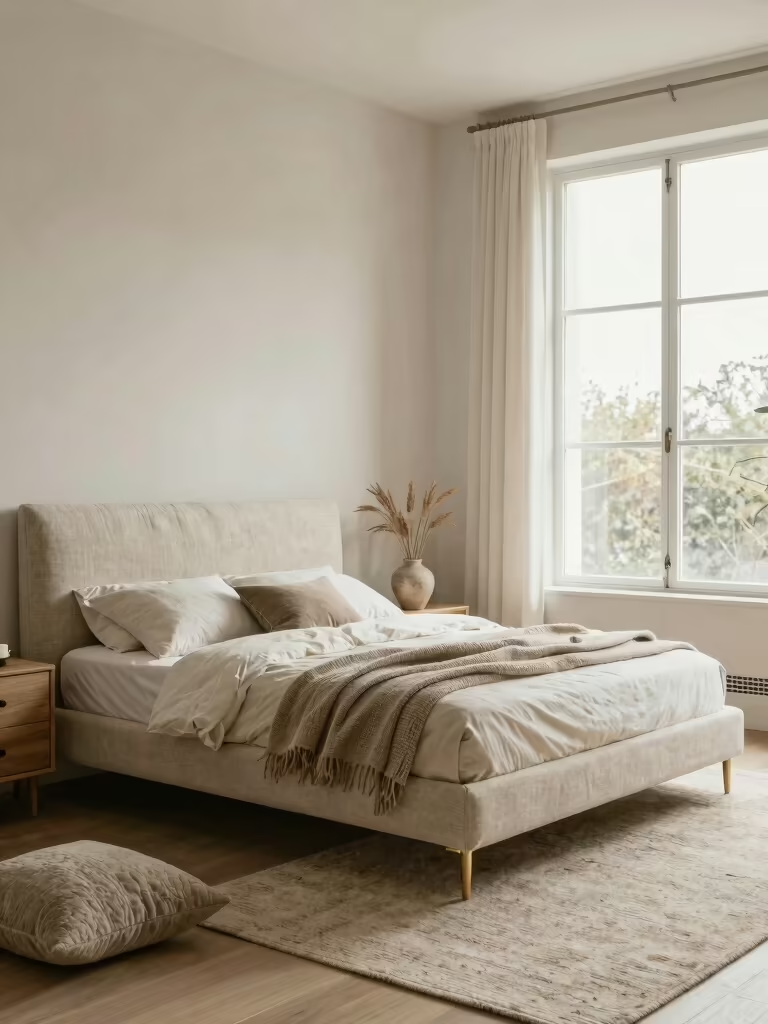
I design neutral bedrooms that erase chaos and invite calm, so you sleep better the moment you step in. I start with a soft ivory-to-beige palette, add layers of natural textures, and keep patterns quiet to reduce visual noise. Lighting stays warm, dimmable, and indirect so nights wind down gently. Minimal layouts and smart storage keep surfaces clear, while personal touches soothe rather than shout. Want more simple, sleep-friendly ideas to try tonight? There’s more to discover after this.
Why Calm Neutral Bedrooms Boost Sleep Quality
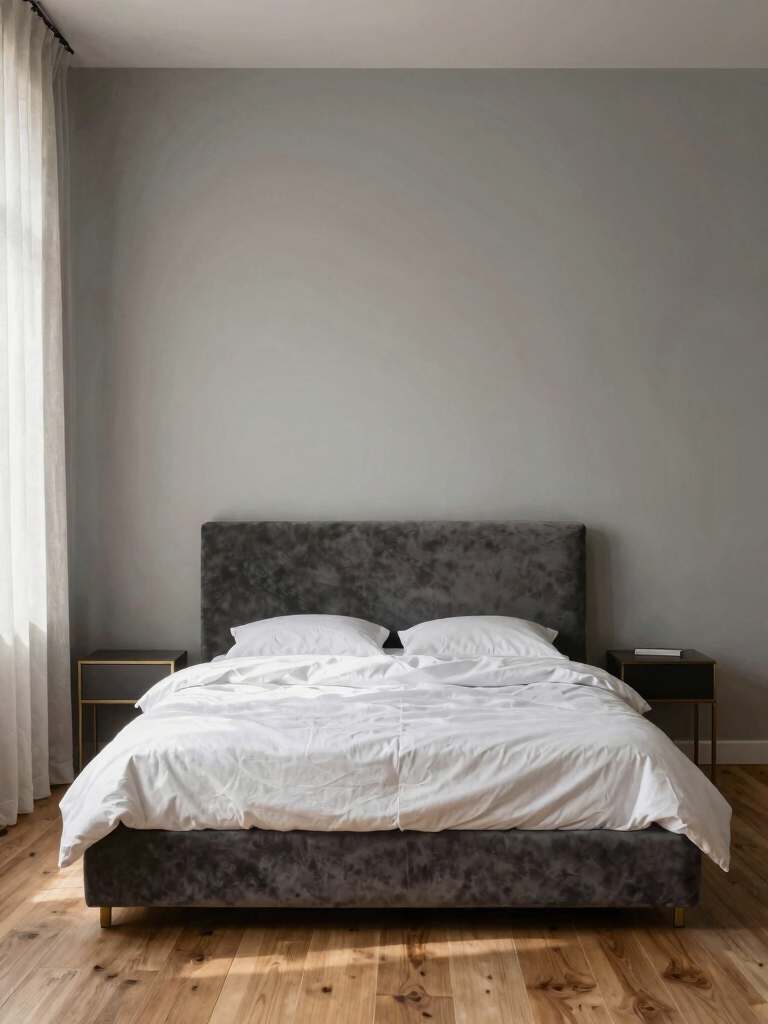
Calm neutral bedrooms help you sleep better by removing visual noise and creating a simple, predictable environment.
I’ve found that when colors stay soft, lighting is gentle, and surfaces are uncluttered, your brain signals rest faster. You’ll wake less during the night and feel more refreshed in the morning.
Consistency reduces stress, so lean into calm, purposeful design choices. Incorporating clever bedroom solutions can maximize your space without sacrificing tranquility.
Build a Soothing Neutral Palette That Feels Soft
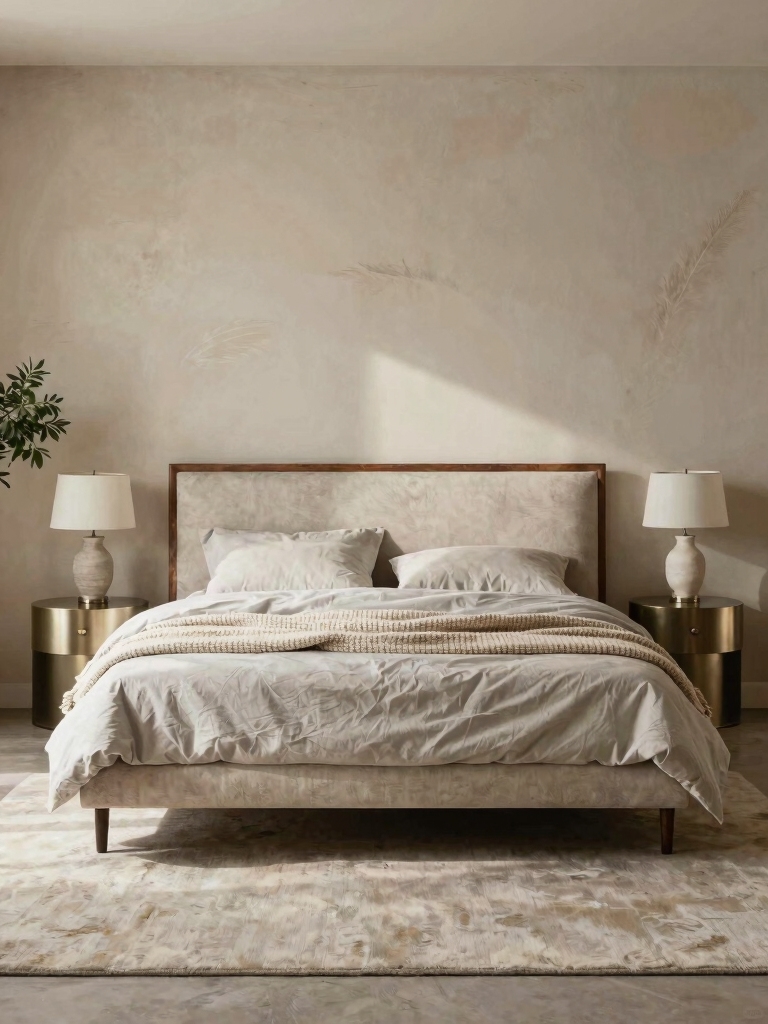
I’ll start with soft neutral foundations that feel calm underfoot and easy to build on.
From there, I’ll tune temperatures so the room reads warm or cool without shouting, using Temperature-Driven Tones to guide the mood.
Finally, I’ll add Texture-Rich Layering to make the space feel cozy and inviting, not flat.
Incorporating elements inspired by green room ideas can bring a refreshing and natural vibe to any neutral bedroom.
Soft Neutral Foundations
Soft neutrals form the calm backbone of a soothing bedroom, and I’ll show you how to build a palette that feels warm rather than flat.
I favor low-contrast combos: ivory walls, warm beiges, soft greiges, and matte textures.
Add gentle fabrics, natural wood, and subtle metallics for depth.
Keep the mood uncluttered, cozy, and adaptable to changing seasons.
Temperature-Driven Tones
Temperature sets the mood, so I start with a core that reads warm and inviting. I choose soft, muted tones like almond, warm gray, and oatmeal, then balance them with cool undertones for contrast.
I test daylight changes, adjusting shades until the room feels calm, not clinical. Practical picks: swatches, paint chips, and a simple palette card for reference.
Texture-Rich Layering
Texture is the key to a soothing neutral, so I layer in tactile variety—think burlap, linen, and brushed cotton—alongside plush throws and a wool rug.
I balance textures with calm tones, avoiding busy patterns. You’ll notice depth from natural fibers, subtle sheen, and soft sheens.
This approach reduces visual noise, aids sleep, and keeps the room inviting, grounded, and effortless.
Layer Soft Textures for a Gentle Wake-Up
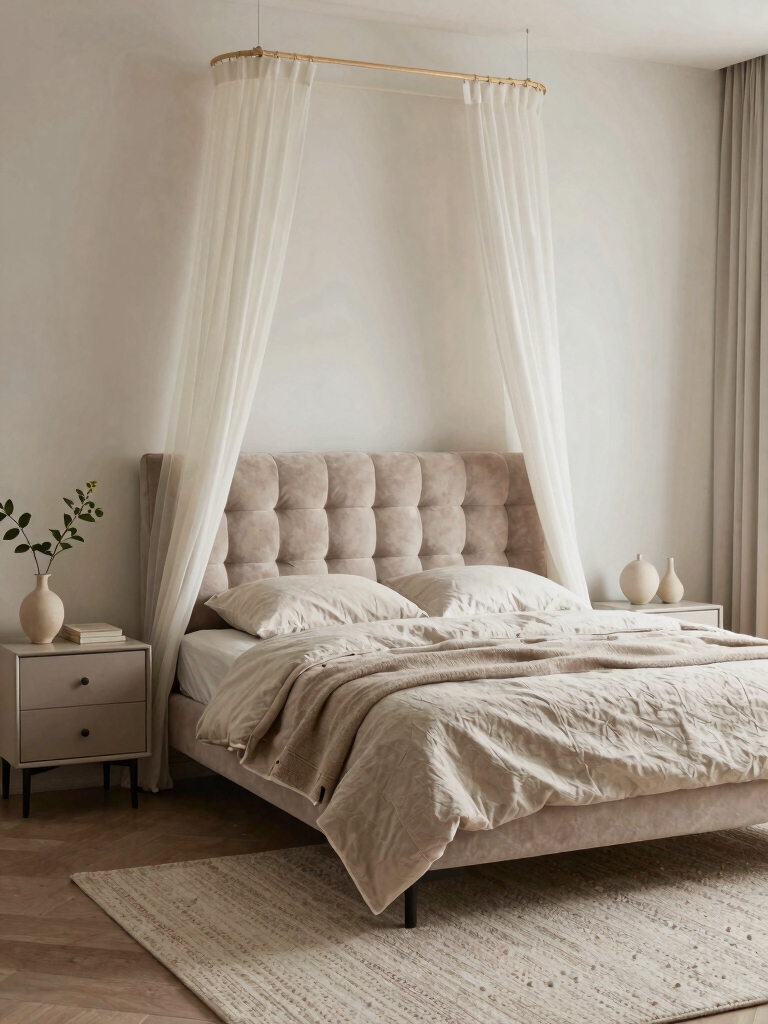
Layering soft textures can make your bedroom feel calm the moment you step inside.
I start with a plush rug beneath the bed, then add a cotton duvet, knit throws, and a velvet pillow lineup.
Keep colors neutral, vary surfaces, and choose breathable fabrics.
This combination cushions mornings, reduces noise, and invites a gentle, practical wake-up without clutter.
In small spaces, using smart and cozy elements can optimize comfort without sacrificing style.
Lighting for Sleep: Quiet, Mood-Enhancing Choices
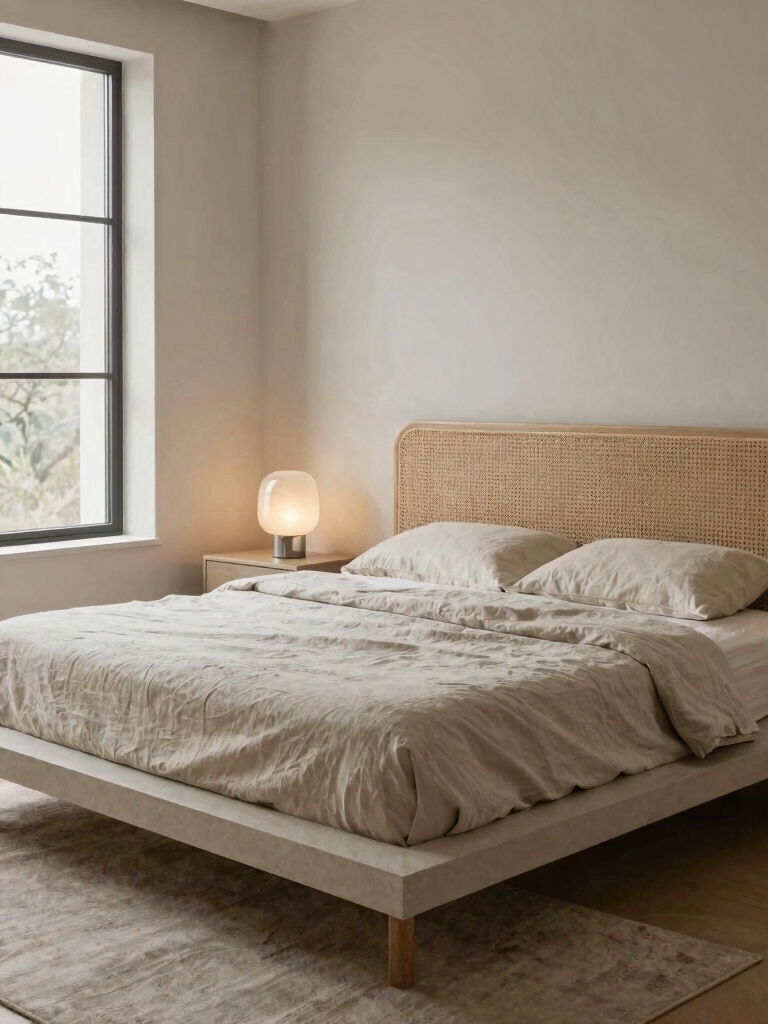
I’m exploring how a warm glow and soft ambient lighting can quietly reshape your sleep, using mood-enhancing choices that feel natural in a neutral space.
I’ll keep blue-light to a minimum, so you’re not jolted awake as you wind down.
Let’s look at practical tweaks—warm glow sleep aids, gentle ambient illumination, and simple habits to make lighting support rest.
Incorporating cozy bedroom lighting ideas can create the perfect glow that enhances relaxation and comfort.
Warm Glow Sleep Aids
Soft, warm lighting can make your bedroom feel calm and inviting without overstimulating your brain when it’s time to wind down.
I favor dimmable lamps, amber bulbs, and warm-toned LEDs to create a cozy atmosphere.
Use layers—bedside light for reading, overhead minimal, and a plug-in glow.
Keep schedules steady so your circadian rhythm notices sleep, not glare.
Soft Ambient Illumination
I favor warm, dim lamps and dimmable LEDs, so you can adjust quickly as night grows deeper.
I keep fixtures low and indirect, avoiding harsh glare.
A single bedside warm glow creates calm focus, inviting stillness, prep, and uninterrupted rest.
Blue Light Minimization
Blue light is a quiet disruptor at night, so I minimize its impact with thoughtful choices.
I swap bright screens for warm lamps and dimmable options, keeping color temperatures low after sunset.
I use night-friendly settings on devices and wear blue-light filters when needed.
I prefer timeless, soft lighting that supports winding down and restful sleep.
Minimal Layouts That Reduce Visual Stress
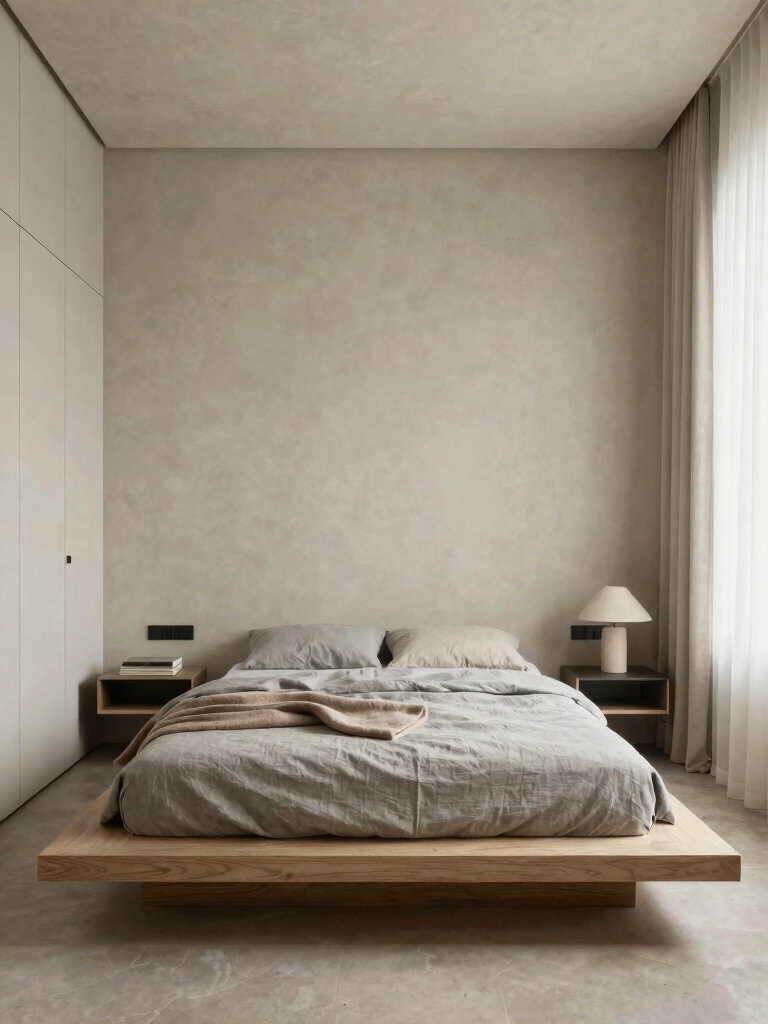
Minimal layouts brighten the room and cut visual noise, so I start by prioritizing essential pieces and placing them thoughtfully.
I keep surfaces clean, store extras, and let negative space breathe.
I choose low-contrast tones and avoid cluttered decor, arranging lighting to soften shadows.
Incorporating minimalist bedroom ideas helps maximize space and maintain a serene atmosphere.
Natural Materials for Restful Indulgence
Natural materials instantly signal calm and comfort, so I choose textures you can feel and sustain.
I favor warm woods, organic linens, and soft wool to invite restful indulgence without fuss. I mix matte stone accents with breathable fabrics, keeping surfaces simple and tactile.
This approach stays practical: durable, easy to care for, and naturally soothing for everyday serenity. Incorporating a serene beige aesthetic enhances the overall sense of calm and tranquility in the bedroom.
Quiet Storage: Declutter Without Dulling Style
If you want a calm bedroom without the clutter, start with smart storage that’s inconspicuous yet effective.
I’ll show you simple ways to hide everyday stuff without dulling style, so you can breathe easy and sleep soundly.
Quiet storage keeps surfaces clean, vibes serene, and spaces flexible.
- Built-in drawers under the bed for jackets and sheets
- Minimalist ottomans with hidden compartments
- Floating shelves with concealed brackets for essentials
Incorporating smart storage solutions for small bedrooms can maximize your space while maintaining a peaceful atmosphere.
The Bed as Sanctuary: Calm Bedding for Support
I’ll show you how calm bedding can feel like a sanctuary with soft layers that support you all night.
Think neutral fabrics, easy textures, and thoughtfully chosen sheets and blankets that mix comfort with simplicity.
Incorporating serene sage green decor can further enhance the calming atmosphere of your bedroom.
Soft Bedding Layers
- Cotton sheets breathe softly against skin, keeping evenings cool.
- Lightweight blankets add warmth without bulk.
- A duvet, tucked snugly, anchors the haven and reduces restless shifting.
Neutral Fabric Choices
I look for tight, durable weaves, natural dyes, and minimal sheen.
Choose solid neutrals for easy layering, and avoid excessive patterns that compete with a tranquil sanctuary.
Sleep-Boosting Textures
After choosing calm, neutral fabrics, I focus on textures that actively support better sleep.
I mix tactile layers to soothe nerves, invite warmth, and reduce movement. The bed becomes sanctuary, with breathable weaves and soft surfaces that cradle you through the night.
- Percale cotton sheets with a cool, crisp hand
- Bamboo-rich quilted comforter for gentle warmth
- Microfiber blanket for quiet, lightweight coziness
Window Light and Air: Soft Light, Fresh Mood
Window light shapes the mood in a bedroom, and a well-placed window can fill the room with a gentle, inviting glow that feels fresh and calm.
I love how morning rays wake color softly, while open curtains invite cooler air.
I’ll choose sheer drapes for diffusion, and position seating to catch light without glare, keeping a calm, breathable feel throughout the day.
Adding stunning wall decor ideas can enhance this natural glow and create a visually soothing environment.
Subtle Art That Feels Personal and Peaceful
Subtle art can quietly define a room without shouting for attention, and I’ve found that personal meaning matters most when it’s simple.
I choose pieces that spark calm: a photo I treasure, a quote I keep close, a natural texture that humbles the space.
- A framed memory that softens the walls
- A serene print with muted tones
- A handcrafted object favored for quiet presence
Incorporating charming bedroom decor ideas can inspire a space that feels both inviting and peaceful.
Eliminate Visual Noise: Decluttering Your Surfaces
I’m sharing a simple approach to surface clutter, focusing on the essentials and keeping things calm.
I’ll show you easy, minimalist display ideas that reduce visual noise without sacrificing function.
Let’s start by identifying what truly needs to stay out and what can be tucked away, so your bedside and dresser feel serene and practical.
Surface Clutter Removal
Decluttering your surfaces immediately lightens the room and my mind, so I’m starting with the simplest rule: keep only what you truly use or love within easy reach.
- A single tray for essentials
- One decorative item per surface
- Daily essentials corralled by habit
Minimalist Display Strategies
After clearing surfaces, I focus on minimalist display strategies that keep your space calm and cohesive.
I group essentials into a single, purposeful tray or shelf, swap clutter for quiet balance, and choose three neutral accents that resonate.
I rotate seasonal pieces sparingly, respect negative space, and favor simple textures.
Your nightstand becomes calm, intentional, and easy to maintain.
Scents and Sounds: Sensory Cues for Relaxation
Scents and sounds quietly set the mood for a calmer bedroom, so I start by choosing a few soothing options I actually enjoy.
I keep it simple: subtle aromas, gentle audio, steady rhythm. This is how I tune the space without clutter.
- Soft lavender fade with a low hum of a fan
- Clean citrus diffuser and a ticking clock
- Whispering rain playlist on a calm volume
Create a Night Routine Zone for Seamless Transitions
To create a night routine zone, I carve out a small, clearly defined area near the bed where only calming actions happen—no work, no screens.
I place a bin for receipts or books, a soft light, and a water glass.
A predictable sequence signals bedtime: dim lights, stretch, then breathe.
Clear boundaries prevent drift into chaos.
Small, Hidden Comforts That Quiet the Room
Hidden comforts live in the small, almost invisible places: a soft nightlight tucked behind a plant, a folded throw within easy reach, a tiny stash of thank-you notes or favorite photos tucked in a drawer.
I invite you to notice these quiet anchors, because they gently reset mood, signaling safety and ease as you unwind.
- soft nightlight behind a plant
- folded throw within reach
- tiny stash of photos or notes
Day-to-Night: Maintaining Calm Across Hours
As the day folds into evening, I keep the calm I cultivated in the morning and carry it forward through the night.
I map a simple rhythm: dim lights, cool air, a single relaxing scent, and a two-minute wind-down.
Consistency beats intensity, so I honor shifts, not battles, letting serenity travel with me from daylight to quiet.
Five-Minute Calm-Up: Quick Refreshes for Busy Nights
When a busy night hits, I squeeze in a five-minute reset that keeps my bedroom feeling calm and inviting.
- Dimmed lights pair with a quick playlist
- Spritz of lavender, senses settle fast
- Told tasks leave the bedside, mindset clears
This tiny ritual centers me, recharges focus, and signals rest is nearby.
Conclusion
Here’s the short wrap-up, friend: a calm, neutral bedroom isn’t a mystery, it’s a practice you can live in. Start with a soft palette, layer textures, and mind the light—let it guide your mood, not chase it away. When chaos creeps in, you’ll already know the steps: tidy, slow your routine, and tuck in gentle comforts. Think of your space as a quiet harbor—a simple, steady harbor—where sleep finds you, not the other way around.