
Most attic advice tells you to fight the angles. The smarter move is to mine them. Every awkward eave, dead triangle, and dormer in a sloped room is hidden square footage waiting for a niche, a drawer, or a tucked-in nook. Find those corners and a cramped attic suddenly holds far more than it looked like it could.
These attic bedroom ideas are about maximizing the hidden corners other rooms don’t have. We’ll hunt the dead space, fit it with built-ins and clever storage, then balance the light and layout so the room feels open even as it works harder. Each idea comes with rough costs so you can match the effort to your budget.
Where the Hidden Space Hides
| Hidden corner | What to put there | Rough cost |
|---|---|---|
| Under the eaves | Built-in drawers or low cabinets | $150 to $400 per run |
| The dead triangle | Pull-out bins or a knee-wall cubby | $15 to $80 |
| A dormer | A reading nook or a desk | $50 to $200 to furnish |
| The full-height wall | Tall, narrow shelving | $30 to $120 |
Maximize Every Bit of Attic Bedroom Space
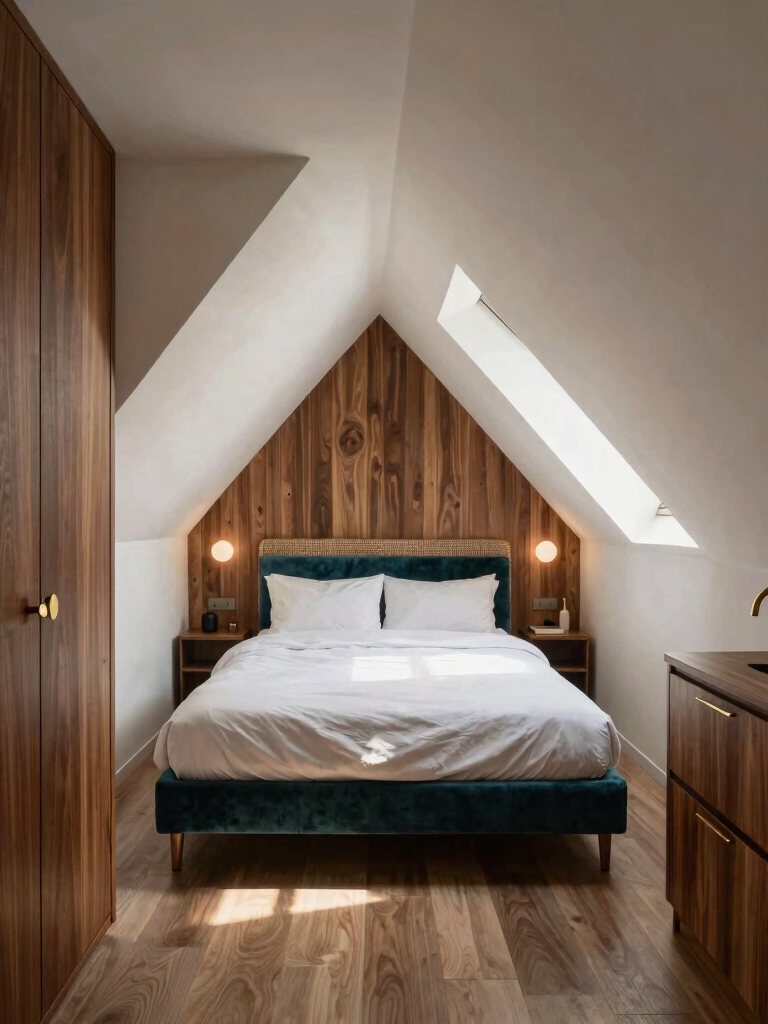
The first thing I do in any attic is walk it slowly and name every hidden corner out loud, because you can’t use what you haven’t spotted. An attic hides storage in places a square room never offers. So the first job is a treasure hunt, walking the room slope by slope to find every triangle and bay that could quietly earn its keep with a drawer or a shelf. Look for these as you go.
- The eaves: the low triangle where the ceiling meets the floor, perfect for drawers and bins you reach sitting down.
- The knee walls: the short vertical walls under the slope, ideal for built-in cabinets or cubbies.
- The dormers: the boxed-out window bays, which make natural nooks for a desk, a seat, or shelves.
A Balanced Natural Light Strategy
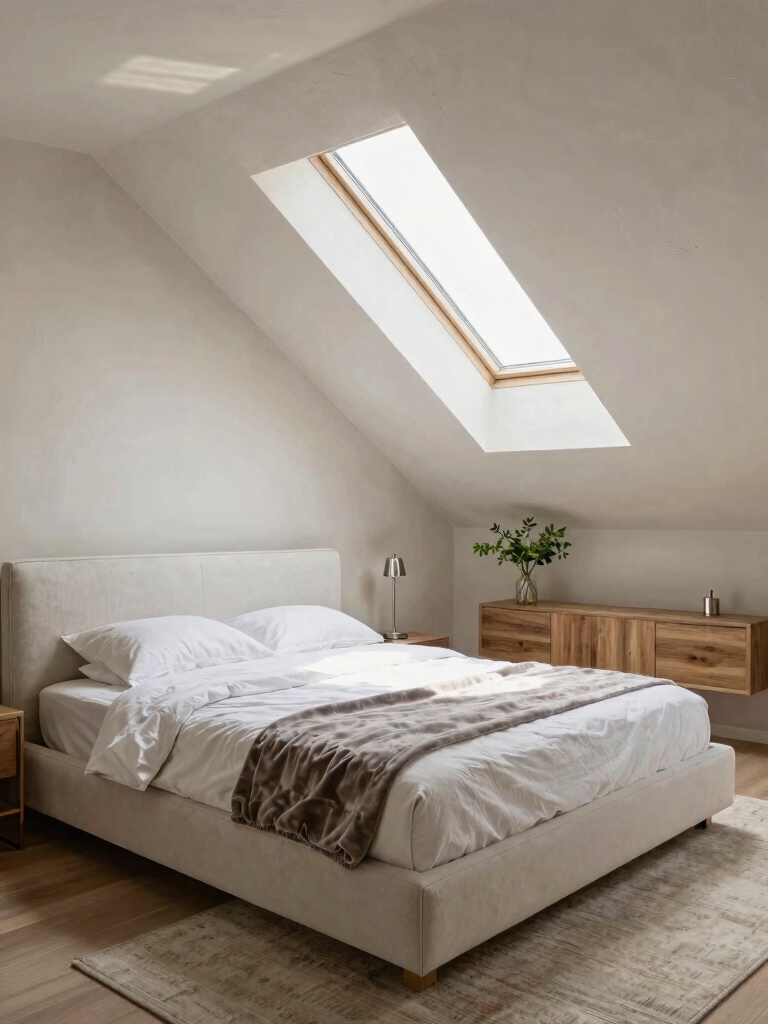
Stuffing an attic with storage can darken it fast, so light has to be planned alongside the corners you’re filling. Aim for two or three good light sources spread around the room, and keep the storage out of the daylight’s path so it can still reach the back walls. The goal is an even, all-day glow with no dark caves behind the built-ins.
Color carries the light further. Pale, slightly reflective walls bounce daylight into the corners, and a mirror across from the window doubles what you have. Balancing storage with brightness is what keeps a hard-working attic from feeling like a packed closet. For more on opening tight rooms, see my [small-room ideas that feel big](bedroom-ideas-for-small-rooms-feel-big).
Heads-Up
Don’t fill every hidden corner just because you can. An attic stuffed wall to wall feels as cramped as an empty one feels bare. Leave the open floor and the daylight paths clear, and use the corners for storage you actually need, not storage for its own sake.
Brighten Attics With Windows and Dormers
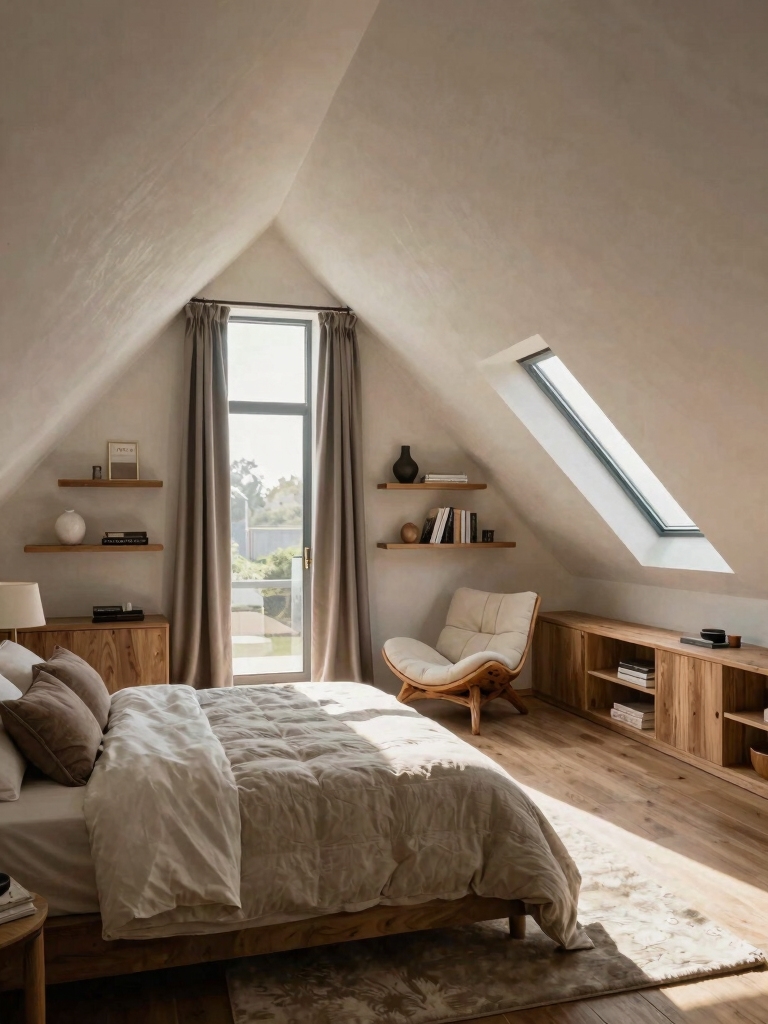
Windows and dormers are where an attic earns its light, and using them well changes the whole room. A skylight pulls in overhead daylight a wall window can’t, while a dormer adds both a view and a boxed-out nook you can furnish. Keep the framing minimal and the treatments sheer so the glass does its job without glare.
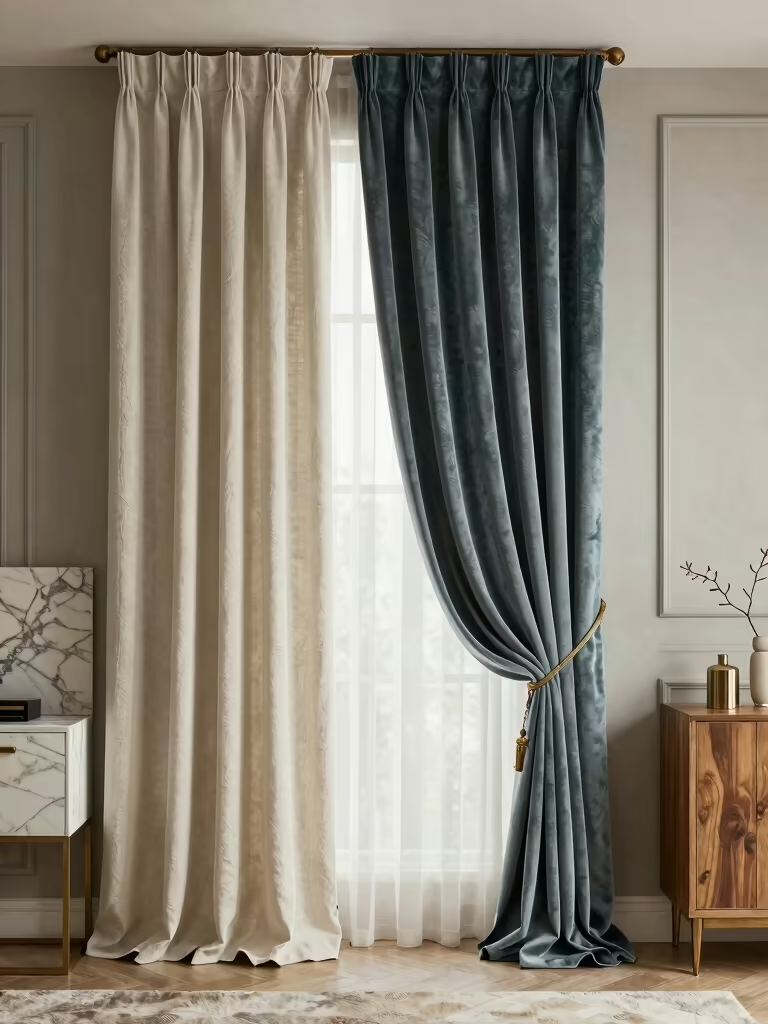
Place and dress the openings for maximum effect. Orient skylights to catch the sun you want (morning or afternoon), hang any curtains high and light, and keep the area below a window clear so the daylight spills in. A dormer especially is a two-for-one win: more light and a hidden corner to use. My [angled-ceiling attic ideas](attic-bedroom-ideas-angled-ceilings-made) cover working with these openings.
Maximizing a Narrow Attic Space
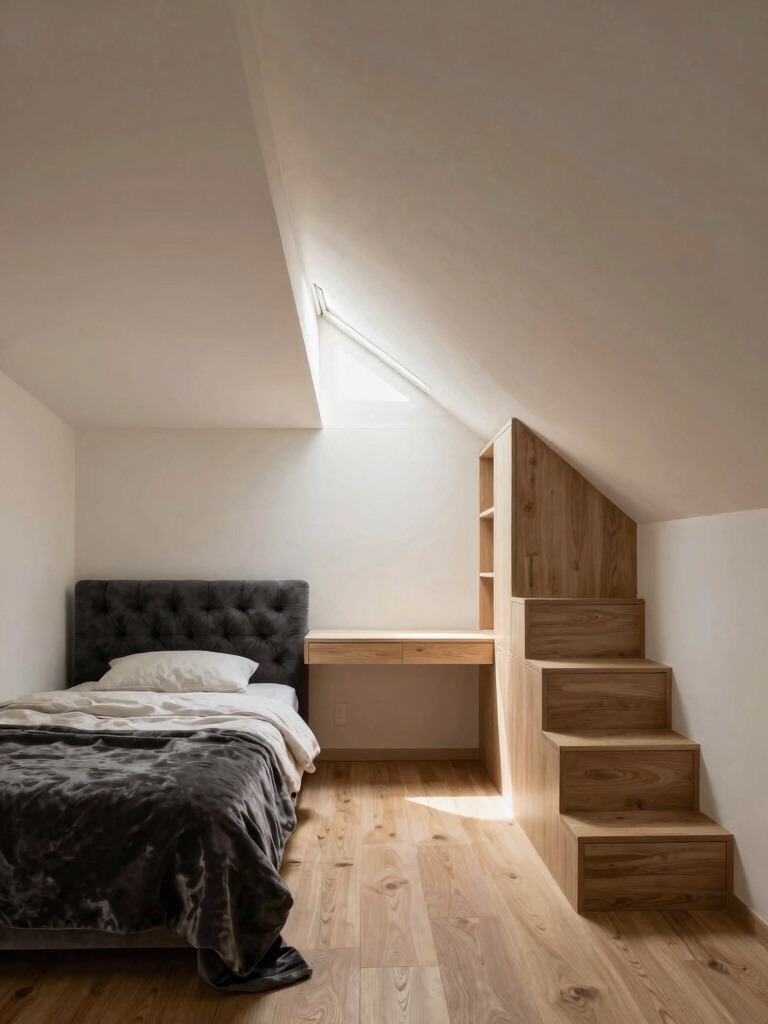
Narrow attics force a clear discipline: push storage and built-ins to the sides and keep a clean aisle down the middle. A center path that stays open makes even a skinny room feel walkable and calm, while the walls and eaves do the heavy lifting for storage. Plan the layout around that central lane before anything else.
Keep the Center Aisle Clear
Choose pieces sized for the slope. Streamlined wardrobes along the full-height wall, a low platform bed, and slim nightstands keep the narrow footprint from feeling crammed. Anything with visible legs helps, since the glimpse of floor underneath reads as more space in a tight room.
Use the vertical dimension where the floor runs out. Tall, narrow shelving on the high wall stores up instead of out, and hooks or a rail inside the closet door add capacity for free. For systems that keep a narrow room calm, see my [storage ideas that beat clutter](bedroom-storage-ideas-clutter).
Not sure what to do with a hidden corner? Match it to your need:
🎯Drowning in clothes and clutter
Build under-eave drawers and a knee-wall cabinet; the dead triangle holds a dresser’s worth out of sight.
🎯Craving a quiet escape
Turn a dormer into a reading nook with a bench, a cushion, and a lamp.
🎯Need a work-from-home spot
Tuck a slim desk into a dormer or under the highest slope where the daylight is best.
Efficient Attic Storage Solutions
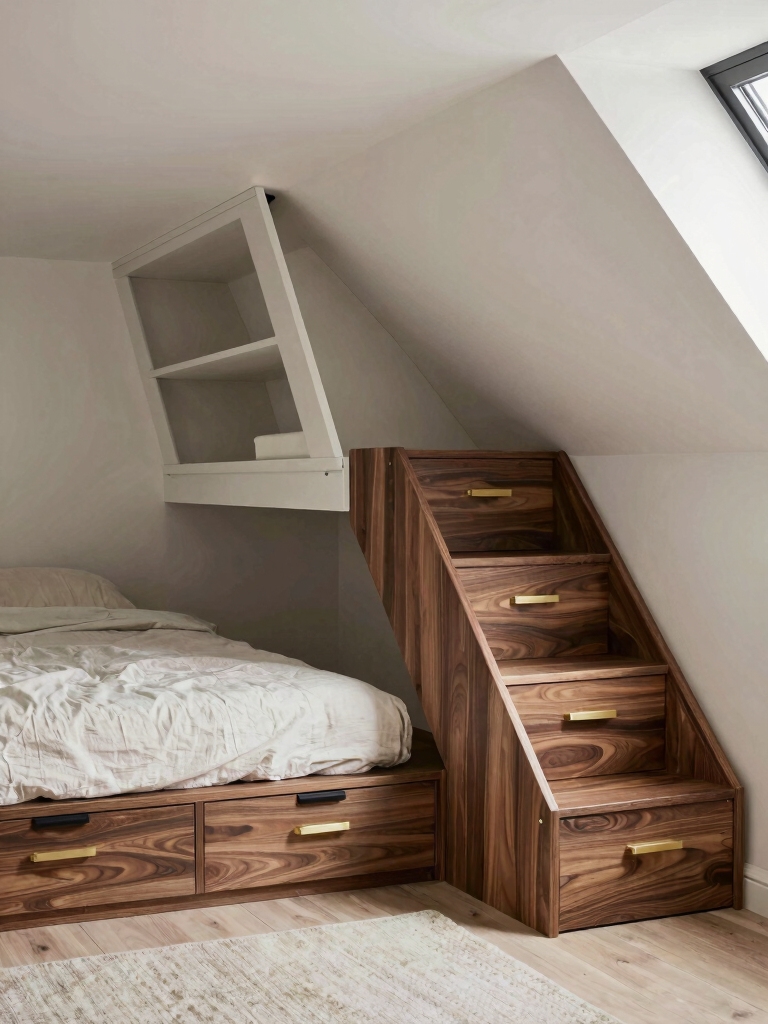
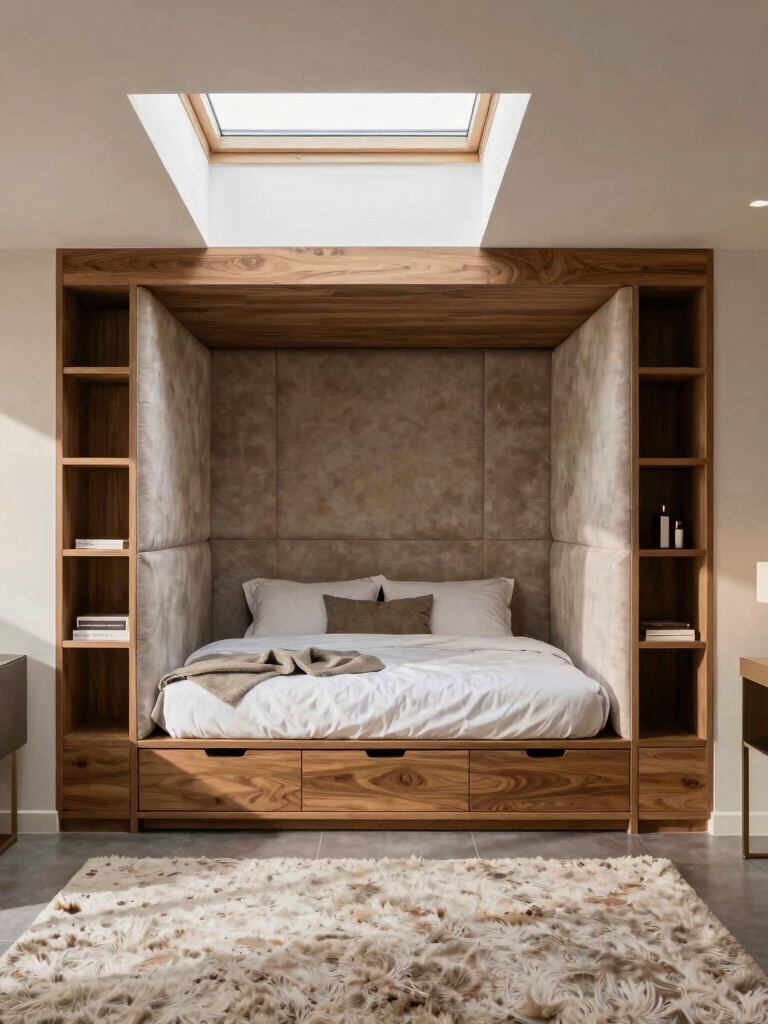
The most efficient attic storage is built to the angle, turning a quirk into capacity. Under-eave drawers, knee-wall cabinets, and a window bench with storage below all claim space a freestanding piece would leave empty. Building to the slope costs more than a bin, but it’s what makes an attic hold a whole room’s worth of stuff while staying open.
Where built-ins aren’t in the budget, work the angle with off-the-shelf pieces. Low rolling carts slide under the slope, modular boxes with labels keep the eaves tidy, and a tension rod across an eave becomes a hanging rail. A set of under-eave bins runs $15 to $50, and the payoff is a clear floor. My [attic storage organizers approve of](attic-bedroom-storage-ideas-neat-approve) go deeper.
- Build drawers and cabinets into the eaves and knee walls where standing storage won’t fit.
- Use low rolling carts and modular boxes to work the dead triangles cheaply.
- Add a closet-door rail or hooks for free vertical capacity.
Hidden Doors and Sliding Panels for Clean Lines
The slickest way to maximize an attic is to hide the storage behind the walls themselves. A flush panel in a knee wall opens to a deep, hidden cupboard in the dead space behind it, and from the room it just looks like wall. This is the trick that makes an attic feel uncluttered. The wall hides the mess while it secretly holds a surprising amount, which is exactly the kind of sleight of hand a tight room rewards.
Sliding panels and pocket doors save the floor that a swinging door would eat. A barn-style slider over a storage alcove, or a pocket door into an ensuite, keeps the sightlines clean and the traffic smooth in a tight room. In an attic where every inch counts, the door that disappears is worth the small extra cost.
These hidden features look custom but many are within reach of a handy DIYer. A simple knee-wall access hatch fitted with a flush panel and a soft-close catch costs little in materials, while a full run of concealed built-ins is a job for a carpenter. Either way, the clean-lined result is what gives a maximized attic its calm.
Make a Corner Earn Its Keep: Nooks and Workstations
A hidden corner doesn’t have to be storage; sometimes the best use is a tiny room within the room. A dormer becomes a reading nook with a low bench, a cushion, and a slim shelf of books, lit by the window during the day and a warm lamp at night. It’s the kind of spot that makes an attic feel special. A corner like that gives the room a soul, turning pure function into somewhere you actually want to linger with a book on a slow afternoon.
An eave or a dormer also makes a natural workstation in an attic retreat. Tuck a low desk where the daylight is best, add a task lamp and a wall shelf above it, and you’ve carved an office out of space that was doing nothing. Keep the desk slim and the cords tamed so the work zone stays calm.
Light each of these corners on its own so it reads as a distinct little zone. A dedicated lamp and a small rug tell the eye this spot has a purpose, which makes the whole attic feel intentional and full of life. My [bedroom lighting ideas for mood](bedroom-lighting-ideas-mood) help with placement under the slopes.
Color and Comfort That Keep It Open
All that storage works best when the palette keeps the room feeling airy. Light walls and a sloped ceiling in the same soft tone make a hard-working attic feel open, and they bounce the daylight you fought for into the corners. Save bold color for a single accent so the built-ins and storage recede into calm, continuous walls.
Comfort comes down to climate at the top of the house. Since warm air climbs and settles up here, a ceiling fan and a cross-breeze between two openings keep a packed attic sleepable in summer, while a thick rug warms the boards underfoot when the cold comes. Get the air and the light right, and a maximized attic feels like a true retreat.
Keeping a Maximized Attic Working
A storage-rich attic stays useful with a little regular editing, since packed spaces drift toward clutter when you stop paying attention. Every season, pull what you haven’t touched, re-sort the eave bins, and make sure each hidden corner is still earning its keep. Labels help here. Tagging the bins and totes by contents turns the seasonal sort into a five-minute job instead of a lost afternoon of guessing what’s in each box.
Keep the surfaces and corners fresh, too. Dust the high shelves and inside the dormer nooks where grime gathers out of reach, wash the bedding on a normal rotation, and recheck that wall-mounted shelving stays firmly anchored. These small habits keep a maximized attic both tidy and calm long after you first dug out all that hidden space.
Attic Maximizing Questions, Answered
?Where is the hidden storage in an attic?
In the eaves (the low triangle where ceiling meets floor), the knee walls under the slope, and the dormers. These spots are too short to stand in, which makes them ideal for drawers, cabinets, and nooks.
?How do I add storage without making the attic feel cramped?
Build into the dead corners, keep a clear center aisle, and hold the palette light so the storage recedes. Leave the open floor and the daylight paths clear so the room still feels airy.
?Are hidden knee-wall cupboards hard to build?
A simple flush-panel access hatch with a soft-close catch is within reach of a handy DIYer. A full run of concealed built-ins is a carpenter’s job. Either way, the clean look is worth it in a tight room.
?What’s the best use for a dormer?
A dormer is a natural nook. Make it a reading spot with a bench and a lamp, or a small workstation with a slim desk, since it already has the daylight and the boxed-out shape.
Mine the Angles, Don’t Fight Them
An attic’s awkward corners are its hidden advantage once you start mining them. Hunt the eaves, knee walls, and dormers, fit them with built-ins or nooks, balance the light, and keep a clear center aisle, and a cramped room turns into one that holds a whole life and still feels open. The angles other people fight are exactly where your extra space is hiding.
Walk your attic this weekend and name every dead corner; you’ll honestly be surprised by just how much usable room has been hiding in plain sight all along.