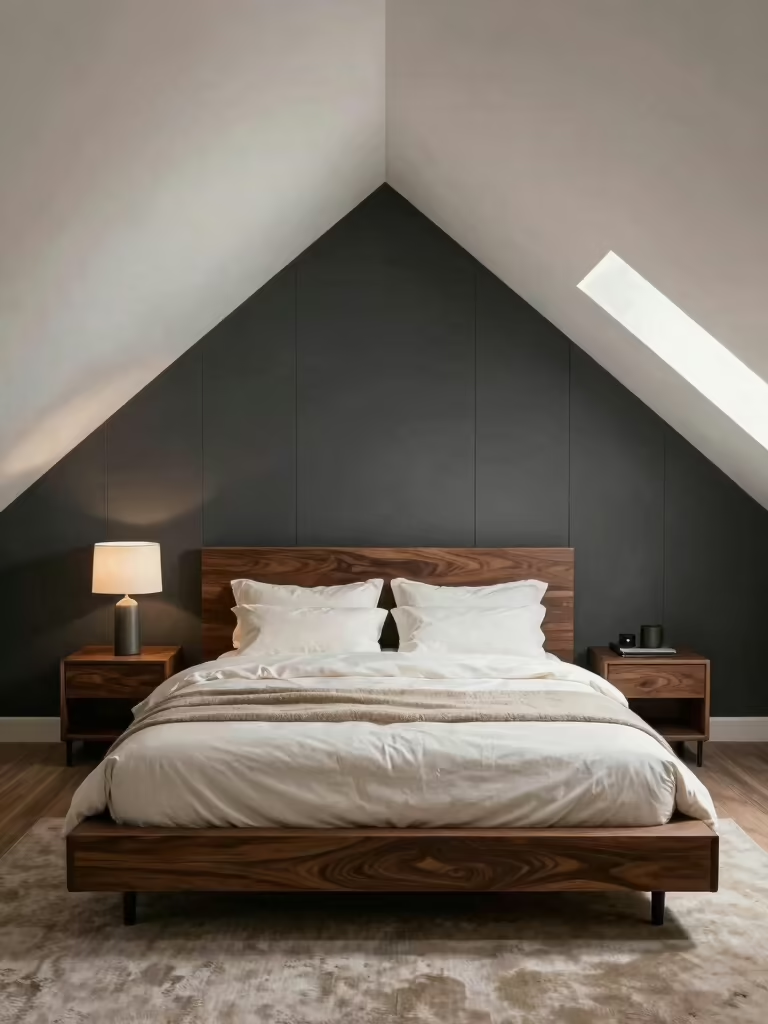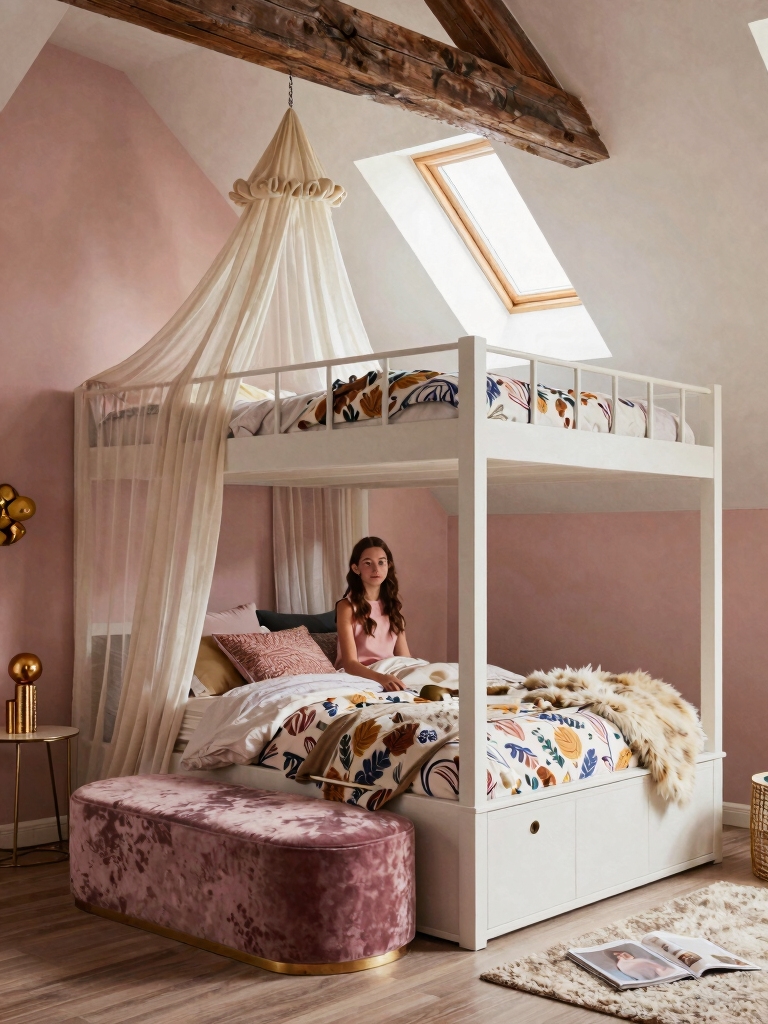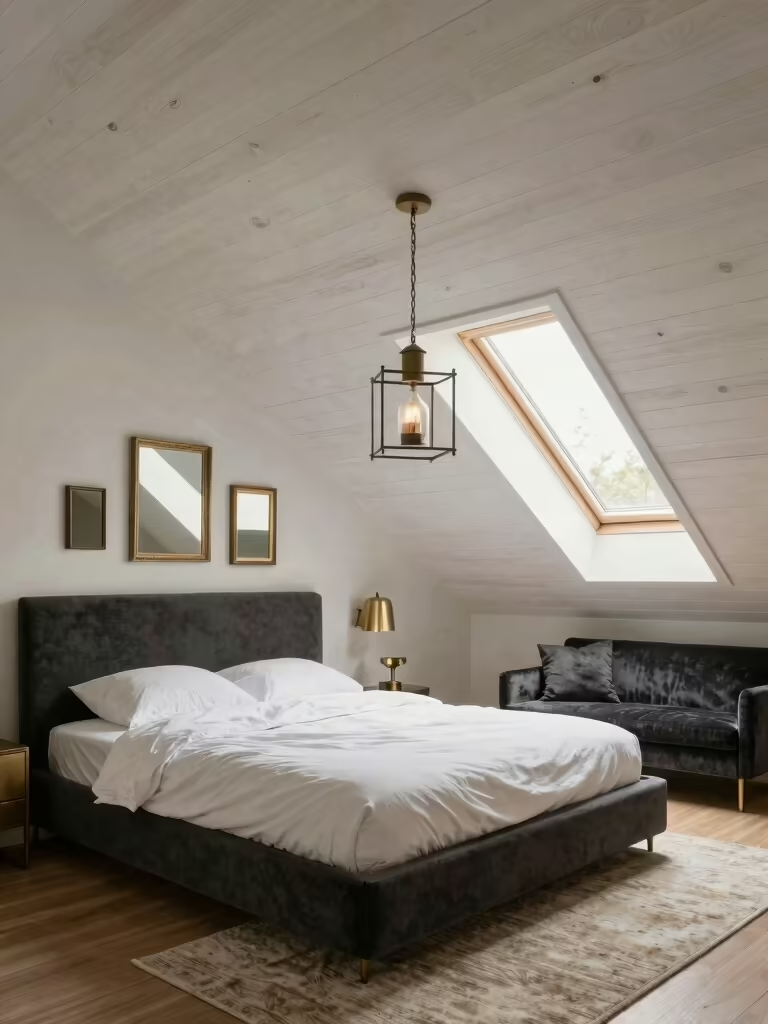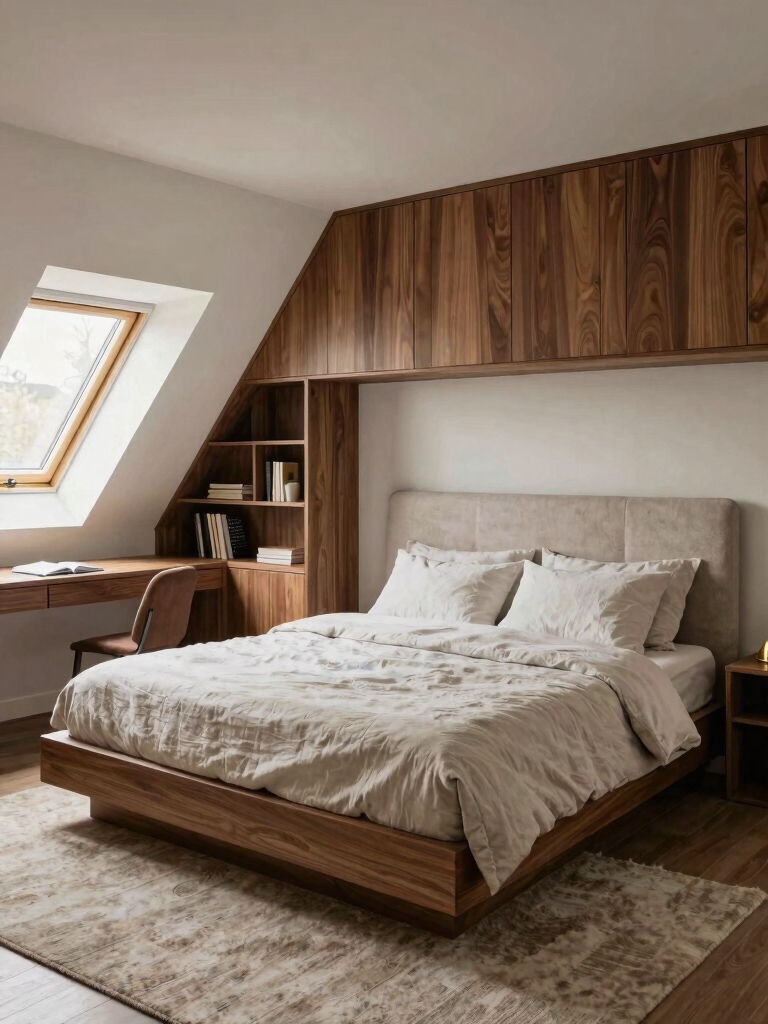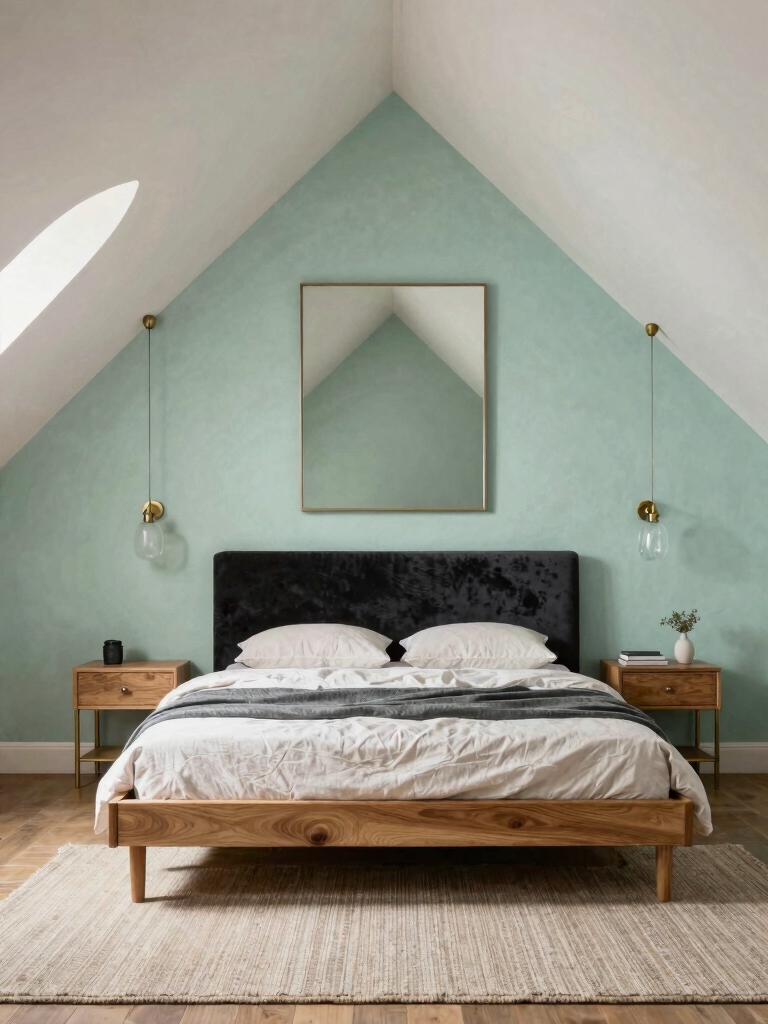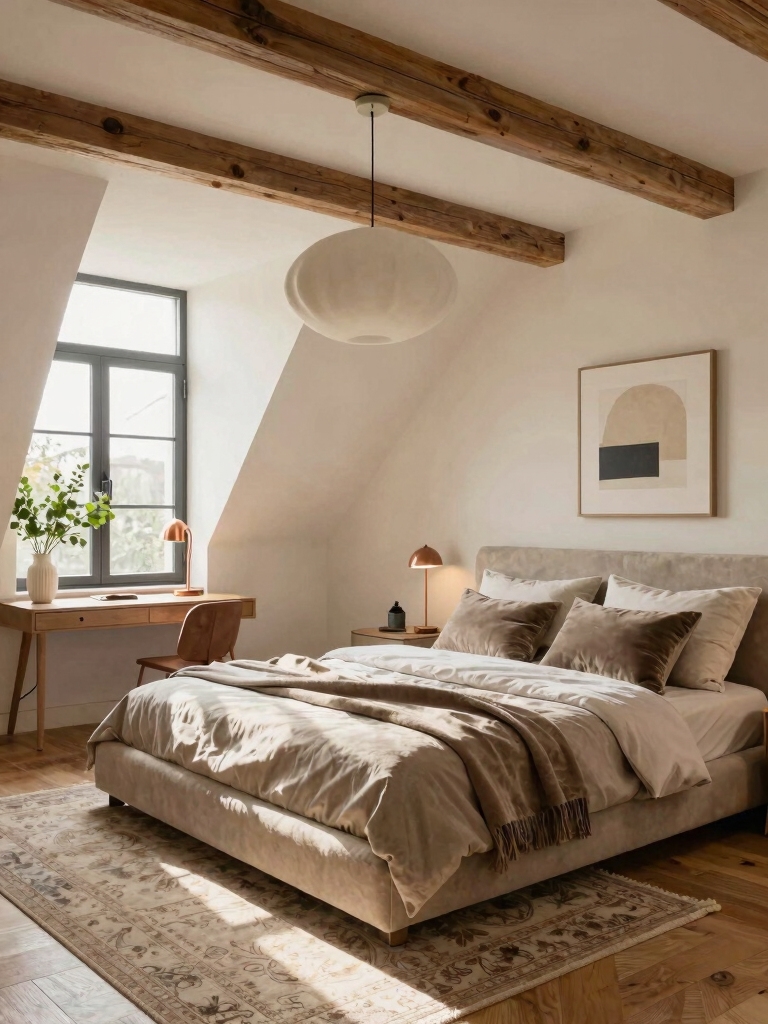

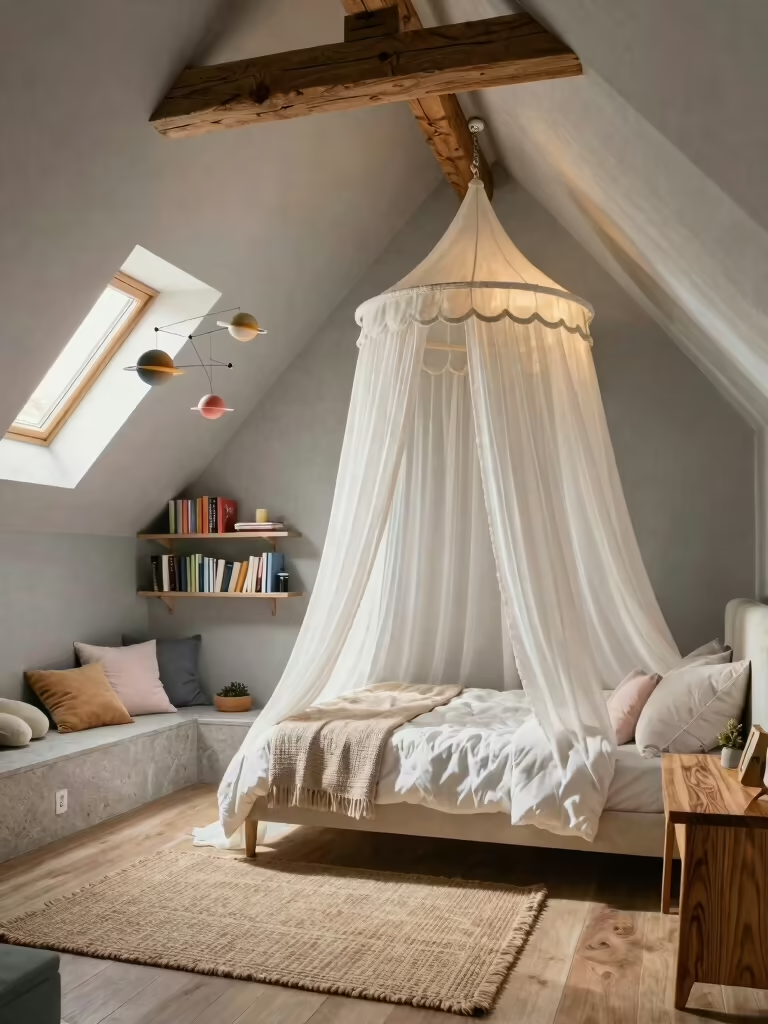
Plenty of parents look at a sloped attic and think it’s too cramped or too risky for a kid’s room. It’s neither, with a plan. The angles that feel awkward to an adult read as a secret fort to a six-year-old, and the low eaves are exactly the right height for little hands to reach their own toys.
These attic bedroom ideas for kids lean into that magic while keeping the space safe and easy to live with. We’ll cover the planning and safety basics first, then the fun part: themes, bright color, and storage a child can actually use. Each idea is practical, most are budget-friendly, and all of them grow with the kid.
Building a Kid’s Attic Room
Start with safety and a plan: confirm headroom, light, and ventilation, anchor tall furniture, and pad or gate any hazard before the fun begins. A kid’s attic has to be sound before it’s cute.
Then make it theirs. Pick one flexible theme, paint it bright to bounce the limited light, and put storage low where a child can reach it. Keep the choices easy to update, and the room sparks joy now and still works in three years.
Plan the Attic Makeover: The Essentials
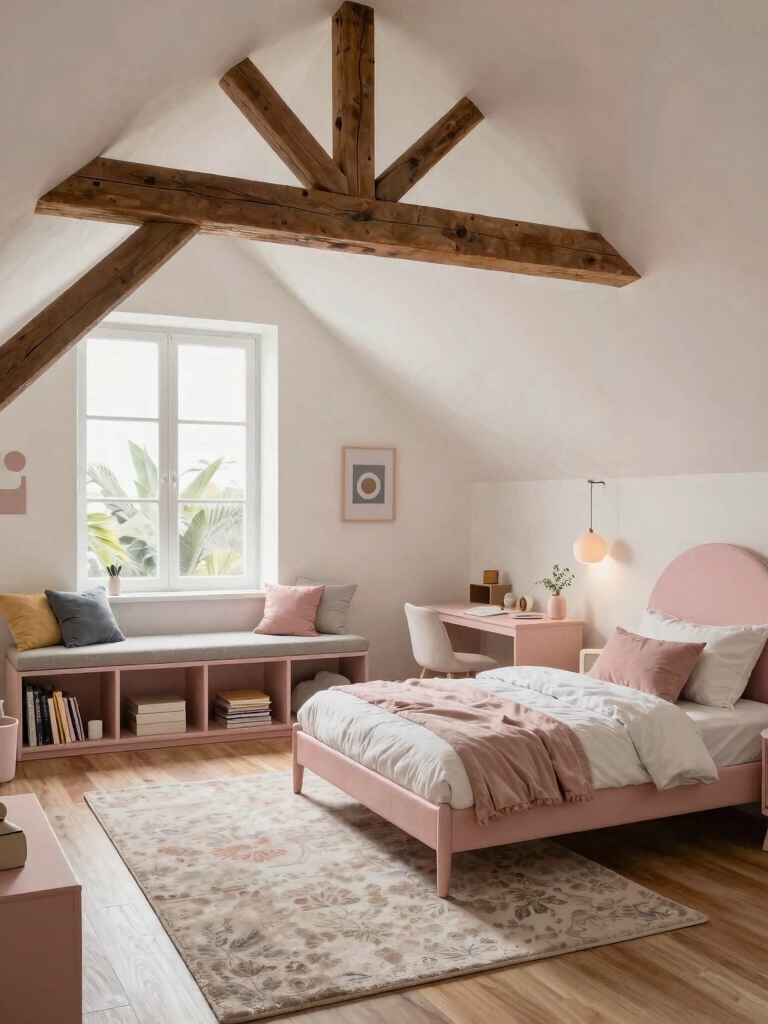
A kid’s attic starts on paper, long before the paint store. In my experience the families who skip this step regret it. Sketch the room, mark where the ceiling is tall enough for a child to stand, and label the zones you want: sleep, play, storage, maybe a reading corner. Kids need clear floor to actually play, so protect an open patch in the tallest part before anything else moves in.
Set a budget and sort wants from needs. Paint, decals, and clever storage are cheap and high-impact; anything touching the roofline, wiring, or a new window is a licensed-pro job and should be quoted early. Knowing which bucket each item falls into keeps the project from stalling halfway through.
Build in room to grow. A toddler’s fairy theme shouldn’t need a full redo at age nine, so anchor the room with neutral big pieces and keep the themed bits cheap and swappable. That single decision saves you money and saves the kid from a room that suddenly feels too young.
Check Light, Ventilation, and Structure
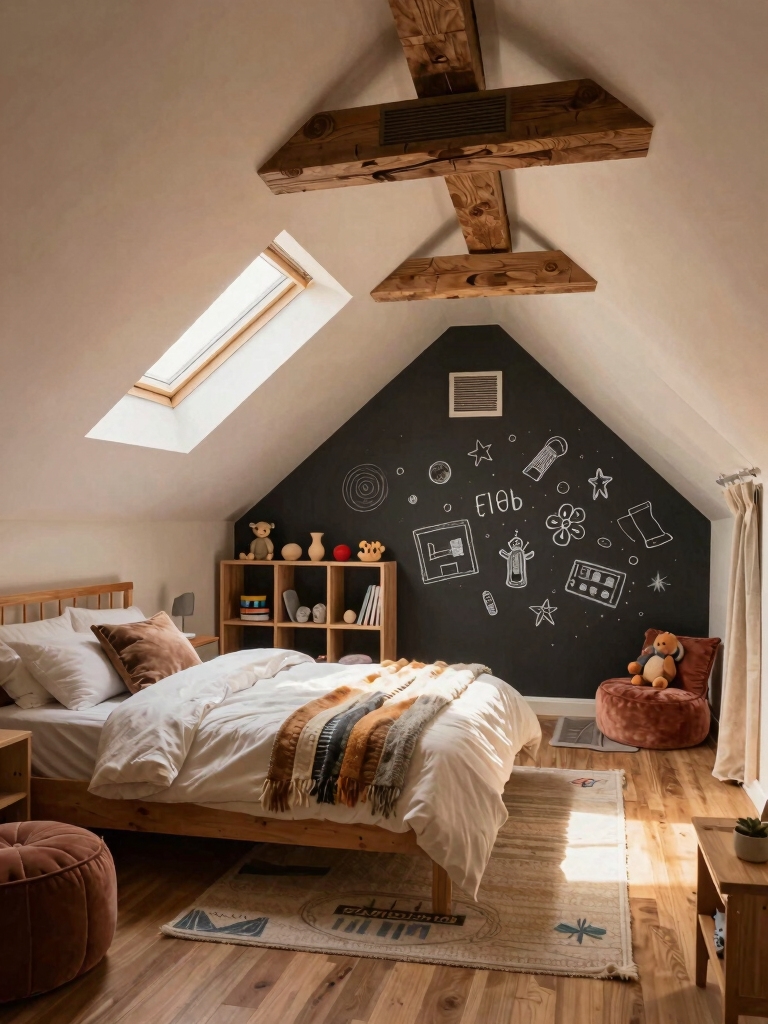
Before the fun, run a quick safety-and-comfort check, because an attic behaves differently from a regular room. These three things decide whether the space is ready for a child, so walk through them first.
- Light: note the windows and any skylight; a dim attic needs bright paint and good lamps to feel cheerful for a kid.
- Ventilation: attics trap heat, so confirm there’s airflow (an opening window, a fan, or a skylight that vents) before it becomes a bedroom.
- Structure and safety: check headroom, anchor tall furniture to the wall, pad low beams, and make sure the stairs have a gate or rail; anything structural is a pro job.
The attic-for-kids myth that holds parents back:
❌ Myth: Attics are too cramped and unsafe for a child’s room.
✅ Reality: With anchored furniture, a stair gate, padded beams, and good airflow, a sloped attic is a safe, magical kid’s room. The low angles feel like a fort to a child, not a flaw.
❌ Myth: A themed attic room is expensive and short-lived.
✅ Reality: Put the theme in cheap, swappable decals and bedding over neutral big pieces, and you refresh it for the price of a pizza when tastes change.
Pick an Imaginative Attic Bedroom Theme
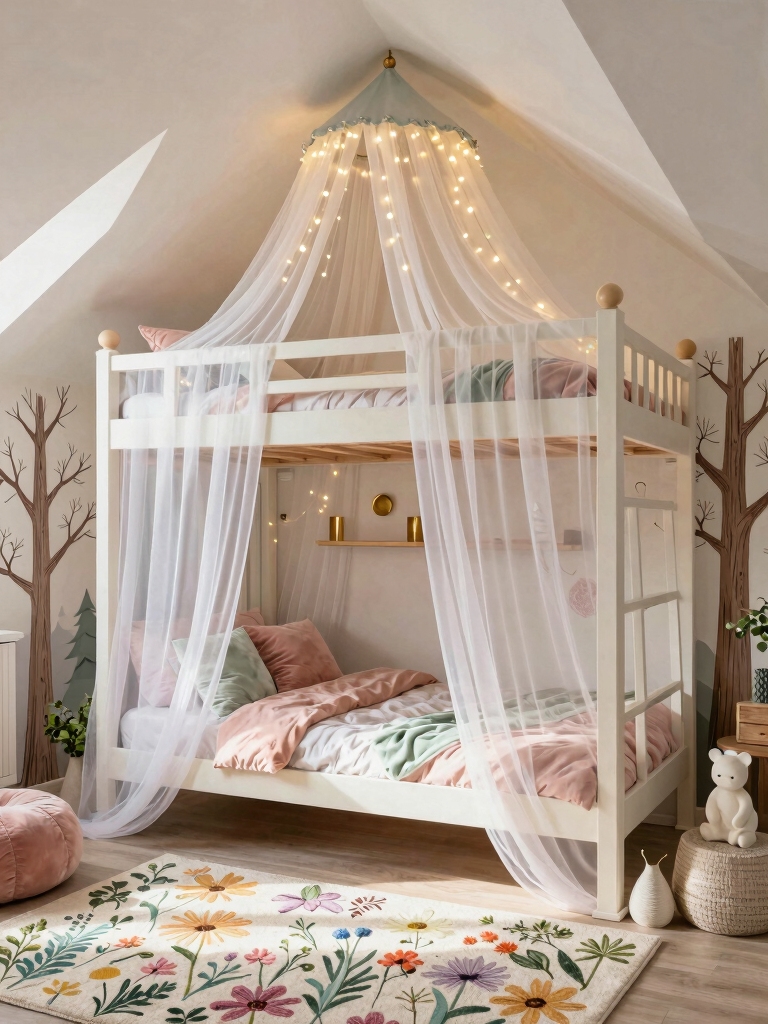
The sloped ceiling is a gift for a themed room, since it already feels like a hideaway. Pick one idea your kid loves (a starry sky, a woodland fort, an under-the-sea cove) and carry it lightly through a few details, leaving most surfaces calm. A themed room costs less and lasts longer when the theme lives in swappable pieces you can change later.
Let the angles play their part. A peaked ceiling becomes a tent, an eave becomes a reading cave, a dormer turns into a cockpit or a castle window. Keep the big surfaces calm and let bedding, decals, and a few props carry the story so you can refresh it cheaply as your kid’s obsessions change.
- Put the theme in removable decals, bedding, and props so it can evolve with your kid.
- Use the sloped ceiling as part of the story (a tent, a sky, a ship’s hull).
- Pick one or two signature colors so the room stays cohesive and calm.
Bright Colors That Open Up Attics
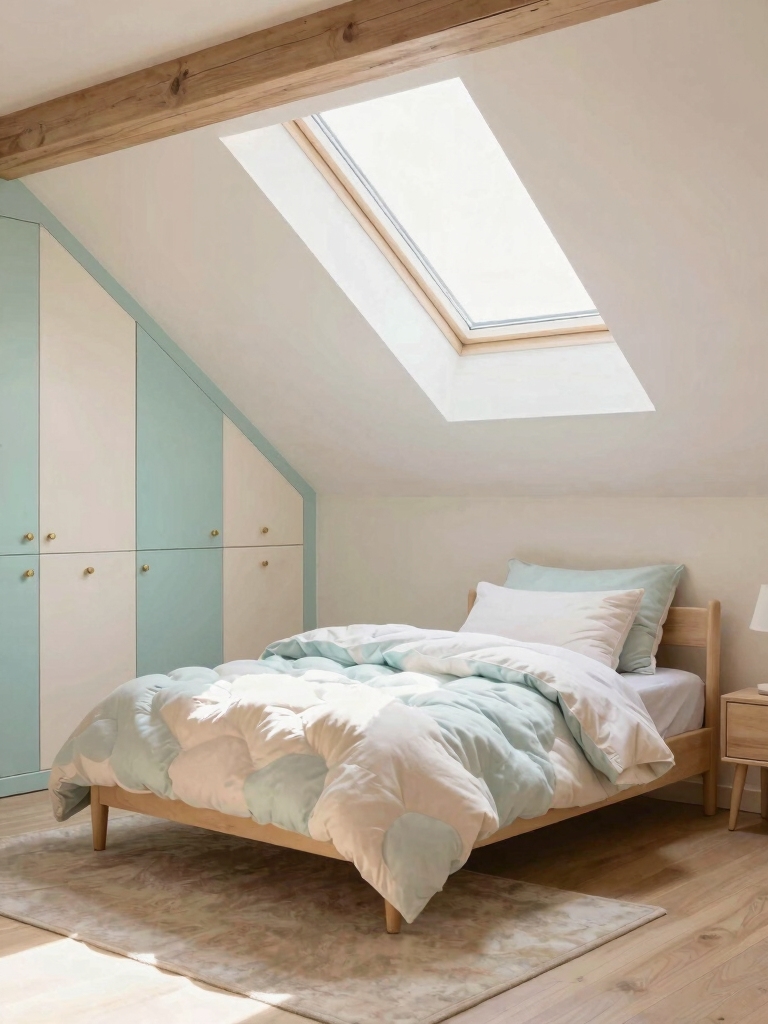
Attics start dim, so color is doing double duty in a kid’s room: setting a cheerful mood and bouncing the limited light. Light, warm tones on the walls and sloped ceiling make the space feel bigger and brighter, which matters even more for a child playing on the floor all afternoon. Save the bold color for accents the kid can fall in love with.
Keep the big surfaces light and let the personality come from washable, swappable touches. A soft white or pale color on the walls, a brighter accent on one gable wall or the furniture, and playful textiles do the rest. Washable paint is worth every penny here. For palette help, see my [cozy bedroom color palette guide](cozy-bedroom-color-palette-ideas-changing).
- Paint walls and slope a light, washable tone to brighten the room and hide little handprints.
- Add one bold accent color the kid chose, on furniture or a single wall.
- Bring extra color through bedding and rugs you can swap as tastes change.
Not sure which theme fits your kid? A quick gut-check:
1Your kid draws maps and builds blanket forts
Lean woodland fort or castle: use the peaked ceiling as the tent and an eave as the hideout.
2Your kid loves the dark-sky stuff and glow stickers
Go starry sky: wash the slope a soft deep tone and add glow-in-the-dark stars overhead.
3Your kid is all animals and adventure
Try a safari or under-the-sea theme carried through bedding, a rug, and a few wall decals.
Colorful, Playful Ceiling Treatments
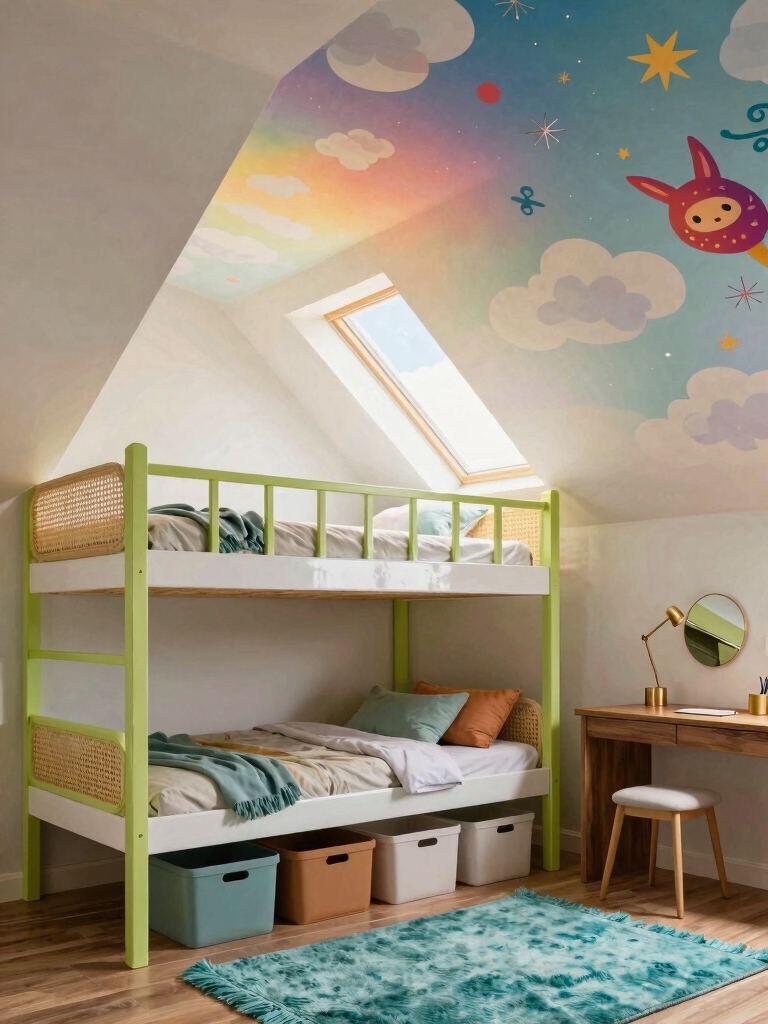
In an attic, the sloped ceiling is right in a kid’s eyeline, so it’s the most fun surface in the room to play with. A painted sky with stick-on stars, a soft color washed across the slope, or glow-in-the-dark decals turn bedtime into something a child looks forward to. The ceiling turns into the room’s best feature.
Make the Slope the Star
Keep it practical alongside the magic. Use washable finishes so smudges wipe off, and aim any reading light so it doesn’t glare back off a glossy ceiling. Removable stars and decals let you change the look as your kid grows, so a quick swap updates the room.
Light plays into the ceiling effect, too. Warm string lights tucked along an eave or a soft nightlight make the painted sky glow gently at bedtime. For more on layering light safely, see my [bedroom lighting ideas for mood](bedroom-lighting-ideas-mood).
Kid-Smart Storage They Can Actually Reach
The best kid storage is the kind a child uses without help, and an attic is perfect for it. The low eaves where adults can’t stand are exactly the right height for little ones, so line them with open bins and low cubbies a kid can reach. Toys with an easy home get put away. Toys that need a stepladder end up on the floor.
Label with pictures, not just words, so a pre-reader can sort their own things. Open baskets work better than lidded boxes for daily toys because they’re faster, and a few labeled totes higher up hold the off-season stuff. This setup turns cleanup into something a kid can mostly do alone.
Build in a little flexibility. Cube shelving grows with a child from toy bins to book rows to teen clutter, and a bench with storage gives both a seat and a hidden home for the overflow. For systems that hold up, see my [storage ideas that beat clutter](bedroom-storage-ideas-clutter) and [attic storage ideas organizers approve of](attic-bedroom-storage-ideas-neat-approve).
Multi-Function Furniture That Grows With Kids
Kids outgrow rooms fast, so the furniture that earns its place does two jobs and adapts as the child grows. A low loft bed frees the floor for play underneath and suits an attic’s height limits; a desk that raises as the child grows stretches its useful years; a trundle handles sleepovers without taking daily space. These pieces cost a bit more up front and save a full refurnish later.
Lean toward sturdy, simple shapes you can restyle rather than replace. A plain bed and dresser can carry a fairy theme at five and a space theme at nine with nothing more than new bedding and decals. Anchor anything tall to the wall, keep the climbable pieces low, and the room stays both adaptable and safe as the kid gets bigger and braver.
Safety Must-Knows for a Kid’s Attic
A kid’s attic has to be safe before it’s anything else, and most of the safety wins are quick. Anchor every tall piece of furniture to the wall so it can’t tip if a child climbs it, and pad or round off any low beam at head height. A guard or gate at the top of attic stairs is non-negotiable for younger kids, and outlet covers are a two-dollar must.
Plan for the basics a bedroom needs. Make sure there’s a safe way out and a working smoke alarm on that level, since attics sit far from the rest of the house. If the room relies on a window for escape, confirm a child can’t fall from it but an adult could open it in an emergency; window guards solve this cleanly.
Mind the climate, too. Because warm air pools at the top of the house, a quiet fan and a cracked, vented skylight do more for a child’s sleep than any blanket, paired with light cotton bedding. Anything involving wiring, the roofline, or a new egress window belongs to a licensed pro, not a weekend project, so quote those early and keep the DIY to the fun, decorative layers.
Maintenance & Care for a Kid’s Attic
A kid’s room takes a beating, so the upkeep is about durability more than fuss. Washable paint and easy-clean floors mean spills and scribbles wipe away in seconds, and open bins make a nightly five-minute tidy something the child can lead. Re-anchor furniture and recheck the stair gate every few months, since kids climb on everything.
Refresh the look on a kid’s timeline, not a decorator’s. When a theme starts feeling too young, swap the bedding, decals, and a couple of props for a quick refresh, and you keep it current for the cost of a pizza night. That swap-don’t-redo habit is what makes an attic kid room spark joy for years instead of months.
Kids’ Attic Bedroom Questions, Answered
?Is an attic safe for a child’s bedroom?
Yes, once you handle the basics: anchor tall furniture, pad low beams, gate the stairs, add outlet covers, ensure airflow and a working smoke alarm, and confirm a safe exit. Anything structural or electrical is a licensed-pro job.
?How do I keep an attic kid room from feeling cramped?
Brighten it with light, washable paint, keep the floor clear in the tallest spot for play, and put storage in the low eaves. Light color and open floor do more than square footage for how big a room feels.
?What’s the best storage for a child’s attic?
Low, open bins and cubbies in the eaves that a child can reach without help, labeled with pictures for pre-readers. Add a few higher totes for off-season items adults retrieve.
?How do I make the room grow with my kid?
Anchor the room with neutral, sturdy furniture and keep the theme in cheap, swappable decals and bedding. When tastes change, refresh those few pieces instead of redoing the whole room.
A Safe Attic Is a Magical One
An attic makes a wonderful kid’s room once the safety basics are handled and the angles are treated as the adventure they are. Plan the zones, brighten the space, put storage where small hands reach, and let one swappable theme carry the magic. The sloped ceiling that worried you becomes the thing your kid loves most.
Start with the safety checklist this weekend, then let your kid help pick the theme that will make the room truly theirs.