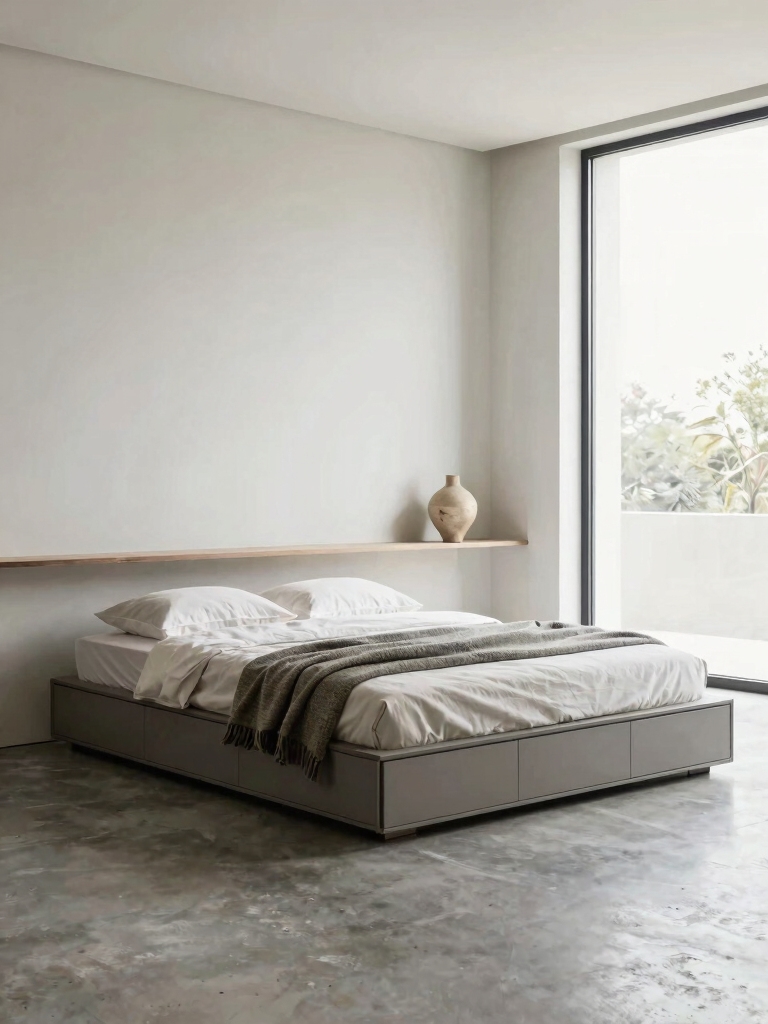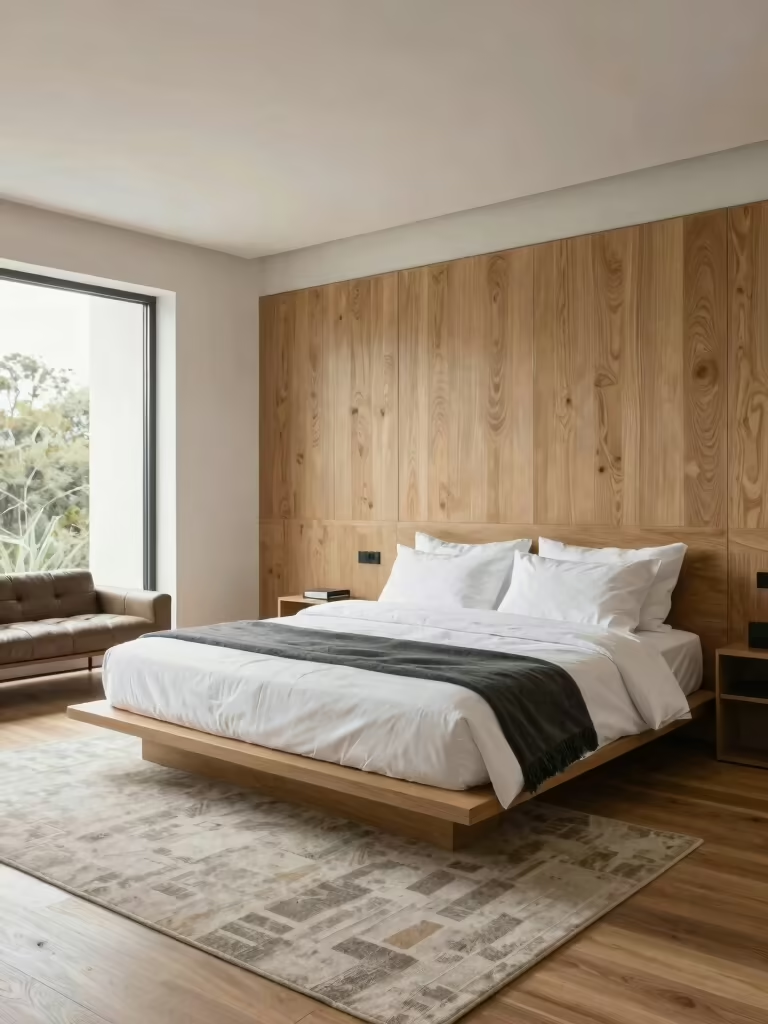
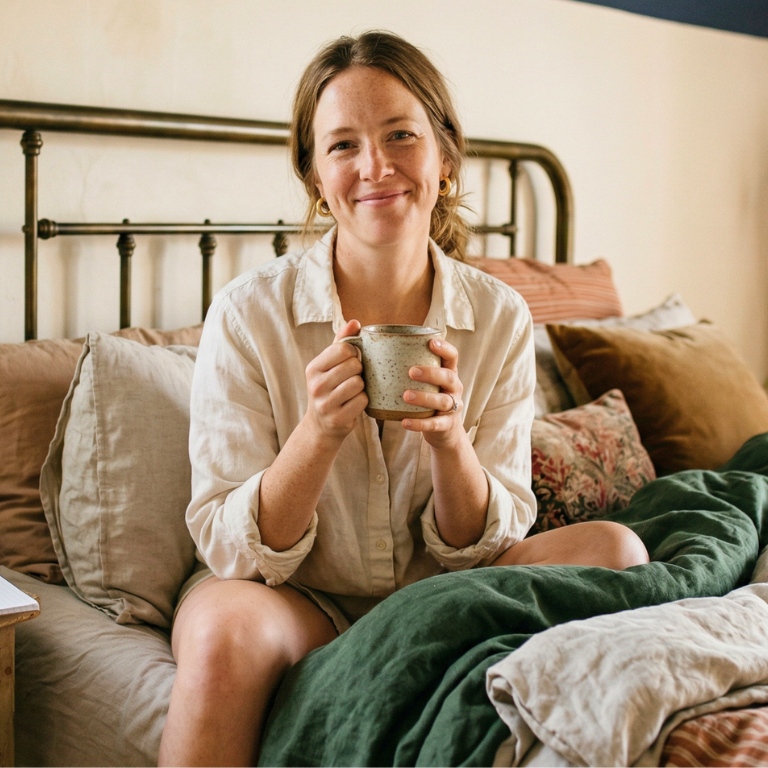
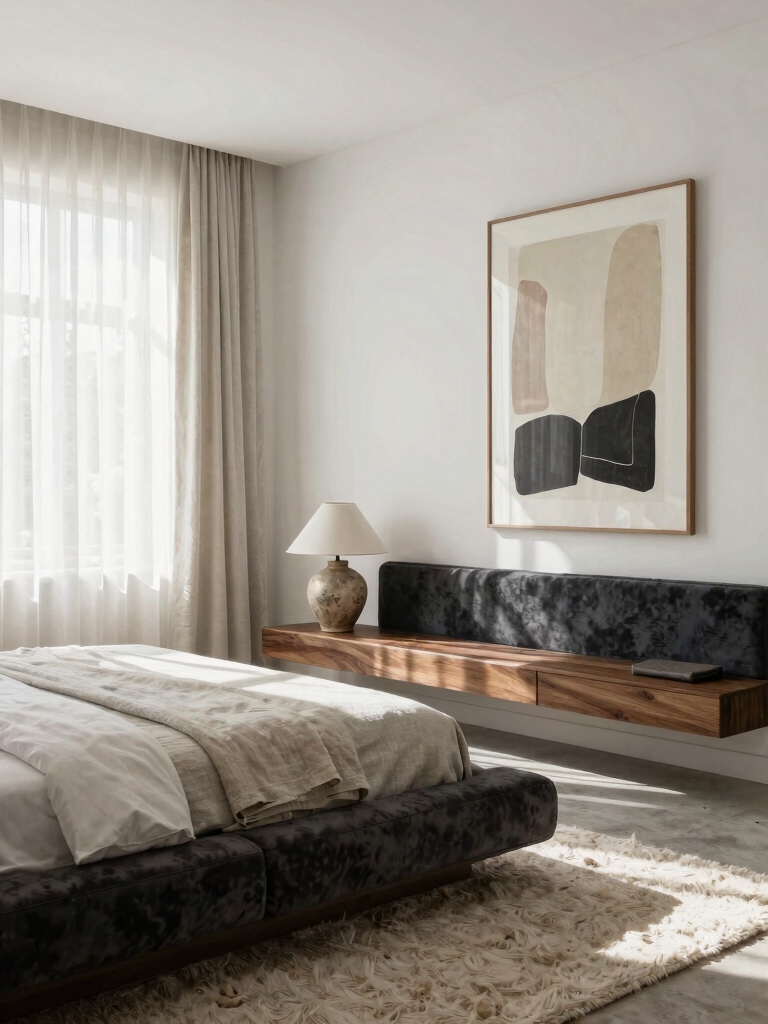
The smallest bedroom I ever worked on was eight feet by nine, with a radiator under the only window and a door that swung straight into where the dresser wanted to go. We did not add square footage. We just stopped wasting the square footage it already had, and within a weekend it slept and functioned like a room twice the size.
That is the whole game. The bedroom decor ideas for small rooms that actually work are the ones built around how you move and live, not just how the room photographs. Below are 16 that hold up day to day, starting with the one step most people skip.
What Makes a Small Room Actually Work
Function comes before prettiness in a small room. Map your traffic flow and daily routine first, then choose furniture that does two jobs, store everything you can vertically or under the bed, and keep the palette light so the walls feel farther back.
Spend on the few pieces that pull double duty, a storage bed, a wall desk, two nightstands, and keep surfaces clear. The rooms that work are the ones where everything has a place to live, clever gadgets optional.
Start by Sizing Up Your Small Bedroom’s Challenges
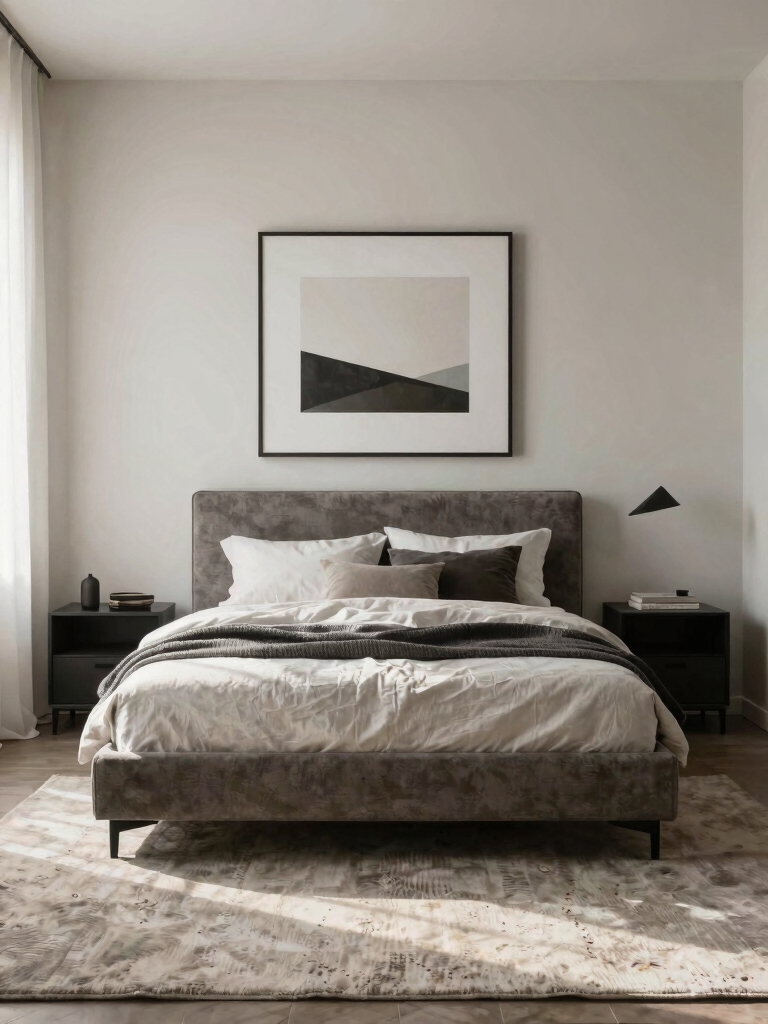
Before you buy anything, spend ten minutes reading the room. Where does the door swing? Where does the light land in the morning? What has to fit, a desk, a dresser, a chair, and what could go? The constraints are not obstacles. They are the brief.
Map the traffic path first. You need a clear lane from the door to the bed and around at least one side of it, roughly 24 inches to walk comfortably. Anything that blocks that lane is the first thing to rethink, even if you love it.
The mistake I see most often is people buying furniture to a wish list, when the room itself should set the list. I tell everyone to tape the footprint of a piece onto the floor before they order it, since a dresser that looks slim online can eat a small room alive. Measure twice, regret nothing.
Build Storage Upward, With Style
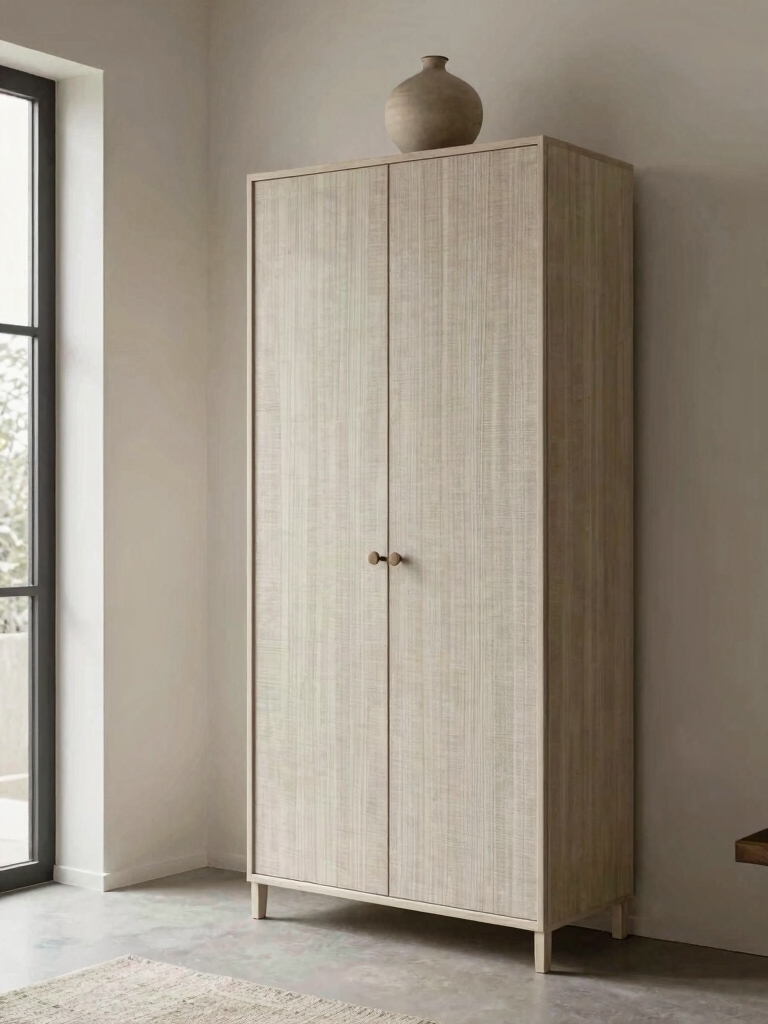
When the floor is spoken for, the walls are your storage. Shelves, hooks, tall narrow wardrobes, and over-door organizers pull clutter up off the ground and free the floor that makes a room feel small. Going vertical also draws the eye up, which reads as height.
Up the wall, off the floor
Stack storage where it does not crowd the path: above the desk, over the door, up the wall beside the bed. A tall slim dresser holds as much as a wide one in a third of the floor space. For more of these, our clever storage solutions go deeper.
Keep it from looking like a stockroom by mixing closed and open. Bins and baskets hide the messy stuff; one open shelf shows a plant and a few books. That balance is what keeps vertical storage feeling like decor.
📋Before you buy storage, check:
- ✓You have measured the wall height, not just the floor
- ✓Heavy shelves will hit a stud or a proper anchor
- ✓Closed bins outnumber open shelves, so clutter stays hidden
- ✓Nothing blocks the door swing or the walking lane
Brighten the Room With Light Colors
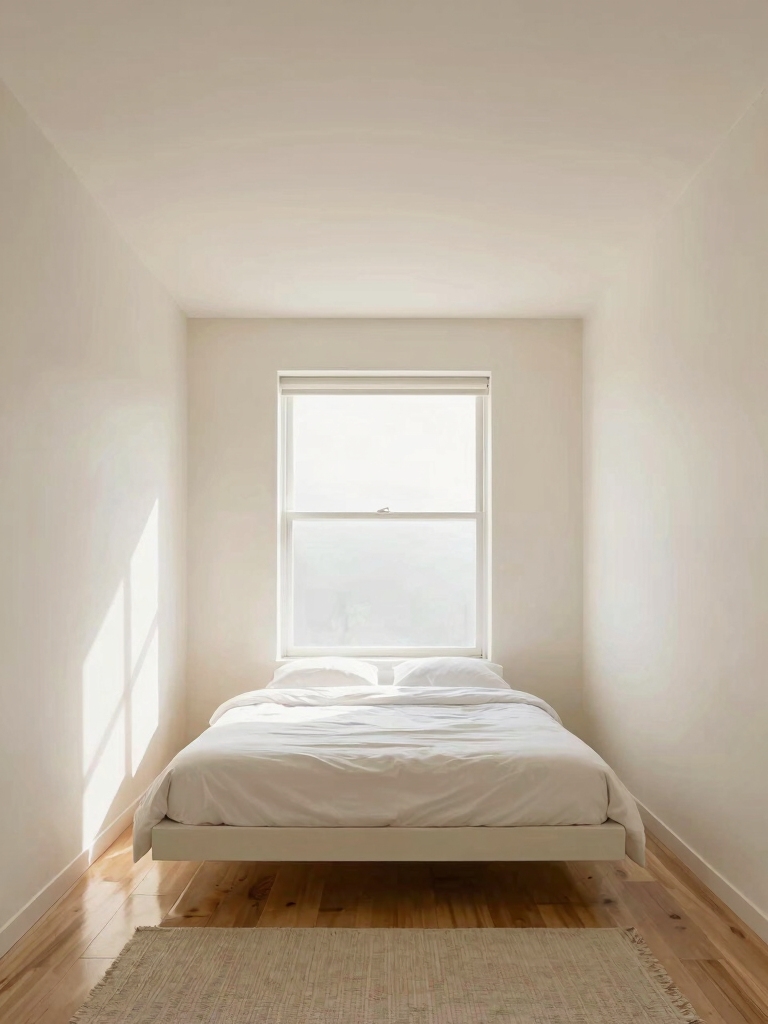
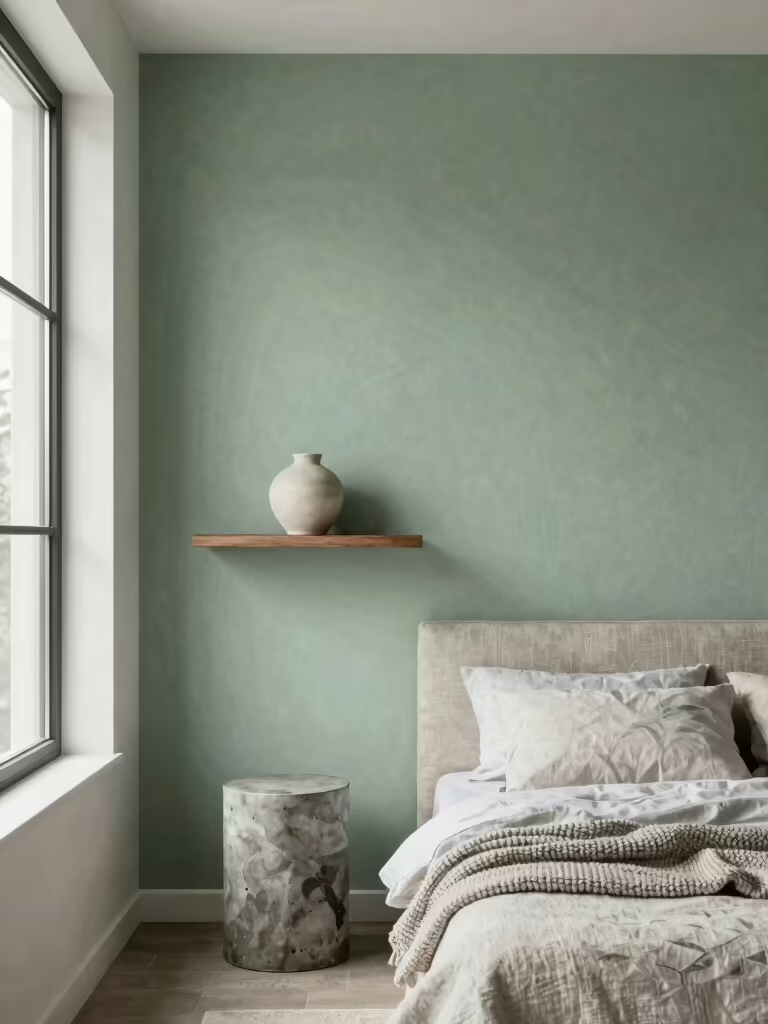
Light color is the cheapest way to make a small room breathe. Soft whites, warm creams, and pale greige bounce daylight instead of swallowing it, so the walls feel like they step back. Painting the trim and ceiling close to the wall color erases the hard lines that chop a room into pieces.
Pale walls, textured layers
A gallon of paint runs $30-50 and changes a room more than any single piece of furniture. Keep the floor and bedding in the same light family so the eye travels without stopping. For shades that work in tight rooms, a paint trick for small rooms is worth a look.
If you want depth, add it in texture rather than dark color. A nubby throw, a woven basket, a linen curtain give a pale room interest without shrinking it. Save the moody walls for a room with more square footage to spare.
Pick Storage-Saving Furniture That Earns Its Keep
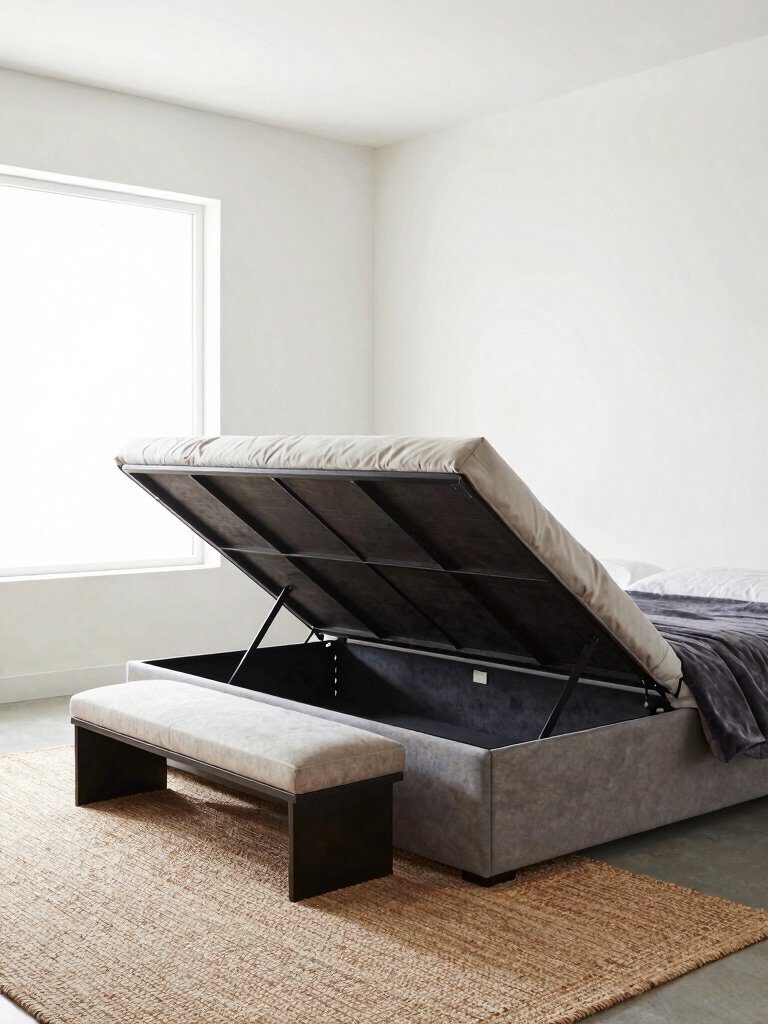
This is where function pays off every single day. The pieces that survive a year in a small room are the ones quietly doing two jobs: a drawer bed that swallows your off-season clothes, a bench you sit on to lace your shoes that also hides the spare duvet, a desk that folds flat against the wall by nine in the morning. Each one you add lets a bulky single-use piece leave.
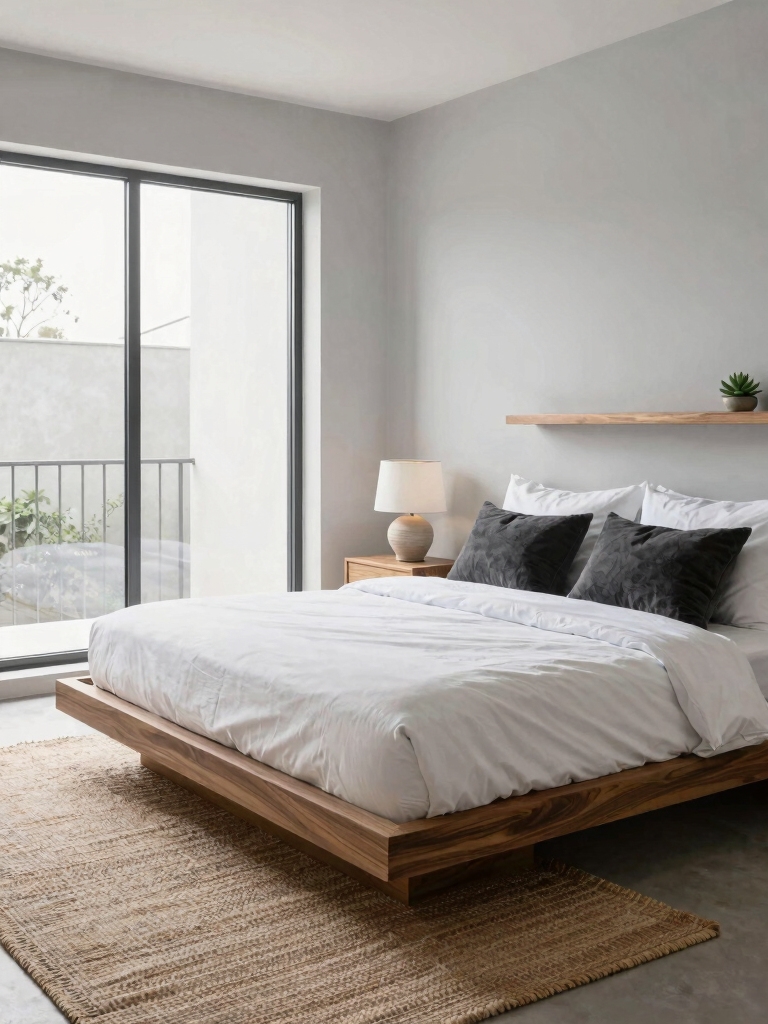
Favor pieces you can see the floor beneath, since visible floor reads as more space. A drawer bed costs $300-700; if that stings, a basic platform over a couple of rolling bins does nearly the same job for a fraction of it. The real goal is function you never have to think about twice.
- A storage bed, or a platform with under-bed bins
- An ottoman or bench that opens and seats a guest
- A wall-mounted or fold-down desk that clears the floor
- A nightstand with a drawer to hide the nightly clutter
Three terms worth knowing before you shop for small-room pieces:
📖Footprint
The actual floor a piece takes up. In a small room this matters more than its storage capacity.
📖Dual-purpose
One piece doing two jobs, an ottoman that stores or a desk that doubles as a nightstand.
📖Visual weight
How heavy a piece looks. Leggy, light-colored, or glass pieces read lighter and keep a room open.
Pick a Space-Saving Bed Frame
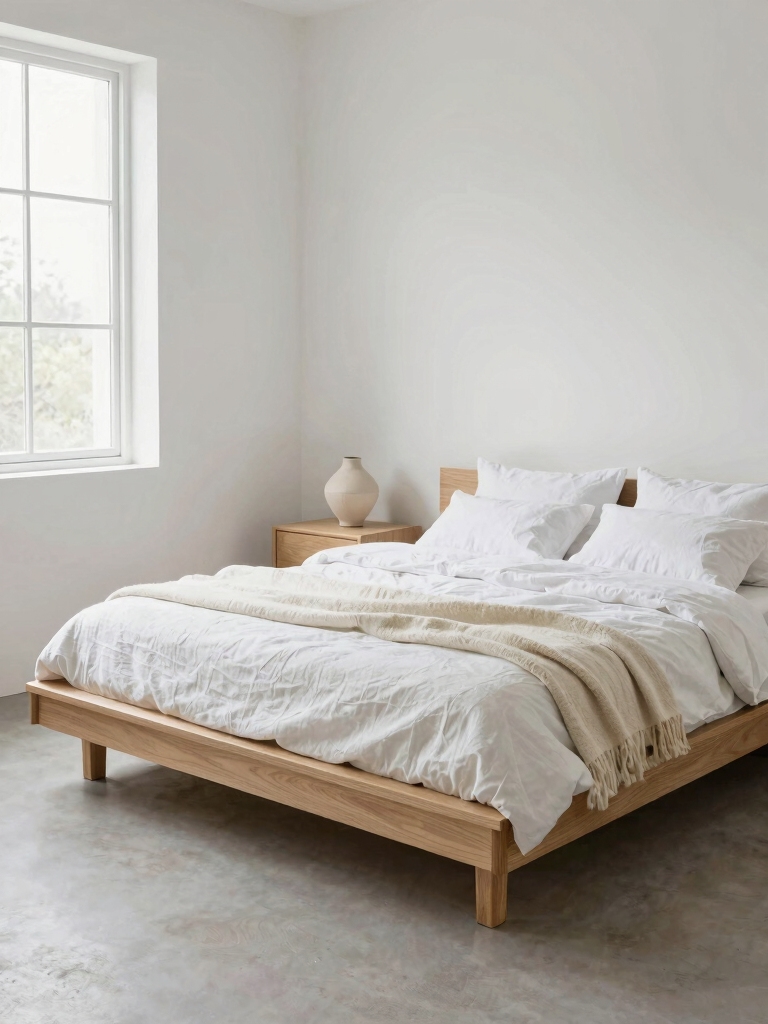
The bed is the biggest object in the room, so its frame sets how open everything else feels. The right one stays low and lets the room breathe above it. Choose in this order:
- Pick a slim, low-profile frame so the room feels taller above it
- Choose under-bed clearance for bins, or built-in drawers
- Skip a bulky footboard, which visually walls off the foot of the room
- Go light on the finish, since pale wood or upholstery recedes
- Size honestly, since a full often works better than a crammed-in queen
Styling Tips That Keep a Small Room Calm
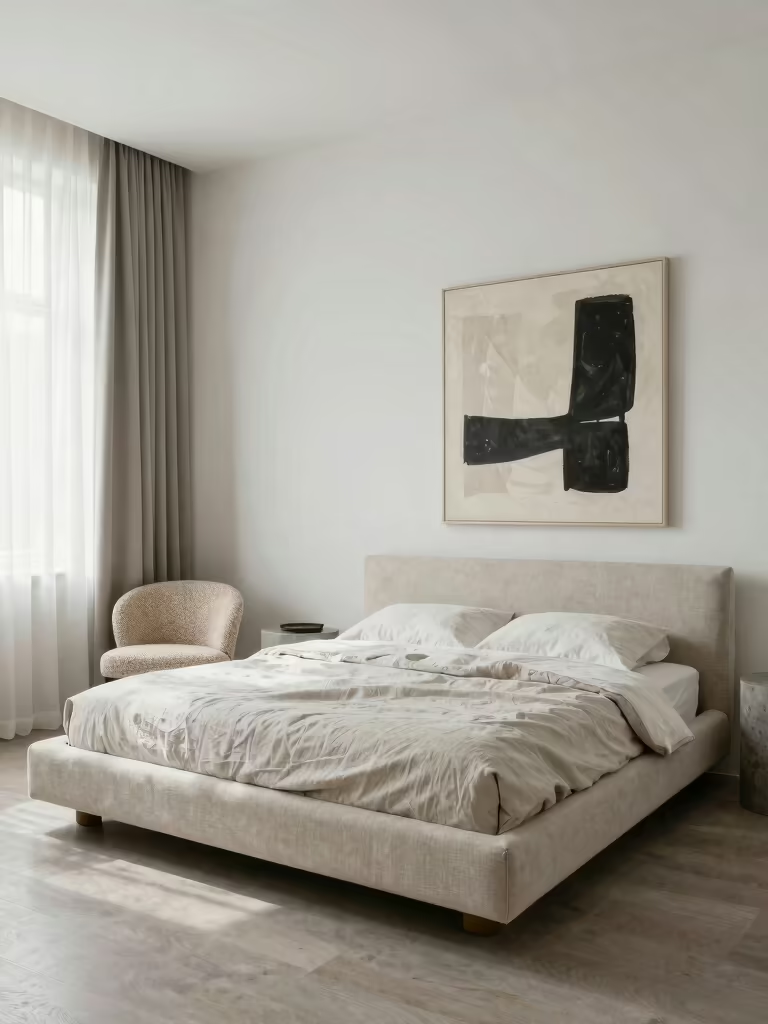
Once the function works, styling is about restraint. The one styling rule I hold to is leaving some space empty on purpose. Pick a few standout pieces and let them breathe, then leave the other surfaces alone: one larger plant beats five small ones, one big art piece beats a scatter of frames.
Group what you do keep so it reads intentional. A short stack of books, a small object, and a lamp on one surface; nothing on the next. The empty space is doing as much work as the objects, and in a small room it is the thing that makes it feel finished.
Zone the Room Without Building Walls
If the bedroom doubles as an office or dressing area, separate the zones with furniture and light instead of walls, which a small room cannot spare. A rug, a screen, or a shift in lighting tells your brain it has moved from work to rest without losing an inch of floor.
- A rug under the bed to mark the sleep zone
- A folding screen or curtain to hide a desk at night
- Task light at the desk, warm light at the bed
- A tall shelf standing in as a half-wall between the two
Free Up Surfaces With Wall-Mounted Lighting
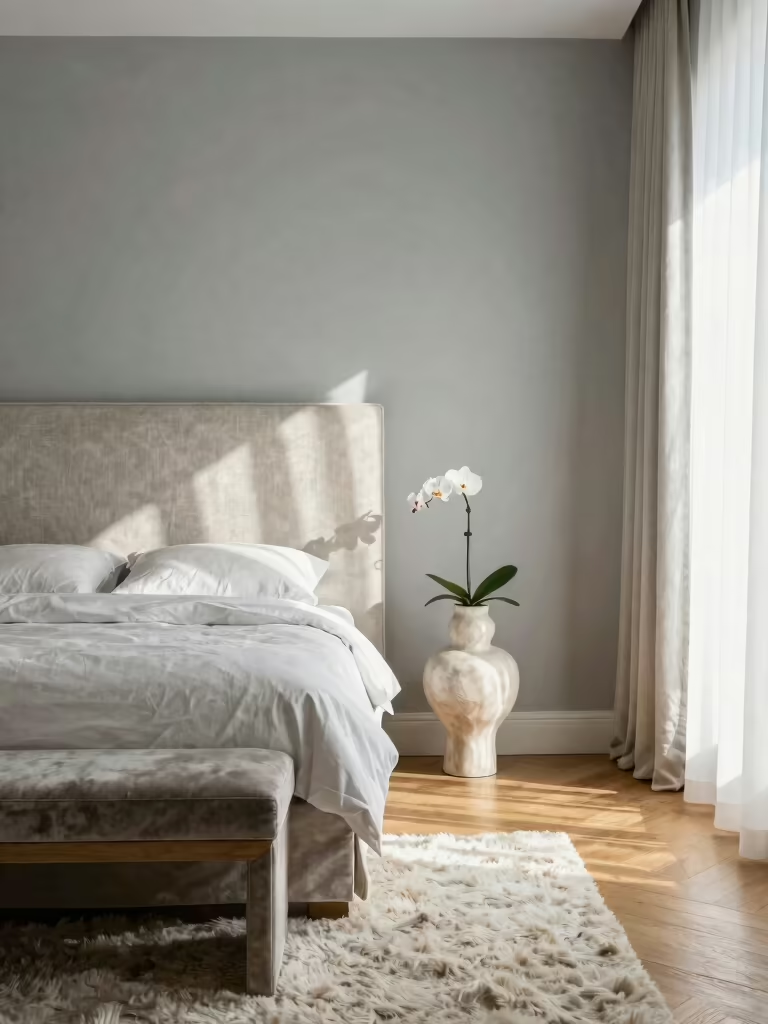
Table lamps eat the exact surfaces you need most in a small room. Swap them for wall sconces or clip-on reading lights, and both nightstands and the desk get their tops back. The light also lifts to eye level, where it actually helps you read.
A pair of plug-in sconces runs $25-60 and installs without an electrician, since they cord straight to the outlet. For warmer, layered light around the room, our layered lighting guide goes spot by spot. One swap, two clear surfaces.
Lay Out the Room So It Flows
Where the furniture goes matters as much as what you buy. Push the bed against the longest unbroken wall, leave a clear lane on at least one side, and keep the tallest pieces toward the corners so the center stays open. A small room feels bigger the moment your eye can cross it uninterrupted.
If the door swings into the room, keep that arc clear, and avoid blocking the window with anything tall. For more arrangements that work in a tight footprint, our lay out a small bedroom and a maximized small layout both help.
Make Cheap Upgrades That Punch Above Their Cost
You do not need a renovation to make a small room work better. The highest-return swaps are small: light, airy curtains where heavy drapes used to hang, a big mirror to bounce light, new hardware on tired furniture, and cords finally tucked away.
Most of these land under $40 and take an evening. Hang the curtain rod high and wide, swap to warm bulbs, and clear the surfaces, and the room works harder without a single new piece of furniture. Small moves, stacked, do the heavy lifting.
Hang a Mirror to Borrow Light
Hang one mirror well and the room quietly doubles the daylight it already has. Lean a tall one in a corner or set it across from the window, and you get both light and a sense of depth. The taller the glass, the more ceiling height it suggests, so go big with one piece and skip the scatter of small ones.
Position it to reflect something worth doubling, a window, a plant, an open doorway, and keep cluttered corners out of its view. A leaning floor mirror also works as your dressing mirror, which saves you another piece of furniture in a room that has none to spare.
Keep the Floor as Clear as You Can
The single biggest driver of how large a small room feels is how much floor you can see. Every visible inch reads as space, so anything that sits on the ground is a decision. Lift what you can onto the walls, choose furniture with legs, and keep the center of the room open.
Resist filling the corners just because they are empty. A clear floor and a couple of open corners do more for the sense of size than any clever storage gadget. When in doubt, take one thing out and see if the room breathes easier.
Finish With Greenery and a Few Soft Layers
The last layer brings a small room to life without crowding it. A little greenery, one soft rug, and a couple of textured pillows warm the space and signal that someone actually lives there. The point is one well-chosen piece for each, kept few in number.
- One larger plant for presence, placed where the daylight falls
- A single rug sized to slide under the front legs of the bed
- Two or three pillows in mixed textures, all one calm color
- A throw folded at the foot for warmth and a third texture
Small-Room Questions People Ask
?What is the first thing to do in a small bedroom?
Read the room before you buy anything. Note where the door swings, where the light lands, and what has to fit, then map a clear walking lane from the door to the bed. Almost every small-room mistake traces back to buying for a wish list when the space and traffic flow should decide.
?What furniture actually works in a small bedroom?
Pieces that do two jobs and let you see the floor beneath them. A storage bed or platform with under-bed bins, an ottoman that opens, a wall-mounted desk, and a nightstand with a drawer all earn their footprint. Skip bulky footboards and wide low dressers, which eat floor without giving much back.
?How do I make a small bedroom feel bigger without renovating?
Lighten the walls, add a large mirror opposite the window, go vertical with storage, and clear the surfaces. Hang curtains high and wide, keep the floor and bedding in one light color family, and tuck the cords away. Together these cost very little and trick the eye into reading the room as larger.
?Can a small bedroom also be an office?
Yes, if you zone it. Use a rug, a folding screen, or different lighting to separate sleep from work without building a wall. A wall-mounted or fold-down desk keeps the floor clear, and turning off the task light at night signals the room back to rest, so neither zone crowds the other.
Make the Room Work, Then Make It Pretty
A small bedroom does not need more space; it needs every inch doing a job. Get the layout and the storage right first, keep the palette light, and let a few well-chosen pieces carry the style. Do that and the room stops feeling like a compromise and starts working with you.
Pick one thing to try this week, tape out a furniture footprint, swap a table lamp for a sconce, or hang the curtains higher, and see how much the room shifts before you spend more. Start with the move that fixes your biggest daily annoyance, and build from there.