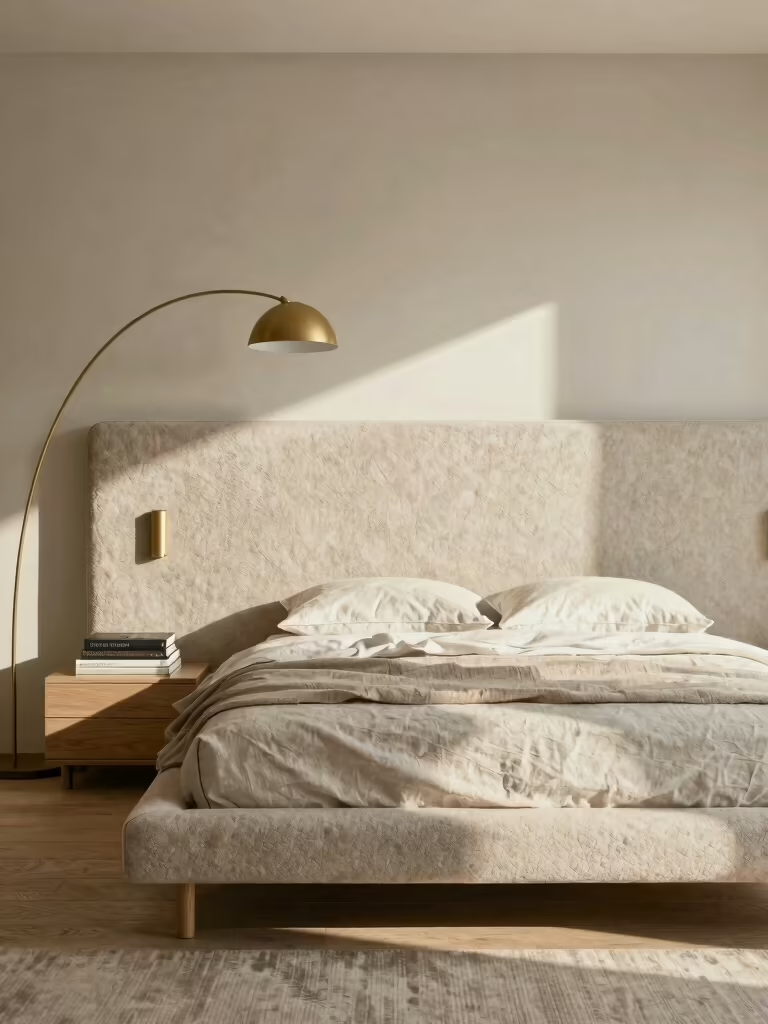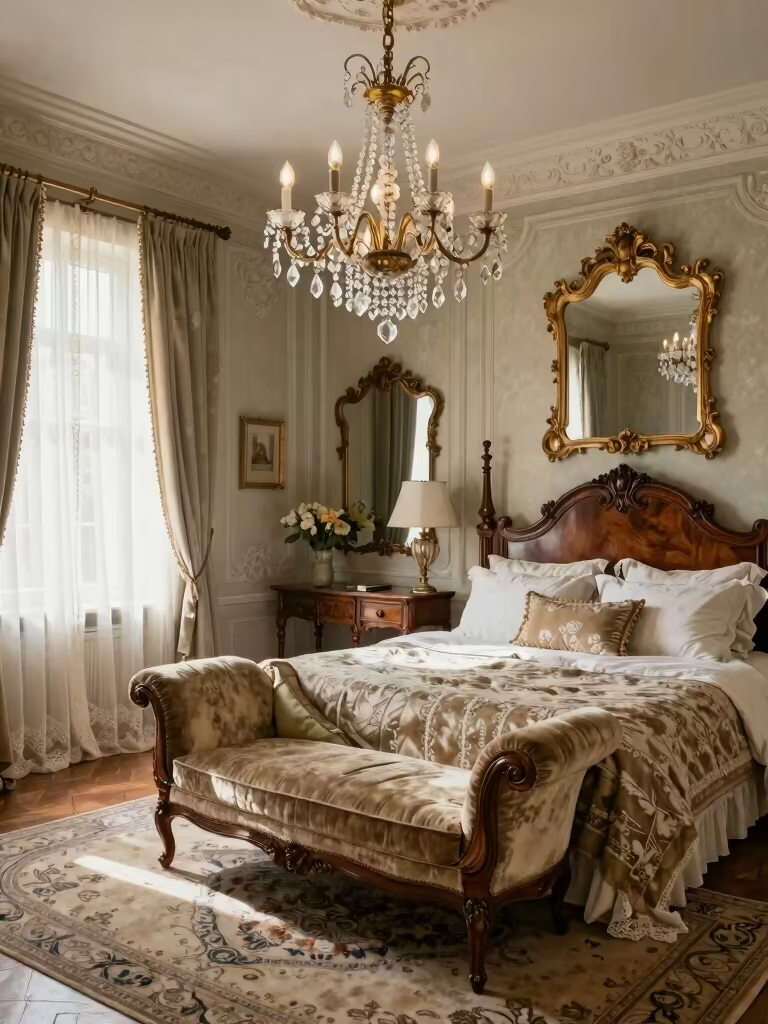

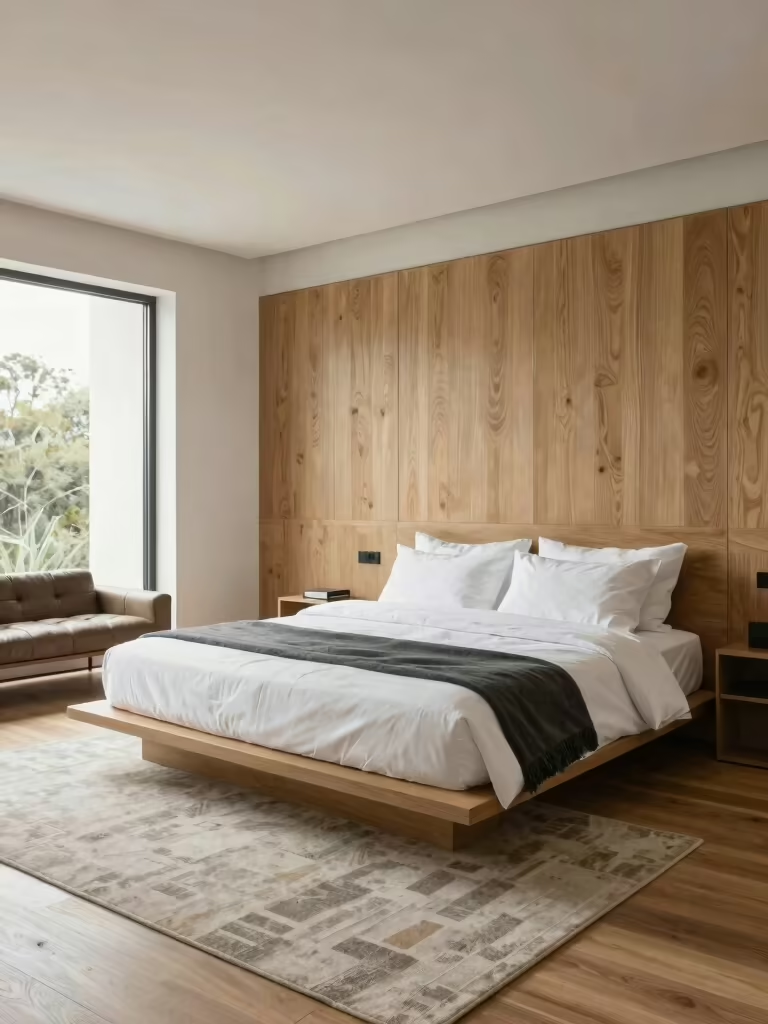
Designers reach for the same handful of moves in almost every bedroom, and most of them are things amateurs skip entirely. The gap between a room that looks thrown together and one that looks designed is rarely money; it is a few professional habits anyone can copy. These are the bedroom ideas decor experts actually recommend.
Below are 14 of those insider moves, from how pros pick a palette to the proportion rules they never break. None of them need a designer’s budget, just a designer’s eye, which is mostly knowing what to do and what to leave out.
What the Pros Do Differently
What do designers do that most people skip? They edit, scale things correctly, and layer warm light. Restraint and proportion do more than any single purchase.
Is good design expensive? No. The pro habits, a tight palette, the right proportions, warm light, clear surfaces, cost almost nothing. The eye matters more than the budget.
What is the fastest pro upgrade? Swap to warm bulbs and hang the art at eye level. Two free fixes that instantly read more designed.
Build a Serene, Cohesive Retreat
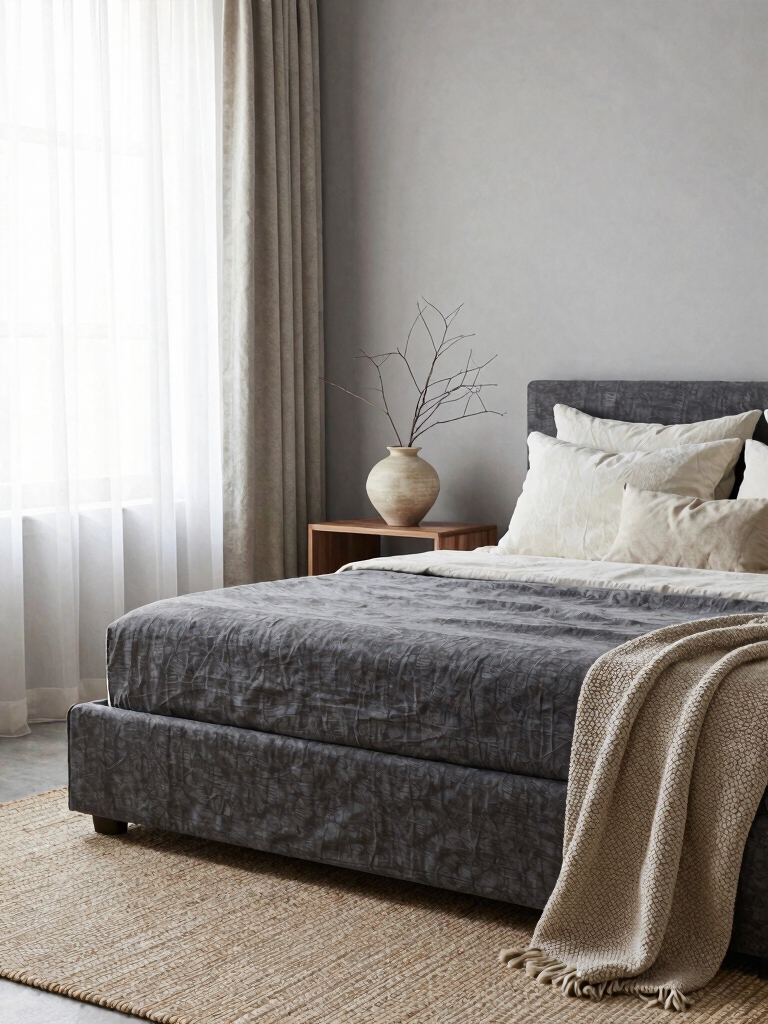
The first thing designers get right is cohesion: a room where every choice belongs to one calm story. The first habit I copy from them is how hard they edit. They pick a tight palette, a few quality pieces, and restrained styling, then stop. Amateurs keep adding; pros know the room is finished sooner than you think. Edit, do not pile.
Restraint is the whole secret. A few thoughtful pieces with space to breathe look more expensive and more calming than a room packed with stuff. When in doubt, take one thing out, because editing is the move that separates designed from decorated.
Choose a Soothing Sleep Color Palette
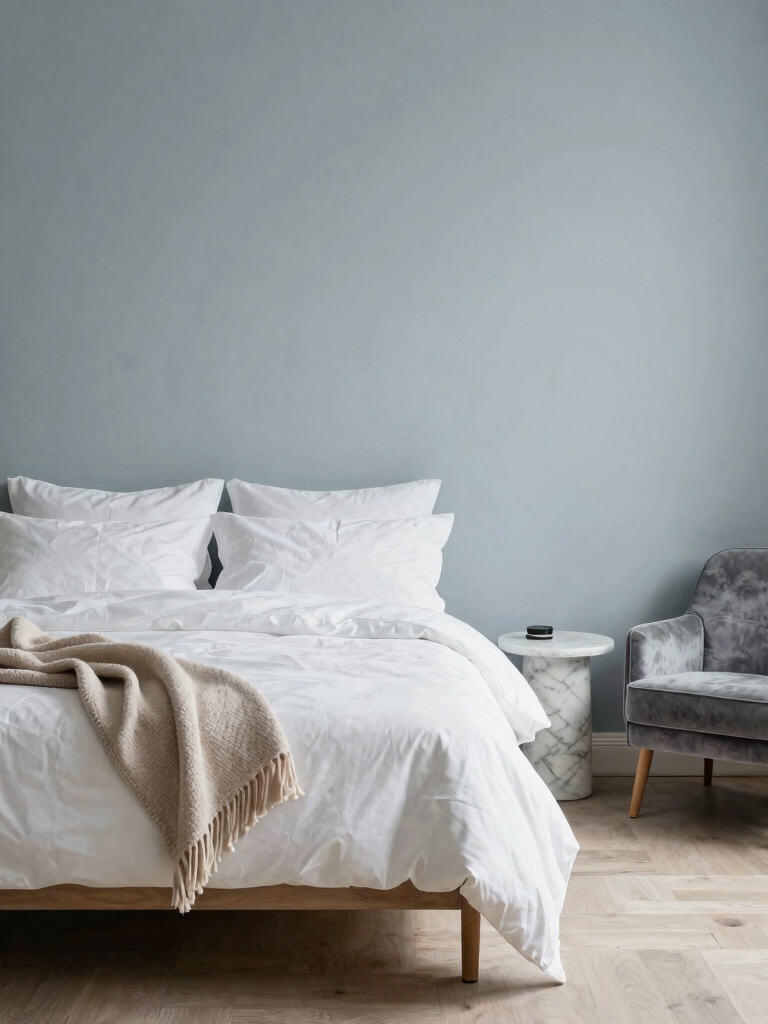
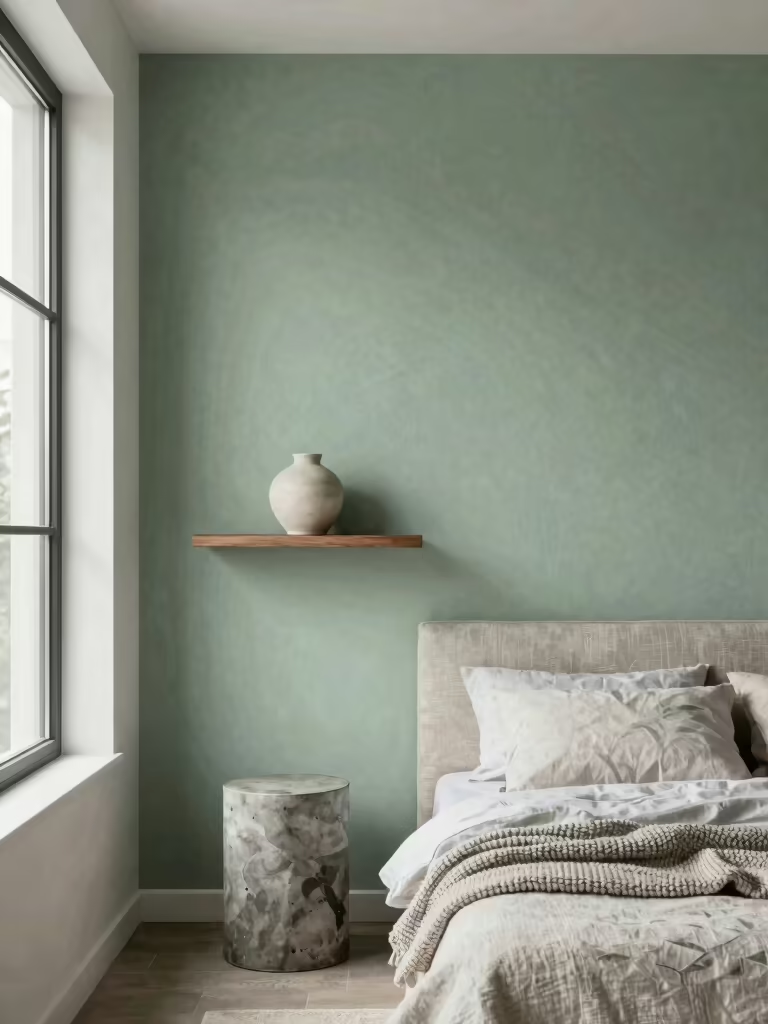
Pros choose bedroom color for how it makes you feel, more than for what is trending. Calm, restful tones win in a room meant for sleep. Soft wins here. Build the palette the way a designer would, in this order:
- Pick a soft base: warm neutral, gentle blue, or muted green
- Follow a rough 60-30-10 split of base, secondary, and accent
- Test big swatches on the wall and check them at night
- Mind undertones so your whites and woods agree
- Keep contrast low and patterns few so the room stays restful
💡Pro Tip
Before you add anything to a finished-feeling room, take something away first and live with it for a day. Designers edit far more than they add, and an empty surface almost always looks more intentional than a styled one.
Layer the Lighting Like a Pro
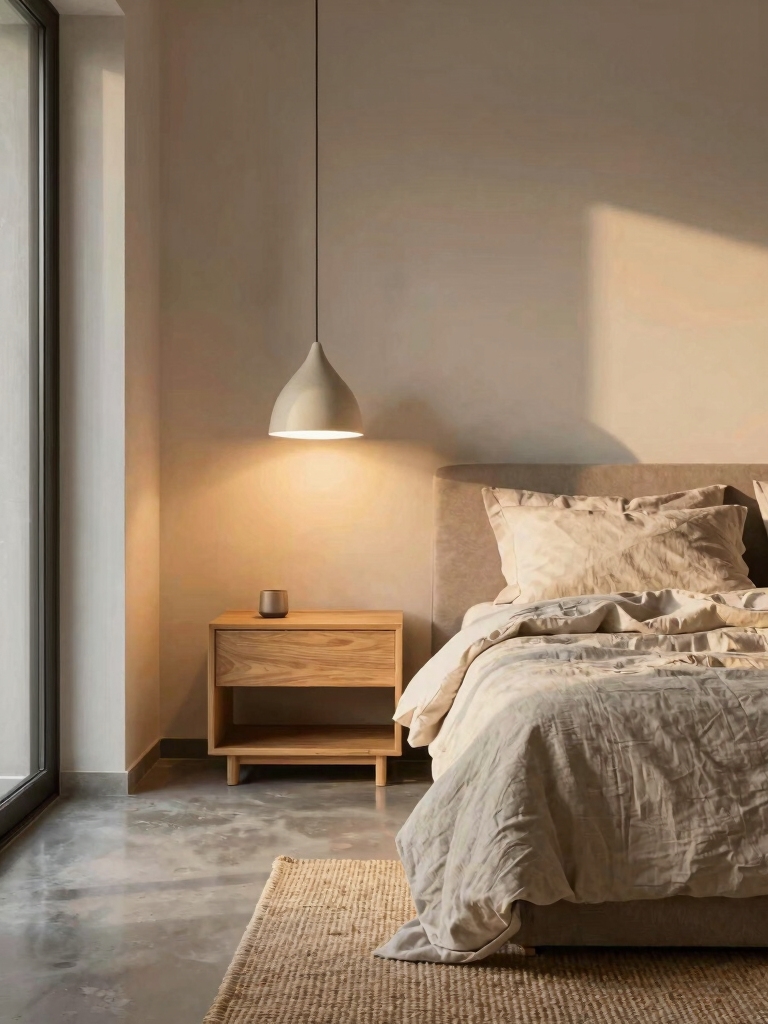
If there is one thing designers fix first, it is the lighting, and it is what I fix before anything else too. They do not lean on a single overhead; they layer ambient, task, and accent light so the room flexes from bright to soft. Warm bulbs and a dimmer are the cheapest, most professional upgrade in any bedroom.
Aim for at least three sources you control separately: bedside lamps for reading, a floor lamp or sconce for ambiance, and the overhead on a dimmer. Our layered lighting guide maps the whole scheme out.
- Three or four warm sources at different heights
- Warm-toned bulbs throughout for a designed, cohesive glow
- A dimmer on the overhead so it plays backup
- Task light exactly where you read or get ready
Use Clever, Accessible Storage
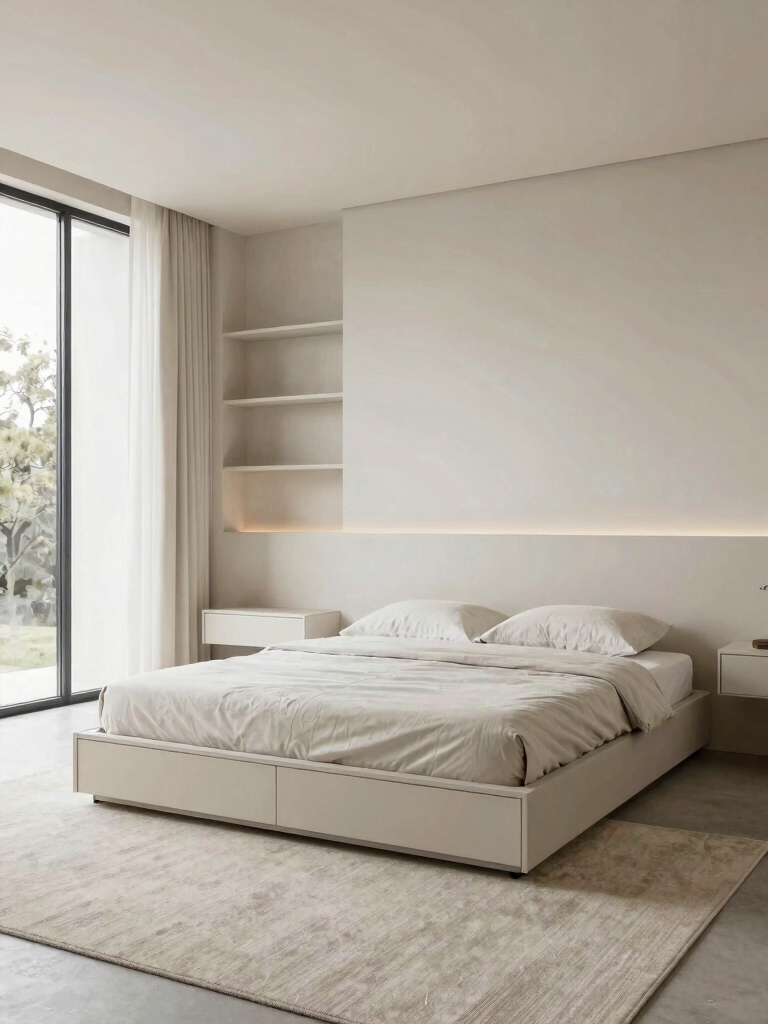
Designers know a beautiful room only stays beautiful if the clutter has somewhere to go. They build in storage that hides the mess and keeps daily things reachable. Work it the pro way, in this order, and our hidden storage has more:
- Map your daily, occasional, and seasonal items first
- Hide the daily clutter in closed storage near where you use it
- Use vertical and under-bed space before adding floor furniture
- Keep one clear surface as a rule, a no-pile zone
- Label and contain the deep storage so it stays usable
Pick the pro upgrade that fits your room now:
🎯Room feels cluttered
Start with editing and closed storage; clear the surfaces before you buy a single thing.
🎯Room feels flat or cheap
Fix the lighting and the scale: warm bulbs, bigger art, a proper rug.
🎯Room feels cold or stark
Layer texture and one statement piece, then add greenery for life.
Layer Calming, Luxe Textures
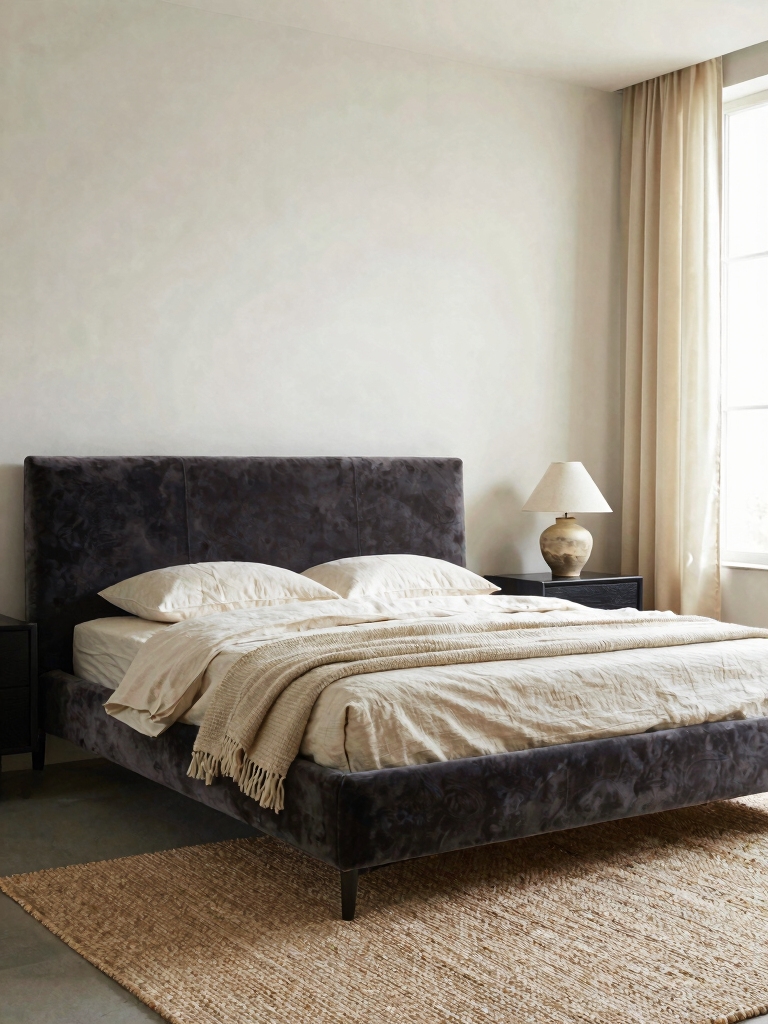
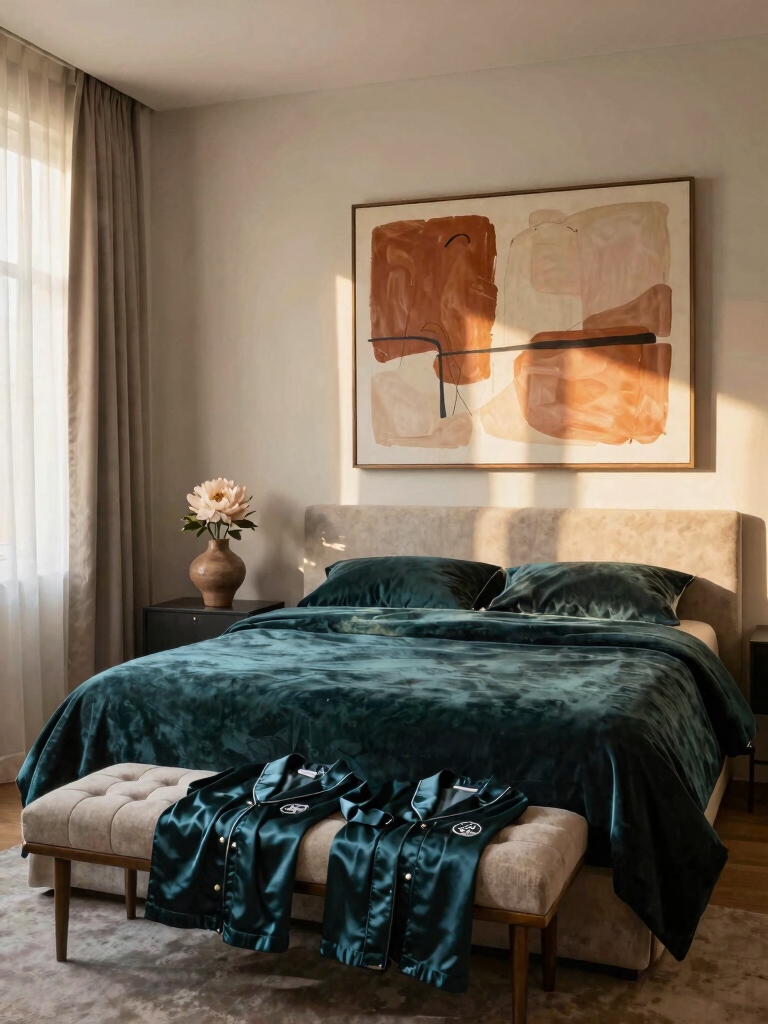
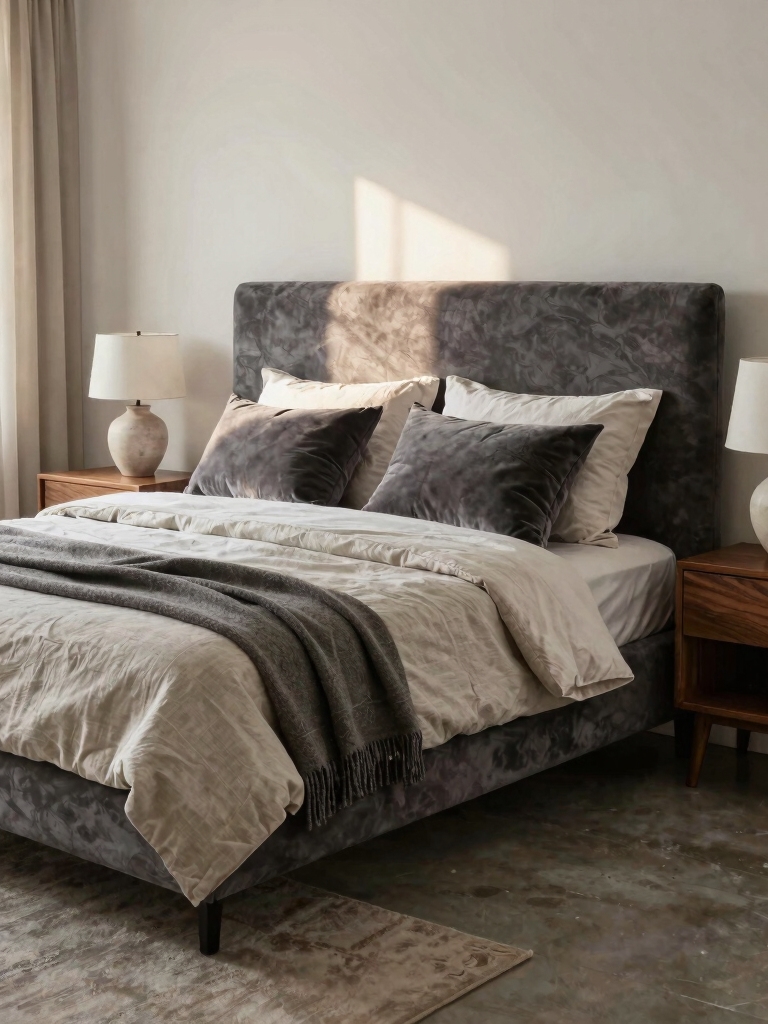
Texture is how pros make a room feel rich without loud color. They layer materials that catch light differently, linen, wool, velvet, wood, so a calm palette still has depth. The luxe look is mostly texture, not expense.
Rough against smooth
Keep the textures in one palette so the room stays layered, all in one calm palette. A linen duvet, a wool throw, and a woven rug together feel considered, and they cost a fraction of new furniture. Quality bedding, roughly $90-160 for a good duvet set, is where designers spend first.
The detail I borrow from designers most is mixing one rough texture with one smooth in every vignette, a nubby basket beside a glossy lamp, a linen sham against a satin edge. It is a tiny move that makes a room look professionally styled. For the high-end version, our make it look expensive goes deeper.
What to Expect From the Pro Approach
Decorating like a designer is mostly free, since the biggest moves, editing, proportion, warm light, cost nothing but attention. Expect a room that looks far more expensive than it is once the palette is tight and the surfaces are clear. The pro habits matter more than the price tags.
Where pros do spend, it is on the few things you touch and see most: the mattress, the bedding, one good lamp, a quality rug. Put the quality where it shows and the whole room reads high-end while the receipts stay modest.
Get the Proportions and Scale Right
The mistake that screams amateur is scale, and the fix is the easiest pro habit to learn. Size up. Things that are too small, undersized art, a skimpy rug, a low rod, make a room look unfinished, while sizing up makes the same furniture suddenly look intentional.
- Hang art so its center sits at eye level, around 57 to 60 inches
- Choose a rug big enough that the bed sits fully on it, never marooned on a small one
- Mount curtain rods high and wide so windows look bigger
- Scale the headboard and lamps generously to the bed
Add One Statement Piece
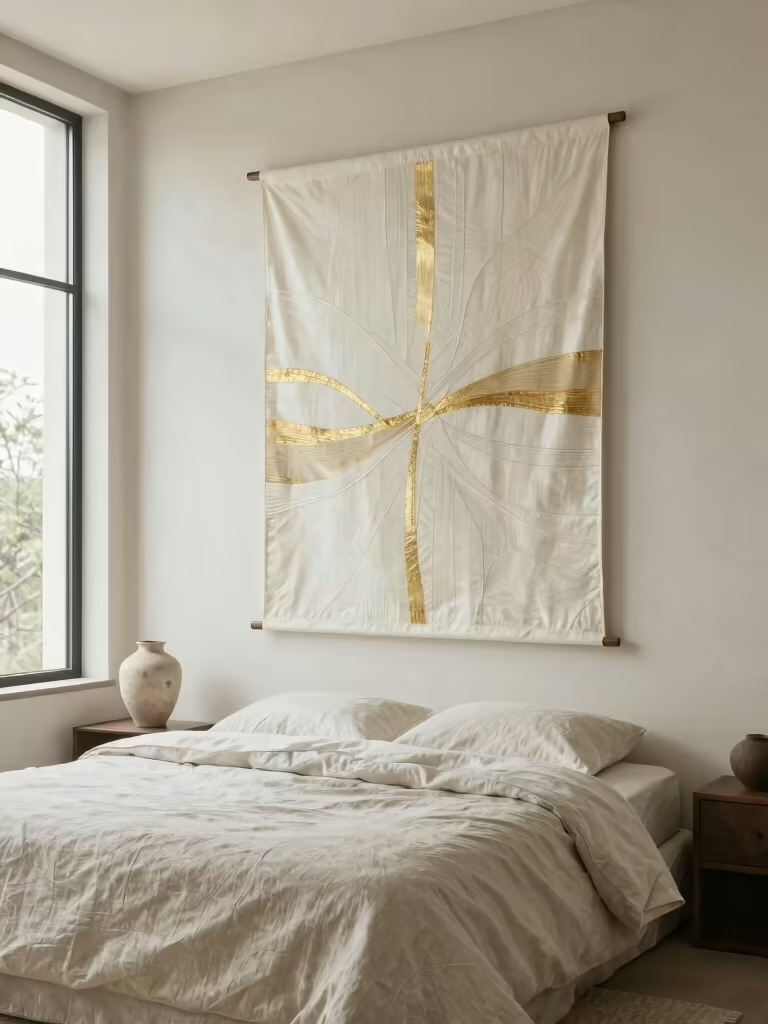
Designers give every room one thing the eye lands on, a piece with real presence. A sculptural light, a bold headboard, an oversized mirror, or a single large artwork anchors the room and gives the rest permission to stay quiet. Scale it up so it commands the room.
Scale and placement are everything: put the statement where you see it first, and keep its surroundings calm so it can breathe. For ideas on what is worth featuring, our what’s actually trending separates the lasting pieces from the fads.
Finish With Greenery and Personal Touches
The last pro move is the layer that makes a room feel alive and personal. A little greenery, a few meaningful objects, and one or two pieces of real art keep a designed room from feeling like a showroom. Pros add these last, sparingly, with space around each.
Pick one plant with real presence, an olive tree, a fiddle-leaf, a tall fern, and style it like a designer would, alone and well-lit. A handful of pieces you truly love, spaced out, do more than a shelf packed with trinkets. This is the layer that turns a designed room into your designed room.
Keep It Looking Designed
A designed room stays designed through a few small habits. Pros keep surfaces clear, refresh a few accents seasonally, and resist the urge to keep adding. A quick reset keeps the room calm and camera-ready with almost no effort.
- A short evening reset so the surfaces stay clear
- A seasonal swap of throws and accents to keep it fresh
- A standing rule to keep the big pieces neutral and timeless
- Storage that makes putting things away the easy option
Make the Bed the Anchor
Designers treat the bed as the anchor of the whole room, since it is the biggest object and the first thing you see. They give it a real headboard, dress it in layers, and center it on the strongest wall so the room organizes itself around it. Get the bed right and the rest falls into place. Start with the bed.
Dress it the way a hotel does: crisp sheets, a duvet, a couple of pillows for height, and one throw, all in your palette. A generous headboard, upholstered, cane, or wood, frames the bed and lifts the whole room. The bed is the single highest-impact thing to get right, so start there.
Use Mirrors and Reflective Surfaces
A well-placed mirror is a designer staple because it does two jobs at once: it bounces daylight deeper into the room and makes the space feel bigger. Hang or lean a large one across from the window and a dim room brightens noticeably, with the bonus of a full-length mirror you actually use.
Pros go big with one mirror over a scatter of small ones, and keep the frame simple so it looks current. A little reflective surface elsewhere, a glass lamp base, a metallic tray, adds the quiet glint that catches light. One generous mirror is among the cheapest ways to make a room feel designed.
Spend Quality Where It Counts
The pro budget rule is simple: put the money where your hand and eye land most, and economize everywhere else. A great mattress and sheets, one good lamp, and a quality rug earn their cost every day, while decorative extras can be cheap or thrifted without anyone noticing. Quality where it counts is what reads expensive. Spend where it shows.
- A mattress and bedding you touch every night
- One well-made lamp over several cheap ones
- A quality rug that anchors and lasts
- Thrifted or budget decor for the pieces that just fill space
Expert Bedroom Questions People Ask
?What is the most common bedroom mistake designers see?
Scale and clutter. Undersized art and rugs make a room look unfinished, and busy surfaces make it look smaller and cheaper. Sizing things up and editing the clutter are the two fixes pros reach for first, and both cost little or nothing.
?How do designers make a cheap bedroom look expensive?
Cohesion and restraint. A tight palette, warm layered light, correct proportions, and clear surfaces read expensive on any budget. Pros spend on the few things you touch, the bedding, a lamp, a rug, and fake the rest with paint and styling.
?What lighting do experts recommend for a bedroom?
Layered and warm, never a single overhead. Three or four sources you control separately, bedside lamps, a floor lamp, the overhead on a dimmer, all on warm 2700K bulbs. It is the cheapest change that most reliably makes a room feel professionally designed.
?Where should I spend versus save in a bedroom?
Spend on the mattress, the bedding, one good lamp, and a quality rug, the things you touch and see daily. Save on decorative pillows, art where a print works, and trendy accents. Putting quality where it counts and faking the rest is exactly how pros work.
Decorate Like a Pro for Less
The bedroom ideas decor experts recommend come down to a designer’s eye, not a designer’s budget: edit hard, pick a tight palette, scale things right, layer warm light, and spend only where it shows. Do that and a modest room reads designed for a fraction of what it looks like it cost.
So which pro habit would change your room most, the editing, the light, or the scale? Start there, fix that one thing properly, and build the rest the way a designer would, slowly and on purpose.