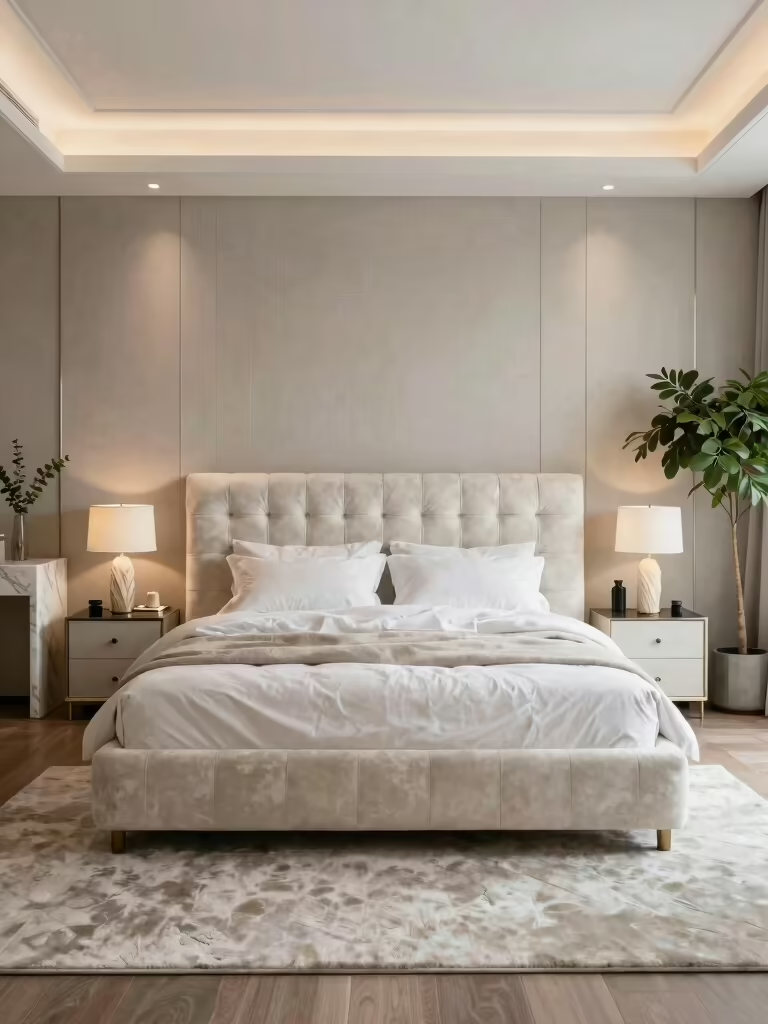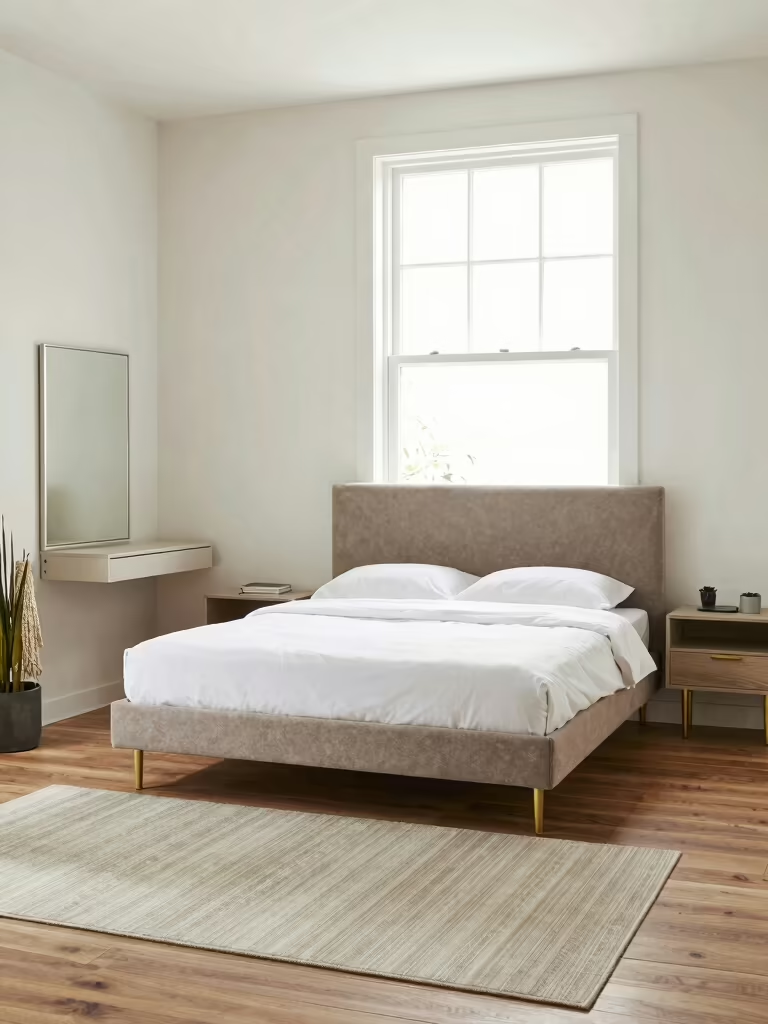

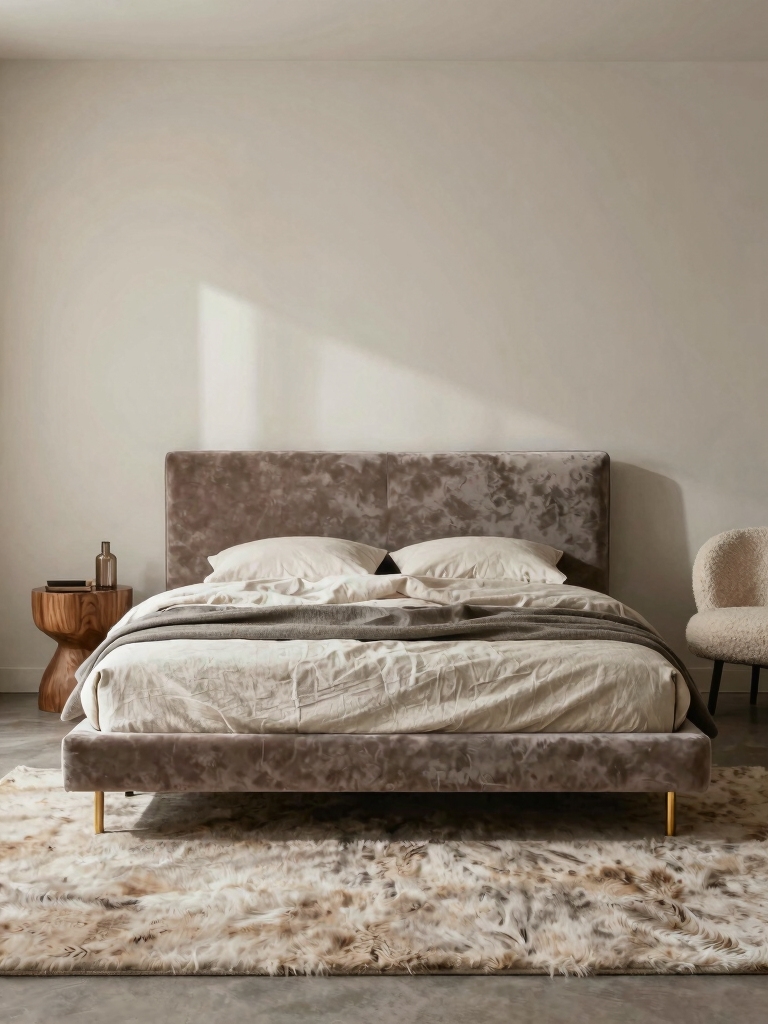
What does your dream bedroom actually look like when you close your eyes? Most people picture a feeling first: warm light, soft layers, a room that exhales the moment you walk in. The trouble is turning that feeling into choices you can afford and live with. That gap is fixable.
That’s what these aesthetic bedroom ideas are built to do. We’ll start by pinning down your dream look so you stop buying at random, then move through color, lighting, and bedding in the order I’d plan a real project. Each step is small, most are budget-friendly, and you can start the first one tonight.
Your Dream-Bedroom Game Plan
A dream room comes from a clear look, not a big spend. Name three words for the mood you want, build a tight palette around them, and let warm, layered light carry the mood at night.
From there, layer texture on the bed, edit your surfaces, and add only pieces that fit the original three words. Planning in this order keeps the room cohesive and stops the slow drift toward a space full of nice things that don’t talk to each other.
Define Your Bedroom Aesthetic First
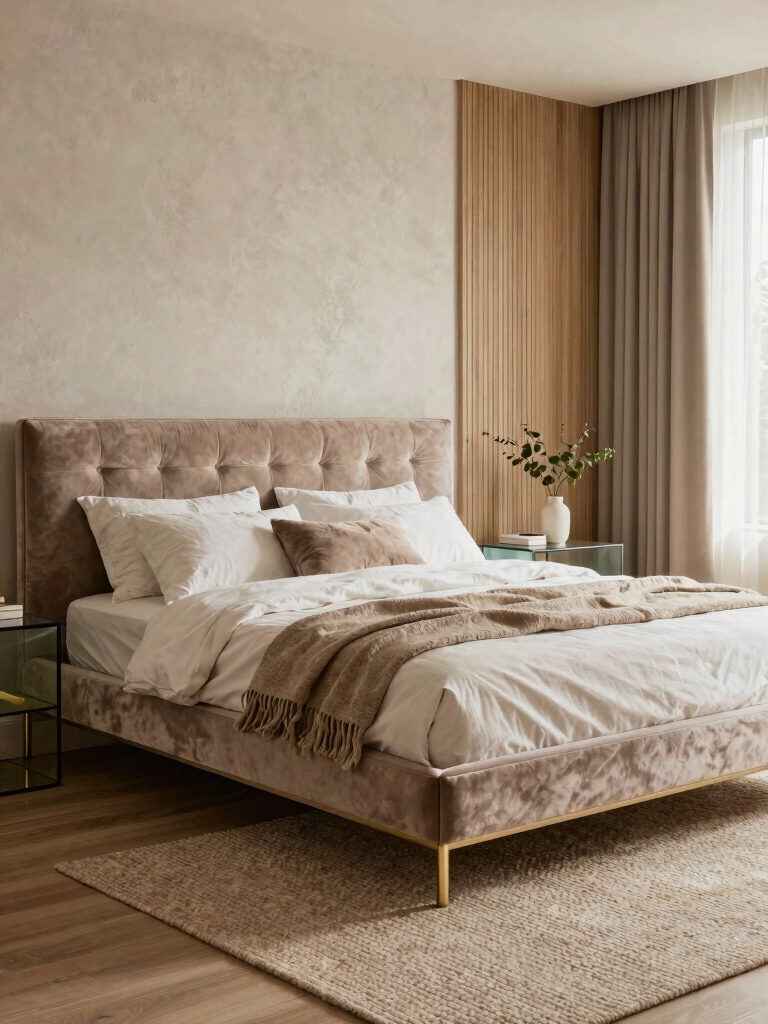
Before a single purchase, name what you’re going for, because a defined look keeps the room cohesive while you shop. I do this with every project, and it takes ten minutes. Here’s the exercise I’d run on your own space.
- Pick three words for the feeling you want, like calm, warm, and a little moody; write them where you’ll see them while shopping.
- Save eight to ten images you love, then look for what repeats: the wood tones, the light, the amount of stuff on surfaces.
- Name one thing to keep and one to lose in your current room, so the plan starts grounded in your real room.
Choose Calming, Soft Color Palettes
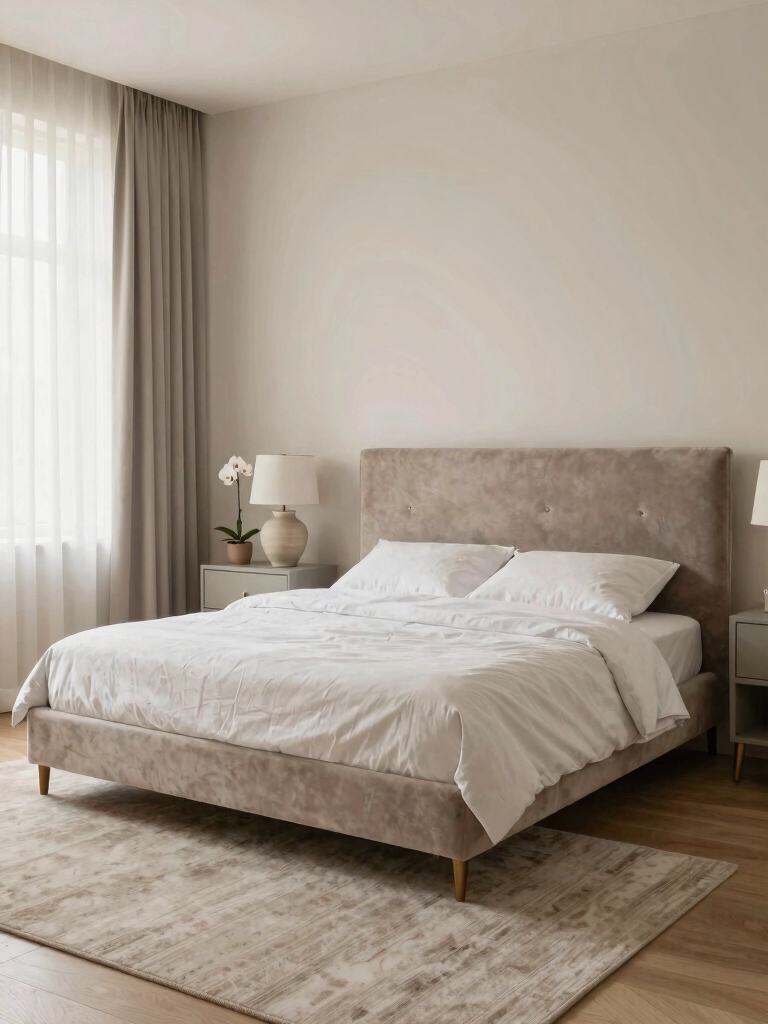
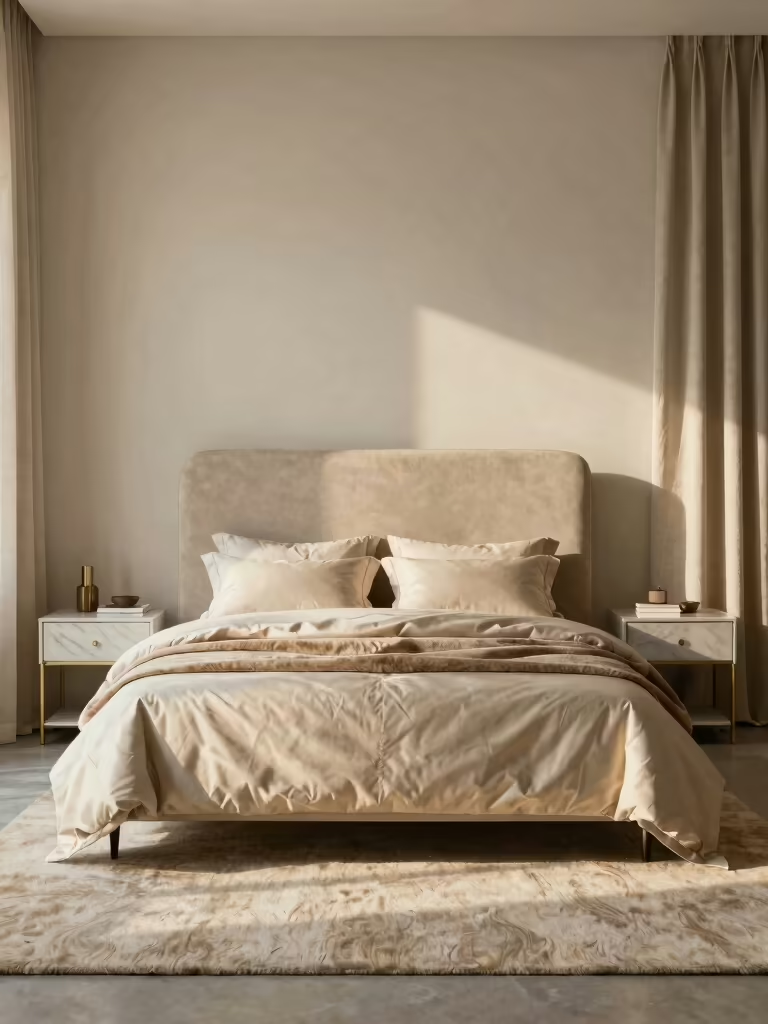
Color sets the mood faster than any furniture. This is where the dream really takes shape. For a restful room, lean into soft, low-saturation tones: creams, warm greige, muted sage, dusty clay. These hold lamplight gently and give the eye a place to settle when you wind down at night.
Build it as one base plus two companions, and repeat each tone at least twice around the room. A pint of sample paint runs $6 to $9, so test your top two on the actual wall and judge them at night, when you’ll use the room most. For pairings made for low light, see my [cozy bedroom color palette guide](cozy-bedroom-color-palette-ideas-changing) and the broader [aesthetic room color ideas for any bedroom](aesthetic-room-color-ideas-bedroom).
- Keep saturation low; muted versions of a color tend to feel calmer and easier to live with.
- Let one warm wood tone run through the room to tie cool and warm tones together.
- Add a single deeper accent, like ink or bottle green, so the calm has some depth.
Before you add one more thing to a room, try taking two things out. The space you clear is usually what makes the rest finally look right.
Moody, Layered Lighting Essentials
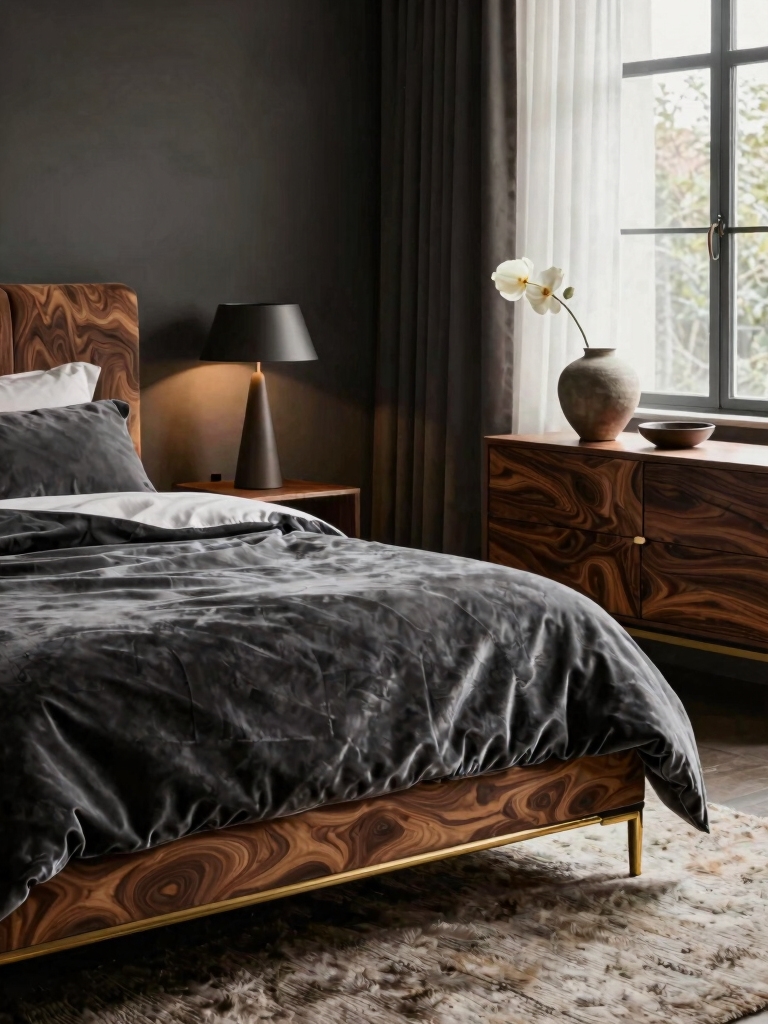
Lighting is the dream’s dimmer switch. Get it right and the same room can feel bright and busy at noon, then hushed and golden the moment you flip to the evening setting. A dream bedroom needs light at three jobs: ambient for the whole room, task for reading or dressing, and accent to add glow in the corners. One bright ceiling fixture doing all three is the fastest way to kill the vibe.
The Three-Light Rule
Make every source warm and adjustable. Use 2700K or lower bulbs, put the overhead on a $15 to $25 dimmer, and add a bedside lamp plus one low accent light. I keep a small lamp on a timer so the room greets me with a warm glow instead of a switch hunt in the dark.
Once the bones are in, play with mood. A candle, a string of warm fairy lights, or a salt lamp gives you that lowest, softest setting for winding down. My full [bedroom lighting ideas for mood](bedroom-lighting-ideas-mood) breaks down placement and bulb choices in detail.
Cozy Layering for Real Comfort
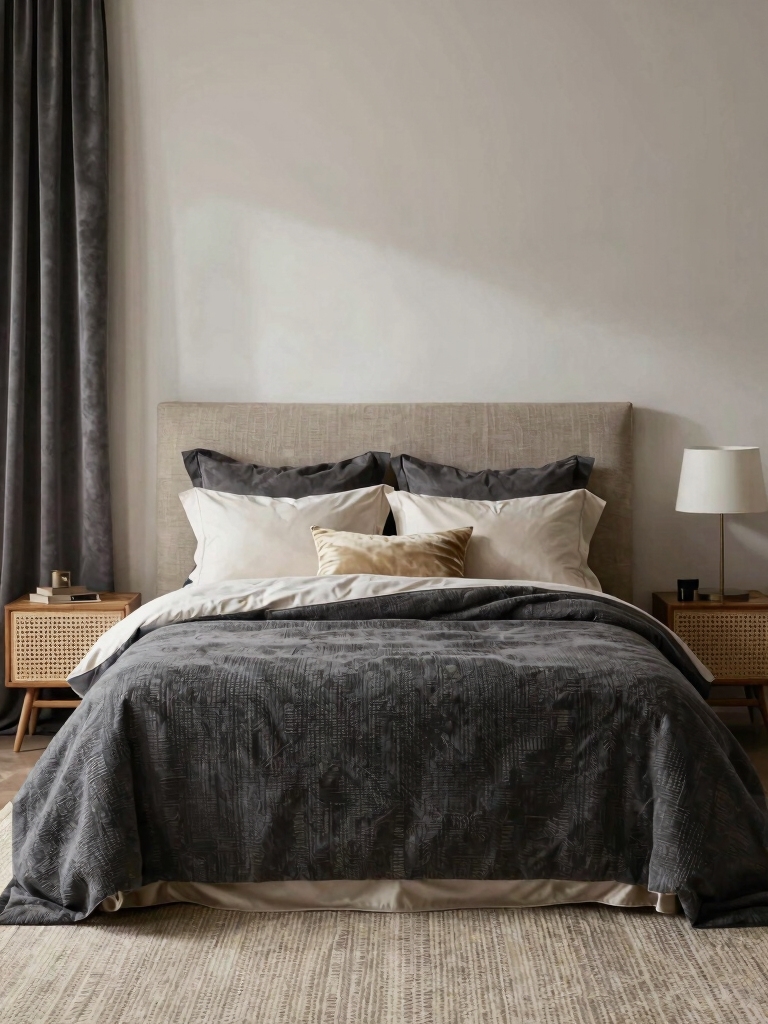
Layering is what makes a room feel touchable, and it works across the whole space, not just the bed. The aim is contrast. You want the eye and hand to find something different at every level, from the rug underfoot to the throw on the chair to the woven piece on the wall. Work through these and the room gains depth without clutter.
- Floor: add a soft rug ($90 to $200 for a 5×7) so the room feels warm from the ground up.
- Windows: hang curtains high and wide in a textured fabric like linen to soften hard walls.
- Seating: drape one chunky throw over a chair or bench for a tactile, casual layer.
- Walls: mix a woven hanging or framed art with a small plant to break up flat surfaces.
💡Stylist’s Tip
Shop your own home before you buy. Move a lamp, a chair, or a piece of art from another room into the bedroom for a week. You’ll often find the dream look is mostly a matter of rearranging what you already own, then filling two or three real gaps.
Build Layered Bedding for Comfort
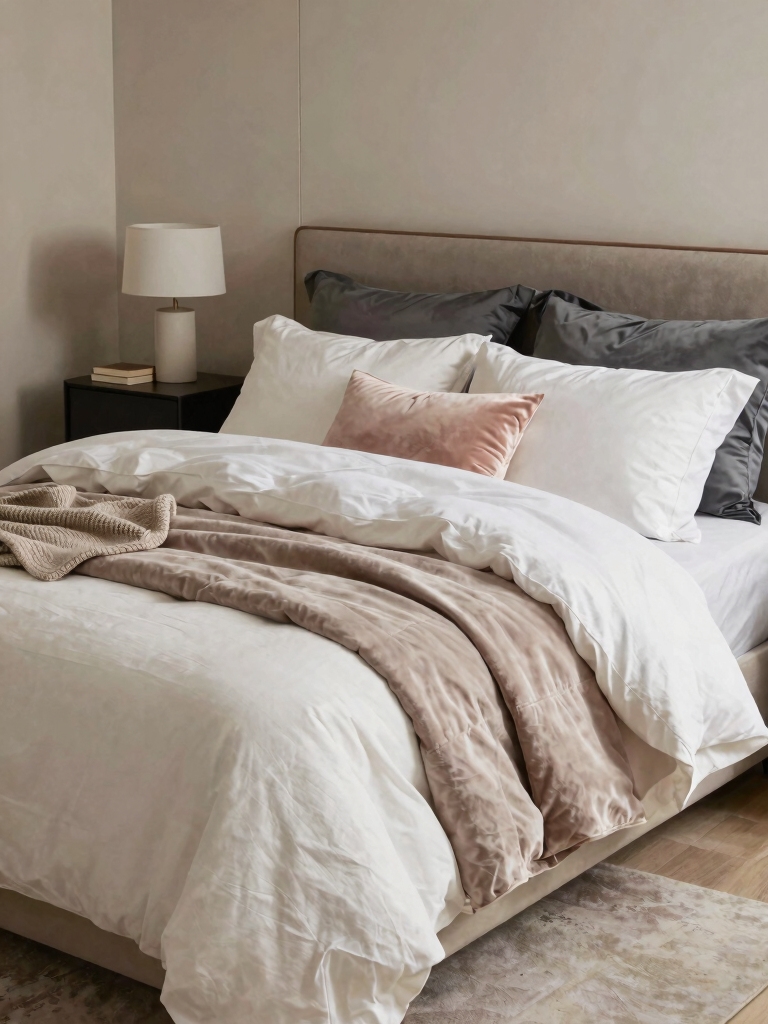
The bed is the star of a dream bedroom, so build its layers in a clear stack and stop before it gets fussy. Start smooth at the bottom, add weight in the middle, and finish with a couple of pillows in different textures. The whole point is a bed that looks full and stays easy to climb into, because a bed you have to rebuild every night gets old fast.
- Base: breathable cotton or linen sheets in a warm neutral; a linen duvet cover runs about $80 to $150.
- Middle: a mid-weight quilt for everyday warmth, with a heavier throw folded at the foot.
- Top: two to four pillows in mixed textures and calm tones, and no more than that.
How to Brief a Designer or Decorator
If you bring in a pro, even for a single consult, a clear brief saves you money and gets you a room that’s actually yours. Lead with your three mood words and your saved images, then state the hard limits up front: your total budget, what has to stay (a hand-me-down dresser, a rental’s wall color), and your real deadline. A focused designer can do a lot with one paid hour, around $75 to $200 in many areas, if you walk in with that clarity.
Ask specific questions. Find out which two paint colors fit your light, what one piece would change the room most, and where to spend versus save. You’ll leave with a short, usable plan, and you can carry out the work yourself over the following weeks at your own pace.
Personal Touches That Make It Yours
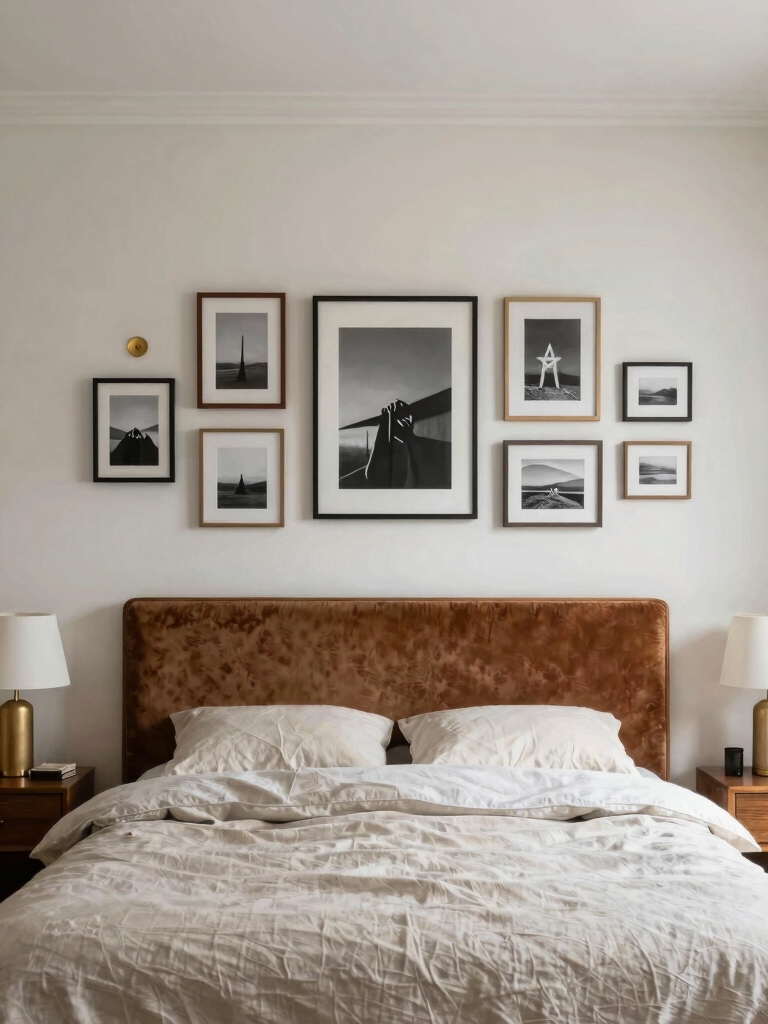
A dream bedroom that could belong to anyone falls flat. The personal layer is what makes the room unmistakably yours, and it costs little. Build a small gallery wall of photos that mean something, lean a favorite print against the wall, or set out one object with a story behind it.
The trick is editing so the personal stuff lands as a collection. Group small mementos on a single tray, give one wall the photos, and let the surrounding room stay calm. A handful of meaningful pieces, placed with care, warms a space more than a cart of generic decor.
Plan to refresh these touches with the seasons. Swap in a new photo, rotate a piece of art, or change a throw color so the room keeps feeling current. For storage-friendly ways to display without clutter, my [bedroom storage ideas that beat clutter](bedroom-storage-ideas-clutter) help keep the surfaces calm underneath it all.
Common Dream-Room Mistakes to Skip
A few predictable missteps quietly sink most bedroom makeovers, and they’re easy to dodge once you know them. The first is buying before you’ve defined the look. You end up with a chair you loved in the store and a rug that fights it, and the room never settles into one mood. Define first. Shop second.
The second is over-lighting the room with a single bright fixture and calling it done. The space looks flat and a little cold no matter how soft your bedding is. Add a warm lamp at bedside height and dim the overhead, and the whole room warms up in about five minutes for the cost of a bulb.
The third is the slow creep of clutter back onto every surface until the calm you worked for quietly disappears. The fix is a two-minute nightly reset and a home for the small stuff, a tray here, a basket there. A dream room is mostly an edited room, and editing is a habit more than a purchase.
Where to Spend and Where to Save
Not every piece deserves the same budget, and knowing where to put your money makes a modest plan look richer than it is. Spend on what your body touches every day: the mattress, the pillows you sleep on, and the sheets against your skin. These are the pieces you feel each night, and quality there pays you back in rest.
Save on the decorative layer. Throw pillows, art, baskets, and seasonal accents look just as good from the thrift store or a budget retailer as they do at full price. I’ve furnished entire reading corners from secondhand finds for less than the cost of one new armchair, and the worn wood and softened fabric only add character.
Lighting sits happily in the middle. A cheap warm bulb and a dimmer punch far above their price, while one well-chosen lamp can act as both function and sculpture. Put your dollars where they touch your sleep and your hands, stretch them on the rest, and the room reads far more considered than the receipt suggests.
Maintenance & Care for a Dream Room
A dream room stays dreamy with light, steady upkeep. Wash and rotate bedding every two to three weeks, vacuum the rug weekly so the pile stays soft, and dust lamp bulbs so the light keeps its warm tone. None of it takes long, and it keeps the room from sliding toward tired between bigger refreshes.
Once a season, do a slightly bigger reset: launder throws and covers, swap one or two textiles to match the weather, and revisit your three mood words to check the room still matches them. That five-minute gut-check is what keeps a space cohesive over years, not just on the day you finish it.
Dream Bedroom Questions, Answered
?How do I figure out my bedroom aesthetic?
Save eight to ten rooms you love and look for what repeats: the colors, the wood tones, the amount on the surfaces. Those patterns are your aesthetic. Boil them into three mood words and shop against those words.
?What’s the best order to redo a bedroom?
Define the look, then color, lighting, bedding, and finally personal touches. Working in that sequence keeps everything cohesive and stops you from buying pieces that clash with choices you haven’t made yet.
?Can I get a dream bedroom on a small budget?
Yes. Warm bulbs, a dimmer, one good rug, and edited surfaces deliver most of the effect for well under $150. Spend on the few pieces you touch daily and save everywhere else.
?Is it worth hiring a designer for one room?
For a single paid consult, often yes. With a clear brief and your budget stated up front, one hour at roughly $75 to $200 can hand you a plan you carry out yourself over time.
Start With the Feeling, Build Toward It
Your dream bedroom is closer than the price tags suggest. Once you name the feeling and plan in order, color, light, texture, then the personal layer, every small purchase pulls in the same direction instead of scattering. That focus is what makes a modest budget look intentional.
So picture the three words you’d want to wake up to, and pick the one step that gets you closest tonight. What’s the first move your dream room is asking for?