
You can usually feel an expensive bedroom before you can explain it: the light is warm and layered, the bed sits under a tall headboard, the surfaces are clear, and nothing clashes. None of that needs a big budget. The bedroom design ideas that look expensive come down to restraint, scale, and a few smart splurges in the right spots.
Below are 19 ways to fake a high-end look for far less than it appears to cost. The thread is consistency. Pick a tight palette, get the proportions right, and spend where the eye actually lands.
What Actually Looks Expensive
- Perceived luxury is mostly restraint: a tight palette, clear surfaces, and good proportions.
- Warm layered light and a tall headboard do more for the look than any pricey furniture.
- Spend on the few things you touch and see, and fake the rest with paint, swaps, and symmetry.
Make Smart, Budget-Friendly Luxe Choices
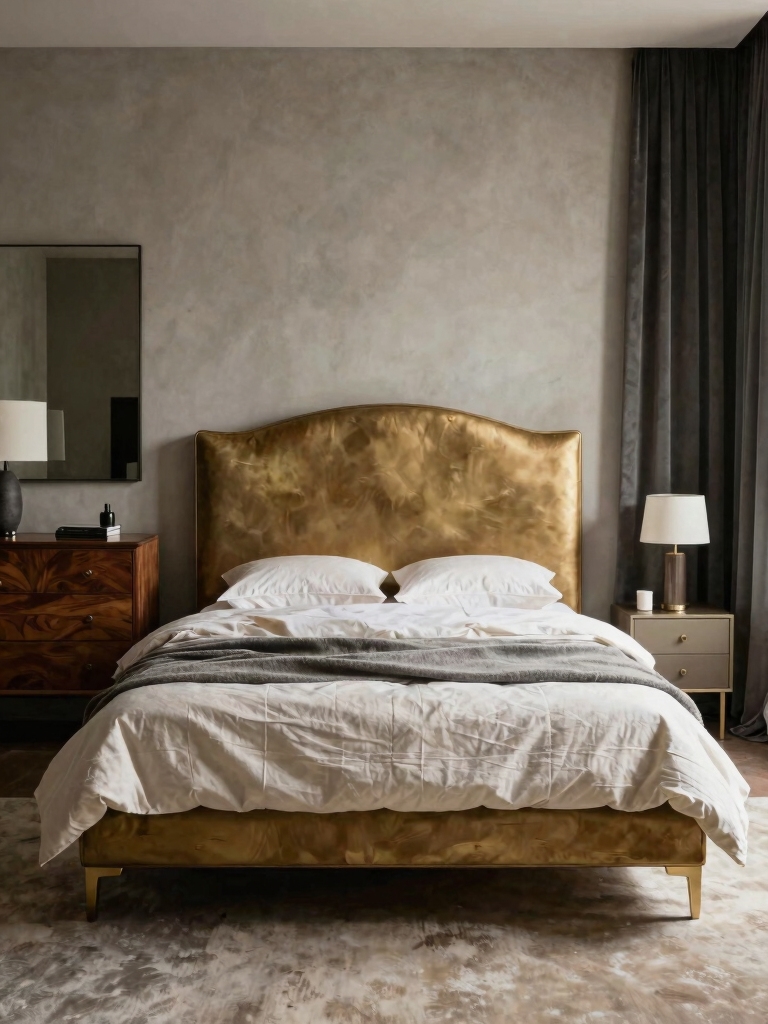
Looking expensive is a series of small, smart choices, not a big spend. The eye reads luxury in cohesion and in quality where it shows, so put your money on the visible, high-touch pieces and economize on the rest. A few well-chosen upgrades beat a roomful of cheap ones.
The filter I shop with is simple: would this look out of place in a nice boutique hotel? Secondhand solid-wood furniture, one good lamp, and a quality duvet cover look richer than a matching flat-pack set. For the look on a tight palette, our a calm color base is a good place to start.
- Buy fewer, better pieces and let them breathe
- Choose solid wood or secondhand over flat-pack where you can
- Spend on the high-touch items: sheets, a lamp, the headboard
- Keep finishes consistent so the room hangs together
Layer Lighting for Instant Luxury
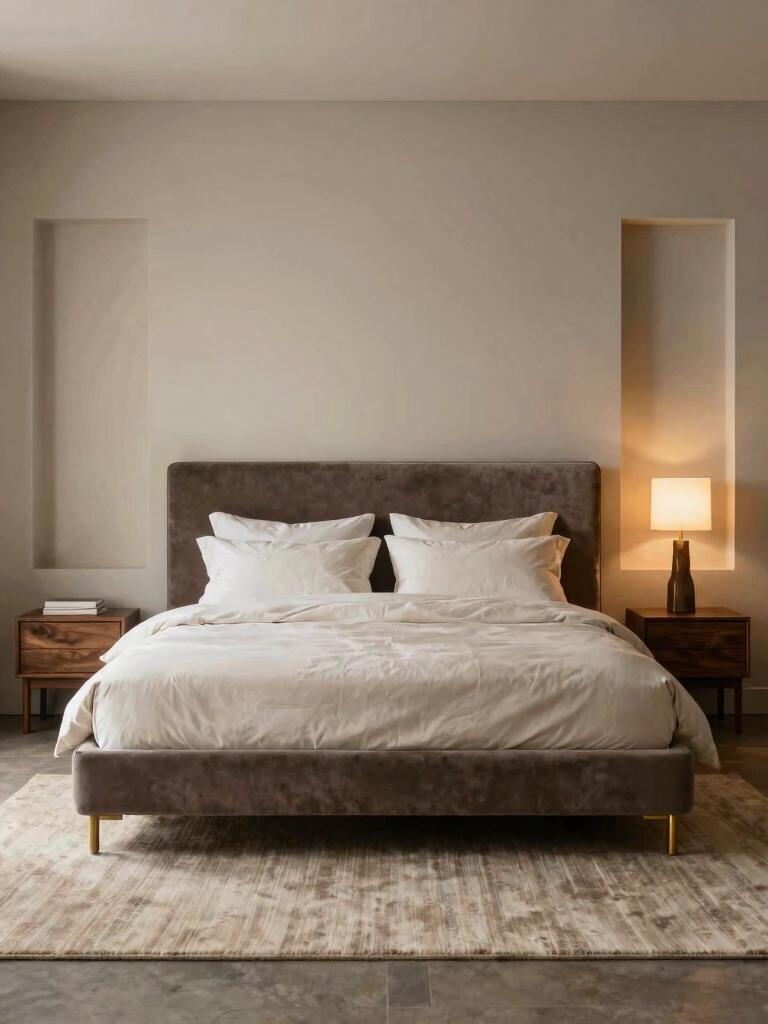
Lighting is the single biggest tell, and the cheapest to fix. Light is the tell. Expensive rooms never lean on one ceiling fixture; they layer a warm ambient glow with task and accent light. Swap to 2700K bulbs, add a dimmer, and the room instantly looks softer and more considered.
Warm, layered, dimmable
Build three sources you control separately: two bedside lamps, a floor lamp or sconce, and the overhead on a dimmer for backup. A pair of decent lamps runs $40-100, and the upgrade takes about ten minutes once the bulbs arrive. For placement, our layered lighting goes deeper.
The first thing I change in a room that feels cheap is the light, every time. I tell everyone to start there before spending a dollar on furniture, because warm layered light flatters whatever you already own. Cool white does the opposite.
Heads-Up
The fastest way to make a room look cheap is clutter and cool, blue-white light. Before you buy anything, clear the surfaces and swap to warm bulbs. Those two free moves do more for a high-end feel than most purchases ever will.
Choose an Elegant Jewel-Tone Palette
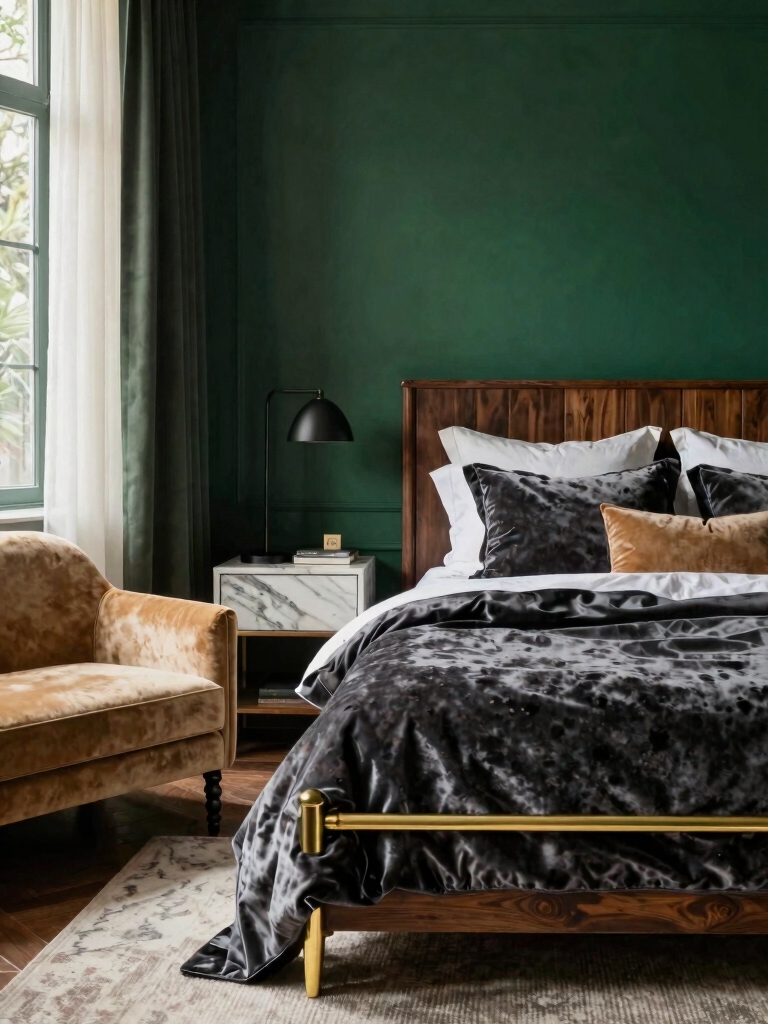
A rich, cohesive palette is what makes a budget room feel like a designed one. Jewel tones grounded by deep neutrals look expensive because the choice is confident and restrained. Build the palette in this order:
- Pick one deep base, navy, forest, charcoal, or plum, for the walls or bedding
- Ground it with a warm neutral so the room does not go heavy
- Add one metallic accent, brass or bronze, in small doses
- Keep the whole palette to three or four colors, no more
- Repeat each color at least twice so it feels intentional
Let a Headboard Transform the Bed
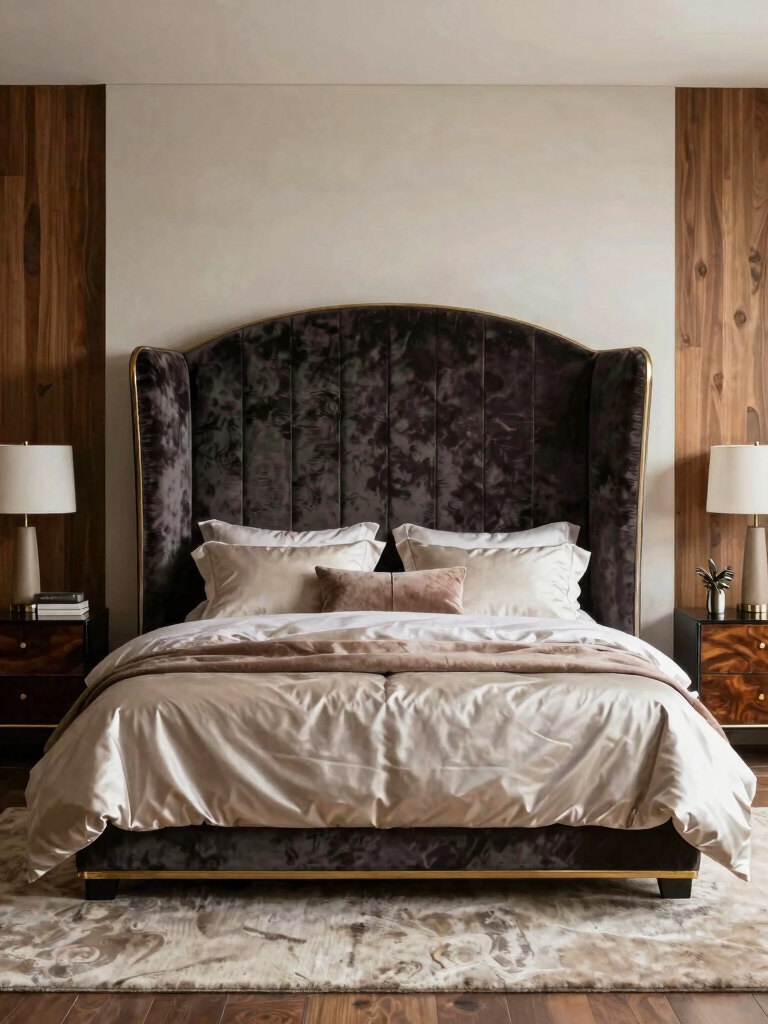
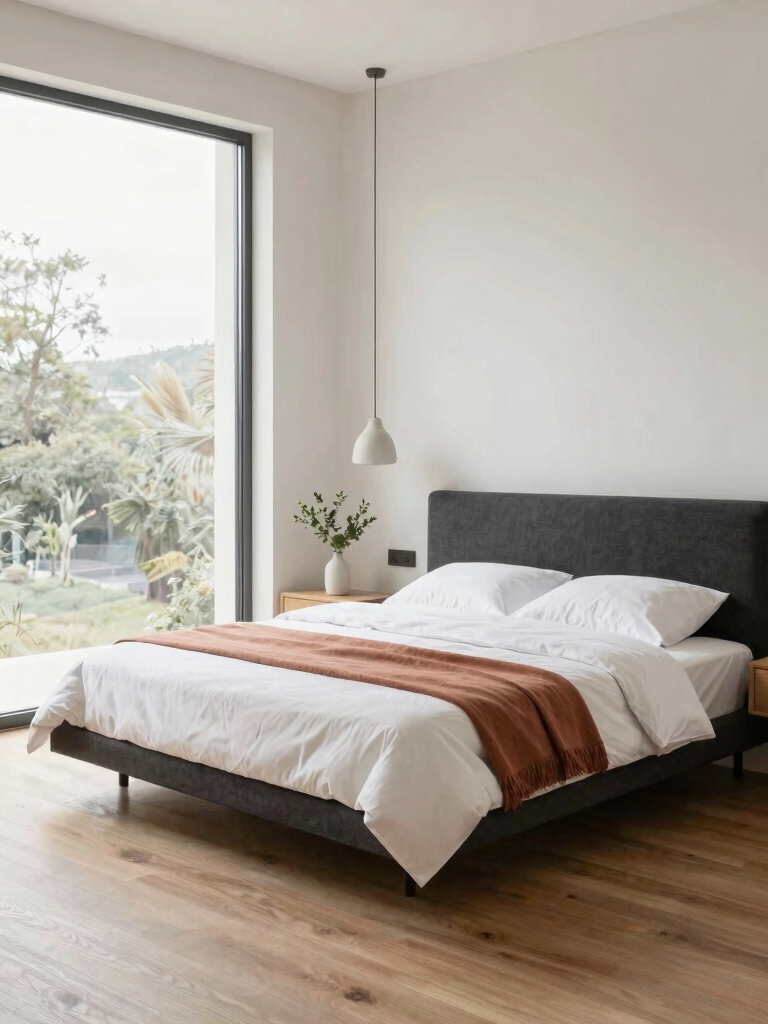
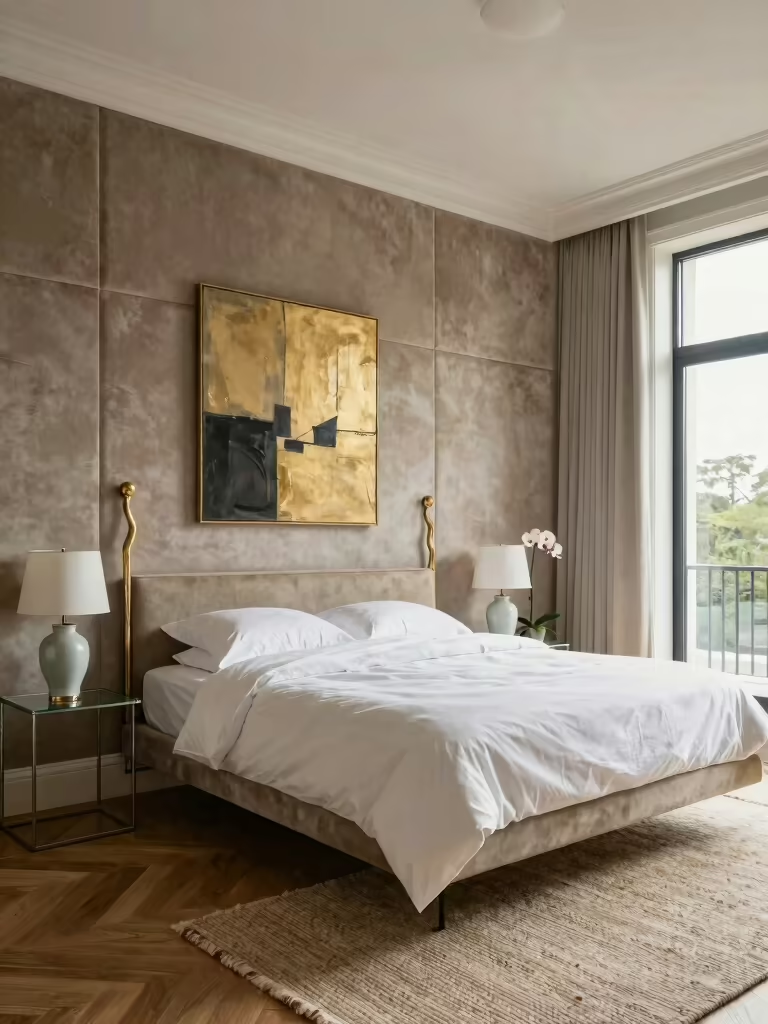
A generous headboard is the most efficient luxury upgrade in the room, since the bed is where the eye lands first. Get it right with these moves:
- Go tall, since a headboard that rises well above the pillows passes for custom
- Choose a quiet, quality material: linen, velvet, cane, or wood
- Scale it close to the bed’s full width so it commands the wall
- Add a slim backlight or wall sconces for a hotel-suite glow
- Build your own from plywood and foam for under $100 if budget is tight
📋An expensive-looking bed, checklist:
- ✓A headboard taller and wider than the standard cheap one
- ✓Bedding steamed or ironed, not pulled straight from the dryer
- ✓Two matching pillows plus euro shams for hotel fullness
- ✓A folded throw and one lumbar pillow, nothing more
Layer Luxe Textures for Comfort
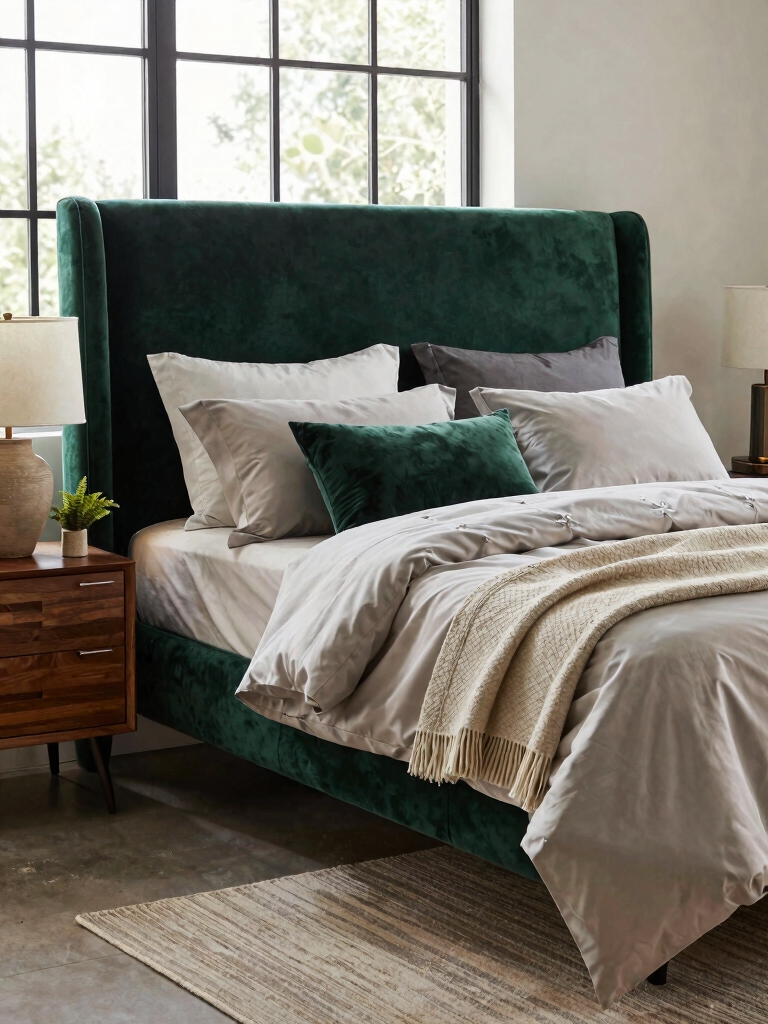
Texture is where cheap and expensive part ways at close range. Natural, tactile materials, washed linen, velvet, wool, cane, look rich because they catch light and age well. Synthetics tend to look flat and shiny in person, even when the color is right.
Layer a few different textures in one calm palette so the room has depth without clutter. A linen duvet, a chunky throw, and a wool rug together feel considered. Spend on the duvet cover and the rug, then thrift or skip the decorative extras.
- Washed linen or cotton bedding over anything glossy and synthetic
- One natural-fiber rug, wool or jute, to ground the bed
- A velvet or bouclé accent for a touch of softness
- Cane or solid wood to warm up the hard surfaces
Keep the Luxe Look Looking New
An expensive look falls apart fast without upkeep. The cheapest-looking thing in any room is rumpled, dingy bedding, so the habit I never skip is making the bed and steaming the linens on a schedule. A two-minute nightly straighten of the bed and surfaces holds the whole effect together.
Care for the pieces you splurged on so they last. Rotate and vacuum the rug, dust wood with the grain, and keep metal fixtures wiped clean. Quality looks expensive only while it stays cared for, and upkeep costs nothing but a few minutes a week.
Get the Proportions and Negative Space Right
Nothing signals money like good proportions and a little breathing room. Less is the look. Cheap rooms tend to be crammed or scattered; expensive ones leave deliberate empty space so each piece can be seen. The fix I make most in a crowded room is taking things out, then scaling the furniture to the room.
- Choose low, wide dressers over tall, narrow ones for a calmer line
- Leave even space around the bed and between pieces
- Hang art and mirrors at eye level, around 57 to 60 inches
- Let one wall or corner stay empty on purpose
Upgrade the Hardware and Small Fixtures
Swapping cheap builder hardware is the highest-return five-dollar trick there is. New drawer pulls, a better switch plate, and warmer cabinet knobs make flat-pack furniture pass for custom. The eye notices the details your hand touches, so make those feel solid.
Choose one finish, brass, matte black, or brushed nickel, and carry it across the room so the small metals agree. A handful of new knobs at a few dollars each can make an entire dresser look like a different, pricier piece. For more clean-lined storage, our hidden storage helps.
Dress the Windows and Walls Like a Hotel
Two cheap moves read instantly expensive: floor-to-ceiling curtains and one large piece of art. Hang the rod high and wide so the curtains skim the floor, and the windows look grander than they are. Pick a heavier fabric in a color close to the walls for a smooth, custom feel.
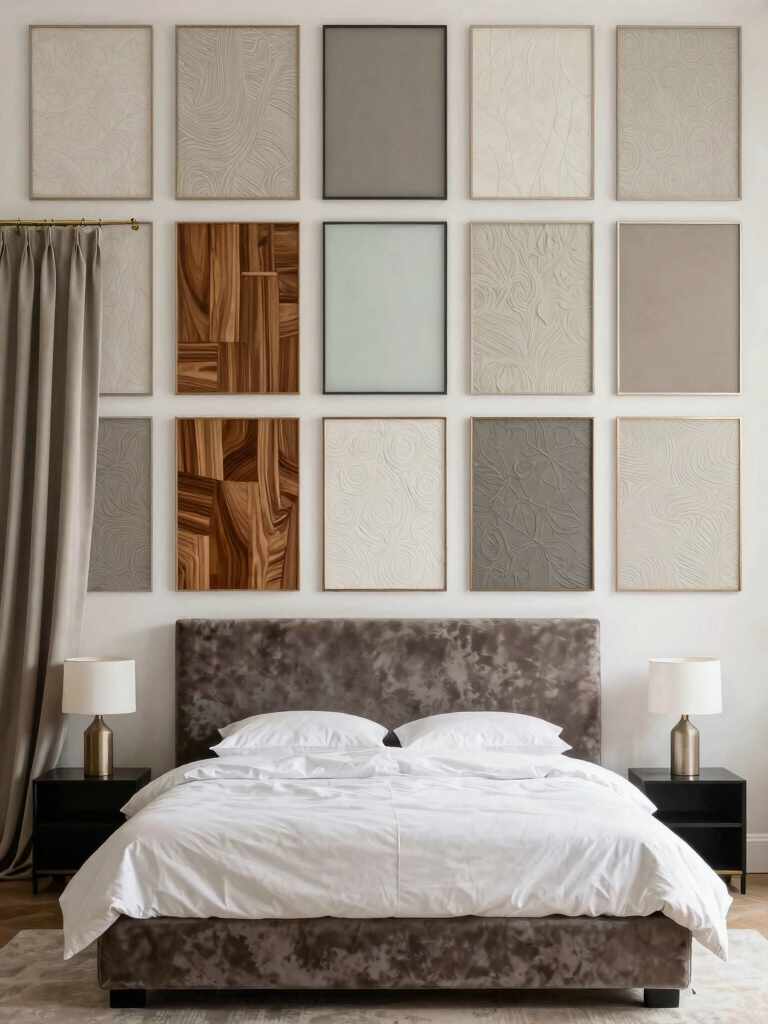
On the walls, go big with one statement piece over a scatter of small frames. A single oversized print or mirror looks like a gallery, while a crowd of little ones just looks busy. For a bolder take on the idea, our a statement bedroom leans all the way in.
Style the Nightstands With Symmetry
Symmetry is a shortcut to a high-end look, and the nightstands are the easiest place to use it. A matched pair, two lamps, and balanced styling on each side feels calm and intentional, the way a hotel room does. Keep each surface to a few considered things.
- Two matching nightstands and two matching lamps for balance
- A small stack of books and one object per side, no clutter
- A tray to corral the nightly small stuff out of sight
- One candle or a low plant for a quiet finishing touch
Spend Big on One Hero Piece
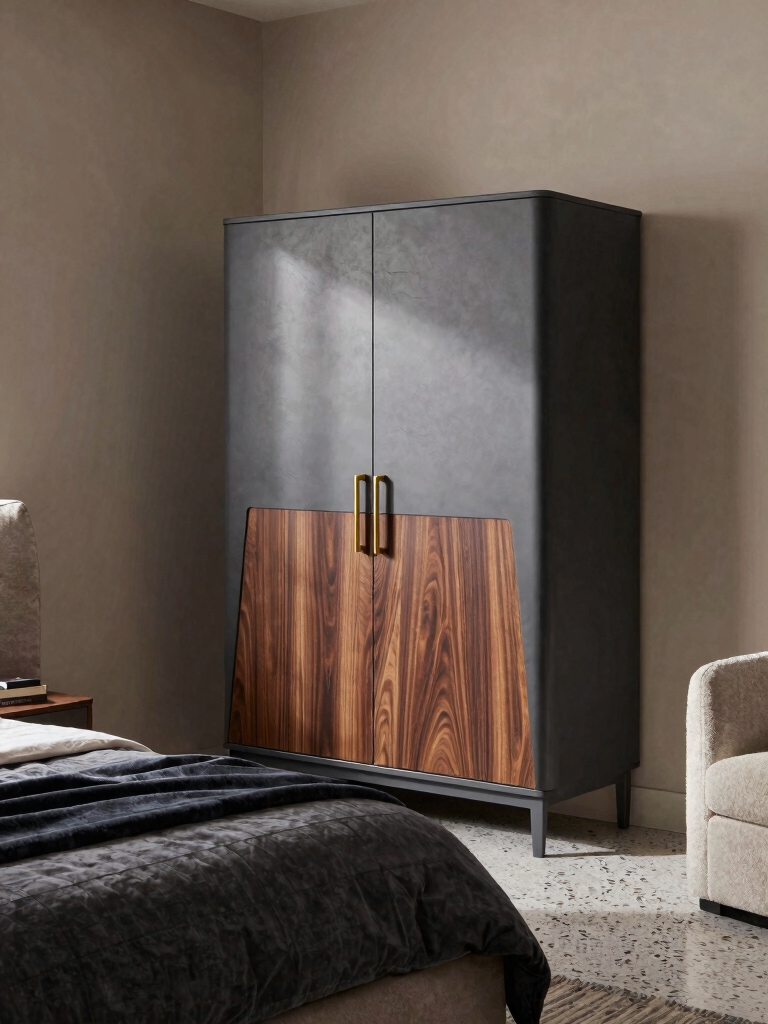
If the budget only stretches to one real splurge, put it where it shows most and let it lift everything around it. A quality bed, a beautiful light fixture, or a single piece of original art anchors the room and pulls the cheaper pieces up with it.
The trick I use is to buy one thing that looks more expensive than the rest, then keep everything near it simple so the eye travels up, not down. One great lamp beside a plain shelf looks intentional, while a roomful of mid-range pieces never quite gets there.
Fake Custom Built-Ins
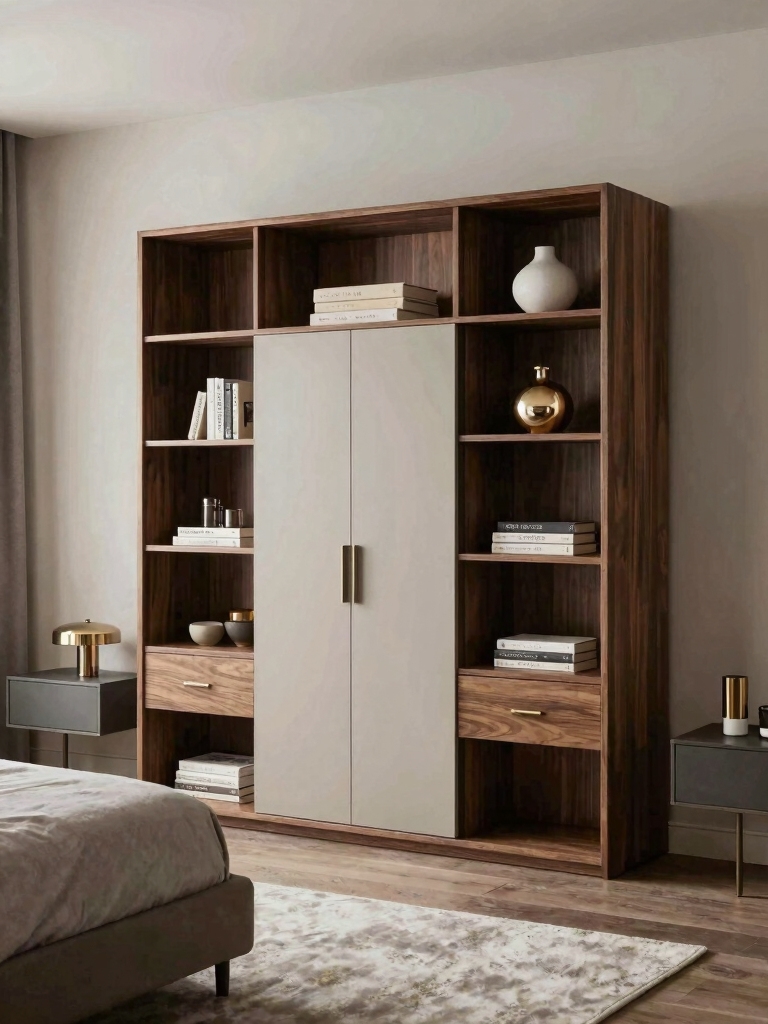
Built-ins are the ultimate expensive look, and you can fake a convincing version in a weekend. Picture-frame molding, a flat-pack wardrobe run to the ceiling, or floating shelves boxed in slim trim all pass for custom millwork at a fraction of the cost, especially once they are painted to match the wall.
- Add picture-frame molding to a flat wall for instant paneled detail
- Run a basic wardrobe to the ceiling and trim the gap so it looks built in
- Paint built-ins the same color as the wall so they read architectural
- Box plain floating shelves in slim trim for a finished, custom edge
Finish With Greenery and Fresh Stems
A single big plant or a few fresh stems is the cheapest hotel-suite touch there is. Real greenery adds life and a sense that someone tends the room, which is exactly what a pricey space telegraphs. A single sculptural plant outperforms a cluster of small pots every time.
If your light is poor, a tall dried arrangement, eucalyptus, pampas, or bare branches, holds the same effect with zero care. Put it in a heavy ceramic or a woven basket, since the container shows as much as the stems. Swap in fresh flowers every week or two for an easy, repeated lift.
Expensive-Look Questions People Ask
?How do I make my bedroom look expensive on a budget?
Start with the free moves: clear the clutter, swap to warm 2700K bulbs, and make the bed neatly. Then spend selectively on a tall headboard, good sheets, and one quality lamp, and fake the rest with paint, symmetry, and floor-to-ceiling curtains. Cohesion and restraint signal money far more than price tags do.
?What makes a room look cheap?
Three things, mostly: clutter, cool blue-white light, and a mismatch of too many finishes and colors. Glossy synthetic fabrics and undersized art and rugs do not help either. Fix the light, edit the clutter, and commit to one tight palette, and a modest room climbs several brackets in appearance.
?Where is it worth spending versus saving?
Spend on what you touch and see most: the mattress, the sheets, a good lamp, and the headboard. Save on decorative pillows, art where a print beats the original, and trendy accents you will swap anyway. Put quality where the hand and eye land, and fake the rest convincingly.
Expensive Is a Look You Build, Not a Budget
If you take one thing from all this, let it be that an expensive-looking bedroom is built from restraint, not receipts. Warm layered light, a tight palette, good proportions, and a few smart splurges in the spots that show will carry a modest room a long way.
Save this list and tackle one idea at a time, starting with the light and the clutter, since those cost nothing. Build slowly, keep it cohesive, and the room will read far pricier than the sum of what you actually spent.