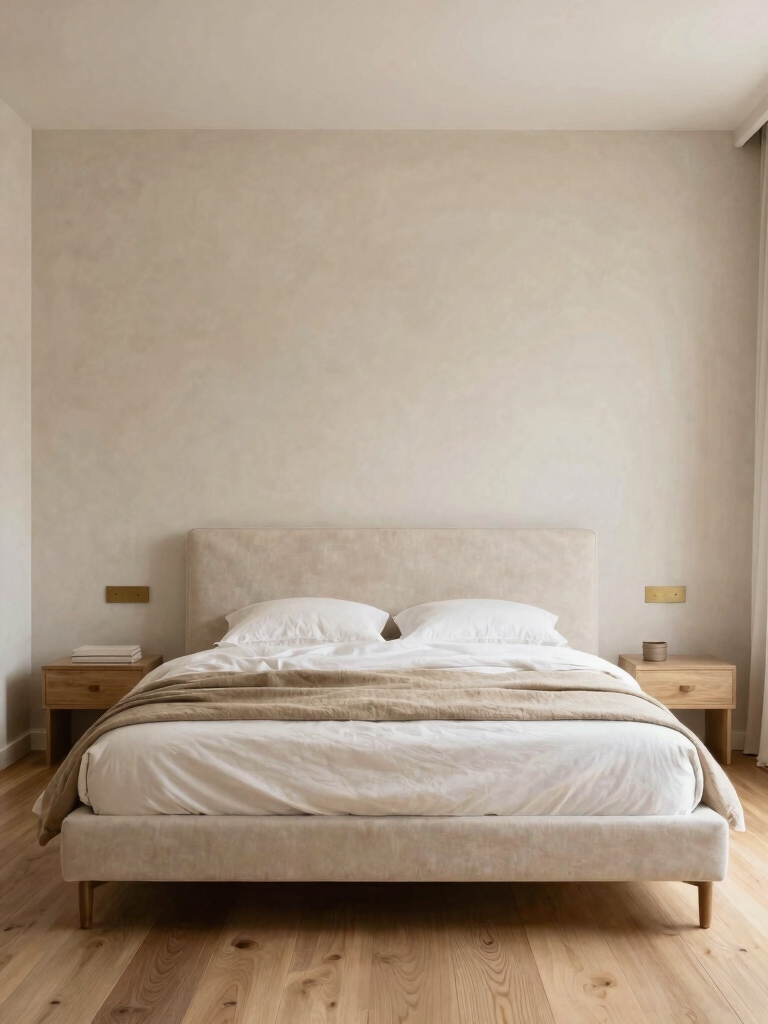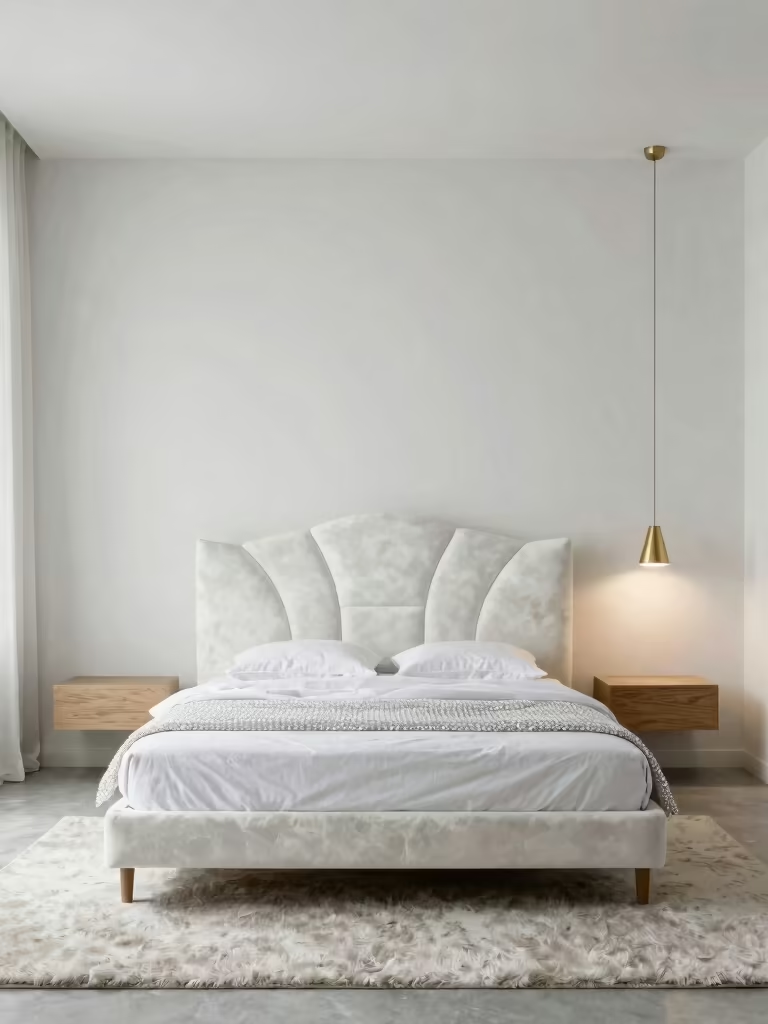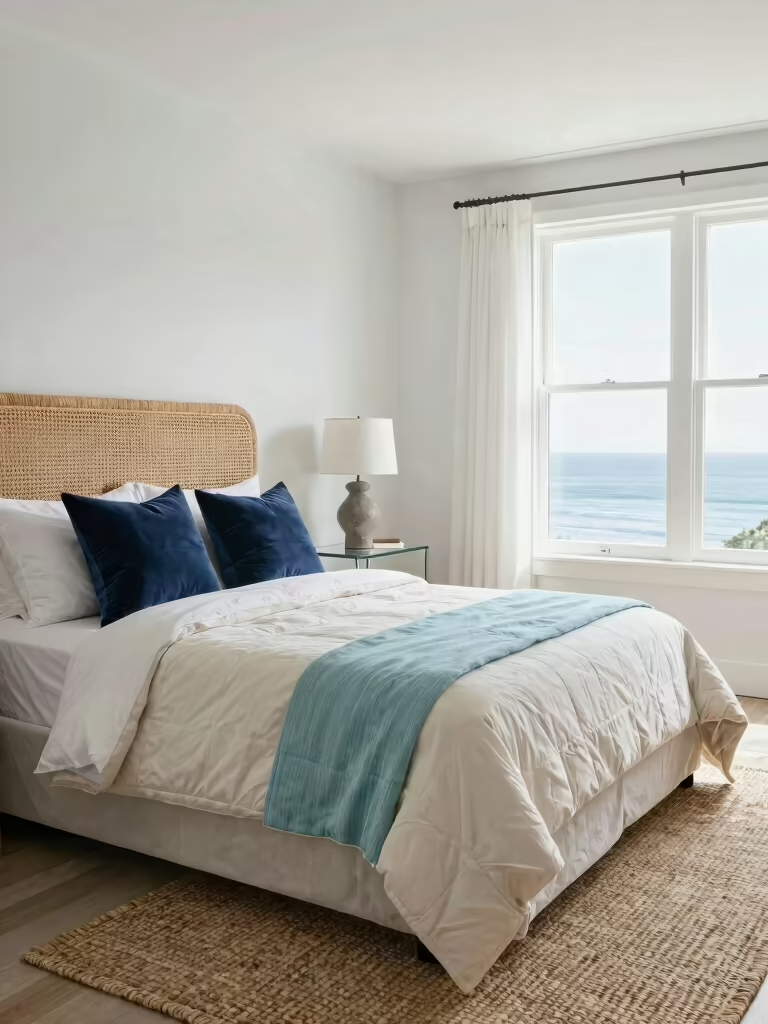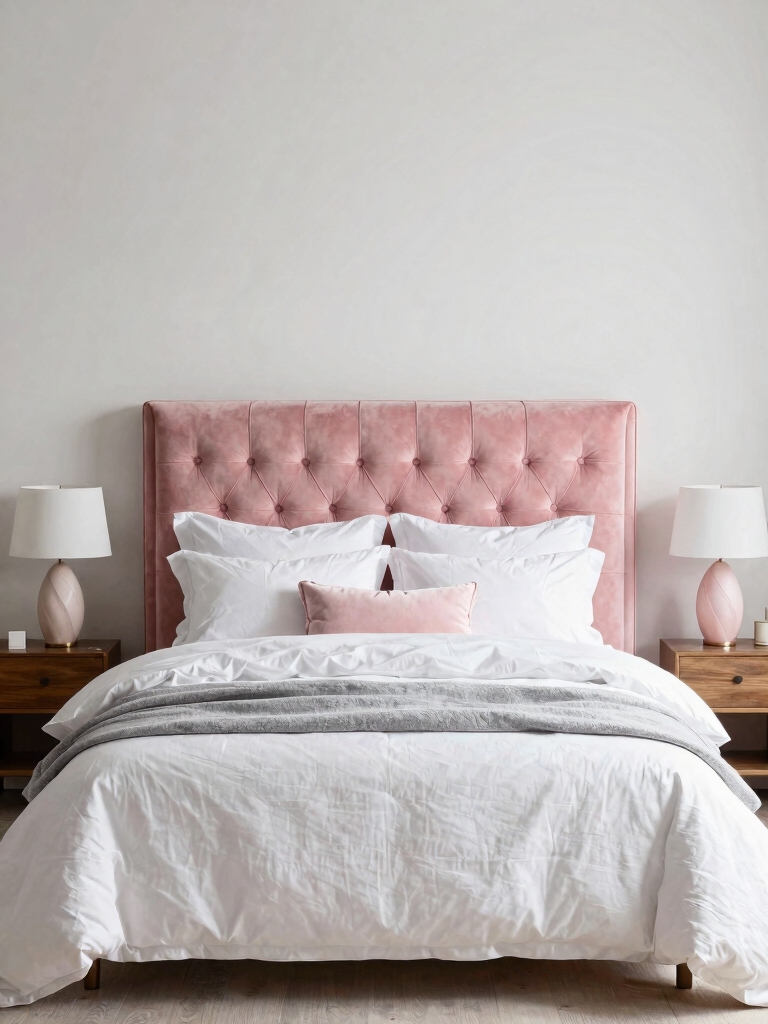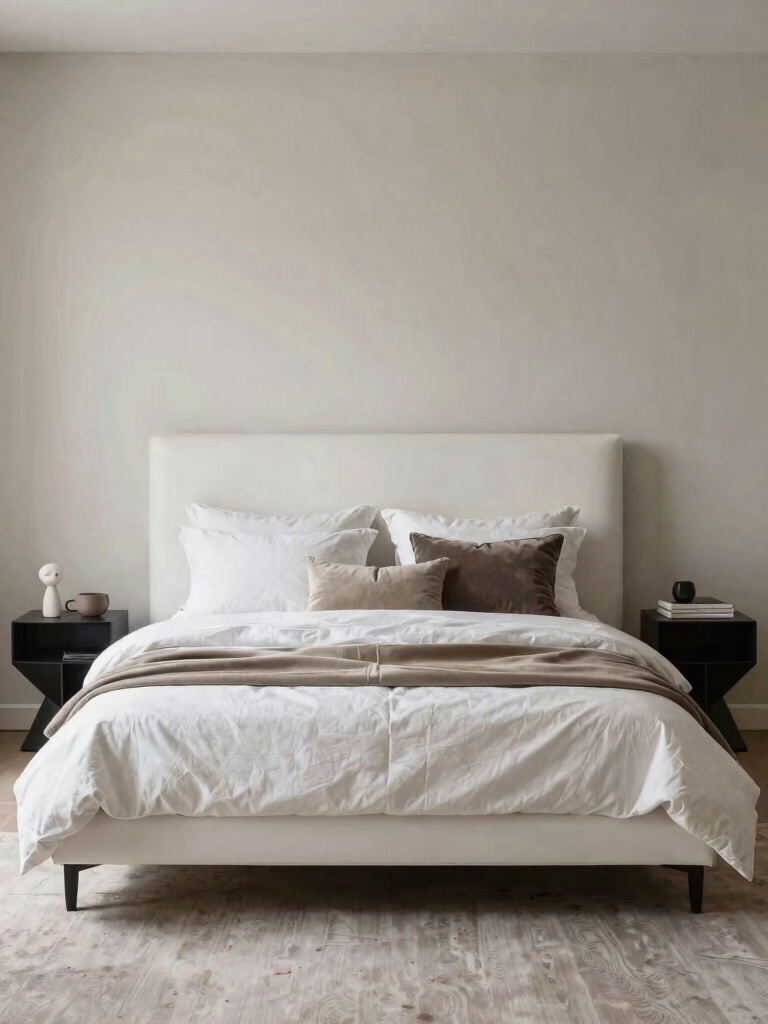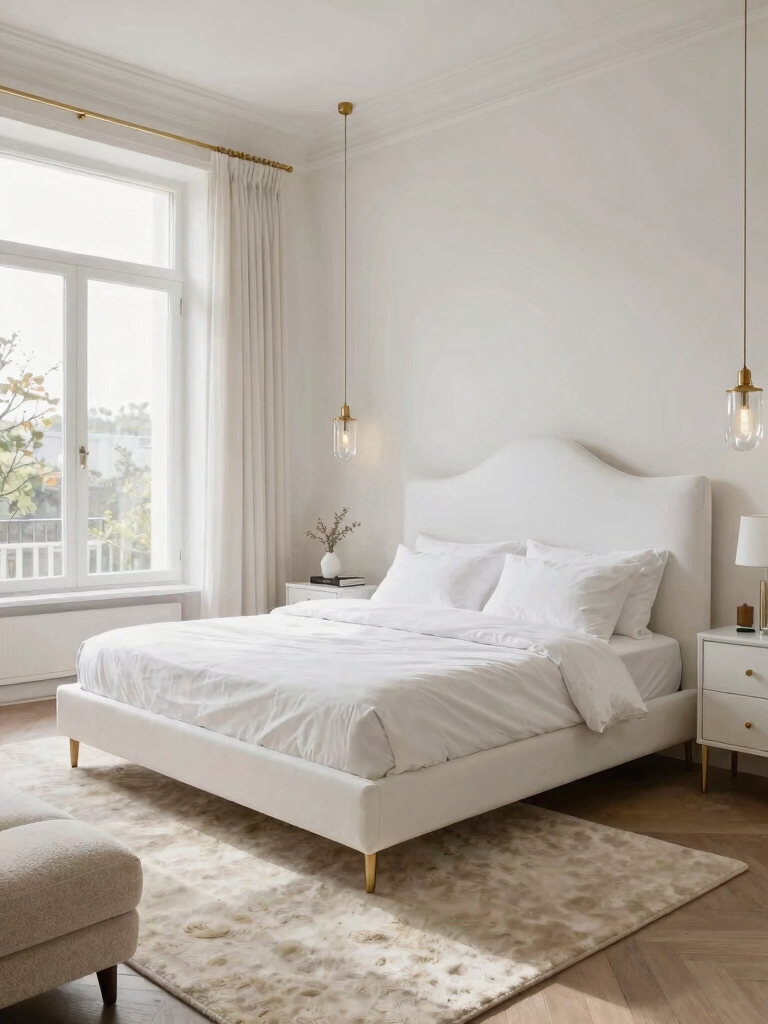

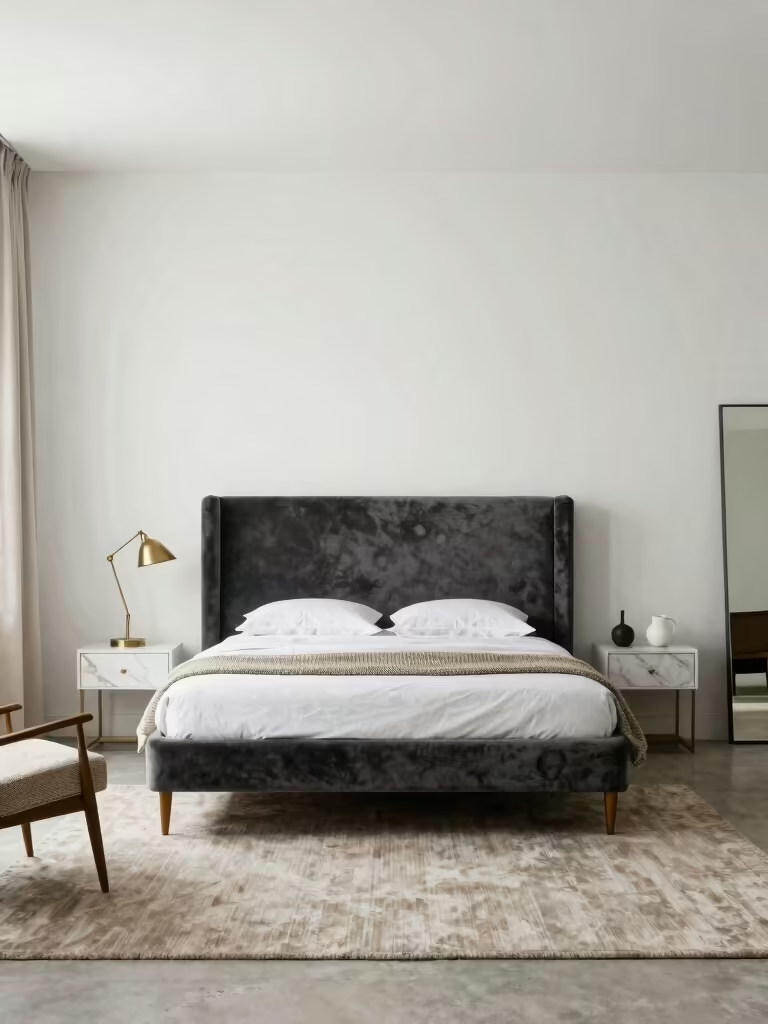
Blank white walls are the most common bedroom complaint I hear, and the fix is rarely more color, it’s more architecture. The white walls that look intentional aren’t just painted; they have something on them: a strip of molding, a paneled accent, a textured finish, a well-hung gallery. Character on a white wall comes from depth and detail, not from abandoning the white.
These ideas turn flat white walls into ones with real character: paneling and trim that add shadow lines, one moody accent wall for contrast, texture that catches the light, and art hung like a designer would. Keep the bright, airy white you love and give the walls themselves something to say, and a plain box starts to feel custom.
Key Takeaways
- Add architecture, not just color: paneling, board-and-batten, or a picture rail give white walls depth and shadow.
- Use one moody accent wall for contrast while keeping the rest bright and airy.
- Bring texture onto the walls themselves, a textured finish, a woven hanging, a wood detail, so they catch the light.
- Hang a gallery at the right height; well-placed art is the fastest character a blank white wall can get.
Define Your White-Wall Mood
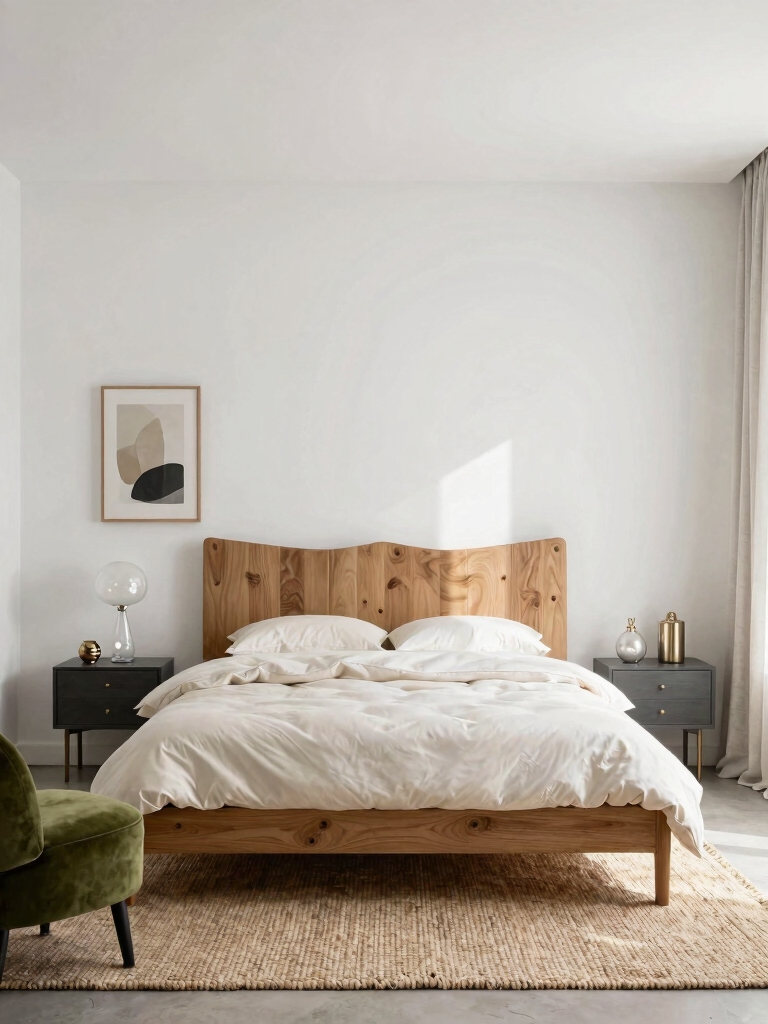
White walls are a blank page, which is exactly why they feel boring until you decide what story you want them to tell. Start with the feeling. Before adding anything, pin down the mood, calm and minimal, warm and collected, or bold and dramatic, because that one decision quietly settles whether you reach for paneling, an accent wall, or a gallery.
A clear direction is what turns blank into deliberate, and it stops you from buying a random pile of wall art that never quite hangs together into a look.
- Pick the mood first, since calm, cozy, and bold each call for different wall treatments.
- Set a budget, then choose between paint tricks (cheap) and millwork (pricier but high-impact).
- Decide which wall is the focal one, usually behind the bed, and concentrate the character there.
- Plan it against the room, the way these layout ideas suggest, so the feature wall lands where the eye goes.
Add Architecture With Paneling and Trim
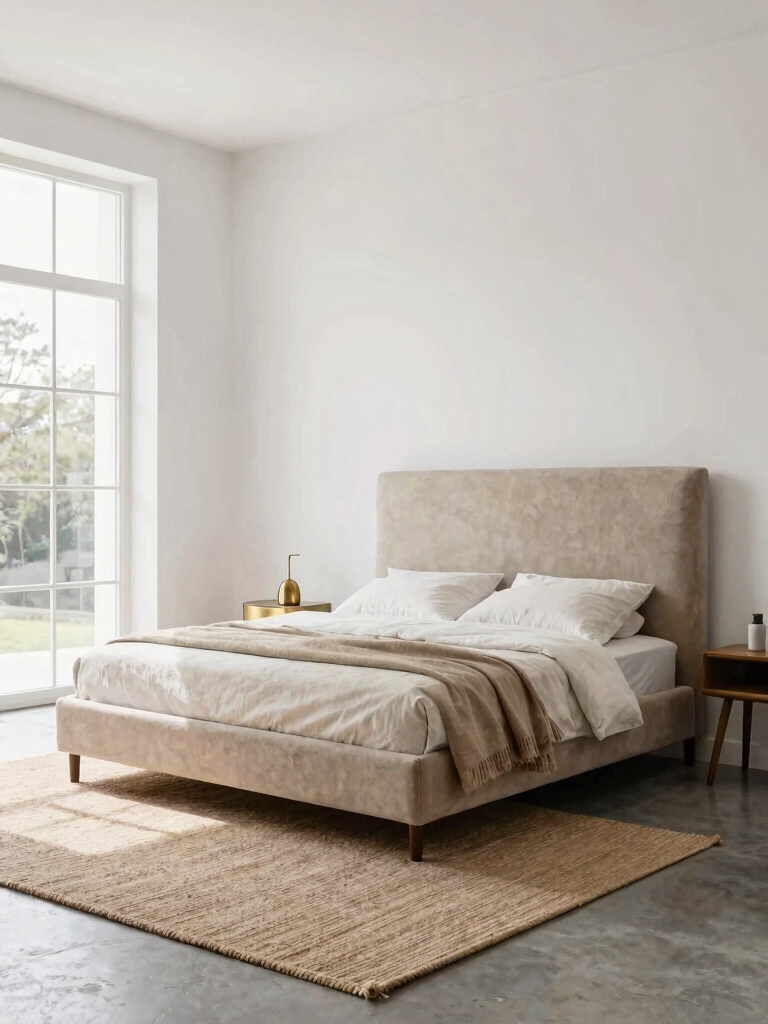
The single biggest character upgrade for a white wall is millwork, and I reach for it first. Trim adds shadow lines and depth flat paint can’t touch. Even an inch of relief catches the light and turns a flat plane into something with real structure.
Board-and-batten, picture-frame molding, shiplap, or a slat-wood panel give a plain white wall texture while staying crisp and bright. Painted out in the same white as the wall, it looks like quiet, custom architecture, the kind that makes a builder-grade box feel like someone actually designed it on purpose.
- Try board-and-batten or picture-frame molding on the bed wall; DIY kits run roughly $100 to $200.
- Paint the trim the same white as the wall so it adds shadow and depth without adding color.
- Add a simple picture rail or a slim chair rail for low-effort architectural interest.
- Keep the millwork to one or two walls so it reads as a feature, the way these wall paint ideas stay focused.
ℹ️Good to Know
Painting trim and millwork the same white as the wall, rather than a contrasting color, is a designer favorite because it adds shadow and dimension while keeping the room bright and calm. The character comes from the depth of the molding catching light, not from any added color, so the wall stays airy.
Add Texture With Layered Textiles
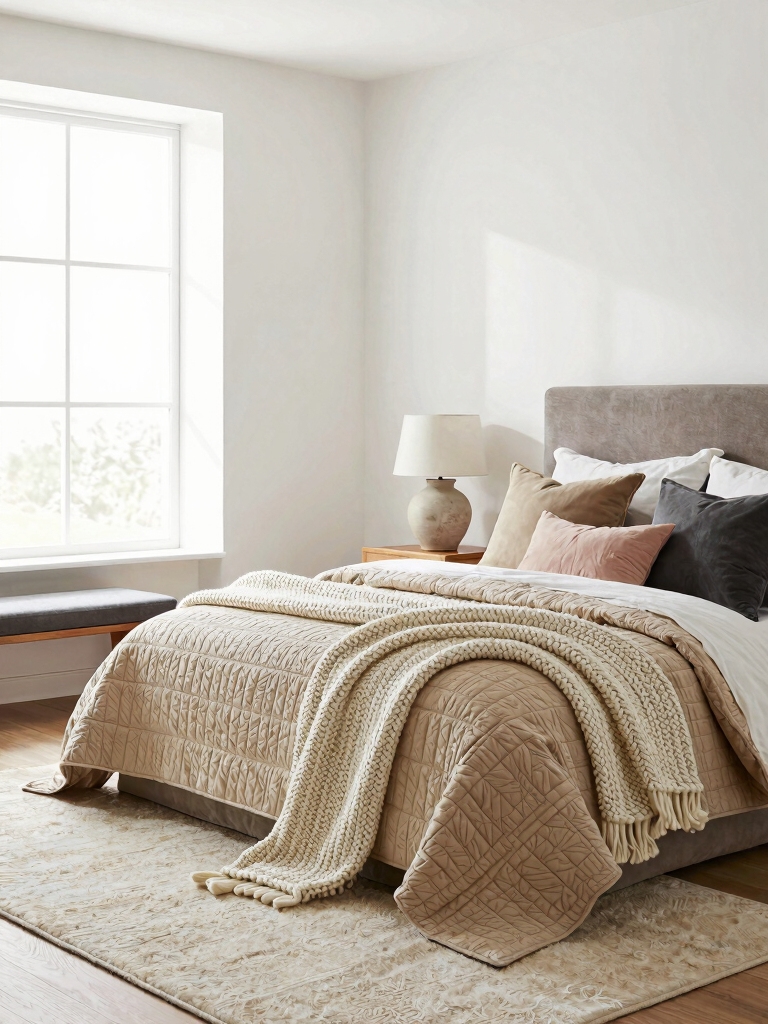
Once the walls have structure, soft textiles keep the white from feeling hard or clinical. Against a white backdrop, tactile layers do a lot of visual work: a chunky knit throw, nubby linen bedding, a woven wall hanging, a high-pile rug. They add the warmth and depth that bright white walls need to feel inviting rather than bare, and they soften the slight echo that a room full of hard, smooth white surfaces always seems to have.
Hang some of that texture on the walls themselves, not just on the bed. A woven hanging, a fabric or macramé piece, or a textile-mounted art panel brings softness up onto the white and softens the echo of a hard-surfaced room. Balance the neutrals with one quiet color in the cushions or rug, and lean on these decor ideas worth borrowing to place it.
- Layer knit, linen, and woven textures so a white room feels cozy, not sterile.
- Bring texture up onto the walls with a hanging or a fabric panel, not just onto the bed.
- Add one soft color through cushions or a rug so the neutrals have a quiet focal point.
Create Contrast With a Moody Accent Wall
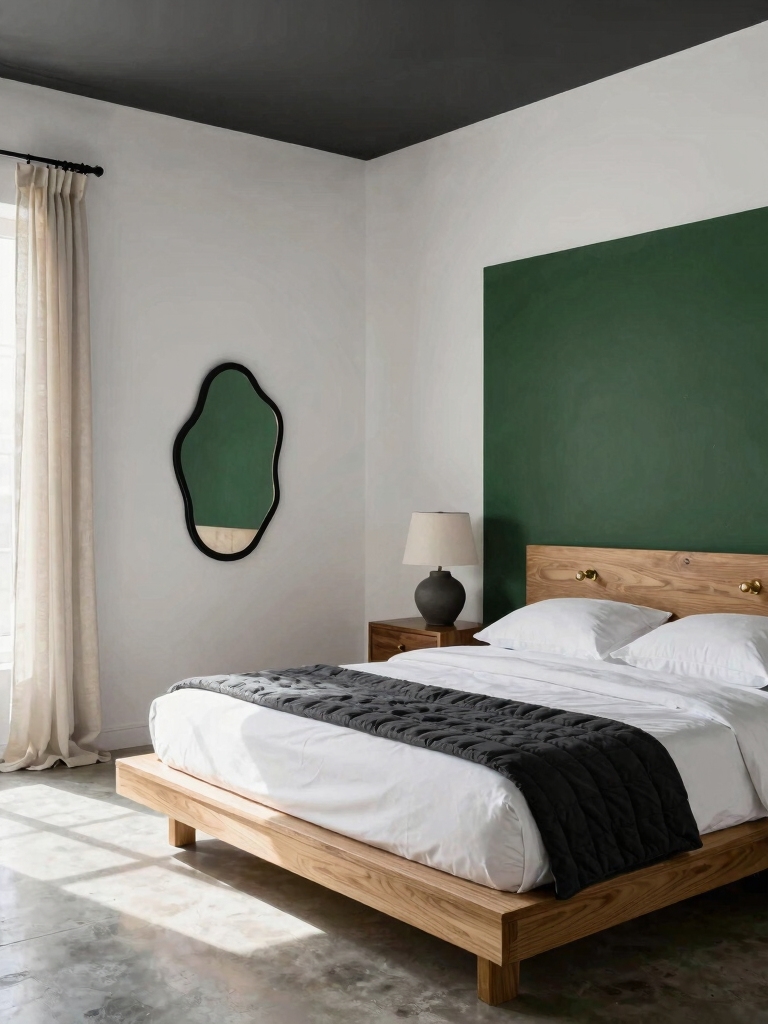
If you want maximum character for one weekend of work, paint a single moody accent wall and leave the rest white. One wall, one gallon, one afternoon. A deep charcoal, ebony, or forest green behind the bed gives the white room sudden depth and a clear focal point, while the other three white walls keep it from going dark or heavy.
It’s the highest-impact contrast move there is, and a gallon runs about fifty dollars. I steer nervous clients here first, since you can paint over it if you change your mind, and almost no one ever does.
Balance the dark so it feels intentional. Pair the moody wall with light bedding, a little metallic, and warm light, so the contrast comes across as sophisticated instead of gloomy. One dark wall against three white ones is a designer staple precisely because it adds drama without committing the whole room, and these paint ideas to refresh a room help you pick the shade.
Add a paneled accent wall in four weekend steps:
1Plan the grid
Measure the wall and sketch even rectangles or vertical battens; mark them with a level and pencil before you cut anything.
2Cut and glue the trim
Use lightweight MDF or pre-primed lattice, cut to length, and attach with construction adhesive plus a few brad nails.
3Fill and caulk
Fill nail holes and caulk every seam so the panels look built-in, not added; this step is what sells the custom look.
4Paint it all one white
Prime, then paint the wall and the trim the same white so it reads as architecture, not as added color.
Warm It With Wood and Natural Materials
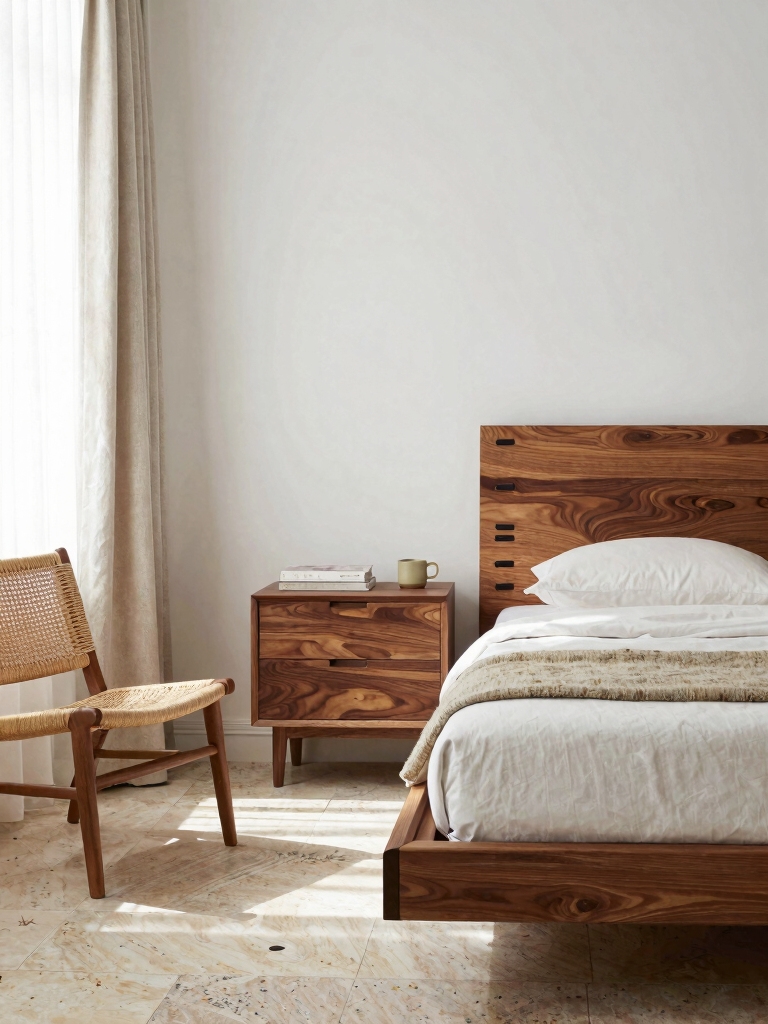
Natural materials are what keep a white-walled room feeling grounded and human rather than gallery-blank. Wood, in particular, brings a warm tone and visible grain that bright white walls can’t supply, so an exposed beam, a wood headboard, a cane chair, or a jute rug instantly softens the space. The honesty of natural materials is what makes white walls feel collected and intentional rather than cold and untouched.
Keep the wood tones in one family
Mix a few natural textures so the room has range. Oak and linen, cork and rattan, a woven shade filtering the light, each adds a different organic note against the clean white. Keep the wood tones in one warm family so they feel deliberate and collected, and let the materials themselves, not extra color, carry all the warmth.
Let the light play on all of it. Soft, warm lighting glowing through a woven shade or grazing a wood grain brings out the texture you layered in and makes the white walls feel alive after dark. That interplay of natural material and warm light is what turns bright white from cold to cozy, and these lighting ideas for the perfect glow cover it.
Renter-Friendly White-Wall Tricks
Not everyone can install millwork or even paint, so here are the white-wall moves that come right back out at move-out. Peel-and-stick wall panels mimic board-and-batten with no nails. Removable wallpaper on one wall fakes texture or a moody accent and peels off cleanly. A leaning ledge holds a row of art with zero holes in the wall. Adhesive hooks and a gallery system let you build a full art wall you can take with you.
I lean on these in every rental I help with, since they give white walls real character without risking the deposit. The look is the same. Only the commitment changes. Keep the pieces matched and the arrangement tight, and a renter’s white wall comes across just as designed as an owner’s, and these decor ideas worth borrowing are full of reversible options.
Hang a Gallery Like a Designer Would
Art is the fastest character a blank white wall can get, and white is the perfect backdrop for it, since nothing competes with the pieces.
The trick is hanging it right: center the art or a gallery grouping at eye level, around 57 to 60 inches to the middle, and keep even gaps of two to three inches between frames so the cluster looks composed. A white wall makes even thrifted, inexpensive art look intentional and gallery-worthy when it’s hung well and at the right height.
Lay a gallery out on the floor first, a ten-minute shuffle that saves a wall full of needless holes, and only commit once it feels balanced. Mix sizes for movement, group an odd number of pieces, and unify mismatched frames with one color so the collection holds together.
On a white wall, that single styled grouping can carry the whole room’s personality, which is why a gallery is the quickest win when a wall feels empty and you want character by Sunday night.
Common White-Wall Mistakes to Avoid
The blank-white-wall problem usually comes from a few avoidable mistakes, and I see them constantly. The biggest is leaving the walls truly bare, no art, no trim, no texture, and hoping the furniture carries the room; it can’t. The second is the wrong white, a cold blue-based one that reads icy, when a warmer white would feel inviting even with less on the walls.
The other two are about scale and commitment. Tiny art floating on a big white wall looks lost, so go bigger or group it, and being too timid, a few small accents scattered around, leaves the white looking unfinished. White walls reward a confident move: one paneled or accent wall, one strong gallery, real texture. Make the move and the blank box finally has something to say.
White-Wall Character Questions, Answered
?How do I add character to plain white walls without painting them a color?
Add architecture and texture instead of color. Paneling, board-and-batten, or a picture rail painted the same white add depth through shadow, while a woven hanging, a gallery wall, and natural materials bring warmth. The walls stay bright and airy but stop looking blank.
?What’s the cheapest way to give white walls personality?
A gallery wall or one moody accent wall. Art on a white wall costs as little as thrifted frames and free prints, and a single dark accent wall is about fifty dollars of paint and a weekend. Both deliver big character for very little money.
?Should trim be a different color from white walls?
Match the color but shift the sheen. Painting trim the same white as the wall keeps things serene, but a satin or semi-gloss trim against a matte or eggshell wall gives you a subtle light-catch that reads as crisp detail without any color contrast. Save true contrasting trim for when you actively want a graphic, traditional edge.
?How do I keep white walls from feeling cold?
Start at the paint chip, since the white itself decides most of it. A cool, blue-based white will read icy no matter what you hang on it, while a cream or greige-leaning white forgives a sparse room. Once the undertone is warm, even a single large rug underfoot and one wood piece are usually enough to tip the whole room from clinical to inviting.
?What art works best on white walls?
Almost anything, since white is a neutral backdrop, but scale matters most. Go bigger than feels safe, or group several pieces into one composition, and hang the center at eye level. A confident, well-sized piece looks intentional; tiny art floating high looks lost on all that white.
Give the Walls Something to Say
White walls only feel boring when they’re left bare. Add architecture with paneling or trim, commit to one moody accent wall, bring texture and wood into the room, and hang art like a designer, and plain white walls turn into ones with real, custom-looking character, all while keeping the bright, airy feeling that made you choose white in the first place.
Start with the one move that excites you most, a paneled wall, a gallery, or a single dark accent, and do it this weekend. White walls reward a confident move, so make one and watch a blank box finally come to life.