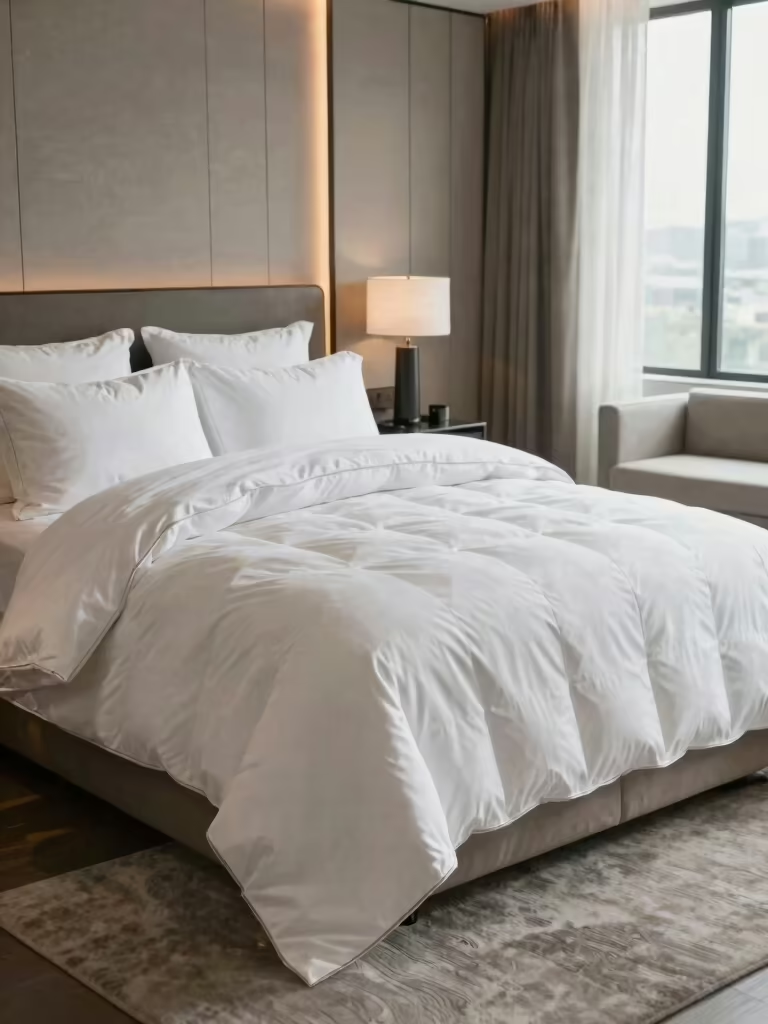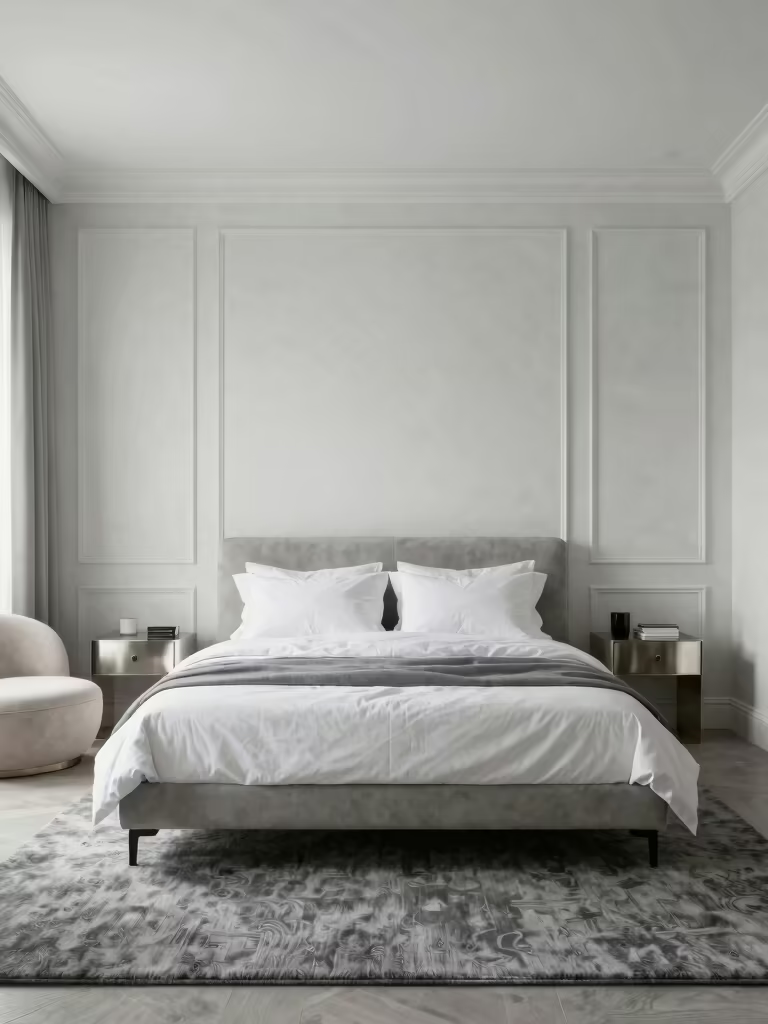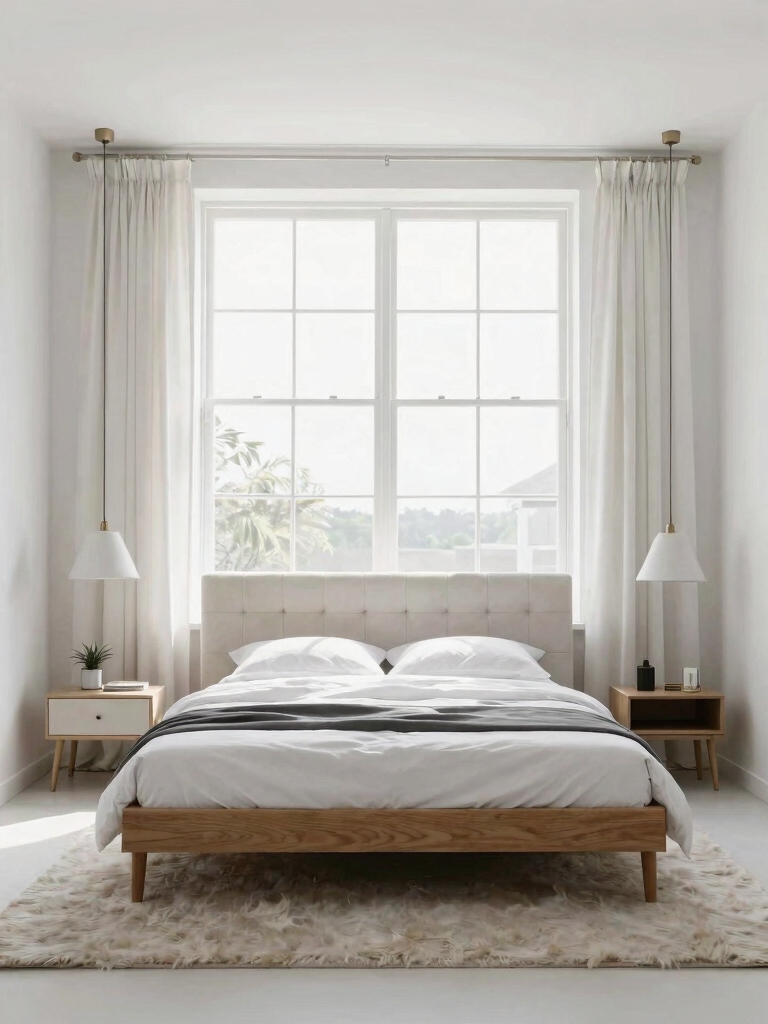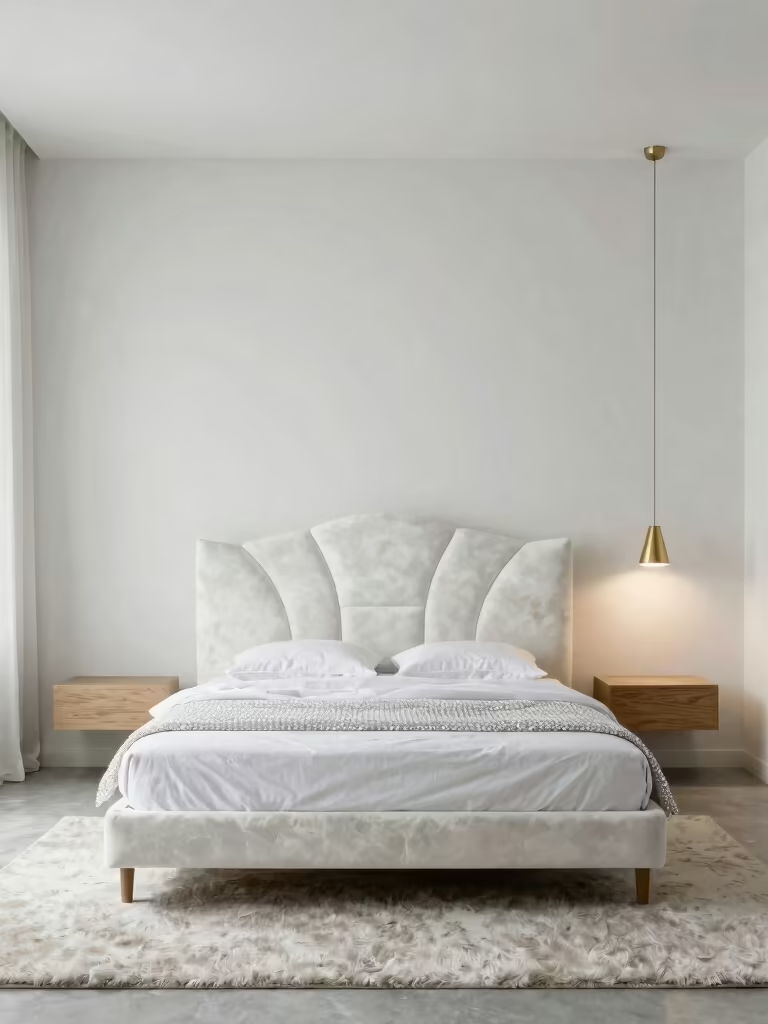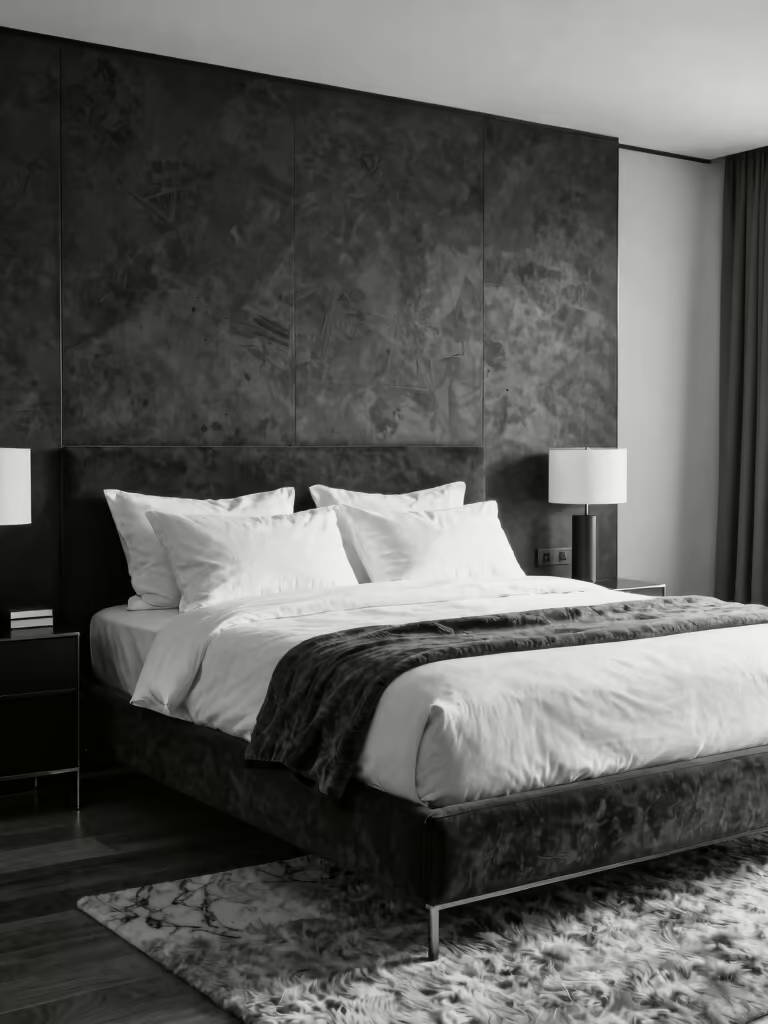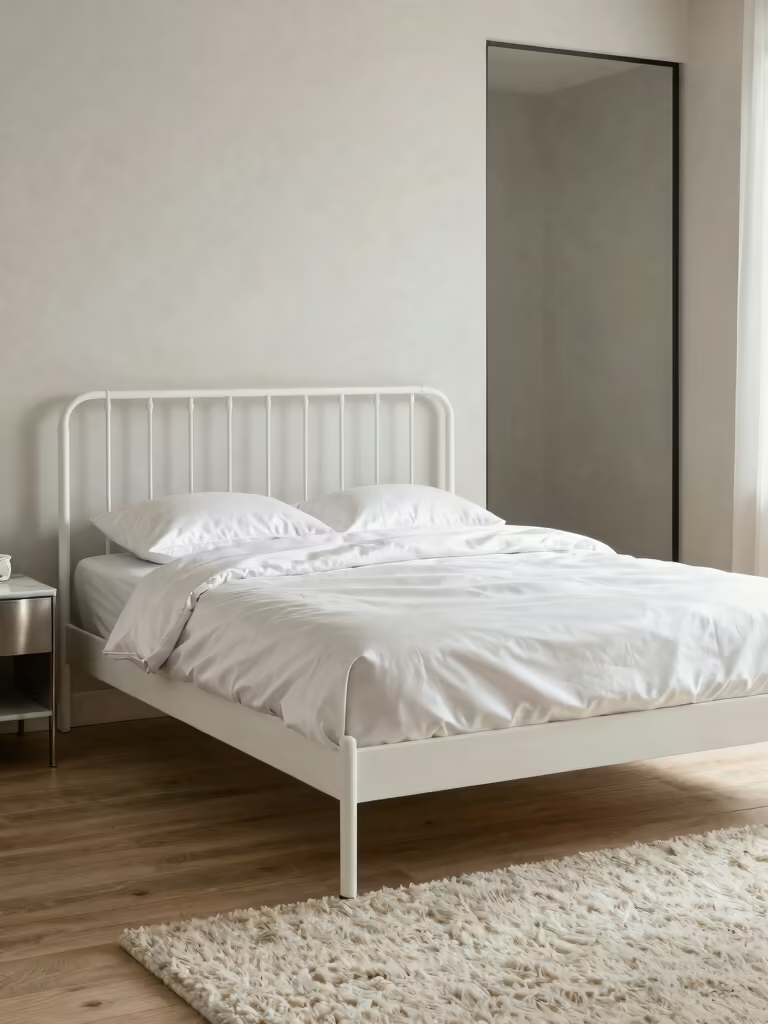

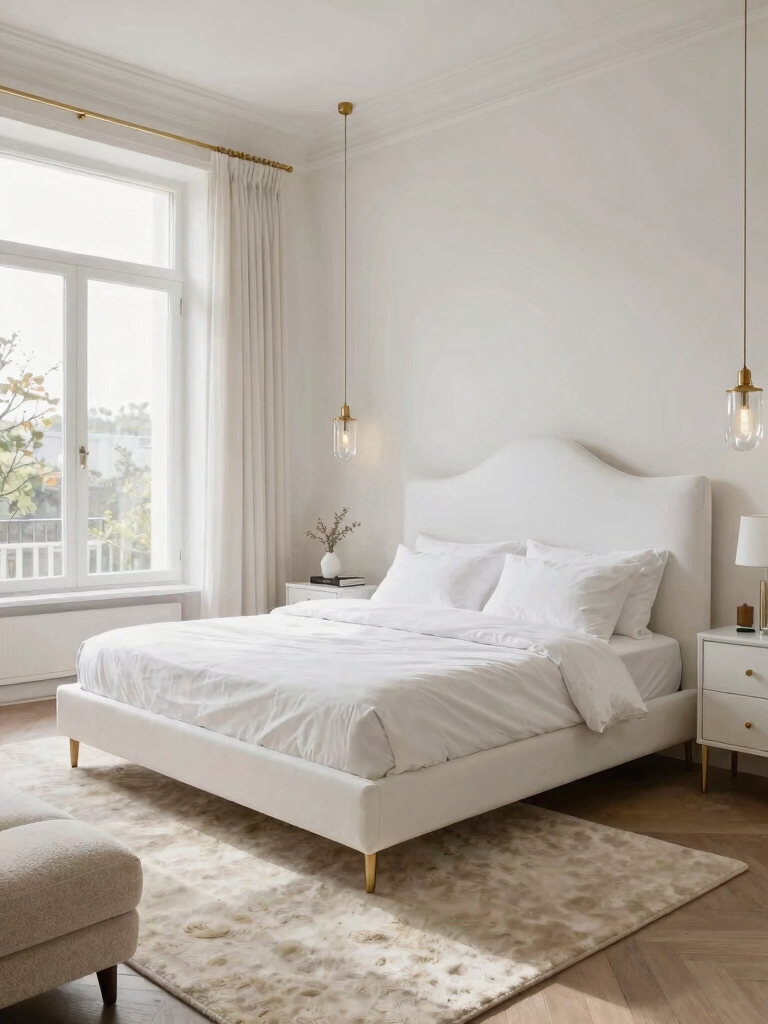
White furniture is a blank slate: it can look crisp and high-end, or it can vanish into a beige blur. The difference is contrast. A white bed and dresser only pop when there’s something around them, a deep wall, a wood tone, a dark accent, to play against. On their own, against a white wall, they just disappear.
These bedroom ideas are about making white furniture earn its keep: pairing it with warm wood for coziness, breaking up the flatness with texture, and grounding it with a few moody, dark accents so the room has punch. White furniture is the easy part; the contrast around it is what makes the room actually pop.
Key Takeaways
- White furniture needs contrast to pop, since white-on-white falls flat; give it a darker wall, wood, or a moody accent to play against.
- Warm it with wood tones in one consistent family, so the white reads cozy instead of cold and the grains don’t clash.
- Break up the flatness with texture, then ground the whole thing with a few dark accents for punch.
- Lean on negative space and a couple of quality pieces; white shows everything, so edit hard.
Why White Furniture Works
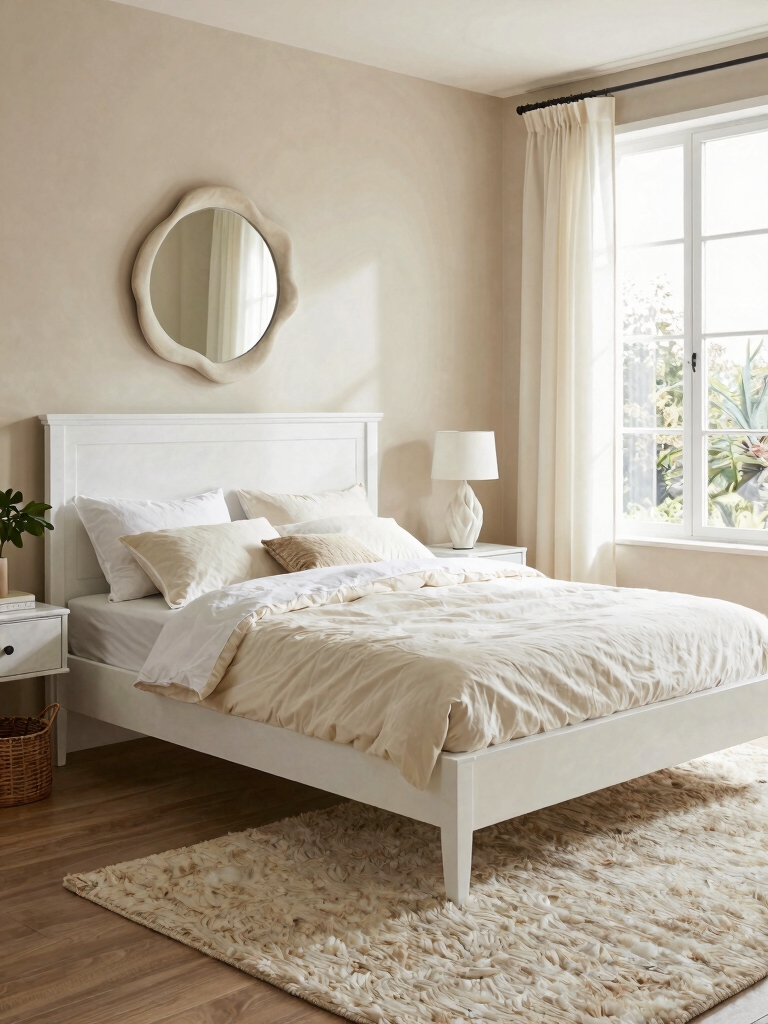
White furniture earns its popularity because it does a lot with very little. It bounces light. It makes a small or low-light room feel bigger and calmer than dark wood ever could. It hides its age well too, since a classic white piece rarely looks dated the way a trend-driven finish does after a few years.
Those are the practical wins, light, space, longevity, that keep white furniture on every shortlist even before you get to how it looks. I push it on nearly every small-room client. The room always feels bigger the next day.
- Lean on white furniture’s flexibility, since it works with any wall color or accent you add later.
- Use it to brighten and open a room, especially a small or low-light one where dark furniture would close it in.
- Treat the white pieces as a calm base, then build the personality around them with color and contrast.
- Edit as you go, because white shows clutter, the same discipline these layout ideas reward.
Start With White as Your Foundation
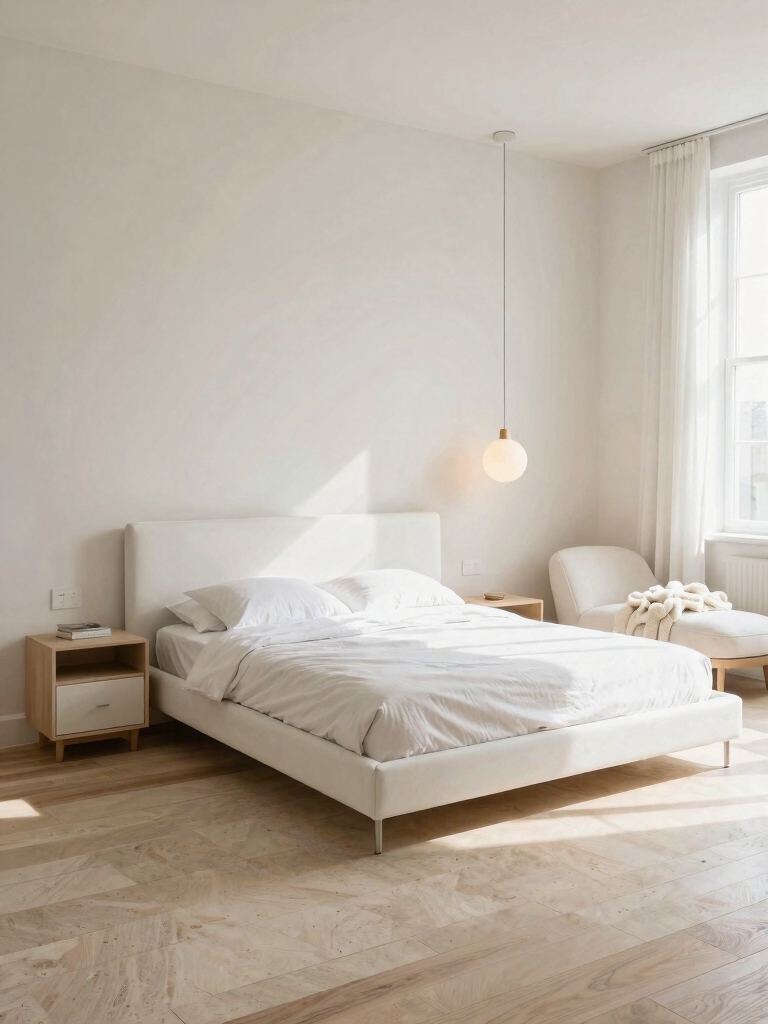
Think of white furniture as the foundation, not the finished room, since a foundation alone always looks unfinished. White is the start, not the end. The mistake people make is stopping at the white, putting a white bed and dresser against white walls and then wondering why the whole room feels flat, blank, and a little cheap. The white is just step one; the contrast and texture you add on top of it are what make the room sing.
Decide the direction before you accessorize. A bright, airy scheme wants pale walls and pops of color; a cozier one wants a deeper wall and warm wood; a bolder one wants moody, dark accents. Pick a lane and the rest of the choices fall into place quickly, the way these paint ideas to refresh a room help you start the whole process.
- Treat white furniture as the starting point, then layer color, wood, and texture on top.
- Avoid white-on-white-on-white; give the pieces a wall color or accent to stand against.
- Choose your direction, airy, cozy, or bold, before you buy the accents, so the room looks intentional.
Two things people believe about white furniture that hold them back:
❌ Myth: White furniture always looks cold and clinical.
✅ Reality: Only when it’s left on its own. Surrounded by wood, texture, and a few dark accents, the exact same white pieces read warm, layered, and high-end.
❌ Myth: White furniture is impractical and shows everything.
✅ Reality: It does show more than dark wood, but a wipeable finish and a slightly off-white shade hide most of it. The flexibility usually outweighs the upkeep.
Pair White With Warm Woods
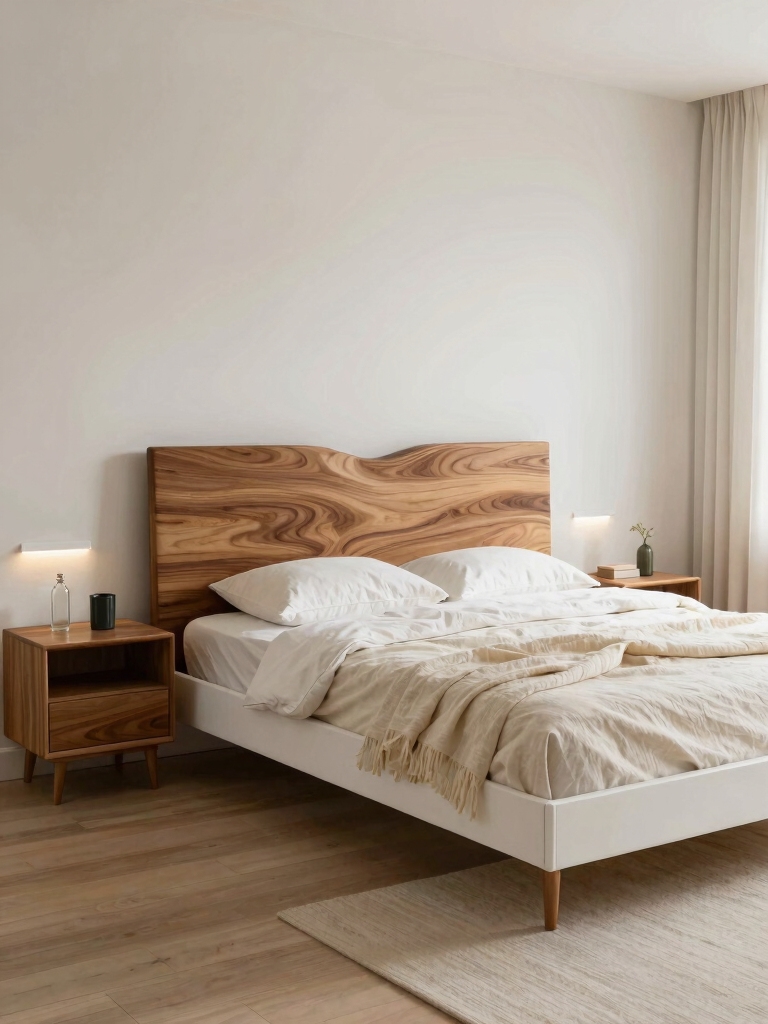
Warm wood is the easiest way to keep white furniture from feeling cold, because the natural grain brings warmth and depth the white can’t supply on its own. A walnut nightstand beside a white bed, a honey-toned floor under a white dresser, or a rattan chair in the corner gives the room a cozy contrast while keeping it crisp. The white stays bright; the wood keeps it human and grounded.
Match the wood tone to the mood
Match the wood tone to the mood you want. Pale woods like oak and ash feel Scandinavian and calm; mid-tones like walnut feel warm and classic; dark espresso brings drama and grounds the white. Settle on one of those lanes and stick to it across the room, because three competing wood tones against white start to look like leftovers from three different houses.
A little wood goes a long way against all that white. A nightstand and the floor are often the whole story; once you add a wood bed, a wood bench, and a wood shelf on top, the calm you were after curdles into clutter. Keep it simple and the contrast does the work, the same balance these color palette ideas strike.
Add Texture to Break Up White
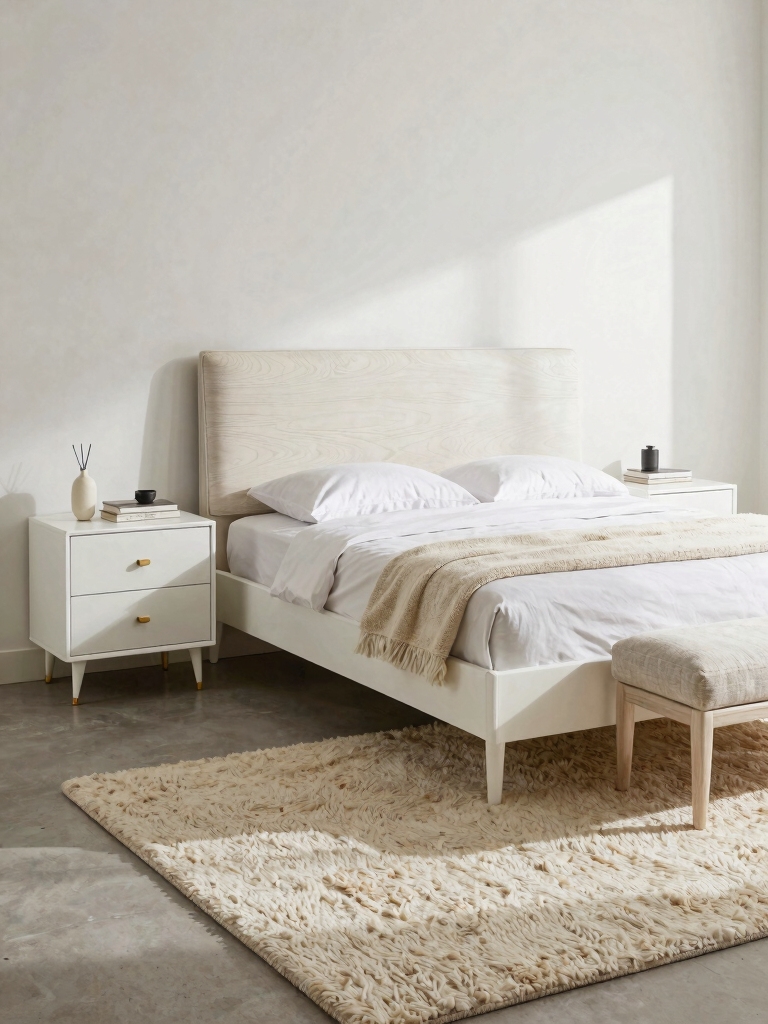
Texture is what keeps a room full of white furniture from looking like a flat-pack catalog, since smooth white surfaces with nothing tactile around them feel sterile fast. Flat white is the enemy.
The fix is to surround the crisp white pieces with soft, nubby, woven materials: velvet cushions, a chunky knit throw, nubby linen bedding, a braided or high-pile rug. Each one adds the depth that white alone lacks, and the more tactile variety you stack up, the richer and more deliberate the whole room starts to feel.
Aim for a mix of finishes, not just materials. A smooth white headboard against a chunky knit, a glossy white dresser beside a rough jute rug, the contrast of finishes is half of what makes the room feel layered and considered. Texture is the cheapest, most forgiving way to make white furniture look expensive instead of basic.
It’s my first move in any white room. I’ll add a knit throw and a jute rug before I even think about paint or a new accent, and a few decor ideas worth borrowing show where to add it.
Two quick questions before you build around white furniture:
1Is white furniture hard to keep clean?
A little, but a slightly off-white shade and a wipeable finish, laminate, sealed wood, or a good gloss, handle most of it. The trouble shade is a bright, cool, matte white that shows every mark; a warm white with a sheen forgives daily life far better.
2Will white furniture date faster than wood?
Usually slower, actually. Because white comes across as neutral, it doesn’t tie you to a trend the way a specific wood finish or a bold color can. You can refresh the room around it for years while the white pieces stay relevant, which is the opposite of dating fast.
Ground White With Dark Accents
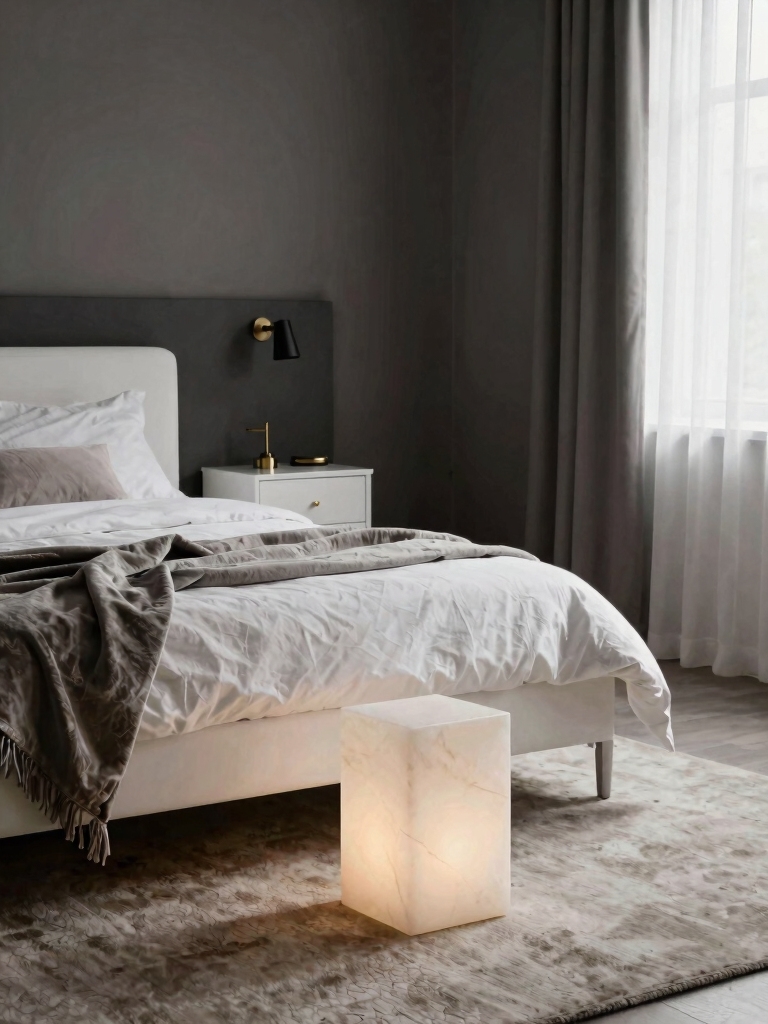
Here’s the move most people miss, and the one I reach for every time. A few dark accents are what actually make white furniture pop. Without something deep to push against, white floats and reads washy.
Add a charcoal throw, a black lamp, an espresso frame, or a moody wall, and suddenly the white looks crisp and intentional. The dark gives the eye an anchor and the white something to be bright against, which is exactly the contrast a roomful of pale pieces is missing.
- Frame the white bed with charcoal or black textiles, a $30 to $60 throw or set of shams, to sharpen and define it.
- Add a few matte black accents, a lamp, a frame, the hardware, so the white has contrast to pop against.
- Try one moody, dark wall behind white furniture, about $50 of paint and a weekend, for maximum punch without darkening the whole room.
- Keep the dark to accents, roughly ten percent, so it grounds the white instead of taking over.
Common White-Furniture Mistakes to Avoid
The room that haunts me is the all-white showroom special: white bed, white dresser, white walls, cool overhead light, zero contrast. Everything blurs into one pale wash and the whole thing reads cheap, no matter how nice the individual pieces were. That single mistake, leaving white to fend for itself with nothing to push against, is behind most of the flat white rooms I get called in to rescue.
Skipping texture compounds it, and so does an all-cool temperature: cool walls, cool bulbs, and not one dark note anywhere leave the white gray and floating. The fix is almost embarrassingly cheap. Add one wood piece and one dark accent before you touch anything else, and the white snaps back into focus, since those two moves do the most work for the least money of anything in the room.
Light White Furniture So It Glows
White furniture is unusually sensitive to bulb color because its painted and lacquered surfaces reflect back whatever light you give them. Throw cool, bluish light at a white dresser and it bounces that coldness straight back at you, flat and a little hospital. A warm bulb around 2700K does the opposite, lending the same dresser a soft, creamy cast that looks far more expensive than the price tag, with no change to the furniture itself.
Layer the light so the white has dimension after dark. A warm overhead on a dimmer, a couple of bedside lamps, and a low accent glow keep the white from flattening into one even, lifeless wash at night. Let a little light graze a textured surface or a wood piece, and the contrast you built reads even at night, the way these lighting ideas for mood explain.
What to Expect From a White-Furniture Room
White furniture asks for a little more attention than people expect, and that’s the honest trade. It shows scuffs, dust, and fingerprints, so it rewards washable finishes and a quick five-minute wipe-down every week or two, and it can look unfinished until you add the contrast and texture around it. Plan for those and the upkeep is minor; ignore them and the room feels both bland and grubby.
The payoff is real flexibility and a bright, calm base you won’t tire of for years. Because white goes with everything, you can change the whole mood with a new wall color, a different accent, or a swapped-out rug, all without buying new furniture. White furniture done right is the most adaptable look you can own, as long as you remember the white is the canvas, not the finished painting.
Build the Room Around the White
White furniture pops when you stop treating it as the whole look and start treating it as the base. Pair it with warm wood, surround it with texture, ground it with a few dark accents, and light it warm, and a room of plain white pieces turns crisp, layered, and full of contrast instead of flat and forgettable.
The good news is the hard part, the furniture, is already bought. From here it’s just the styling around it, which is the cheap, swappable, fun layer. Change the wall, the textiles, or the accents whenever the mood shifts, and the white quietly goes along with all of it.