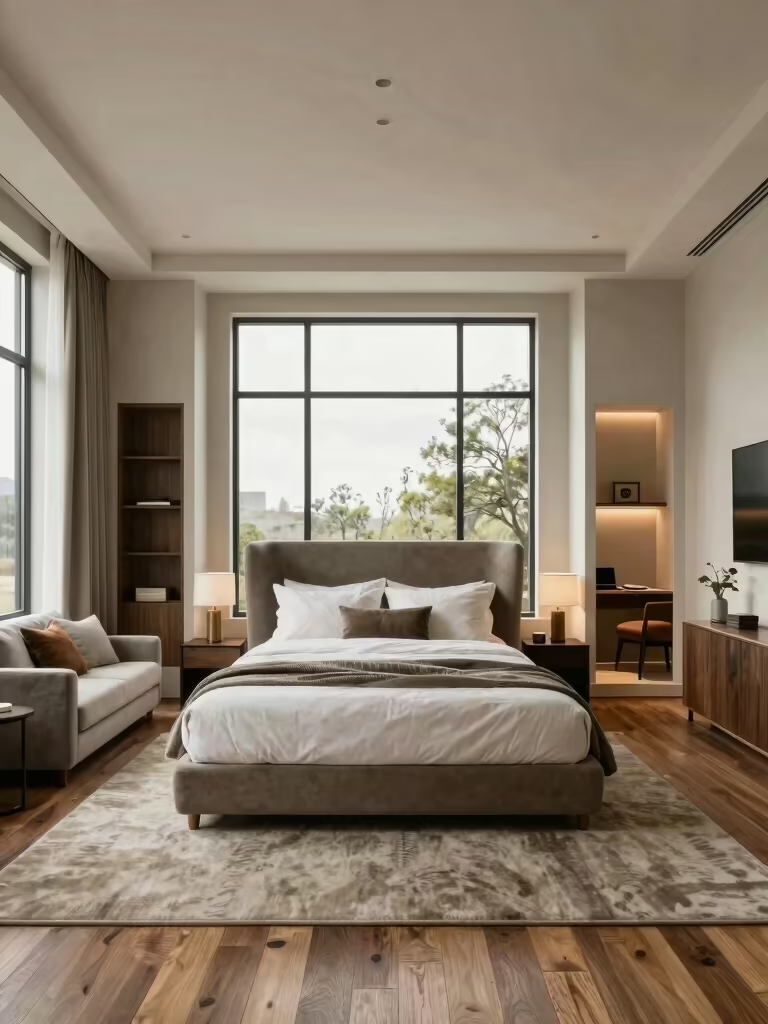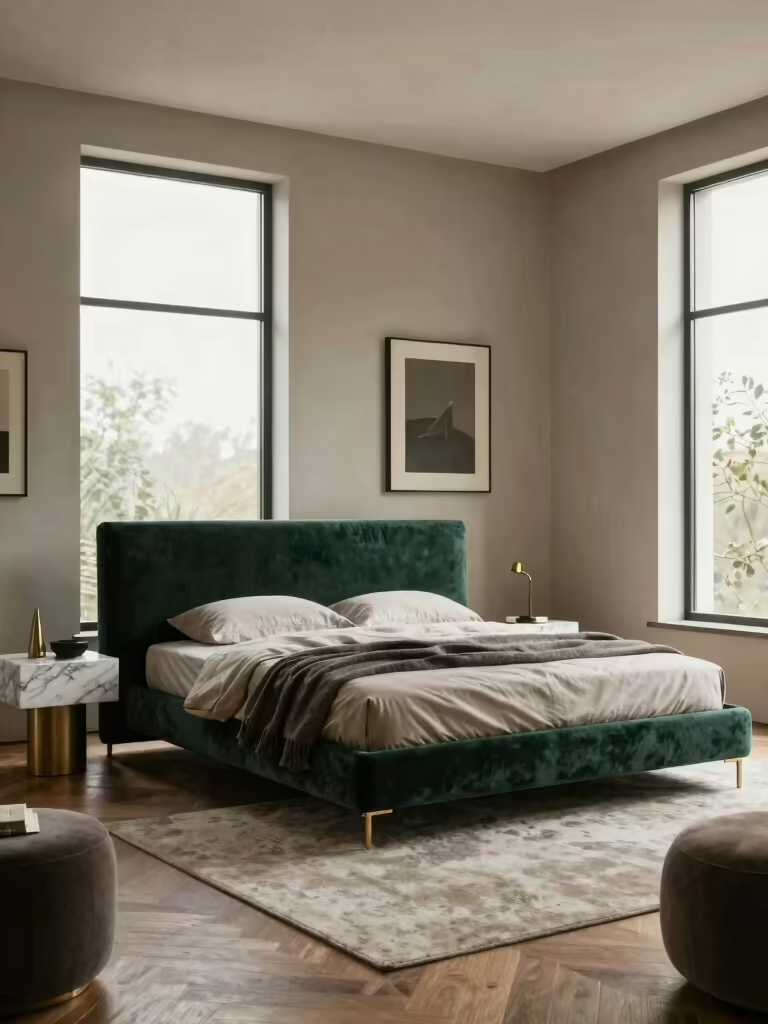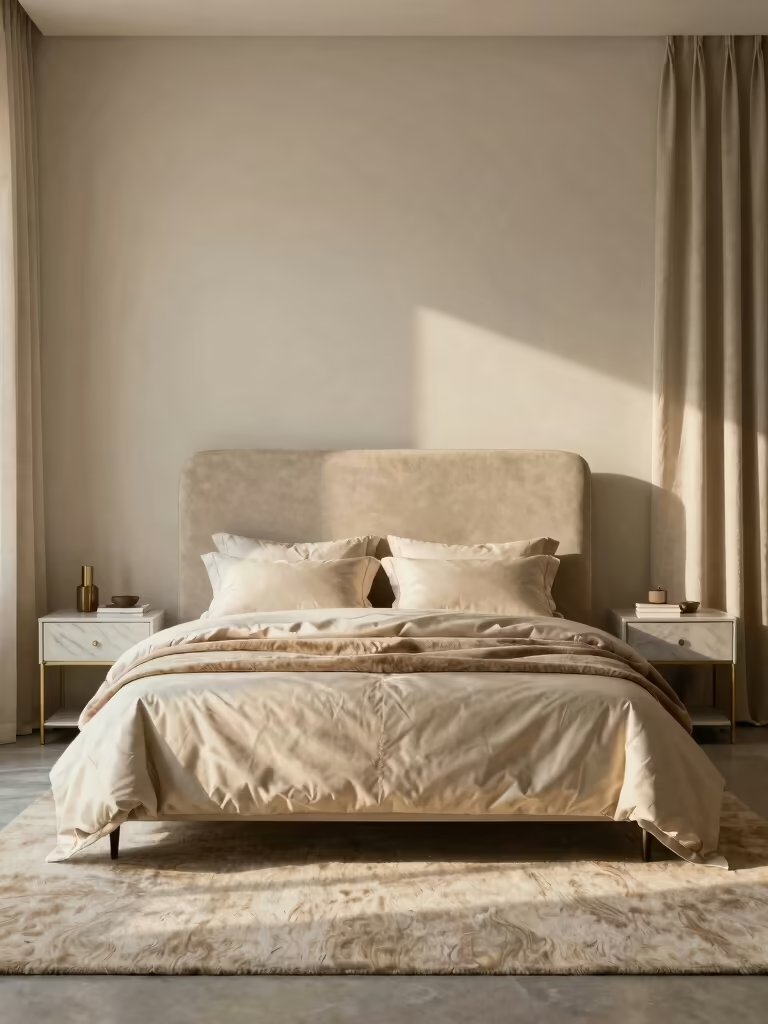
In a really small bedroom, inches are currency, and the difference between cramped and comfortable is usually just a few of them spent well. The good news is that most of those inches are hiding in plain sight: under the bed, up the walls, behind the door, in furniture that’s bigger than it needs to be.
These space-saving bedroom ideas for small rooms are about winning those inches back. Measure honestly, split the room into zones, choose a bed and furniture sized for the space, and send the storage up the walls and out of sight. Do it methodically and a tight room gains real breathing space without losing a thing you actually use.
Key Takeaways
Saving space starts with honest measurements and clear zones, since you can’t win back inches you haven’t mapped. Pick a space-saving bed and furniture scaled to the room you actually have.
Get everything you can off the floor and into the walls: floating pieces, wall-mounted storage, and built-ins that vanish into the architecture reclaim the floor that makes a small room feel bigger.
Measure for Smarter Small-Room Layouts
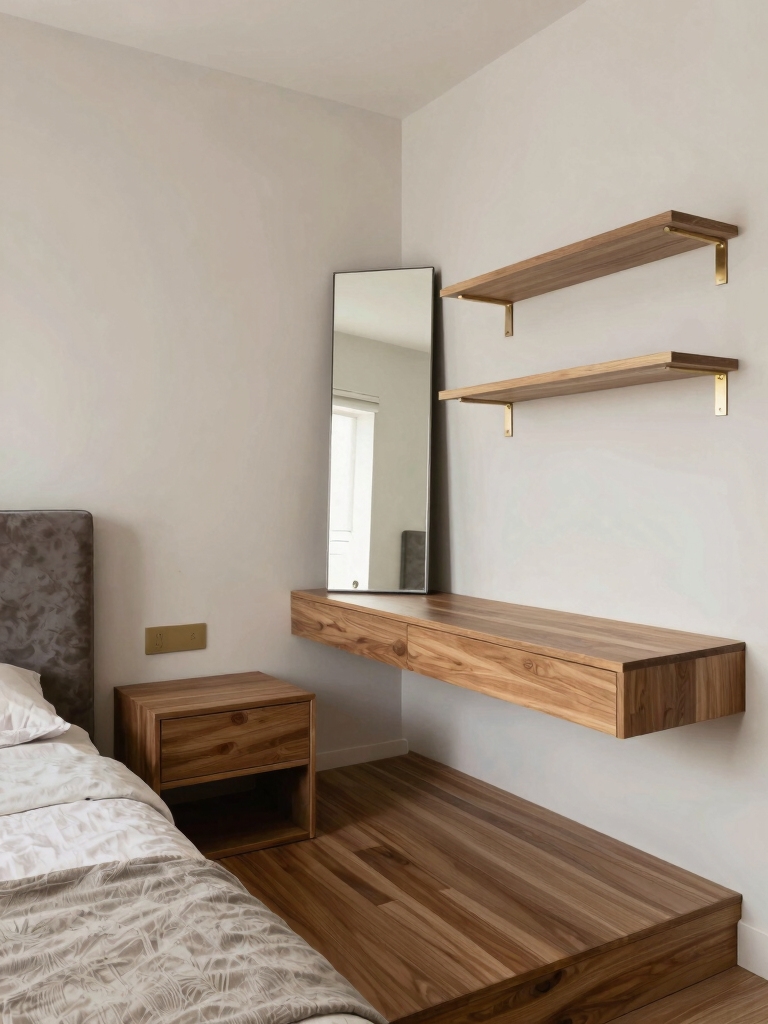
Saving space begins with a tape measure, because you can’t reclaim square footage you’ve never counted. The number that catches people out is clearance, not the wall length, the eighteen to twenty-four inches you need to actually walk past the bed, or the swing radius the door eats before it even opens.
I measure those gaps before the furniture, since they’re the ones that turn a room that looks fine on paper into one you shuffle through sideways. That clearance inch matters more than the wall it sits against.
Plan the whole layout on paper before a single thing is carried in. Sketching it to scale shows you instantly whether the bed and a desk can coexist, where the clear path runs, and which wall the storage belongs on. These small-room layout ideas walk through it, and the planning is free, which makes it the cheapest space you’ll ever save.
Define Sleep, Work, and Storage Zones
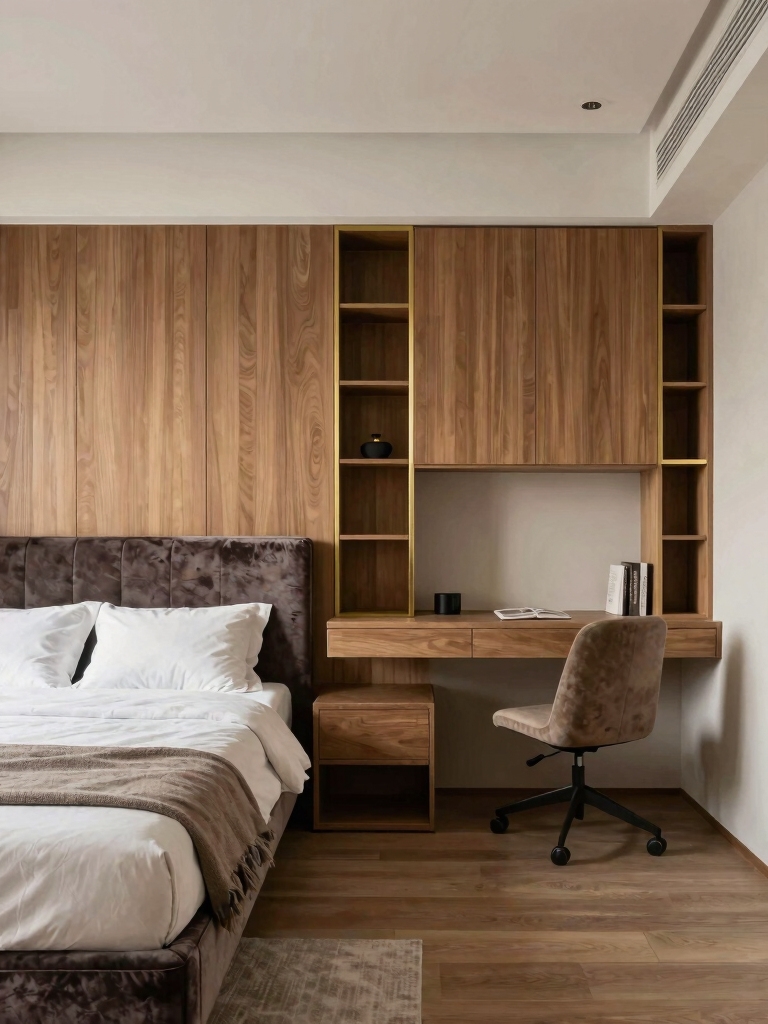
A small room that does several jobs needs zones, even invisible ones, so the space feels intentional and calm. Without them, a multi-use room just blurs into one cluttered jumble where nothing has a home. I figure out where you sleep, where you work, and where the daily stuff lives, then give each a clear spot with a soft boundary, a rug, a shelf, a change in light. The zones can overlap; they just need a visual cue so the room reads as planned.
Keep the boundaries soft so they don’t eat space. A rug under the bed, a slim shelf behind a chair, or a different light level marks a zone without a wall or a screen taking up inches. Clear zones also keep clutter contained, since everything has a place to belong.
- Anchor the sleep zone first; it’s the priority, and the other jobs fit into the space it leaves.
- Cue zones with rugs, lighting, and shelf placement instead of bulky dividers and screens that steal the floor you’re trying to save.
- Keep a clear walking path threading the zones so the room never feels blocked, even when all three jobs are in use at once.
| Instead of | Try | Why it saves space |
|---|---|---|
| A standard bed frame | A storage bed or Murphy bed | Adds storage or clears the floor entirely by day |
| A freestanding nightstand | A floating shelf or wall-mounted drawer | Keeps the floor visible and clear beside the bed |
| A wide dresser | A tall, narrow wardrobe or wall cabinets | Stores up the wall instead of out across the floor |
| A floor desk | A fold-down wall desk | Disappears flat against the wall after hours |
Pick a Space-Saving Bed That’s Still Comfy
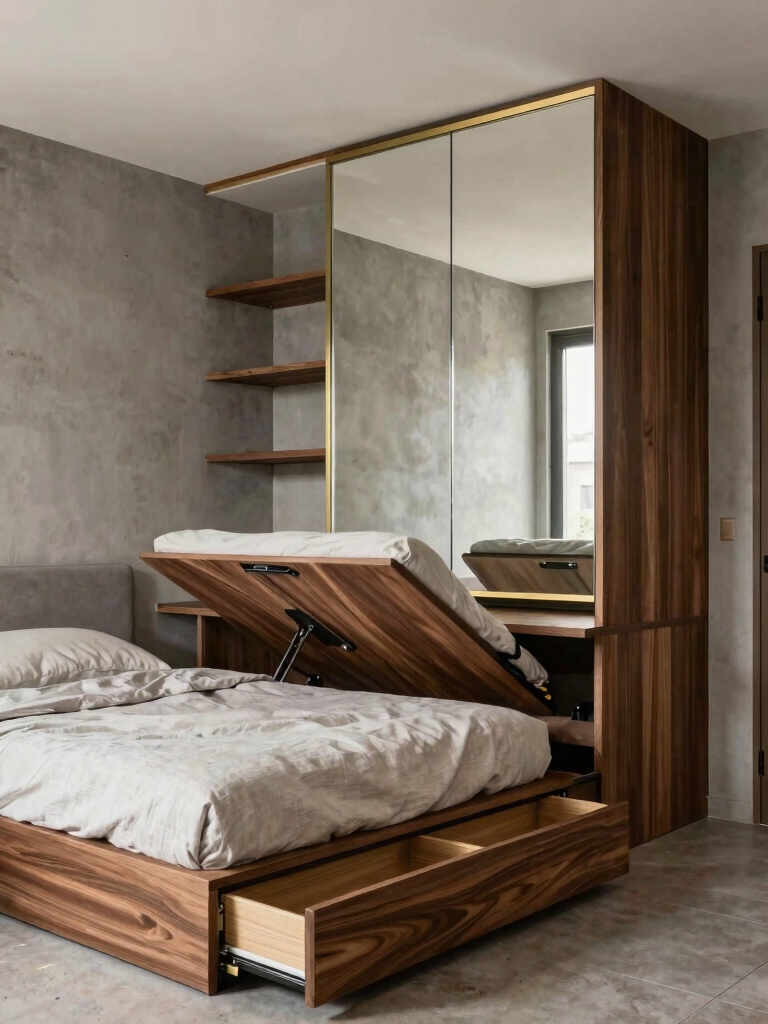
The bed is the largest thing in the room, so the right one saves the most space, and the wrong one costs you the most. The trick is gaining inches without giving up sleep quality, which rules out anything that compromises the mattress. Comfort isn’t negotiable.
Skimp here and you’ll feel it nightly. Match the bed type to how tight the room really is and what else it has to do: a storage bed for an ordinary small room, a wall bed when the floor has to clear by day, a slim platform when you just want the sightlines open and the floor to read larger.
- Choose a storage bed with drawers or a lift-up base to turn the biggest piece into the biggest storage.
- Consider a Murphy or wall bed ($1,000 to $3,000) if the room doubles as an office and the floor has to clear daily.
- Pick a low platform with visible legs to keep sightlines open and the floor reading larger.
- Always sit on the edge and check the mattress support; saving space should never cost you sleep, and a wardrobe sized to match handles the clothes the bed can’t.
Wall-Mounted and Floating Furniture
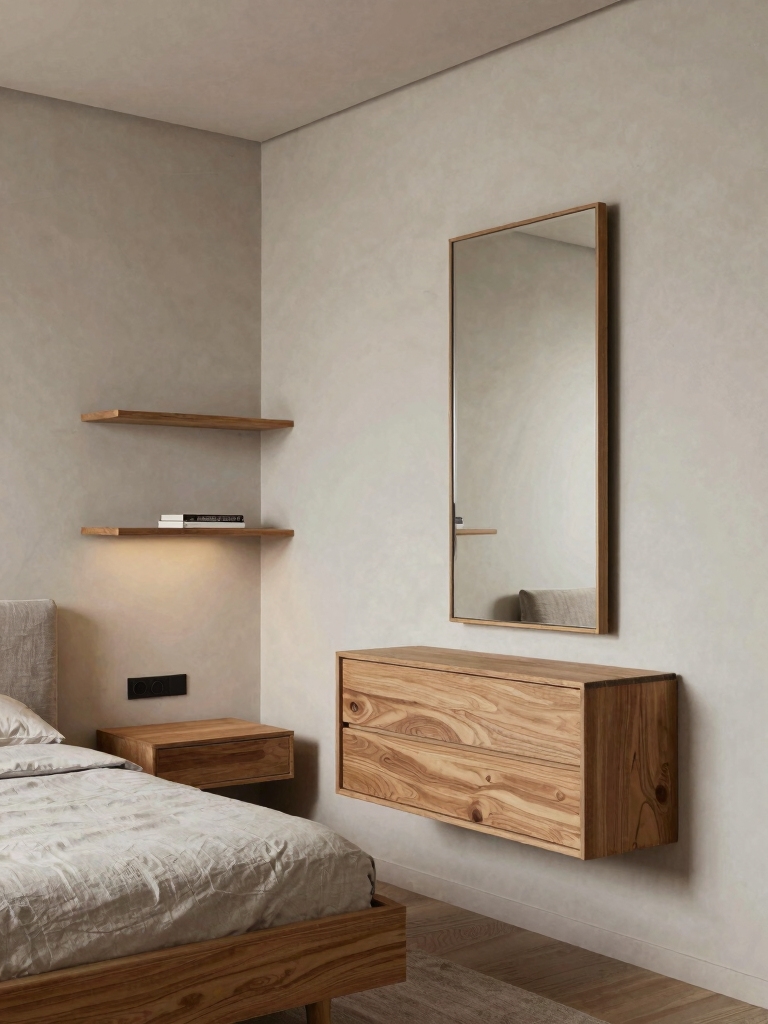
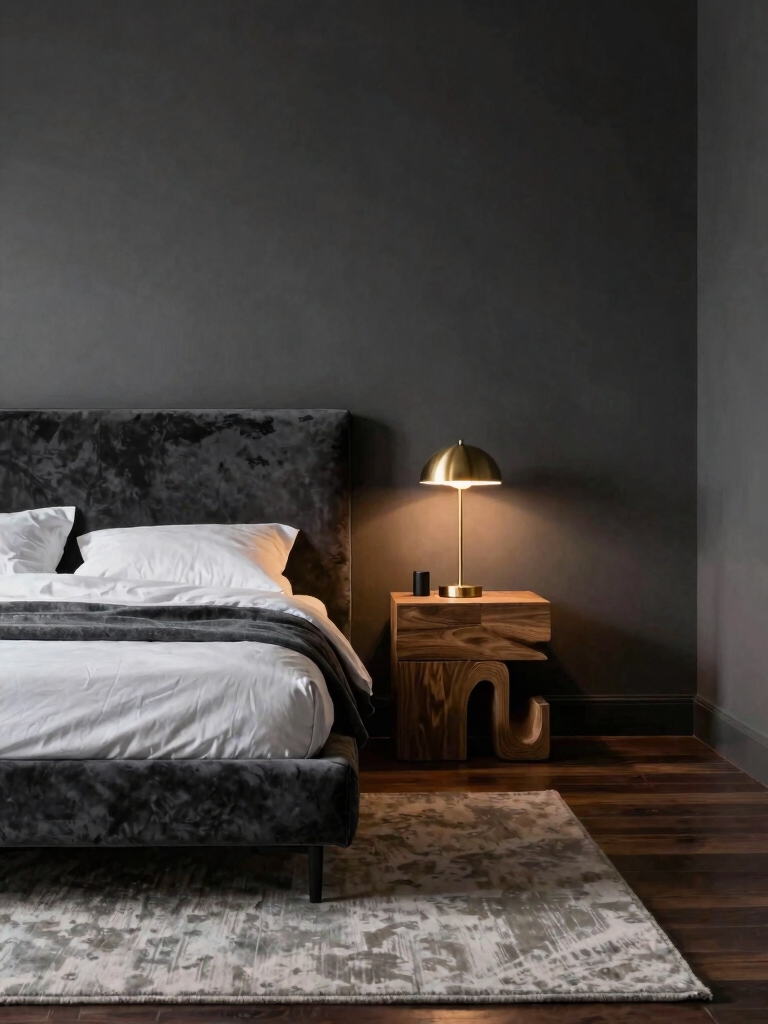
The single fastest way to save floor space is to stop putting things on the floor. Wall-mounted and floating pieces, nightstands, shelves, a desk, even a dresser, keep the floor visible underneath, which both frees real space and makes the room look bigger than it is.
That sliver of open floor under a floating piece does a surprising amount of work. The eye reads it as room. I float as much as a wall will safely hold in a tight bedroom, since every piece that leaves the floor gives the room back a little more breathing space and a cleaner line from the doorway.
- Swap a freestanding nightstand for a floating shelf so the floor stays clear beside the bed.
- Mount a fold-down desk that tucks flat against the wall when you’re not using it.
- Use floating shelves and rails for books, plants, and daily gear instead of a wide, floor-hogging bookcase that eats the room.
- Hang a slim wall cabinet for the overflow, and tuck the rest away with these storage ideas for hiding clutter.
📋Save-Every-Inch Checklist
- ✓Measured the room and sketched it to scale
- ✓Zoned for sleep, work, and storage
- ✓Chose a space-saving bed that’s still comfortable
- ✓Floated the nightstands and any furniture you can
- ✓Sent storage up the walls and into built-ins
- ✓Decluttered so the stuff actually fits the space
Built-In Storage That Disappears Into Walls
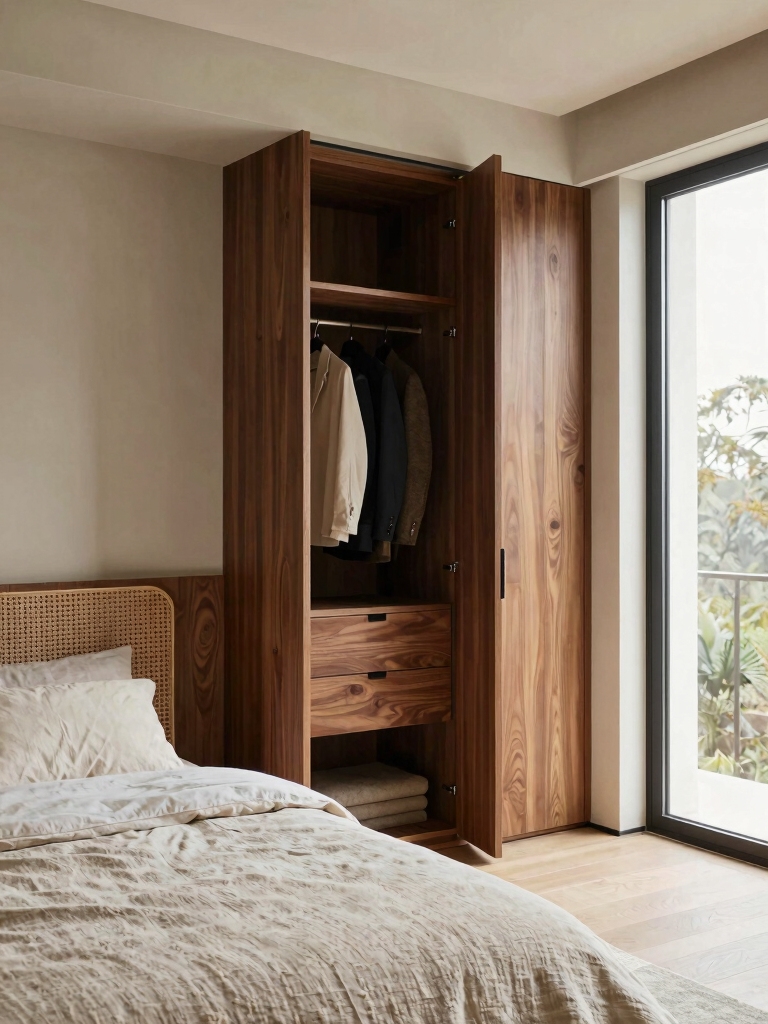
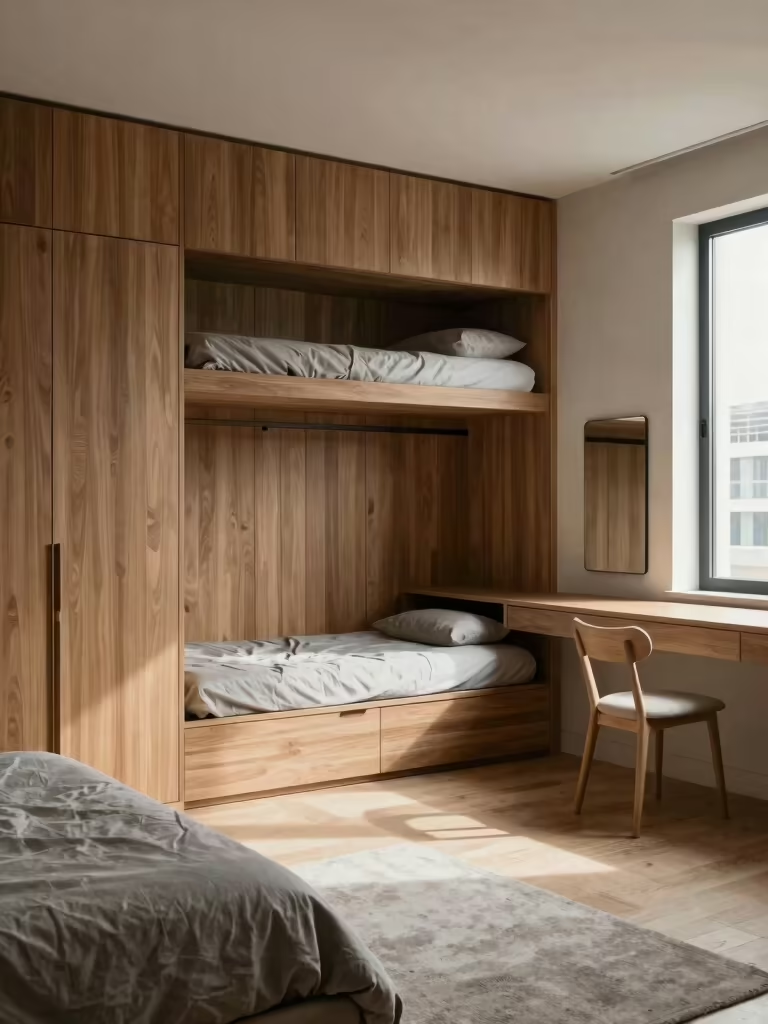
The cleverest saved space is the kind you never see, storage that vanishes into the walls so the room stays airy. Recessed shelves between studs, a wardrobe hidden behind flush panels, and cabinets that sit flush with the wall give you serious capacity without a single bulky piece sticking out into the room. The walls do the storing while the floor stays open.
Faux built-ins for far less
Plan the access so it stays usable. Push-latch doors, clean flush fronts, and a logical spot for everything keep built-ins from turning into a place things disappear forever. The goal is capacity that’s there when you reach for it and invisible when you don’t, so the room keeps its calm and you keep your stuff.
You don’t always need a contractor, either. A tall, flat-fronted wardrobe pushed to the ceiling reads almost built-in, and a run of matching closed cabinets fakes the built-in look for far less. Even faux built-ins restore the visual calm that makes a small room feel larger, and these decor ideas worth borrowing help them blend in.
Color and Light Tricks That Save Visual Space
Not every saved inch is physical. Some are visual, and those are the cheapest of all. Pale walls and a well-placed mirror don’t add a single square foot, but they make a small room feel noticeably larger, which matters a lot once the real inches run out. I lean on these visual tricks in every tight room I plan.
Lean on three moves that cost almost nothing. Pale walls reflect daylight instead of absorbing it, so a small room holds more light and feels less boxed in. Painting the trim and ceiling the same soft tone erases the lines where wall meets ceiling, which makes the whole room read taller.
And a tall mirror leaned in a corner stretches a sightline and throws light back across the space. None of it moves a wall, yet together these visual tricks add the feeling of square footage you can’t physically build, which is real comfort even when the footprint stays exactly the same.
Declutter First, Because It’s the Free Inch
Before you buy a single space-saving piece, do the move that costs nothing: take stuff out. I tell everyone to start here, because no amount of clever storage saves a room that’s holding more than it has space for. Pull everything out, keep what you use and love, and let the rest go, and you’ll often find you need less storage than you thought.
Then store what’s left by how often you reach for it. Daily things go within arm’s reach, weekly things in closed storage, and rarely-used things up high or under the bed. A small room stays saved when the volume of stuff actually fits the space, so editing is the first space-saving move, not the last. Schedule it. A twenty-minute pass twice a year keeps the inches you fought for from quietly filling back up with things you forgot you owned.
Common Space-Saving Mistakes to Avoid
Most small rooms lose their saved space the same few ways, and I see them constantly. The first is buying before measuring, which lands a piece that’s just too big and kills the path. The second is too many small pieces; a crowd of little furniture reads more cluttered than a few right-sized ones. Fewer, better is the rule.
The other two creep back over time. Letting the floor fill with baskets and a laundry chair undoes the whole point, since the open floor was the space you saved, and skipping the walls leaves your best storage real estate empty while the floor overflows. Keep the floor clear, send storage up, and edit on a schedule, and the inches you won stay won. A few budget makeover ideas help you do it cheaply.
Space-Saving Bedroom Questions, Answered
?How small can a bedroom be and still fit a real bed?
A full bed fits a room as small as about seven by ten feet if you keep one side against a wall and float the storage. For a queen you want closer to ten by ten so you keep walking clearance on at least one long side. Below that, a twin or a wall bed is the honest answer.
?Do mirrored closet doors actually help a small bedroom?
They can, but they’re a stronger move for light than for space, and full mirrored doors can read dated. A single large mirror angled to catch the window usually does more for both brightness and style, and it’s easy to swap if your taste changes.
?What’s the most overrated space-saving idea?
Tons of tiny furniture. People buy a mini everything to seem space-conscious, but a crowd of little pieces reads busier and stores less than a few right-sized ones. One properly scaled storage bed beats three dinky cubbies almost every time.
?How do I stop a small bedroom from filling back up?
Run a quick seasonal edit and follow a one-in-one-out rule. Twice a year, pull the under-bed and closet storage, donate what you haven’t touched, and resist buying a new piece until something leaves. The inches you saved stay saved only if the volume of stuff stays in check.
Measured, Edited, and Comfortable
Saving every inch in a small bedroom is methodical, not magic: measure honestly, zone the room, choose a space-saving bed, float and wall-mount what you can, hide storage in the walls, and declutter so the stuff fits. Each move buys back floor, and open floor is what turns a cramped room into a comfortable one.
Start with the tape measure and a hard declutter, since those cost nothing and reveal how much space you really have, then work through the rest one piece at a time. Which inch is your small bedroom wasting most right now, and which swap would win it back?