
Grey gets called boring by people who’ve only seen it done badly. Done right, a grey bedroom is the most flexible backdrop in the house, a quiet stage that lets your textures, wood tones, and one good accent color do the talking. The whole thing lives or dies on one detail most people skip: the undertone.
These grey bedroom ideas are the ones grey bed lovers come back to. Pick the right grey for your light, warm its cool edge with texture and metal, keep the room bright even when it goes moody, and layer the bedding so the bed has real depth. Get those four moves right and grey stops being safe and starts being the reason the room feels calm.
Key Takeaways
- Choose grey by its undertone first: cool greys lean blue, warm greige leans taupe, and that single choice decides everything.
- Warm a cool grey with wood, brass, and texture so the room feels cozy and grounded.
- Keep a moody grey bright by bouncing light with whites, a mirror, and warm bulbs.
- Layer the bedding in tonal greys and creams for depth, since flat matching grey is what makes a room look dull.
Why Grey Works as a Serene, Timeless Foundation
Grey earns its reputation as a foundation because it sits back and lets everything else shine. It reads as a soft neutral, so it pairs with almost any accent and survives a change of mind without a full repaint. That adaptability is why it stays a favorite long after a trend color would have worn out its welcome.
It also handles light gracefully, holding its tone through the day without the glare a stark white throws. The catch is that grey is only as good as its undertone, which is the part that trips most people up. So much rides on getting that lean right. Nail it and the room feels composed; miss it and even an expensive grey can look flat or cold.
- Treat grey as a backdrop, not the whole story, then let texture and one accent color give it life.
- Lean on its flexibility: swap the accent pillows and art seasonally and the room reads brand new.
- Match the grey’s depth to your room’s light, going lighter in a dim space and richer where the sun pours in. Pull the supporting tones from these bedroom color palette ideas.
Layer Textures for Cozy Depth in a Grey Room
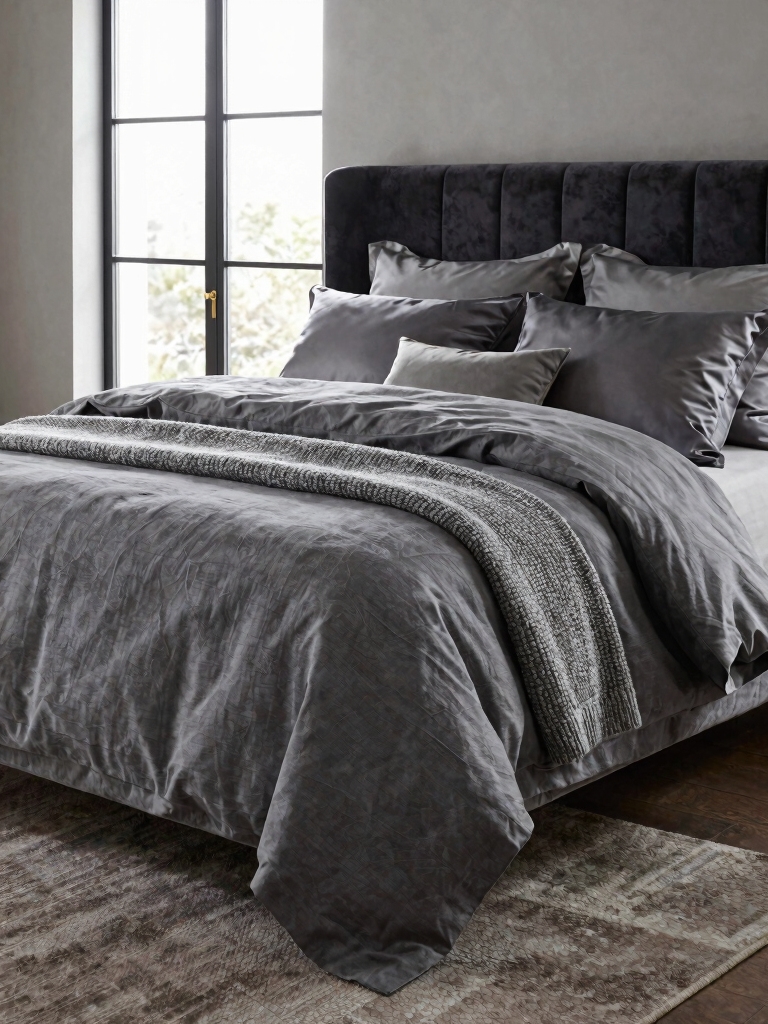
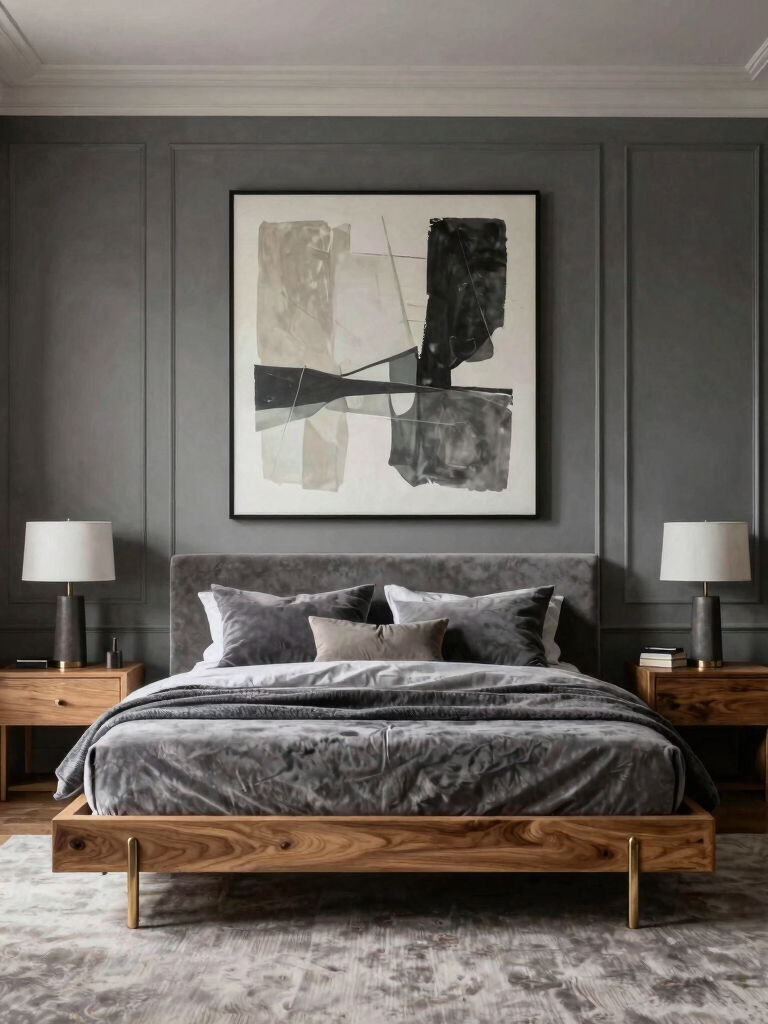
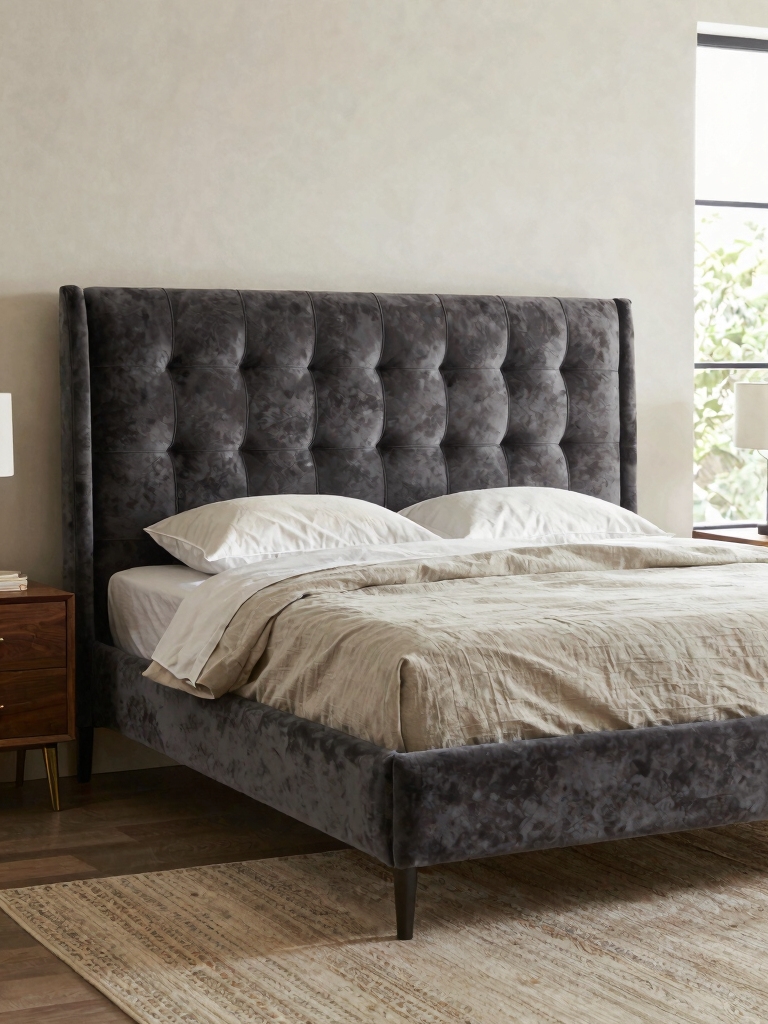
Texture is the single biggest reason one grey room feels cozy and another feels like a waiting room. Grey is a cool, flat color on its own, so the warmth has to come from what you put against it. I build it up in layers a chunky knit throw, a boucle cushion, a velvet pillow, a wool rug, so the eye reads richness even though the palette barely moves.
Mix matte and soft-sheen finishes so the light has something to play on, and add brushed metal or warm wood to ground the cool tone. A good velvet throw runs about $40 to $80 and does more to warm a grey bed than any amount of extra furniture.
The grey room I’m proudest of had almost no color in it at all. The whole thing was texture, and people still ask me what made it feel so warm. The goal is a room you want to touch, which is what quietly turns a cool color cozy.
| Grey type | Leans | Best paired with |
|---|---|---|
| Cool grey | Blue or green base | Crisp whites and chrome; can feel chilly, so add wood and warm light |
| Warm greige | Beige or taupe base | Cream, oak, and brass; the most forgiving, easy-to-live-with choice |
| Charcoal | Deep, near-black | One bold wall with warm neutrals, a mirror, and strong layered light |
Keep a Moody Grey Palette Bright and Balanced
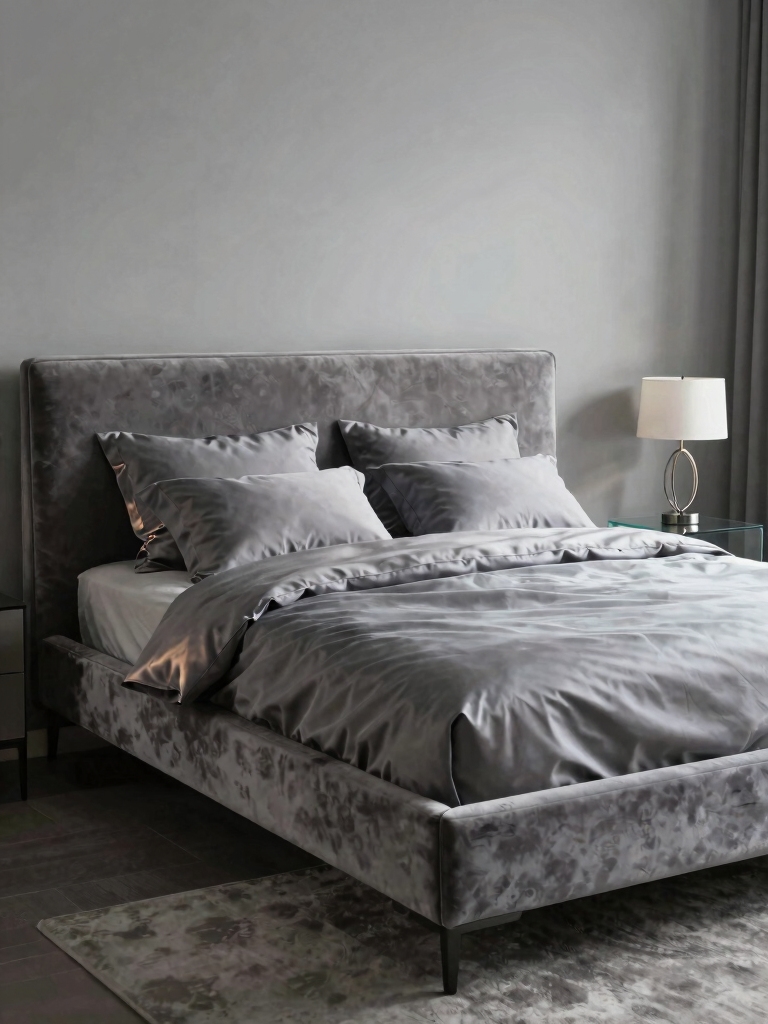
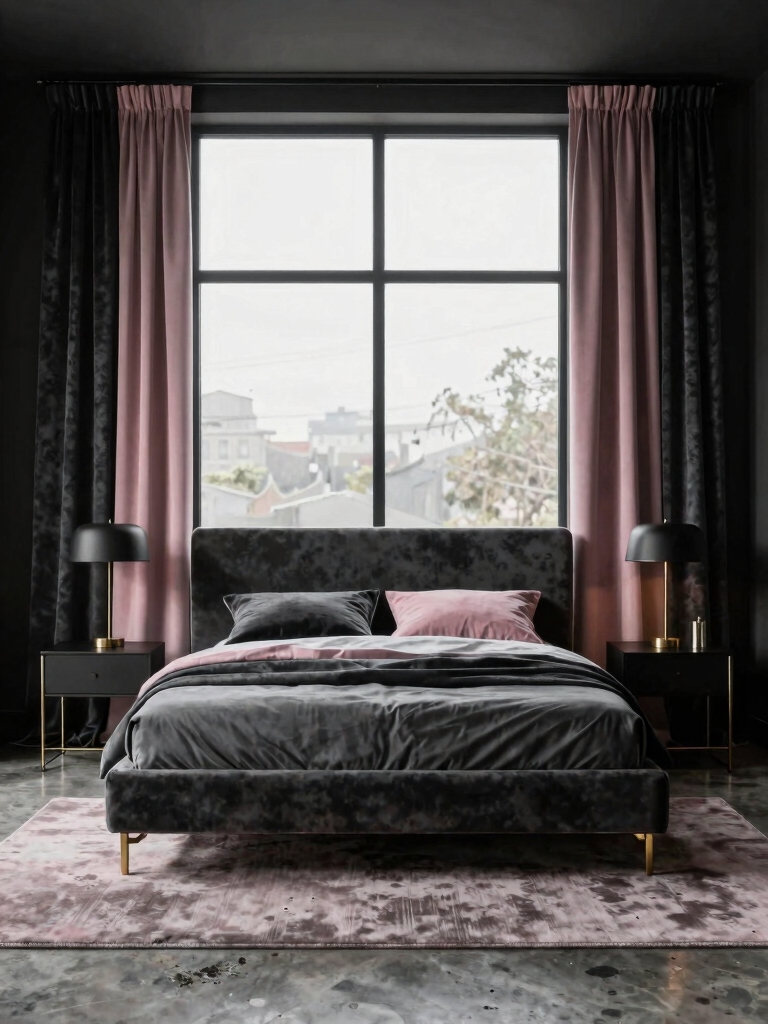
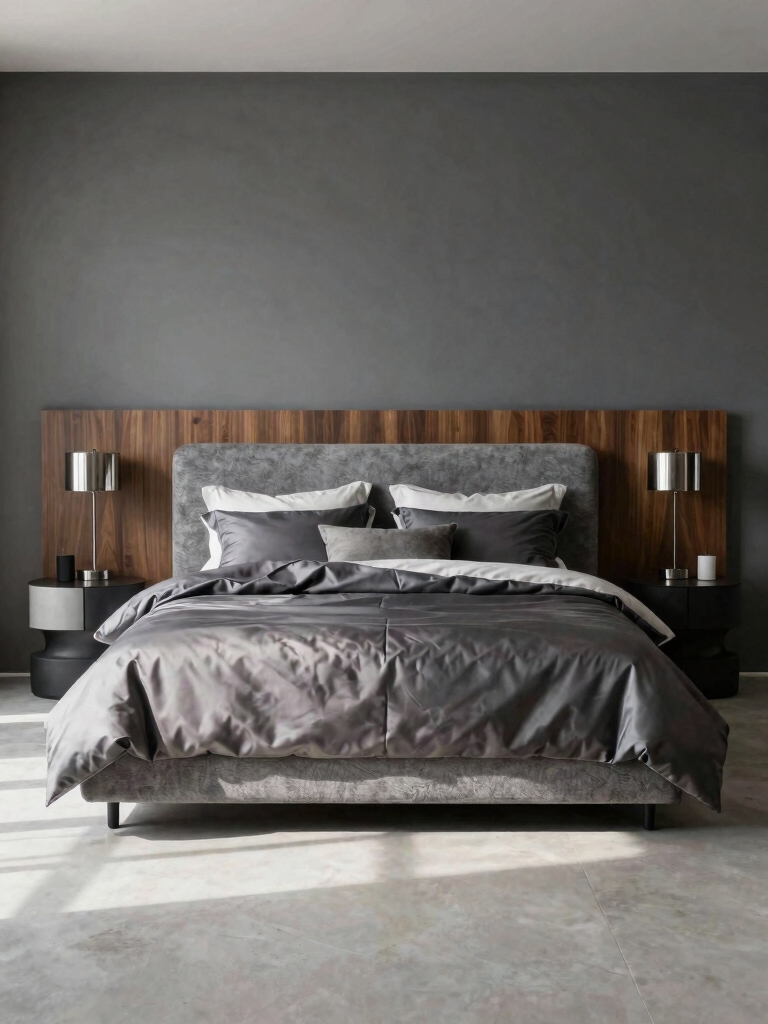
A moody charcoal grey doesn’t have to mean a dim, cave-like room. Depth and brightness can coexist. The trick is to commit the deep charcoal to just one or two surfaces while everything else, the ceiling, the trim, a big mirror, the bedding, keeps actively bouncing light back into the space, so the room reads rich and luminous at once. Done well, a dark grey bedroom looks sophisticated and calm.
- Put the deep grey on one plane, the wall behind the bed, and keep the ceiling and trim a clean, bright white.
- Add a large mirror opposite the window to throw daylight back across the darker surfaces and effectively double the brightness.
- Layer warm woods and light, textured fabrics so the room catches and scatters daylight around the space.
- Use warm bulbs and a dimmer so the charcoal stays moody at night without going flat. These bedroom lighting ideas for mood cover the setup.
Bedding That Adds Depth Without Dulling the Light
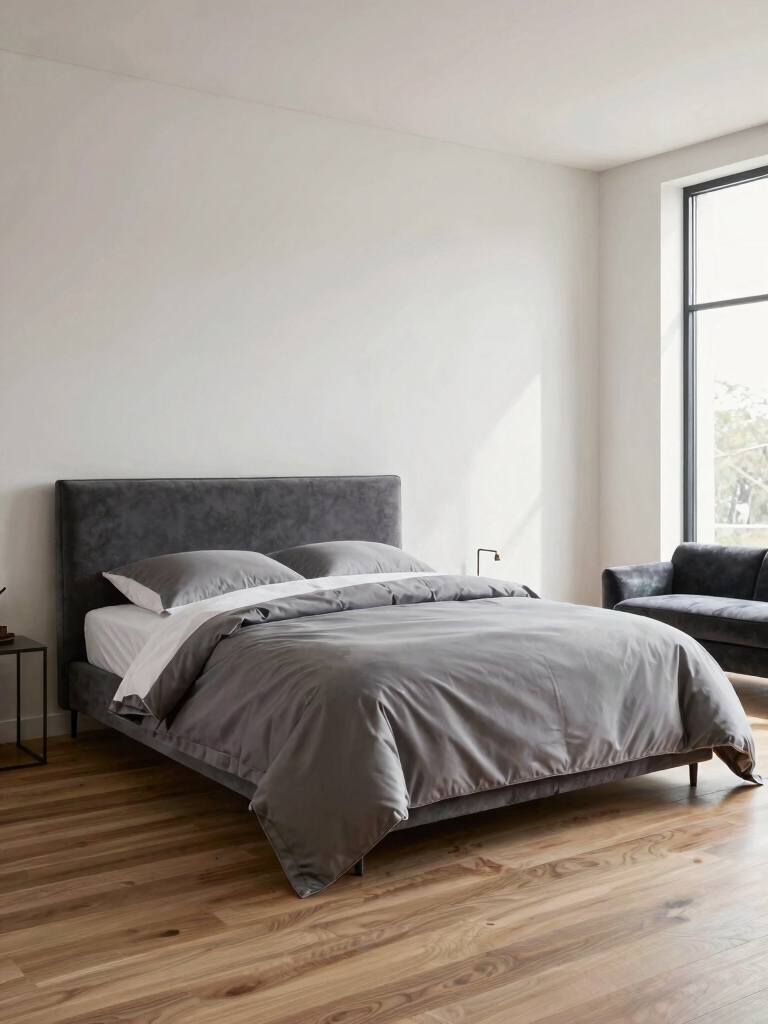
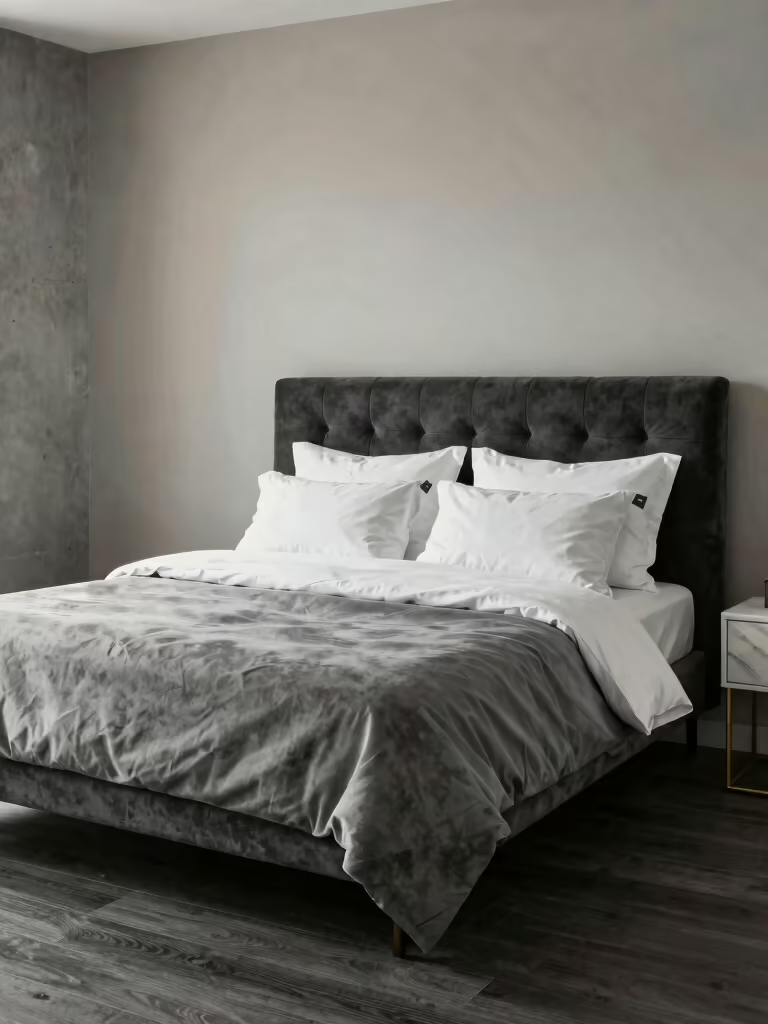
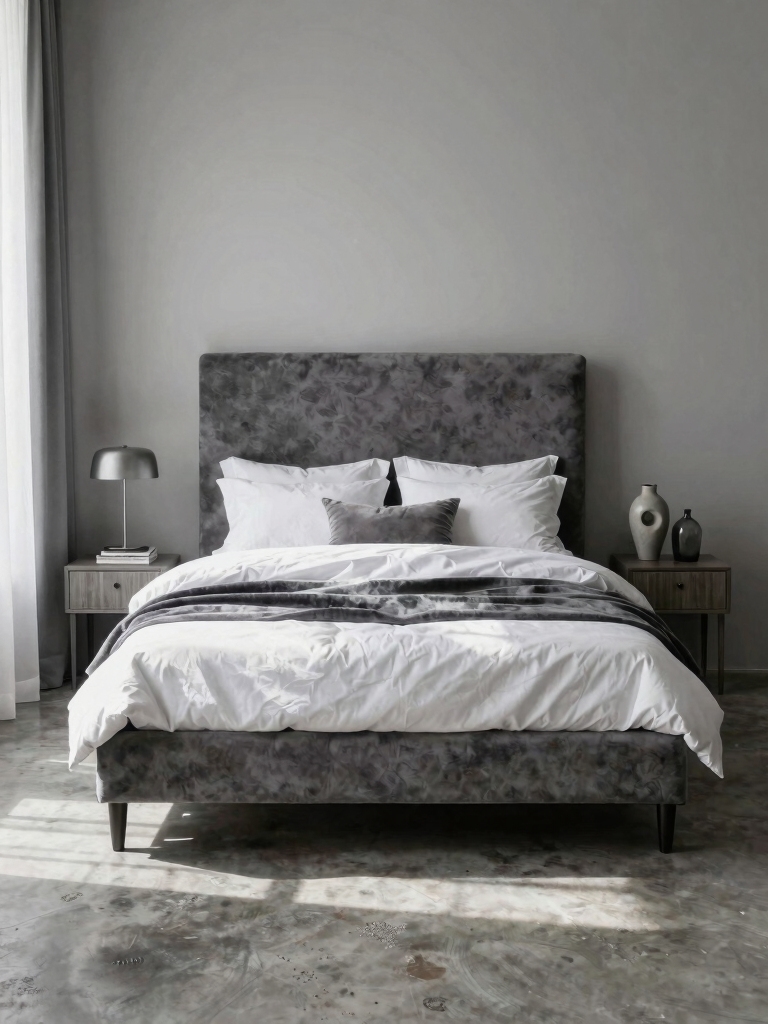
The fastest way to make a grey bed look dull is to match everything: grey sheets, grey duvet, grey shams, all the same flat tone. The fix is to layer greys at slightly different values and weaves so the bed has dimension. Think a soft charcoal at the base, a lighter dove duvet, and a cream or oatmeal layer on top to lift the whole thing.
Vary the value, not just the color
Fabric matters as much as color here. Mix a crisp percale or smooth sateen with a textured linen and a chunky knit at the foot, so the bed reads layered even in one color family. The texture is what keeps grey from going gray in the dull sense.
Keep prints minimal and let the tones and weaves carry the interest. One subtle pattern, a fine stripe or a soft check, is plenty against all that grey, and even that is optional if the textures are doing their job. When a grey bed looks lifeless, the cause is almost always a matchy, flat set of layers, and a couple of tonal swaps fix it in an afternoon.
A grey room is only as good as the textures you put against it. The color sets the calm; the wool, wood, and velvet are what make people want to stay.
Layered, Warm, Ambient Lighting for Grey Rooms
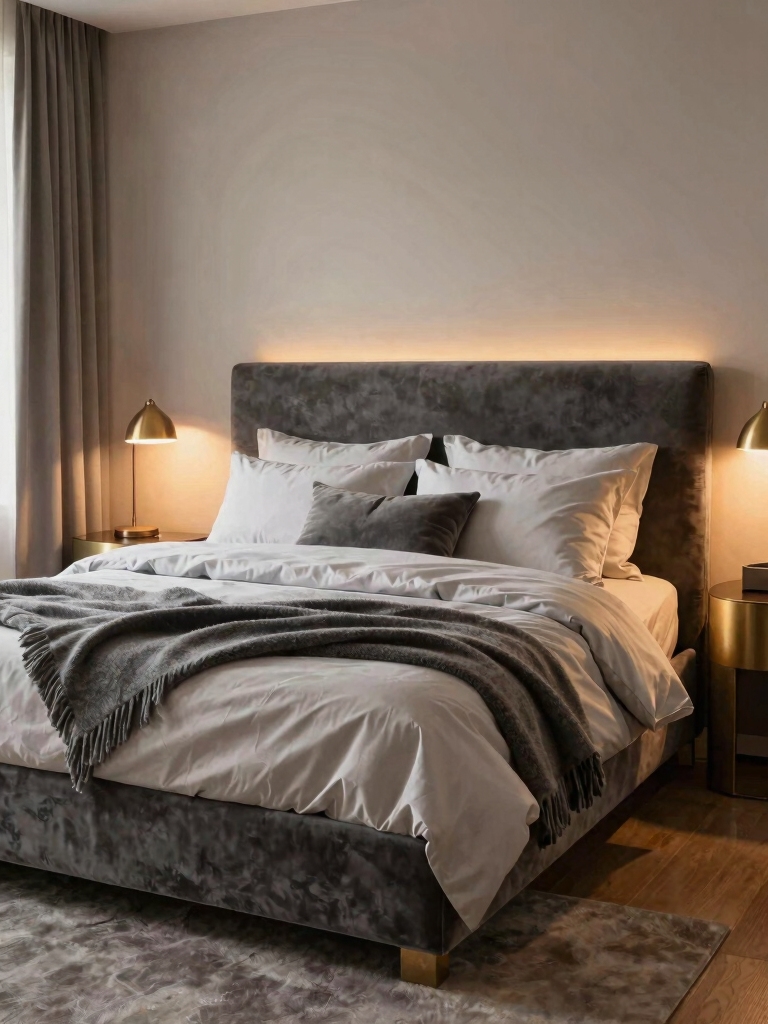
Lighting can make or break a grey room, because cool light on a cool color is how you end up with that chilly, blue-tinged look nobody wants. The fix is warmth and layers. Skip the single bright overhead and build up softer sources at different heights so the room glows instead of glares.
Start with a warm overhead on a dimmer, add bedside lamps for a low evening level, and toss in a candle or a small lamp for the corners. Warm bulbs around 2700K are non-negotiable in a grey room; they pull the undertone toward cozy and keep the whole palette inviting after dark.
Honestly, I swap the bulbs first in every grey room I walk into. It takes five minutes. That one cheap change fixes more cold grey rooms than any other move, and it costs less than a throw pillow.
Get the Undertone Right (the Step Everyone Skips)
If there’s one thing that separates a grey room people swear by from one they quietly repaint, it’s the undertone. Every grey leans somewhere, blue, green, purple, or taupe, and that lean is far more visible on a whole wall than on a tiny paint chip. The cool blues and greens can turn a north-facing room icy, while a warm greige stays inviting in almost any light.
I learned this the slow way on an early project, where a grey that looked perfect in the store went flat and lilac on the client’s walls by evening. Now I never let anyone commit without testing. Tape a big swatch, or a sample board, to the actual wall and look at it morning and night, under your real bulbs, before you buy gallons.
When in doubt, go warmer than you think. A greige with a soft taupe base is the most forgiving grey there is, and it flatters the wood and brass most homes already have. For a deeper dive on choosing the shade, these paint ideas to refresh a bedroom walk through it.
Three Grey Bedroom Styles Worth Copying
Grey isn’t one look, and naming the version you’re after makes every other choice easier. I usually steer people toward one of three directions, depending on the light they have and the mood they want. Each starts from the same neutral and lands somewhere completely different.
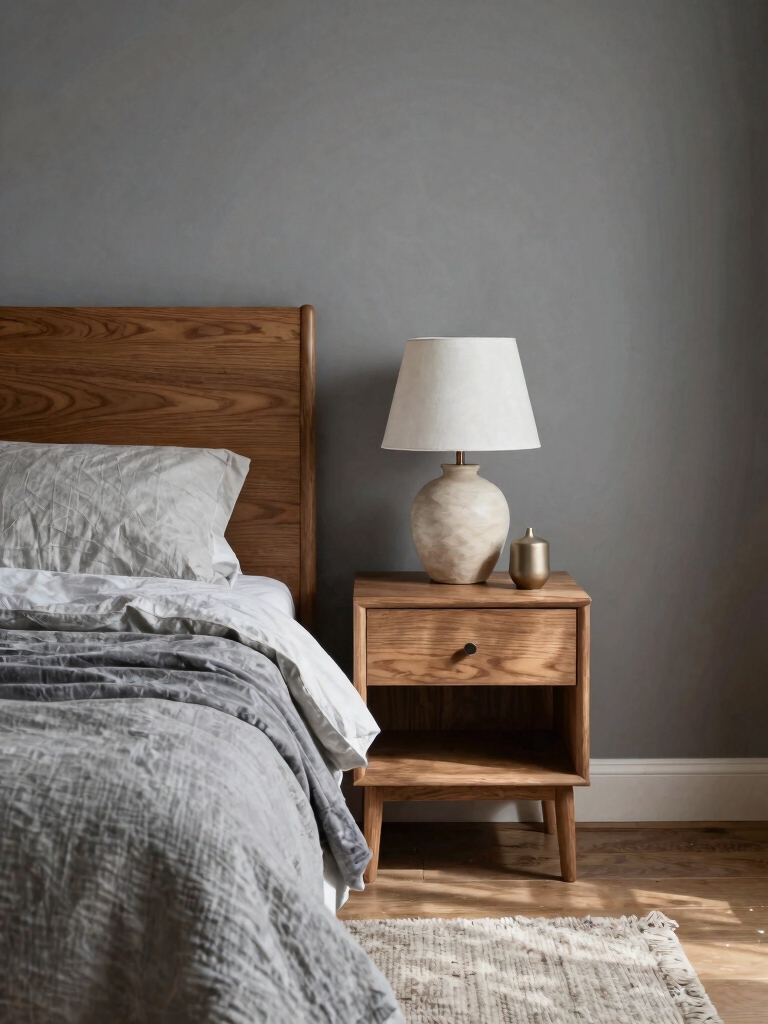
The first is warm and cozy: a greige base, oatmeal and cream bedding, oak furniture, brass lamps. It’s the most forgiving and the one I recommend to anyone nervous about grey, since it stays inviting even on a gloomy afternoon.
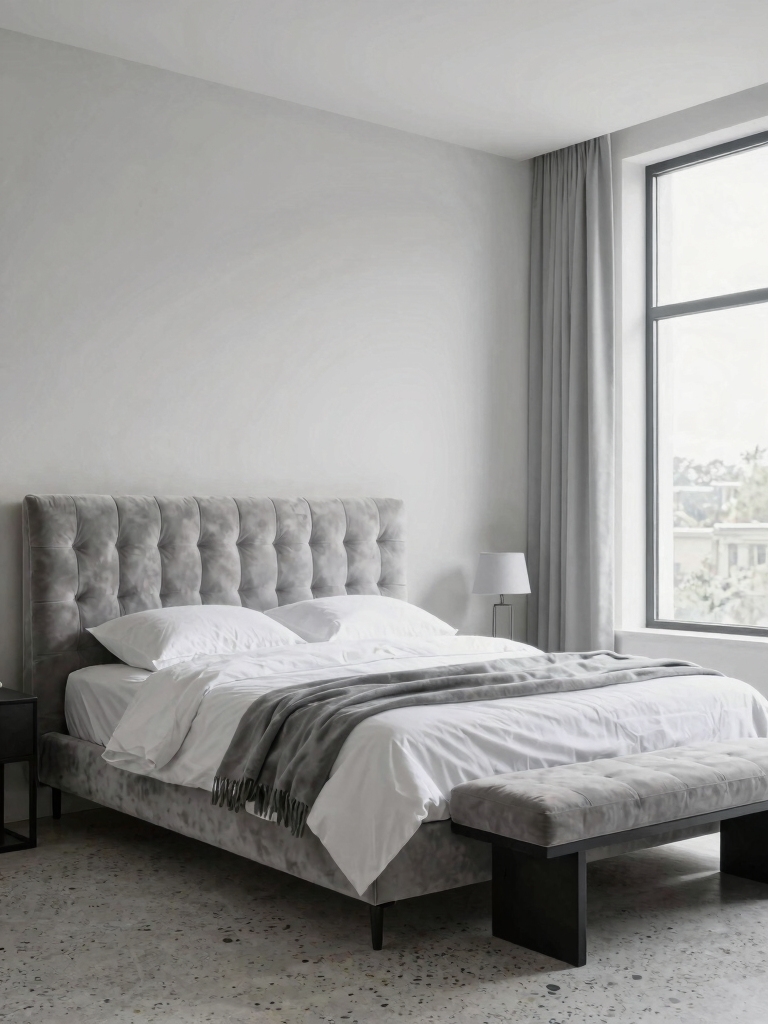
The second is cool and modern, a true grey with crisp white and a little black, sharp and gallery-clean, which suits a bright room that can carry the coolness. The third is moody and dramatic, a charcoal feature wall with deep texture and low warm light, best where you want the bedroom to feel like a retreat.
A client of mine swore she hated grey until we put her in the warm greige version, and now she calls it the calmest room she’s ever had. The lesson stuck with me. The grey wasn’t the problem the first time around, the undertone and the styling were, and the same color in a warmer key changed everything.
Pick One Accent So Grey Doesn’t Stay Flat
Grey is a backdrop, and a backdrop needs something to frame. The rooms that fall flat are usually all grey and nothing else, which lands as unfinished and a little cold, the exact opposite of the serene look you were going for. Choosing one accent to run through the room is what turns a plain grey box into a scheme that looks intentional.
Keep it to a single accent and repeat it two or three times so it feels deliberate. Soft blush, sage, mustard, and deep teal all sing against grey, carried in a throw, a lampshade, and a piece of art. A few well-placed decor ideas worth stealing in your accent color do more than a roomful of flat grey on grey ever could.
Grey Bedroom Questions, Answered
?Which grey looks best in a north-facing bedroom?
North-facing rooms get cool, bluish light, so a cool grey will read icy there. Reach for a warm greige with a taupe or green base to push back against that chill. South-facing rooms can carry a truer or cooler grey, since the warmer daylight balances it out. Compass direction matters more than the swatch name on the can.
?Do I have to match my grey walls to grey bedding?
No, and it usually looks better if you don’t. A grey wall with cream, oatmeal, or soft white bedding feels lighter and more layered than grey on grey, which can go flat. If you do want a grey bed, vary the values, a dove duvet over a charcoal base, so it has dimension rather than reading as one solid block.
?How do I care for grey bedding so it doesn’t look dingy?
Grey shows soap residue and yellowing faster than white, so wash it in cooler water with a little less detergent than you think, and skip fabric softener, which dulls the fibers over time. Line-drying or a low tumble keeps the tone crisp, and washing every week or two stops the slow graying that makes grey look tired.
Make Grey Work Harder for You
Grey bed lovers swear by it for a reason: get the undertone right, warm the cool with texture and wood, keep it bright, and layer the bedding, and grey turns into the calmest, most flexible backdrop you can own. The color is easy; the craft is in the details around it.
Start with the undertone test before anything else, since that one step decides whether the room feels serene or chilly. Once your grey is settled, the texture, light, and accents are the fun part, so take your time and build the room you’ll actually want to climb into each night.