
Green is the most restful color you can put in a bedroom, and almost no one uses it boldly enough. It pulls from everything we already find calming outdoors, so a green room reads soothing before you can explain why. That’s a rare thing in decorating: a color that does emotional work for free.
The range is what makes these green bedroom ideas worth obsessing over. A deep emerald feels rich and grown-up, a soft sage goes quiet and timeless, and a pale mint can open up a small room. Below I’ll walk through the shades I reach for, how to use texture and light so green looks intentional, and the plants that tie the whole thing together.
Key Takeaways
- Pick your green by mood: emerald for rich and dramatic, sage for calm and timeless, mint for bright and airy in a small room.
- Let texture carry deep greens; emerald velvet on a headboard or cushions keeps a bold color from going flat.
- Balance a bold green with warm neutrals and a metal like brass so it feels inviting and grounded.
- Add a couple of easy plants to echo the color in living form, and layer warm light so green stays clear and rich after dark.
Why Green Makes a Bedroom Feel Calm
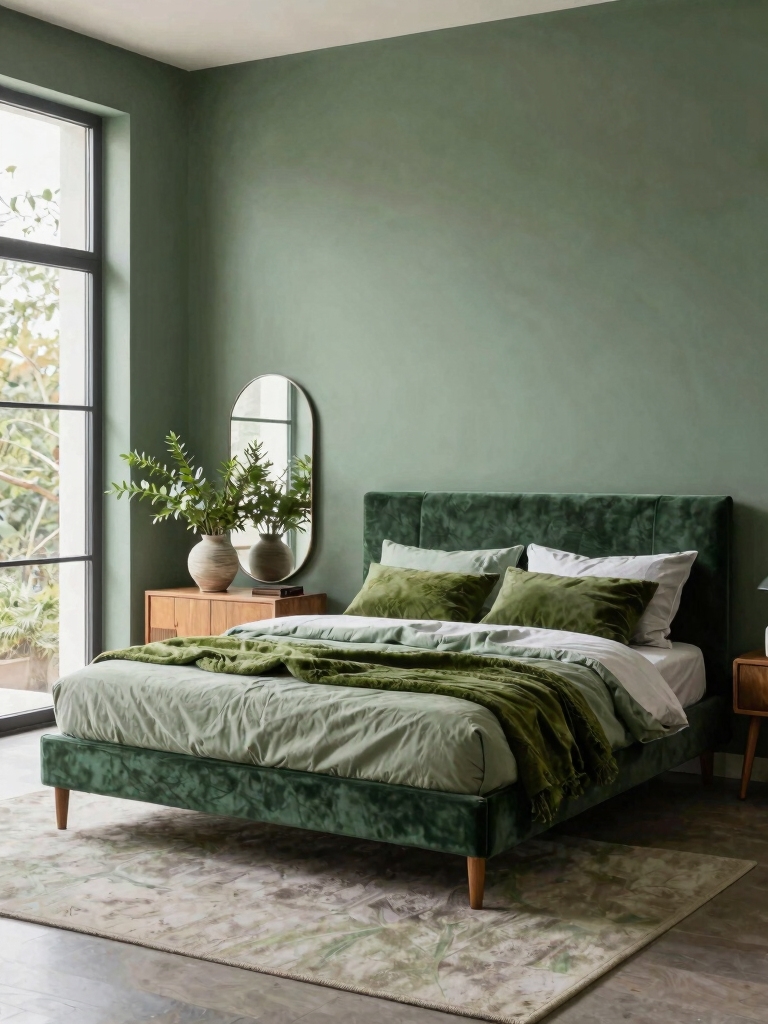
There’s a reason green keeps showing up in the most restful rooms. Our eyes read it as the color of growth and open air, so the brain relaxes a little the second it registers, with none of the alertness red brings or the chill of a cold blue. In a bedroom, where the whole point is to wind down, that built-in calm is doing real work for you.
Green also plays beautifully with natural light. Soft greens cut glare during the day and deepen into something cozy at night, which makes the color feel alive across the hours you actually use the room. It shifts gently from morning to midnight.
Choosing the right green for the feeling you want, then backing it with texture and depth, is what makes it sing. Get that combination right and a green bedroom becomes the one room you look forward to coming home to.
Layer Emerald Velvet for Luxe Texture
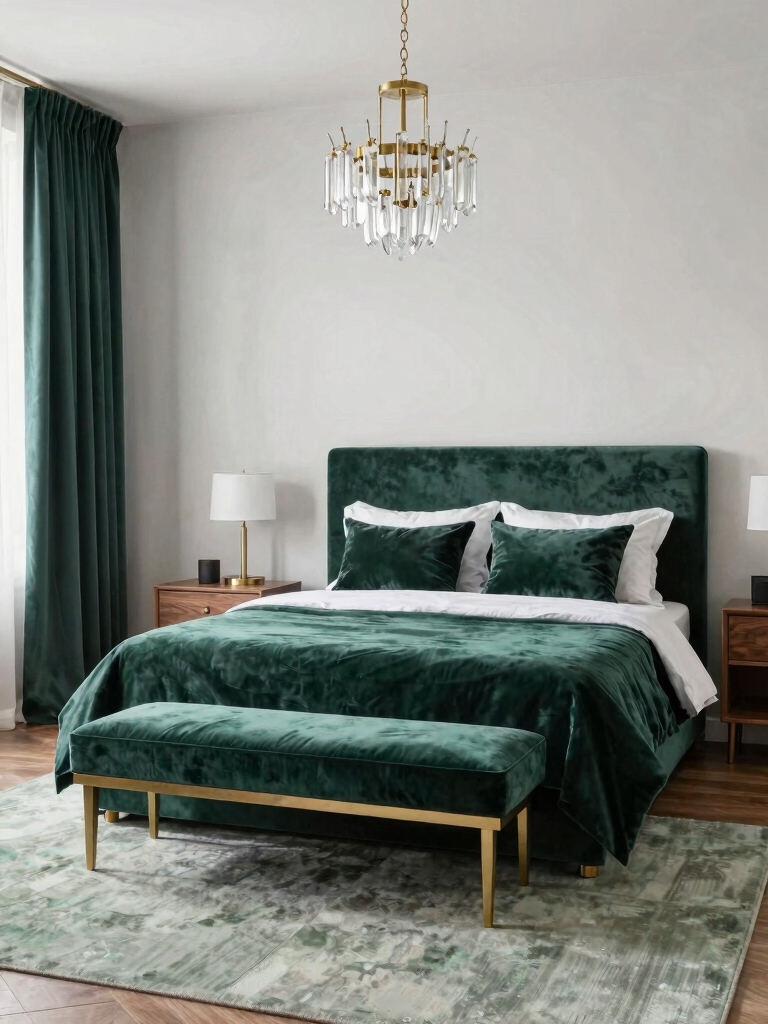
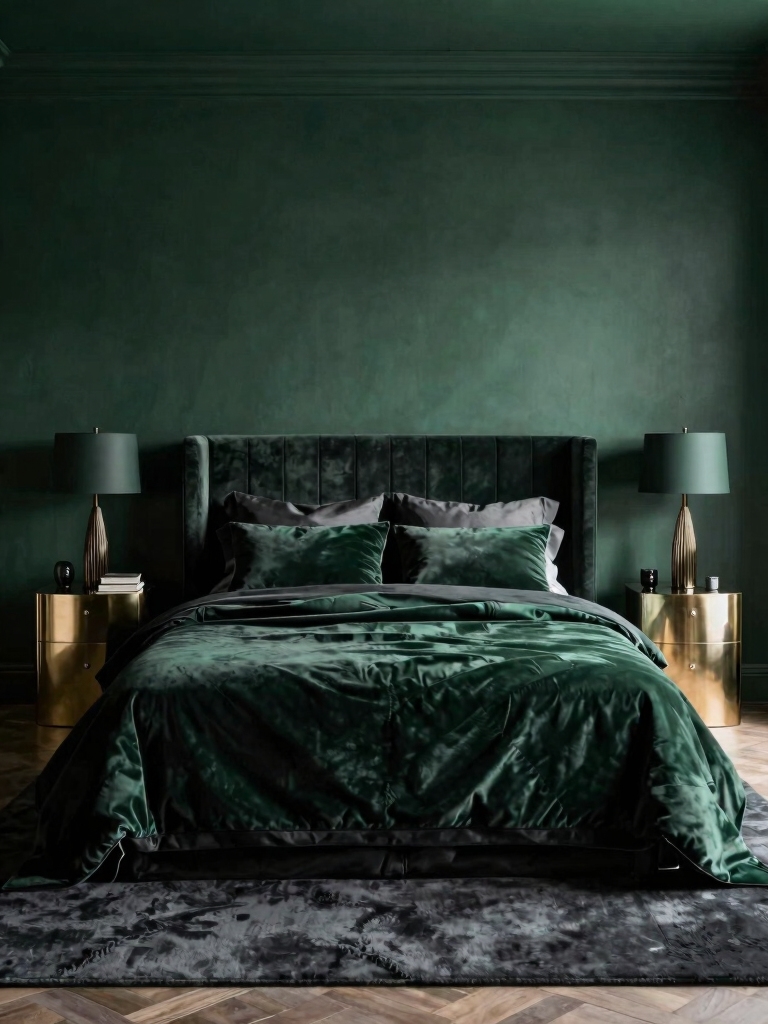
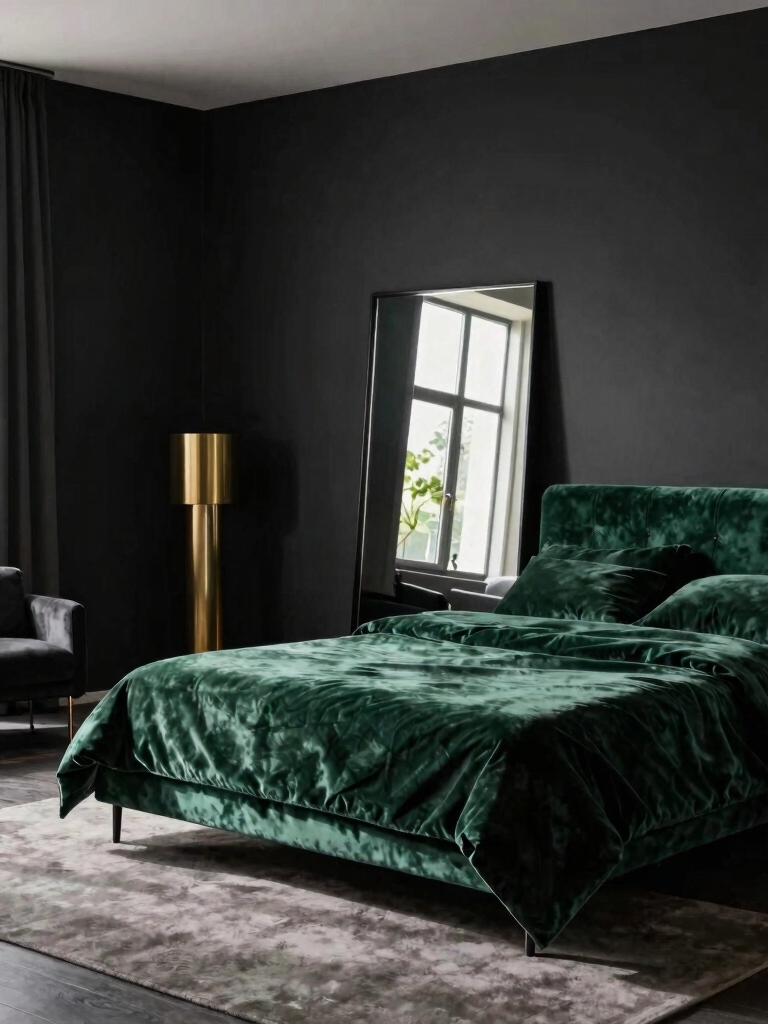
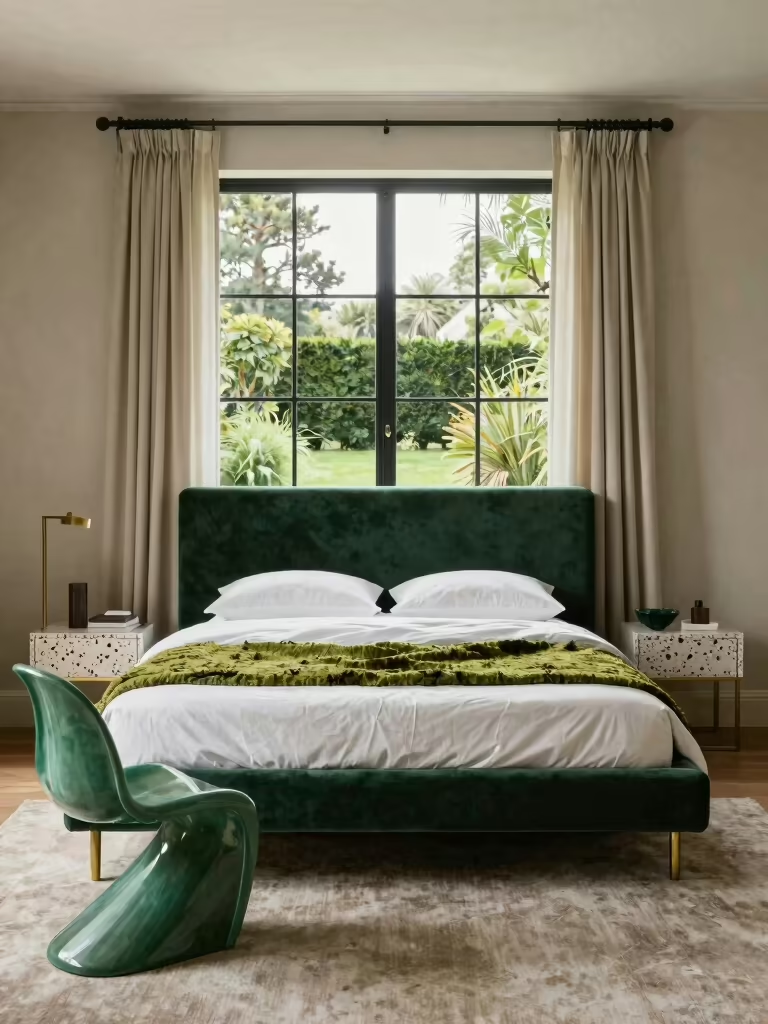
Emerald is the showstopper of the green family, and velvet is how you keep it from looking like a flat block of paint. Texture is the whole secret here. The pile catches light and throws soft shadows, so the color reads deep and changeable across the day. A velvet headboard or a few velvet cushions is the easiest way in, and you don’t have to commit a whole wall to feel it.
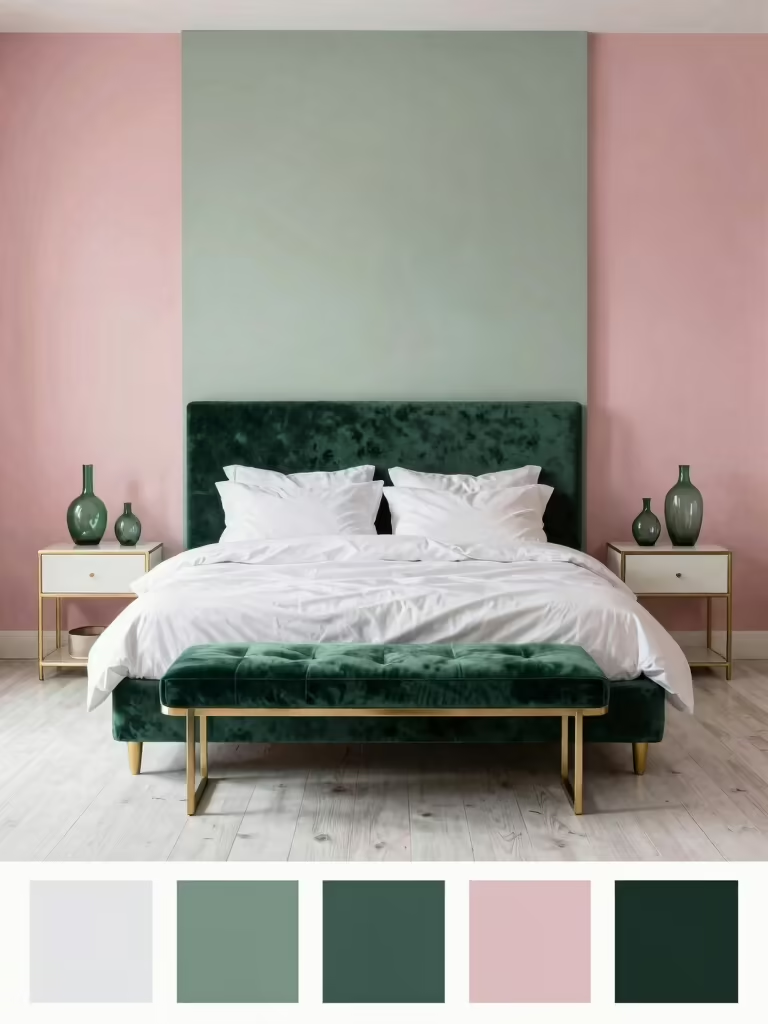
Let the emerald be the one loud note and hush everything around it. I pair it with soft neutrals, a little brass, and natural wood; a velvet headboard runs roughly $200 to $500 and instantly makes the bed the anchor of the room. For the palette around it, these bedroom color palette ideas keep the supporting tones in line.
- Anchor the color with one velvet piece, a headboard or a bench, rather than scattering small bits of green around.
- Mix in soft non-velvet textures, linen and wool, so the room has contrast and the velvet stays special.
- Add warm metals like brass or aged gold to play off the jewel tone and lift the whole scheme.
A quick guide to the greens worth knowing before you shop paint:
📖Emerald
A deep, blue-leaning jewel green. Rich and dramatic; best in small doses or one bold wall with warm balance.
📖Sage
A soft, grayed green that behaves like a neutral. Calm and timeless; the safest whole-room choice.
📖Mint
A pale, fresh green with cool undertones. Bright and airy; ideal for small or low-light rooms.
Sage and Neutrals for Calm, Timeless Serenity
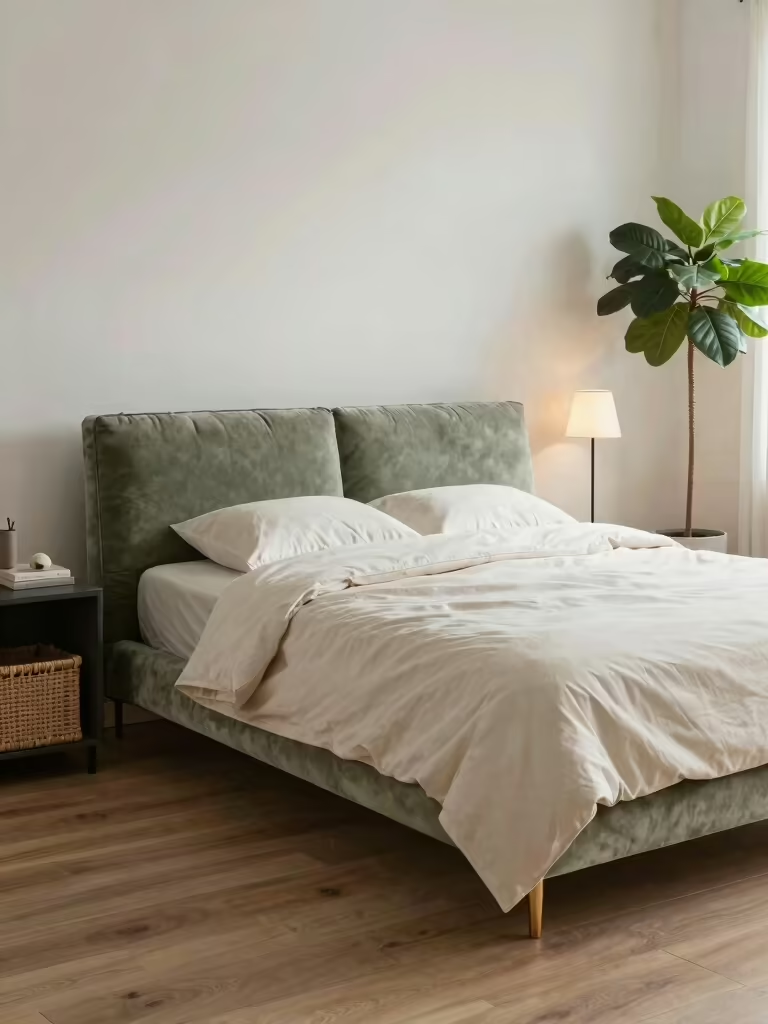
If emerald is the drama, sage is the easygoing one you can live with for years. It’s the green I recommend most. A grayed, gentle green that behaves almost like a neutral, sage is exactly why designers lean on it for rooms meant to last, and clients are always glad they chose it. Paint a whole bedroom in soft sage and it feels settled and quietly expensive, calm enough to forget you ever debated the color at all.
Sage loves cozy company. Pair it with soft beiges and oatmeal, add charcoal for a little depth, and finish with brass or aged wood so it stays grounded and inviting. A gallon of good sage paint is around $50, which makes it one of the cheapest ways to reset a whole room’s mood, and these paint ideas to refresh a bedroom show how far that one change goes.
- Use sage as the main wall color when you want calm you won’t outgrow in a year.
- Layer tonal textiles, a sage quilt over oatmeal sheets, so the room has depth without extra color.
- Keep accents warm and natural, wood, brass, jute, to stop the green from reading flat or clinical.
Minty Light Greens for Small Spaces
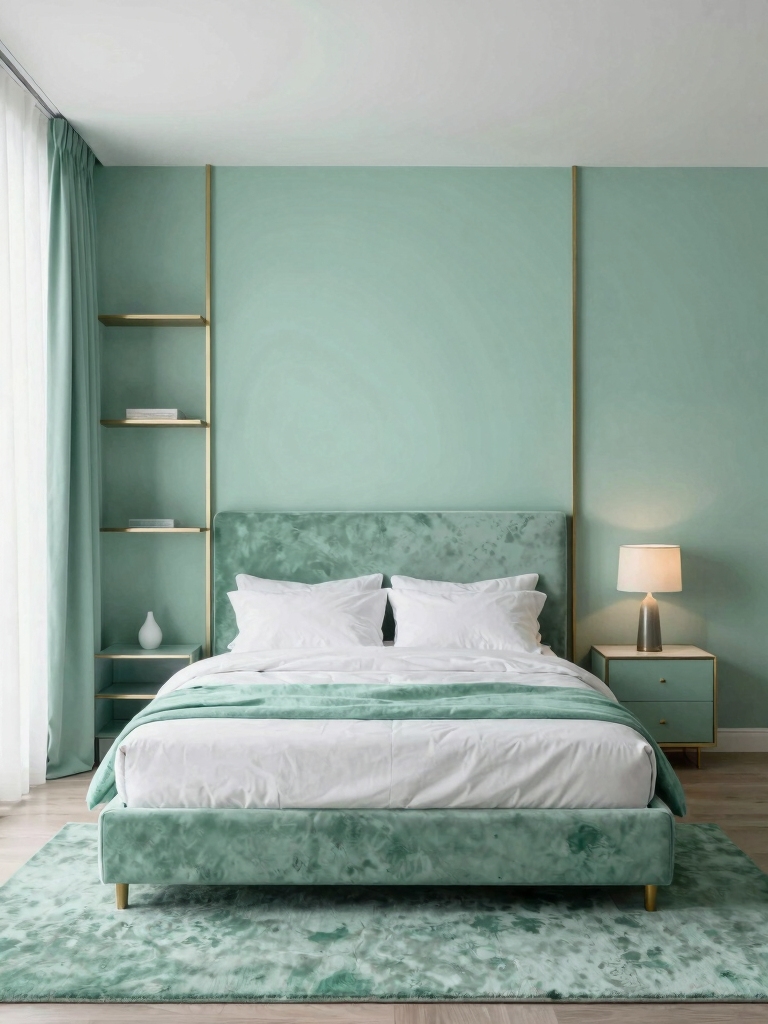
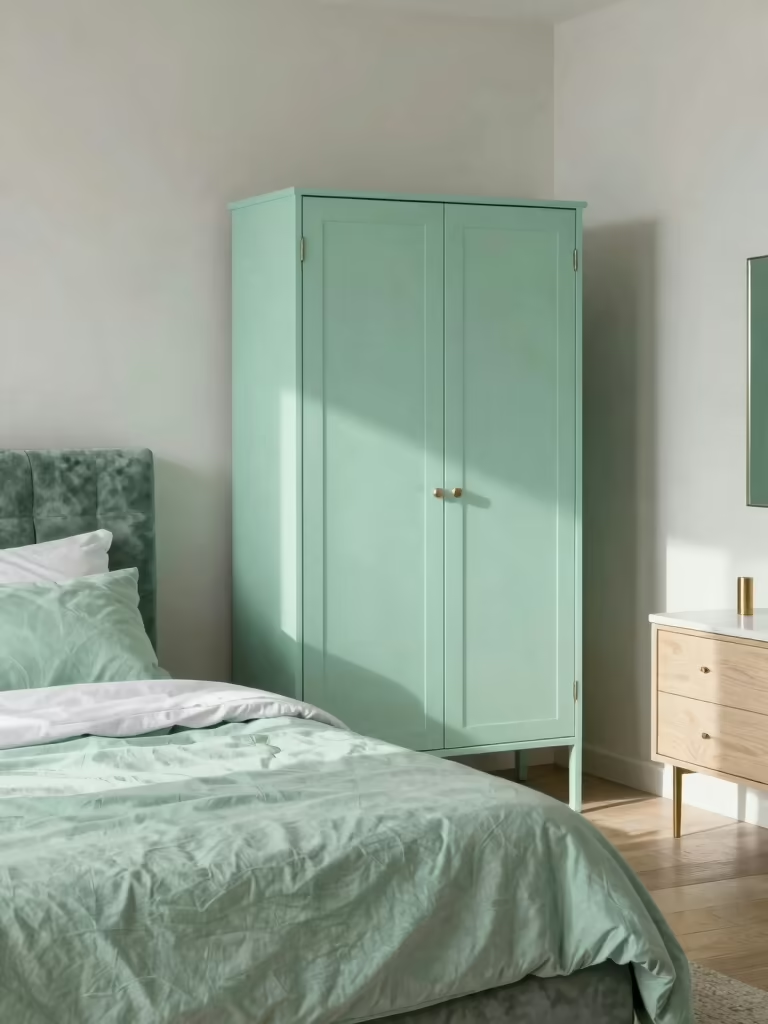
Pale mint is the green I reach for when a room is short on square footage or light. It carries the same calm as its deeper cousins, but it bounces light around, so a small bedroom feels brighter and a touch larger. Think of it as a soft alternative to plain white that still gives you a real color to live with. A north-facing box of a room is where mint truly earns its place.
- Paint the walls a pale mint and keep trim crisp white so the room stays bright and breathable.
- Choose light, leggy furniture that doesn’t block the floor, so the airy feeling carries all the way down.
- Add a mirror across from the window to bounce daylight and double the soft green glow.
- Layer cushions and throws in varied greens for depth, the way these small-room decor ideas worth stealing build interest without clutter.
“Designer’s note: when a green looks ‘off,’ the lighting is usually the culprit, not the paint. Before you repaint, try swapping a cool white bulb for a soft warm one and changing a nearby cool accent to wood or brass. Most of the time the green was right all along, and the light was lying to you.”
Bold Emerald Walls Balanced With Neutrals
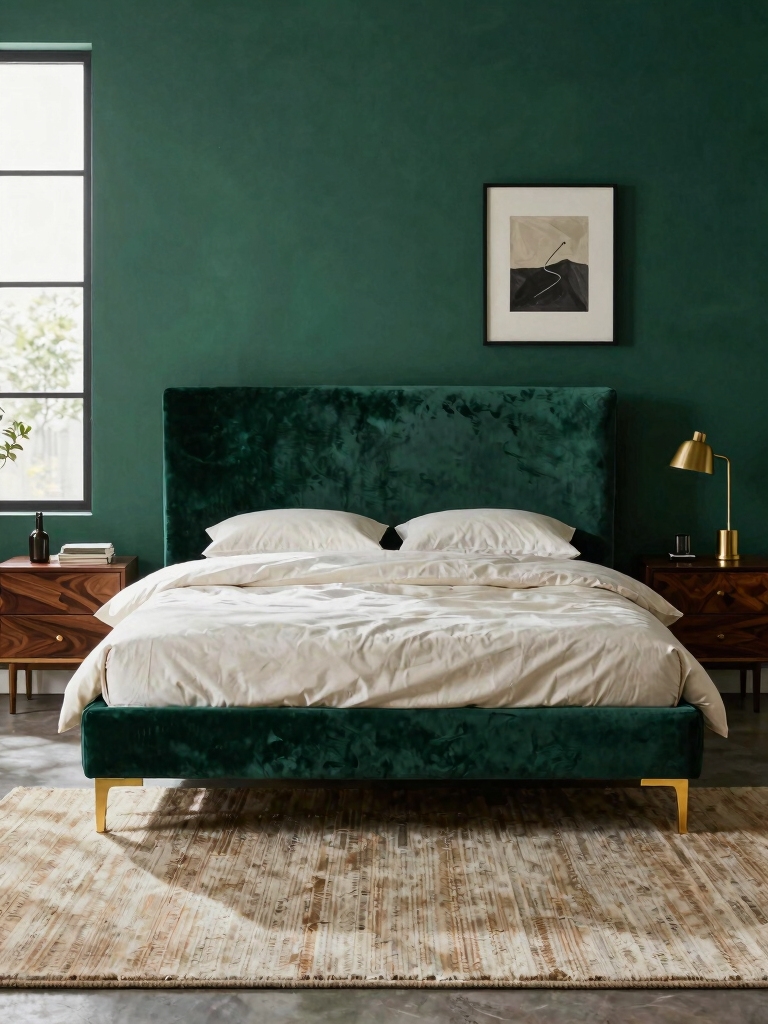
A full emerald wall is a commitment, and it’s worth the nerve if you balance it right. The mistake people make is going bold on the color and bold everywhere else too, which turns rich into overwhelming. Keep the emerald on one plane, usually the wall behind the bed, and let warm neutrals carry the rest of the room.
One bold wall, everything else warm
Lighting decides whether a dark green feels moody or just dim. Layer it: a warm overhead on a dimmer, a couple of bedside lamps, maybe a low glow behind the headboard, so the color stays deep and inviting after dark. A bright, single overhead will flatten emerald into something gloomy, which is the opposite of the point. These bedroom lighting ideas for mood cover the layering.
Test the exact shade on the wall before you commit the weekend. Emerald shifts hard between daylight and lamplight, and a green that looked jewel-like in the store can turn forest-dark and heavy once it’s up, so live with a big swatch for a day or two first.
Plant-Forward Bedrooms: Easy Greens That Thrive
The quickest way to make a green room feel alive instead of decorated is to bring in the real thing. Plants echo the palette in living form, soften hard corners, and add the one kind of green that actually changes the air. The catch is picking ones that survive a bedroom, which tends to be lower-light and easy to forget about.
Stick to forgiving picks and you’ll actually keep them. A pothos trails happily off a shelf, a ZZ plant shrugs off a shady corner and a missed watering, and a snake plant stands tall in almost any light, all of them usually $10 to $30 at a garden center. Group two or three at different heights near a window for the most impact, and skip anything fussy that needs daily attention you know you won’t actually give it.
Common Green Bedroom Mistakes and Easy Fixes
After years of helping people decorate with green, I watch the same few stumbles happen again and again. Two come up constantly. The biggest is treating green as a true neutral when it never quite is.
It always carries an undertone, warm or cool, and ignoring that is exactly why a soft sage can suddenly look gray or a fresh mint can go hospital-cold on the wall. I always test the real undertone against the room’s own light before anyone buys three gallons of anything.
The second stumble is going matchy. One client paired a green wall with green bedding, green curtains, and a green rug, and the whole room felt like the inside of a lime. We pulled most of it back to warm neutrals and let a single green lead, and it finally looked calm.
The fix is almost always the same. Pick one hero green, support it with neutrals and natural texture, and let a plant or two carry the rest. Green wants a little restraint to look rich rather than loud.
What to Expect When You Go Green
Going green asks for a little patience with the shade, and that’s the honest part most inspiration photos skip. Greens are unusually sensitive to light and to the colors around them; the same sage can lean fresh next to white and almost gray next to cool blue. So the first thing to expect is some swatch testing, on the actual wall, at the actual times you use the room.
Once the shade is settled, green is one of the lowest-maintenance commitments in decorating. It doesn’t date the way a trend color does, it flatters warm wood and brass you probably already own, and it works in any size room if you match the depth to the light. Start with one move, a velvet cushion, a sage wall, a single plant, and let the obsession build from there.
Find Your Green and Run With It
Green earns the obsession because it gives you range and calm in one color. Go emerald for drama, sage for timeless ease, or mint to brighten a small room, then back your choice with texture, warm light, and a plant or two. The shade is personal; the calm is built in.
Pick the one that matches the feeling you want from the room, test it properly on the wall, and start small. A single velvet cushion or one painted wall is enough to see whether you’re as obsessed as I think you’ll be.