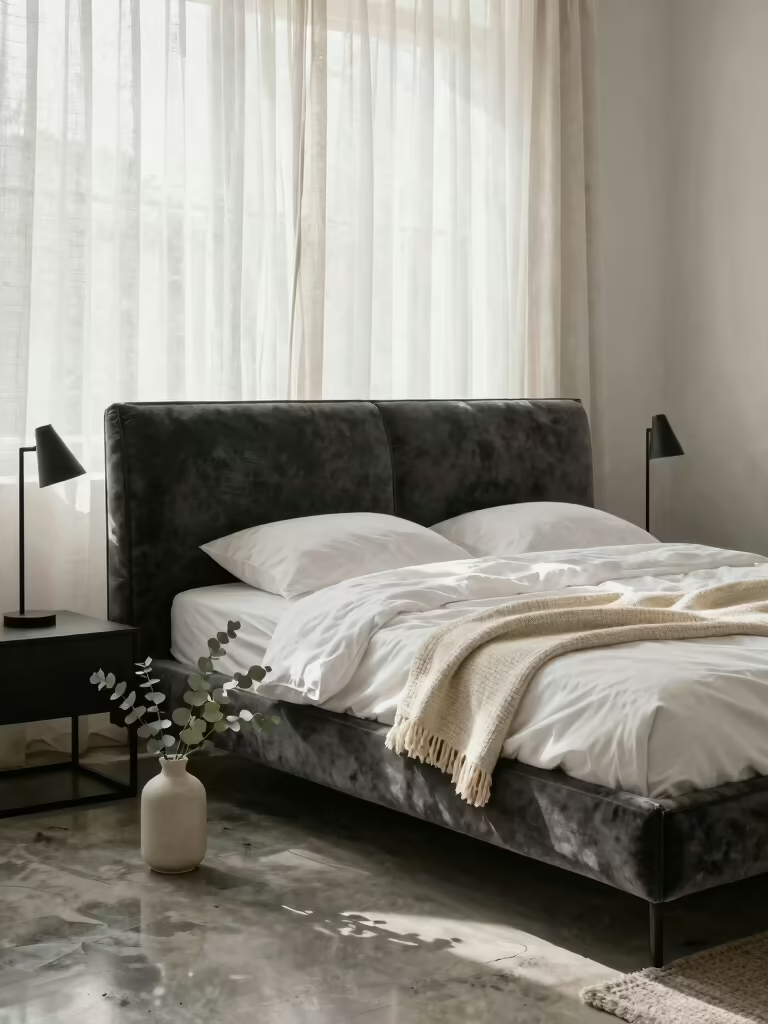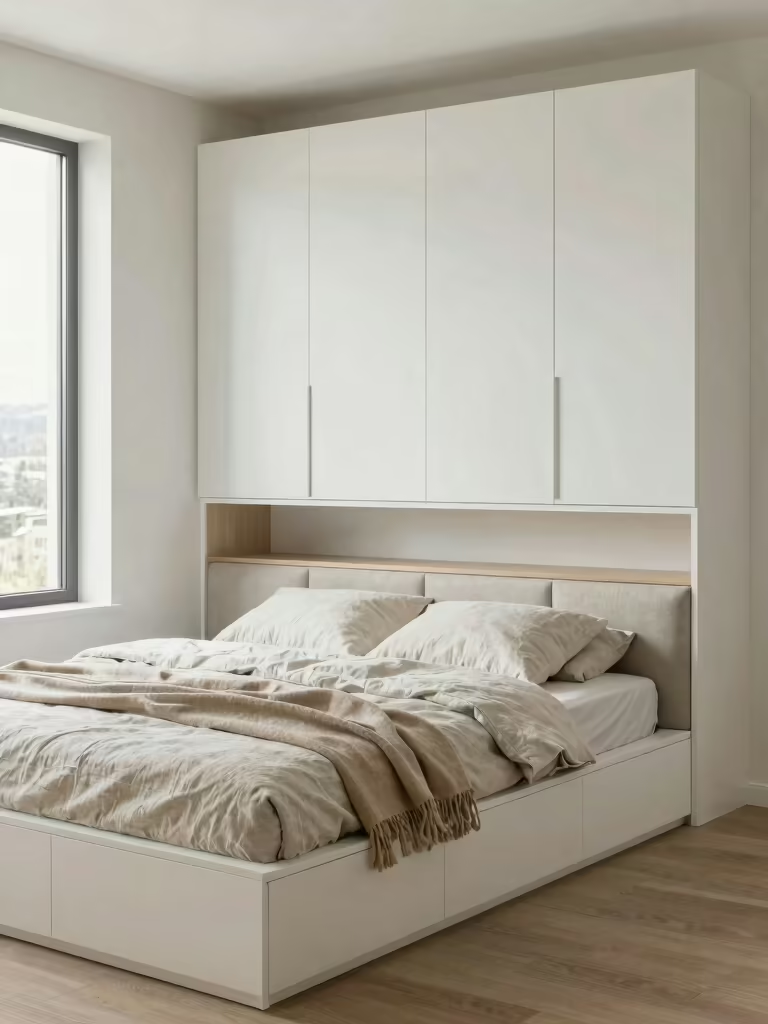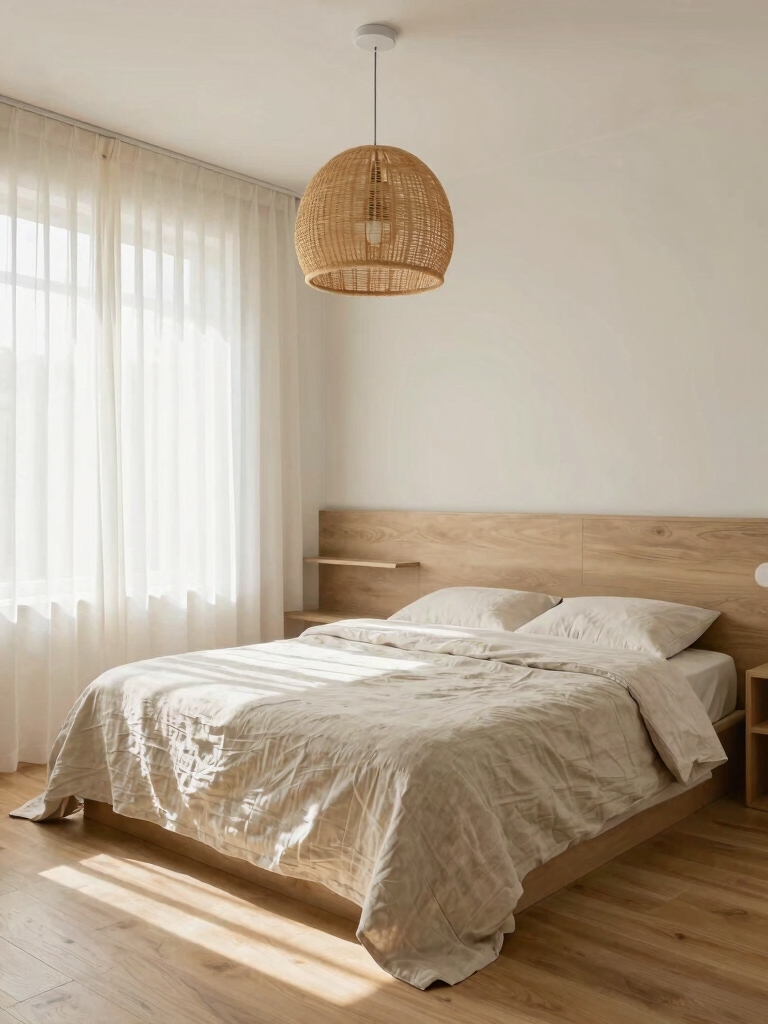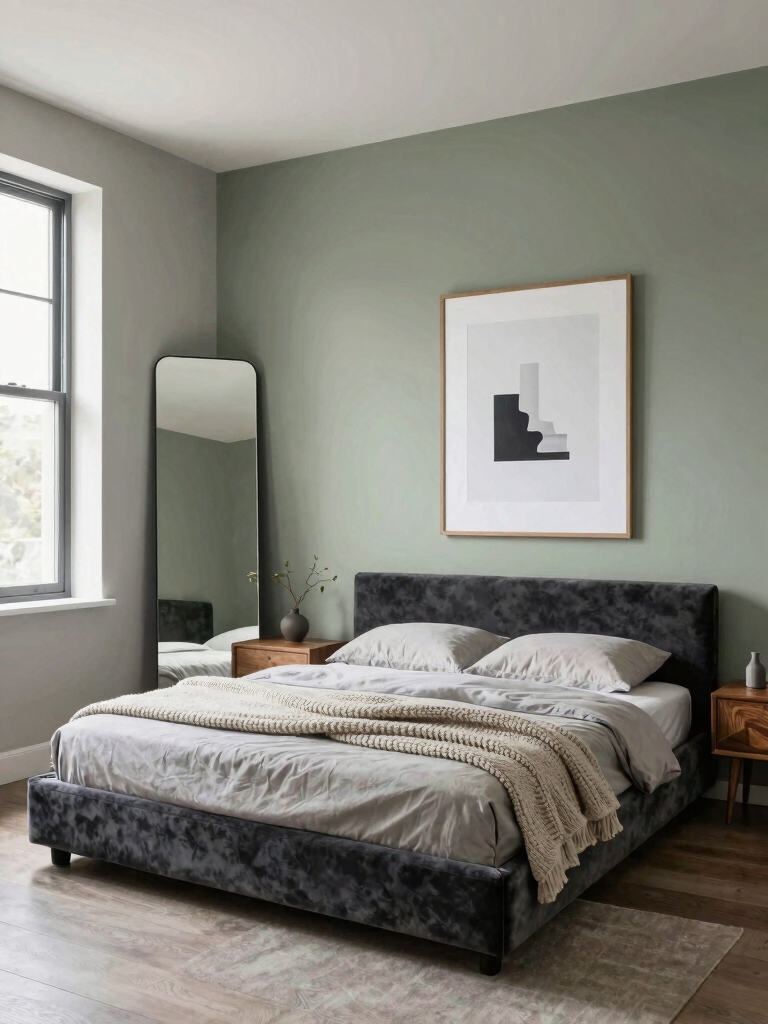
Scroll any home feed and small bedrooms are everywhere, looking impossibly roomy and calm. The catch: a lot of those viral shots are styled for the photo, not for living. The good news is that the best small-room ideas blowing up online really do work, you just have to know which ones deliver and which only look good for fifteen seconds.
I went through the trending small-bedroom tricks and kept the ones that hold up in a real room you actually sleep and store stuff in. These are the layout, storage, light, and color moves worth copying, plus a few honest notes on the hacks that photograph better than they live.
The Viral Tricks Worth Copying
Do these viral small-room ideas actually work? The real ones do: vertical storage, light colors, layered light, and multi-use furniture. Skip the purely photogenic hacks that leave you nowhere to put your stuff.
What is the single biggest small-room win? Getting things off the floor. Clear floor is what makes a small room read open, so vertical storage and a raised or platform bed do the heavy lifting.
Can I do this on a budget? Most of it, yes. Paint, mirrors, and floating shelves cost little and deliver the biggest visual payoff for the money.
Optimize the Layout First
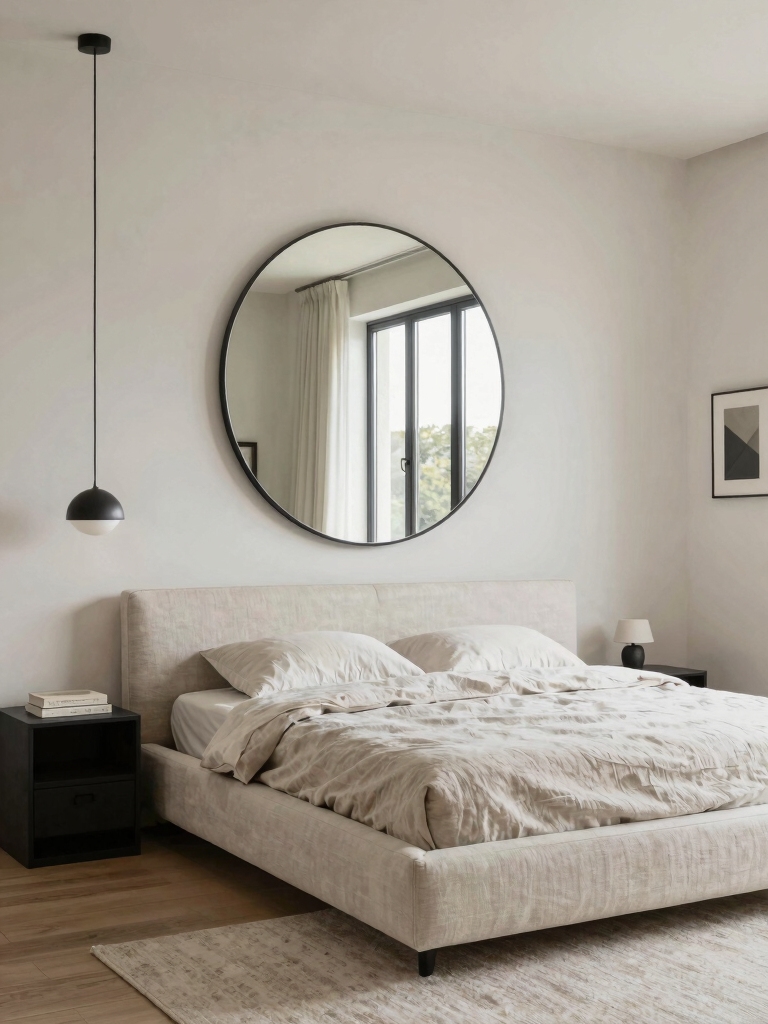
Before any viral product, the trick that actually transforms a small room is free: the layout. Where the bed sits decides everything else. Push it against the longest wall or into a corner, and the center of the room opens up for a clear path and a little breathing space. That single move does more than any storage gadget.
Where the bed sits decides everything
Measure twice before you buy a thing. In a small room every inch counts. Most small-room regret comes from furniture that technically fits but blocks a door, a drawer, or the walkway. Leave room to open every drawer and door fully, and keep at least one clear sightline across the floor. Empty floor is what the eye reads as space.
Whenever I take on a cramped bedroom, I empty it completely and start again with just the bed, placed for flow. Then I add back only what earns its spot. The bed goes in first, always. It is amazing how much room appears when you stop fitting furniture around clutter that did not need to be there in the first place. Half the time the problem was never the size of the room at all.
Use Light Shades for a Sense of Space
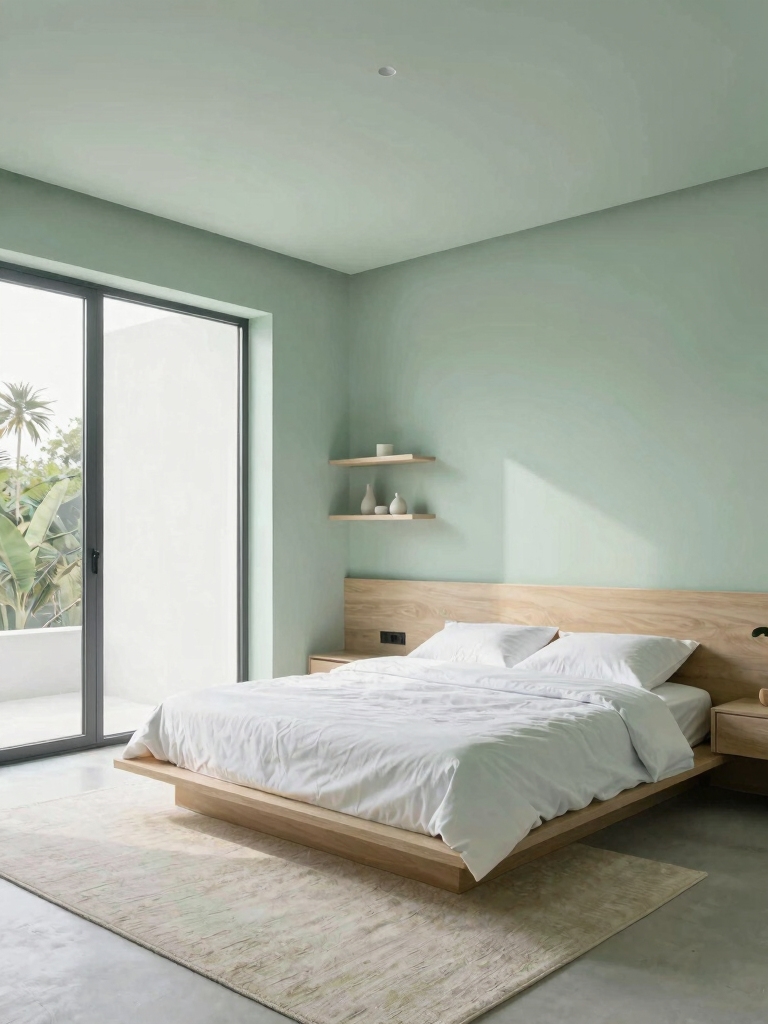
The most-shared small-room hack online is also one of the most reliable: light, soft colors make a room feel bigger. Pale walls bounce light around the room and stop it soaking into dark surfaces, so the edges soften and the space feels airier. Whites, warm off-whites, soft greiges, and pale blues all work this magic for the price of a can of paint. Test a sample first. Light changes color fast in a small room.
Pale walls, painted trim, one quiet tone
For even more of the effect, paint the trim and ceiling close to the wall color so there are no hard lines to chop up the space. A room in one quiet tone looks taller and wider than one broken into contrasting blocks. Monochrome is the cheapest way to make a small room look custom.
If all-pale feels boring to you, keep the big surfaces light and bring color through bedding, art, and a single accent. You get the spacious effect online loves while keeping some personality. A single can of the right paint is the highest-return purchase in any small room.
| Trick | Real payoff | Cost |
|---|---|---|
| Pale paint, painted trim | Walls recede, room feels bigger | ~$40 a gallon |
| Large mirror by window | Doubles light and depth | $30-120 |
| Bed risers + bins | A hidden under-bed closet | $5-40 |
| Storage bed | Replaces a whole dresser | Varies |
Go Vertical With Neat Storage
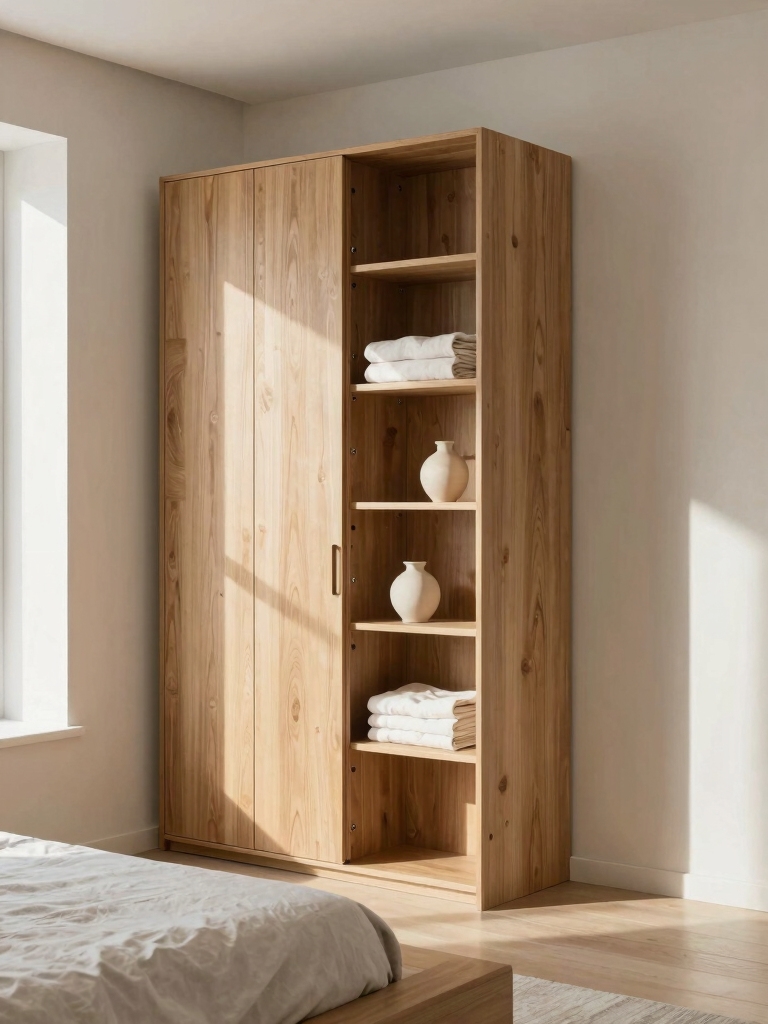
Every great small-room video has the same secret in common: storage that climbs the walls and spares the floor. When square footage is tight, your vertical space is the real estate sitting empty. Tall shelves, wall hooks, and over-door racks pull clutter up and off the ground, and clear floor is exactly what makes a small room feel open.
- Floor-to-ceiling shelves that draw the eye upward
- Wall hooks and pegboards for bags, hats, and gear
- Over-the-door organizers for shoes and odds and ends
- A tall, narrow dresser over a wide, low one
Pick Space-Saving, Multi-Functional Furniture
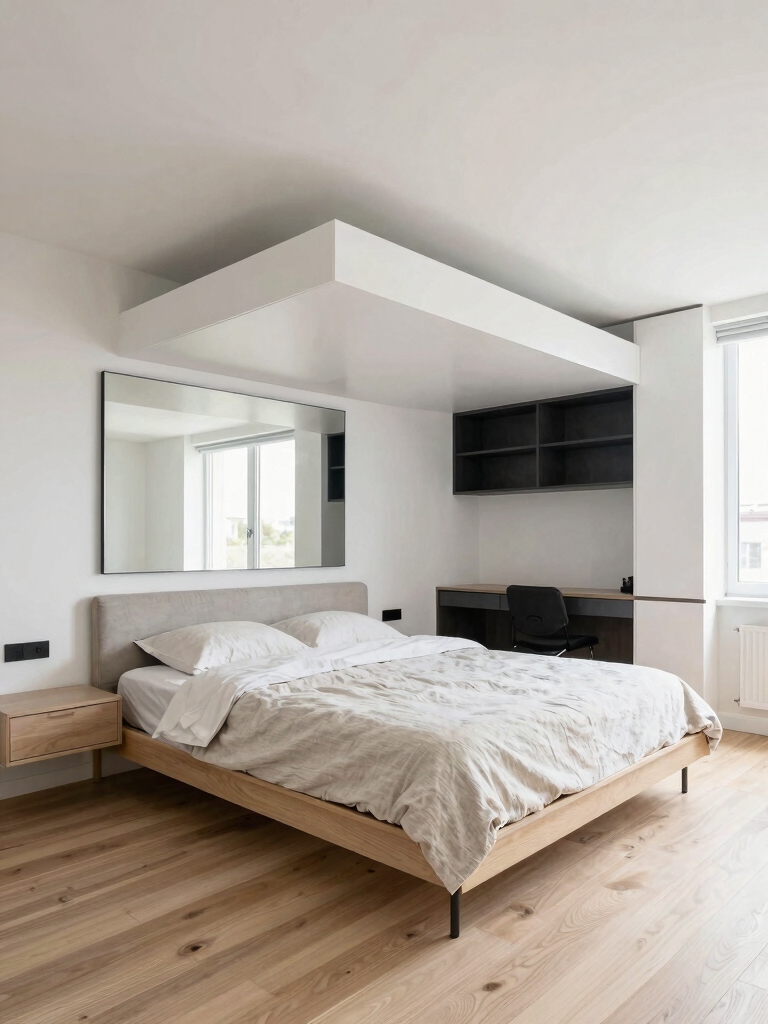
The furniture going viral for small rooms all shares one quality: every piece does double duty. A storage bed swallows a whole dresser’s worth of stuff, a nightstand with drawers pays for its footprint, a fold-down desk disappears when you are done. In a small room, every piece has to pull double weight to earn its place.
Look for hidden storage, folding or nesting designs, and pieces that tuck away. The best small-room buy is the one that replaces two others. A storage ottoman seats a guest and hides bedding; a bench at the foot of the bed does the same. Our a small room that works has more on choosing dual-purpose pieces.
- A storage bed or divan to replace a dresser
- A fold-down or wall-mounted desk for work that hides away
- Nesting tables and a storage ottoman for flexible use
- Nightstands with drawers for hidden storage
📋Before you copy a viral idea, ask:
- ✓Does it add storage or take it away?
- ✓Will it still look good once my real stuff is in it?
- ✓Can I reset it in two minutes?
- ✓Does it keep the floor clear?
Brighten the Room to Expand It
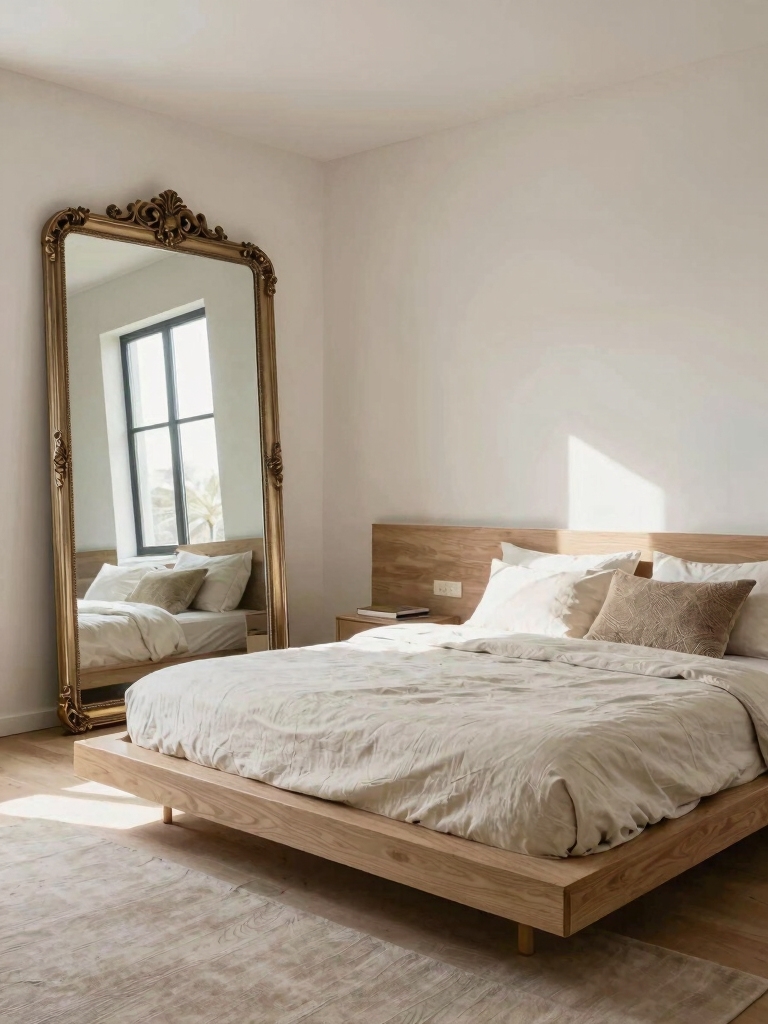
A bright room always looks bigger than a dim one, which is why every airy small-room photo online is flooded with light. You can fake that in any room with a few cheap moves. Do them in this order for the biggest effect:
- Hang a large mirror across from the window to double the daylight
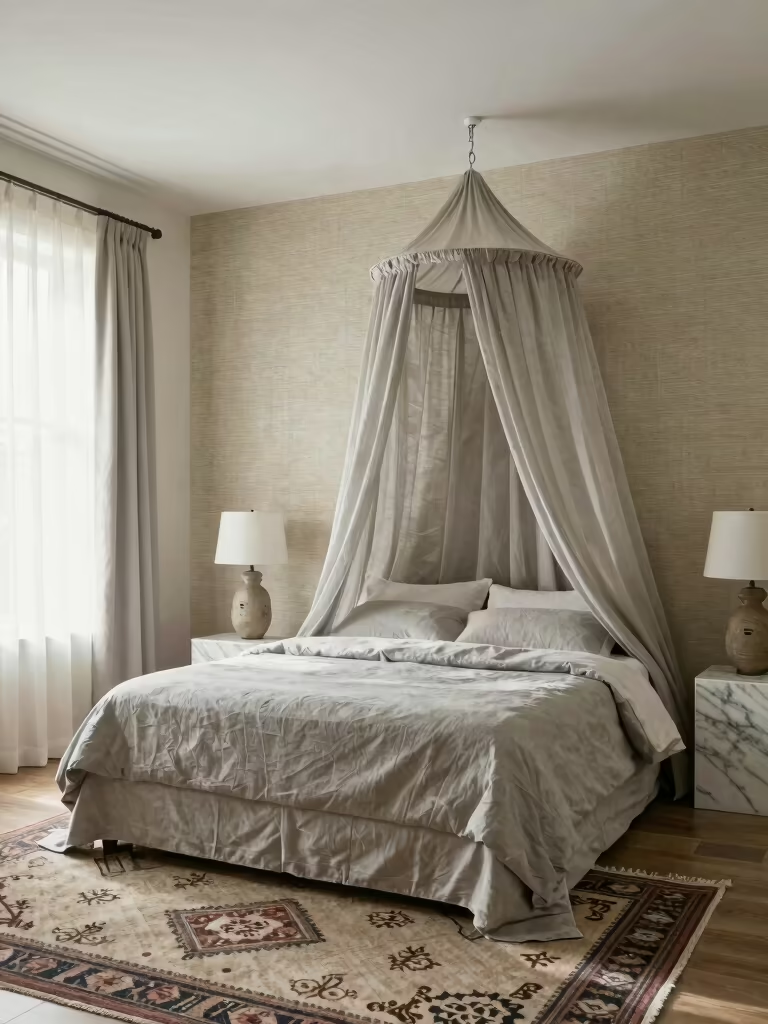
- Swap heavy curtains for sheer or light ones that let light through
- Add layered lamps so no corner of the room sits in shadow at night
- Use warm bulbs so the room feels open and inviting
- Keep windowsills clear so nothing blocks the incoming light
Steal the Under-Bed Space
The single most underused spot in a small bedroom is the area under the bed, and the internet has finally caught on. That hidden footprint can hold off-season clothes, spare bedding, shoes, or anything you do not reach for daily, often as much as a small closet would.
Rolling drawers or flat bins on casters slide out easily and keep it all dust-free and out of sight. I keep a labeled bin per category so digging stops. It sounds fussy, but it saves real time.
If your bed sits low, raise it on sturdy risers to open up a few more inches of clearance, a five-dollar fix that opens up real storage. A bed with built-in drawers does the same job without bins. Either way, you are turning dead space into a whole hidden closet, the kind of small, cheap fix that earns its viral moment and actually changes how you live in the room.
Hang Mirrors to Trick the Eye
Mirrors are the oldest small-room trick online for a reason: they truly double the light and the apparent depth of a room. A large mirror placed across from a window reflects the daylight and the view, making the wall seem to disappear. One big mirror beats a cluster of small ones.
Lean an oversized mirror against the wall or mount one on a closet door to reclaim the function without the floor space. A mirrored wardrobe front pulls the same trick across a whole wall. I have watched a single big mirror make a box room feel twice the size. For about the cost of a framed print, a good mirror returns the most square-footage illusion of anything you can hang.
Choose Color to Stretch the Walls
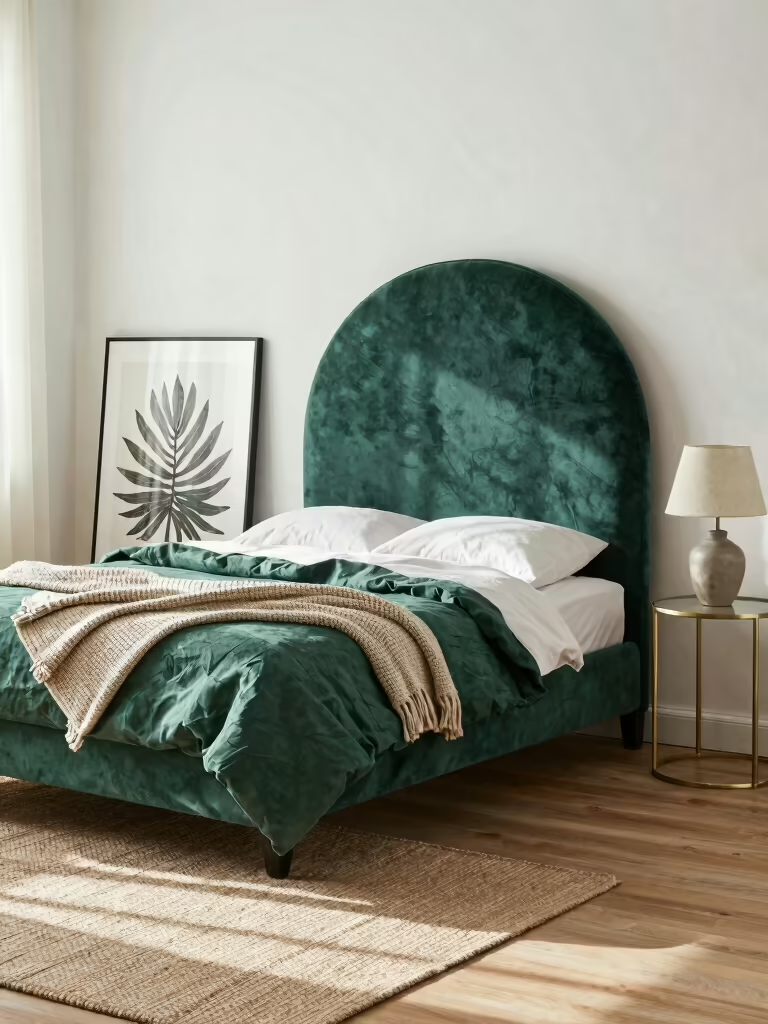
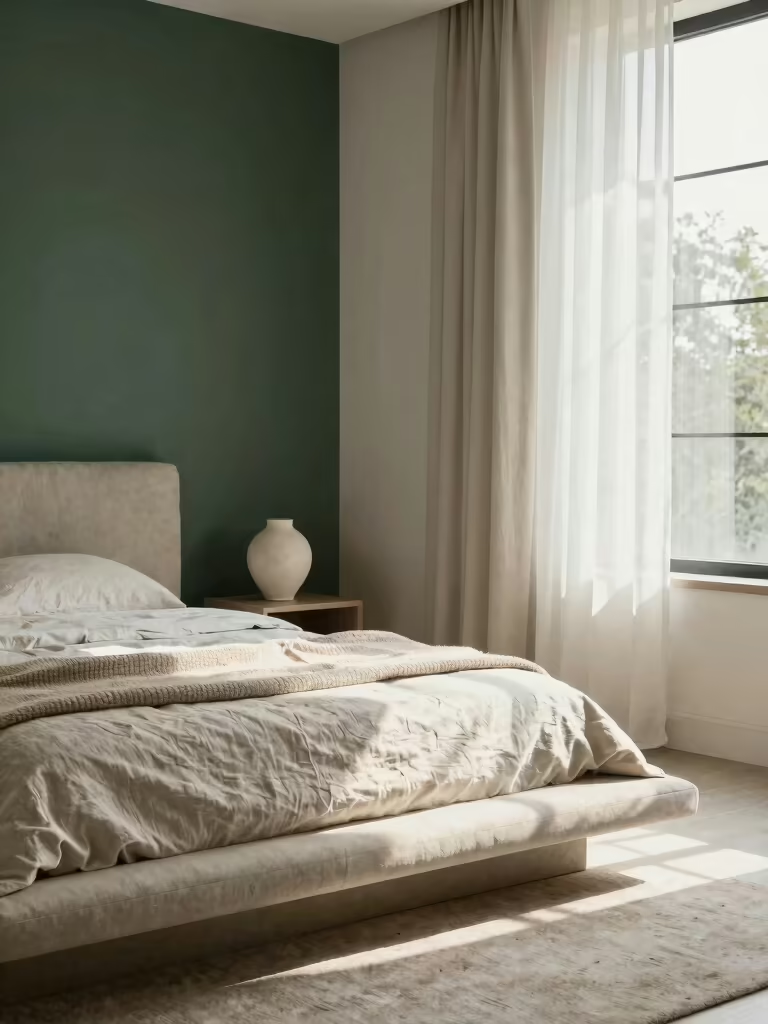
Beyond keeping things pale, a couple of color tricks from the trending posts really change how big a room feels. Painting one wall a slightly deeper shade adds depth and draws the eye past it, while a vertical stripe or tall headboard pulls the gaze upward to make the ceiling feel higher. Color is a free tool once you have the paint.
Carrying the wall color up onto the ceiling, or painting the ceiling a shade lighter, lifts the whole room. Keep contrasts gentle so the space stays calm rather than chopped up. These moves cost nothing extra beyond paint you are already buying, which is why they spread so fast online. A weekend and two sample pots will tell you what works in your light, far cheaper than repainting a whole room you guessed wrong on.
The Viral Hacks to Skip
Not every trending idea survives contact with a real room. The dreamy floor-cushion-only setups, the beds buried under fifteen throw pillows, the open clothing racks styled like a boutique, these photograph beautifully and fall apart the moment you actually live there. Be realistic about what you will keep up on a normal Tuesday. A styled photo is not real life.
Open shelving packed with pretty objects becomes a dusty clutter magnet within a month; a rack of hanging clothes just looks like mess once it holds your real wardrobe. The viral ideas worth your money are the ones that make daily life easier, not just the camera happier. When a hack adds work or removes storage, scroll on.
Keep It Clutter-Free to Hold the Look
Here is the part the viral photos never show: a small room only stays open if you keep it clear. With less square footage, clutter shows up faster and shouts louder, so a quick daily reset matters more than in a big room. Give everything a home and keep surfaces mostly bare. Then the spacious look you copied actually lasts past the first week.
- A quick end-of-day sweep of the floor and surfaces
- One in, one out, so the room stays level
- Closed storage over open shelving to hide the daily mess
- A drawer or dish where small daily items live
Small Bedroom Questions, Answered
?What is the most effective way to make a small bedroom look bigger?
Clear the floor and go pale. Get storage up onto the walls, choose light wall colors with painted-in trim, and place a large mirror facing the window. Empty floor space and bounced light are what the eye takes for roominess, and both cost very little to achieve.
?Which viral small-room ideas are not worth it?
The purely photogenic ones: floor-cushion-only setups, beds piled with decorative pillows, and open clothing racks. They look great in a styled photo but remove storage or add daily upkeep. Favor the hacks that make real life easier, like under-bed storage and multi-use furniture, over the ones that just look good on camera.
?How can I get more storage in a tiny bedroom on a budget?
Use the spaces you are ignoring. Add bed risers and rolling bins to claim the under-bed area for around five to forty dollars, hang floating shelves and wall hooks to go vertical, and pick a tall narrow dresser over a wide one. A storage bed is the bigger investment that pays back the most floor space.
Copy the Tricks That Live, Not Just Photograph
The small-bedroom ideas blowing up online are worth your attention, as long as you filter them through real life. Sort the floor, go pale and vertical, double the light with a mirror, and buy furniture that does two jobs. Those are the moves that make a small room feel open and keep it that way.
Which of the viral tricks would actually fix your room, more storage, more light, or a smarter layout? Start with the one that solves your biggest daily annoyance, give it a weekend, and you will get the airy look from the photos in a room you can actually live in.