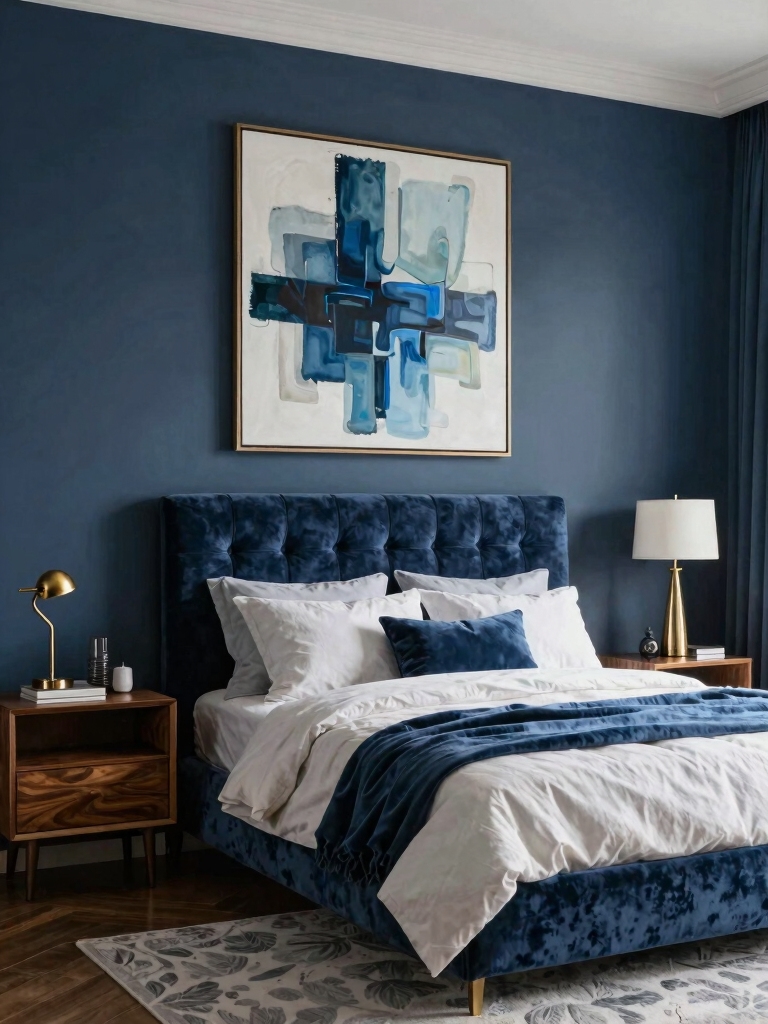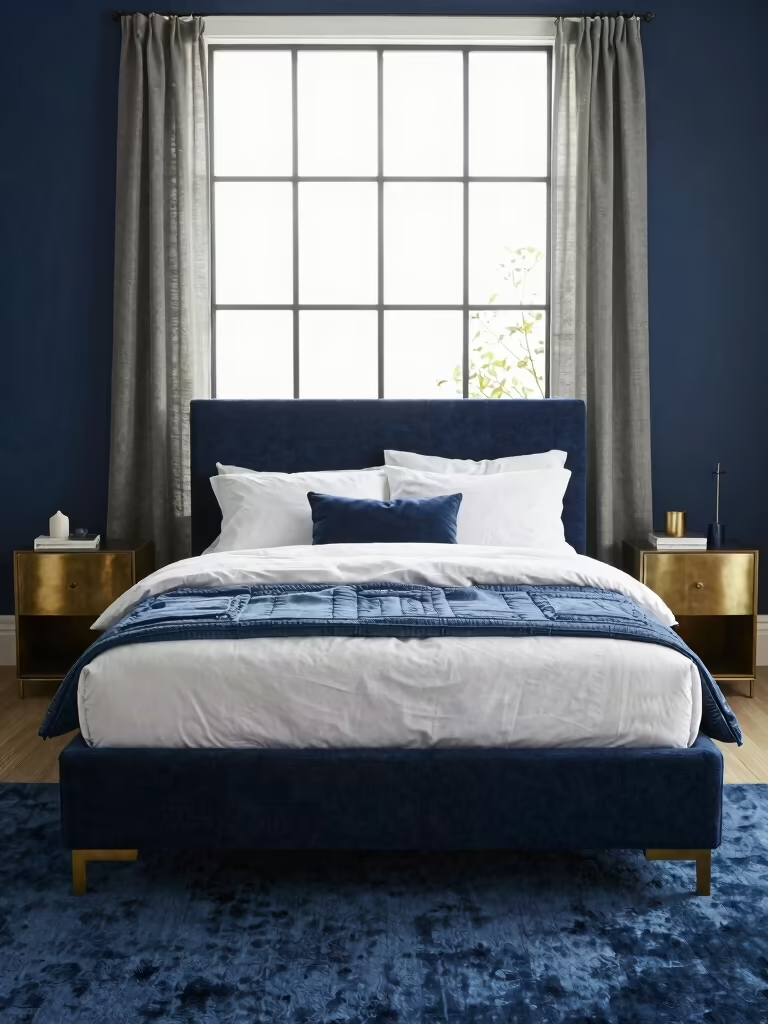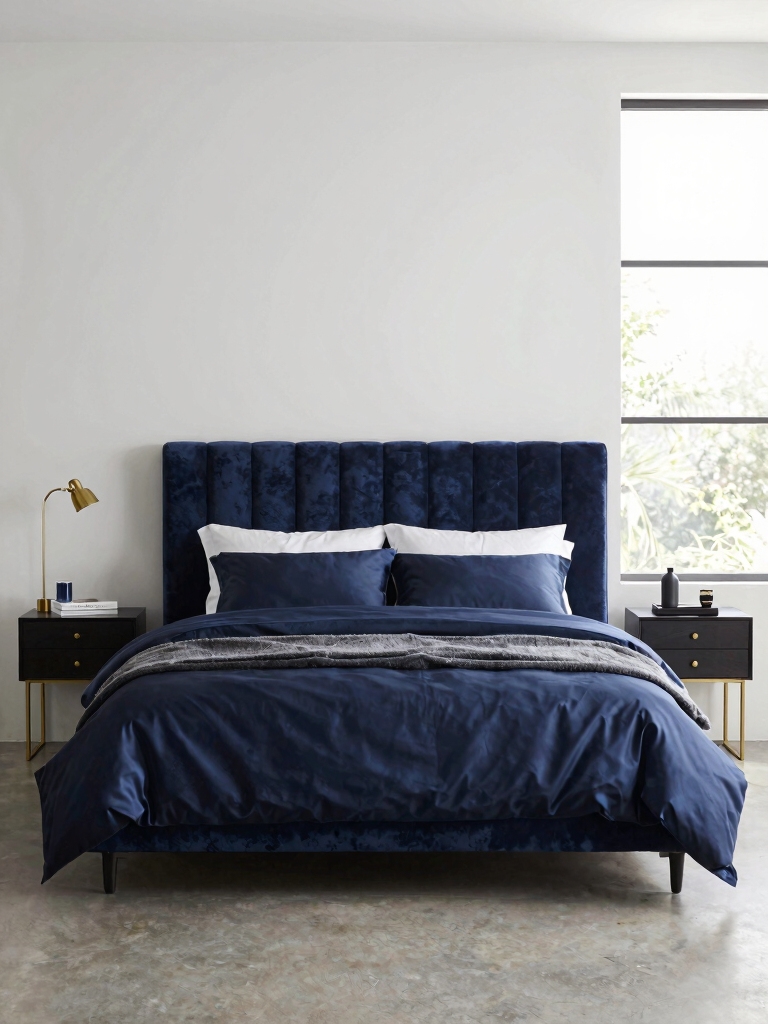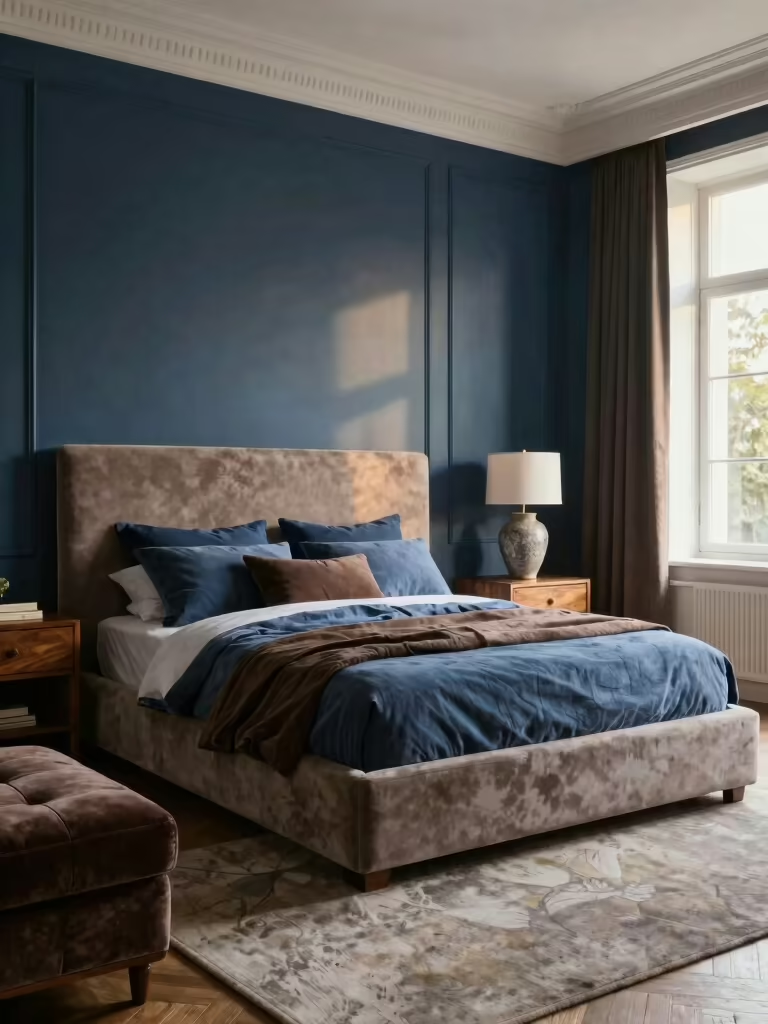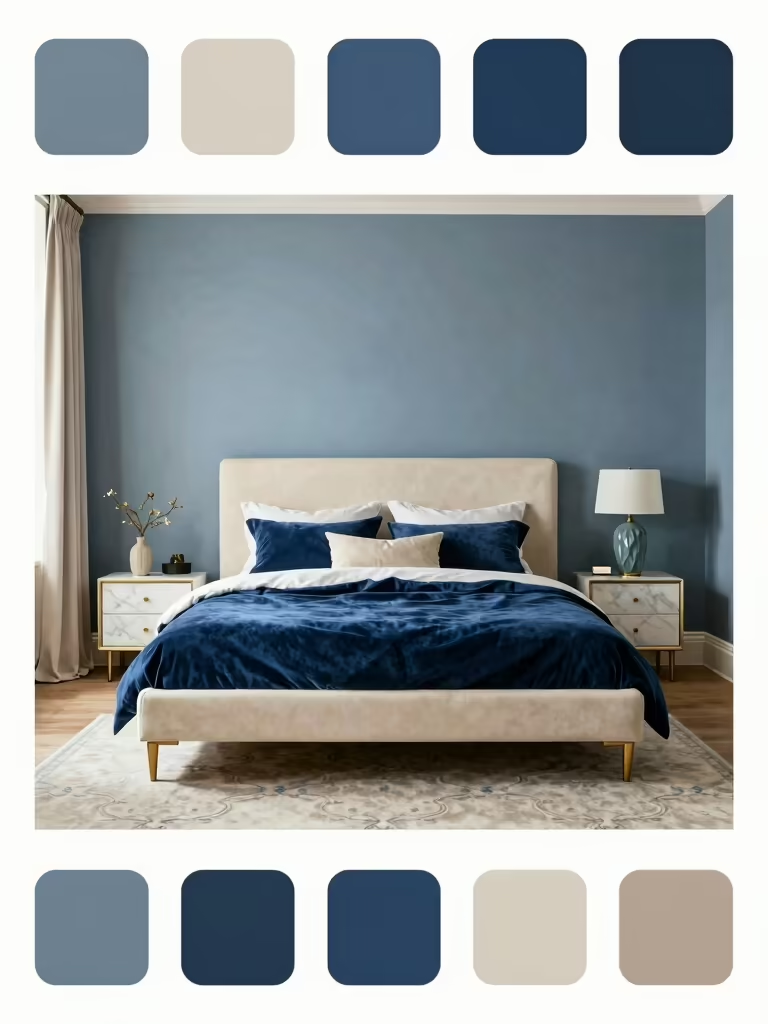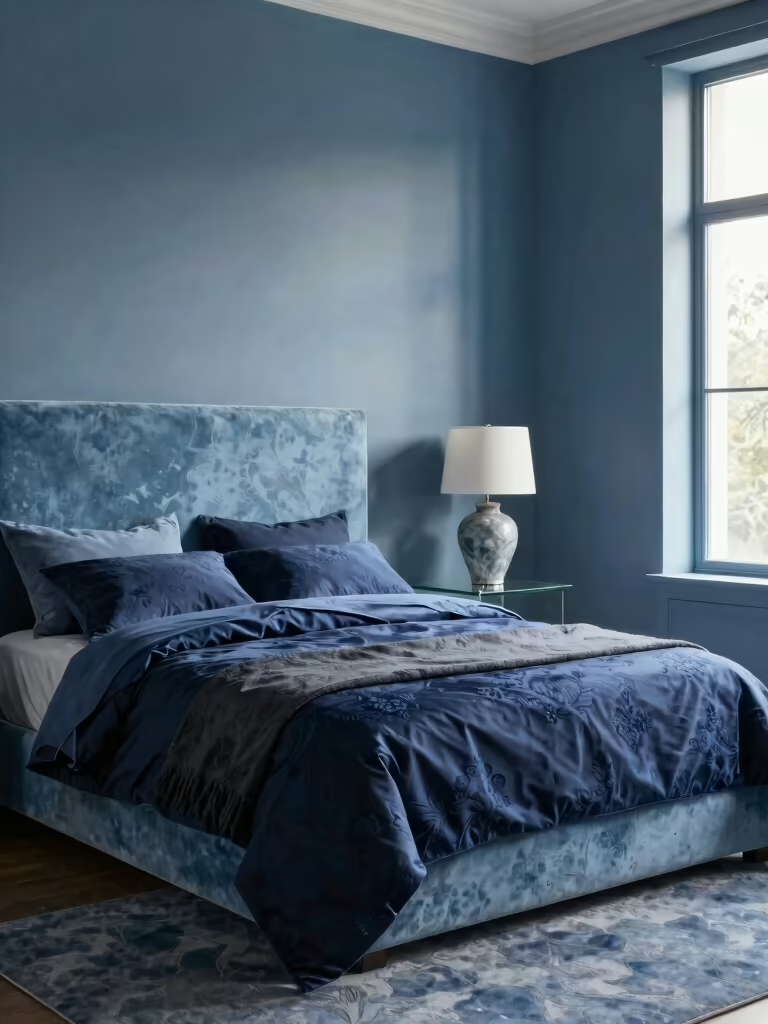

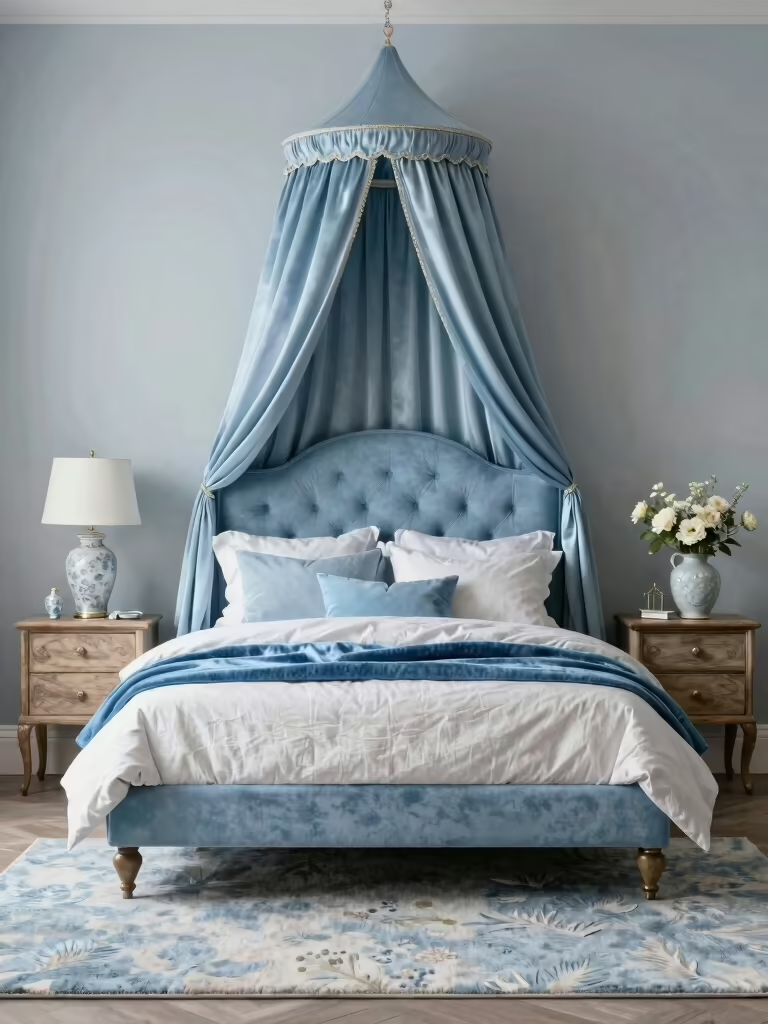
Baby blue gets dismissed as a nursery color, but it’s among the most soothing shades you can put in any bedroom. Done with warmth, it reads soft and sweet rather than cold or childish, the kind of pale sky tone that quiets a room the moment you walk in. It works for a baby’s room and a grown-up retreat alike, which is exactly why decorators keep reaching for it long after the nursery years are over and the crib has given way to a proper bed.
These baby blue bedroom ideas show how to make the shade feel calm and intentional, with the right pale tone, the accents that lift it, and the textures that keep it cozy. I’ve kept the shades, the pairings, and the textures specific so you can build a sweet, restful room without it tipping into either sterile or saccharine.
Getting Baby Blue Right
| Move | What to do | Rough cost |
|---|---|---|
| Pick a warm pale blue | Choose a soft sky tone with a gray or green base, not icy | $6 to $9 a sample |
| Ground it with white and wood | Warm wood and creamy white keep the blue from feeling cold | varies |
| Add a teal accent | One deeper blue-green in pillows or a lampshade for depth | $15 to $50 |
| Layer soft textiles | Cotton, linen, and a plush rug for cozy texture | $80 to $200 for a rug |
Calming Serenity for Nurseries and Beyond
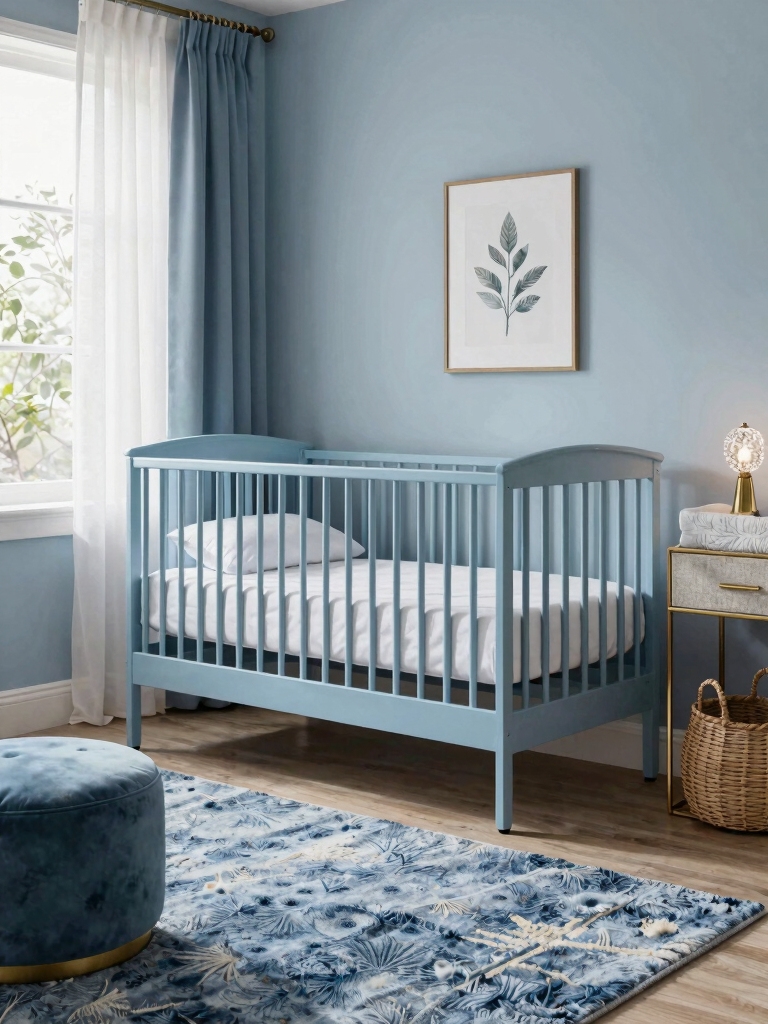
Baby blue calms a room because it echoes sky and water, two things our eyes settle on as restful. In a nursery that softness helps a little one settle without the overstimulation a bright wall can bring; in a grown-up room it does the same quiet work after a long day. The shade is gentle by nature, which is exactly why it earns a place beyond the crib.
Choose a blue with a little warmth in it and the calm never tips into cold. A pale sky tone with a whisper of gray or green stays soft and livable, while a pure icy blue can feel clinical on a big wall. Test a couple of samples in your room’s light before you commit, since blue shifts more than almost any color from morning to evening.
- Lean to a warm pale blue with a gray or green base so it reads soft, not chilly.
- Use the soft shade where you want calm: a baby’s room, a guest room, or a restful primary.
- Sample it on the actual wall and check it at night, when blue can turn gray or cold.
A Serene Blue Bedroom Retreat
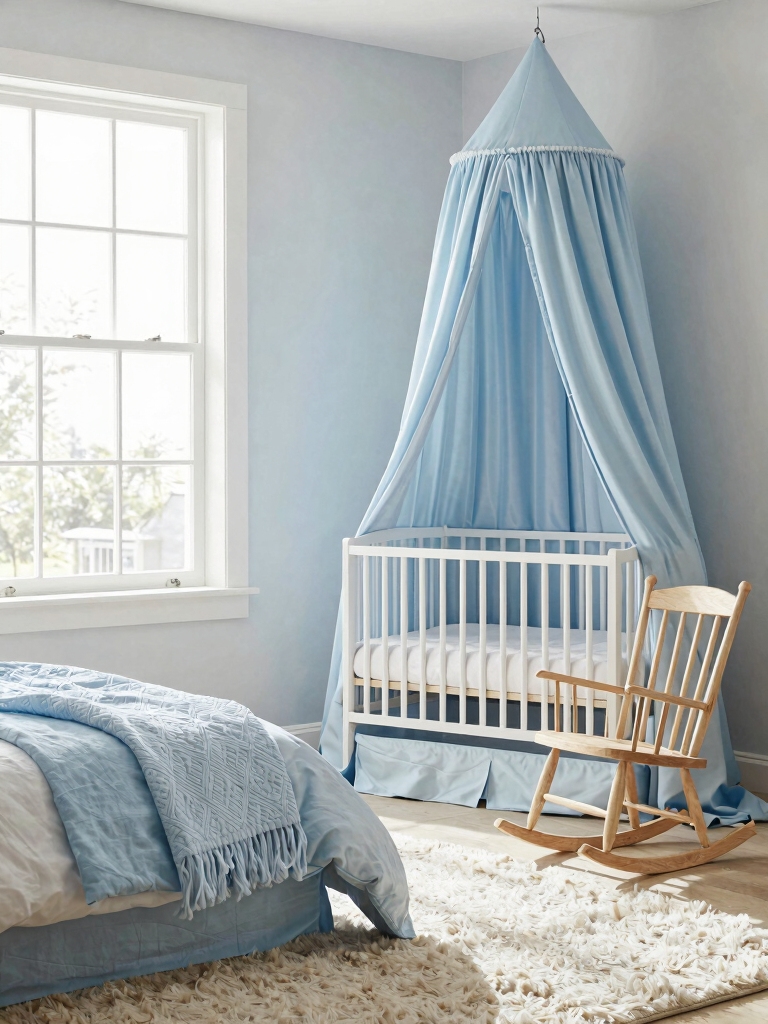
To make baby blue feel like a retreat rather than a theme, treat it as your calm base and build gently from there. Pale blue walls become a quiet backdrop that lets every other soft detail show, so the room comes together collected and restful. Keep the contrast low and the palette tight, and the blue does the soothing without any one piece shouting.
Keep Contrast Low, Calm High
Pair the blue with the right neighbors. Soft whites, warm woods, and the gentlest grays all flatter a pale sky tone and keep it looking grown-up. A single deeper accent, a navy throw or a charcoal frame, gives the eye somewhere to land so the calm has a little depth to it.
Light it warm to protect the softness. Cool bulbs can drain a pale blue and make it feel flat, so stick to warm 2700K light and add a dimmer for evenings. For more on building a restful scheme, see my [cozy bedroom color palette guide](cozy-bedroom-color-palette-ideas-changing) and the broader [aesthetic room color ideas for any bedroom](aesthetic-room-color-ideas-bedroom).
ℹ️Good to Know
Soft blues read cooler under cool-white bulbs and warmer under 2700K ones. The same paint chip can feel serene in a sunny room and chilly in a north-facing one, which is why testing the shade in your own light, day and night, matters more with blue than with most colors.
Subtle Teal Accents to Lift the Palette
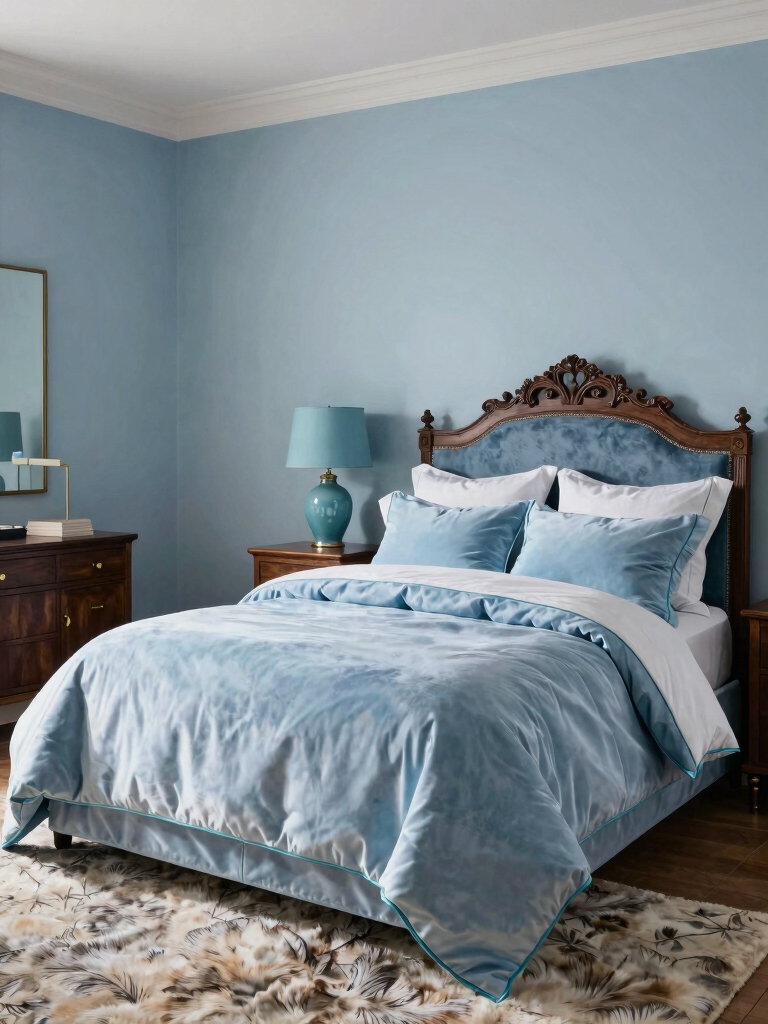
A baby blue room can drift into flat or sweet without a little depth, and a touch of teal is the easiest fix. The deeper blue-green adds just enough contrast to keep the palette lively. It stays in the same calm family. Work it in lightly with these moves.
- Add teal in small, swappable pieces: a pillow, a throw, a lampshade, or a vase.
- Repeat the accent two or three times around the room so it reads intentional.
- Keep teal to roughly a tenth of the palette so it lifts the blue without taking over.
Serene White and Wood Pairings
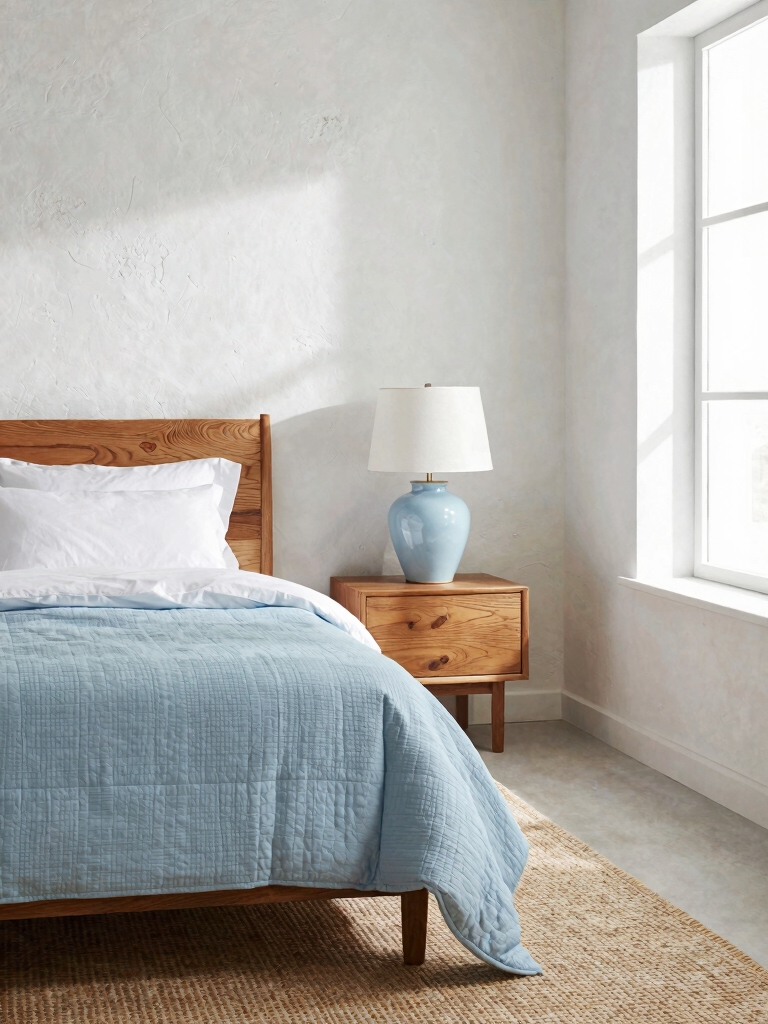
White and wood are baby blue’s best partners, the combination that keeps the shade feeling warm and grounded, because the cream lifts the blue toward light and the wood grain hands it the natural warmth a cool color always seems to be missing on its own. Creamy white brightens and lifts, warm wood adds texture and soul, and together they stop a pale blue room from feeling cold or flat. This trio is the backbone of a sweet, serene scheme.
- Choose a creamy, warm white over a stark blue-white so it flatters the blue.
- Bring wood in through the floor, a headboard, or a nightstand for grounding warmth.
- Keep furniture low and simple so the room stays airy and the palette stays the star.
Which baby blue direction fits your room? A quick read:
1It’s a nursery you want to grow with the child
Paint the walls soft blue and keep the babyish bits in swappable bedding and art.
2It’s a calm grown-up retreat
Anchor the blue with adult-scale wood furniture and creamy white so it reads sophisticated.
3The room feels a touch cold
Warm it fast: switch to 2700K bulbs, add wood tones, and layer a cream rug and throws.
Cozy Textiles for a Serene Ambiance
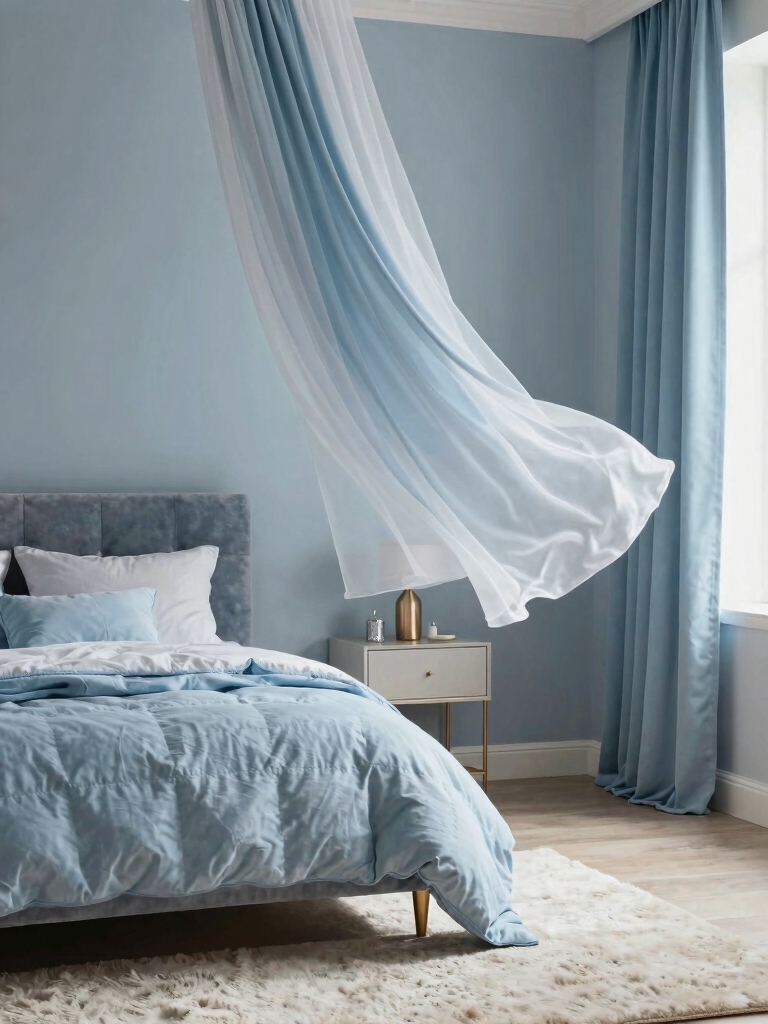
Textiles are where a baby blue room gains its softness and warmth, since the fabrics carry both the color and the comfort, layering the shade across the bed, the windows, and the floor in a way flat paint alone never manages to pull off. Layering a few weights and finishes keeps the room from looking flat and gives the blue real coziness. Build the textile layers like this for a sweet, tactile finish.
- Start with breathable cotton or linen bedding in soft blue and white for the base.
- Add a chunky knit or velvet throw for weight and a different texture against the smooth sheets.
- Ground the room with a plush rug ($80 to $200 for a 5×7) in cream or the palest blue.
- Hang light, airy curtains that filter sun and keep the whole room glowing soft.
Sweet Baby Blue Color Pairings
Half the charm of baby blue is how easily it pairs, and a few combinations stand out as especially sweet. Baby blue with soft blush makes a gentle, unisex pastel scheme that feels tender without being loud. Baby blue with cream and natural wood feels calm and Scandinavian. Baby blue with crisp white and a touch of navy lands somewhere coastal and timeless.
For a little more depth, borrow from nature. Pairing the pale blue with a muted sage or a warm sand tone grounds it and gives the room an outdoorsy calm, the feeling of a clear sky over soft fields. These earthy partners keep baby blue from reading too sugary while holding onto its softness.
Whatever pairing you choose, keep it to three or four tones and repeat each one around the room. A baby blue wall, a cream rug, a wood frame, and one deeper accent are plenty to feel composed. For pairings that hold up in low light, my [blue and brown bedroom ideas](blue-and-brown-bedroom-ideas-warmth) and [white bedroom ideas that still feel cozy](bedroom-ideas-in-white-that-actually-feel-cozy) are good places to look.
Make Baby Blue Grow With the Room
One worry with baby blue, especially in a kid’s room, is that it’ll feel too young in a few years. The fix is putting the blue in the layers you can change cheaply and keeping the big pieces neutral. Paint the walls a soft sky tone if you love it, but let the very babyish touches live in bedding, art, and accents you can swap as taste changes.
That swap-the-layers approach keeps a baby blue room flexible for a long time. A nursery’s cloud mobile and pastel bedding become a kid’s bolder blue quilt and then a teen’s moodier navy accents, all over the same calm walls and wood furniture. You repaint nothing and the room grows up gracefully.
For a grown-up room, the same logic keeps baby blue from reading saccharine. Anchor it with adult-scale furniture, sophisticated whites, and warm wood, then let the blue stay soft in the background. Treated as a calm neutral, baby blue works at any age, which is how you use such a sweet color without it feeling juvenile.
Lighting and Finishing Touches
Light makes or breaks a pale blue room, so plan it with the color in mind. Warm bulbs around 2700K keep the blue soft and inviting, while cool white light flattens it and pulls out any chilly undertone. Layer a bedside lamp, a soft overhead on a dimmer, and maybe a warm string of lights so the room can shift from bright play to calm wind-down. My [bedroom lighting ideas for mood](bedroom-lighting-ideas-mood) cover the layering.
Finishing touches are where the sweetness lands. A few framed prints in soft tones, a single plant for life, and one personal object give a baby blue room character without clutter. Keep these edited so the calm holds; a pale palette shows mess fast, so a clear surface or two does a lot for the serene feel.
Mind the metals and finishes too. Warm brass or soft gold flatters baby blue and adds a gentle glow, while a matte finish on walls keeps the color soft and hides little fingerprints. These small choices are what tip a baby blue room from plain into polished and sweet.
What to Expect From a Baby Blue Room
Set expectations and baby blue rewards you. It’s one of the calmest, most forgiving colors to live with, and it pairs with almost any wood and white. The one thing to watch is undertone: a too-cool shade can drift gray on a big wall, so always live with a sample for a few days before you roll the whole room.
Budget-wise, it’s friendly. A couple of gallons of paint, warm bulbs, soft bedding, and a rug deliver the full effect for a modest spend, and most of it is reversible if you rent. Start with the paint and the textiles, add the teal accent and the finishing touches over time, and the room comes together soft and sweet at a gentle pace.
Baby Blue Bedroom Questions, Answered
?Is baby blue only for nurseries?
Not at all. Anchored with adult-scale furniture, warm wood, and creamy white, baby blue reads as a calm, sophisticated neutral that suits a grown-up retreat just as well as a nursery.
?How much of the room should actually be blue?
Treat baby blue as the dominant tone on walls or bedding, with white and wood as the supporting two-thirds, and a single deeper accent. Roughly a 60-30-10 split keeps it from going flat or overly sweet.
?What colors go with baby blue?
Creamy white and warm wood are the core partners. For depth, add a touch of teal, navy, or soft gray, plus warm brass for a gentle glow. Keep the overall contrast low for a serene feel.
?How do I make a baby blue nursery last as the child grows?
Put the blue on the walls and keep the babyish touches in bedding, art, and accents you can swap. The room evolves with new textiles over the same calm walls, no repainting needed.
?Does baby blue work in a north-facing room?
Yes, but lean to a warmer pale blue with a touch of green or gray, since north light runs cool and can turn an icy shade chilly. Test the sample on that actual wall before committing.
Soft, Sweet, and Surprisingly Grown-Up
Baby blue earns its place well beyond the nursery once you treat it as the calm, warm neutral it can be. Pick a soft shade with a little warmth, ground it with white and wood, lift it with a touch of teal, and keep the light and textiles cozy. Do that and the result is soft and sweet without ever feeling cold or childish.
Start with a sample on the wall this week, check it morning and night, and let the gentlest blue set the whole mood of the room.