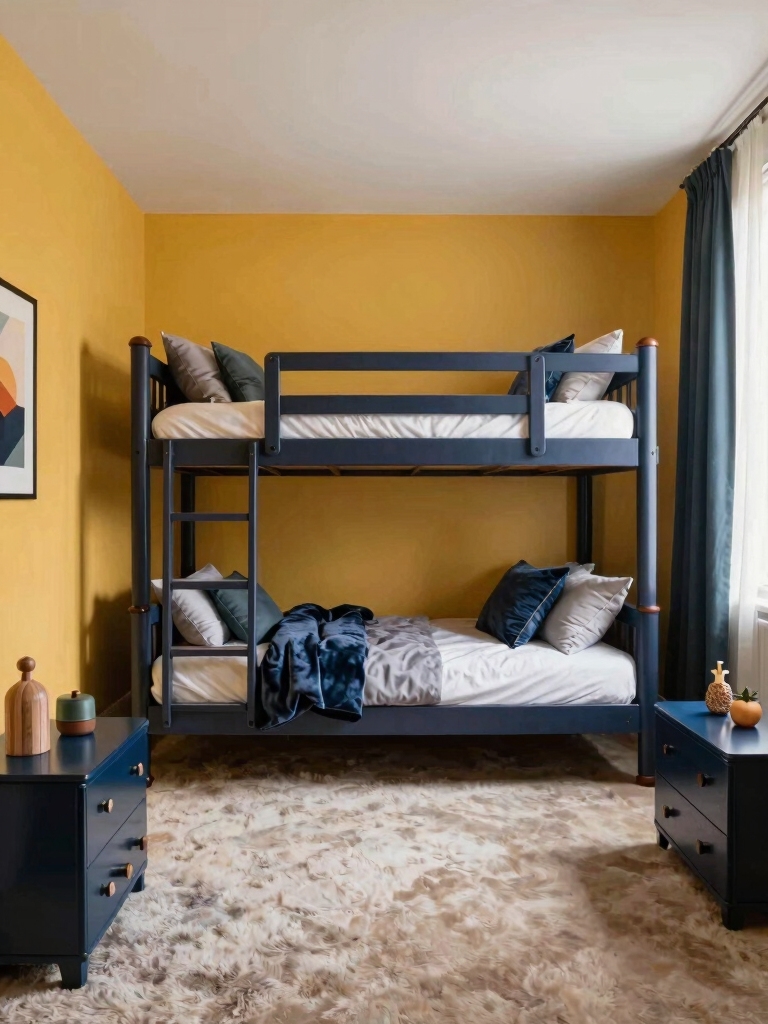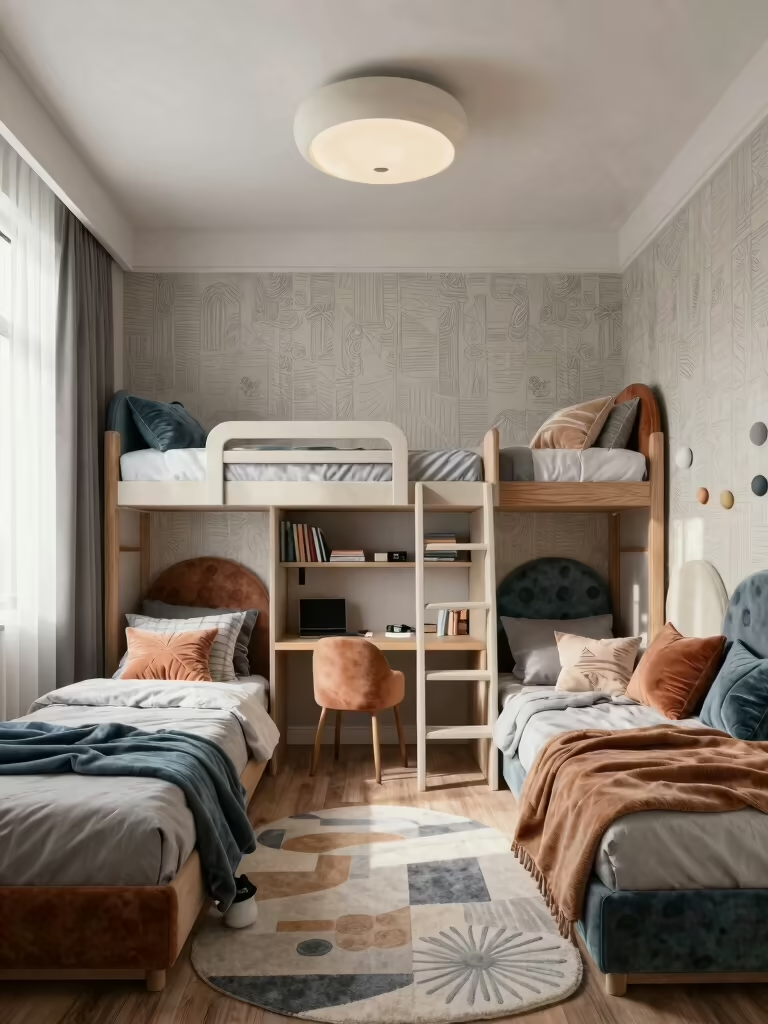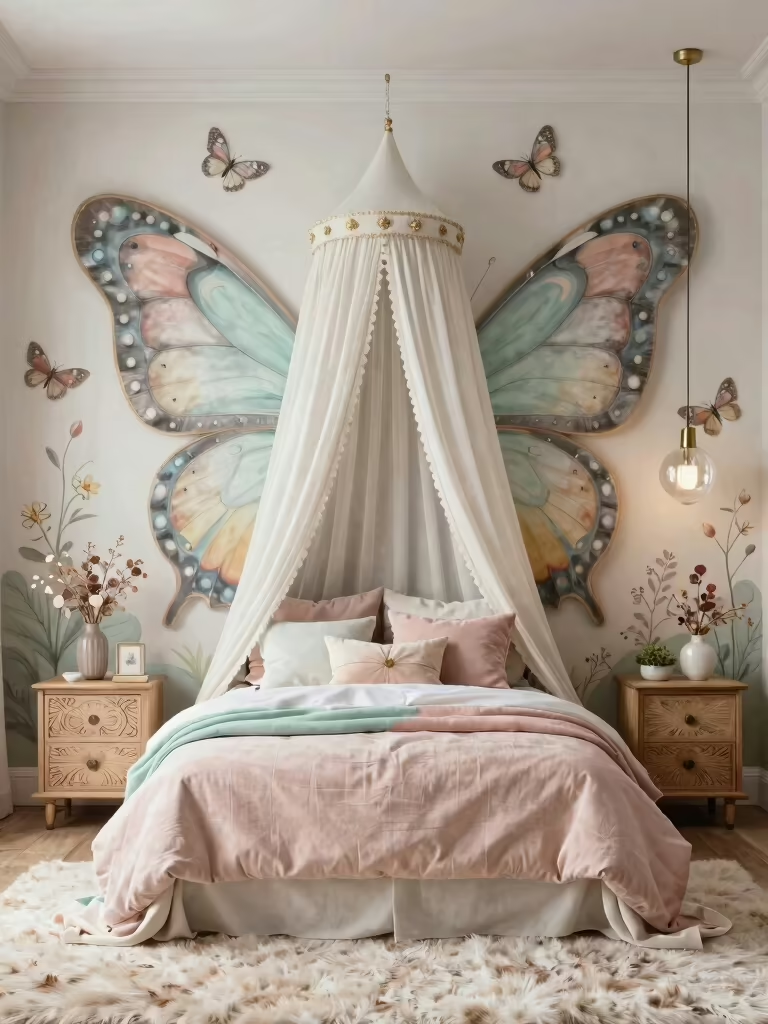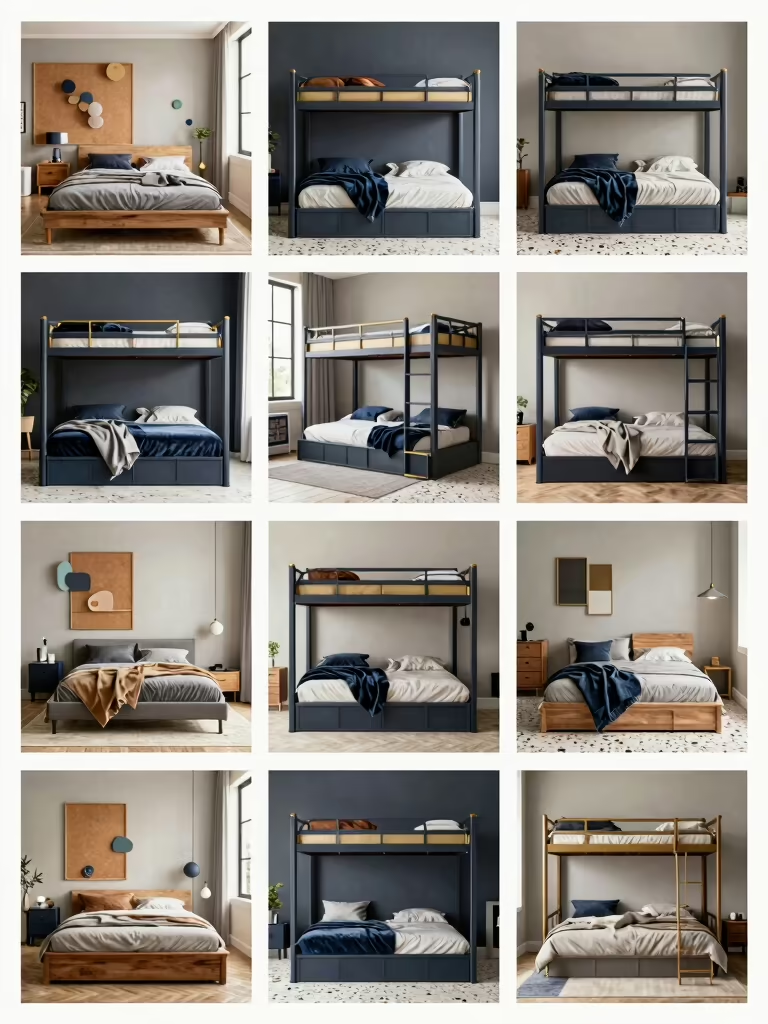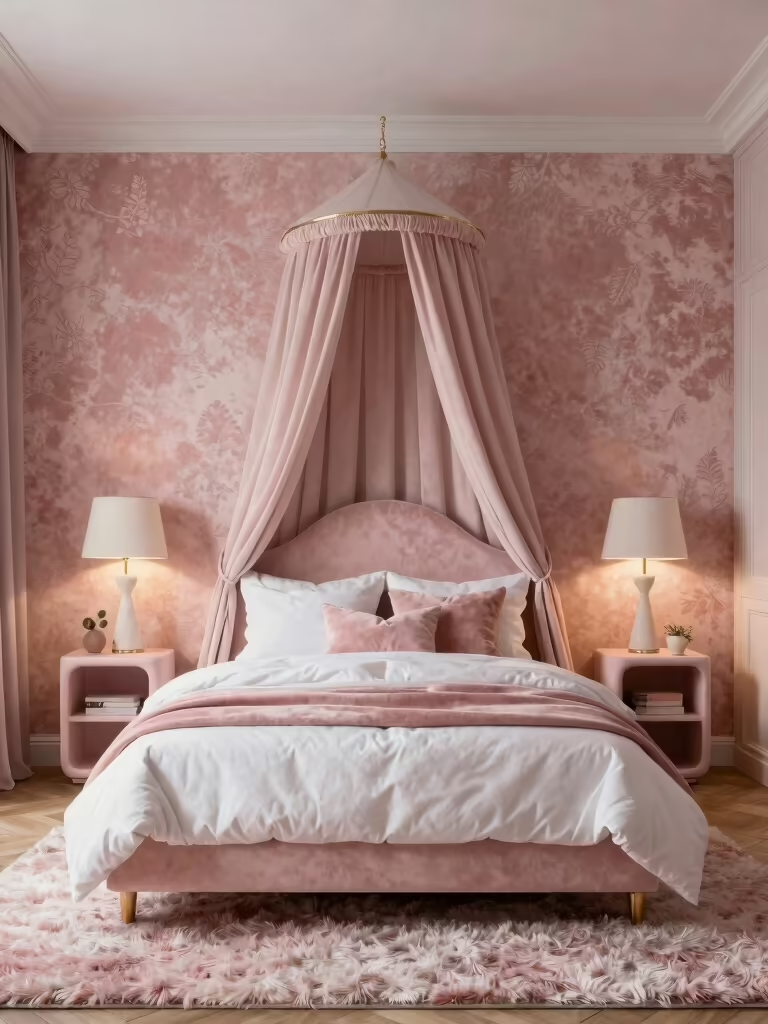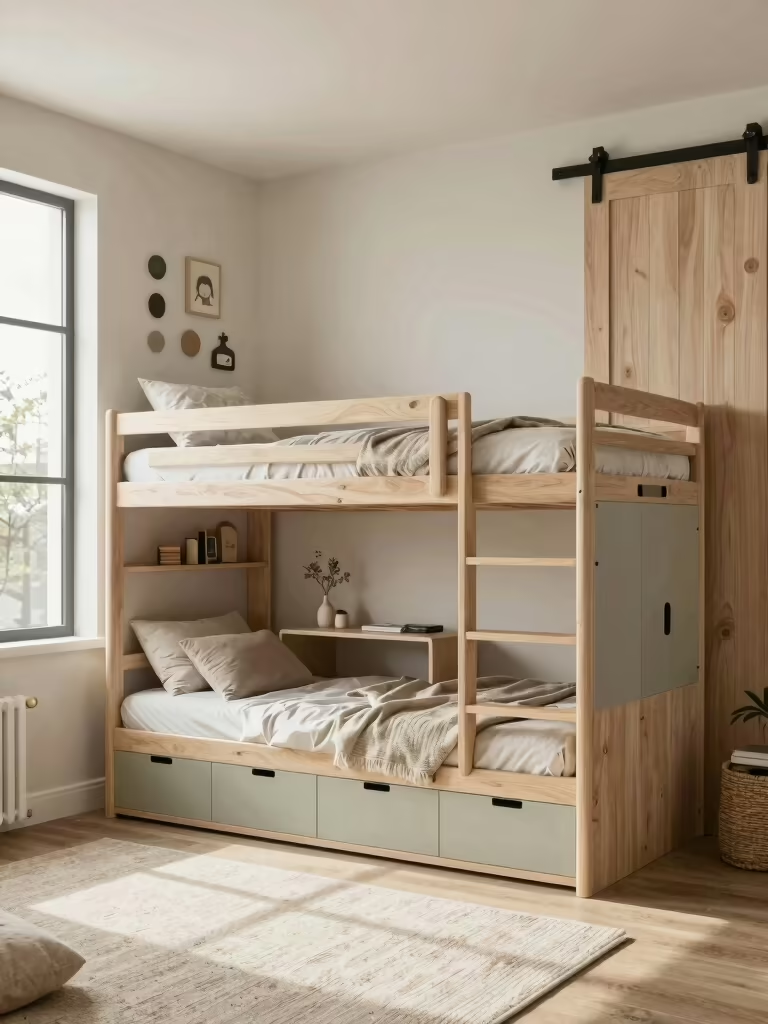
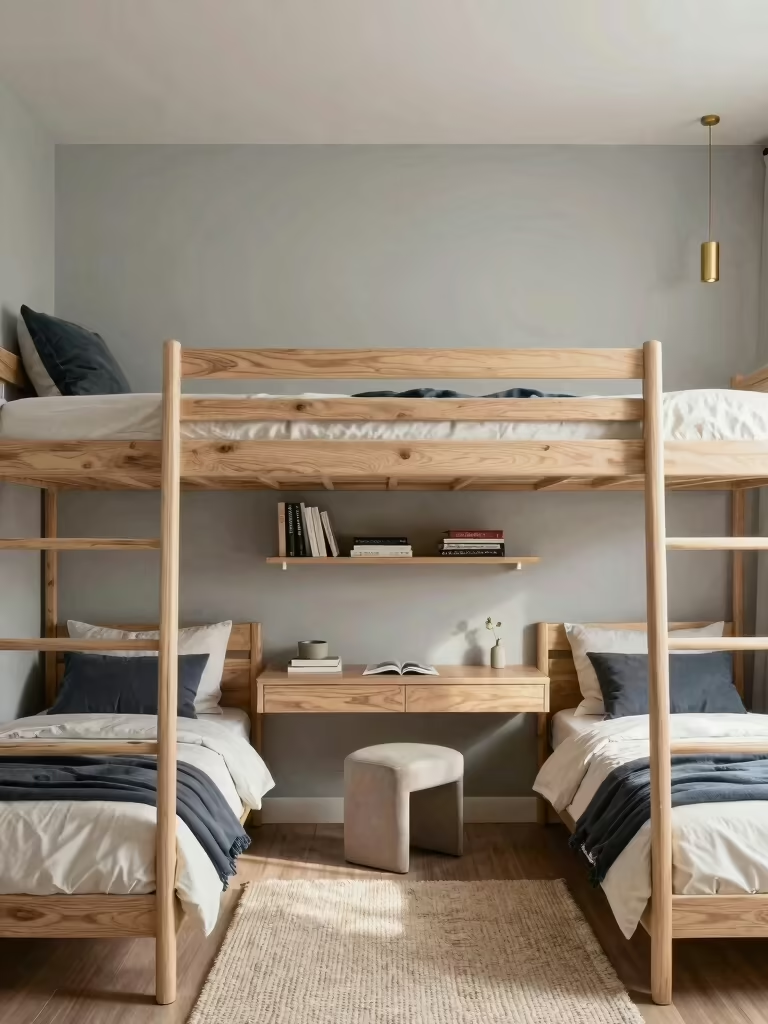
Sharing a room for two kids strengthens bonds and boosts teamwork, while freeing up space for smarter organization. I’d zone the room with color-blocked walls and paired furniture, plus curtains or screens for privacy. Dual desks and quiet nooks help each child focus, with flexible bed layouts to grow with them. Keep a neutral base, then add personal pops that don’t clash. If you want more practical tweaks, you’ll discover even more ideas ahead.
Why Two Kids Should Share a Room
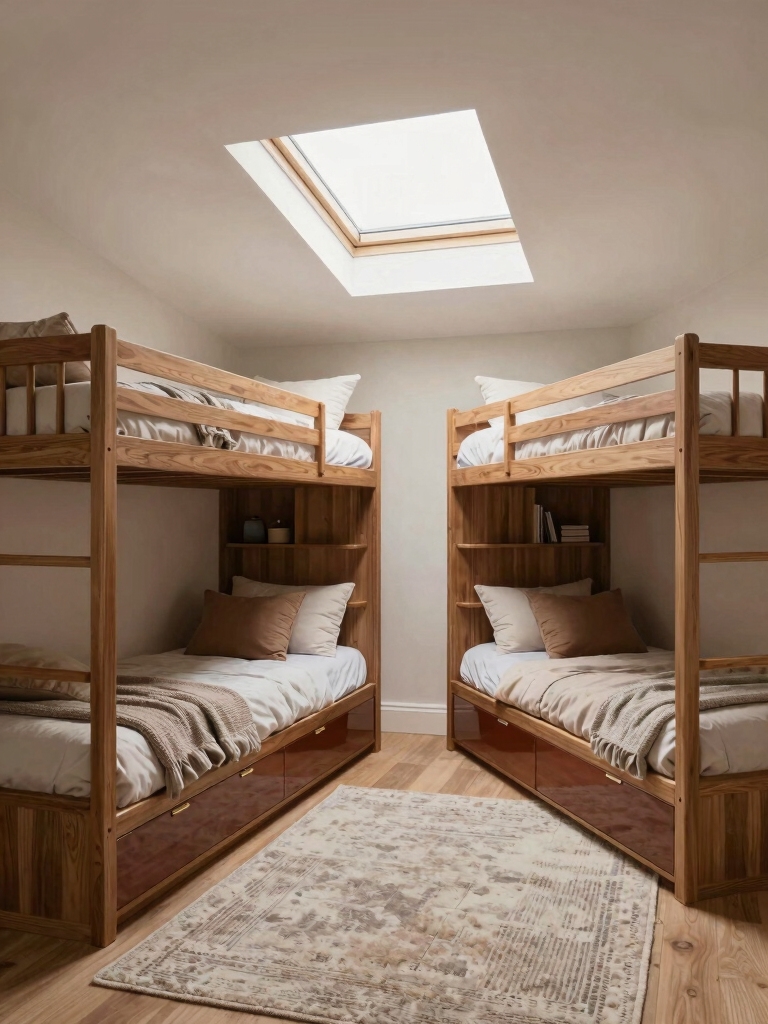
Sharing a room can boost sibling bonds and teach kids important life skills, like cooperation and compromise, from the start.
I’ve seen two kids thrive when they share a space: they learn to navigate routines, negotiate priorities, and respect boundaries.
It saves costs, fosters teamwork, and gives them built-in daily companionship.
With thoughtful setup, shared rooms become empowering, practical, and comforting.
Utilizing creative space-saving ideas can make even the smallest rooms functional and enjoyable for siblings.
Zone the Room for Two: Balanced Shared Areas
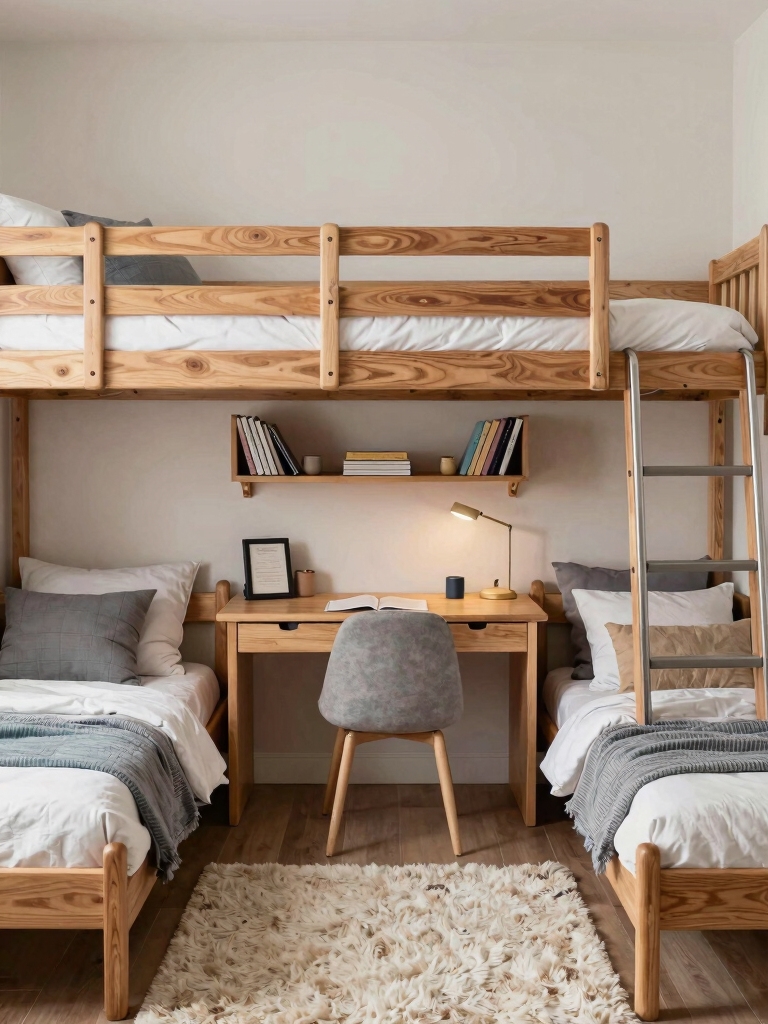
To zone the room for two effectively, start with clear, practical zones that fit every kid’s needs: a quiet study spot, a shared play area, and individual sleep nooks.
I share tips that stay practical, balanced, and calm, keeping conflicts minimal and space functional for both kids.
- Define zones with color and furniture pairs
- Use rugs to separate play from study
- Choose adaptable storage that suits two personalities
- Add privacy screens without isolating workflows
Maximizing every inch with creative small bedroom ideas ensures both kids enjoy a functional and personalized space.
Create Private Nooks Within a Shared Space
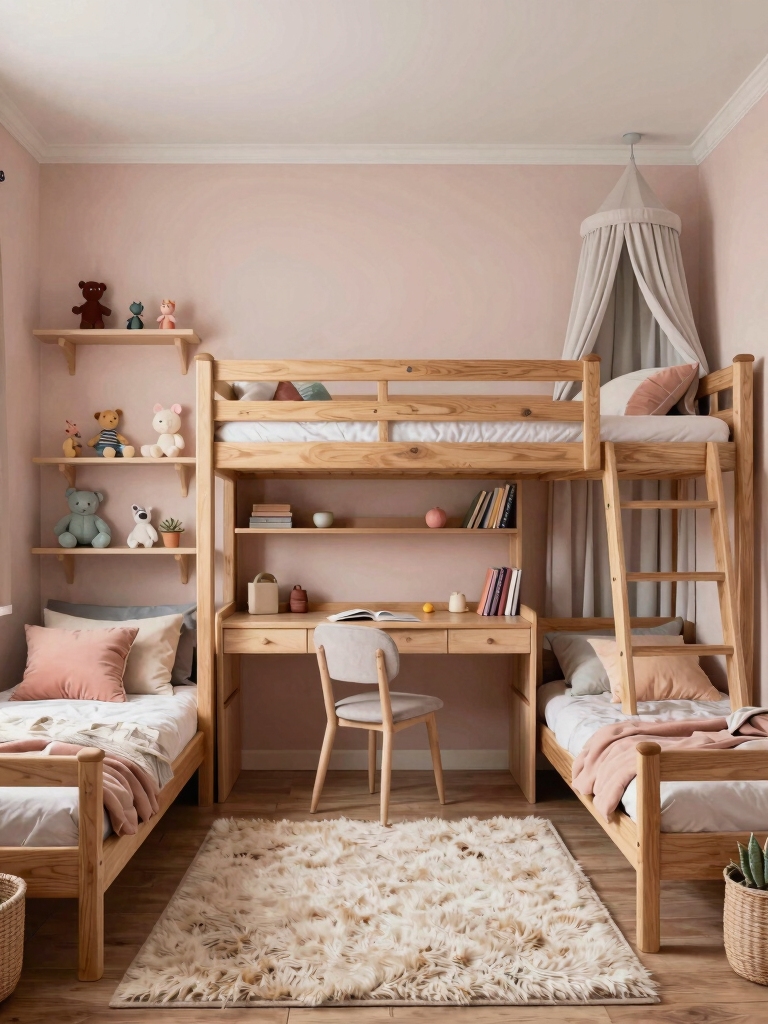
I’ve found that even in a shared kid’s room, private nooks can feel like personal retreats.
I’ll share simple ideas to create distinct corners for each child while keeping the space cohesive and functional.
We’ll explore practical ways to separate the area without segmenting the room into rigid zones, focusing on comfort, access, and a touch of individuality.
Incorporating elements from stylish boys’ bedroom ideas can inspire adventure while maintaining a harmonious sibling space.
Private Nook Ideas
Creating private nooks in a shared kids’ room is about carving out small, personal spaces that still feel connected to the whole.
I’ll suggest practical ideas that respect both siblings and the room’s flow, keeping it simple and neat.
- Use color-blocked walls to define zones
- Install hanging curtains or screens for quick privacy
- Allocate tiny shelves for personal items
- Choose modular, compact furniture for flexibility
Shared Space Separation
Shared space in a kids’ room doesn’t have to feel like a compromise; with thoughtful separation, each child gets a sense of personal zone without losing the room’s togetherness.
I suggest modular screens, low bookcases, and color-blocked zones to carve you-know-what nooks.
Use ceiling-mounted shelves for privacy, and anchor with rugs that cue different play areas while maintaining harmony.
Dual-Desk Setups to Help Both Kids Focus
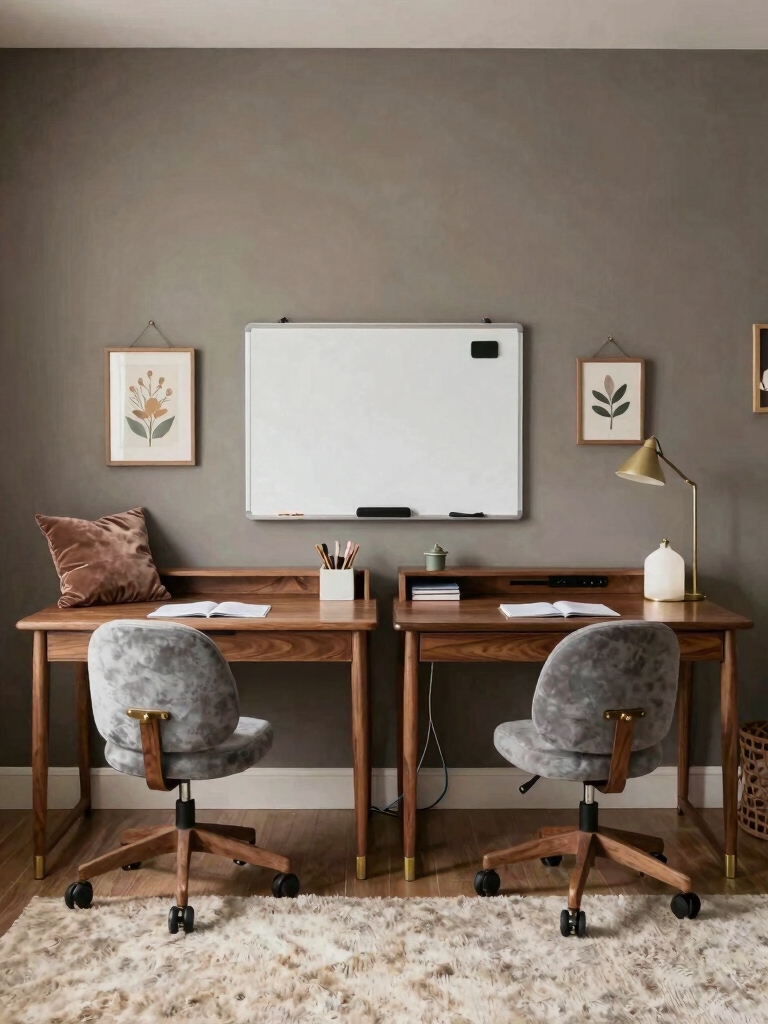
I’m exploring dual-desk setups that keep both kids focused by creating clear zones for work, play, and storage.
We’ll look at shared desk zones that minimize distractions, quiet study nooks for individual concentration, and smart storage to keep supplies organized and accessible.
Let’s discuss how these elements come together to support both kids’ focus and a calmer shared room.
Incorporating creative space solutions can transform even the tiniest bedrooms into functional and enjoyable environments for siblings.
Shared Desk Zones
Have you ever noticed how two kids can stay focused longer when they each have their own workspace?
I love shared desk zones that still feel separate, so each child controls lighting, supplies, and posture.
Here are practical ideas:
- Symmetrical desks with a shared rail
- Dividers that don’t block visibility
- Nearby storage for quick access
- Coordinated, non-distracting decor
Quiet Study Nooks
Creating quiet study nooks is a natural extension of the idea of shared desks, since separate, low-distraction spaces help each child stay focused while still being close enough for quick check-ins.
I set up dual desks with adjustable chairs, task lighting, and subtle color cues to minimize distraction. We keep essential supplies nearby, establish a routine, and respect individual pacing for steady, independent work.
Storage and Organization
Dual desks work best when storage is clear, accessible, and shared logic keeps each space distinct.
I organize with labeled bins, a central charging hub, and adjustable shelves so each kid has focus zones.
Let’s keep cords tidy, rotate supplies seasonally, and use corkboards for quick reminders.
- Label everything
- Use a shared charging station
- Adjustable storage for growth
- Quick, weekly tidy routines
Keeping Bed Configurations Flexible for Growth
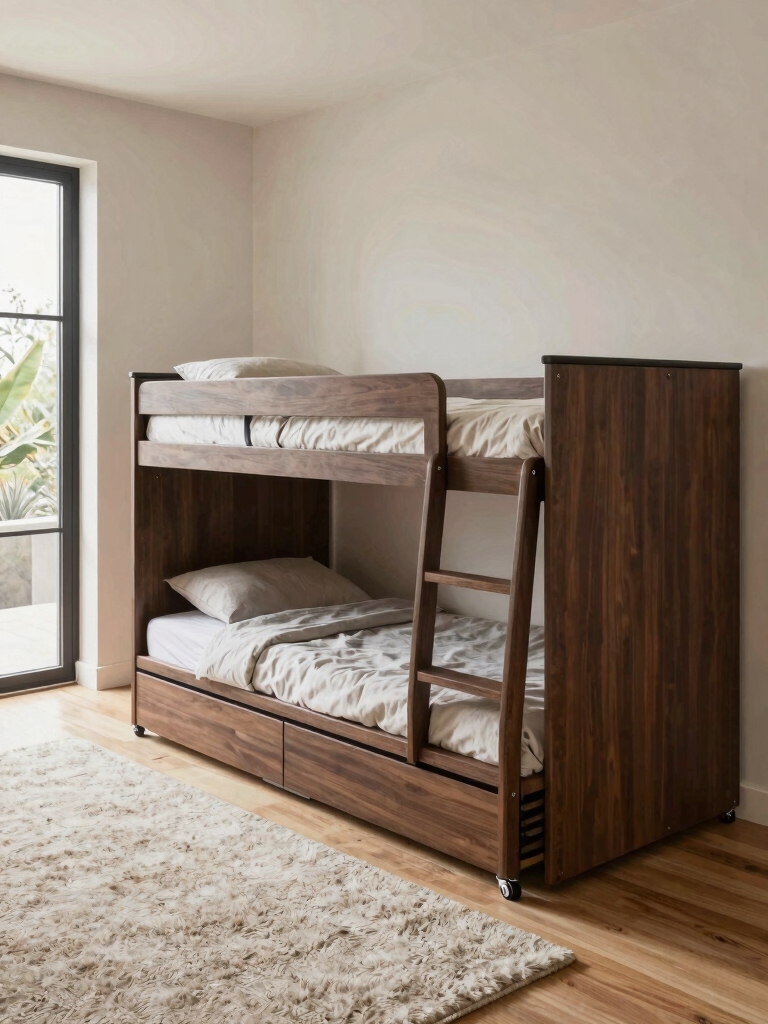
Keeping bed configurations flexible as kids grow isn’t just convenient—it makes room for changing needs without a full redo. I suggest modular units, adjustable bed frames, and lightweight, easy-to-move layouts. Prioritize scalable storage and simple shifts between setups. I’ll remind you that safety and clean lines minimize clutter, while clear sightlines help siblings coexist peacefully during evolving routines. Ready to adapt thoughtfully? Incorporating space-saving bedroom ideas can maximize functionality in small rooms designed for multiple kids.
Separate Color Palettes, Shared Materials
Separating color palettes while sharing materials lets each child express their personality without clashing, and it keeps the room cohesive overall.
I’d mix durable, neutral surfaces with personalized accents, so both spaces feel intentional, not duplicated. You’ll gain clarity, function, and style that grow with them.
- Use washable paints and shared furniture in universal tones
- Add kids’ shapes or motifs as accents
- Label zones for independence
- Rotate decor seasonally
Incorporating creative ideas that promote harmony ensures the shared space remains peaceful and enjoyable for siblings.
Smart Storage That Serves Both Kids
Smart storage isn’t just about tucking things away; it’s about making everyday routines effortless for both kids.
I design multi-use bins and labeled zones so each toy, book, and uniform has a clear home. We rotate accessories seasonally, keep a hidden drawer for small treasures, and maximize vertical space with wall-mounted shelves.
The result: calmer mornings and faster cleanups.
Incorporating creative storage solutions can transform kids’ bedrooms into organized, functional spaces that grow with them.
Play Zones That Stay Organized
I’ve found that organized play spaces help siblings share a room without frequent reset storms.
I’ll show you how clear zone boundaries—like labeled bins and distinct activity corners—keep toys and projects in their places.
Together, we can create zones that stay tidy and make cleanups quick and simple.
These ideas draw from endless inspiration for kids’ bedroom designs to keep the space engaging and functional.
Organized Play Spaces
- Use labeled bins with clear fronts for quick identify-and-return.
- Create a dedicated art corner with a rolling cart.
- Implement a simple, accessible daily clean-up routine.
- Rotate toys to reduce overload and boost focus.
Zone Boundaries That Last
When organized play spaces are the goal, clearly defined zones make that happen. I set sturdy boundaries that kids can see and respect, using color, texture, and distance to cue what belongs where.
I keep zones simple, label softly, and rotate belongings. Regular check-ins and quick tidy routines prevent drift, so play stays focused, calm, and lasting.
Noise Control and Quiet Zones
To keep kids focused and rested, set up clear noise boundaries and welcoming quiet zones in the shared bedroom.
I’ll share practical steps you can implement now, with a calm environment and predictable routines that reduce conflicts and promote rest.
- designate a quiet corner with soft textiles
- use white noise or fans for background masking
- place toys and screens away from sleeping areas
- schedule consistent rest times and changes
Maximize your bedroom space by incorporating clever cupboard ideas that help keep the room organized and clutter-free.
Lighting Zones for Different Moods
I’m curious how you’ll shape mood with lighting, from cozy corners to bright task areas.
We can layer mood-specific lighting, offer flexible illumination options, and set task-oriented brightness levels to keep both kids engaged and comfortable.
Let’s explore practical setups that adapt as moods shift and homework fades into play.
In small bedrooms, combining lighting with smart storage solutions can maximize space and enhance the overall comfort and functionality of the room.
Mood-Specific Lighting Zones
- Use dimmable lamps at each bed
- Assign color temperatures by activity
- Create a central control hub
- Label switches for easy navigation
Flexible Illumination Options
With mood-specific lighting in mind from the last section, I set up distinct lighting zones that adapt to the moment.
I combine dimmable ceiling fixtures with flexible lamps and subtle ambient glow near play areas.
Central controls let kids switch moods themselves, while safety remains prioritized.
This layered approach balances focus, relaxation, and shared space, avoiding glare and clutter.
Task-Oriented Brightness Levels
When kids share a room, distinct task-oriented brightness levels make chores, homework, and play feel effortless.
I map zones: bright for study, soft for reading, night-light for wind-down, and adjustable task lighting for projects.
You’ll get focus without glare, comfort without fuss, and clear separation of zones for calmer mornings and smoother evenings.
- Study zone bright
- Reading nook soft
- Night-light gentle
- Project area adjustable
Durable, Age-Adaptable Furniture
I favor sturdy, modular pieces that can morph—from bunk beds to twin beds, from study desks to storage units—so investments pay off over years.
My picks emphasize safety, simple maintenance, and flexible layouts that adapt as interests evolve.
Quick Room Refresh Ideas as Interests Change
As kids’ interests shift, a quick room refresh keeps a shared space feeling fresh without a full redo. I’m practical and direct, swapping accents, textiles, and small features to reflect changing tastes without overhauling the room.
- Swap throw pillows and blankets for new textures
- Update wall art or decals in a cohesive color palette
- Resequence storage bins for ease and change
- Add portable lighting or a quirky lamp for mood shifts
Themed Rooms That Don’t Clash
Creating themed rooms for siblings can be fun without feeling clash-y by focusing on a shared design spine and then letting each space shine with personal touches.
I guide you to pick a unifying palette and furniture style, then celebrate each kid’s interests with distinct accents, textures, and clever storage.
The result is cohesive rooms that still feel individually theirs. Practical, polished, possible.
Budget-Friendly Twin-Room Solutions
When you’re designing a twin room on a budget, smart planning makes a big difference: start with versatile essentials, then layer in personality with affordable touches.
I’ll guide you to practical, budget-friendly choices that maximize space and function, without sacrificing style for both kids.
- Choose modular furniture that grows with them
- Use bunk or loft beds to save floor space
- Opt for neutral bases, colorful accents
- DIY or upcycle storage with clear labeling
Safe and Kid-Proof the Shared Space
With twins in mind or siblings sharing a space, safety must be built into every layout choice from the start.
I’ll prioritize rounded furniture, cord management, and low-profile storage to minimize hazards. Use non-slip rugs, outlet covers, and sturdy lofts or beds with guardrails.
Label zones for play and study, and keep choking hazards out of reach. Consistency builds confident, protected routines.
Personalization Tips That Honor Both Kids
To honor both kids, I start by inviting each child to weigh in on what matters to them—color themes, favorite characters, and practical needs—then blend those ideas into a shared space that feels fair.
I keep personalization practical, avoid rivalry, and celebrate individuality within a cohesive design.
- Separate zones, shared storage
- Neutral bases with pops of favorite hues
- Character accents that aren’t overpowering
- Adjustable lighting for each mood
Conclusion
Sure thing—sharing a room is basically a luxury, right? I mean, two kids, one closet, and all that compromise. But hear me out: with smart zoning, private nooks, and flexible beds, you’ll barely notice the double-booking chaos. The irony? Creating equal, cozy zones actually teaches them cooperation while keeping Mom and Dad sane. So yes, you can have style, budget hits, and growth-friendly tunes all in one shared space. You’ll thank yourself later—maybe even two times.