
Most kids’ rooms get redone every couple of years because they’re built around a single passing phase. The cartoon theme that thrilled a four-year-old embarrasses the seven-year-old, and the whole room starts over. There’s a smarter way to do it, and parents ask me about it constantly.
These bedroom ideas for kids lean on the things they never get tired of: storage that scales, walls you can change without a repaint, and a few timeless pieces that carry a room from toddler to tween. Build the bones to grow and you swap small, cheap details as tastes shift, instead of gutting the room every birthday. That’s easier on your weekend and your wallet.
Key Takeaways
How do I keep a kid’s room from needing a redo every year? Build the bones to grow, neutral big pieces and flexible storage, then let the cheap, swappable details carry the theme.
What’s the smartest storage for a growing child? Adjustable, reachable systems: under-bed bins, modular shelves, and low hooks that move up as the child gets taller.
How do I let them express themselves without a constant repaint? Use washable paint and peel-and-stick murals or decals, so a new obsession costs an afternoon, not a weekend and a paint can.
Plan an Efficient Kid’s Bedroom Around Real Life
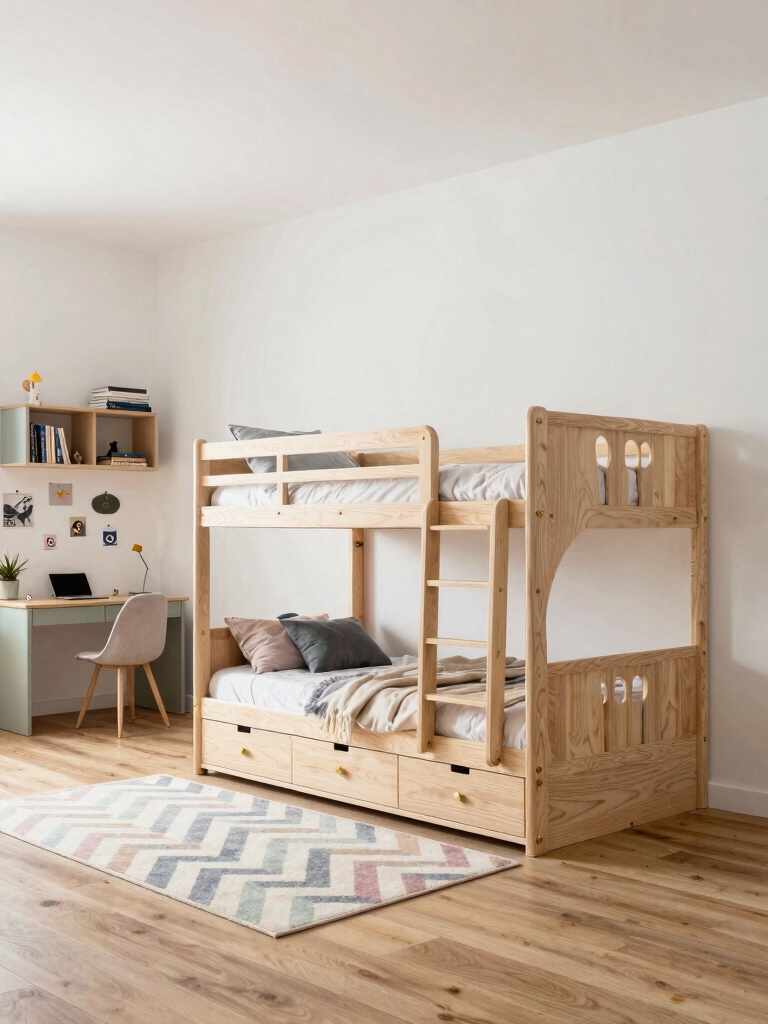
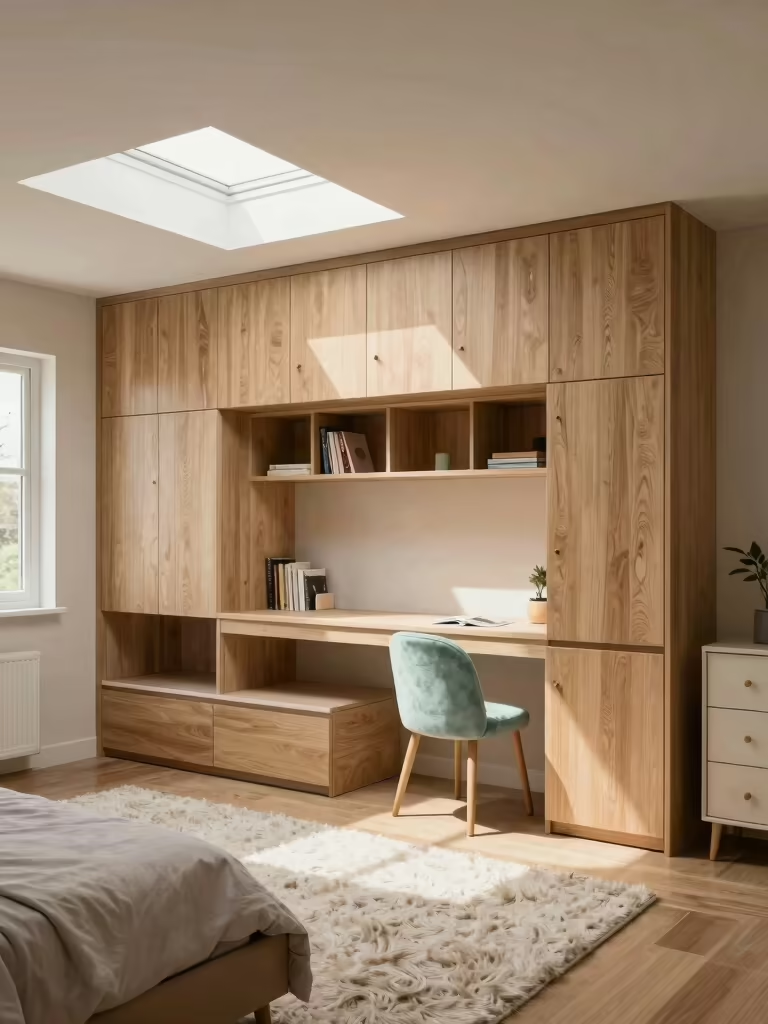
Every good kids’ room starts with the footprint you actually have, the real walls and doors, well before any mood board. Before buying anything, I map the doors, windows, and the path a kid actually takes from door to bed, then carve the room into three simple zones: sleep, a spot to study or draw, and a small clear patch to play. In a tight room those zones overlap, and that’s perfectly fine.
Three zones: sleep, study, play
Leave more floor than you think you need. Floor space wins here. Kids play on the ground, so an open patch of carpet matters more than another piece of furniture crammed against the wall. I’d rather see a smaller dresser and a clear rug than a packed room with nowhere to spread out.
Plan the traffic and the clearances now and you save yourself a dozen future rearranges. Sketch it to scale first, the same way you would plan any small-room layout, and the rest of the choices get easier.
Flexible Storage That Scales as They Grow
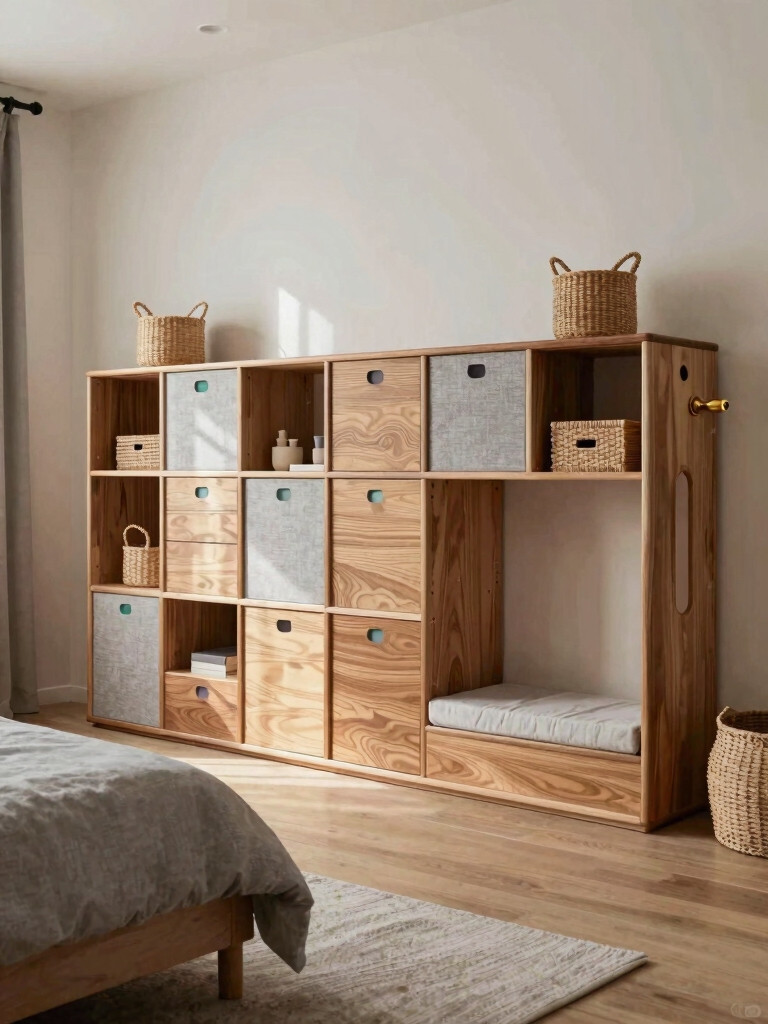
Storage is where a kid’s room lives or dies, because the stuff changes constantly. Blocks become books become sports gear, and the storage has to keep up. The trick is buying adjustable systems that flex with age, so the same shelves serve a toddler and a ten-year-old with a few tweaks. I recommend this to every parent who asks.
Adjustable beats fixed every time
Keep the everyday storage low and reachable so a child can actually put their own things away, then move it higher as they grow. A run of under-bed bins, around $15 each, swallows toys and off-season clothes, and adjustable wall shelves let you raise the books as the reader gets taller. Open bins with picture labels make cleanup feel like a game for the little ones.
Lean on the spots adults forget, the under-bed zone, the back of the door, the vertical wall, so the floor stays open for play. These kids’ bedroom storage ideas go deeper, and the same hide-it-away logic in these storage ideas for clearing clutter applies once the toys outgrow the bins.
“Designer’s note: spend on the pieces that have to last, the bed frame, the storage system, the flooring, and keep them neutral. Put the personality in the things that cost almost nothing to swap: bedding, decals, art, a lampshade. That single split is the whole secret to a room a kid loves now and won’t be embarrassed by in three years.”
Practical, Stylish Wall Solutions That Wipe Clean
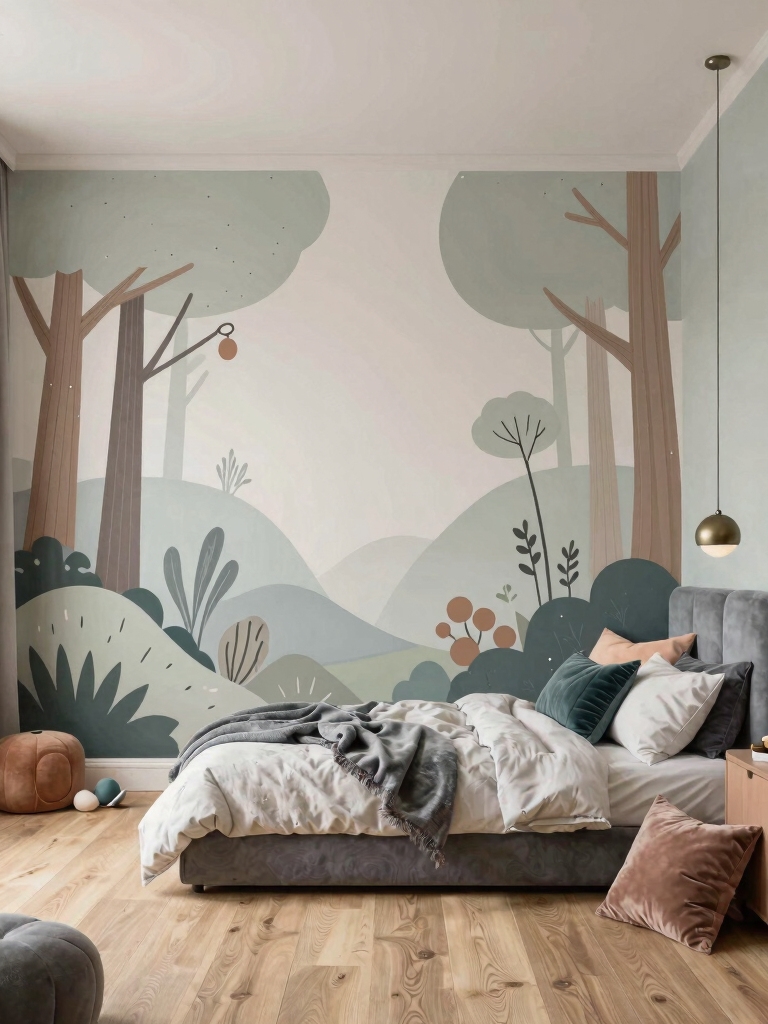
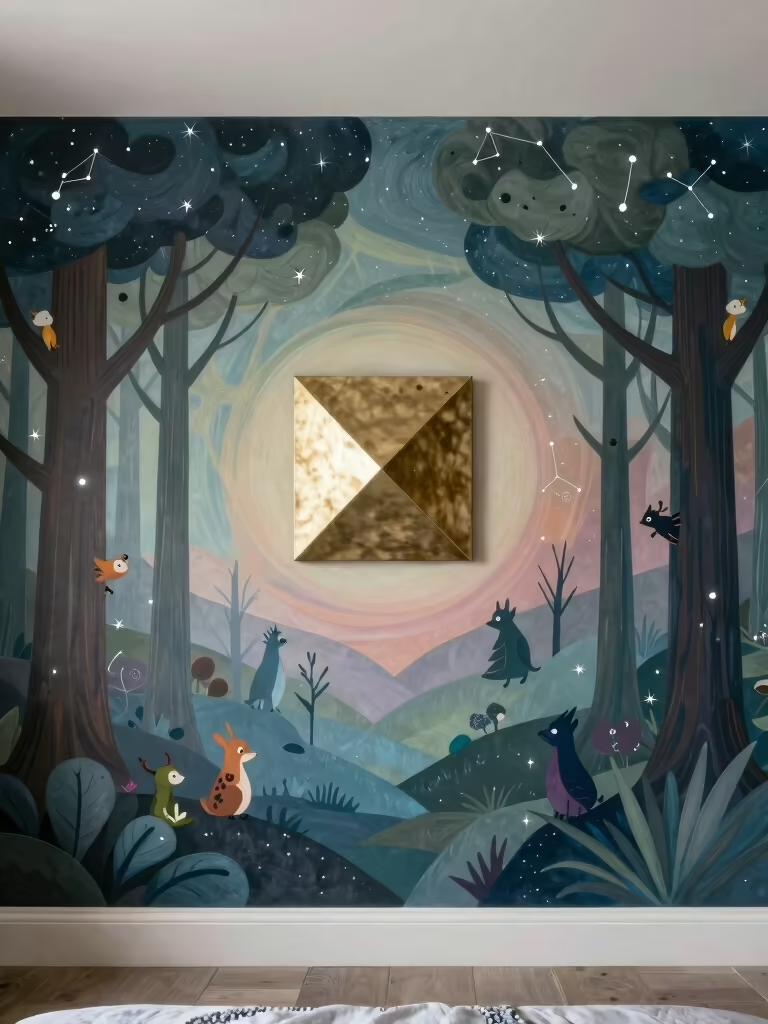
Walls are where kids’ rooms date the fastest and where you have the most cheap control. The two things I tell parents to prioritize are washable paint and removable wall art, because together they let the room change as fast as a kid’s obsessions do. A scrubbable, washable finish shrugs off marker and sticky hands, and peel-and-stick murals or decals come off cleanly when the dinosaur phase ends.
This is the move that saves the most money over the years. A washable paint runs about $40 to $60 a gallon, a little more than basic, and it’s worth every cent in a kid’s room. Swap a $30 to $80 decal set and skip the repaint, and a whole new look costs you a single quiet afternoon.
- Choose a scrubbable, washable finish in a neutral so the base survives years of handprints and markers.
- Use peel-and-stick murals or decals for the theme, since they change in an hour without damaging the wall.
- Keep one wall as the changeable feature and the rest calm, so the whole room stays easy on the eye. These kids’ wall painting ideas have more directions.
Themed Yet Timeless Bed Frames
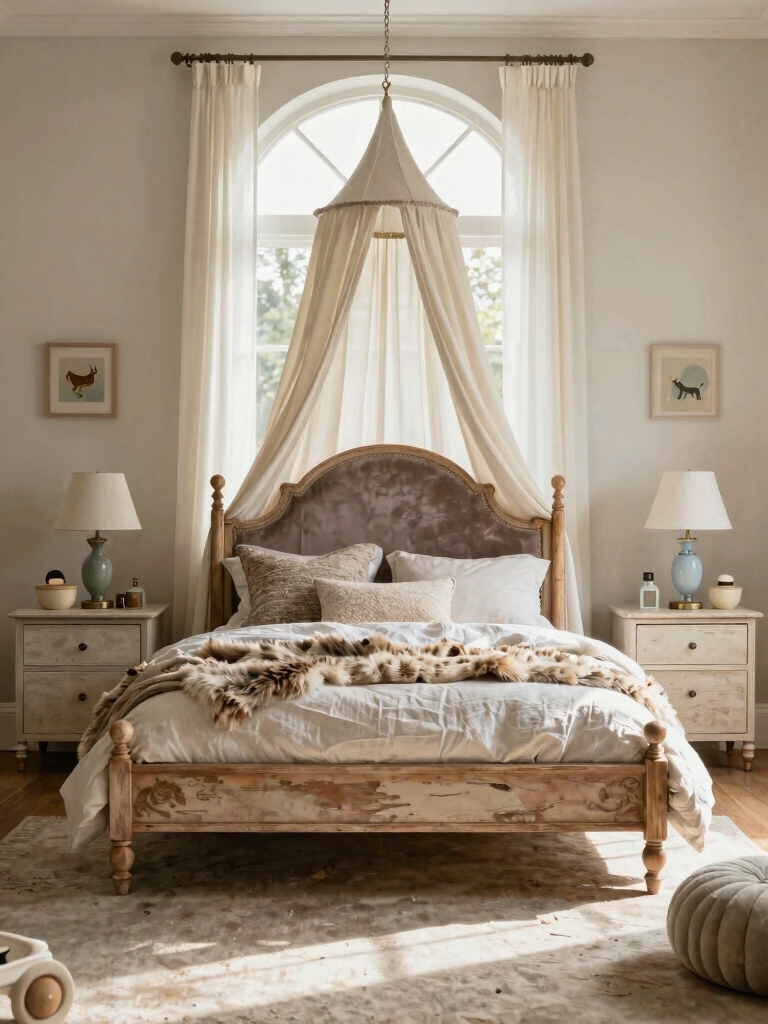
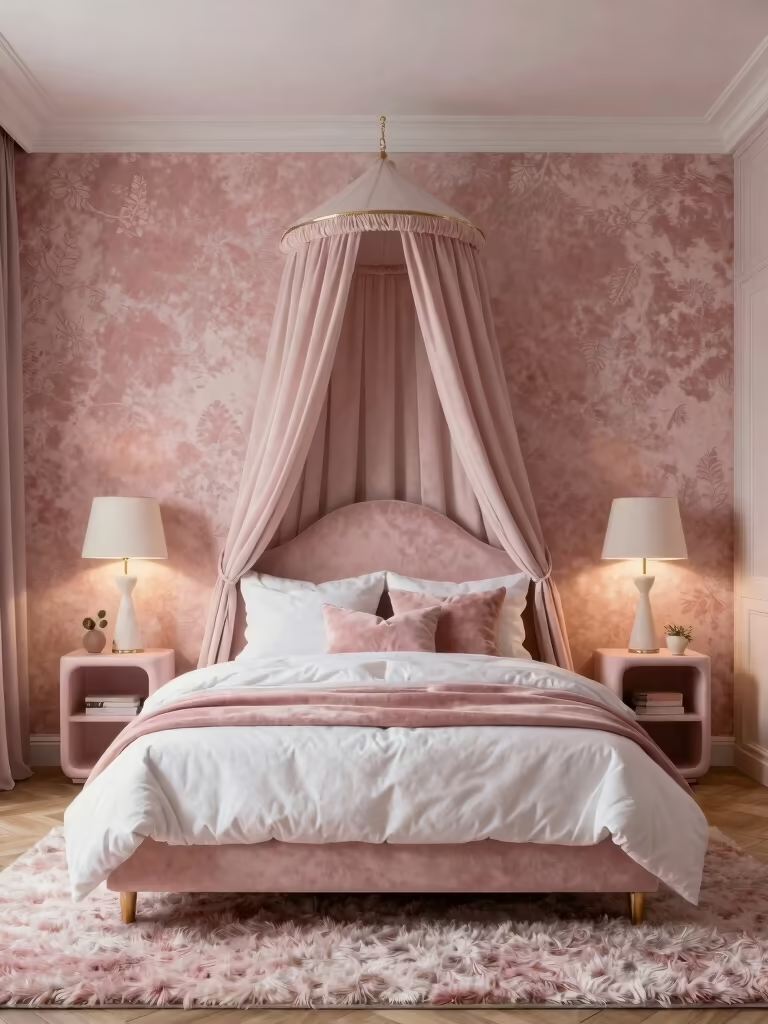
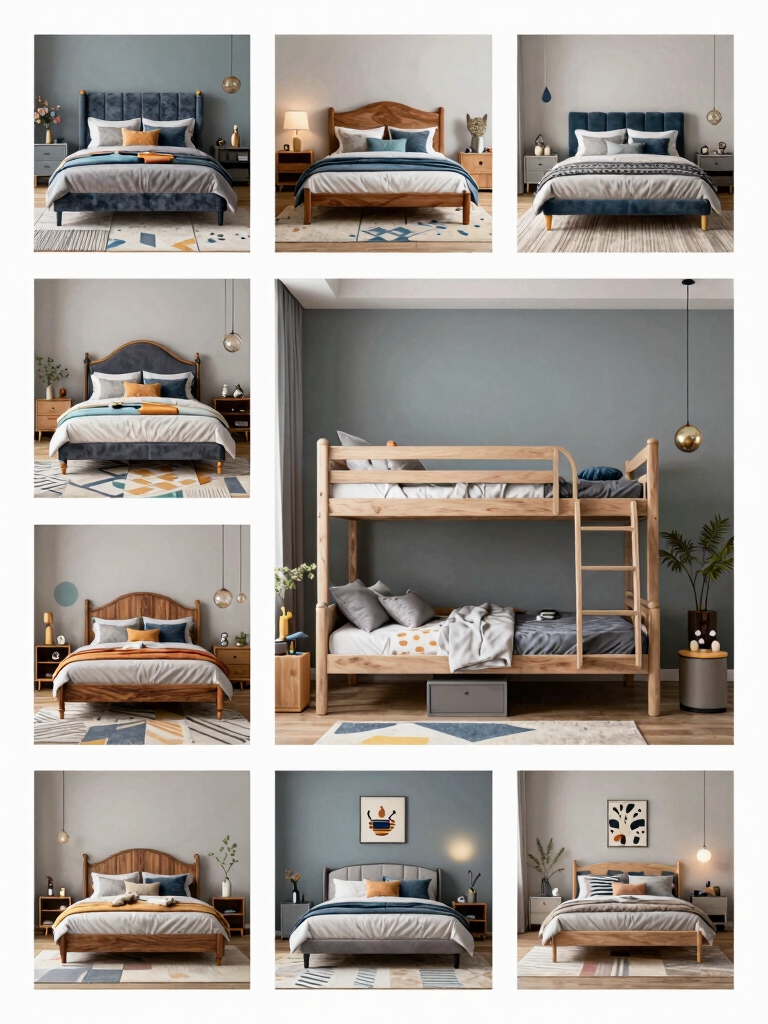
The bed is the biggest, most expensive piece in the room. It is the worst possible place to commit to a passing theme. A literal race-car bed is adorable at four and mortifying at eight, and you’re stuck with it. I steer parents toward a clean-lined frame in a calm color and let the bedding carry the fun, which is where a theme belongs because it costs ten dollars to change.
Spend on a sturdy, neutral frame that grows with the child, then layer the personality on top. A solid wood or simple metal bed in white, natural, or muted blue takes a kid from toddler to tween without a second thought, and the duvet, pillows, and wall art do the era-appropriate work.
- Pick a neutral, well-built frame the child won’t outgrow stylistically, then theme the bedding.
- Consider a low platform or a convertible frame that adapts as the child gets older.
- Skip the molded character beds; they cost more and date the fastest of anything in the room.
A few terms worth knowing before you shop a kid’s room:
📖Peel-and-stick mural
A removable adhesive wall design that goes up and comes down cleanly, with no paint or damage; perfect for changing themes.
📖Scrubbable paint
A washable finish, usually eggshell or satin, that takes repeated cleaning so marker and handprints wipe off the wall.
📖Convertible frame
A bed that adapts as the child grows, like a toddler bed that extends or a loft that reconfigures, stretching one purchase over years.
Under-Bed Nooks for Play and Study
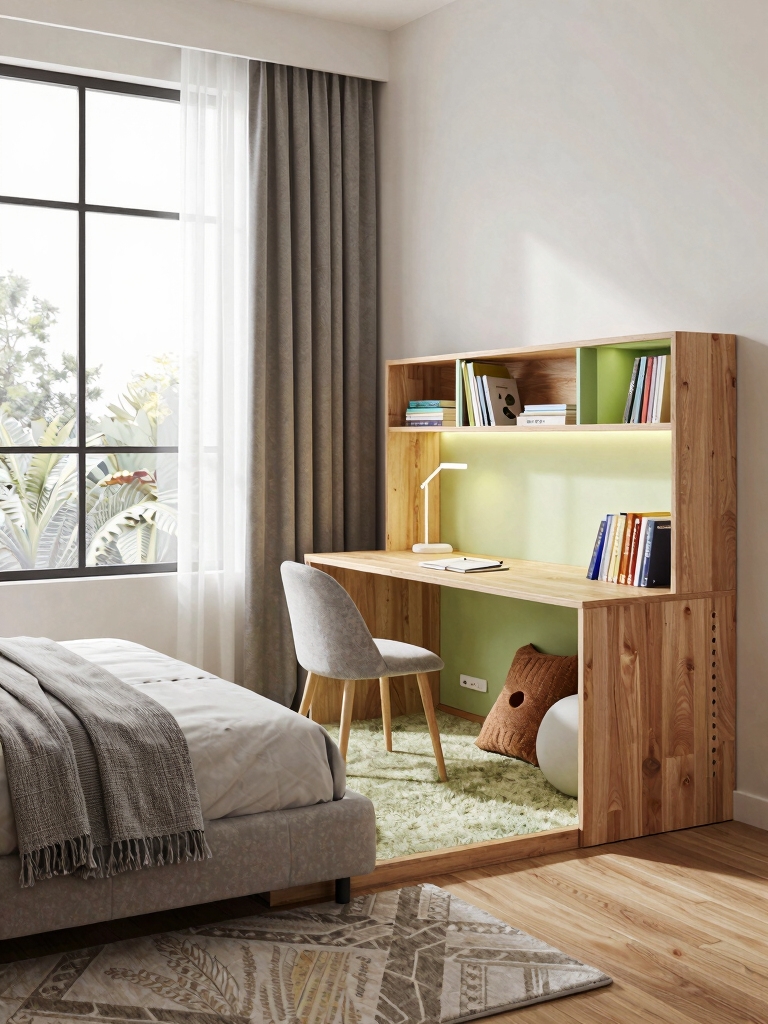
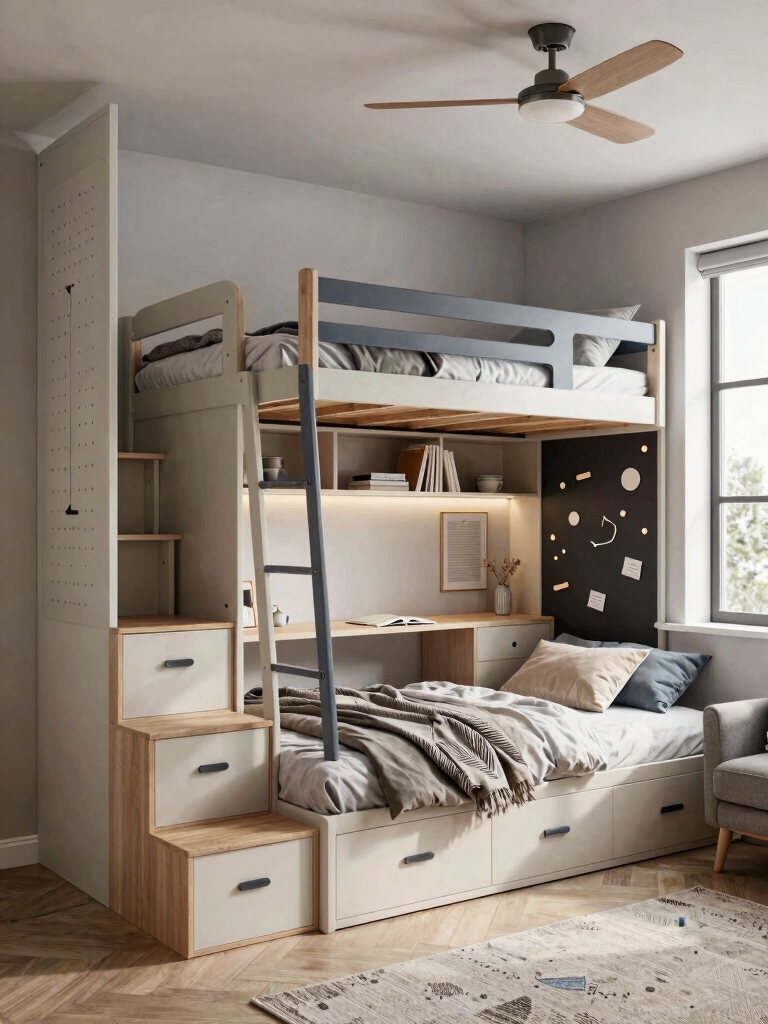
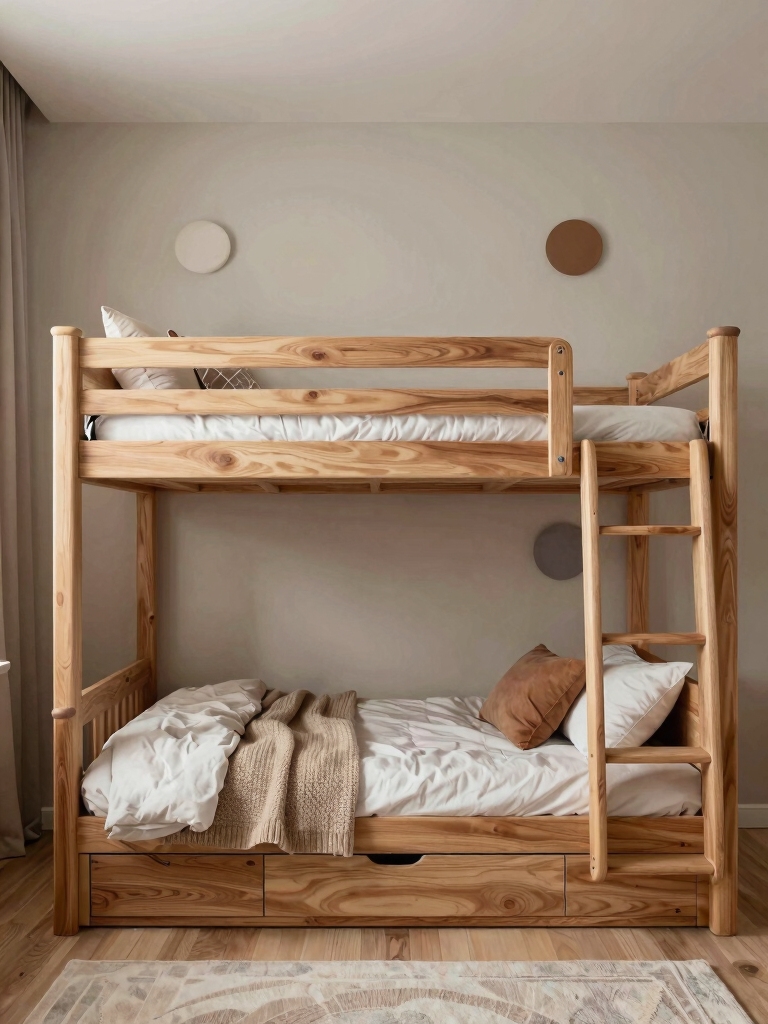
The space under a raised or loft bed is the most underused square footage in a kid’s room, and turned into a nook it becomes the favorite spot in the house. A little den under there gives a child a sense of their own space, which matters more to them than almost anything you’ll buy. Kids love a hideout.
- Tuck a soft mat, a low shelf, and a clip-on light underneath for a reading or play den.
- Add a slim desk under a loft bed to make a study nook that frees the rest of the floor.
- Hang a curtain across the front so the nook feels like a real hideout the child can close off.
- Keep cords clipped and out of reach, and use bins so cleanup of the nook stays quick and simple.
Writable Walls and Creative Corners
If you want one feature a kid truly never tires of, it’s a wall they’re allowed to draw on. A chalkboard panel, a stretch of dry-erase paint, or a magnetic strip turns a plain surface into an endless, resettable canvas, and it grows with them from scribbles to homework reminders. I’ve watched a bored kid rediscover their room the day a writable wall went up.
Keep it contained so it reads as a feature, not a free-for-all. One panel or one wall section is plenty, framed or bordered so it looks intentional. Chalkboard paint runs about $20, dry-erase paint a bit more, and a magnetic primer underneath lets the same wall hold photos and artwork.
Pair the writable wall with a low, dedicated spot for making things, a small table, a bin of supplies, a clip for finished art. A creative corner a child can reach and own keeps them in the room and out of your hair, and it’s the kind of feature they keep using long after a themed bed would have been donated.
Choose Themes That Grow Up With the Kid
The theme is where most kids’ rooms go wrong, because parents commit the big pieces to a specific character or color the child will love for about eighteen months. I learned to flip it. Pick a flexible theme idea, the broad strokes a kid won’t outgrow, and let the literal stuff stay small and cheap. A space-and-stars room can shift from cute rocket sheets to a moody galaxy wall as a kid matures, all without touching the furniture.
The themes that last are the open-ended ones: nature, space, animals, travel, a single favorite color in a grown-up shade. Those leave room for the obsession of the month to live in the swappable layer. One girl I worked with went from horses to ocean to art studio in four years, and her parents never repainted once, because we built the room around a calm sage base and let the decals and bedding do the talking.
Best for Families Who Hate Redoing Rooms
This grow-with-them approach pays off most for families who’d rather not refresh a whole room every couple of years, and for kids whose interests change fast, which is most of them. If you move often or rent, it’s doubly worth it, since the big pieces stay neutral and travel well while the cheap, removable details do the personalizing.
It asks for a little restraint up front. Choosing a calm frame over the character bed takes some willpower when a four-year-old is begging. The payoff comes later, in the years you don’t spend repainting and re-buying, and in a room that quietly keeps working as the child becomes a completely different person. A few well-chosen decor ideas worth borrowing keep it feeling fresh in between.
Kids’ Room Questions, Answered
?How do I decorate a kid’s room they won’t outgrow in a year?
Keep the big, expensive pieces neutral and let the cheap details carry the theme. A calm frame, neutral walls in washable paint, and flexible storage are the constants; bedding, decals, and art are what you swap as their tastes change. The room evolves without a full redo.
?What’s the best storage for a kid’s bedroom?
Adjustable and reachable. Under-bed bins, modular shelves you can raise over time, and low hooks let a child put their own things away now and keep working as they grow. Picture labels on open bins make cleanup feel like a game for younger kids.
?How do I let my child personalize their room cheaply?
Lean on removable, low-cost touches: peel-and-stick decals, swappable bedding, a writable wall, and a gallery of their own art. Fifty dollars spread across those gives a room real personality without damaging walls or locking in a phase they’ll outgrow.
Build It to Grow, Not to Redo
A kid’s room they never get tired of isn’t about the perfect theme; it’s about bones that flex. Neutral big pieces, storage that scales, washable walls, and a creative corner give you a room that adapts as the child does, so you change details instead of gutting the whole thing every couple of years.
Start with the bed and the storage, since those are the costly, lasting choices, then have fun with the cheap, swappable layer on top. Try one change this week, a writable wall or a set of under-bed bins, and you’ll see how much longer the room lasts when it’s built to grow.