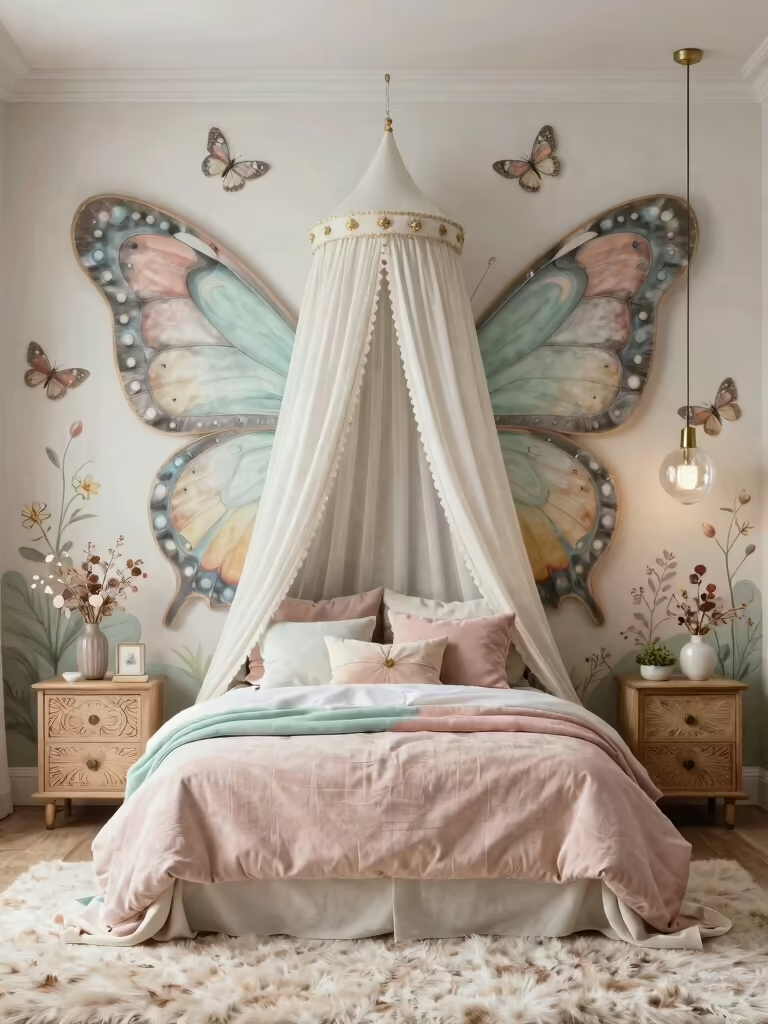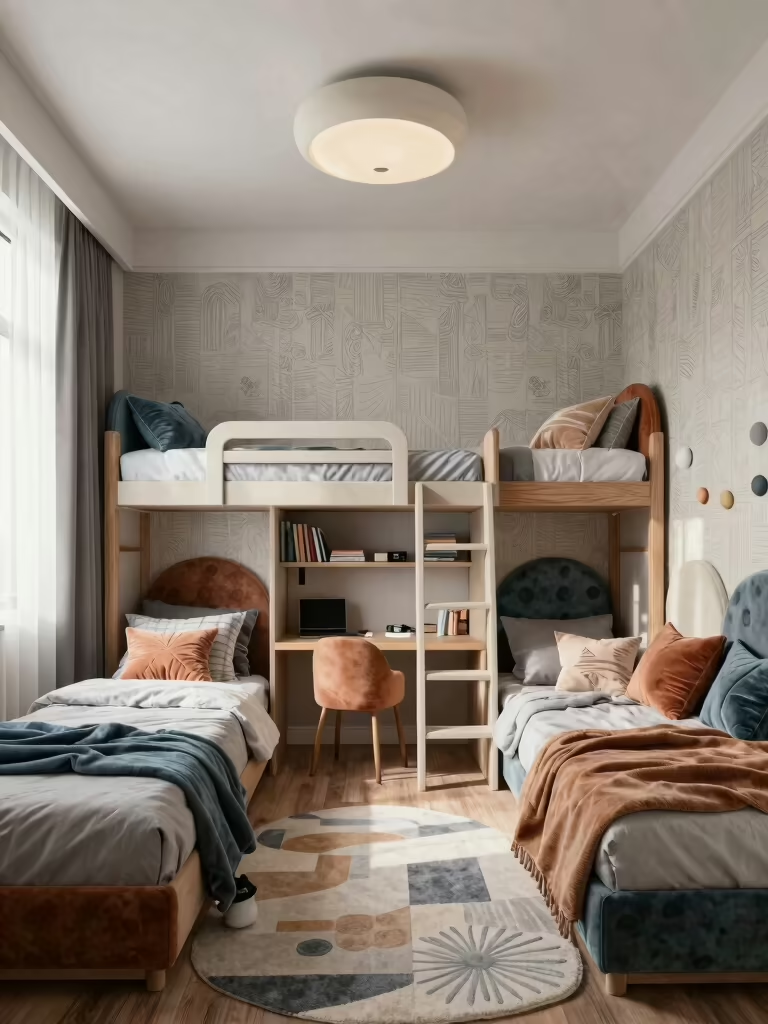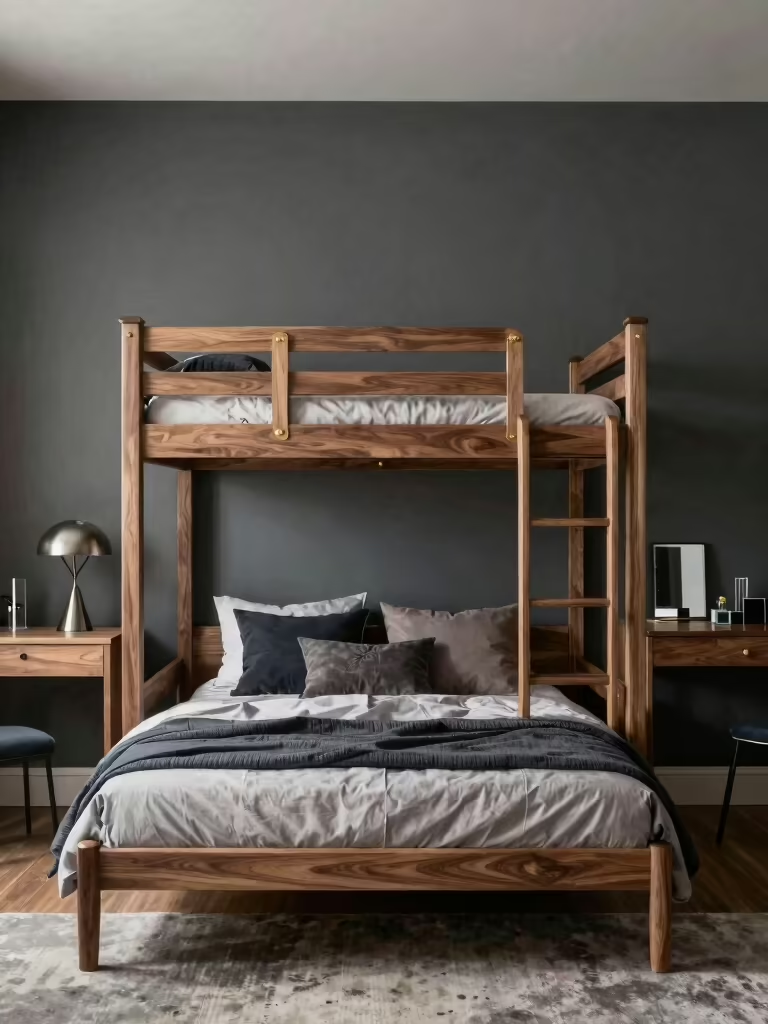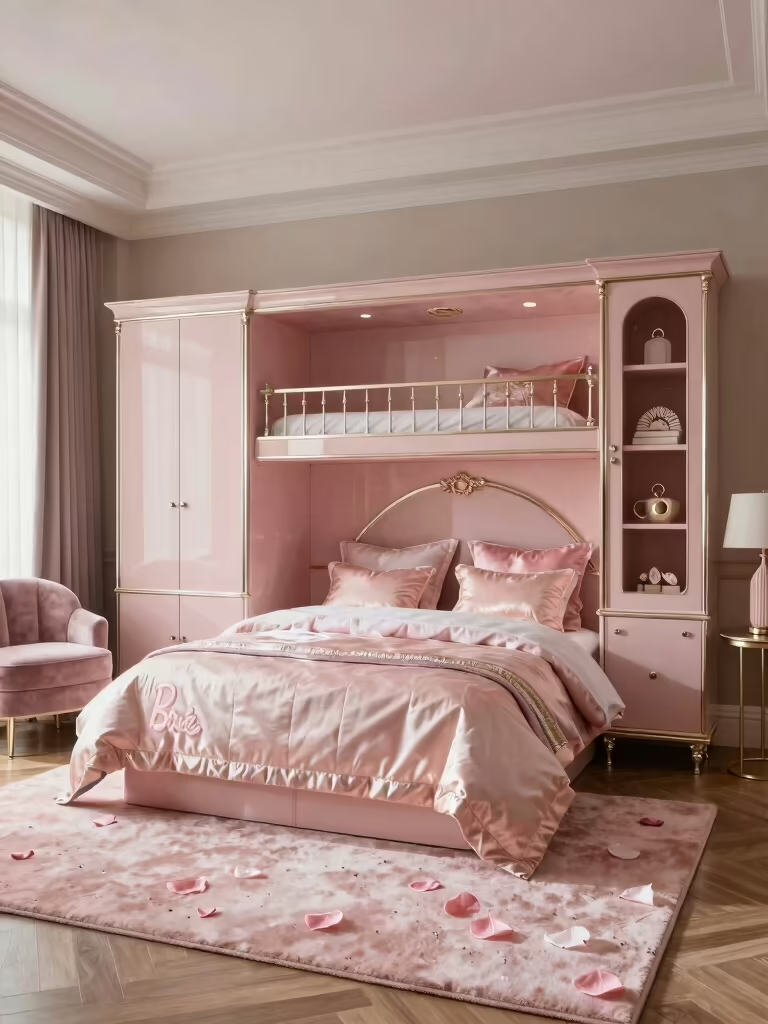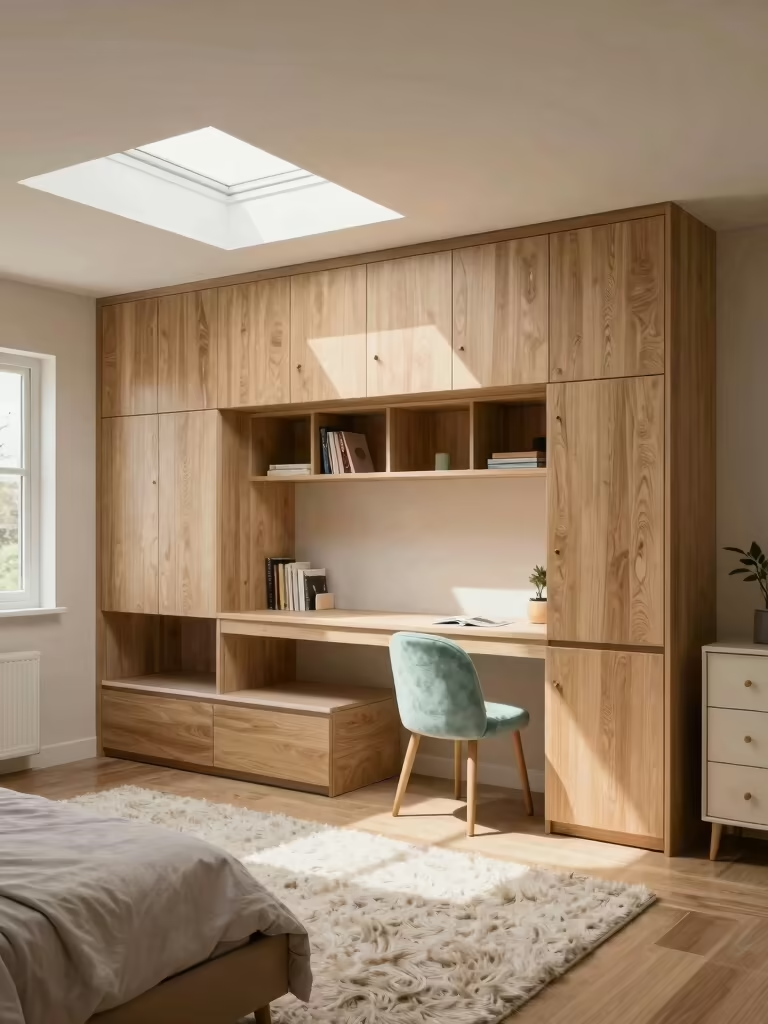

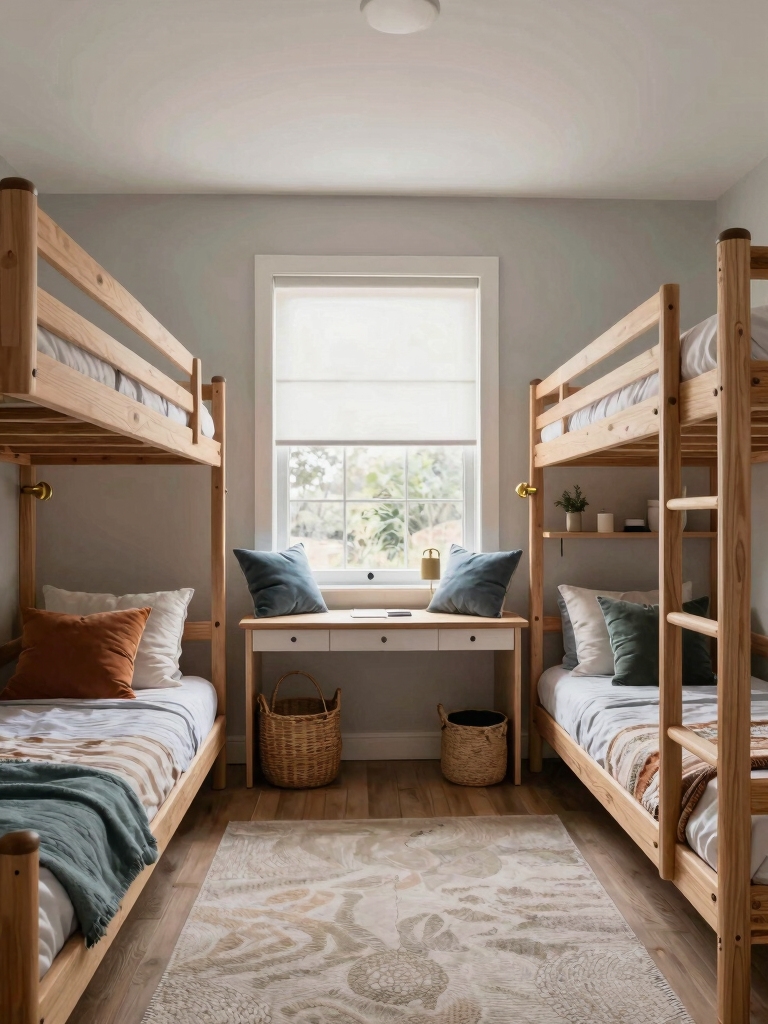
I’ve helped families turn chaos into calm when multiple kids share a room by honoring individuality while keeping peace and play in balance. Start with clear zones and personal corners, then pick sturdy, space-saving beds and smart storage. Use light, flexible dividers and color-coded zones to preserve privacy without clutter. Rotate toys and create a simple chore chart to reduce tension. Want more practical layouts and real-life tweaks that work? Stick with me for deeper ideas.
Assess Your Family: How Many Siblings, Ages, and Needs
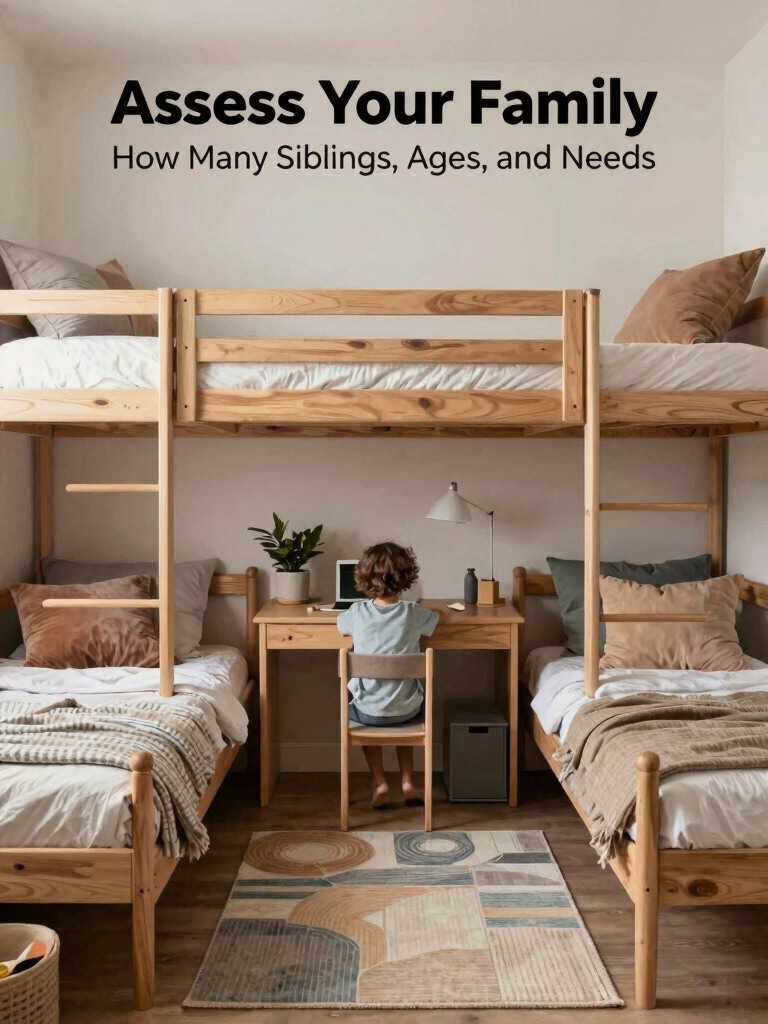
Figuring out how many kids will share a room starts with a simple inventory: how many siblings, their ages, and each one’s needs.
I ask you to list personalities, routines, sleep schedules, and study habits.
I map growth spurts, toys, and quiet-time preferences, so the space fits today and adapts tomorrow.
Clear counts, honest notes, practical plan—peace starts with knowing.
Incorporating creative boys’ bedroom design ideas can inspire functional and harmonious shared spaces.
Define Your Shared-Bedroom Goals: Privacy, Fun, and Function
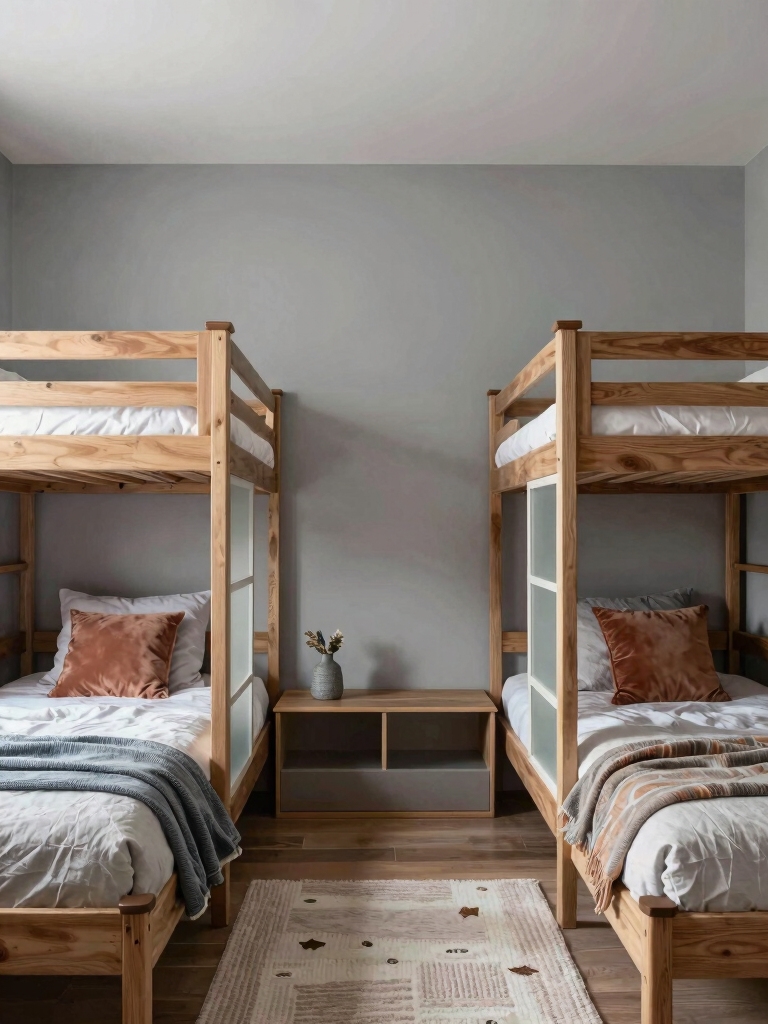
After figuring out how many kids share the room and what each one needs, I’m ready to set clear goals for the space.
I aim for privacy when needed, shared fun moments, and solid function—sturdy beds, smart storage, quiet zones.
We’ll balance voices, boundaries, and play, crafting a calm, adaptable layout that grows with us, not against us.
Incorporating stylish boys’ bedroom ideas can inspire adventure while keeping the space cohesive and inviting.
Let’s begin.
Zoning Basics: Create Personal Corners in One Room
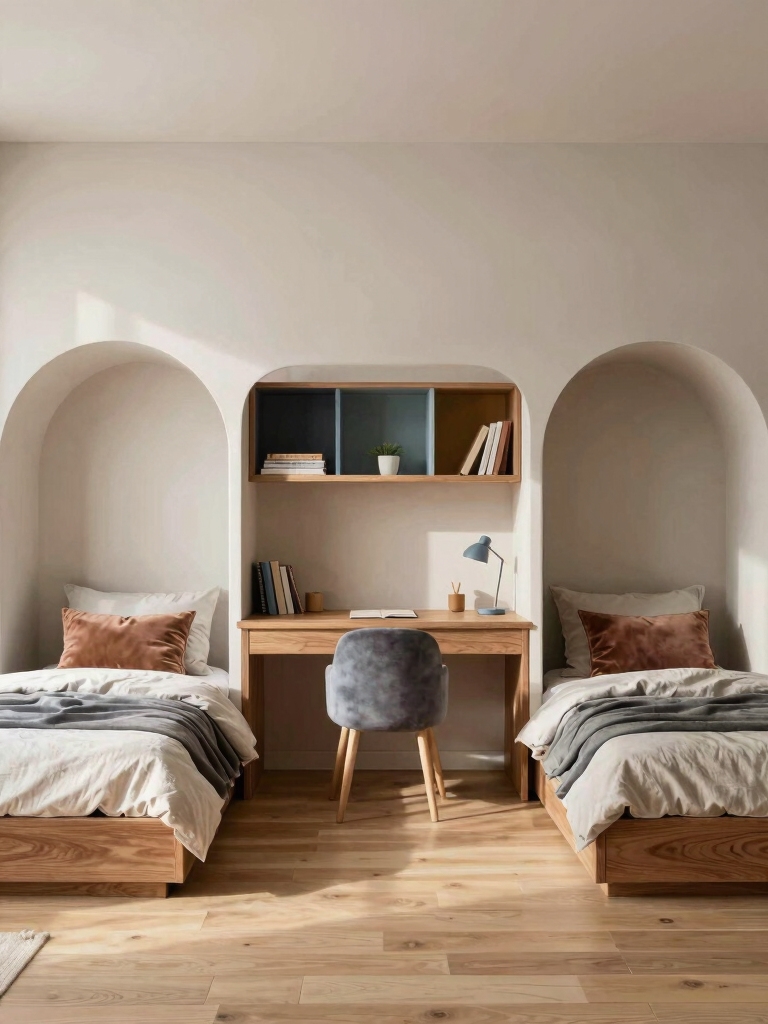
Zoning basics are all about carving out personal corners without making the room feel tiny.
I’ll show you practical steps to define nooks with furniture, color, and lighting so each child has space to breathe. Use area rugs, screens, or bookcases as subtle dividers.
Keep shared essentials accessible, celebrate individual styles, and stay flexible as interests shift.
Peace follows clarity.
Incorporating creative space-saving ideas can further enhance the functionality of each zone while maximizing the available room.
Bunk Bed Layouts That Maximize Privacy
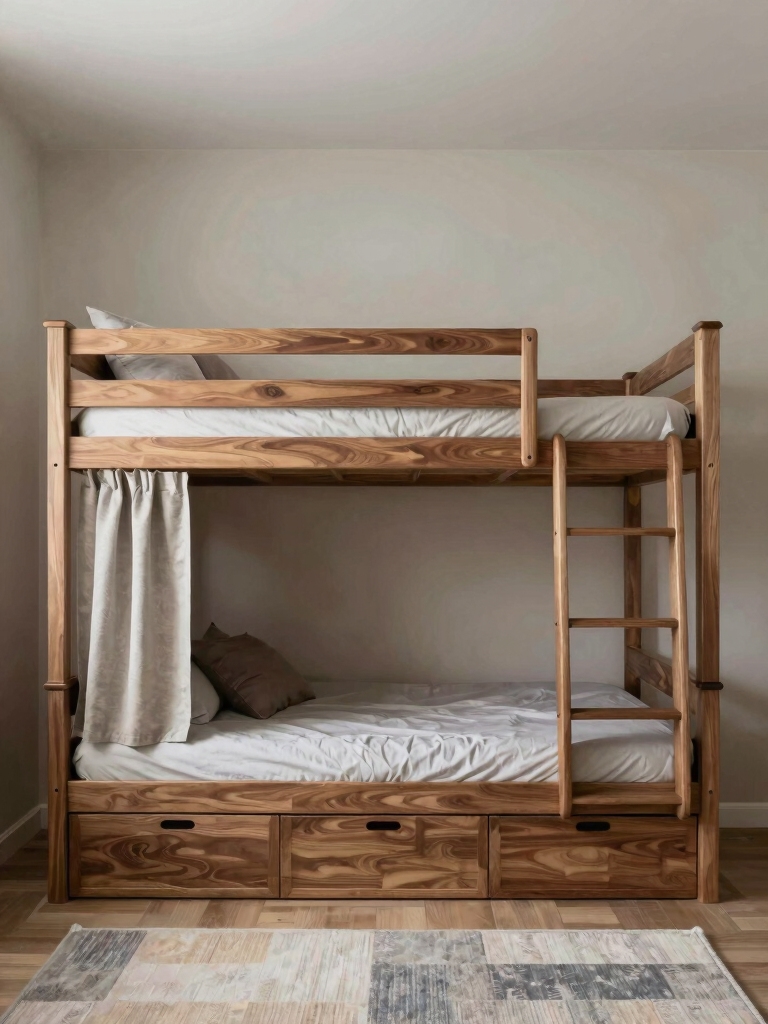
When you’re sharing a room, privacy matters as much as sleep comfort, and the right bunk bed layout can give each kid their own cozy corner without sacrificing together time.
I recommend staggered beds, height differences, and built-in shelves, so mornings feel calm and personal space stays intact.
Use curtains or frosted panels during the day for optional, quick separation.
Additionally, creative bunk bed designs can help brothers bond while maintaining their individuality, making the shared space more enjoyable through brothers bunkbed bedroom ideas.
Room Dividers That Stay Light and Bright
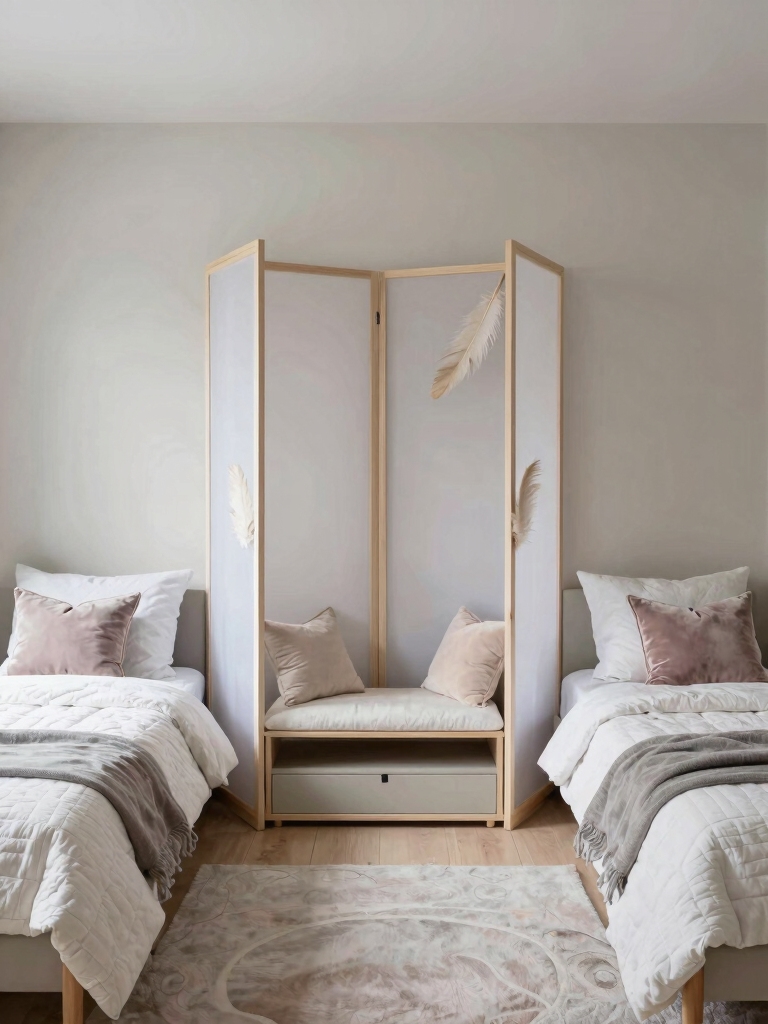
I love how lightweight room dividers can softly separate spaces without weighing down a room. They give bright visual separation while staying practical, so I can rearrange as kids grow.
If you’re chasing space-saving partitions, I’ve got simple ideas that keep the vibe airy and still cozy.
Using creative space solutions can maximize functionality in tight shared bedrooms while maintaining a peaceful environment.
Lightweight Room Dividers
I pick panels that flex—fabric screens, latticed screens, or slim curtains—so I can reassemble the layout in minutes. They soften noise, add color, and don’t block light, which makes mornings calmer and moods steadier.
Practical, playful, simple.
Bright Visual Separation
- Light, foldable screens that shimmer
- Translucent fabric panels for airiness
- Low, open shelving as boundary markers
- Wall decals that define zones
- Cozy rug quadrants for personal corners
Space-Saving Partitions
When you’re juggling two kids in a shared room, a thoughtful partition can carve out personal corners without weighing down the space.
I favor light options: lattice screens, fabric panels, or hinged doors that tuck against walls. They soften noise, boost privacy, and stay bright with breathable materials.
Easy to move, they redefine zones without crowding currents of play. Peaceful, practical.
Smart Storage Hacks for Small Shared Spaces
I’m always hunting for clever ways to hide clutter in small shared spaces, and today I’m focusing on under-bed storage hacks and vertical space wizards.
We’ll tackle drawers and bins that slide out smoothly, plus shelves and hooks that make every inch count without crowding the room.
Stick with me as we turn limited space into organized, kid-friendly zones they’ll actually use.
Maximizing storage with clever storage solutions is key to keeping a tidy small bedroom that feels spacious and calm.
Under-Bed Storage Hacks
Under-bed storage isn’t just a last-ditch hack—it’s a lifeline for small shared spaces. I tap into tucked-away solutions, turning clutter into calm, one clever idea at a time.
You’ll see how simple bins, labels, and DIY dividers transform mornings without chaos.
- Use shallow, clear containers for easy visibility
- Label front edges for quick top-shelf picks
- Elastic garment sleeves keep seasonal wear neat
- Drawer organizers maximize slim under-bed gaps
- Collapsible bins save space when not in use
Vertical Space Wizards
We’ve stretched every nook of under-bed storage, and now the real skyline of a small shared space comes into view: vertical space.
I’m showing you smart shelves, hanging organizers, and lofted beds that carve out calm zones. Kids reach, grab, and restore order with gentle routines, turning clutter into creativity.
Practical, cozy, and endlessly adaptable for growing friendships.
Lighting for Individual Nooks and Shared Areas
When setting up lighting for kids’ shared bedrooms, it helps to think in two zones: each snug personal nook and the broader communal spaces.
I balance soft task light with warm ambience, dimmable where possible, so late readers don’t wake early sleepers. My approach stays practical, cozy, and adaptable as needs shift.
- use warm bulbs for calm
- bedside lamps with dimmers
- ceiling fixtures for shared areas
- plug-in outlets at each nook
- motion-activated night lights
Incorporating lighting that enhances a cozy bedroom atmosphere can make even compact shared spaces feel inviting and peaceful.
Distinct Identities Through Color and Theme
Color and theme are the clues that turn a shared space into individually beloved rooms.
I show you how color choices and distinct motifs let each child feel seen without chaos. I mix practical tips with stories: paint accents, swap linens, add favorite prints, and honor interests.
Small touches create clear identities, easing shifts, while keeping the room cohesive and peaceful.
For kids with big personalities, incorporating creative elements tailored to their tastes can transform even the smallest bedroom into a vibrant and functional sanctuary, as suggested by Creative Kids’ Bedroom Ideas.
Study Zones That Don’t Disrupt Sleep or Social Time
If you want study zones that fit smoothly into a shared bedroom, start by separating the spaces with quiet cues rather than rigid walls.
I’ve watched small changes reduce chaos: a shared desk, gentle lighting, and clear times. You’ll see focus grow without silencing play.
- clearly labeled study nook
- soft, adjustable lighting
- shared desk with organizers
- quiet timers and routines
- cozy cushions for breaks
Incorporating clever small bedroom cupboard ideas can maximize storage while keeping the study area tidy and organized.
Noise Control Strategies for Siblings
Noise tends to travel when kids share a room, so I start with simple sound checks you can do today.
I listen for creaks, chatter, and TV levels, then set quiet windows and a “time for calm” cue.
We swap headphones, choose shared zones, and practice soft steps.
Small tweaks, big harmony—and bedtime becomes peaceful, not defensive.
Incorporating creative storage solutions can also help reduce clutter and minimize noise disruptions.
Laundry, Linens, and Quick-Chore Systems for Busy Homes
I’ll share a simple Laundry Flow that keeps chaos from sneaking in, so everyone knows what to do without nagging.
I’ve found a quick-chore routine that fits busy mornings and sleepy evenings, using clear hampers, color codes, and a 10-minute tidy-up sprint.
If you’re ready, we can tailor it to your family’s true rhythm and keep sheets and socks in their own cozy corners.
Laundry Flow Hacks
We’ve all got busy days, and a smooth laundry flow can feel like a small superpower—one that keeps towels fluffy, uniforms ready, and linen closets orderly without stealing hours.
I share simple hacks that fit real-life rhythms, not perfection.
- Sort once, process twice: quick, clean cycles
- Assign a hamper per kid to curb mixing
- Pre-treat stains the night before
- Fold as soon as dry
- Batch linens by week and rotate chores
Quick-Chore Routine Systems
If you want a streamlined routine that actually sticks, start with one simple system you can tweak over time: designate quick-chore blocks for laundry, linens, and daily tidy-ups, and batch tasks so you’re not jumping around all day.
I share practical tweaks from busy mornings, keeping kids involved, and celebrating small wins as routines become smoother, calmer, and more predictable.
Safety and Accessibility in a Multi-Bedroom Setup
When you’re setting up a shared kids’ room, safety and accessibility aren’t afterthoughts, they’re the foundation; I’ve learned that a small upfront plan saves big headaches later.
- Use low, stable bunk beds with guardrails and proper spacing.
- Secure furniture to walls to prevent tip-overs.
- Color-code zones for chores and study.
- Keep cords out of reach, outlets covered.
- Create clear, accessible paths everywhere.
Flexible Furniture That Grows With Your Family
Flexible furniture isn’t a luxury here; it’s a plan that grows with us.
I’ve watched my kids swap beds, desks, and storage with ease, because modular pieces adapt as needs shift.
We embrace durability, adjustable heights, and hidden cleverness that saves space.
With simple adjustments, rooms stay calm, connected, and useful—even as our family changes and laughter fills the morning light.
Budget-Friendly Makeovers That Really Work
I’ve learned that budget-smart room makeovers can transform a shared space without breaking the bank, and I’ll show you how.
We’ll mix space-saving decor tricks with durable, playful solutions that stand up to daily life.
Let’s swap in clever storage, bright accents, and sturdy finishes that both kids and closets can love.
Budget-Smart Room Makeovers
- reuse furniture with fresh paint
- swap textiles for big impact
- add vertical storage on walls
- DIY chalkboard wall accents
- celebrate personality with curated accents
Space-Saving Decor Tricks
When you’ve already upgraded with budget-smart paint, fresh textiles, and clever wall storage, the next step is to fit more life into the same square footage.
I mix magnetic strips, modular organizers, and stacking stools to keep surfaces clear. Color blocks define zones, while mirrors bounce light.
Small decor tweaks feel big, shared, and stress-free, without crowding the room.
Durable Yet Playful Solutions
Durable doesn’t have to feel dull, especially in a shared kids’ space where play and mess live side by side.
I’ve found budget-friendly tweaks that last, feel joyful, and stay practical for daily life. Let me share simple upgrades that keep peace and spark imagination.
- Paint with waxy chalk to resist scuffs
- Wrap shelves in contact paper for color
- Use labeled, magnetic organizers
- Add low-height seating that doubles as storage
- Clear bins with playful labels
Daily Routines to Preserve Calm and Cooperation
Morning routines in a shared room can feel chaotic, but with simple, consistent steps, we can preserve calm and cooperation.
I map a quick sequence: wake, dress, tidy, breakfast, and a 5‑minute reset before school or naps.
We use gentle reminders, rewards for cooperation, and clear expectations.
Small rituals reduce friction, boosting connection and smoother days for everyone.
Personalization Ideas That Respect Shared Space
We’ve seen how a calm morning routine can set the tone for a shared room, and now we can personalize the space in ways that honor both kids.
I’ll show practical touches that celebrate individuality without clashing, from clever zoning to mindful displays.
- Separate color palettes for accents
- Personal gallery walls with shared frames
- Adjustable lighting zones for each bed
- Corner duffel shelves for belongings
- Collaborative duty board for chores and rules
Seasonal Shifts: Summer vs. Winter Room Use
Summer lets us share more openly and swap toys or lights for sleep ease, while winter nudges us to reallocate space for warmth and cozy routines.
I’ll walk you through how we adapt from joint play zones to quieter corners, and how a simple reallocation keeps both kids comfortable.
Let’s talk practical tweaks that respect both seasons and keep the room feel like home.
Summer Space Sharing
As summer settles in, I find the room-sharing routine shifting with the season: kids trade blankets for fans, and the shared space becomes lighter, more flexible, and almost playful.
- Try stacked storage for airy mornings
- Use soft, breathable bedding and fans
- Create a rotating chores schedule
- Zone the room with removable dividers
- Schedule quiet study blocks between games
Winter Room Reallocation
Winter changes the room dynamics in a snap: when the thermostat drops, I notice how a few careful reallocations keep the shared space cozy, functional, and calm.
I shift beds, swap shelves, and rotate blankets so each kid has a quiet corner.
We embrace chores, set storage zones, and keep lighting soft, practical, and peaceful for everyone.
Real-Life Installations: What Works in Practice
Real-life installs aren’t about flashy trends—they’re about what actually fits a room, a budget, and a family routine.
I’ve seen simple tweaks yield big harmony, not hype. Here’s what works, straight from the trenches:
- Use modular bunk-free setups that adapt as kids grow
- Invest in sturdy, shared desks with adjustable chairs
- Opt for light, durable finishes to handle daily life
- Create zones with rugs and removable organizers
- Repurpose furniture to maximize floor space
Troubleshooting Conflicts and Quick Fixes for Shared Beds
When two kids share a bed, small frictions can loom large—so I start with simple, workable fixes before emotions heat up.
I listen, name the issue, and offer quick swaps: separate blankets, designated quiet zones, nap-time routines, and clear turn-taking.
If squabbles flare, we pause, breathe, and reset with a timer, rechecking rules together for mutual respect.
Conclusion
You’re not just stacking beds; you’re shaping daily life. When I helped a family fit 19 kids in one room, the breakthrough wasn’t clever furniture—it was routines that honored space and, yes, a little humor. Here’s a stat that sticks: shared bedrooms can boost cooperation by about 40% when kids have clear zones and fair turn-taking. So start with zones, add a bit of whimsy, and watch peace grow as naturally as light through a window.