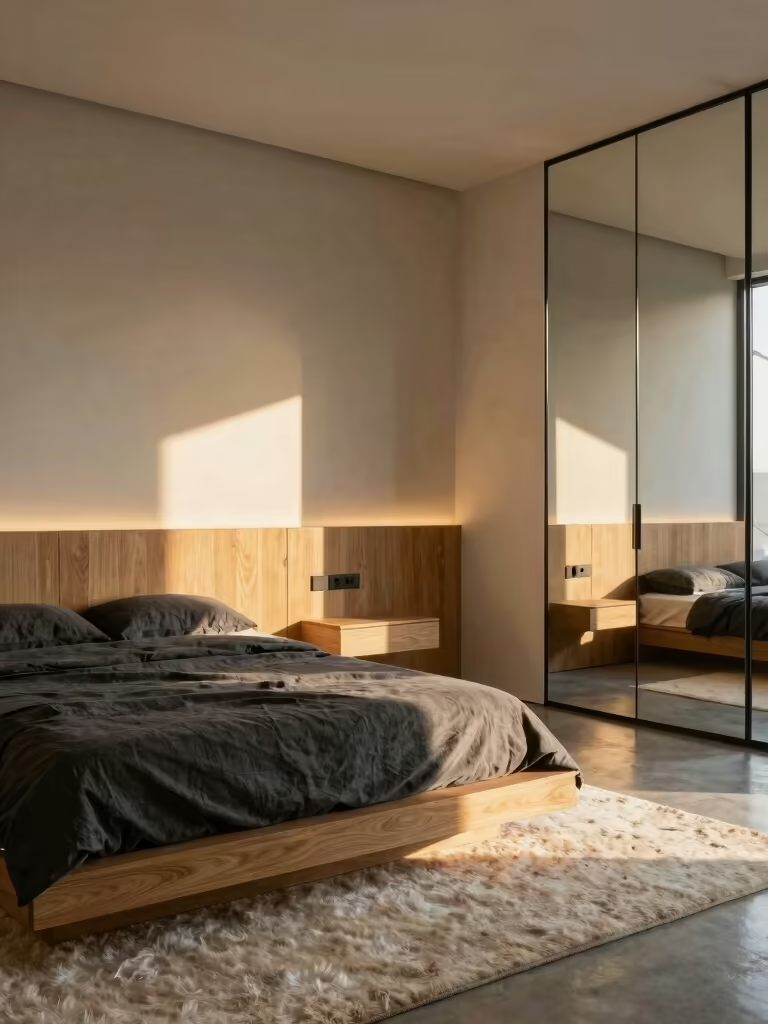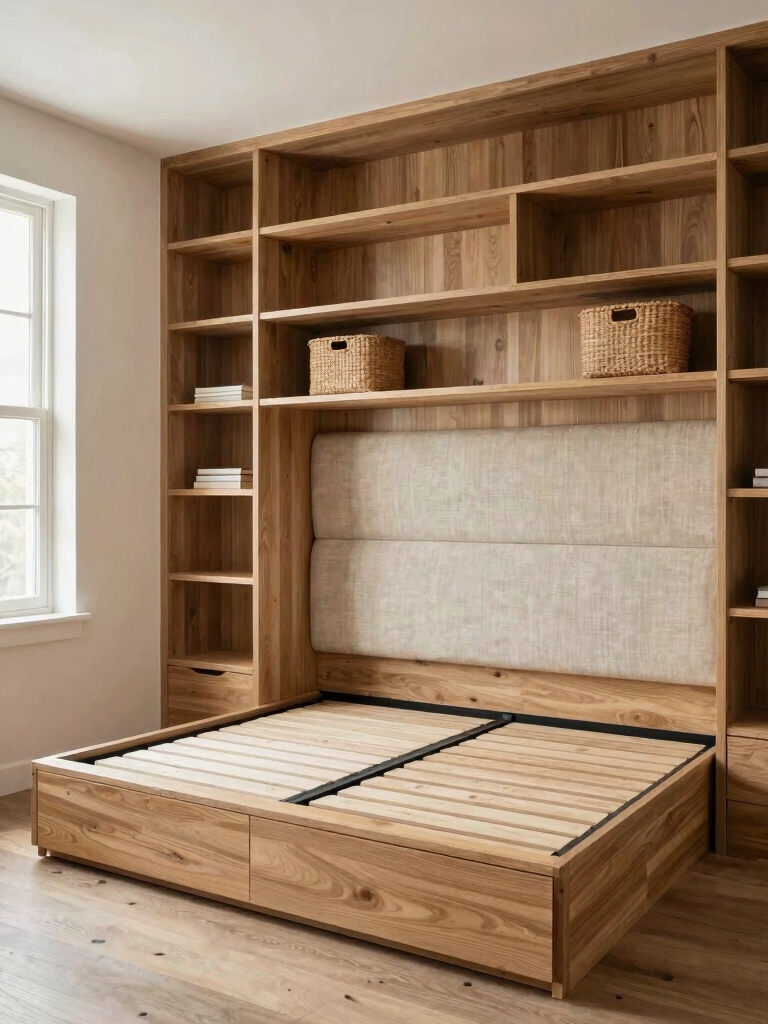


Picture the kind of small bedroom you never want to leave on a cold morning: heavy layers on the bed, low golden light, the door shut against the chill, everything within arm’s reach. A small room is perfect for this. The tight walls that feel cramped in summer turn into a snug, den-like wrap once winter sets in.
These cozy small bedroom ideas lean all the way into hibernation mode: deep warm color, layered bedding you sink into, draft-proofing, and lighting that glows low and golden. The goal is a burrow, a warm little retreat you want to crawl into and stay. Most of it is cheap, and a small room makes the whole thing easier to pull off.
How to Build a Hibernation Den
A hibernation-ready small bedroom is about deep warmth, not airy brightness: a snug dark or warm palette, heavy layered bedding, soft texture underfoot, and low golden light. The small footprint works in your favor, since there is less space to heat, fill, and wrap in warmth.
Draft-proof the windows, layer the bed properly, keep the lighting warm and low, and tuck your clutter away so the room stays calm. Get those right and a tight room becomes the snuggest, most inviting spot in the house all winter long.
Start With the Cozy Hibernation Essentials

Every hibernation den runs on the same handful of essentials, and they are all about warmth you can feel. A weighty duvet, a chunky throw, a soft rug for cold feet, and warm low light turn a plain small room into somewhere you want to burrow. Start here. Then layer up from this base.
A small room makes the kit cheaper, since you need less of everything. One good rug covers most of a tiny floor, and a single warm lamp lights the whole space. Warmth you can touch is the whole point of a hibernation room. Get these few things right and the cozy feeling follows.
- A weighty duvet or comforter you sink into
- A chunky knit or wool throw for the extra layer
- A soft rug so your feet never hit a cold floor
- One warm, low lamp for golden evening light
Tuck It Away With Space-Saving Storage Solutions
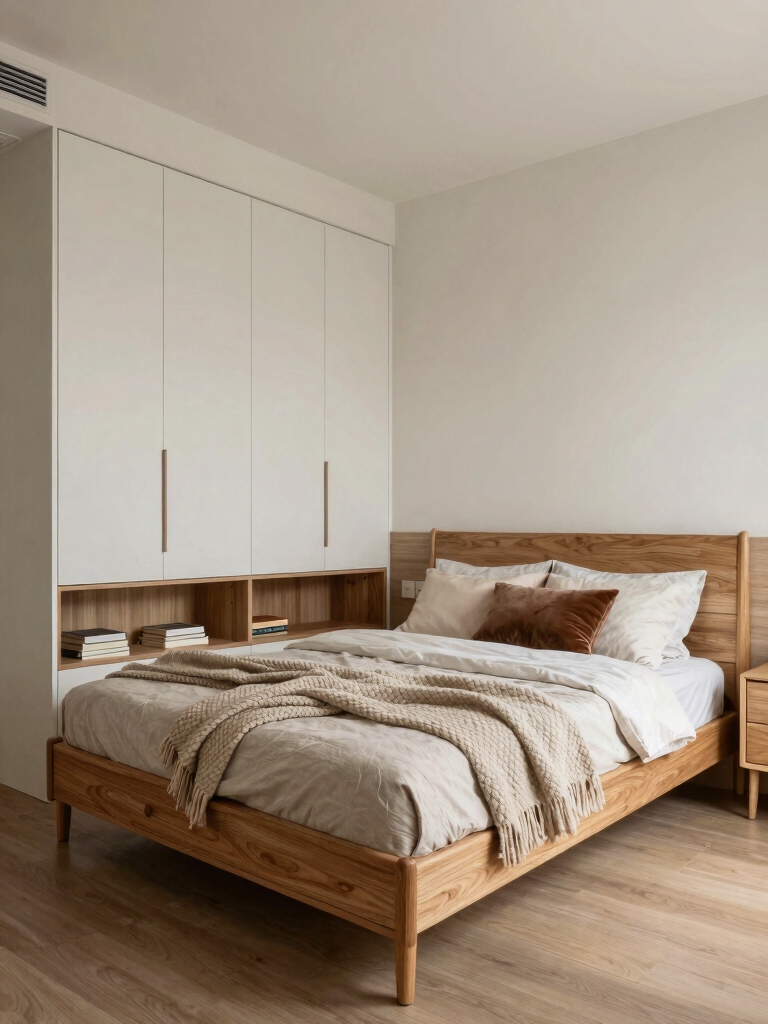
A hibernation room has to feel calm to be restful, so all the winter bulk, spare blankets, heavy jumpers, boots, needs a home out of sight. Smart storage keeps the snug feeling from tipping into cluttered. Set it up in this order so the cozy layers have somewhere to live:
- Use under-bed bins for spare blankets and off-season clothes
- Add a blanket basket by the bed for the throws in rotation
- Go vertical with shelves and hooks to keep the floor clear
- Keep a lidded box for the bulky winter overflow
- Store summer stuff away so winter cozies have room
💡Quick Win
Swap to flannel or brushed-cotton sheets the moment it turns cold. For twenty to forty dollars it is the fastest, cheapest way to make a bed feel like a winter nest, and you notice the difference the very first night.
Wrap the Room in a Cozy, Warm Palette
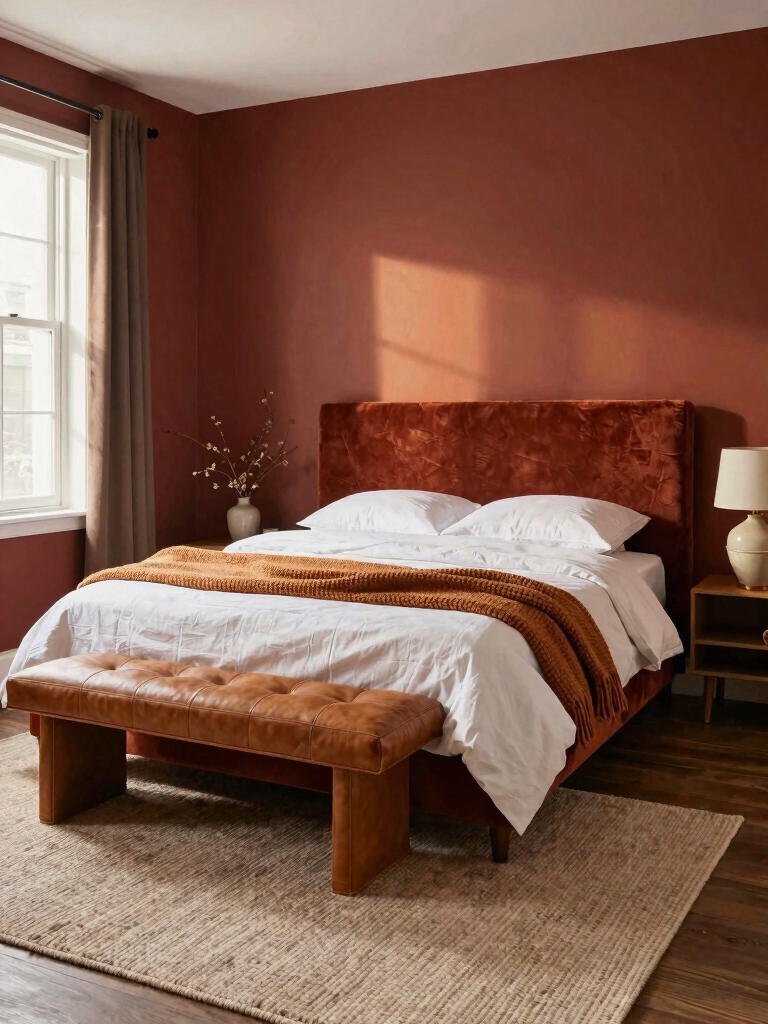
A hibernation room wants depth and warmth, so the palette leans rich and snug, the opposite of the airy-pale summer look. Deep, warm tones make a small room feel enveloping, like a den you can disappear into. Here is how to build a warm winter palette that still feels calm:
- Choose warm, deep tones: terracotta, ochre, warm brown, forest
- Or go moody with a soft charcoal or deep warm gray
- Add wood and warm metals to keep it from feeling heavy
- Layer cream and caramel textiles so the dark tones glow
- Keep it to a few warm tones so the room stays restful
Choose Space-Saving, Multi-Functional Furniture

A hibernation den is mostly bed, so the rest of the furniture should be minimal and hardworking. In a small room, every piece earns its footprint, which leaves more space for the warm, soft stuff. A storage bed, a bench that hides blankets, a slim nightstand: that is really all a burrow needs.
Mostly bed, minimal everything else
Pick pieces that double as storage so the winter bulk disappears. A storage ottoman holds spare bedding and gives you somewhere to sit and pull on socks; a bed with drawers swallows a whole closet’s overflow. The fewer things on the floor, the snugger and calmer the room feels.
What I always pull into a tiny winter room first is a storage bed, because it clears the clutter and frees the floor for a big soft rug. Aim for burrow, not showroom. Our a small room that works digs into dual-purpose pieces.
Which hibernation upgrade should you start with? Pick what your room is missing.
🎯The room feels cold and drafty
Start with draft-proofing and thermal curtains, warmth comes first.
🎯The bed looks flat and thin
Layer it: flannel sheets, a weighty duvet, and a chunky throw.
🎯The light feels harsh
Swap to warm bulbs and add a low lamp plus candles.
Position the Bed for a Quiet Burrow
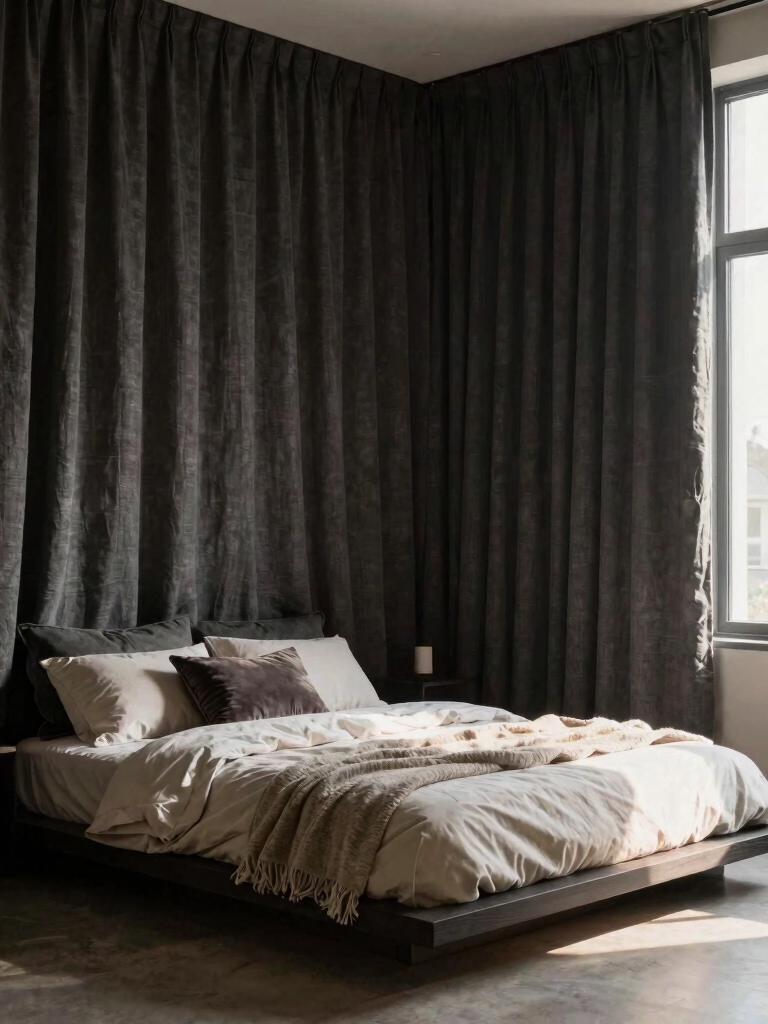
Where the bed sits decides how den-like the room feels, and for hibernation you want it tucked in and away from drafts. A bed pushed into a corner or against an interior wall feels protected and snug, exactly the burrow feeling you are after. Position it like this for maximum cozy:
- Tuck the bed into a corner so two sides feel sheltered
- Keep it off the coldest exterior or window wall if you can
- Add a headboard or hang a soft fabric panel for a warm backdrop
- Frame it with a curtain or canopy to deepen the nook
- Leave just enough path so the rest stays clear and calm
Draft-Proof for Real, Toasty Warmth
No amount of styling feels cozy in a cold, drafty room, so the unglamorous step of sealing out the chill matters most. A small room is quick and cheap to draft-proof: a draft stopper at the door, weatherstripping around a leaky window, and heavy curtains that actually block the cold. These small fixes make the warmth you build stay put. The first thing I check in a cold bedroom is the window seal, because no rug or throw fixes a draft.
Hang thermal or lined curtains and close them at dusk to trap the heat, then open them by day for light. A draft stopper costs a few dollars and a roll of weatherstripping a little more, and together they make a real difference in a small space. A warm room starts with keeping the cold out, not just turning the heat up. Toasty is the foundation the cozy sits on.
Layer the Bed Like a Nest
The bed is the heart of any hibernation room, so layer it until it looks like something you could disappear into. Start with good flannel or brushed-cotton sheets for winter, add a weighty duvet, then pile on a quilt and a chunky throw you can pull up on the coldest nights. The deeper the layers, the more inviting the bed.
Mix the textures for that nest feeling: smooth sheets, a waffle blanket, a faux-fur or wool throw, a couple of soft cushions. Keep it all in your warm palette so it stays calm and collected. Flannel sheets run twenty to forty dollars and instantly make winter nights warmer. A well-layered bed is the single biggest hibernation upgrade you can make.
Set the Mood With Warm, Low Light
Harsh overhead light kills the hibernation mood instantly, so trade it for several low, warm sources that make the room glow. A single bedside lamp, a trailing string of fairy lights, and a couple of candles turn even a plain small room into a golden burrow after dark. Stick to soft, low-temperature bulbs in the warm range, and a cheap dimmer or smart bulb lets you drop the light right down as the evening winds on.
- A warm bedside lamp as the main evening glow
- Fairy or string lights for a soft, layered shimmer
- Candles or flameless ones for flicker and warmth
- Warm bulbs and a dimmer to control the whole mood
Add Scent, Sound, and the Final Touches
Hibernation is a full-senses thing, so the last layer is the stuff you smell and hear. A warm winter scent, cedar, vanilla, spiced amber, from a candle or diffuser makes the room feel instantly snug, and soft background sound or a quiet playlist completes the cocoon. Sound matters more than people expect. These cost very little and do a lot for the mood.
Finish with the small comforts that make you want to stay: a stack of books within reach, a spot for a warm drink, maybe a hot water bottle tucked under the covers. Keep the personal touches few and meaningful so the room stays calm. A warm drink, a good book, and low light is the whole hibernation ritual.
Soften Every Surface Underfoot and Around
Hard surfaces feel cold, so a hibernation room wins by softening everything you touch. A thick rug or even two layered rugs warm a cold floor and muffle sound, which adds to the cocooned feeling. Soft, weighty curtains, a padded headboard, and a throw over the chair all turn down the hard edges that make a room feel chilly.
In a small room this is cheap and fast, since there is so little surface to cover. One good rug, one pair of lined curtains, and a couple of soft layers do the whole job. The more your eye lands on soft, warm texture, the snugger the room feels, even before the heat is on. Texture is what your senses take for warmth.
Common Mistakes to Avoid
The biggest hibernation mistake is going for the look without the warmth. A bed piled with decorative throws still feels cold if the window leaks and the light is harsh, so sort the drafts and the lighting before you style anything. Cozy is a feeling first. The look comes second.
The other trap is overcrowding a small room with winter bulk until it feels stuffy instead of snug. Layer the bed deeply, but keep the floor clear and the surfaces calm so the room still breathes. And remember to open the curtains and air the room by day, since a den you can actually rest in needs light and fresh air as much as darkness and blankets.
Build a Burrow Worth Staying In
A small bedroom is the easiest room to turn into a true hibernation den, because the tight footprint does half the cozy work for you. Seal out the drafts, wrap the room in warm color and deep bedding, keep the light low and golden, and tuck the clutter away. What is left is a snug little burrow built for the coldest months.
Start with whatever your room needs most, usually the draft-proofing or the bed layers, and build the warmth up from there. Save these ideas for when the temperature drops, and you will have a warm, glowing retreat ready to disappear into all winter long.