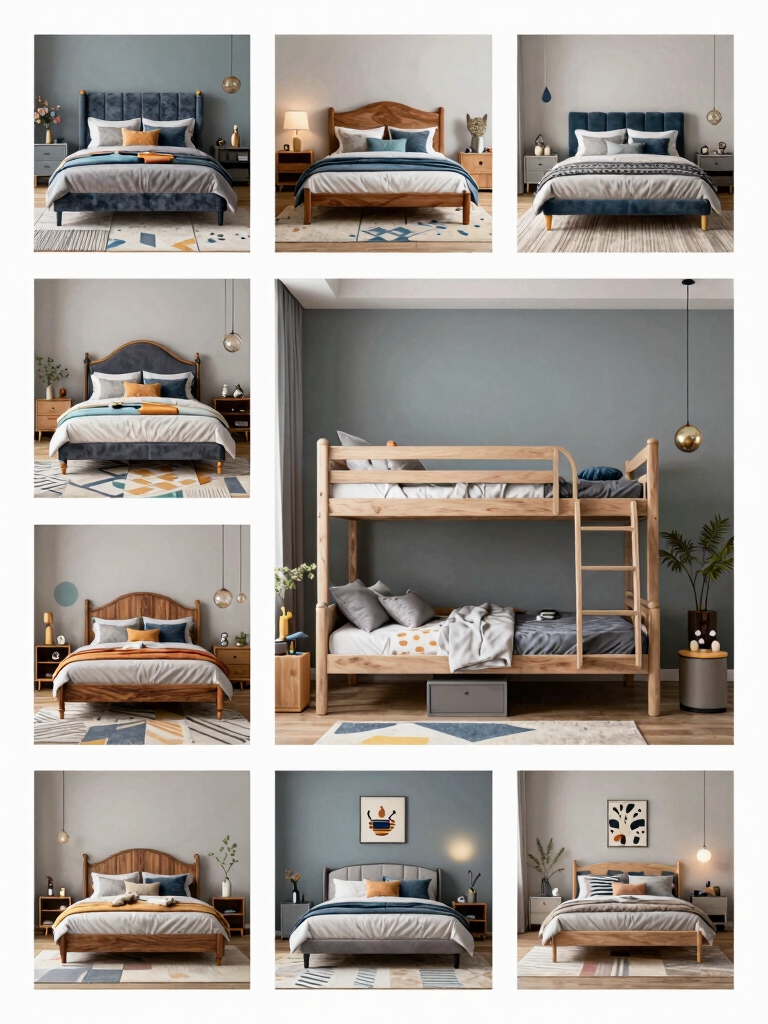
There is a gap between a kid’s room that looks great in a catalog and one a kid actually loves. The magazine version is spotless and grown-up; the one kids love is the one they can play in, mess up, and reset themselves. The bedroom ideas for kids that actually stick split the difference: joyful and theirs, but easy to keep livable.
Below are 17 ideas built around what kids really want, a cozy spot to read, storage they can use, a bed they adore, room to grow, balanced with the order that keeps a parent sane. Most are cheap, and most grow with the child.
What Kids Love, Answered
What do kids actually want in a bedroom? A space they can call their own: a cozy nook, fun easy storage, room to play, and a say in the decor. Ownership matters more than perfection.
How do I keep a fun room from becoming chaos? Build in easy storage and clear zones. If cleanup is fast and everything has a home, joyful and tidy can coexist.
What is the best money-for-joy upgrade? A reading nook or a bunk they love. Both give the room a spot the kid actively wants to be in.
Give Kids a Creative, Organized Space
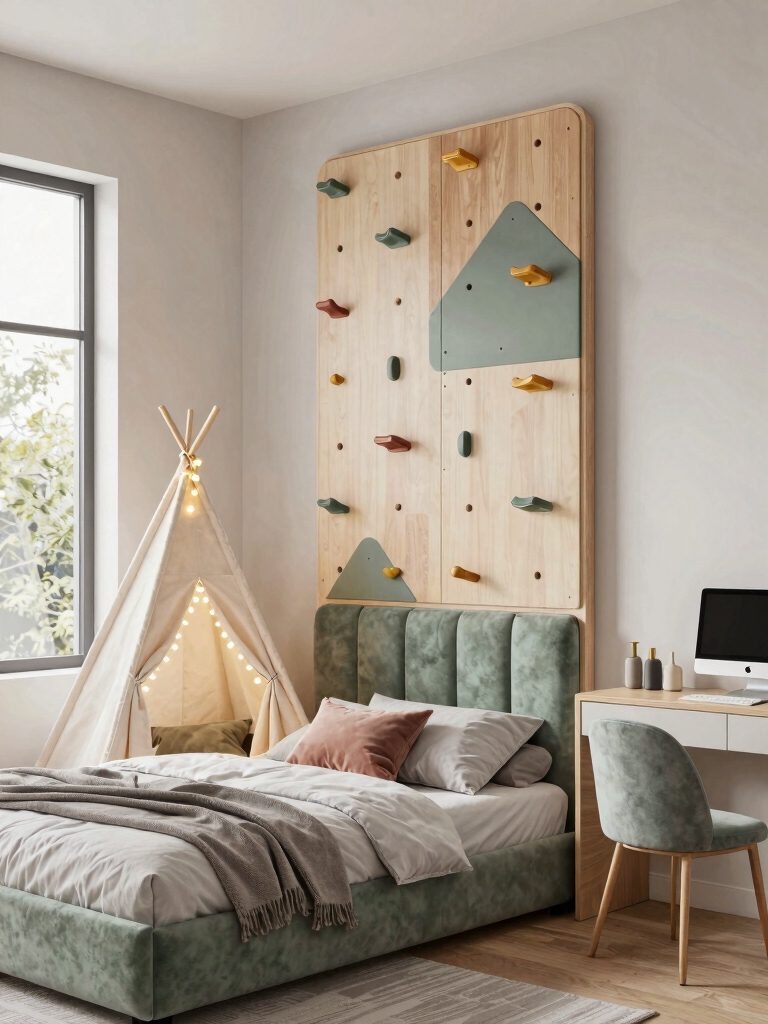
Kids love a room that lets them imagine and that they can manage themselves. That means flexible space to play, storage at their height, and a few choices that are truly theirs. Hand a child some ownership and the room stops being a battle. It becomes a place they take care of.
- Open floor or a clear zone for play
- Storage low enough that they can reach and reset it
- A few decor choices that are truly their own
- A look that can grow as their interests change
Build a Cozy Reading Nook They Love
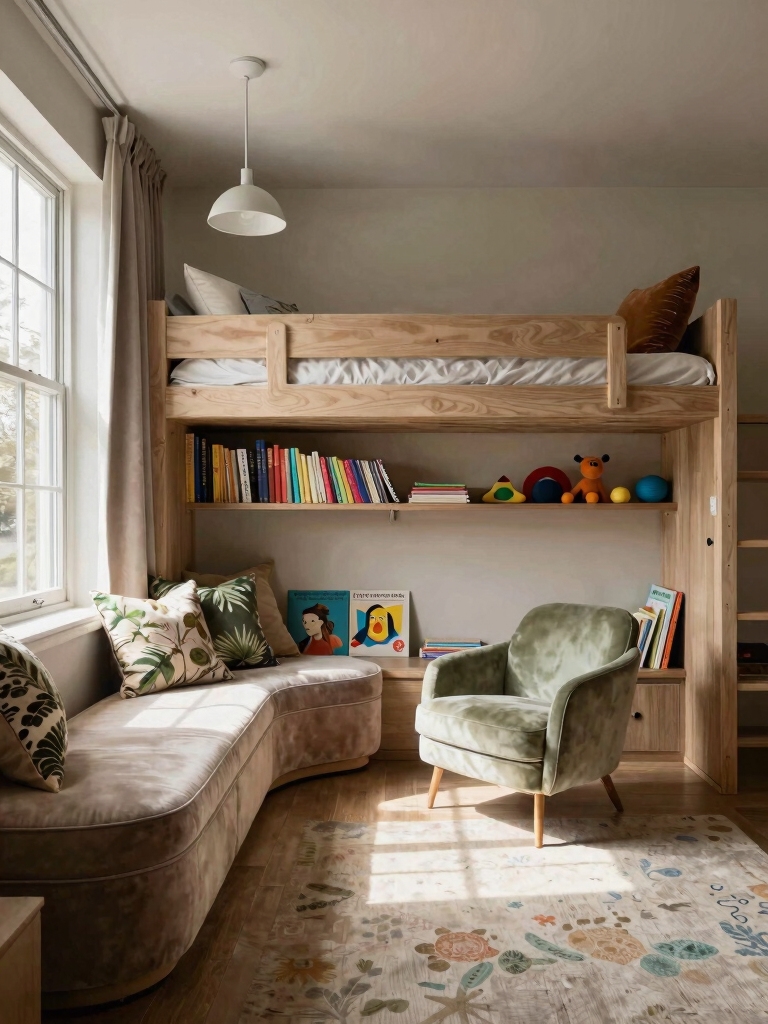
Ask kids what they love about a great room and a cozy nook comes up again and again. A small, soft corner to curl up with a book gives them a spot that is theirs, and it quietly builds a reading habit too. It takes little: a corner, a cushion, and good light. That is the whole recipe.
Keep it low and within reach: a floor cushion or small chair, a soft throw, and books they can actually grab. A canopy or a string of lights makes it feel like a hideaway. Adjust the height as they grow so the nook keeps up. For a calm whole-room base, our a small room that works helps.
- A floor cushion, beanbag, or small chair to curl into
- A low shelf with front-facing books they can reach
- Soft, warm light, a clip lamp or string lights
- A canopy or tent to make it a hideaway
| Age | They love | Plan for |
|---|---|---|
| Toddler | Soft floor, low everything | Safety and durability |
| Grade-school | A reading nook, fun storage | Play zones and homework |
| Tween | Their own style, a hangout spot | More grown-up, less theme |
Make Kid Storage Joyful and Organized
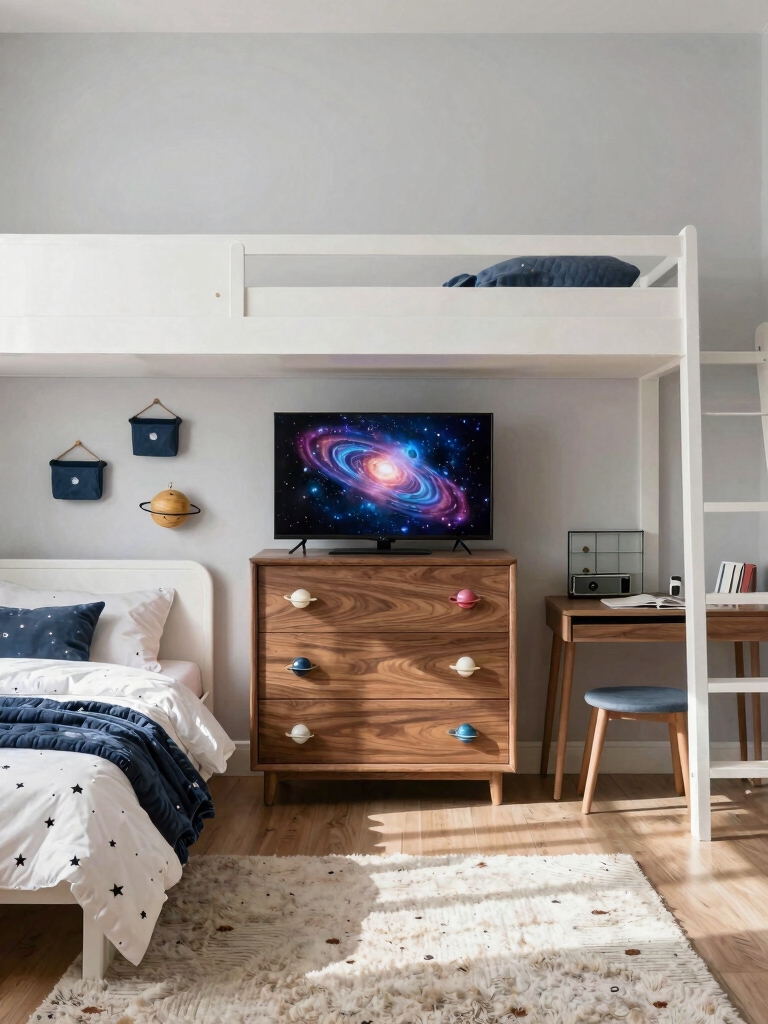
Storage is where kids’ rooms live or die, and the whole game is making it so easy a child will actually use it. Open bins, low hooks, and labeled cubbies turn cleanup from a chore into a quick game. If a kid can do it alone, it gets done.
If they can do it, it gets done
Color-code or picture-label the bins so even a pre-reader knows where things go. Toy rotation helps too: keep half the toys stored and swap them every few weeks so the room stays uncluttered and the toys feel new. For more, our hidden storage helps.
The storage I set up first for kids is a row of big open bins they can dump into. I have seen fussy labeled systems fail in a week because they asked too much of a small child. Make it stupidly easy and the room stays tidy on its own.
Make the Bunk Bed the Best Part
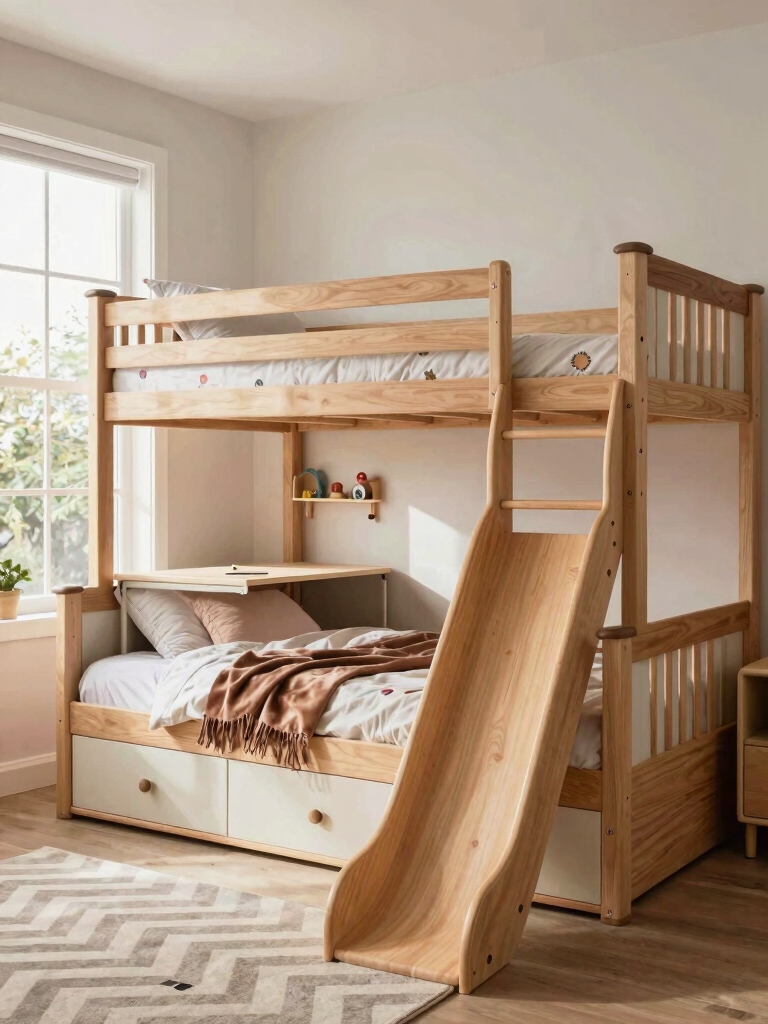
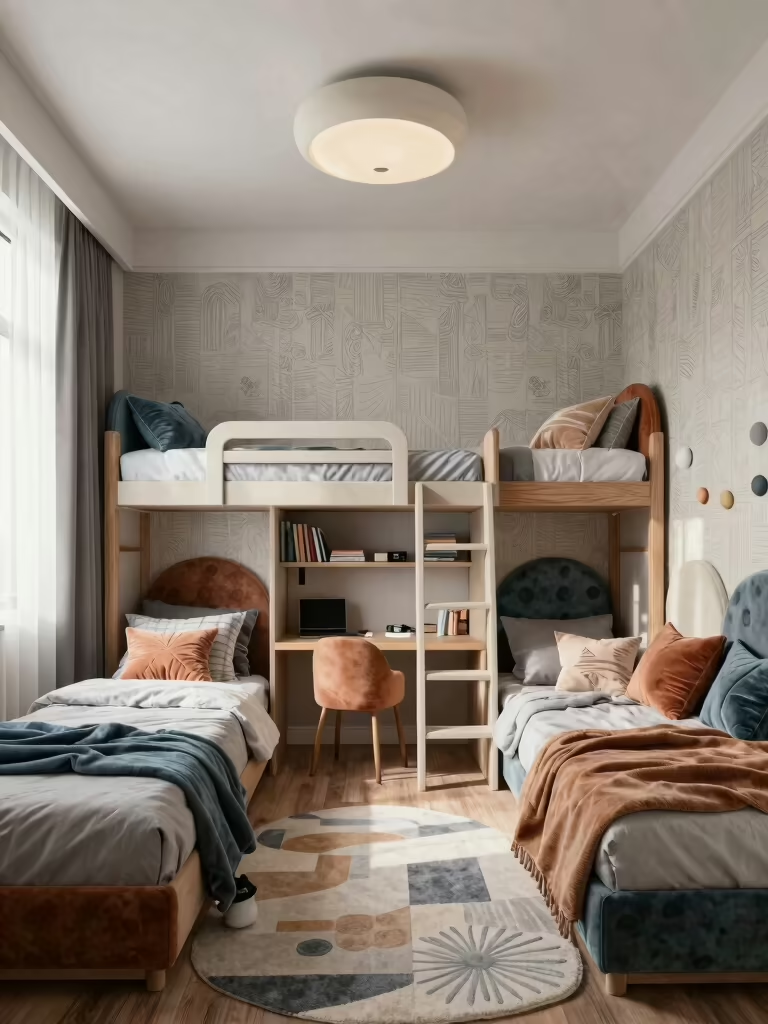
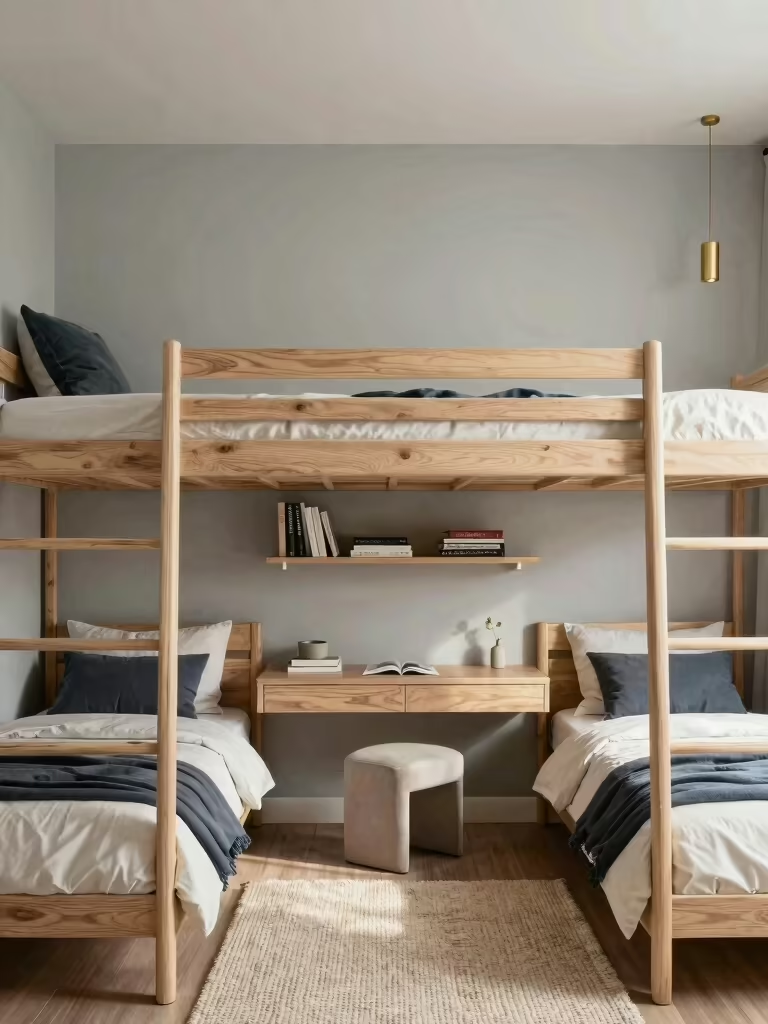
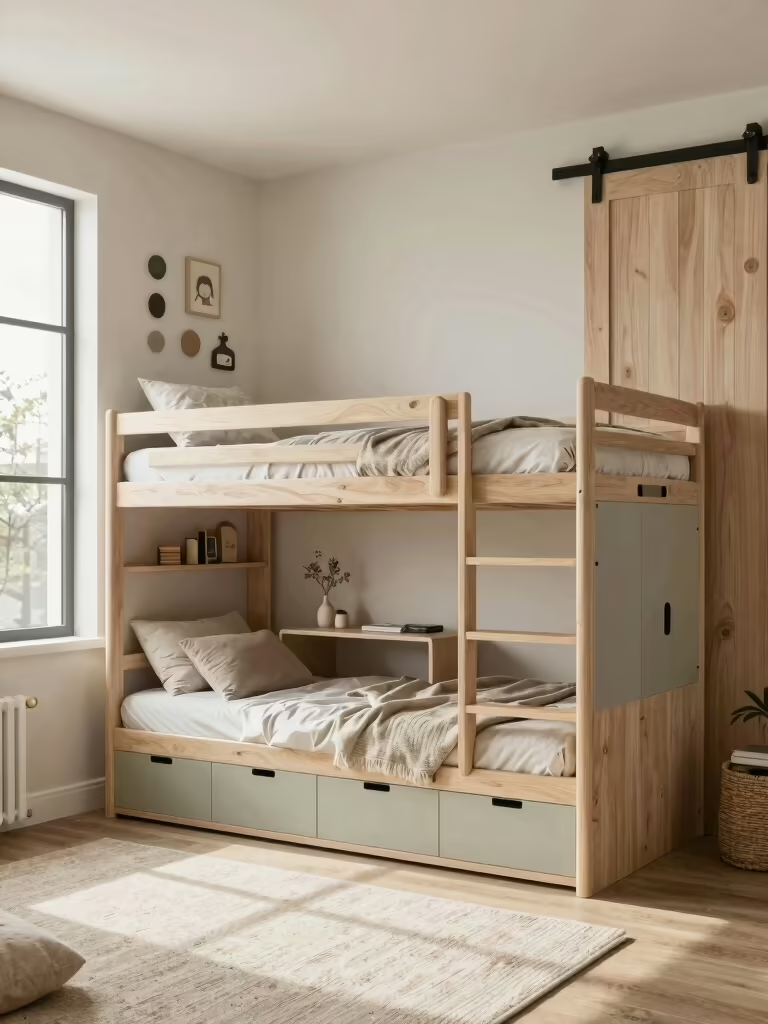
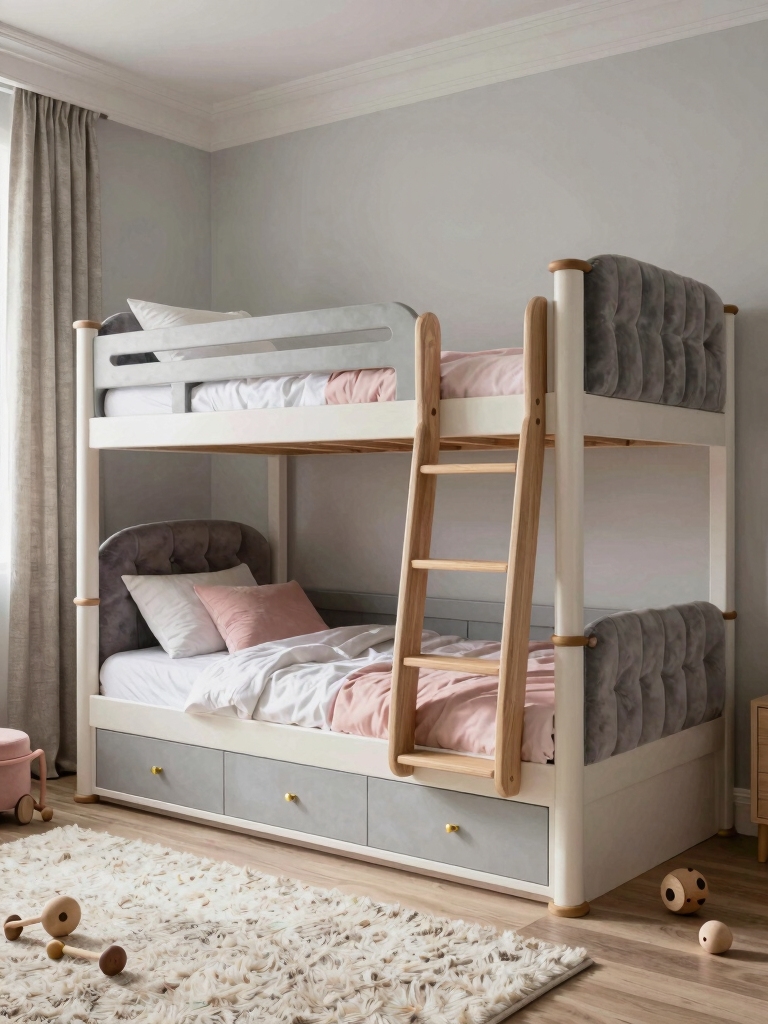
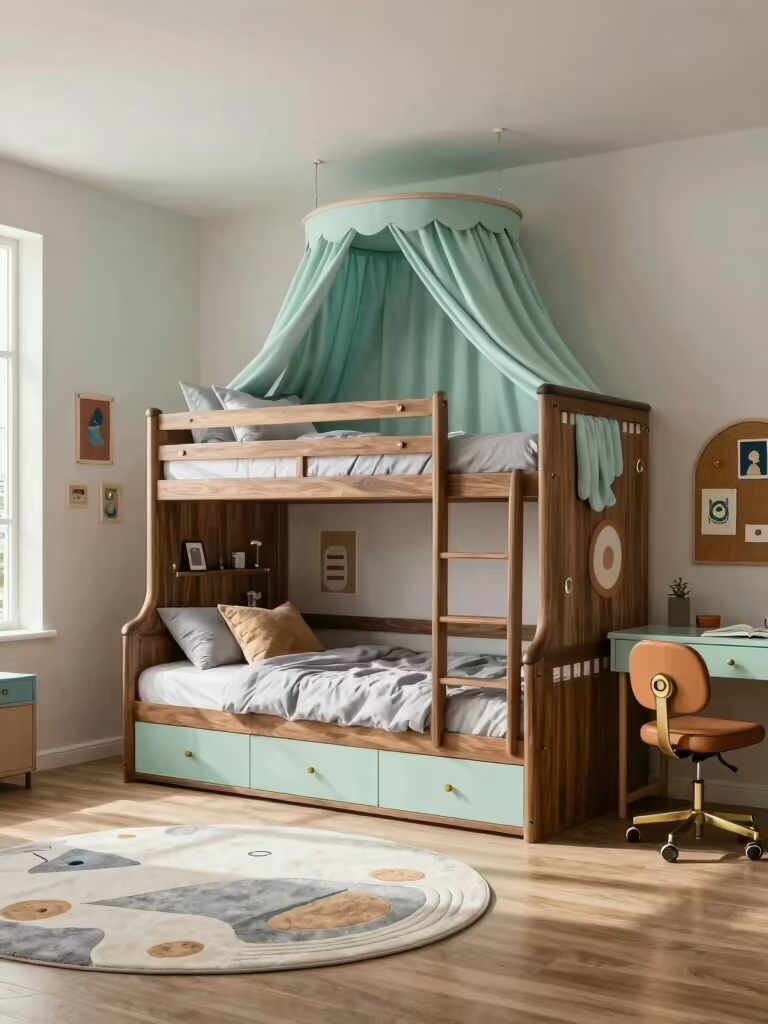
For a lot of kids, the bunk bed is the room. It doubles the sleep space, frees the floor, and feels like a fort, which is exactly why kids love it. A bunk or loft is the single piece most likely to make a child adore their room. Kids treat it like a fort.
Make it theirs with a few safe touches: a clip light for reading up top, a small shelf for treasures, a curtain to turn the lower bunk into a den. Keep the safety basics solid, guardrails and a sturdy ladder, and follow the age and weight ratings, especially for the top bunk.
What I tell parents is that a bunk earns its keep twice, once for space and once for the joy. I have watched a kid who hated bedtime suddenly love it because the top bunk felt like a treehouse. For shared rooms, our a shared kids’ room goes deeper.
A kid does not love a perfect room. They love one that is theirs, that they helped make, and that they can mess up and put right on their own.
Design a Room That Adapts
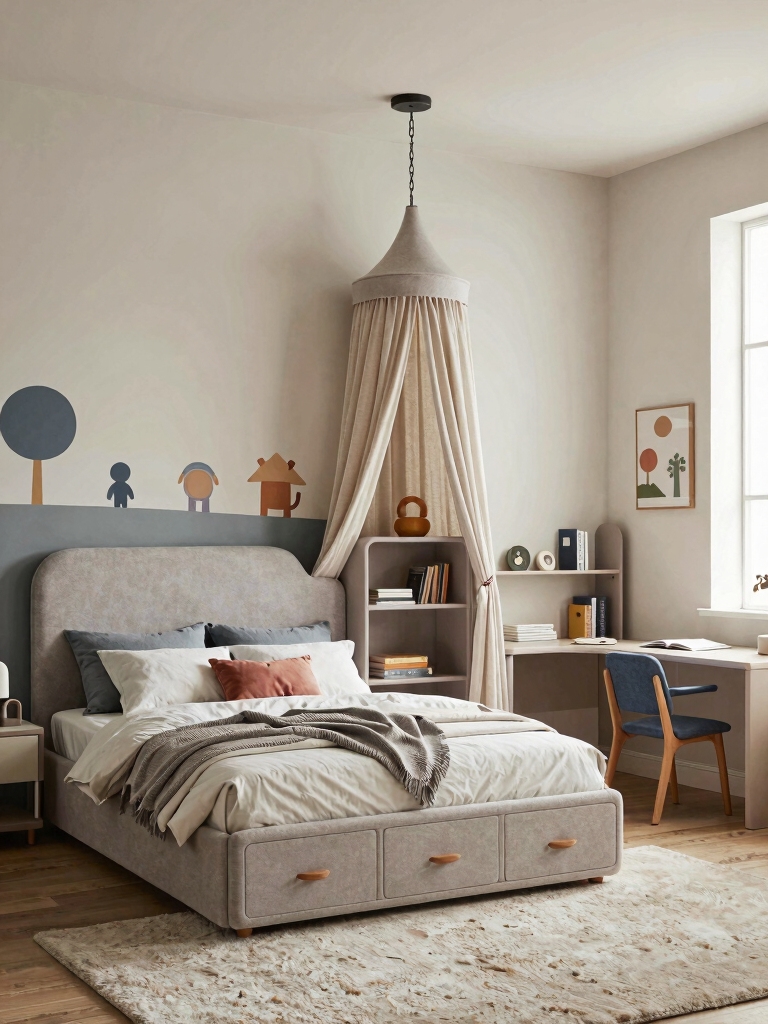
Kids change fast, and a room they love at five can feel babyish at nine. Build it to adapt so it keeps pace. Do it in this order:
- Keep the big pieces neutral and let the theme live in cheap swaps
- Choose a bed and desk that adjust or last for years
- Use modular storage you can reconfigure as needs change
- Let removable decals and bedding carry the current obsession
- Give the child more say as they get older
What to Expect From a Kid-Loved Room
A room kids love is cheaper than the catalog version, since most of the magic comes from a nook, fun storage, and a few personal touches rather than expensive furniture. Expect to spend the most on the bed and the least on the decor they will outgrow. A reading nook can come together for under fifty dollars.
The honest trade-off is that a loved room is a used room, so it will get messy. Build for that with easy storage and a quick reset habit, and accept a little wear as the sign of a room that is doing its job. Perfect and kid-loved rarely live in the same room.
Let Them Help Choose
The fastest way to make a kid love their room is to let them help design it. The first thing I do for a child who is unhappy with their room is let them pick one big thing. A kid who chose the color or the bedding feels ownership, and ownership is what makes them keep it nice, so give them real but bounded choices.
- Offer two or three options you are happy with, and let them pick
- Let them choose the swappable stuff: bedding, posters, accents
- Display their own art so the walls feel like theirs
- Involve them in the cleanup system so they own that too
Add Fun Without the Chaos
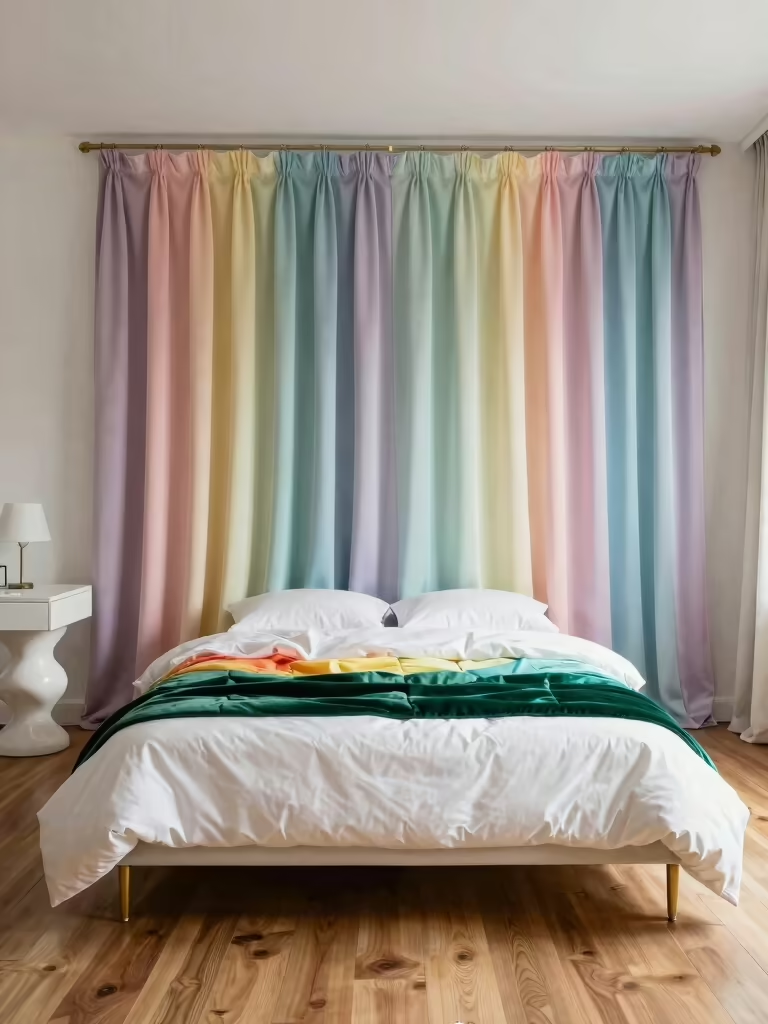
Kids want fun, and you can give it without turning the room into a circus. Lean on a few playful touches that are easy to contain or remove: a teepee, a chalkboard wall, glow stars, a fun rug. One or two of these feel magical to a kid, while ten just overwhelm, so pick the couple your child would love most and stop there.
Keep the fun mostly in the swappable layers so it can change with the child and come down without a repaint. A magnetic or chalkboard surface gives endless play in one tidy spot. The goal is a room that feels magical to a kid and still calm enough for a parent to walk into.
Light It for Play and Bedtime
Kids’ rooms need two kinds of light: bright and cheerful for play, soft and warm for winding down. One harsh overhead does neither well. A brighter ceiling or task light for daytime, plus a warm lamp or nightlight for evening, helps a child shift from playing to sleeping.
A nightlight or low string lights ease bedtime fears for younger kids, and a dimmable bedside lamp gives an older one control over their own wind-down. Warm bulbs by the bed signal sleep. Good lighting is a small change that makes the room work at every hour.
Make Cleanup a Quick Habit
A room kids love gets used hard, so a fast daily reset is what keeps it from burying itself. Make cleanup a quick, low-stakes habit a child can do alone, and the room bounces back every night instead of building to a weekend dig-out. Keep it short enough that nobody dreads it and it actually happens.
- A two-minute toss-everything-in-its-bin reset before bed
- A hamper the child can actually reach and use
- Open bins so there is no fiddly putting-away
- Toy rotation so there is less out to clean up at once
Give Them a Spot to Make Things
Ask kids what they love doing in their room and making things comes up constantly, so carve out a little corner for it. A small table at their height, a cup of markers, a roll of paper, and a bin for supplies turns a blank corner into the spot they run to. It does not need to be big; it needs to be theirs and ready to use.
Keep the supplies washable and the surface wipeable so you are relaxed about the mess that real making creates. A clip-up line for finished drawings doubles as free, ever-changing wall art. The corner grows with them too, from crayons to LEGO to homework, so it earns its space for years rather than a single phase.
Carve Out a Spot to Grow Into
As kids get older, what they love shifts from toys to a place to hang out and feel independent. A small desk for homework or drawing, a beanbag corner for friends, a shelf for the stuff they are proud of: these say the room is keeping up with them. Tweens especially want a space that feels a little more grown-up.
You do not have to redo the room to do this. Trade a few toy bins for open shelving, swap the cartoon bedding for a color they chose, and give them a corner that is theirs to arrange. The more a growing kid gets to shape the room, the longer they will love it. Ownership is what makes it stick.
Kids’ Bedroom Questions Parents Ask
?How do I make a room my kid actually loves?
Watch what your particular kid gravitates to and lean into it. A bookworm wants a reading nook; a builder wants a making corner; a social kid wants floor space for friends. The common thread is letting them help decide, since a room a child had a hand in is one they take pride in keeping.
?How do I keep a fun kids’ room from becoming a mess?
Shrink the amount that can be out at once. Toy rotation, storing half and swapping every few weeks, is the single biggest help, because there is simply less to clean up and the toys feel new again. Pair that with open bins a child can dump into and a nightly two-minute reset becomes realistic.
?What is the best budget upgrade for a kid’s room?
Per dollar, the things kids choose themselves win: a duvet in their favorite color, a poster of their current obsession, removable wall decals. None of it costs much, all of it can change, and because they picked it, it buys real attachment to the room. Paint is the next best value if you want a bigger shift.
?How do I decorate a room my kid won’t outgrow fast?
Buy the furniture that will see the most growth in adjustable form: a desk and chair that raise, a bed that converts or simply lasts, and storage you can reconfigure. Then put every trend, the character, the color, the theme, into things that peel off or wash out. The furniture stays; the phase comes and goes.
?Is a bunk or loft bed a good idea?
It depends mostly on age. Most guidance reserves the top bunk for children around six and up, so for younger kids a low or platform bed is the safer call. When they are ready, prioritize solid guardrails, a stable ladder, and the manufacturer’s age and weight limits, then let them personalize it with a curtain or a clip light.
Theirs to Love, Easy to Keep
The bedroom ideas kids actually love are not the most expensive or the most spotless; they are the ones that give a child a spot of their own, fun they can reach, and a say in how it looks. Pair that joy with easy storage and a quick reset, and joyful and livable stop being a trade-off.
Pick the one your child would light up over most, a reading nook, a bunk they adore, or a wall they got to choose, and start there this week. Let them help with that first piece, then build the rest so the room grows up right alongside them.