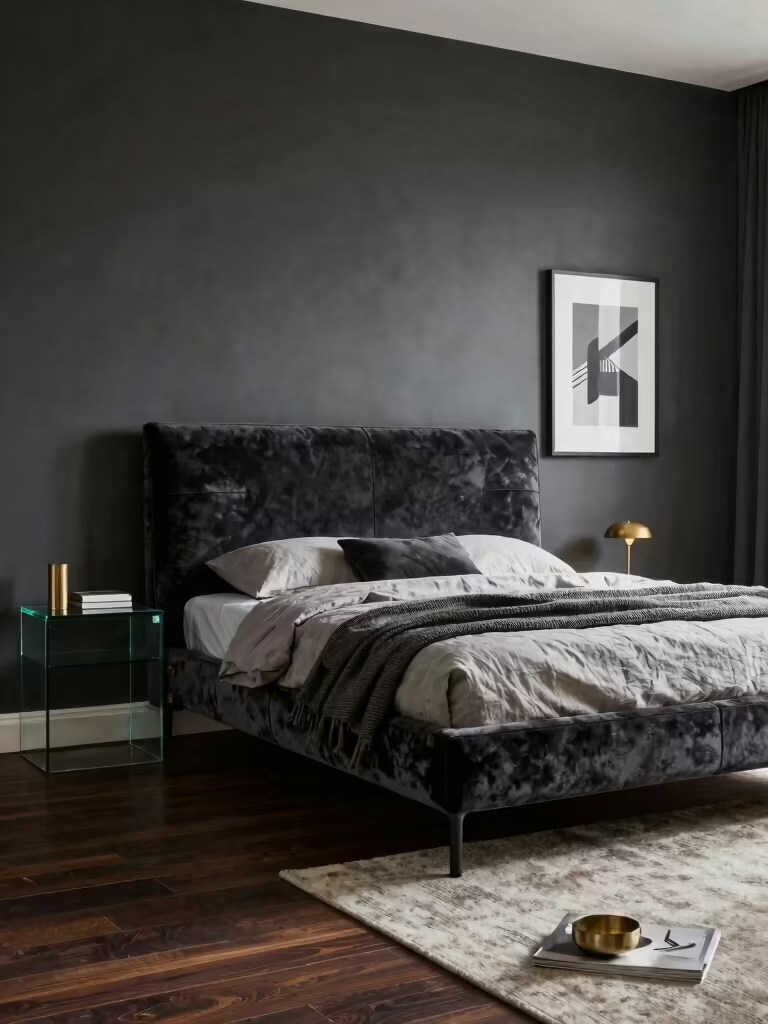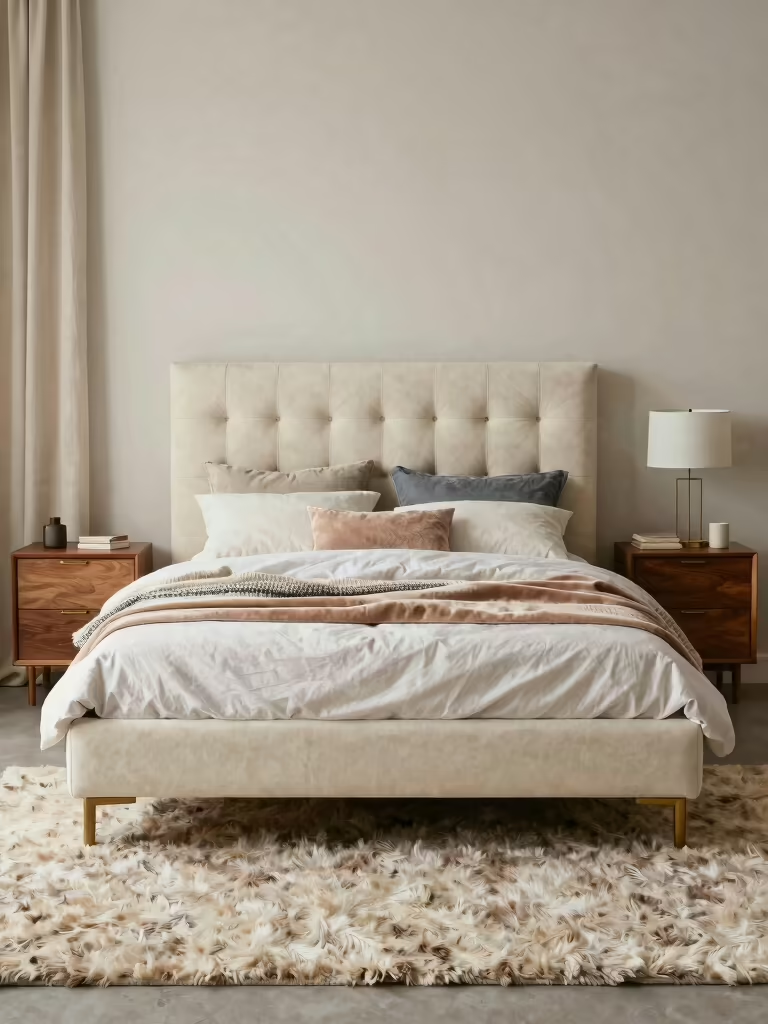

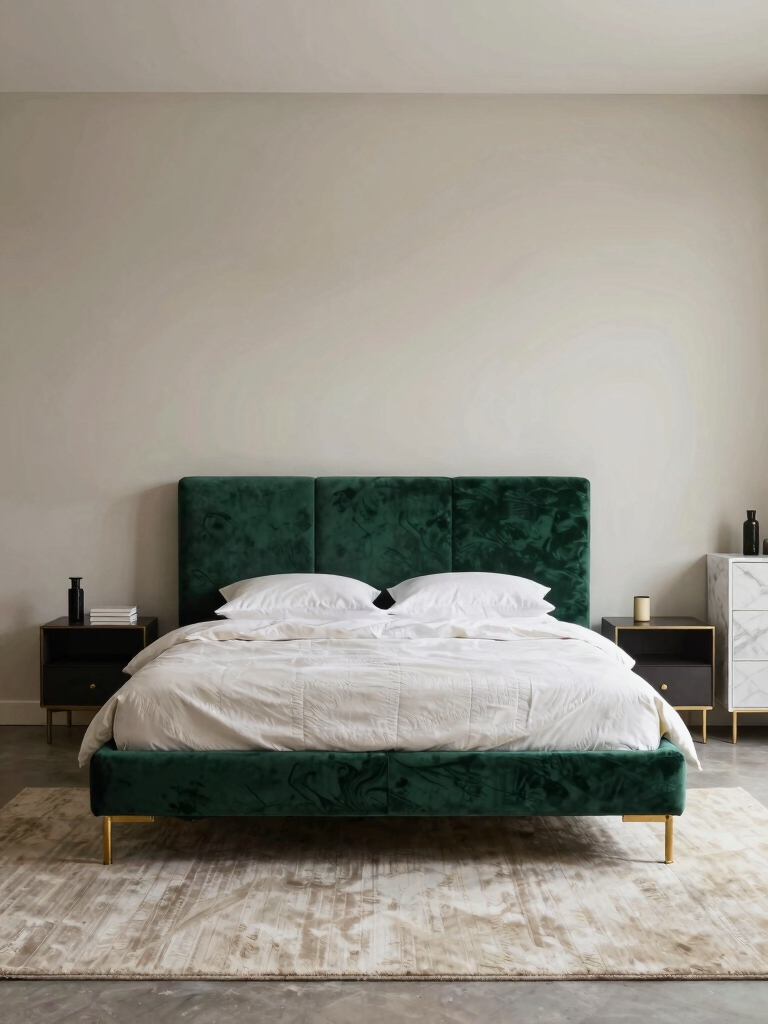
Walk through enough beautiful bedrooms and you start to notice the same handful of tricks doing all the work. No renovations needed. The work happens in small, repeatable moves: a tight palette, layered light, one good rug, a bed that earns the spotlight. Steal those and a plain room turns polished.
So here are the aesthetic bedroom ideas worth stealing, the designer-grade moves that punch well above their price. Each one is something I’ve used on real rooms, with the rough cost and the reason it works. Take the two or three that fit your space and skip the rest; that’s how stealing is supposed to go.
The Tricks Worth Borrowing
The highest-impact steals are cheap: a tight three-color palette, warm layered light on a dimmer, and one grounding rug. Those three alone make most rooms look considered and pulled together, even on a tight budget that rules out new furniture entirely.
After that, give the bed a real focal moment, hide the clutter and the cords, and add a single personal layer. Borrow what fits your room and your budget, one move at a time.
Choose a Calming Color Palette
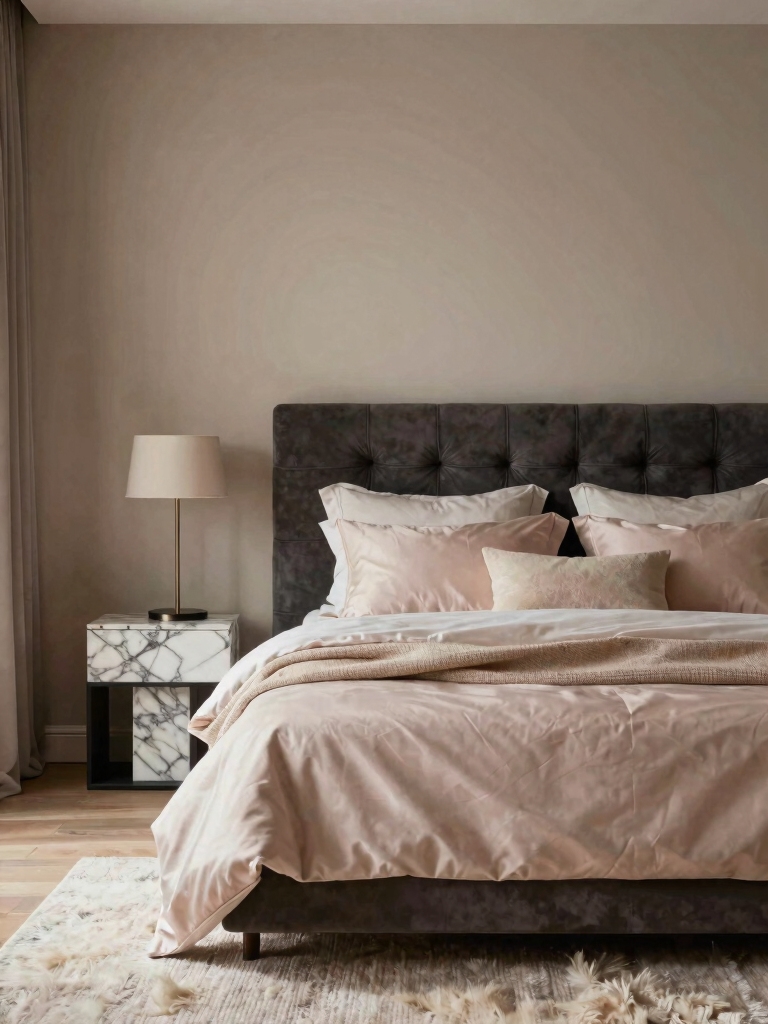
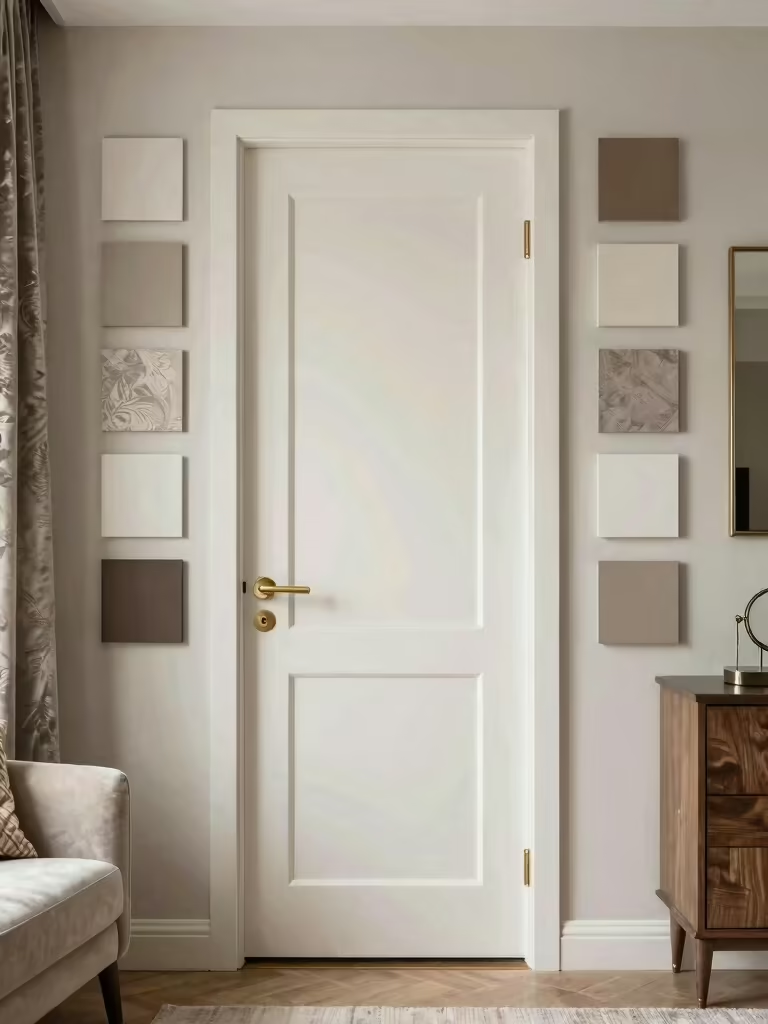
The first thing designers steal from each other is restraint with color. Pick three tones you keep coming back to, lean them soft and a little muted, and let them repeat around the room. A wall, a pillow, a frame, all singing the same three notes, and the space looks composed without a single expensive piece in it.
The move that makes it look high-end is consistency over drama. Skip the urge to add one more clever accent and let the palette stay tight. Test your top picks with a $6 to $9 sample pot in evening light, since that’s when the room matters most.
For combinations built to feel calm, my [cozy bedroom color palette guide](cozy-bedroom-color-palette-ideas-changing) and the broader [aesthetic room color ideas for any bedroom](aesthetic-room-color-ideas-bedroom) are good places to start.
Layer Textures for Instant Warmth
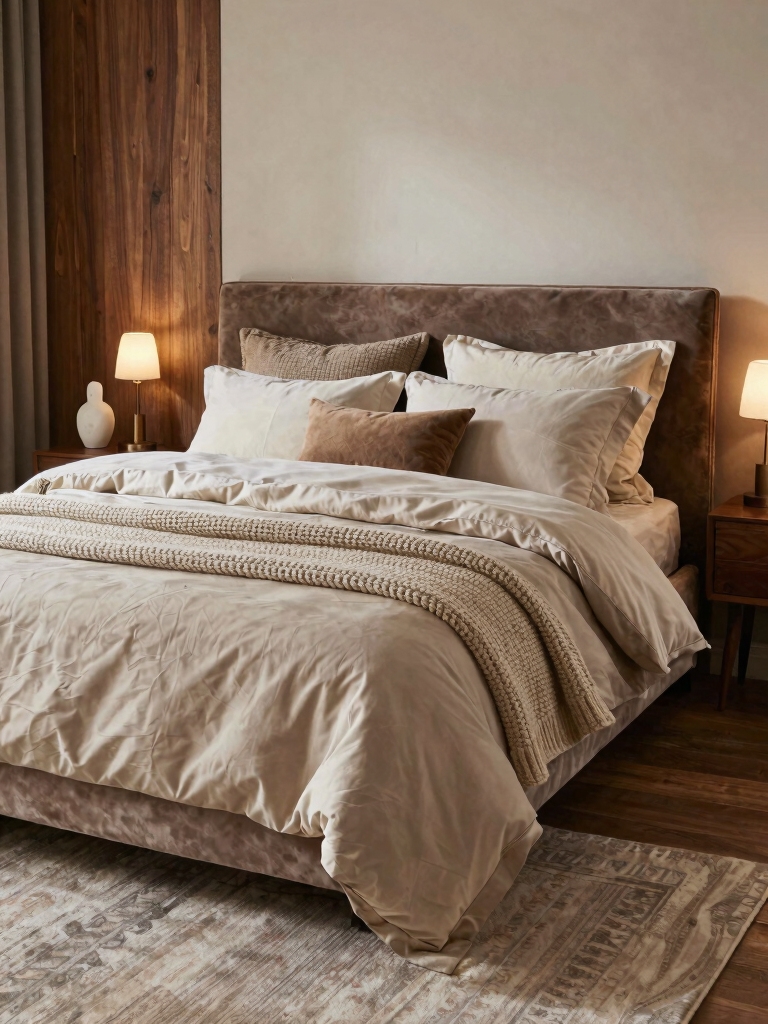
Texture is the cheapest way to make a room feel expensive, and it’s the steal designers reach for once the budget runs dry. The depth comes from mixing weights, not adding more colors. A smooth percale sheet under a chunky knit, a flat-weave rug beside a high-pile one, a linen curtain against a velvet pillow. Same calm palette, but the eye and hand find depth everywhere.
Build it in odd numbers and stop before it gets fussy. Three layers on the bed (crisp sheets, a mid-weight quilt, one heavy throw) look full and inviting. Five become a chore to make every morning. I watch people overshoot this constantly, piling on softness until the bed is unusable.
Bring texture to the walls and floor too, well beyond the bed itself. A woven hanging, a jute rug, a wood frame, each adds a tactile note that a flat, painted room quietly misses, and together they make even a plain neutral space feel layered and considered. A decent wool-blend rug runs $90 to $200 in a standard size, and it’s the single piece that warms a cold floor and grounds the whole room at once.
A few terms worth knowing before you start stealing:
📖Layering
Building depth with different weights and textures rather than more colors or objects.
📖Color drenching
Painting walls, trim, and sometimes the ceiling the same soft tone for a calm, enveloping effect.
📖Focal point
The one spot the eye should land first, usually the bed; everything else supports it.
Give the Bedroom Quiet Elegance
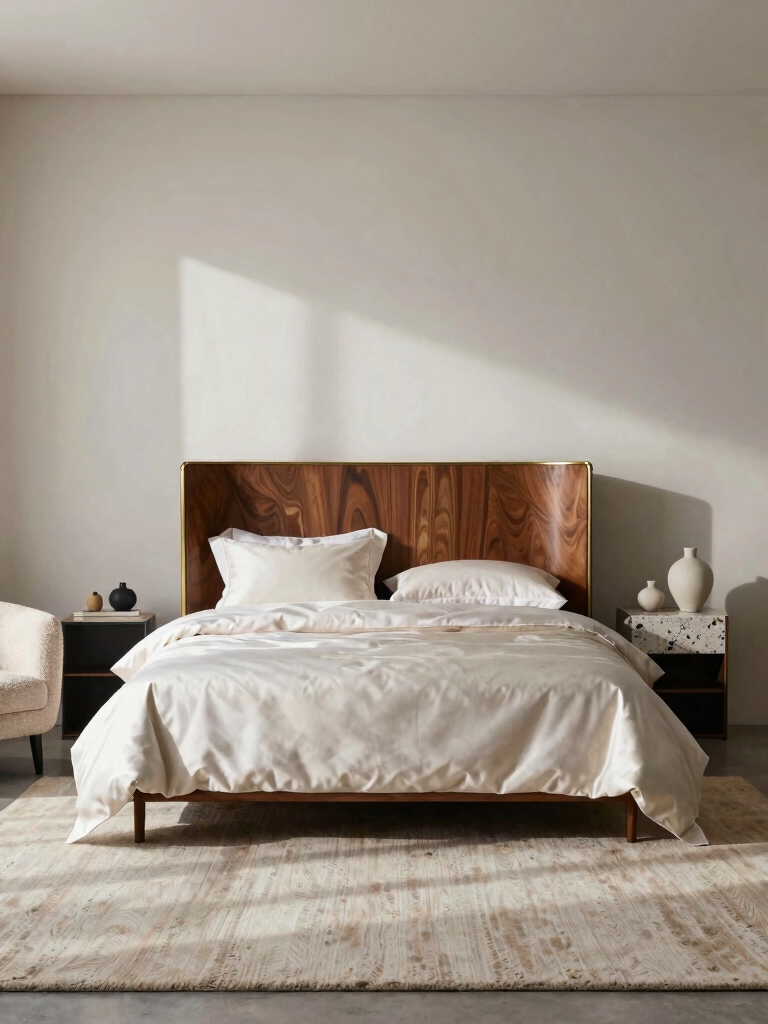
Elegance in a bedroom comes from a few disciplined choices on almost any budget. These are the moves that make a room look pulled together and a little luxe, in the order I’d do them.
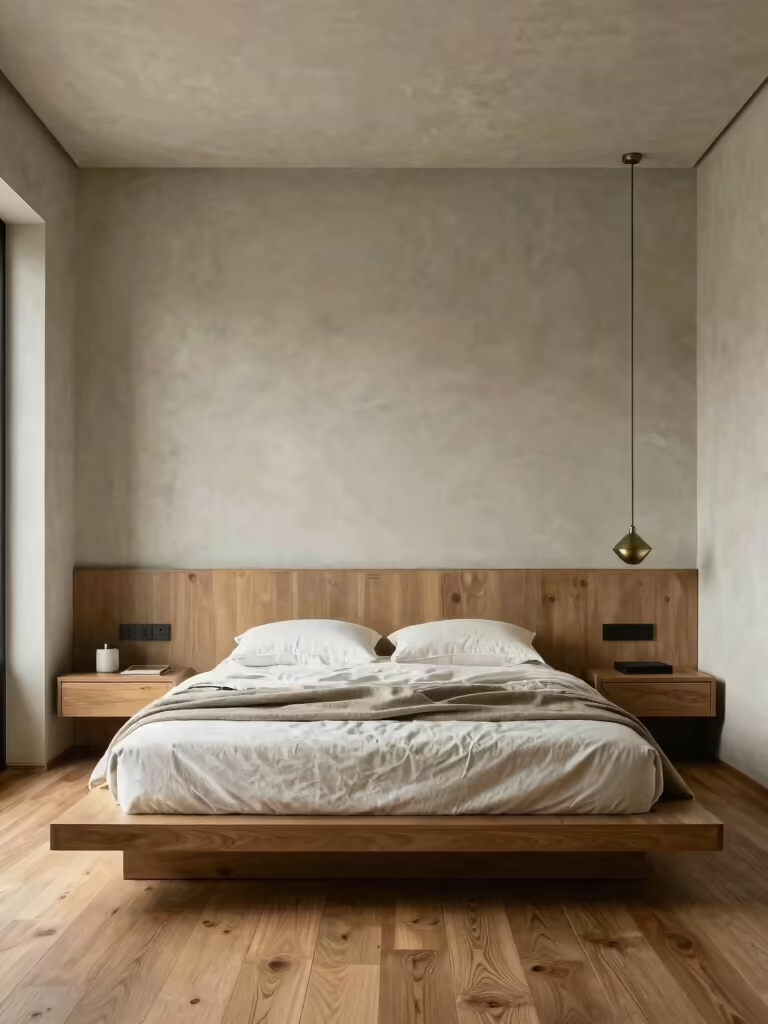
- Give the bed a real focal point: a headboard or a framed wall behind it ($60 to $250) so the eye lands somewhere intentional.
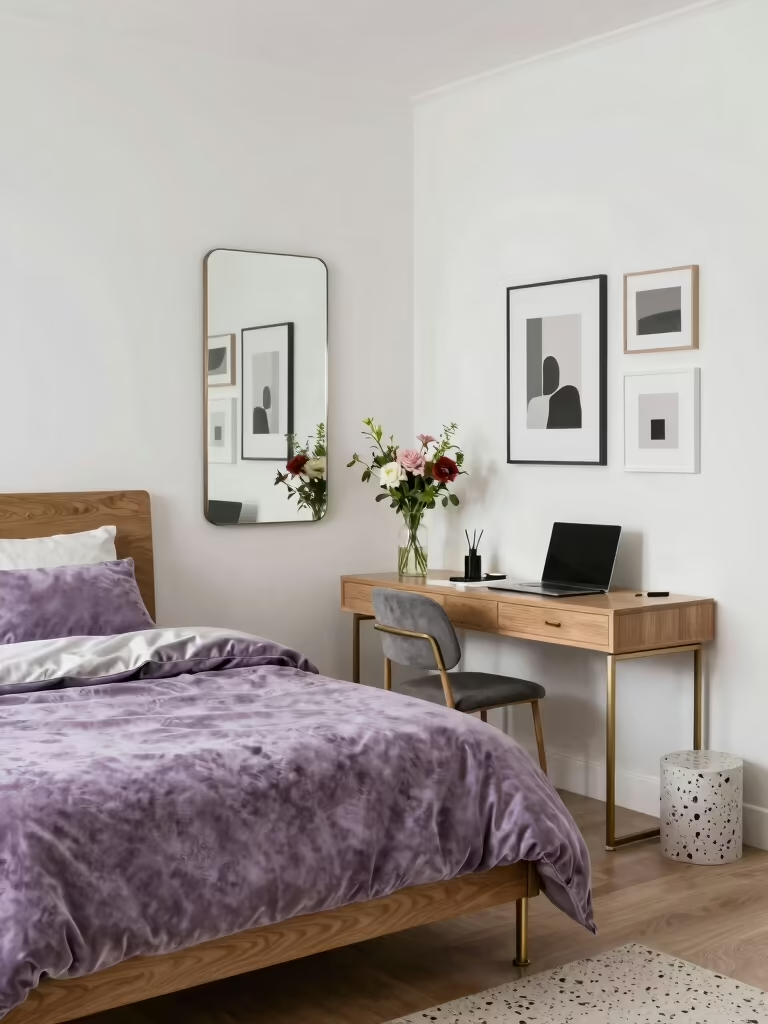
- Match your metals. Pick one finish (brass, black, or nickel) for hardware, lamps, and frames so the room feels coordinated.
- Hang art and curtains higher than feels natural; raising the eye line makes ceilings feel taller and rooms feel grander.
- Keep one surface completely clear. Empty space is the quiet luxury that crowded rooms never get.
Layer Lighting for Tranquility
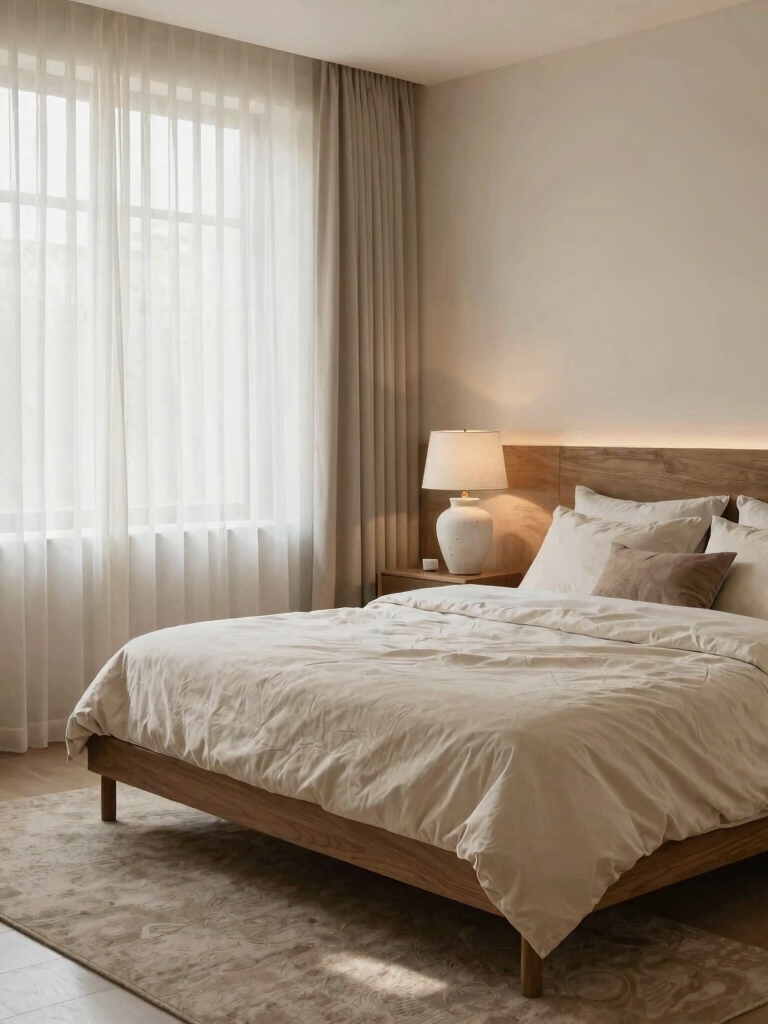
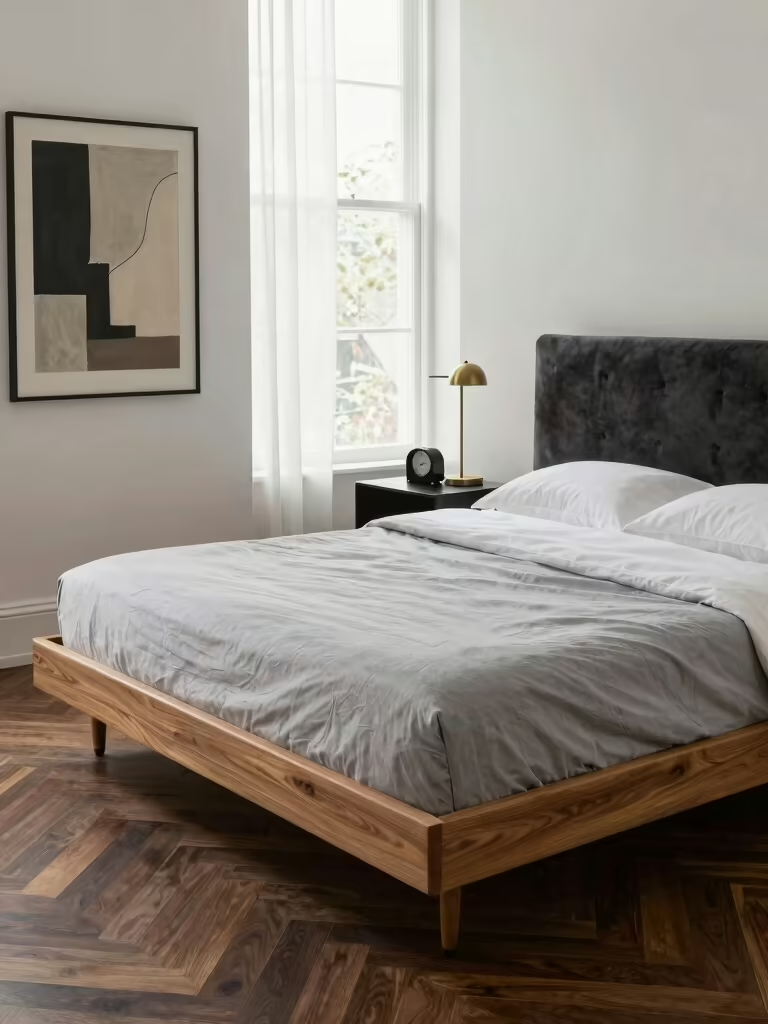
If there’s one steal that changes a room overnight, it’s the lighting. Designers build warmth at a few heights instead of one bright ceiling fixture so the room can shift from bright to hushed. A bedside lamp, a mid-level glow, and a soft overhead on a dimmer give you a space that wakes you gently and winds you down at night.
Get the bulb temperature right and the rest follows. Stick to warm 2700K bulbs and put the main light on a $15 to $25 dimmer, which is the cheapest upgrade with the biggest payoff on this whole list. Add a candle or warm string lights for the lowest setting. My [bedroom lighting ideas for mood](bedroom-lighting-ideas-mood) walk through placement in detail.
- Aim for 2700K or lower so the light feels golden and soft after dark.
- Put your main fixture on a dimmer; one tap takes the room from awake to restful.
- Bounce light off a wall to soften the shadows around the bed.
Heads-Up
Stealing every idea at once backfires. A room with a bold bed, a gallery wall, a statement rug, and three plants competes with itself. Pick two or three steals that fit your space and let them shine; restraint is the trick that ties them all together.
Smart Storage for Small Spaces
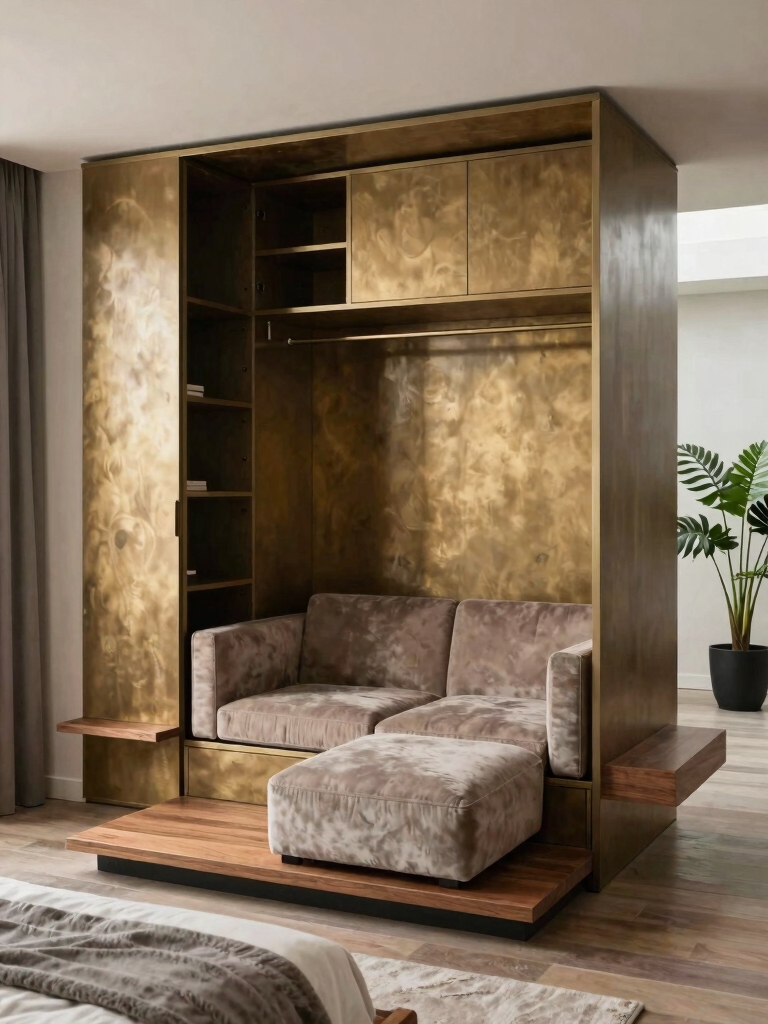
The best storage steal is the one nobody notices, because clutter is what quietly cancels out a beautiful room. Designers hide the mess so the styling can breathe. The under-bed zone, the back of the door, and the vertical space above eye level are the spots most people forget, and together they swallow a surprising amount.
Hide It, Don’t Just Move It
Containerize so the hidden storage stays hidden and the visible storage stays calm. Matching baskets on open shelves, lidded boxes for cords, and flat bins under the bed turn chaos into quiet order. A set of under-bed bins runs $15 to $50, and the payoff is a room that looks styled and calm.
Choose furniture that stores while it works. A bench that opens, a nightstand with a drawer, a bed with built-in storage: each one does two jobs and keeps the floor clear. For systems that actually hold up over time, see my [storage ideas that beat clutter](bedroom-storage-ideas-clutter), and for tight rooms, my [small-room ideas that feel big](bedroom-ideas-for-small-rooms-feel-big).
Bring In Greenery and Natural Materials
One steal that costs almost nothing and instantly warms a room is bringing the outside in. A single healthy plant softens hard corners and adds life that no decor object can fake. Start with something forgiving, a pothos or a snake plant, in a simple planter, and place it where it gets the light it needs to actually thrive.
Natural materials do the same quiet work. Wood tones, a jute or wool rug, a rattan basket, a linen throw: each one adds organic warmth that keeps a calm palette from feeling cold or flat. These textures are why a neutral room can still feel rich rather than bland.
Keep it light so it reads intentional. One or two plants and a few natural-material pieces are plenty in a bedroom; a jungle of pots becomes its own clutter. The goal is a breath of nature, just enough to make the room feel alive and grounded.
Budget Steals That Look Luxe
Some of the best designer steals are pure sleight of hand, small upgrades that look high-end for very little money. Swapping cheap hardware for brushed-brass or matte-black pulls transforms a builder-grade dresser for $15 to $30. New lampshades, a fuller curtain hung high, and a single quality throw do the same trick across the room.
Spend where your body and eye land most, and save everywhere else. Quality sheets and one good rug are worth real money because you feel them daily; throw pillows, art, and baskets look just as good from a thrift store as from full price. I’ve finished entire rooms where the only splurge was the bedding and nobody could tell.
Cohesion is the final luxe trick. A room where the metals match, the palette is tight, and the clutter is hidden looks designed no matter the price tags. That coordination is free, and it’s the difference between a room that looks accidental and one that looks collected on purpose.
Quick Refreshes You Can Steal Today
Not every steal is a project; some take ten minutes and shift the whole mood. Crisp white pillowcases, a bold folded throw, and a swapped lampshade can reset a tired bed before dinner. Clear one surface, group your scattered bits into a tray, and the room instantly looks more intentional. None of these takes a trip to the store; they use what you already own and pay you back the same evening you bother to do them.
To keep that fresh feeling, build in light upkeep rather than big overhauls. Run the bedding through a regular wash so it stays crisp, give the rug a weekly once-over so the pile stays soft, and rotate one textile or art piece when the season turns. Small, steady moves keep a stolen look feeling new long after you first pulled it off.
What to Borrow From a Designer
If you ever get even one paid hour with a designer (often $75 to $200), steal their process more than their picks. Walk in with three mood words, photos of rooms you love, your real budget, and what has to stay. A focused pro can hand you a whole plan in that hour if you arrive that clear.
Then ask the specific questions that save money: which two paint colors fit your light, what single piece would change the room most, and where to spend versus save. You’ll leave with a short, doable plan you carry out yourself over the following weeks at your own pace, which is the most valuable steal of all, because the thinking is done and the spending stays under your control.
Aesthetic Bedroom Questions, Answered
?What’s the single best idea worth stealing for a bedroom?
Warm, layered lighting on a dimmer. For under $50 it changes the whole mood of a room more than any other single change, and it works in any space, rented or owned.
?How do I make a cheap bedroom look expensive?
Keep the palette tight, match your metals, hide the clutter and cords, and spend only on what you touch daily, like sheets and a rug. Cohesion reads as money even when little was spent.
?How many of these ideas should I use at once?
Enough to fit your room without crowding it. Stacking every trick makes a space feel busy, so let a few chosen moves breathe.
?What’s the cheapest high-impact bedroom upgrade?
Swapping hardware and lampshades, plus a dimmer and warm bulbs. Each runs $15 to $30 and together they make a plain room look considered for well under a hundred dollars.
?Do I need new furniture to refresh a bedroom?
Rarely. Most of these steals are textiles, light, paint, and editing. Shop your own home first, then fill two or three real gaps secondhand before buying anything new.
Steal One, Then Build From There
The prettiest bedrooms come down to a few smart moves doing the heavy work. A tight palette, warm layered light, one grounding rug, hidden clutter, and a single personal touch will carry almost any room. None of it needs a renovation.
So pick the one idea that fits your space best and try it this week. Steal it, make it yours, and let the room grow one borrowed idea at a time as your budget and your taste keep evolving.