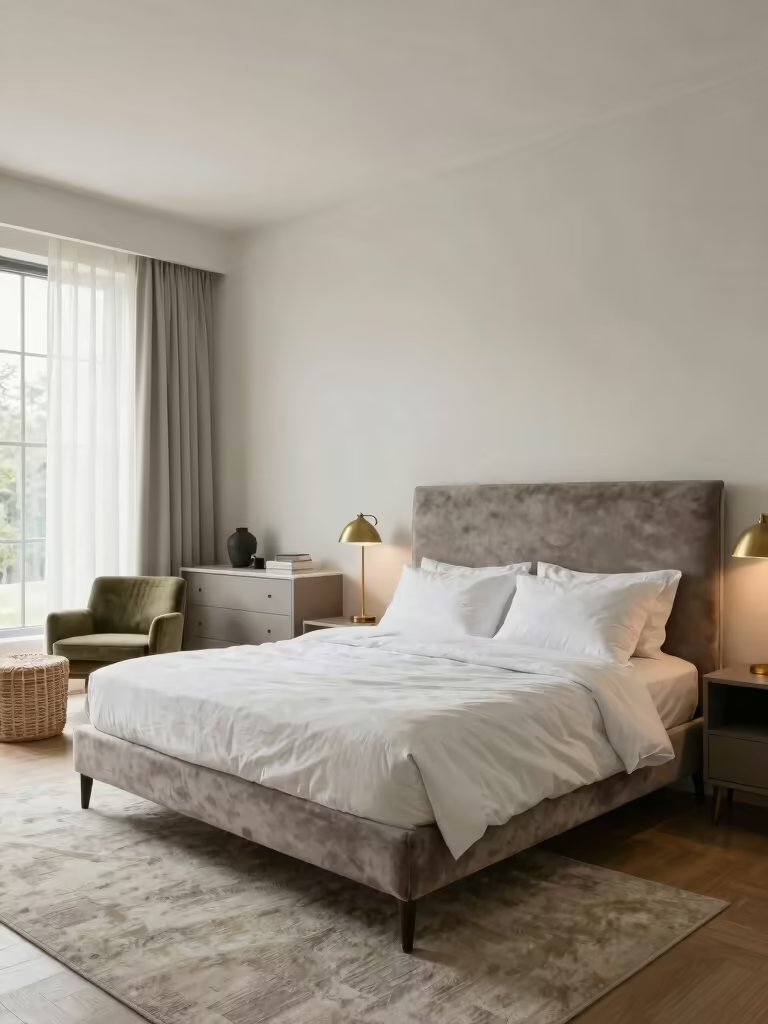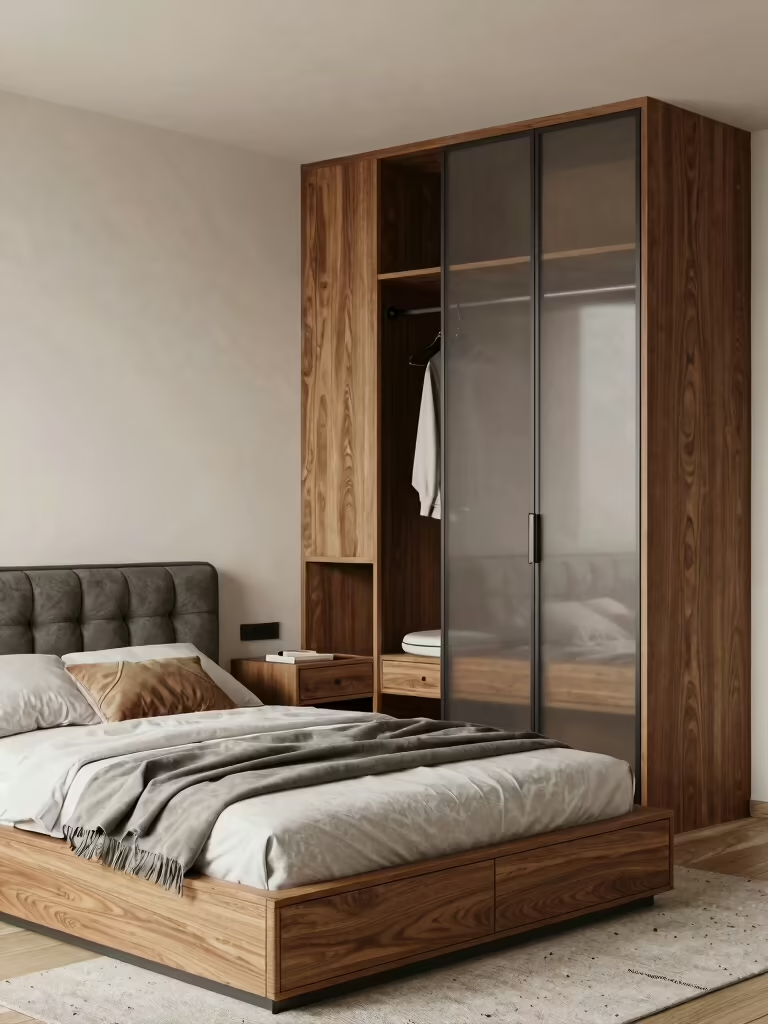

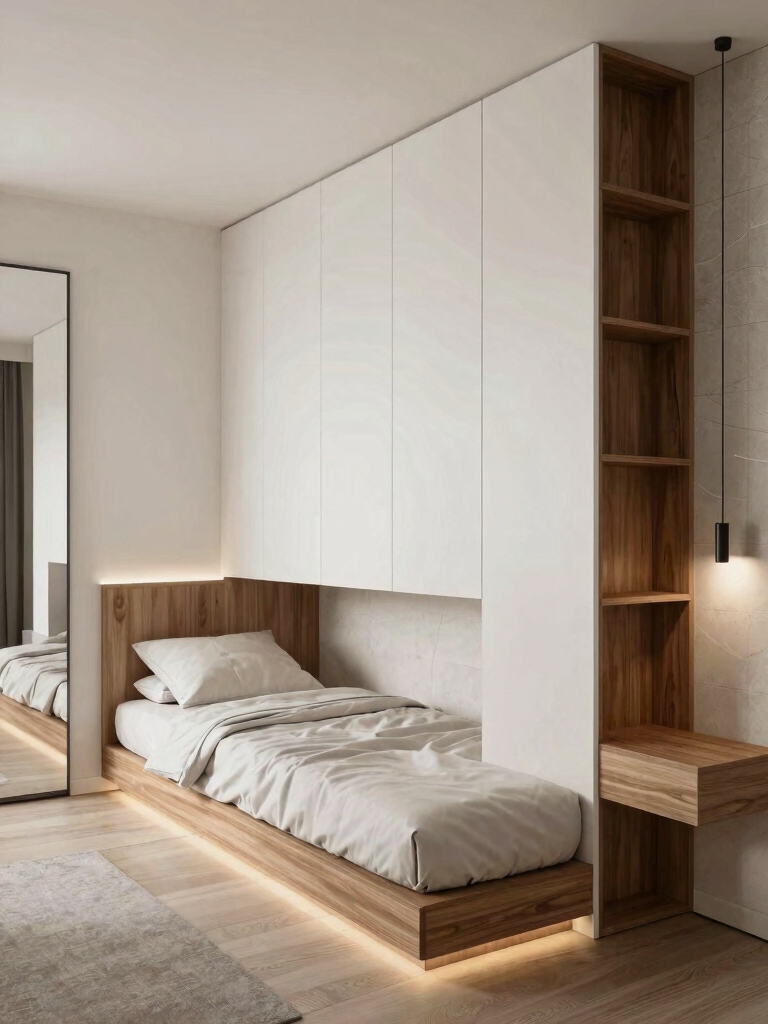
I’ll share practical, space-saving ideas for narrow bedrooms that visually widen the space and maximize every inch. Think clear traffic flow, furniture scaled to room proportions, and smart zones that feel open. I love floating pieces, built-in storage, and window treatments that reflect light. Color-blocking and pale palettes boost airiness, while rugs define areas without crowding. If you keep the lines clean and use vertical cues, you’ll see how small spaces feel bigger—and you’ll pick up even more tips as you continue.
Spotting a Truly Narrow Bedroom
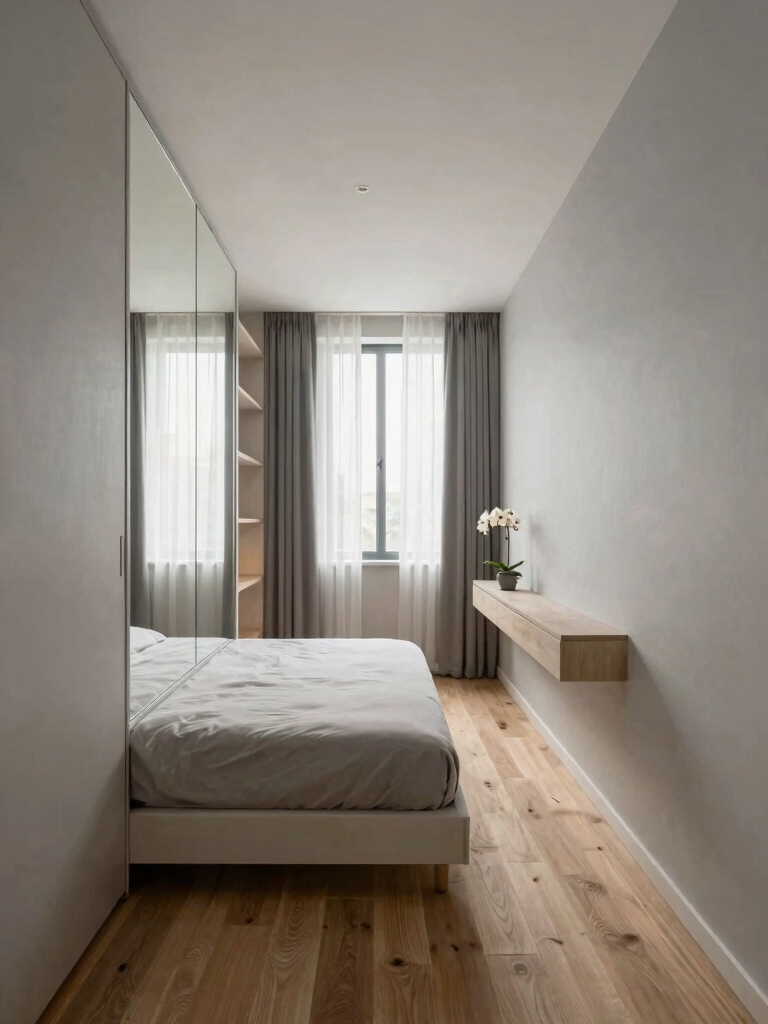
I’m teaching you to identify the defining traits quickly: door placement, wall angles, and a long, tight corridor feel.
With sharp eyes, you’ll spot the dimension cues and plan smarter, not harder, for practical, stylish layouts.
Stay observant.
Maximizing every inch with creative small bedroom ideas can transform these tight spaces into functional and inviting retreats.
Measure Carefully: Space-Perimeter Guidelines
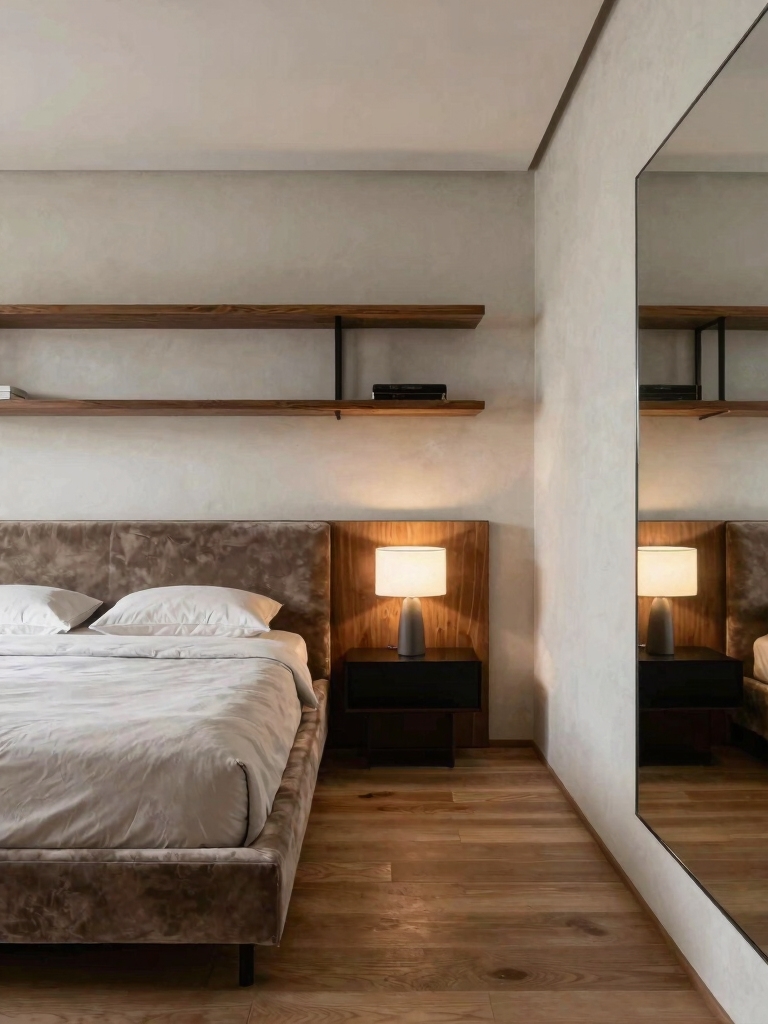
Let’s build on that eye for layout and get precise about how much space a truly narrow bedroom actually needs.
I’ll measure clearance first, then door swing, then bed orientation, so traffic isn’t cramped.
Perimeter guidelines matter: leave at least 24 inches beside the bed and 36 inches for the doorway.
Small adjustments, big impact, calmer movement, smarter design—straightforward, practical, and dependable.
Incorporating creative solutions from small bedroom ideas can further enhance both functionality and style in narrow spaces.
Foundational Layout Principles for Narrow Bedrooms
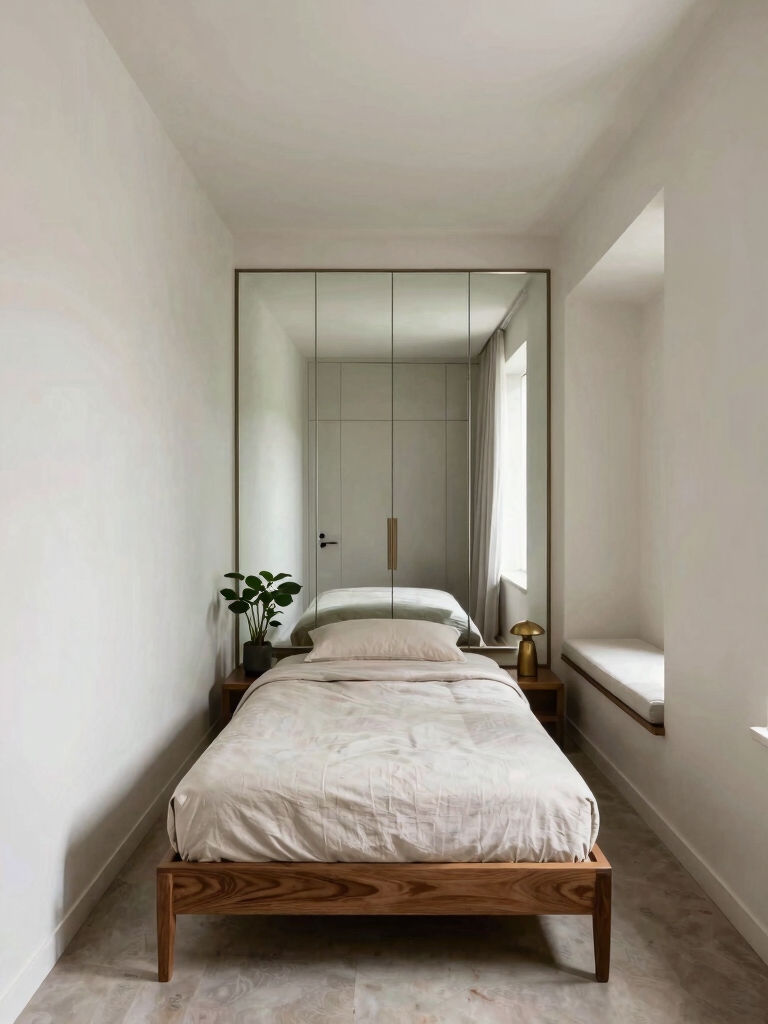
I’ll walk you through space-smart traffic flow and the right proportion and scale for tight rooms, so every move feels smooth and intentional.
We’ll keep walkways clear and furniture sized to the space, maintaining balance without crowding.
Together, we’ll prioritize easy access and a visually cohesive layout that makes a narrow bedroom feel calm and accommodating.
Incorporating smart bedroom layouts can significantly enhance the functionality and spaciousness of small bedrooms.
Space-Smart Traffic Flow
When space is tight, clear traffic flow isn’t just nice to have—it’s essential, so I start by planning paths that stay open and intuitive.
I place doors, beds, and dressers with at least a gentle arc of movement, avoiding bottlenecks. I favor corridors that feel generous, even in a narrow room, guiding you naturally from entry to sleep and storage without obstruction.
Proportion and Scale Rules
Proportion and scale are the backbone of a narrow bedroom’s comfort, guiding what fits and where it sits.
I’ll share essentials you can apply now:
- Prioritize a low-profile bed to maximize floor space.
- Use light, vertical elements to stretch the room visually.
- Align furniture edges for clean sightlines and balance.
These rules keep proportion precise and inviting.
Floating Furniture to Free Floor Space
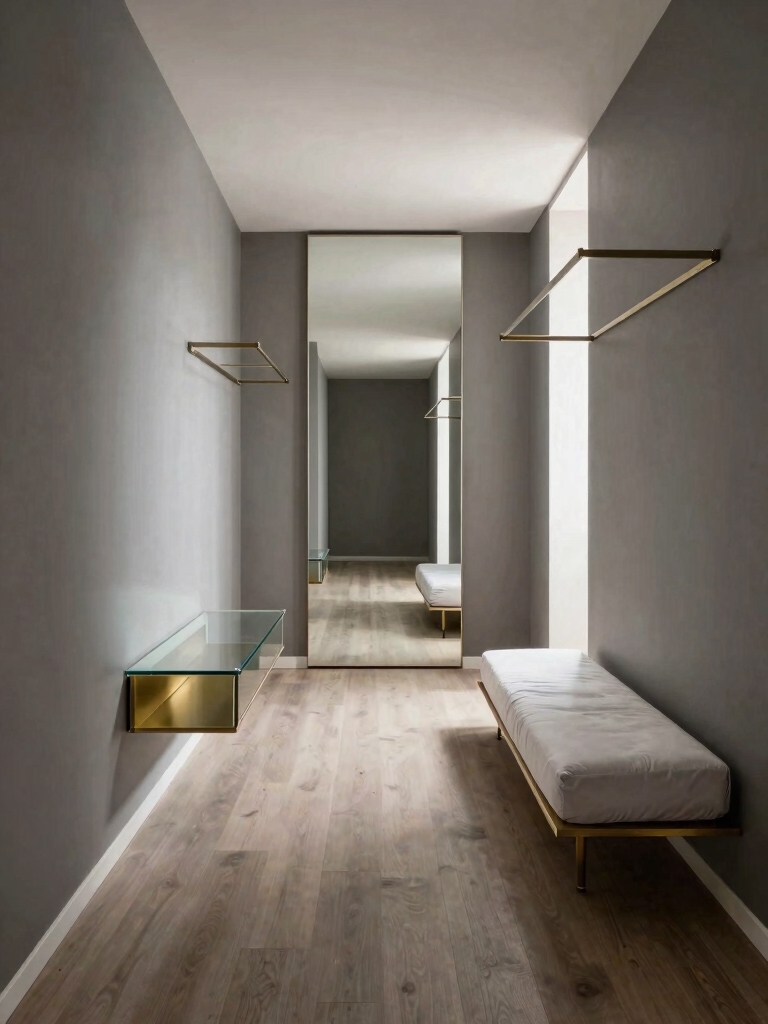
Floating furniture is a simple, effective way to reclaim floor space in a narrow bedroom.
I suggest wall-mounted desks and floating shelves to keep surfaces slim and open, so the room doesn’t feel crowded.
Choose pedestal or under-bed options to avoid bulky bases.
I’ll pair light tones with clean lines, creating an airy, uncluttered vibe readers can replicate easily.
Incorporating these elements follows small bedroom decor ideas that save space while enhancing charm and coziness.
Built-In Storage That Preserves Width
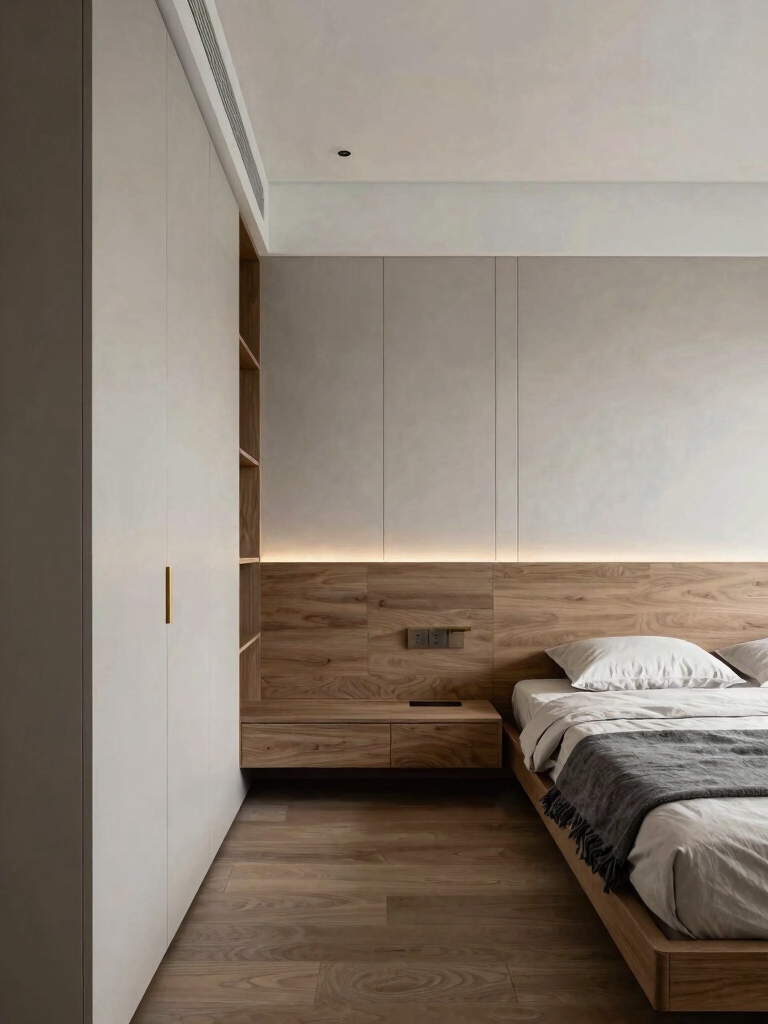
Built-in storage can keep a narrow bedroom from feeling cramped, and it doesn’t have to steal precious width.
I prioritize clever, slim solutions that blend in and stay functional.
Here are ideas:
- Recessed wardrobe rails
- Floor-to-ceiling drawers
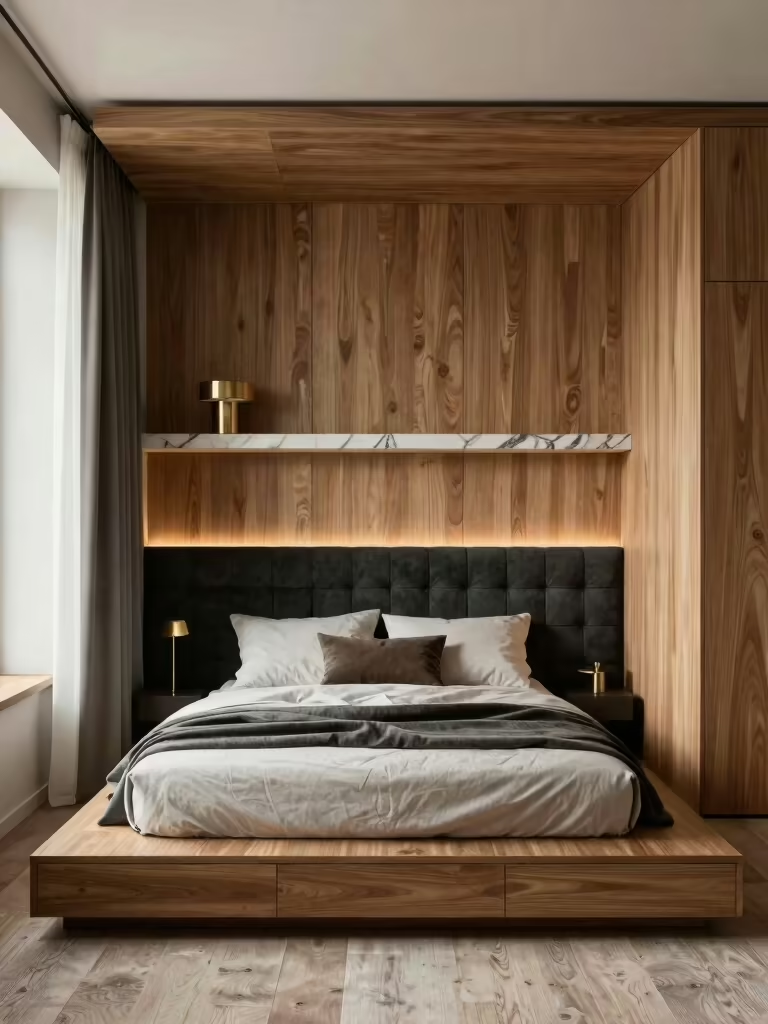
- Bedside shelves integrated into headers
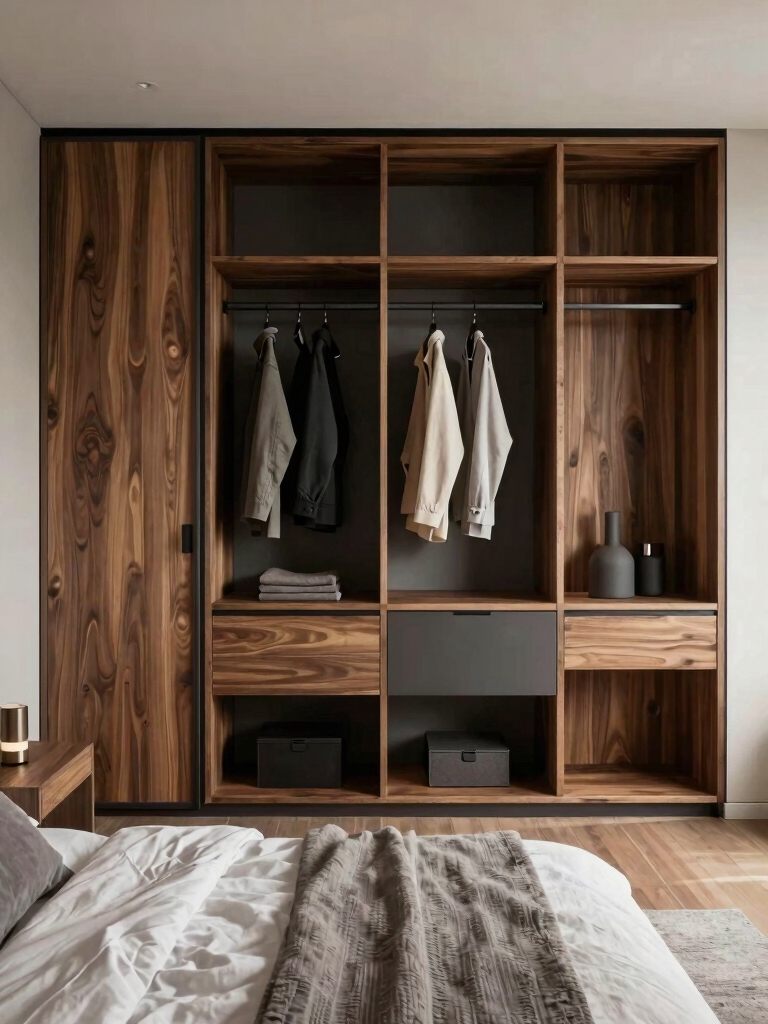
Maximizing vertical space with built-in units is one of the best clever storage solutions to hide clutter in small bedrooms.
Wall-to-Wall Headboards That Read Wider
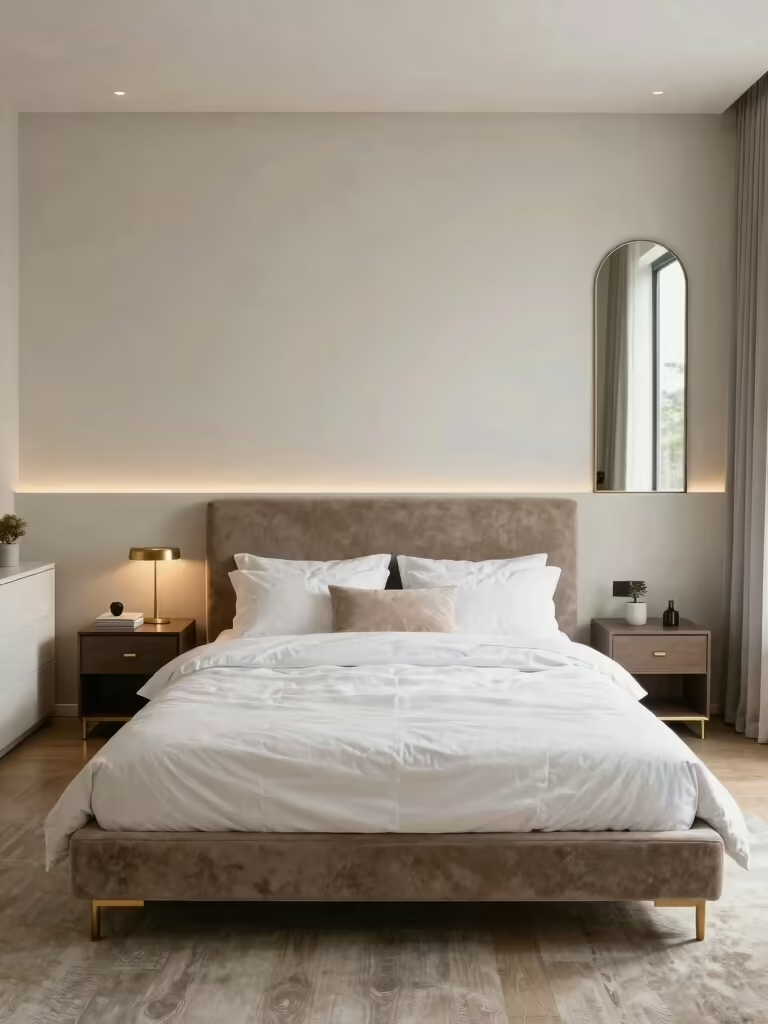
Wall-to-wall headboards can visually widen a narrow bedroom by anchoring the wall and drawing the eye across the space.
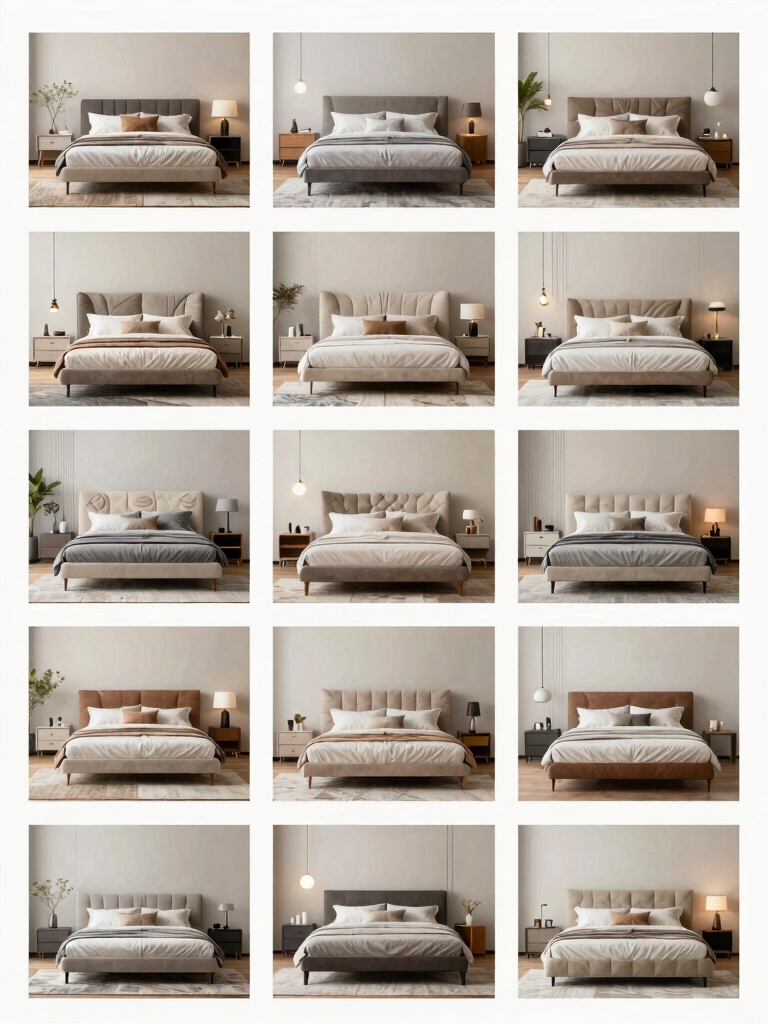
I choose a low-profile frame in a single, solid color to keep rhythm uninterrupted.
Add width with sloped nightstands or slim lamps, and mirror accents that reflect light.
Avoid busy patterns; let the length speak for the room.
Incorporating stylish bedroom setup ideas can enhance the cozy feel while maximizing the small space’s potential.
Pale Color Palettes for a Brighter Narrow Room
To brighten a narrow room, pale color palettes work wonders by reflecting light and creating a sense of airiness without overwhelming the space.
I keep it simple:
- Mix warm neutrals with cool whites to balance tone and brightness.
- Introduce a soft accent in textiles or art for depth.
- Use matte finishes to prevent glare and maintain calm.
These choices feel spacious yet inviting. Incorporating serene beige tones enhances the calming atmosphere while keeping the space visually open.
Reflective Surfaces to Amplify Light
I’m curious how bright surfaces can subtly bounce light around a narrow bedroom, making the space feel larger.
I’ll explore a light-reflecting strategy that emphasizes brighter surfaces and smart mirror placement to create the illusion of extra room.
Let’s discuss how thoughtful mirror placement and reflective finishes can amplify light without clutter.
In addition, incorporating smart storage solutions from tiny bedroom closet ideas can help keep the space organized and visually open.
Bright Surfaces Reflection
Glossy, light-reflecting surfaces can dramatically brighten a small bedroom by bouncing natural and artificial light around the room.
I share practical ideas that keep the space calm and cohesive:
- Pair crisp mirrors with pale walls to double daylight.
- Choose glossy tiles or lacquered furniture for controlled sheen.
- Layer transparent textiles to soften reflections while preserving brightness.
Light Amplified Illusion
Bright surfaces don’t just reflect light—they multiply it, creating the illusion of a bigger, airier space.
I guide you to choose high-gloss or satin finishes, pale tones, and strategic accents that bounce daylight across walls and ceilings.
I’ll show how subtle reflections can widen perception without clutter, keeping edges clean and proportions balanced for a calmer, more expansive feel.
Mirror Placement Strategy
To amplify light in a narrow room, place mirrors where they catch and reflect natural daylight from windows, doors, or skylights.
I’ll guide you through practical placements that widen perception without clutter.
- Position a tall mirror opposite a window to double daylight.
- Use a wall-to-wall mirror at shoulder height along a corridor feel.
- Opt for clear, frameless designs to minimize visual weight.
Vertical Accents to Draw the Eye Upward
Vertical accents are a simple way to draw the eye upward and make a narrow room feel taller.
I choose tall, slim lighting, elongated curtains, and vertical wall paneling to extend perceived height without crowding.
Accent colors on a single wall create contrast, while continuous ceiling lines guide sight upward.
You’ll notice more airiness, calmer proportions, and a sense of refined spaciousness.
Incorporating cozy minimalist tips such as keeping decor simple and functional enhances the sense of openness and comfort in small bedrooms.
Mirror Placement Tricks for Width
I’ll share some mirror width tricks that can visually widen a narrow bedroom.
By using reflective space illusions and carefully angled placements, you’ll see how mirrors can amplify light and space.
Let’s talk practical ideas for angle mirror placement that maximize width without clutter.
Incorporating clever space-saving ideas alongside mirror placement can further enhance the perception of roominess in tiny bedrooms.
Mirror Width Tricks
A single well-placed mirror can instantly widen a narrow bedroom, and there are a few easy tricks to pull off the effect.
- Place a tall mirror opposite a window to reflect natural light, doubling perceived width.
- Use a wide, frameless mirror above a console to visually stretch the wall.
- Lean a geometric panel mirror along the length of the bed for depth without crowding.
Reflective Space Illusions
Even when space is tight, the right mirror placement can create the illusion of width without crowding the room.
I use reflective tricks to double what you see, not what you own, guiding light and depth toward the far wall.
Place a tall mirror opposite a window, angled for brightness, so the room feels broader, breathable, and calm.
Angle Mirror Placement
When it comes to making narrow spaces feel wider, angle matters as much as placement.
I’ll share simple tweaks you can try:
- Position mirrors diagonally across from the door to bounce light deeper.
- Tilt full-length panels to reflect the far wall, visually widening the room.
- Use two narrow mirrors in a staggered V for depth without crowding.
Zoning That Keeps a Narrow Room Feeling Open
To keep a narrow room feeling open, I like zoning that defines areas without walls. I use furniture placement, color shifts, and subtle lighting to separate functions while preserving sightlines.
Low profiles and mirror-backed storage help reflect space. Keep paths clear, and let vertical elements guide the eye. This approach creates distinct zones without crowding, staying airy and cohesive.
Rug Placement to Visually Widen the Space
A well-placed rug can visually widen a narrow bedroom, so I start by anchoring the furniture on a large, single rug that spans the main seating or sleeping area.
1) Choose a rug wider than the bed or sofa, to create a seamless base.
2) Extend under bedside tables for balance.
3) Use light, cool tones to reflect natural light and broaden perception.
Bed Orientations to Maximize Usable Floor Area
Today I’ll show how bed orientations can free up floor space, starting with alignment that allows easy flow around the room.
I’ll share wall-bed anchor strategies and how to position the bed to keep corridors clear for doorways and circulation.
Let’s explore practical rules for corridor clearance, so every inch of space feels usable without sacrificing comfort.
Align Bed For Flow
Choosing the bed’s orientation is a quick win for flow in a narrow bedroom. I align the bed to celebrate clear pathways and easy circulation.
To paint the scene:
- Bed tucked along a wall for open central space
- Nightstands flanking without crowding
- Foot of bed leaving room to walkthrough doorways
This maintains balance and usable floor area.
Wall-Bed Anchor Strategies
Wall-bed anchors can maximize usable floor area in a narrow bedroom by leveraging walls rather than occupying central space.
I guide you to pick anchor points aligned with doorways or windows, ensuring safe clearance for operation.
Opt for compact mechanisms, sturdy supports, and balanced load distribution.
Test with mockups, then refine buddy-friendly placements to keep traffic smooth and spaces feeling expansive.
Corridor Clearance Rules
Corridor clearance matters most when you’re choosing bed orientations, because the goal is to keep pathways open while you maximize floor area.
- Align the bed length with the room’s narrow axis for seamless flow.
- Place a nightstand with space on both sides to prevent bottlenecks.
- Use a slim headboard to keep sightlines open and doors unblocked.
Slim-Profile Essentials You Can Actually Use
When space is tight, slim-profile essentials can make a big difference without sacrificing style or function.
I’m sharing trusted picks you can actually use: low-profile nightstands, wall-mounted shelves, and a slim dresser.
Choose modular, shallow units to keep traffic clear.
Mirror panels visually expand walls, and light fixtures mounted high reduce clutter.
This setup stays practical, affordable, and instantly roomier.
Hidden Storage Ideas That Preserve Floor Space
Hidden storage can transform a cramped bedroom without eating into precious floor space.
I choose compact solutions that stay out of sight yet serve daily needs.
Here are ideas I trust:
- Under-bed drawers for seasonal gear
- Built-in headboard shelves for essentials
- Wall-mounted cabinets above door height to free floor area
Layered Lighting for a Sense of Space
Layered lighting helps a narrow room feel larger by balancing task, ambient, and accent tones.
I’ll walk you through space-enhancing illumination techniques that create depth without clutter.
Let’s explore how layered lighting can transform a tight bedroom into a brighter, more open retreat.
Layered Lighting Techniques
To make a small bedroom feel more spacious, layered lighting blends ambient, task, and accent light so the space looks brighter without feeling harsh.
I choose three techniques to guide you:
- Soft overhead glow for atmosphere
- Desk or wall task lamps for focused work
- Strategic accent lighting to sculpt depth and texture
Space-Enhancing Illumination
From the idea of layered lighting we’ve explored, I’ll show how to use space-enhancing illumination to make a narrow bedroom feel more open.
I prioritize bright, diffused sources at ceiling level, swap bulky fixtures for slim profiles, and blend task with ambient lights.
Strategic mirror placement reflects light, while dimmers let you tune mood without shrinking the room.
Window Treatments That Visually Widen the View
When you want a room to feel wider without moving a wall, choose window treatments that draw the eye outward.
I suggest:
1) hang rods closer to ceilings for height,
2) use sheer, light fabrics to extend sightlines,
3) opt wide-panel drapes that open fully, framing the view and expanding the sense of space.
Color-Blocking to Define Space Without Crowding
Color-blocking is a simple, focused way to define zones in a narrow bedroom without making the space feel crowded.
I use bold, contrasting hues for distinct areas—sleep, work, and dressing—then soften edges with shared neutrals. This trick preserves flow while guiding movement, creates visual interest, and keeps furniture from visually bunching together.
Subtle color shifts maximize perceived space.
Smart Layouts for Long, Slim Alcoves
Long, slim alcoves demand a few tight-but-smart moves: I start by prioritizing a single, flexible layout that maximizes traffic flow and usable surface.
Here’s how I picture it:
- Optimize vertical storage to free floor space
- Place bed and desk in a diagonal for visual flow
- Use wall-mounted lighting for clear sightlines and ambiance
Budget-Friendly Transformations That Look Designer-Made
If you’re after a high-end look on a budget, you can blend smart finds with thoughtful tweaks that elevate a narrow bedroom without a showroom price tag.
I focus on layering textures, choosing matte finishes, and clever lighting. A budget-friendly palette, well-placed mirrors, and transitively tailored storage can read designer, not DIY, while preserving calm, cohesive vibes.
Subtle hardware upgrades seal the look.
Conclusion
If you’re craving calm in a cramped chamber, commitment to clever, compact concepts pays off. I’ve shown you how to spot constraints, streamline silhouettes, and sculpt space with smart storage, subtle shifts, and soft, stretching color. With careful construction, you can craft a cozy, connected corridor of comfort—without crowding your corridor. Try thoughtful trimming, tandem storage, and tailored treatments that widen views. You’ll wow with width, while keeping warmth, wit, and welcome.