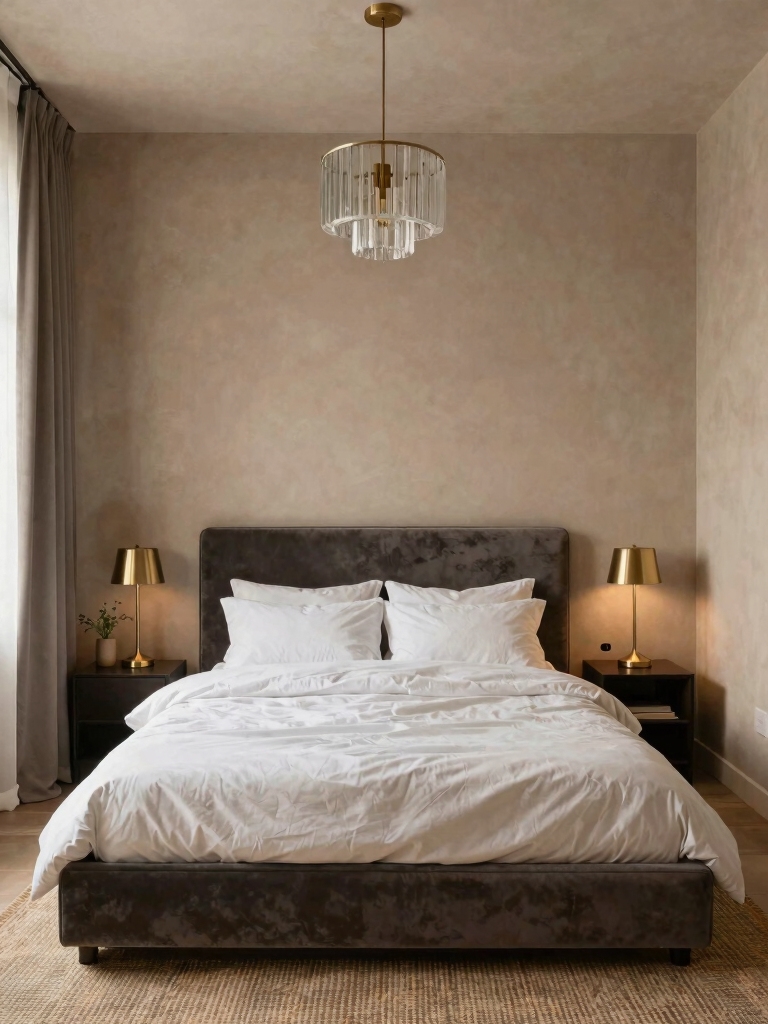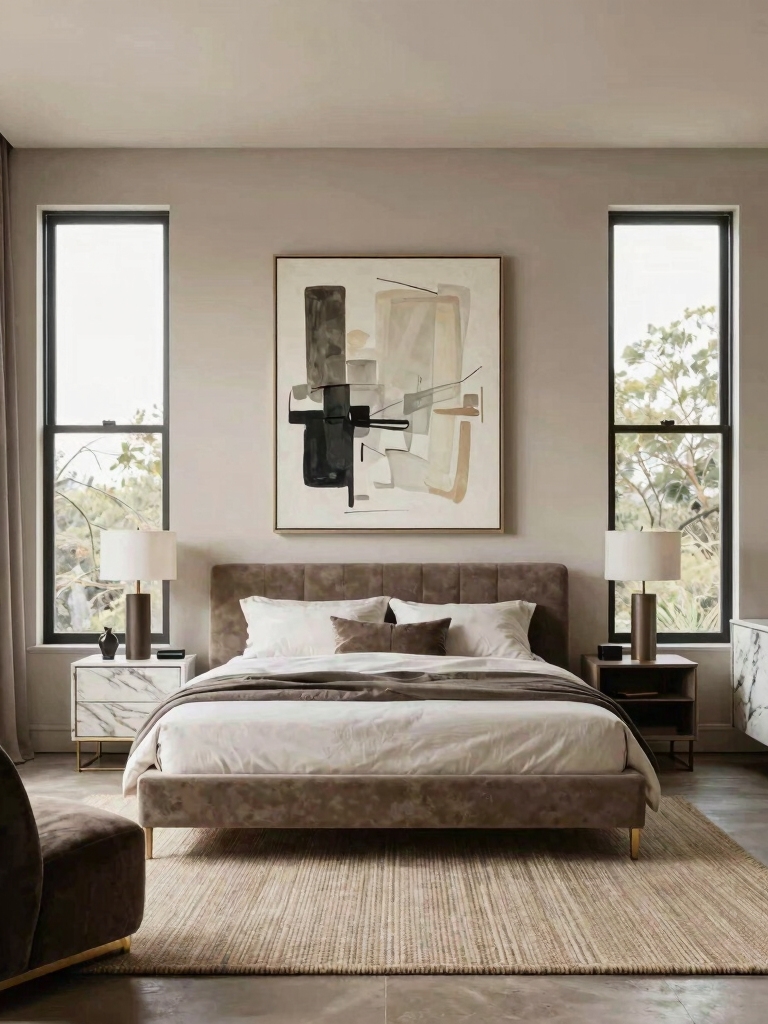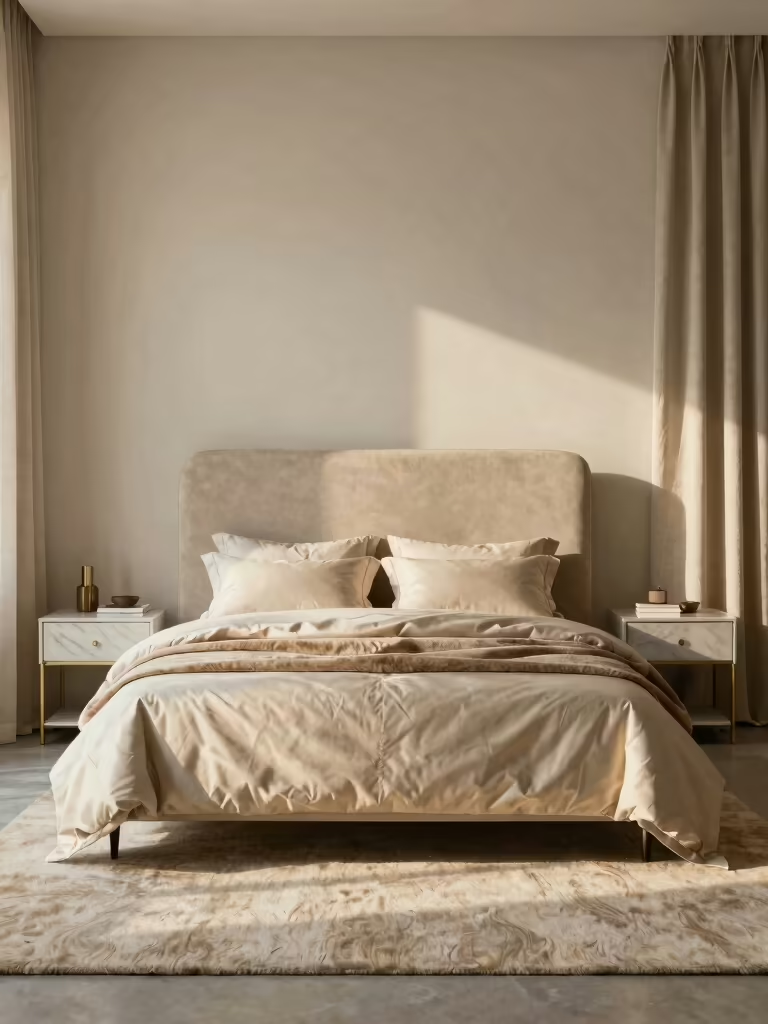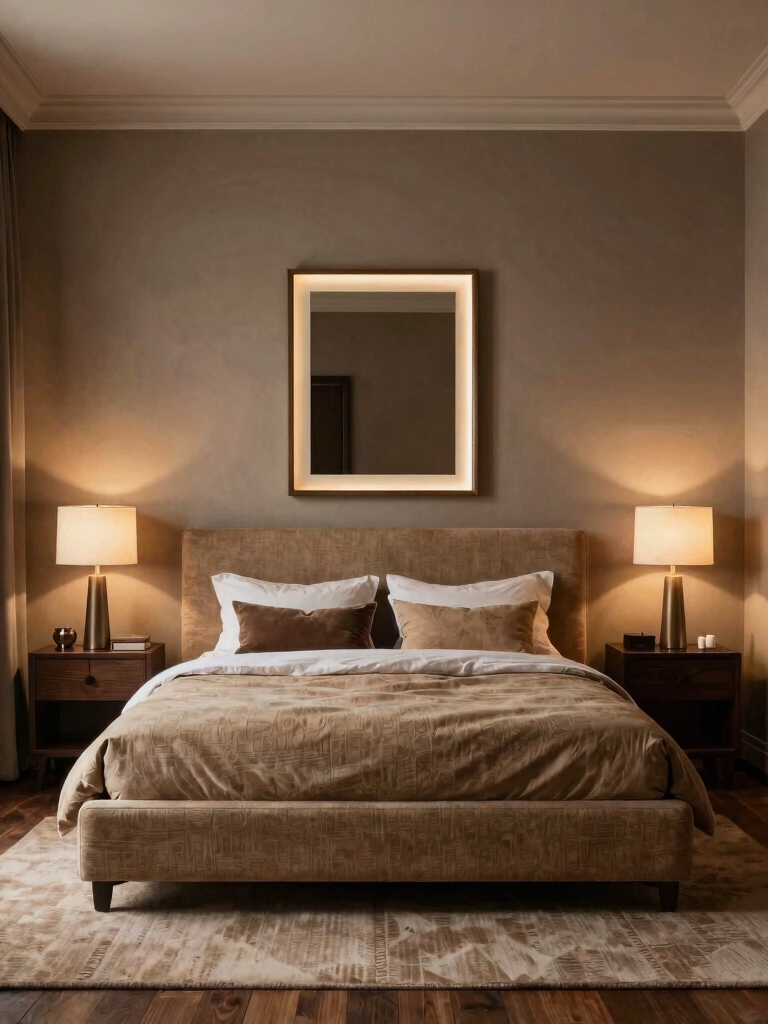

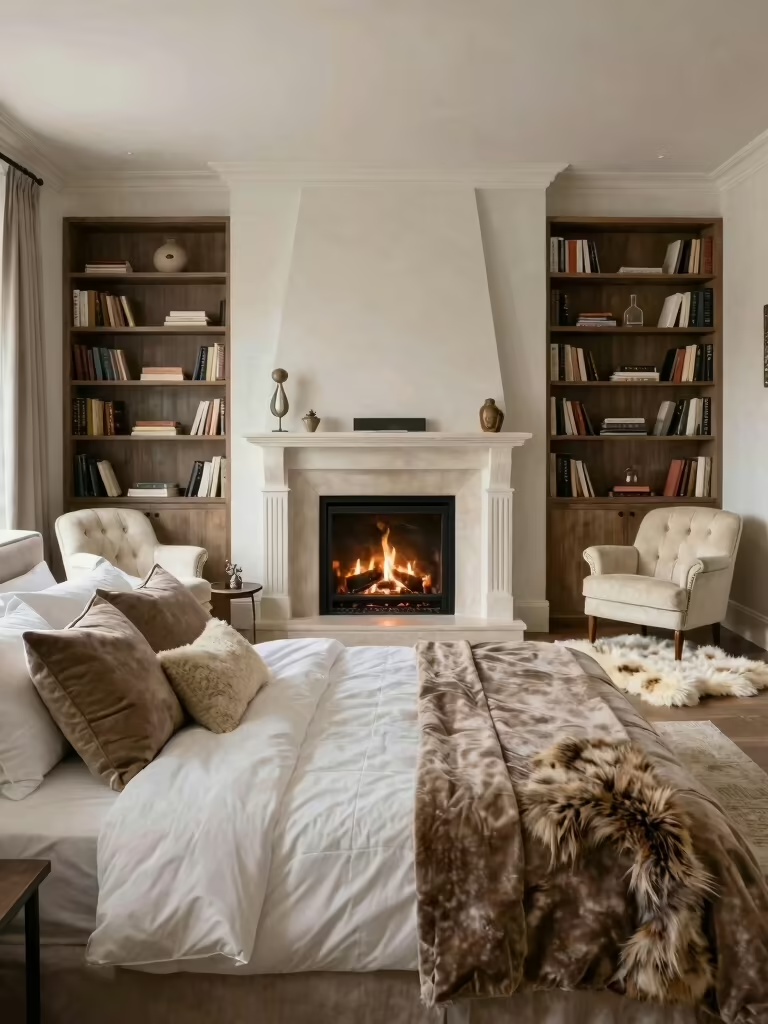
A bedroom can be more than a place to sleep; it can be a den you actively want to crawl into and not leave. That is the whole goal here: hygge turned all the way up, layered texture, low golden light, a bed you sink into, until the room is basically a warm hug. These cozy bedroom ideas are built for hibernating, full stop.
Below are 16 ways to take a plain bedroom to full hibernation mode. Most lean on texture, warmth, and light rather than spending, so you can build the nest a layer at a time.
What Makes a Room Worth Hibernating In
- Hibernation cozy is built from deep texture, low warm light, and a bed you sink into.
- Lean into warmth on purpose: layered bedding, soft underfoot, candles, and dimmable lamps.
- Warm neutrals and natural materials make the den feel snug without going dark or heavy.
Design a Cozy, Inviting Hibernation Den
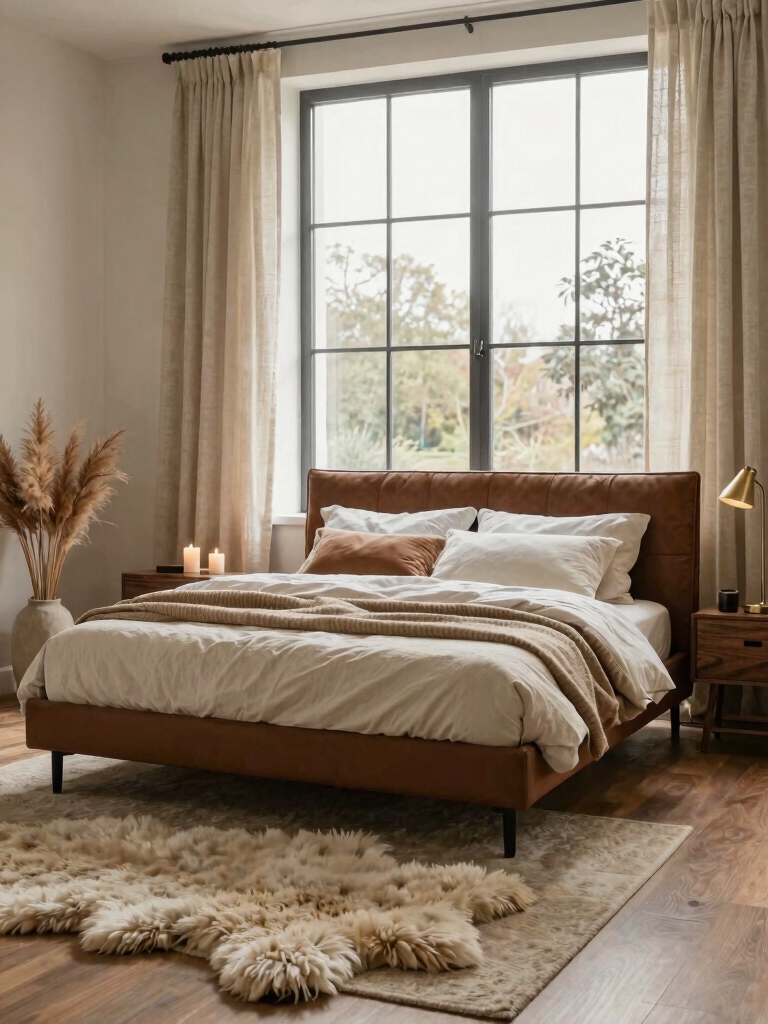
A hibernation bedroom starts with a single decision: comfort comes first, everything else second. Where a normal bedroom balances looks and function, this one tips hard toward the feeling of being wrapped up. Once you accept that, every choice gets easier, since the question is always whether it makes the room more inviting to sink into.
Comfort first, everything else second
The Danish idea of hygge is the blueprint here: soft textures, warm light, small comforts, and an uncluttered calm. It is less a style than a mood, which means you can layer it onto whatever look you already have. Warmth is the through-line, more than any particular color or trend.
When I want a room to feel like a den, the first thing I add is a second soft layer, a sheepskin on a chair, a heavy throw over the bed. I have turned a cold, hard guest room into a hibernation spot with nothing but textiles and warm bulbs. For the year-round version, our a cozy all-season base keeps it lighter.
Anchor It in Warmth and Texture
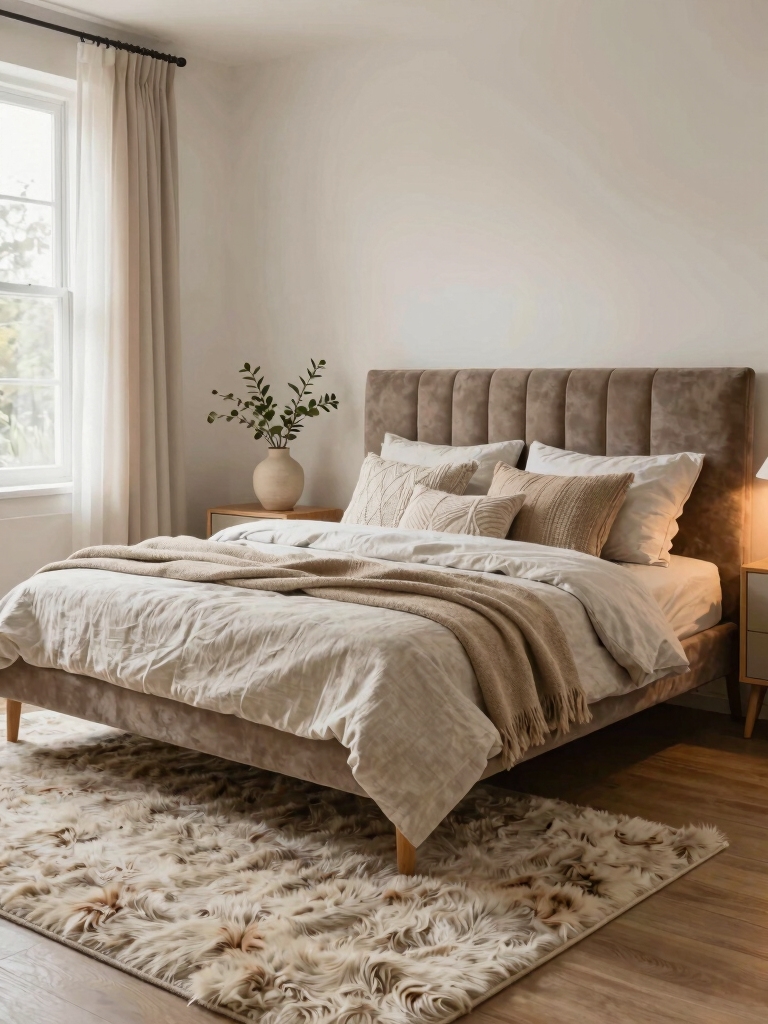
Warmth and texture are the two dials a hibernation room turns up highest. The more surfaces invite a touch, a knit, a shearling, a brushed cotton, the more the room reads like somewhere to burrow in. Stack a few tactile layers and the space feels warm before you even turn on a lamp. Layer it deep.
- A chunky knit or mohair throw over the foot of the bed
- A sheepskin or shag layered on a chair or the floor
- Brushed cotton or flannel sheets for the cold months
- A deep-pile rug so bare feet land on something soft
👍Where deep cozy wins
- +A room you truly relax and sleep better in
- +Cheap to build, since texture beats new furniture
- +Forgiving, since soft layers hide a lot of flaws
👎Where to keep it in check
- –Pile on too much and it reads cluttered, not cozy
- –Heavy dark layers can make a small room shrink
- –All that texture needs the occasional wash and fluff
Layer Textures for Deep Comfort
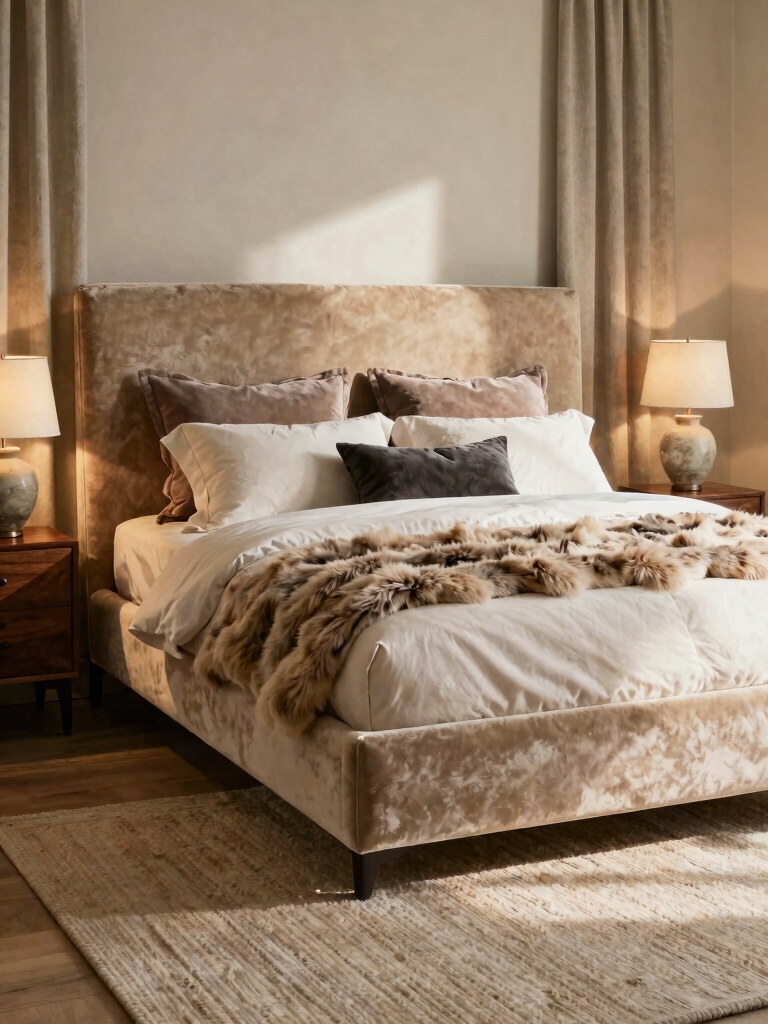
One throw does not make a den; layering does. Build the bed and the room up in stacked, varied textures so there is always another soft thing within reach. Mix weights and finishes, a smooth sheet, a waffle blanket, a fluffy duvet, a heavy knit, so the bed looks and feels deep.
Carry the layering past the bed. A draped throw on the reading chair, a floor cushion, a textured curtain all add to the wrapped-up feeling. Keep it in a tight warm palette so all that texture stays calm, and our a calm color base helps you pick one.
- Stack three or four bedding weights for a deep, sink-in bed
- Add a floor cushion or pouf for extra soft seating
- Hang heavier curtains that add warmth and block drafts
- Keep every layer in one warm color family so it reads calm
Light It for Slow Mornings and Cozy Nights
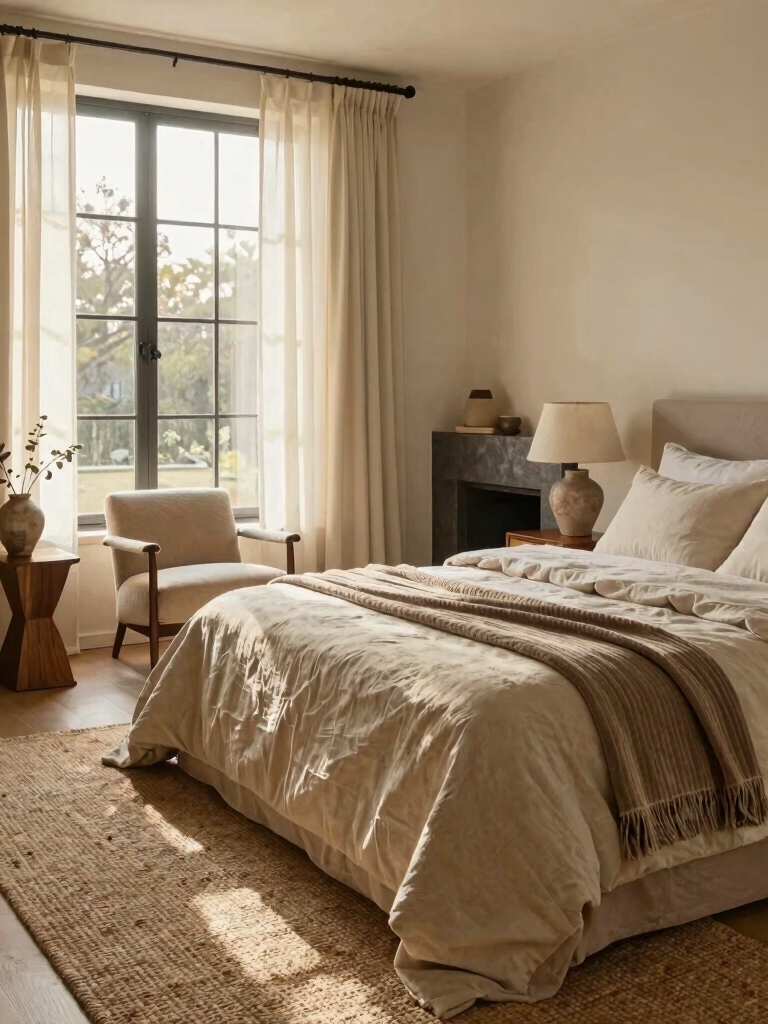
Light is what makes a den feel like a den, especially in the dark half of the year. Skip the bright overhead and build a low, golden glow from lamps, candles, and warm bulbs. The dimmer the better at night, since soft light is half of what makes a room feel like somewhere to linger. Light it low.
Low, golden, and dimmable
Layer a few warm sources you can dial down, bedside lamps, a floor lamp, a string of warm fairy lights, and add real or flameless candles for flicker. For slow mornings, a sunrise alarm or a lamp on a timer eases you awake without a jolt. Our layered lighting covers the placements.
The light I lean on most for hibernation mode is a single low lamp with a warm bulb, nothing overhead at all after dinner. It turns the room amber and tells your body the day is winding down. Candlelight does the same, and a cluster of them on the dresser is pure den energy.
| If your winters are | Lean on | Skip |
|---|---|---|
| Cold and long | Flannel sheets, wool, a weighted blanket | Thin summer-weight everything |
| Mild | Knit throws and a duvet you can shed | Heavy layers that overheat |
| Warm year-round | Texture for looks, breathable fibers | Flannel and shag that trap heat |
Pick a Snug, Warm-Neutral Palette
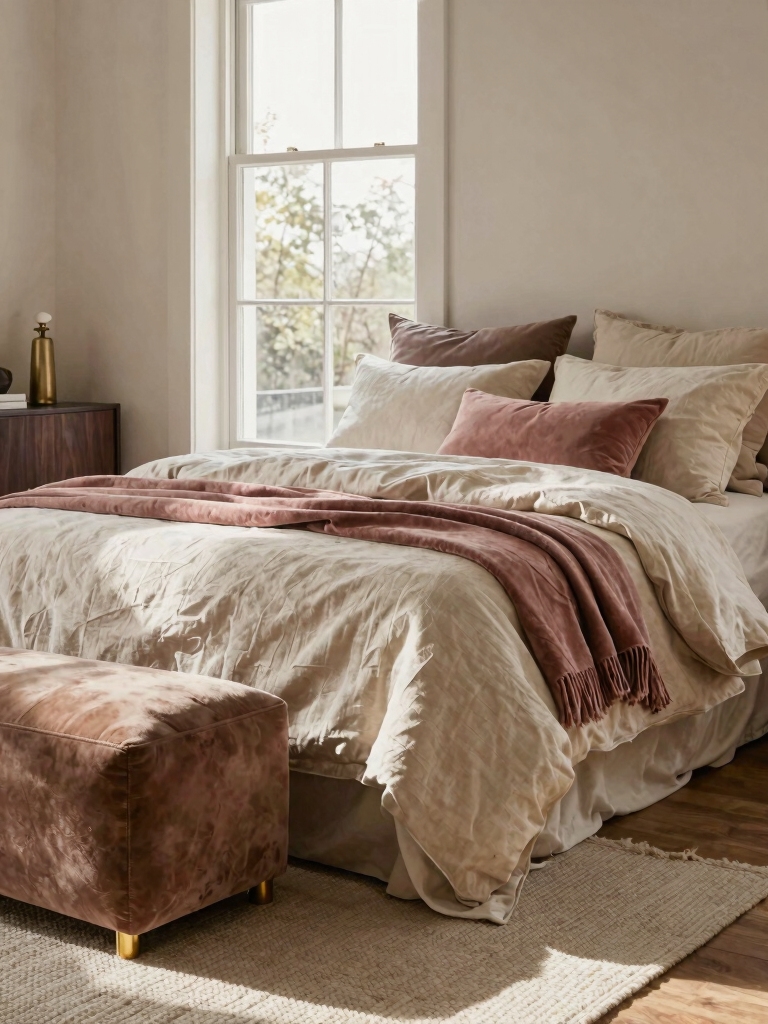
Color sets how snug the room feels before a single throw goes on. Warm neutrals and soft earthy tones wrap the room without making it dark, which is the balance a hibernation den needs. Build the palette in this order:
- Start with a warm neutral base, oat, mushroom, or warm greige
- Add depth with soft browns, terracotta, or a muted olive
- Bring in natural wood and leather for organic warmth
- Keep it light enough that the room still feels restful
- Save true dark tones for accents unless the room gets lots of light
What to Expect From a Hibernation Bedroom
A hibernation room is one of the cheapest transformations there is, since texture and light do the work and you can layer it onto any existing furniture for well under two hundred dollars. Expect a room that feels finished the moment the bed is piled high and the lamps are warm.
The honest catch is upkeep and balance. All that texture needs the occasional wash and fluff, and piling on too much tips a den into a clutter pile. Keep the surfaces clear under all the soft layers, and the room stays a retreat rather than a laundry heap waiting to happen.
Make the Bed a Nest You Sink Into
In a hibernation room the bed is everything. Build it like a nest. The bed I build for this starts with a comfortable mattress and a good topper, then layers sheets, a duvet you can disappear under, and a heavy throw on top. A weighted blanket adds to the cocooned feeling if you sleep better under some heft.
Pile the pillows generously, sleeping pillows plus a couple for propping up with a book. The goal is a bed that looks like it is already inviting you in. A washed-flannel or linen duvet cover runs $50-120 and is the layer that sets the whole tone.
Add Small Comforts and Rituals
Hygge is built from small comforts as much as big pieces, so stock the room for slow time. A spot for tea, a basket of books, a candle you actually light, and a soft robe within reach all turn the room into a place you want to retreat to. These tiny touches are the heart of the hibernation feeling.
- A tray or shelf for a warm drink by the bed
- A basket of blankets so a fresh one is always close
- Candles, real or flameless, for evening flicker
- A soft robe or slippers parked where you will use them
Keep It Warm, Quiet, and Draft-Free
A true den is comfortable in the literal sense, not just the visual one. Seal the drafts, since a cold draft undoes all the cozy styling, and soft layers double as insulation against both temperature and noise. Heavier curtains, a thick rug, and an upholstered headboard make the room warmer and quieter at once.
Add a small heater or an electric throw for the coldest nights, and weatherstrip a rattly window or door. The more the room holds its warmth, the more it actually feels like hibernating. Comfort you can feel as much as see is what separates a styled room from a real den.
Lean Into the Season Without a Big Spend
Hibernation mode peaks in the cold months, so let the room shift into it cheaply when the weather turns. Swap in the heaviest throws, the flannel sheets, and the warmest bulbs as it gets dark earlier, then lighten up again in spring. The base stays, and only the top layers change.
Keep a bin of cold-weather textiles so the switch takes ten minutes. For a lower-effort version you barely have to tend, our low-effort cozy keeps the same warmth with less fuss. The point is a room that meets you where the season is.
Bring In Natural, Grounding Touches
A den feels alive when a little nature works its way in. Add something living. Wood, wool, a plant or two, and a few natural objects ground all that softness and keep the room from feeling like a pillow showroom. Natural materials also age well, so the den only gets better the longer you live in it.
- A wood or rattan piece to warm the soft layers
- One forgiving plant for a touch of living green
- Stone, clay, or a dried branch for organic texture
- Wool and linen over synthetics for a natural hand
Carve Out a Reading Nook to Burrow In
If the bed is the main nest, a reading nook is the second one. A deep chair, a soft throw, a warm lamp, and a side table for tea turn a corner into the spot you burrow into when you are not quite ready to sleep. It doubles the cozy without touching the bed.
Keep it low and wrapped: a chair you sink into, a footstool, a basket of blankets within reach. A window corner is ideal for daytime light, and a warm lamp takes over after dark. It is a small footprint for a big payoff in a hibernation room.
Hibernation Bedroom Questions People Ask
?How do I make my bedroom as cozy as possible?
Layer texture, lower the light, and build the bed into a nest. Stack a few bedding weights, add a deep rug and a chunky throw, swap to warm dimmable bulbs, and bring in candles. Cozy comes from soft layers and golden light far more than from anything you buy new.
?What is hygge and how do I get it in a bedroom?
Hygge is the Danish idea of warm, simple comfort: soft textures, low warm light, small rituals, and an uncluttered calm. In a bedroom it means layered bedding, lamps over the overhead, a candle, a spot for tea, and clear surfaces. It is a mood you build, not a style you buy.
?Can a cozy hibernation room work in a small bedroom?
Yes, just lean a touch lighter so it does not shrink. Keep the palette warm but not too dark, layer texture more than bulk, and use vertical and hidden storage so the soft layers do not become clutter. A small room can be the snuggest den of all when it is kept tidy underneath.
?How do I keep a layered, cozy room from looking messy?
Keep the surfaces clear under all the soft layers and give everything a home. Texture should be on the bed, the chair, and the floor, not piled on every table. A quick nightly fluff and fold of the throws keeps the den looking intentional rather than like a laundry pile.
?What lighting is best for a cozy bedroom?
Low and warm. Swap to warm 2700K bulbs, lean on lamps and candles instead of the overhead, and add a dimmer so you can drop the light at night. A single low amber lamp after dinner does more for the cozy feeling than any bright ceiling fixture ever will.
A Room You Never Want to Leave
A hibernation bedroom is really just comfort taken seriously: deep texture, low golden light, a bed that swallows you, and warmth you can actually feel. Layer those on whatever you already own, keep the surfaces clear underneath, and a plain room turns into the spot you have to drag yourself out of in the morning.
So which layer is your room missing, the texture, the light, or the warmth? Start there, add one soft thing at a time, and build the kind of den you truly look forward to climbing into when the day is done.