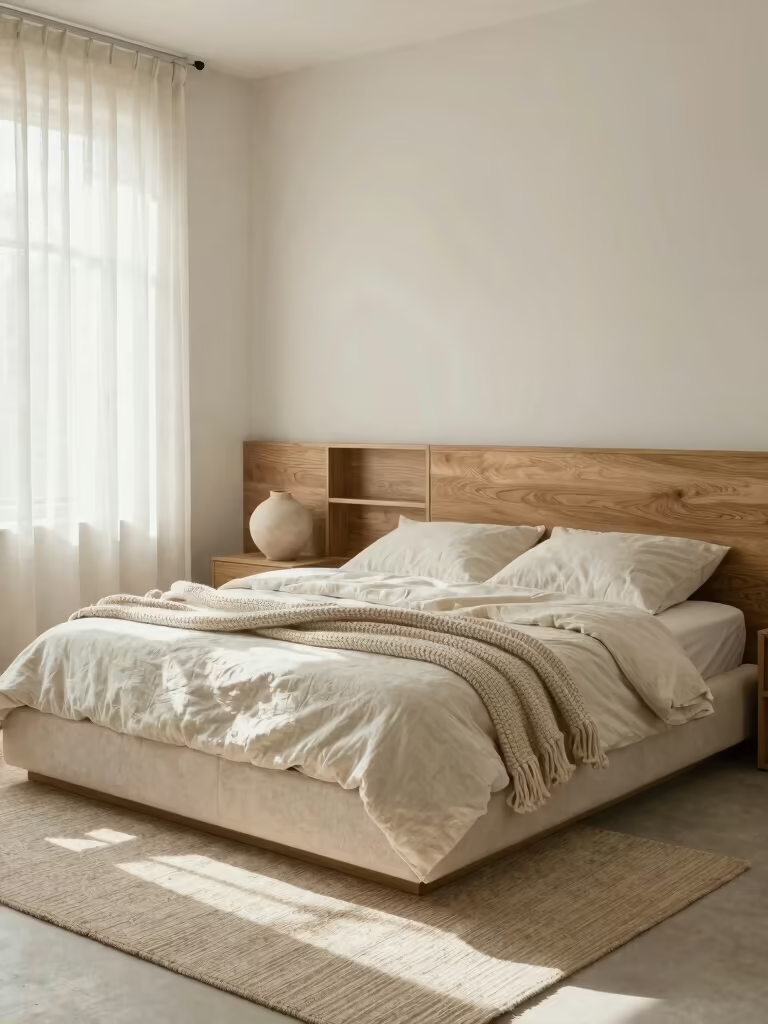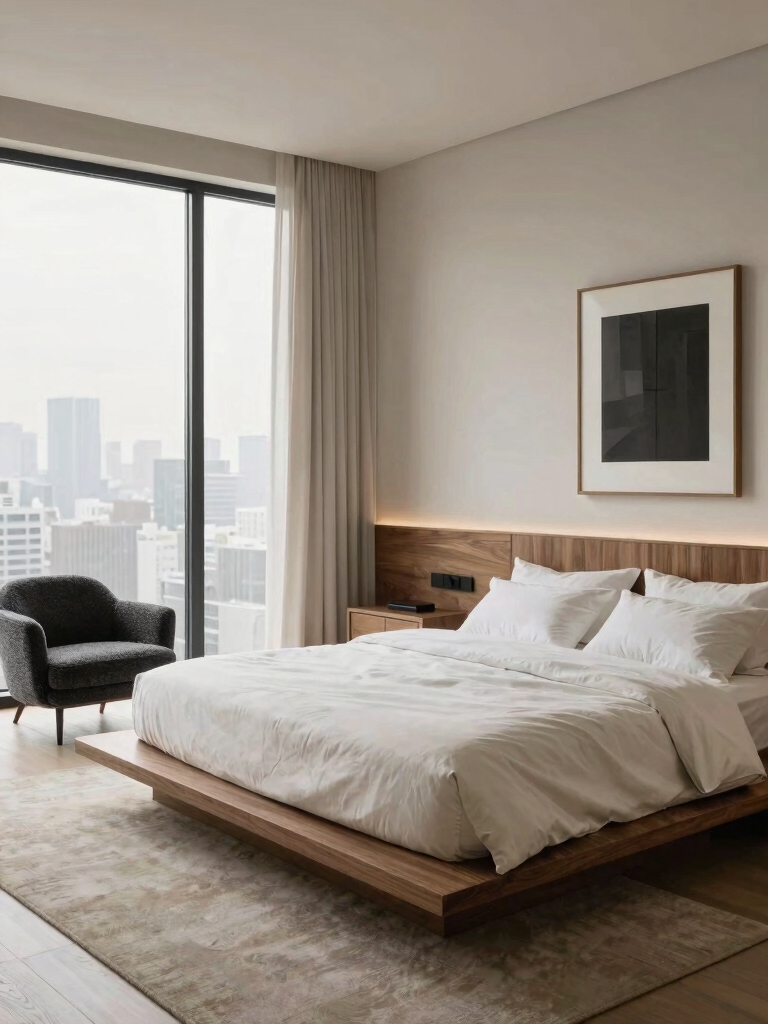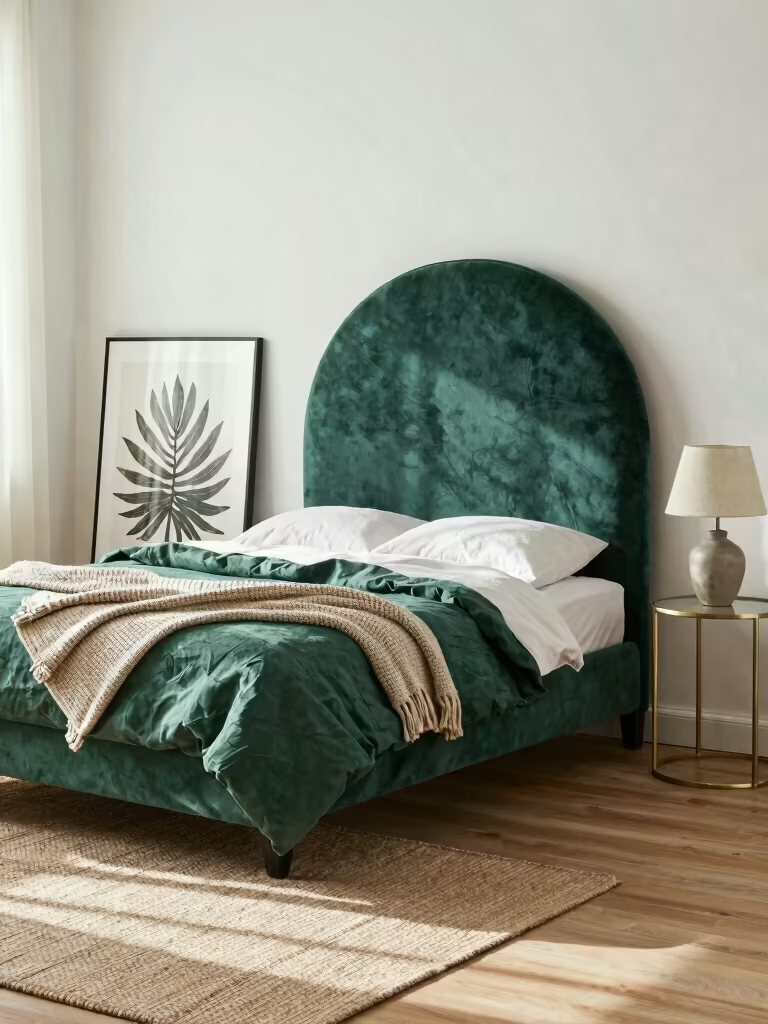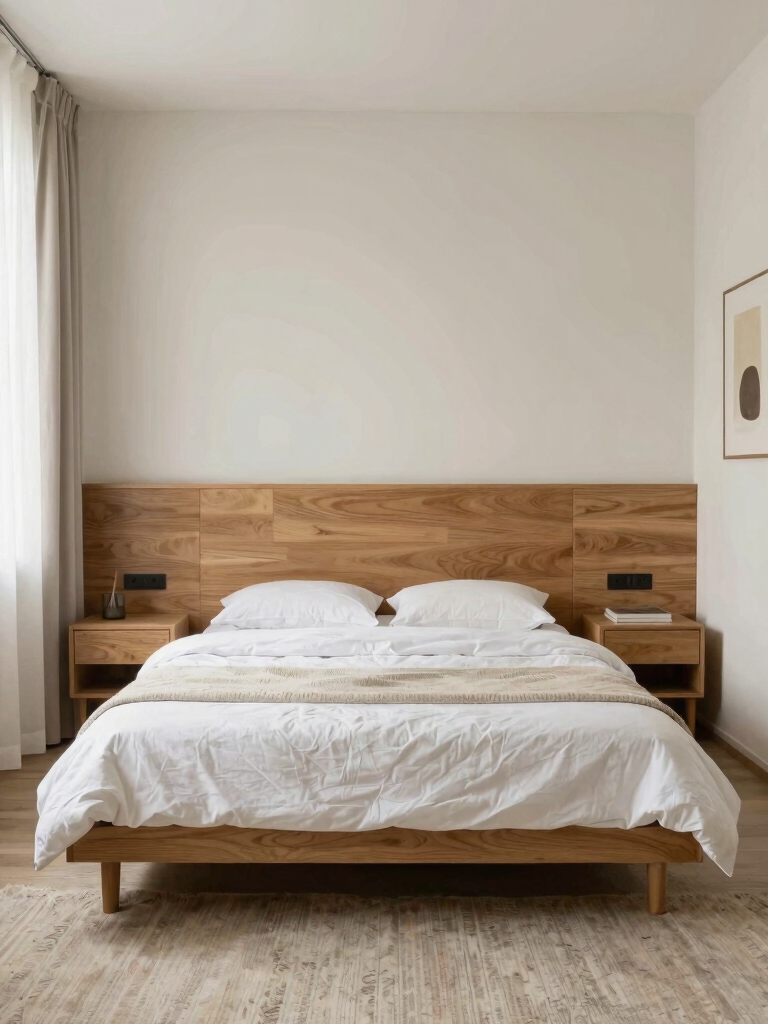
Small bedrooms get treated like a problem to solve, when they are rooms that deserve the same care as any other, often more. The ones that actually work skip the bargain bins and clever gadgets and get planned with intention, every piece chosen on purpose and given room to be seen.
These bedroom ideas are the ones small spaces truly deserve: thoughtful planning, a few well-made multi-use pieces, storage that’s designed in from the start, and zones that let one room do several jobs gracefully. Treat a small space like it matters, and it stops feeling like a compromise and starts feeling like the most considered room in the house.
Key Takeaways
What separates a great small bedroom from a cramped one? Intention. A planned layout, a few quality multi-use pieces, and designed storage beat a roomful of cheap fixes every time.
Do I have to sacrifice style to save space in a small room? No. The best multi-use pieces save space and look good doing it, so function and design aren’t a trade-off.
How do I make one small room do several jobs? Zone it with rugs, light, and furniture placement, so sleep, work, and rest each get a corner without a single wall.
Start With Real Space Planning
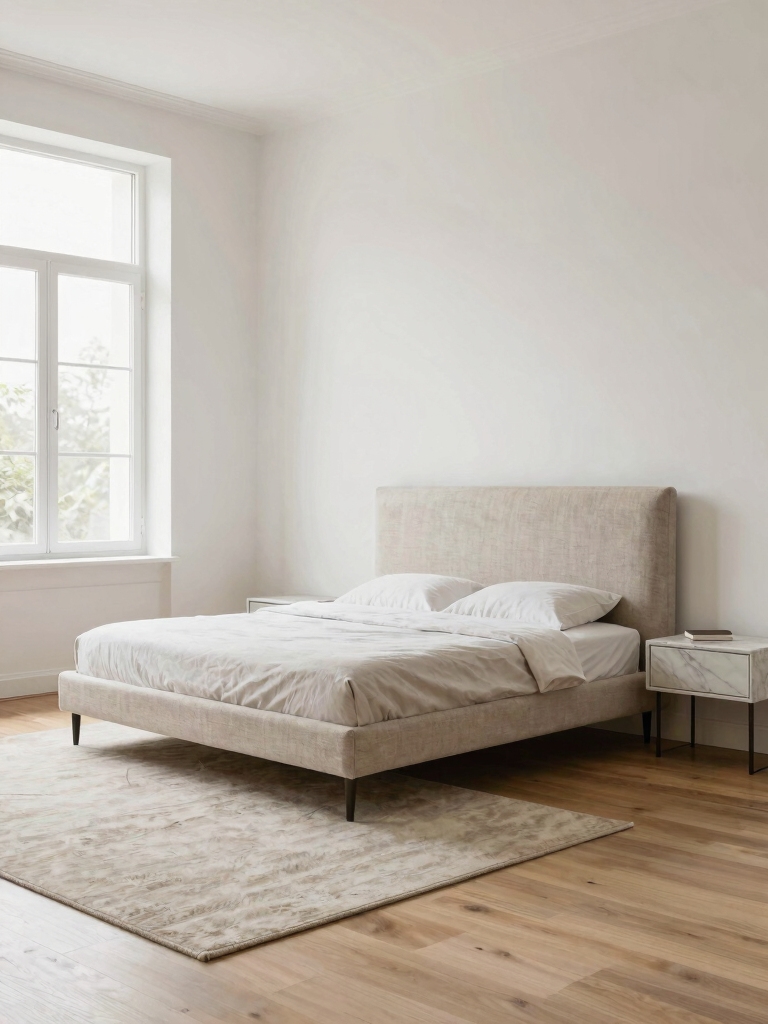
The difference between a small room that works and one that fights you is almost always the plan, and most small rooms never get one. Planning is free. People shop first and arrange later, though, which is how a too-big dresser ends up wedged in front of a closet you can barely open. I’d rather spend an evening with graph paper than a Saturday rearranging the same furniture for the fifth time.
Plan around how you actually live in the room, the way you really use it day to day. Decide which jobs it has to do, where the light is best, and what the one non-negotiable piece is, then build the layout out from there. A small room rewards this kind of planning more than a big one does, since there’s no slack to hide a mistake. Map it to scale and you’ll lay out the room with confidence.
- Decide the room’s jobs first, sleep, work, dressing, then plan the layout to serve them in order of priority.
- Put the one piece you can’t compromise on, usually the bed, in the best spot, and fit everything else around it.
- Leave a little open floor on purpose; breathing room is part of the design, not wasted space.
Maximize With Multifunction Furniture
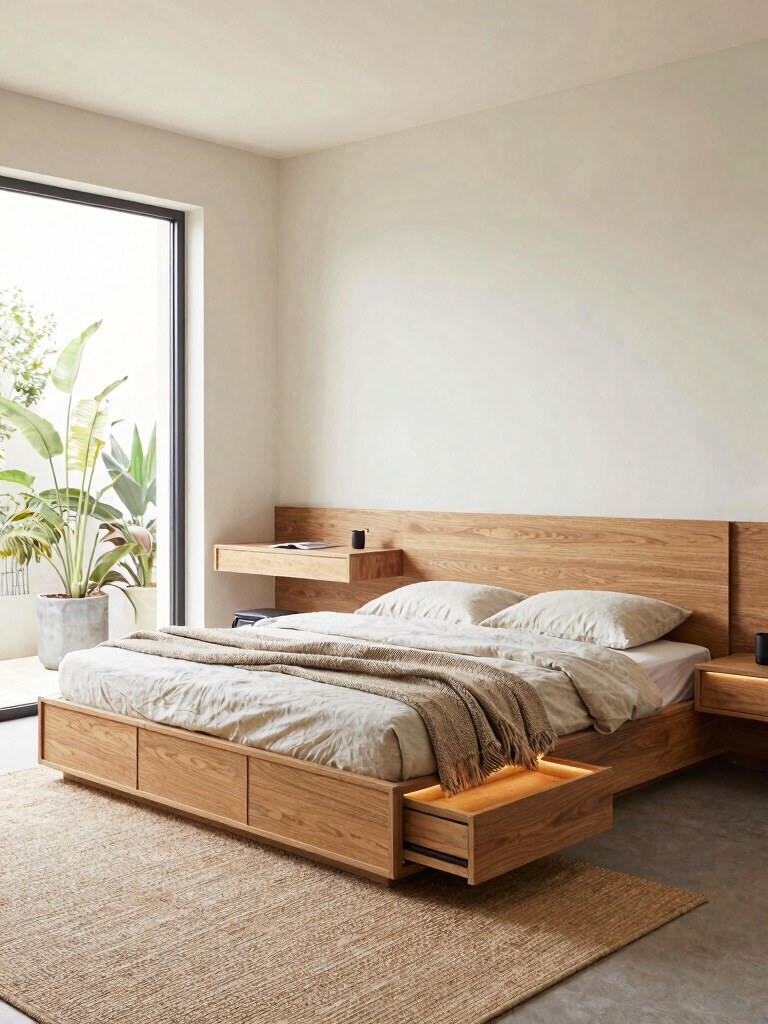
A small space needs furniture that works hard and still looks good, which is exactly what the best multi-use pieces do. Buy once, buy well. The key is quality double-duty pieces over gimmicky convertibles. A well-made storage ottoman or a proper writing desk that doubles as a vanity lasts for years and looks intentional, while the fold-everything gadgets wear out fast and announce themselves the moment you walk in.
- Choose a storage ottoman or bench, often $80 to $200, that hides linens and gives you a real, sturdy seat that lasts for years.
- Pick a slim desk that doubles as a console or vanity so one surface covers two or three needs.
- Look for nesting tables that tuck away neatly and pull out only when you need the extra surface for guests.
- Favor pieces that look like design in their own right, the way these small-room decor ideas suggest.
🅰️Storage bed
Best when the room is only a bedroom and you need maximum hidden storage; the drawers replace a dresser and earn the footprint.
🅱️Wall or Murphy bed
Best when the room doubles as an office and the floor has to clear by day; it costs more but buys back the whole floor.
Choose the Right Space-Saving Bed
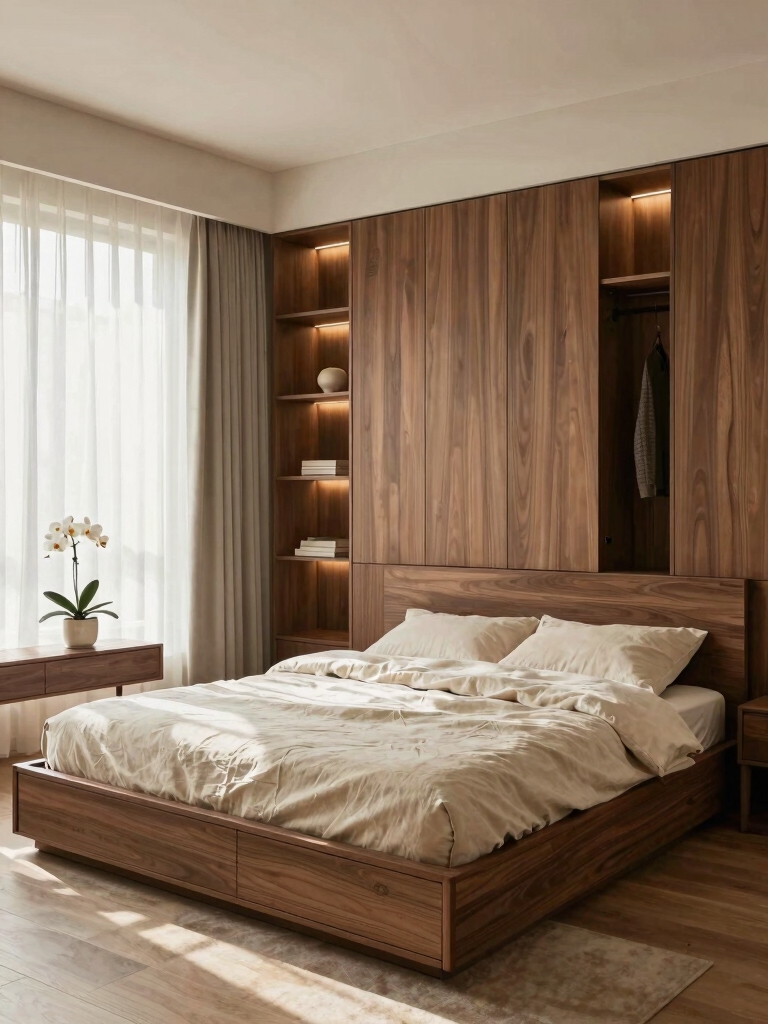
In a small room the bed is the biggest decision, so it’s worth real thought, not a quick compromise. The honest question is what the room has to do besides sleep, because that decides the bed. A room that’s only a bedroom can take a generous storage bed; a room that doubles as an office might need a wall bed that clears the floor by day.
Let the room’s jobs pick the bed
Whatever you choose, the mattress comes first. Always. A space-saving frame is only worth it if you still sleep well on it, so it’s worth sitting on the edge and lying down in the store before you fall for the clever storage drawers or the fold-away mechanism.
A platform with drawers suits most small rooms and earns its footprint by holding everything a separate dresser would, which is often the difference between a room that fits your clothes and one that doesn’t.
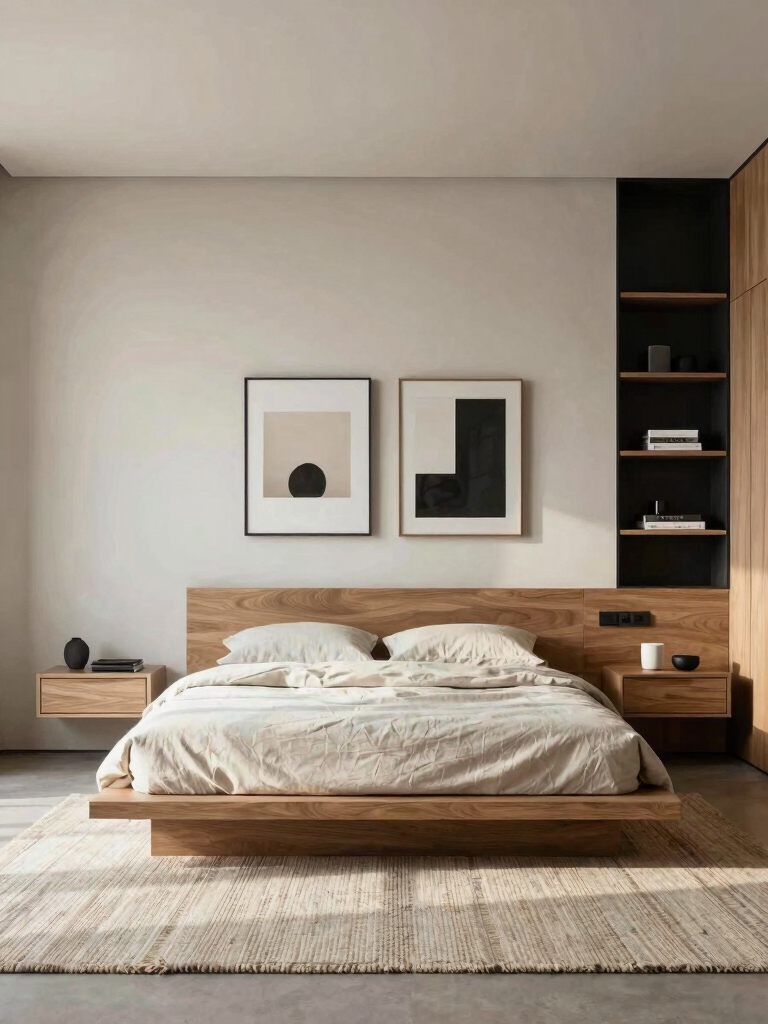
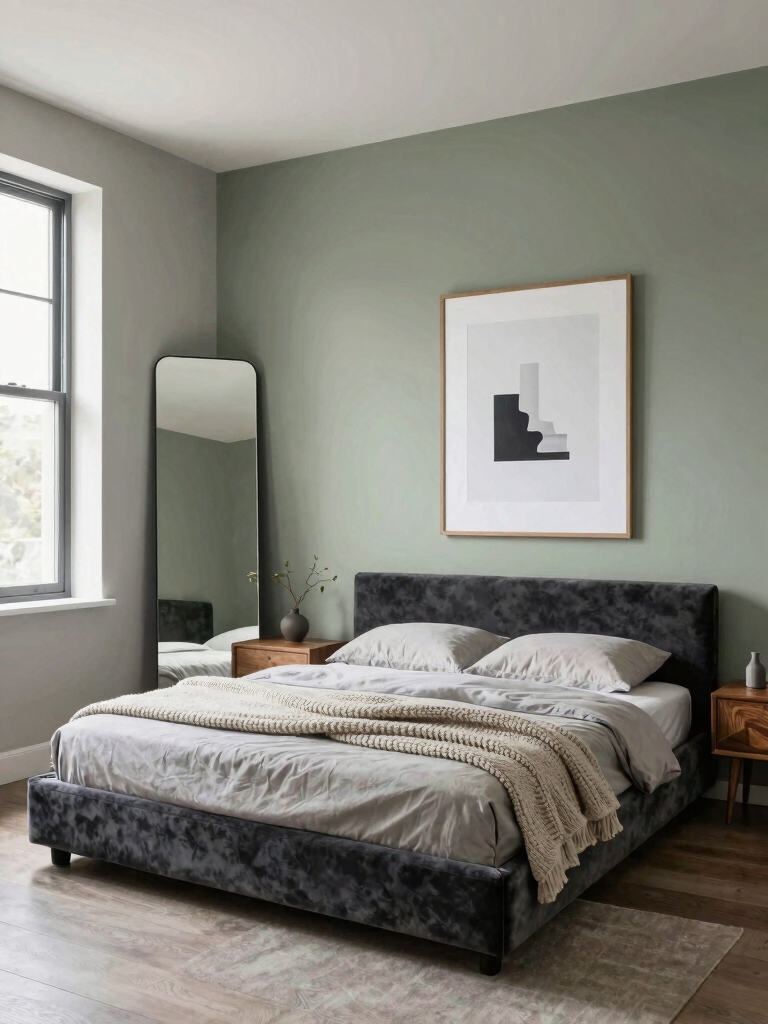
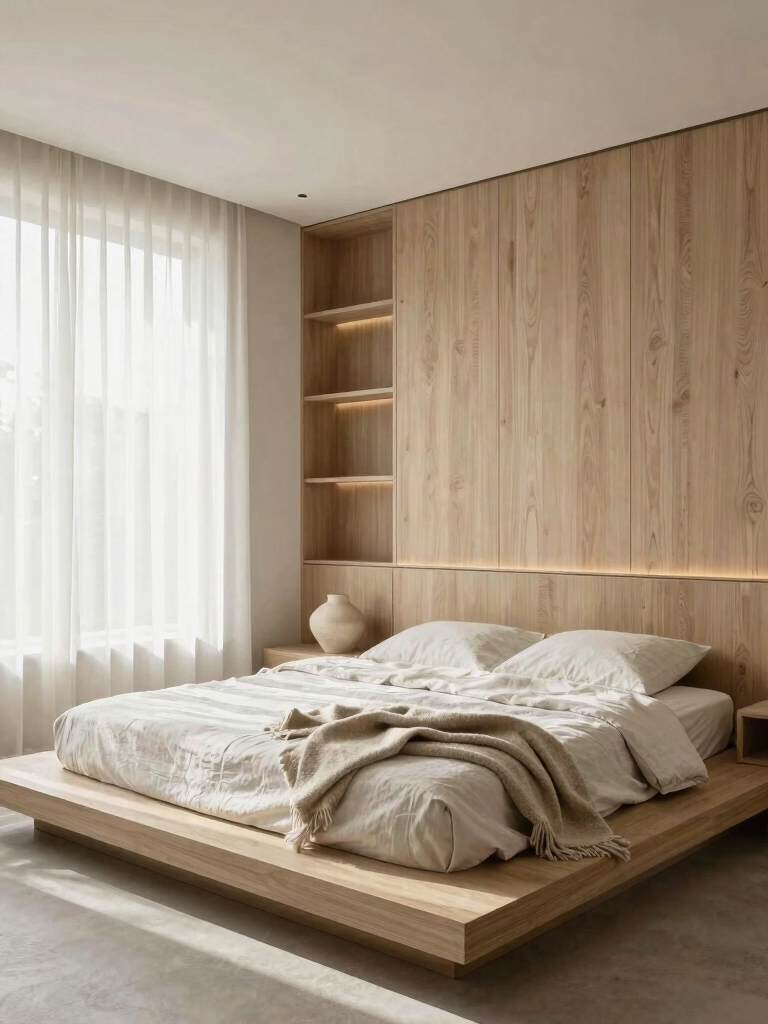
Think about how the bed sits in the room, too. A frame on visible legs lets light and floor run underneath and keeps the room feeling open, while a low platform reads modern and grounded against the wall. Match the look to the room you want, and let the bed lead the rest of the design, since it’s the first thing you see and the largest thing the eye has to make peace with.
Hidden Storage That Adds Usable Space
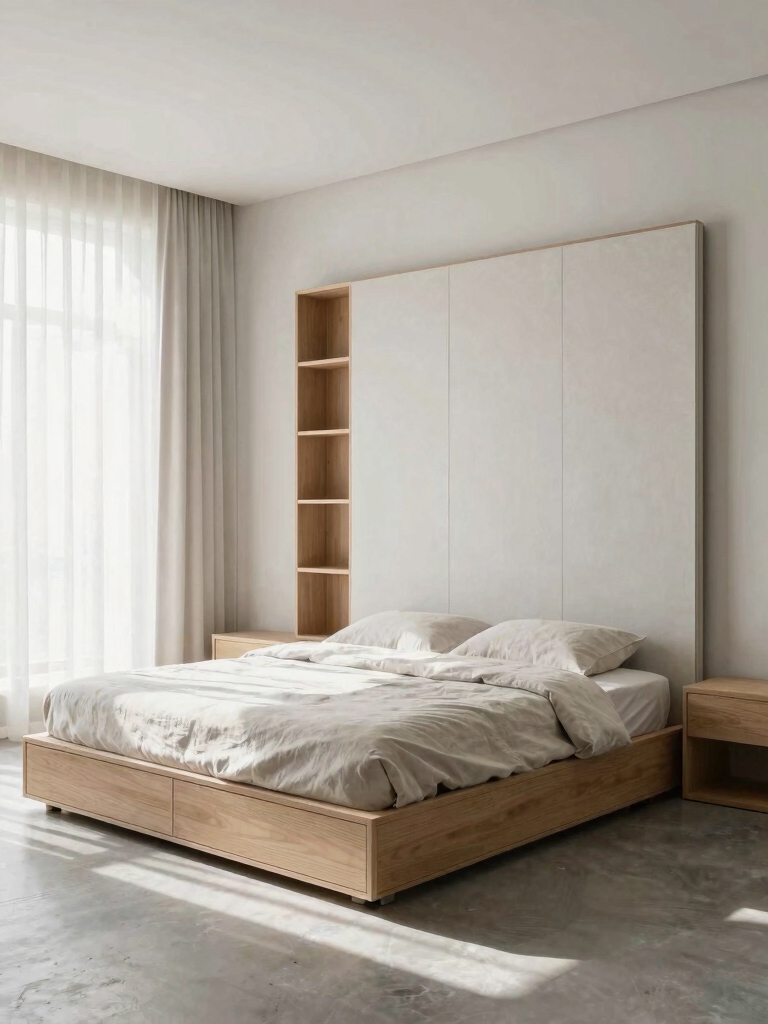
Storage is where small rooms are won or lost, and the version that actually works is designed in from the start. Design beats bolt-on, every time. The aim is for everything to have a logical home that’s out of sight, so the room stays calm and the surfaces stay clear. Plan the storage as part of the room and it disappears into the walls; add it later and it always looks tacked on, jutting into the space and catching the eye.
- Recess shelves into the wall or build a headboard with storage so capacity comes from the architecture itself.
- Use the full height of the room: a tall wardrobe and shelves up toward the ceiling store far more in much less floor space.
- Give the daily small stuff one designated tray or drawer so it never sprawls across the surfaces.
- Keep it behind closed fronts where you can, and lean on these storage ideas for hiding clutter to keep it invisible.
“Designer’s note: in a small room, scale is the thing people get wrong most. One properly sized piece, a bed that fits the wall, a rug big enough to slide under the furniture, a single generous mirror, looks far more designed than a dozen tiny space-saver gadgets. When a small room feels off, it’s usually a proportion problem, not a storage one.”
Create Defined Zones in One Room
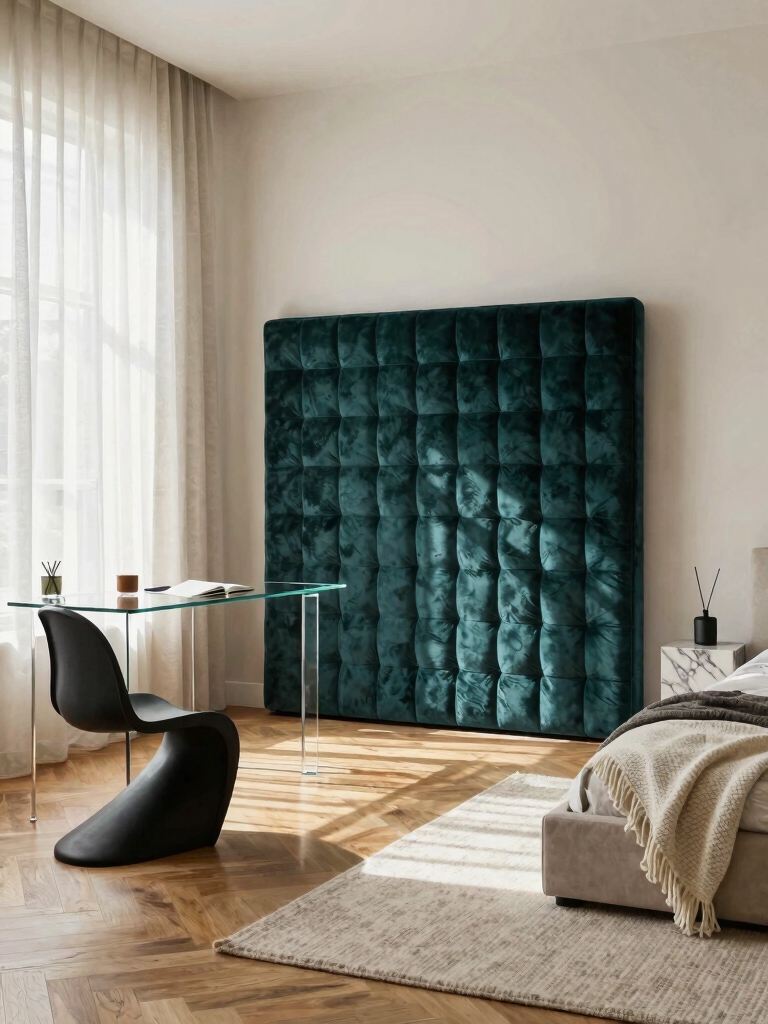
A small room that tries to do everything at once feels chaotic, and the fix that makes it feel designed is zoning. Give each job a corner. When sleep, work, and rest each have a clear spot, the room reads as intentional instead of cramped, even though nothing actually got bigger. The zones are about clarity, which is exactly what a small, hardworking room needs most.
Mark the zones with soft cues instead of partitions. A rug defines the sleep area, a different light level signals the desk, and a small chair turned toward the window makes a lounge corner. Those quiet signals separate the jobs without a single inch lost to a partition, which a tight room can’t spare.
Keep the palette consistent so the zones feel connected and whole. One calm color family running through the whole room lets the separate areas read as parts of a considered whole. Done well, a single compact room can hold a bedroom, a workspace, and a retreat, each with its own corner and its own kind of light.
Common Small-Space Mistakes Worth Avoiding
A few mistakes turn a tiny bedroom from considered into cramped, and I watch them happen again and again. The first is shopping before planning. You buy the piece you love, then find it blocks the door. The second is filling every inch. A tiny room needs breathing space as much as a big one, and a packed room always feels smaller than it is.
The other two are about quality and light. Going cheap on everything backfires in a small space, since one good piece earns more than five filler ones, and there’s nowhere for a flimsy compromise to hide. And leaving the lighting to a single harsh bulb undoes all the careful planning above it. I tell people to fix the plan and the light before anything else. Do that and a tiny room reads designed, not deprived.
Light a Small Space Properly
Lighting is where small spaces get shortchanged most, usually left to a single harsh overhead, and it’s the cheapest way to give a room the polish it’s been missing. Layered, warm light at a few heights does more for the feel of a small room than any piece of furniture. I tell everyone this is the first upgrade worth making.
Build up a warm overhead on a dimmer, a bedside lamp or wall sconce, and a low accent glow for the evening, all in warm 2700K bulbs. Wall-mounted lights clear the small surfaces while still giving you light where you use it, and a dimmer lets one room shift from bright and functional to soft and restful. These cozy lighting ideas for the perfect glow cover the layering a small room needs.
Maintenance & Care: Keeping a Small Space Considered
A small space that’s been designed with intention stays that way only with a light, regular touch, since there’s no spare corner to absorb the overflow. A two-minute reset before bed, surfaces cleared and the chair kept clear, protects all the planning you did. The room is small enough that mess shows immediately, which is actually the advantage, because you catch it before it takes over.
Twice a year, edit again with the same intention you started with. Pull the storage, donate what you’ve stopped using, and be honest about anything that’s drifted in and doesn’t earn its place. A small space stays calm only when you keep it edited, and a quick seasonal pass keeps it that way, the way a sibling article on ideas that make a small room feel big keeps the openness intact.
Small-Space Bedroom Questions, Answered
?How do I make a small bedroom feel like a real retreat, not a leftover room?
Treat it with intention. Plan the layout, choose a few quality pieces over a pile of cheap ones, layer warm light, and keep the palette calm and consistent. The difference between a leftover room and a retreat is almost always care, not square footage.
?Is it worth spending more on furniture for a small bedroom?
On the few pieces you use daily, yes. A small room shows everything, so a well-made bed, good lighting, and one quality chair pay off more than the same money spread across cheap filler. Save on the decorative layer, which you can swap anytime.
?How do I keep a small bedroom from feeling cluttered?
Design the storage in rather than adding it later. Build capacity into the walls and the bed, give every small thing a closed home, and keep the surfaces clear. A planned place for everything is what keeps a small room reading calm instead of crowded.
?How big should the furniture be in a small bedroom?
Right-sized, not mini. Counterintuitively, a few properly scaled pieces look better than a crowd of tiny ones: a bed that fits the wall, a rug that runs under the furniture, one real nightstand. A pile of dinky space-savers reads more cluttered, not less, and stores less too.
Give a Small Room a Real Design
A small bedroom doesn’t deserve hacks and apologies; it needs a plan, a few well-chosen pieces, designed storage, clear zones, and good light. Treat the square footage as a reason to be intentional rather than a license to settle, and a tight room turns into the most considered, restful space in the house.
Start with the layout on paper and the lighting, since those set everything else, then add the pieces one thoughtful choice at a time. What’s the one thing your small bedroom has been settling for, and what would it look like to finally give the room what it deserves?