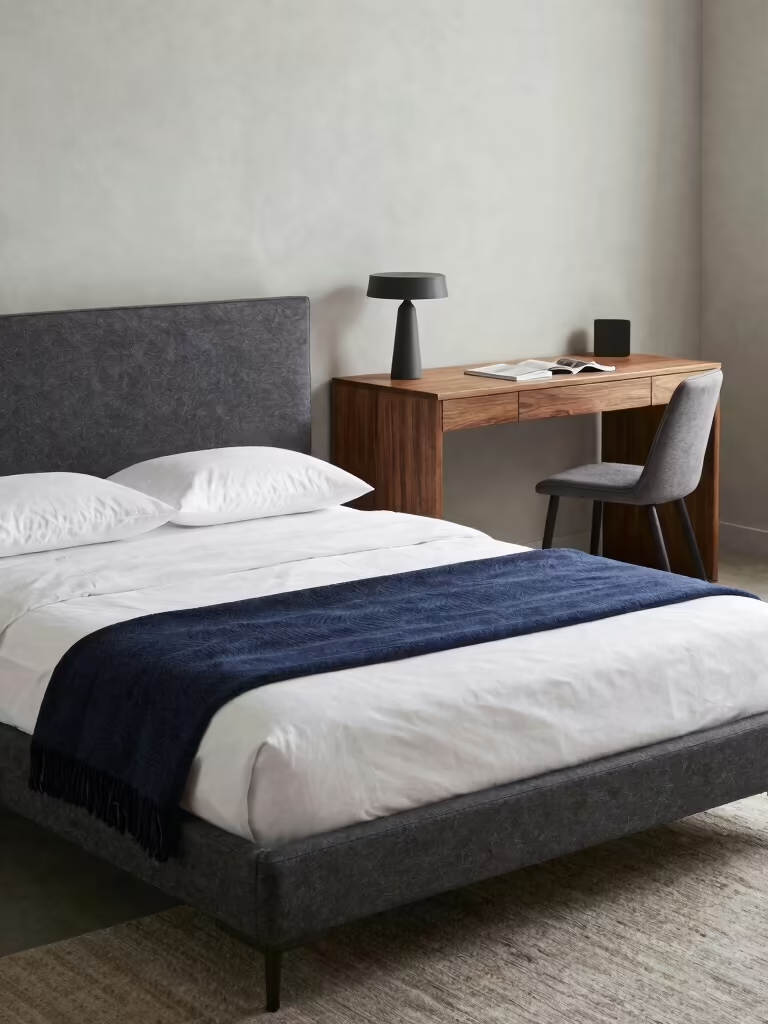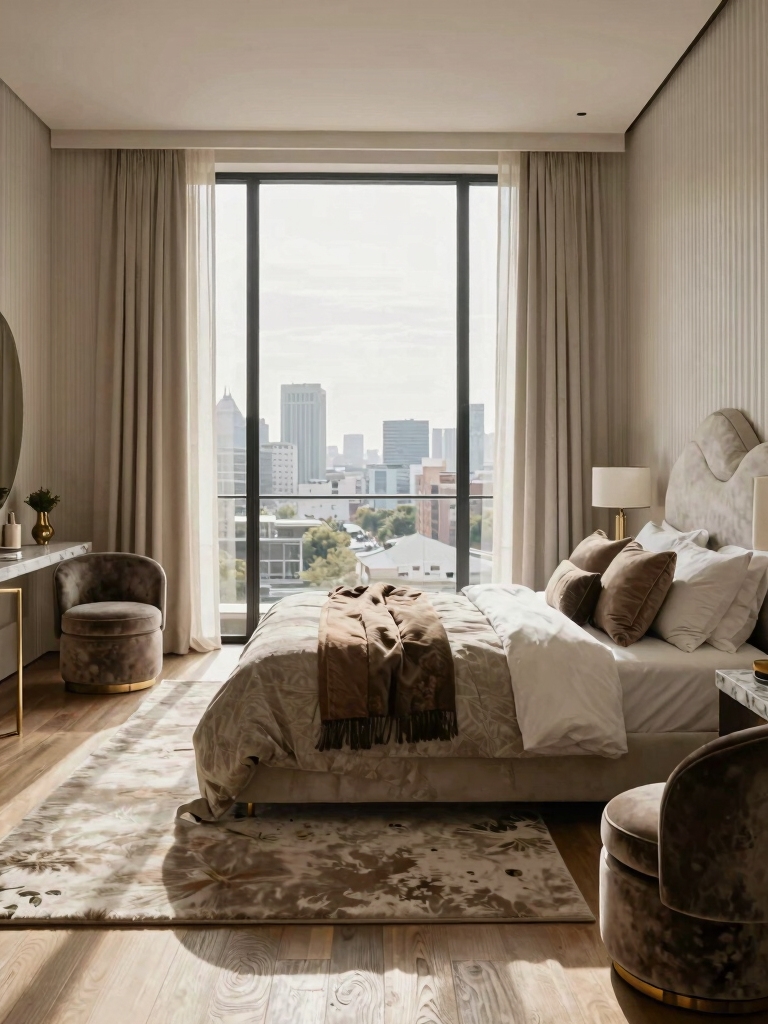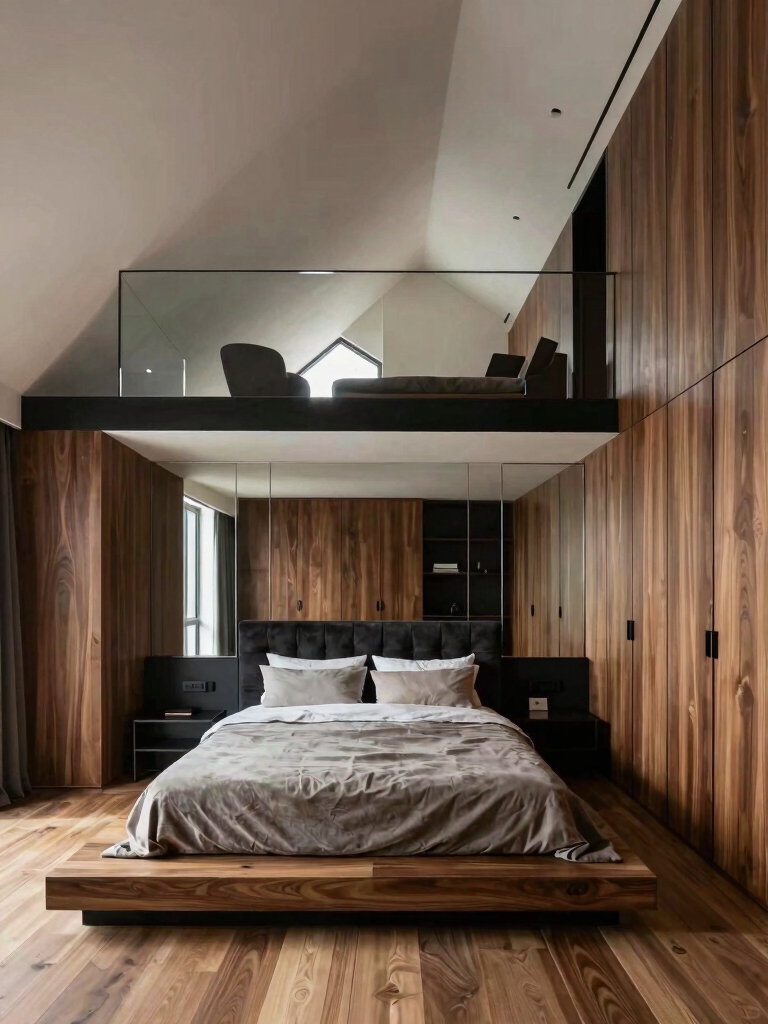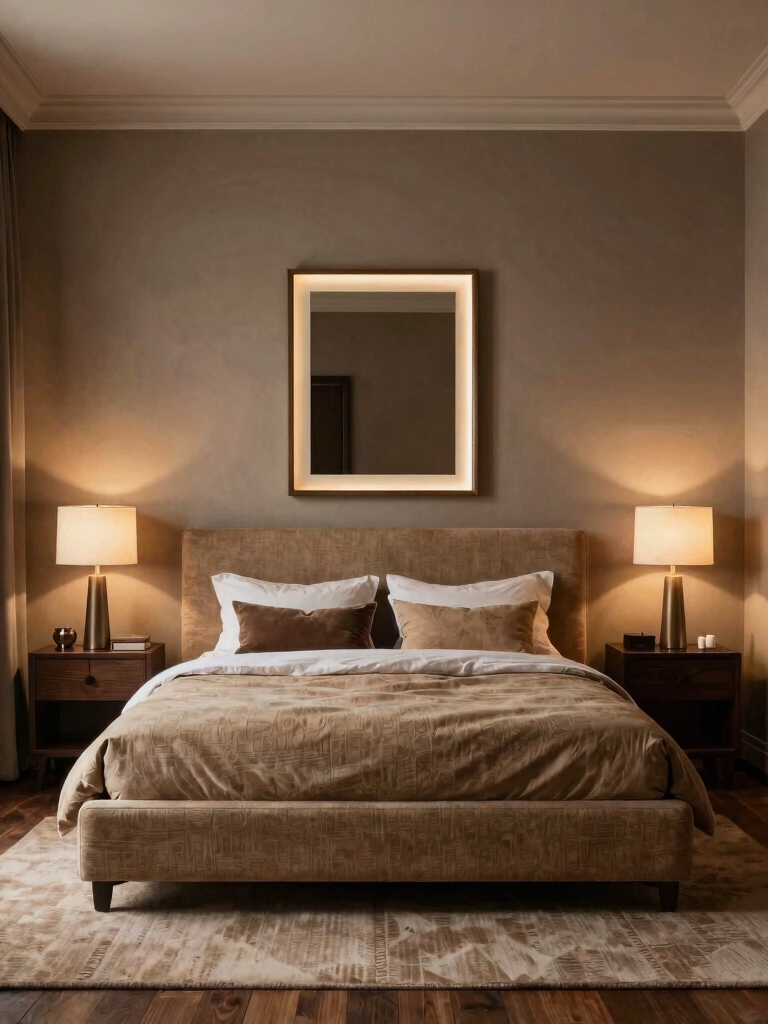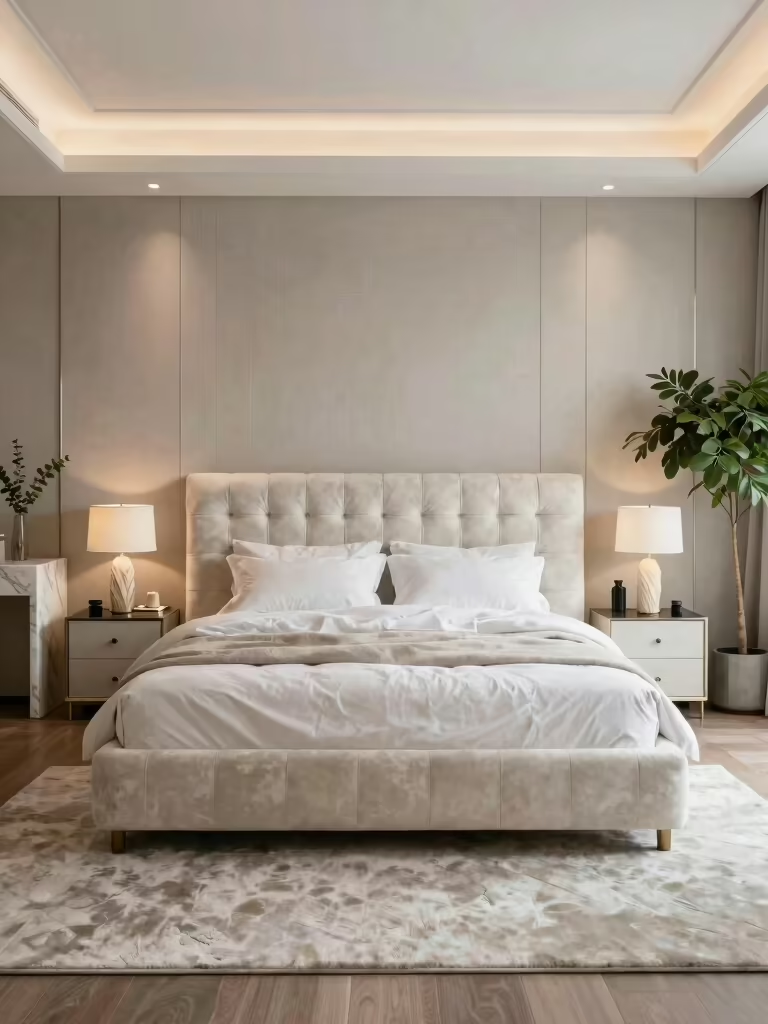

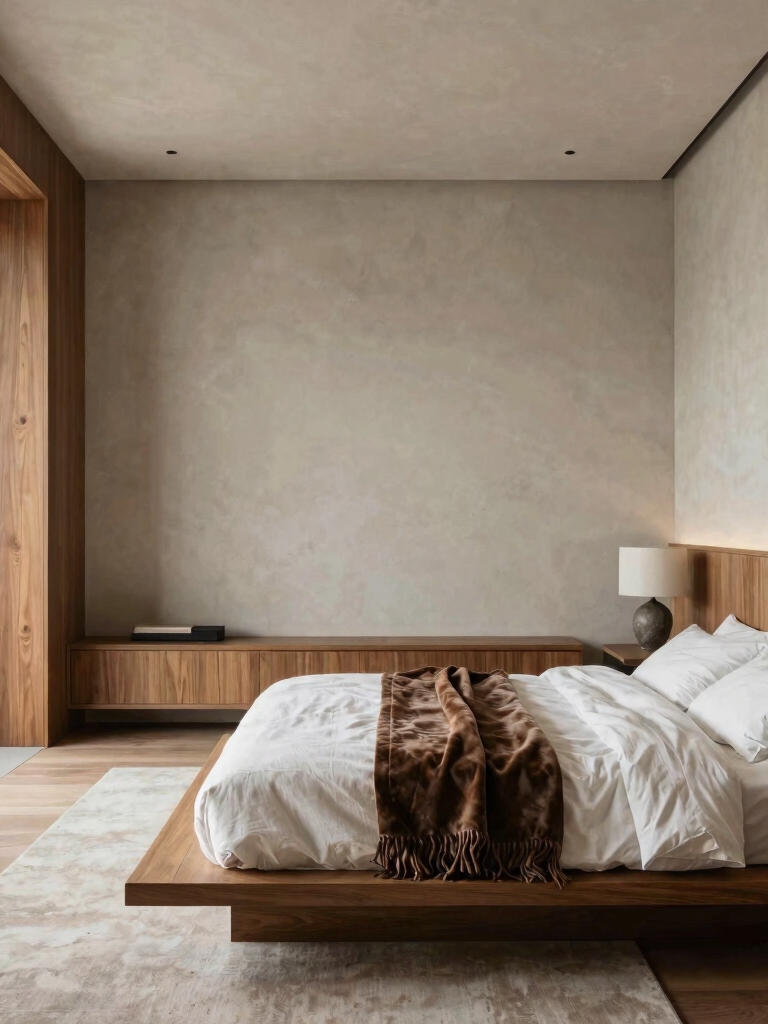
I’ve built a calm, clutter-free bedroom by embracing a purposeful minimalist approach that blends soft neutrals with thoughtful storage and timeless comfort. Start with a quick declutter, then craft a calming color palette and smart bed setup. Hidden storage keeps surfaces clear, while fabrics and textures scale down visual noise. I’m mindful of budget with sustainable upgrades that feel timeless. If you stay with me, you’ll uncover how flow and maintenance sustain this serene haven.
The Core Goals of a Minimalist Bedroom
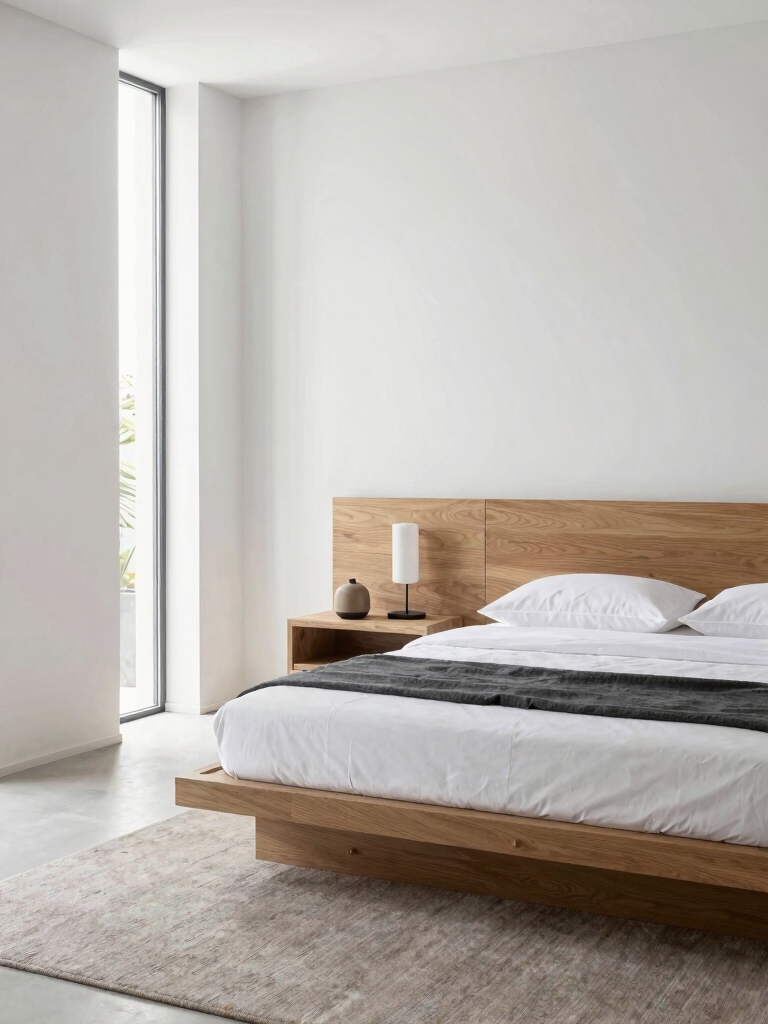
The core goal of a minimalist bedroom is simple: to create a calm, purposeful space that serves you, not a collection of objects that weighs you down.
I design with intention, choosing only what elevates rest, focus, or ease. Each decision whispers calm, clarity, and timeless comfort.
You deserve a serene retreat that stays effortless, inviting you back with every quiet, intentional breath.
Embrace minimalism by focusing on simple bedroom ideas that prove less is more, transforming your space with ease.
Quick Declutter Before You Start
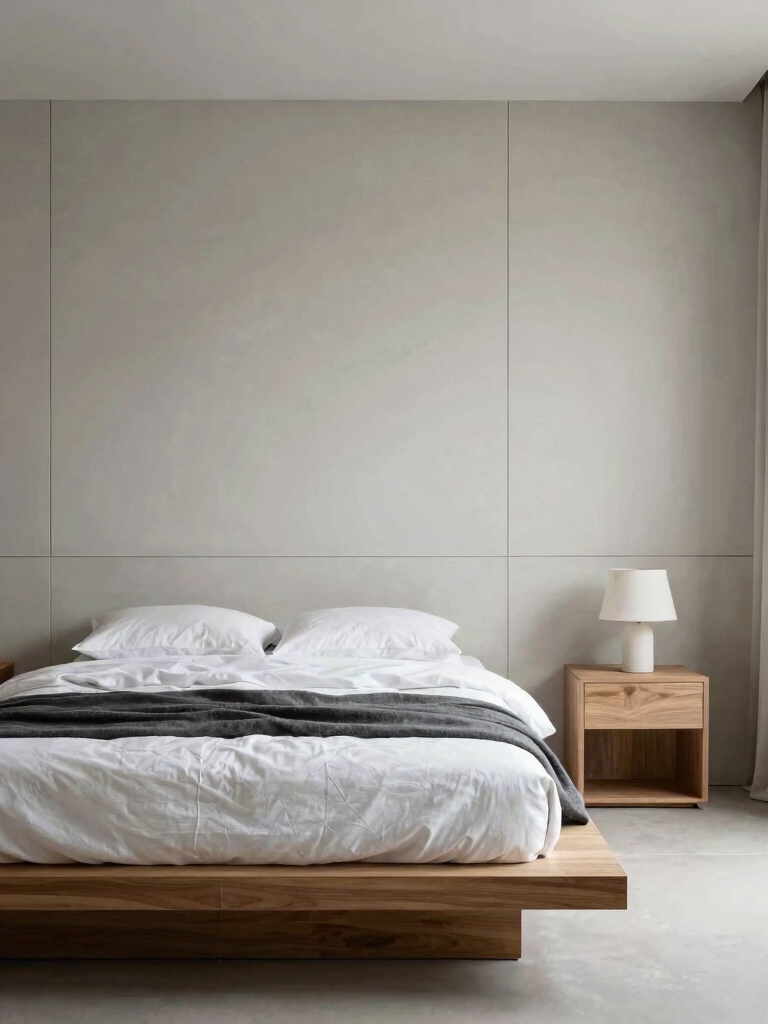
I start by shrinking the space I’ll work in, tossing only what truly belongs in my calm, minimalist room, and setting aside what I don’t need.
I’ll share quick declutter tips that keep the process efficient, so you move smoothly from mess to room-ready clarity.
With a ready-for-use prep space, we clear the way for a focused, timeless start.
Embracing simple bedroom ideas for small rooms helps maximize space and maintain a cozy, clutter-free environment.
Quick Declutter Tips
Decluttering can feel overwhelming, but start with a simple, steady rhythm: pick one surface, one corner, or one category and tackle it first.
I keep it practical: set a timer, decide keep/relocate/donate, and only handle items once. Move swiftly, trust intuition, and celebrate tiny wins.
Finish with a quick wipe, and breathe—the room already feels lighter.
Prep Space Efficiently
As we finish clearing surfaces, I start by prepping the space you’ll actually work in. I lay out a single, calm zone: a clean surface, a bin nearby, and a gentle lighting glow.
I gather only tools needed, then breathe, plan, and commit; clarity follows. With purpose, I move deliberately, keeping momentum and minimizing distraction for a smoother project.
Create a Calming Color Palette for Serenity
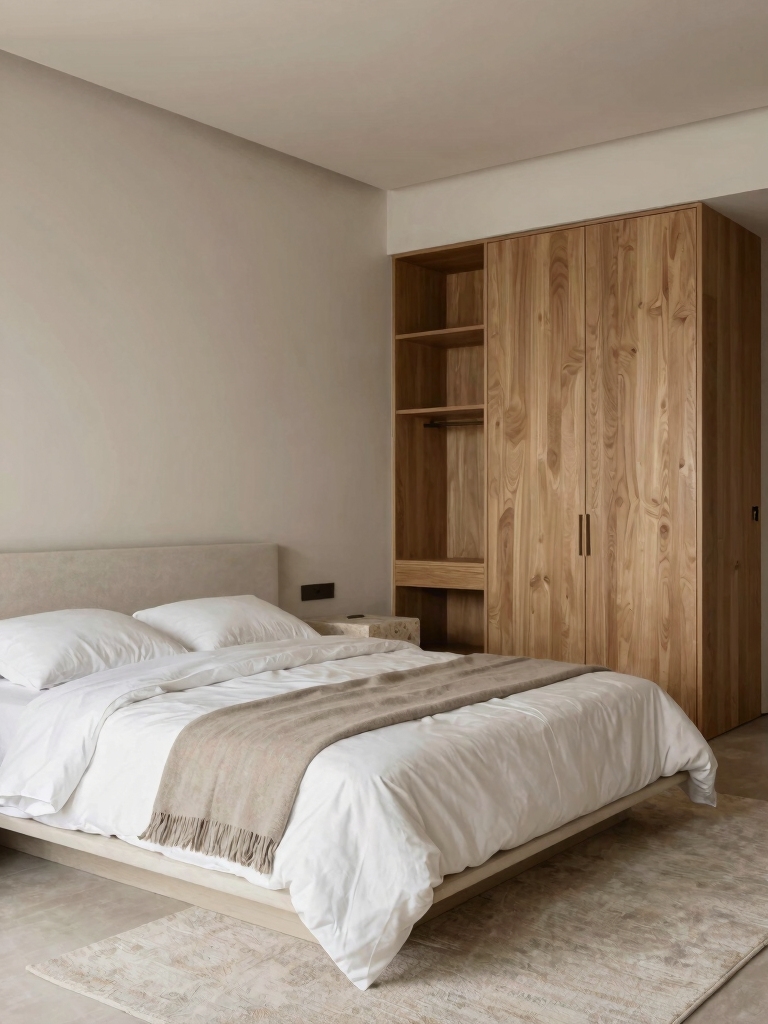
I’m sharing a calm, cohesive color approach built on soothing, neutral bases and soft accents.
Together we’ll explore calming color combinations that feel timeless and easy to live with.
I’ll show how to balance serene hues with gentle pops to create serenity without clutter.
Grey bedrooms are a perfect example of timeless elegance that inspires a peaceful and sophisticated atmosphere.
Calming Color Combinations
Soft, soothing colors set the tone for serenity, so I gravitate toward quiet greens, warm beiges, and misty blues that breathe like a peaceful morning.
I pair these hues with soft charcoal accents and creamy whites, creating contrast without drama. The result feels cohesive, breathable, and timeless, inviting restful evenings.
A calm palette guides every night, every morning, every simple moment.
Neutral Base Palettes
I choose soft, warm neutrals—greige, alabaster, ash—paired with matte textures and subtle contrast.
This foundation breathes serenity, reduces visual noise, and guides future decor.
You’ll feel grounded, present, and effortlessly elegant, ready for tranquil mornings and restorative evenings without shouting color.
Soft Accent Incorporation
Soft accents can elevate a calming palette without overpowering it.
I choose gentle blush, misty blue, and warm taupe as whispers during the day, and soothe with charcoal at night.
I layer textures—linen, wool, and matte ceramics—for depth without noise.
You’ll feel serenity intensified, not cluttered, when these soft notes breathe softly alongside your clean, empty spaces.
Smart Bed Setup for Space Efficiency
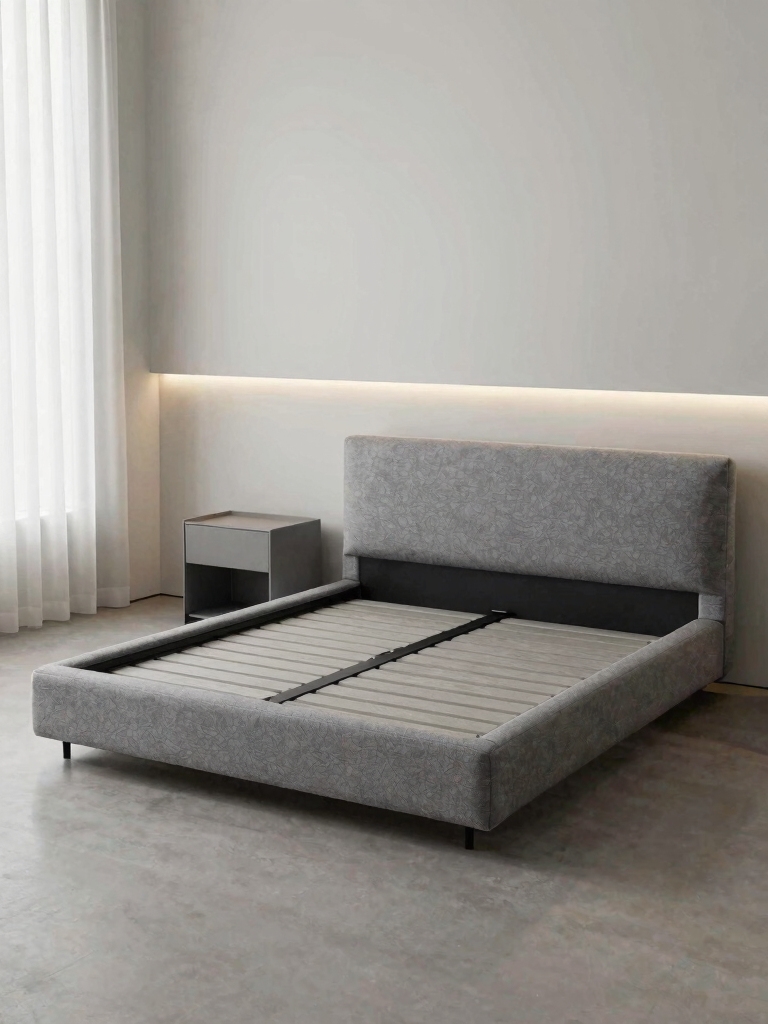
A smart bed setup can redefine a compact room, letting me tuck away clutter and reclaim floor space without sacrificing comfort.
I choose a platform or wall bed to vanish underused gaps, integrate discreet storage, and keep lines clean.
Nightstands disappear into the frame, lighting stays soft, and insulation quiets noise.
Space breathes, and mornings feel calm, effortlessly inviting.
Incorporating small bedroom design ideas can further enhance the functionality and aesthetic of the space.
Hidden Storage That Keeps the Room Clear
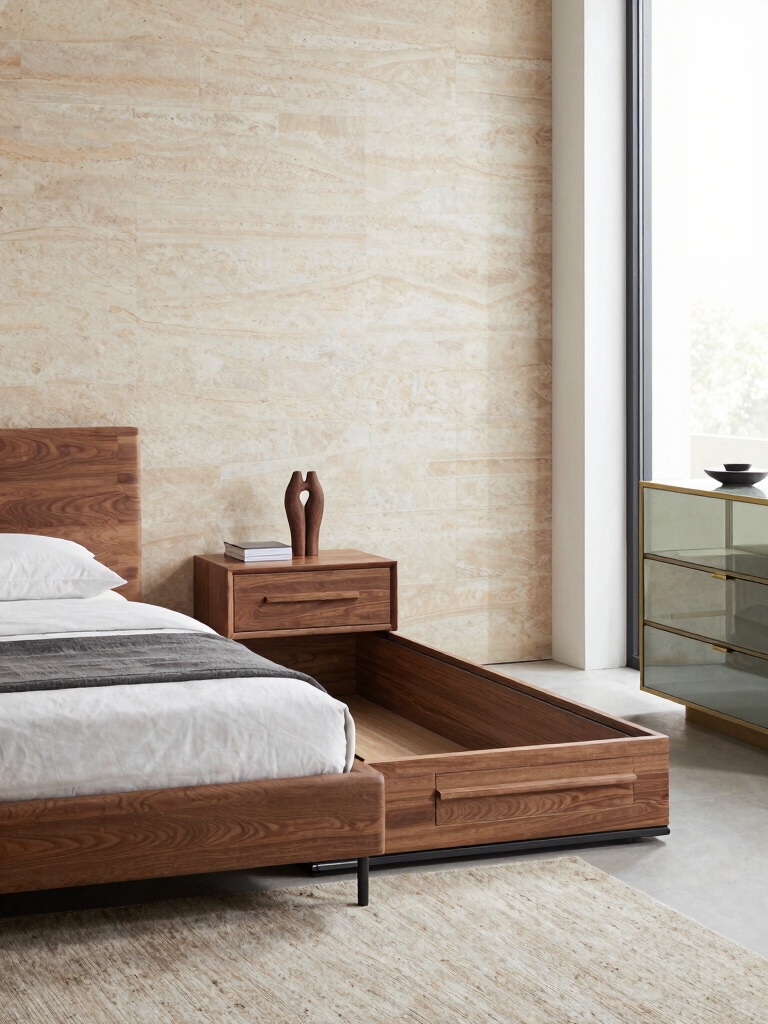
I love a room that feels calm and uncluttered, and hidden storage is my favorite secret to that balance.
I’ll show you simple options like hidden cabinet solutions, underbed storage ideas, and wall nook shelves that tuck away essentials without shouting for attention.
Together, we’ll keep the space clear while preserving a warm, timeless vibe.
Many clever bedroom solutions for renters focus on maximizing functionality without permanent changes, offering practical ways to optimize small spaces.
Hidden Cabinet Solutions
I design with clean lines and soft finishes, so storage feels seamless, not bulky. You’ll find hidden panels, toe-kick drawers, and recessed shelves that reveal just enough space.
The room stays serene, organized, and timeless, inviting quiet mornings and restful evenings without visual noise.
Underbed Storage Ideas
Underbed storage can quietly transform a cluttered room into a serene retreat, especially when every solution tucks away gear without stealing floor space.
I choose slim bins, rolling drawers, and shallow bins that slide under easily, keeping essentials accessible yet hidden.
My approach is simple: prioritize height, choose durable materials, and label subtly, so calm remains the room’s constant, not an afterthought.
Wall Nook Shelves
- hidden depth for daily necessities
- soft, ambient display options
- unobtrusive design, timeless appeal
- customizable spacing and length
- easy accessibility without bulk
Minimalist Furniture With Maximum Function
When space is tight, every inch should earn its keep, and minimalist furniture rises to the challenge with design that’s as practical as it’s beautiful.
I curate pieces that multitask—bed frames with storage, desks that fold, tables that double as consoles—so rooms breathe.
You’ll enjoy serene lines, durable materials, and deliberate simplicity that supports calm, organized living, without sacrificing warmth.
Integrating smart bedroom layouts ensures even the smallest rooms maximize functionality and flow.
Lighting That Elevates Calm and Clarity
Lighting isn’t just about visibility; it shapes mood, clarity, and the sense of calm that makes a minimalist bedroom truly breathe.
I choose soft, layered light that feels inviting, not harsh, and balances task with atmosphere.
- Dimmable warm LEDs create comfort without glare
- Ambient glow edges spaces, widening the room
- Layered layers: overhead, task, and accent lighting
- Color temperature stays consistent for serenity
- Natural daylight harmonizes with artificial warmth
In small bedrooms, incorporating baddie bedroom ideas can help maximize lighting impact while keeping the space cozy and stylish.
Wardrobe Zoning to Minimize Visual Clutter
Wardrobe zoning quietly declutters a space by design rather than by chance.
I map garments by function, season, and frequency, then group them into dedicated zones. I keep essentials within reach, seldom-worn pieces out of sight, and replicate a simple rhythm: daily items, then backups.
This layout reduces visual noise, guiding your eye with calm precision. You notice harmony, not chaos.
Incorporating chic solutions can further maximize your small bedroom space while maintaining style.
Textiles That Add Warmth Without Clutter
Soft textiles can cocoon a room without weighing it down, so I reach for cozy textures that feel soft to the touch.
I’ll layer warmth with lightness—think breathable fabrics in neutral hues that add depth rather than bulk.
Let’s explore how to create a cozy, inviting vibe that stays clean and calm.
For small bedrooms, incorporating these textiles is a key strategy in cozy minimalist tips to maximize comfort without clutter.
Soft Textiles, Warmth
When you want warmth without clutter, soft textiles are your quiet allies: plush throws, brushed cotton sheets, and tablet-friendly blankets that add tangible coziness without crowding the space.
- Embrace texture over bulk
- Choose breathable blends for year-round comfort
- Pair minimal patterns with solid foundations
- Opt lightweight, heat-trapping weaves
- Maintain tidy folds to preserve calm simplicity
Layered Yet Light
I choose breathable blankets, feather-light throws, and tactile fabrics in similar palettes, so warmth feels intentional, not busy.
You’ll sense quiet luxury, a soft aura, and space that breathes, inviting rest without clutter.
Neutral Hues, Cozy Feel
Neutral hues set the mood, and I lean into textiles that feel warm without piling on the details. I invite you to breathe ease into every stitch, keeping textures tactile, not busy.
Soft blankets, breathable linens, and muted wool create intimacy without clutter. Subtle sheen and natural fibers elevate calm, timeless coziness you can feel every night.
- Layered throws in quiet hues
- Linen sheets with a matte finish
- Wool blankets for warmth
- Velvet accents, minimal
- Ambience through soft lighting
Clean Lines, Soft Contrasts: Textural Balance
Clean lines form the backbone of a calm bedroom, while soft textures add warmth to keep the space inviting.
I balance sharp edges with tactile nuance, letting light bounce off smooth surfaces and settle into plush rugs and linen.
Subtle contrasts whisper, never shout, creating a serene, timeless mood.
You’ll feel grounded, intentional, and effortlessly settled in this refined stillness.
Incorporating minimal bedroom ideas ensures even the smallest spaces can feel open and uncluttered.
Decluttering Routines to Maintain a Serene Space
When I’m aiming for serenity, I start with a simple routine: I clear, sort, and assign a home in minutes, every day.
- I greet clutter and release what isn’t needed.
- I designate zones for every item.
- I review daily, keeping only purpose-driven pieces.
- I reset surfaces to calm, unhurried edges.
- I celebrate progress, then repeat with intention.
Desk and Surface Etiquette for a Clutter-Free Vibe
I’ve learned that a clean desk and mindful surface use set the tone for a calm room.
I’ll share simple desk declutter do’s and clear surface space standards that help you keep essentials tidy and within reach.
Let’s talk practical, lasting habits that support a clutter-free vibe without feeling sterile.
Desk Declutter Do’s
A tidy desk sets the tone for a calm, focused day, so I keep only what serves my current task within easy reach and let the rest fade into the background.
I choose purpose over abundance, breathe between tasks, and honor space as routine.
- Sort daily items by necessity, not novelty
- Clean as you go, not later
- Limit peripherals to essentials
- Schedule quick resets
- Tidy at day’s end to begin fresh
Surface Space Standards
Surface space isn’t just about clearing surfaces; it’s about cultivating a calm that supports focus.
I choose only essential items, keep cables tucked, and place a single lamp within easy reach.
When I write or work, I honor each surface with purpose, not clutter.
This mindful etiquette breathes serenity, guiding my room toward simple, timeless clarity that feels welcoming and intact.
Mirror Placement to Multiply Light and Space
Mirrors can instantly multiply light and space, and with careful placement they’ll make a minimalist bedroom feel brighter and larger.
I share simple tactics that feel timeless, not fussy, so your room breathes.
- Position opposite windows to bounce morning light
- Tilt to avoid double vision while confusing shadows
- Use slim frames for seamless expanses
- Reflect personal textiles for warmth
- Consider full-length panels for height illusion
Subtle Boundaries: Zone the Room Intelligently
We can subtly anchor distinct zones in a minimalist bedroom by letting light and texture guide the eye.
I’ll separate sleeping, dressing, and lounging with gentle contrasts—soft rugs, matte finishes, and a slightly brighter halo around the bed.
Zones breathe quietly, keeping clutter away. You’ll notice flow, not borders, creating a timeless calm that invites relaxation and mindful living.
Sound Strategies for a Quieter Sanctuary
Sound travels differently in a minimalist bedroom, so I start by sealing the quiet at the source: solid doors, soft-close hardware, and thoughtfully chosen textiles that absorb footsteps.
- Seal entryways with weatherstripping and sturdy cores
- Choose whisper-quiet appliances and electronics
- Layer rugs to dampen impact and echo
- Use plush cushions to muffle incidental noise
- Create a predictable routine to minimize surprises
Fabrics and Surfaces That Scale Down Visual Noise
Textures and surfaces can calm the eye by embracing restraint: I gravitate toward soft, matte fabrics and low-contrast palettes that tuck visual noise away rather than shout for attention.
I choose warm neutrals, linen blends, and simple weaves, letting textures whisper rather than announce.
Surfaces stay smooth, minimal, and cohesive, guiding the mind toward rest, clarity, and timeless quiet in the room.
Sustainable Minimal Upgrades on a Budget
Sustainable upgrades can feel luxurious even on a tight budget, because small choices add up to a calmer, cleaner room without waste.
I guide you gently, choosing durable, timeless pieces and simple swaps that honor both people and planet.
- reupholster existing chair with a durable, low-impact fabric
- switch to LED lighting and warm, inviting bulbs
- refinish surfaces instead of replacing
- source secondhand or vintage essentials
- minimize plastic, embrace renewable materials and craft
Small-Bedroom Layouts That Maximize Flow
Small bedrooms can feel cozy and calm once you arrange them for movement rather than crowding.
I sketch layouts that prioritize flow: platform bed with under-bed storage, floating nightstands, and clear sightlines.
I lean into vertical shelves, recessed lighting, and a narrow dresser.
Let furniture breathe, swap bulky pieces for slim silhouettes, and create negative space that invites rest and easy navigation.
Maintenance Checklist to Sustain a Clutter-Free Life
Maintaining a clutter-free life isn’t a one-and-done task; it’s a daily discipline I practice with simple, deliberate steps.
I invite you to adopt steady routines that honor space, time, and intention.
- Set a daily five-minute reset
- Clear surfaces before bed
- Purge weekly, not yearly
- Assign a home for everything
- Reflect monthly on what sparks joy and what doesn’t
Conclusion
Here’s to a calmer, clearer room you actually want to linger in. When I swapped clutter for intention, I noticed a 20% drop in morning stress—simple shelves doing quiet magic. By choosing a restrained palette and a smart bed, your space breathes. You’ll feel lighter, more focused, and ready to dream. If a small change sparks big calm, imagine what a few easy tweaks could reveal next. Trust the process, and let serenity lead your design.