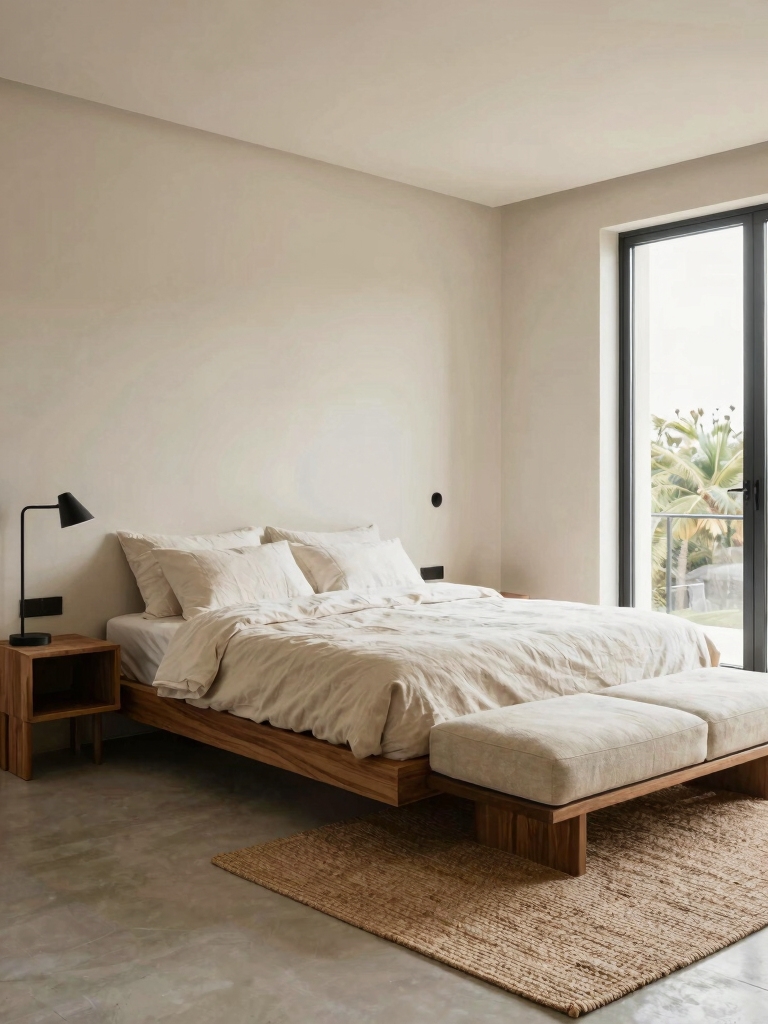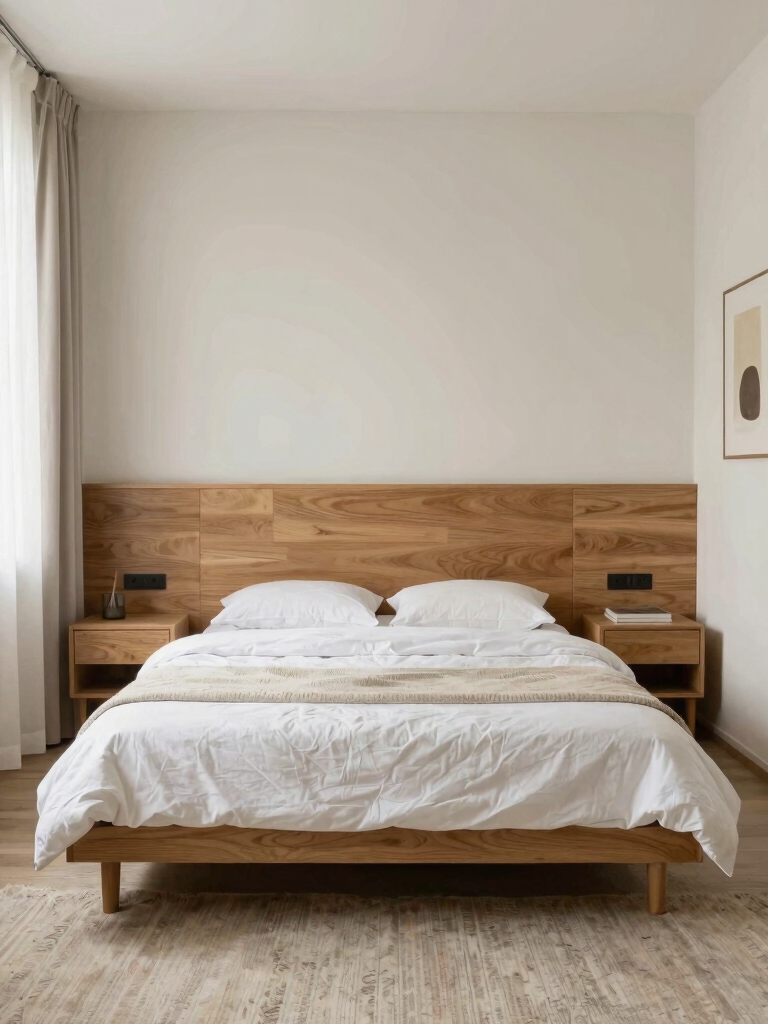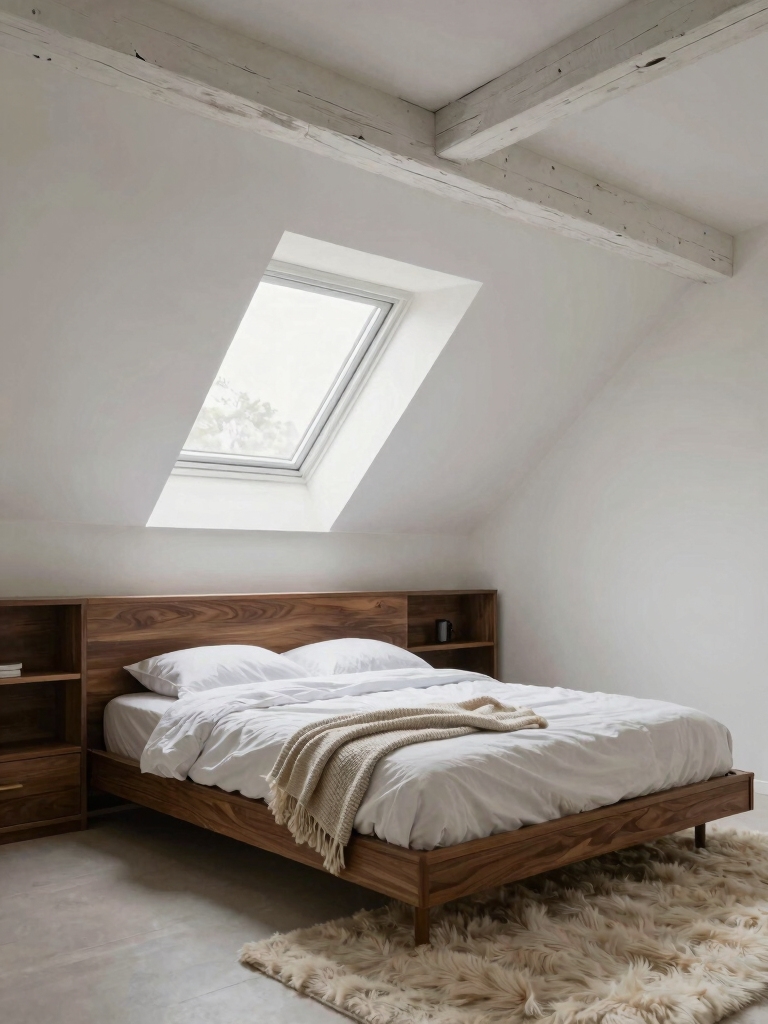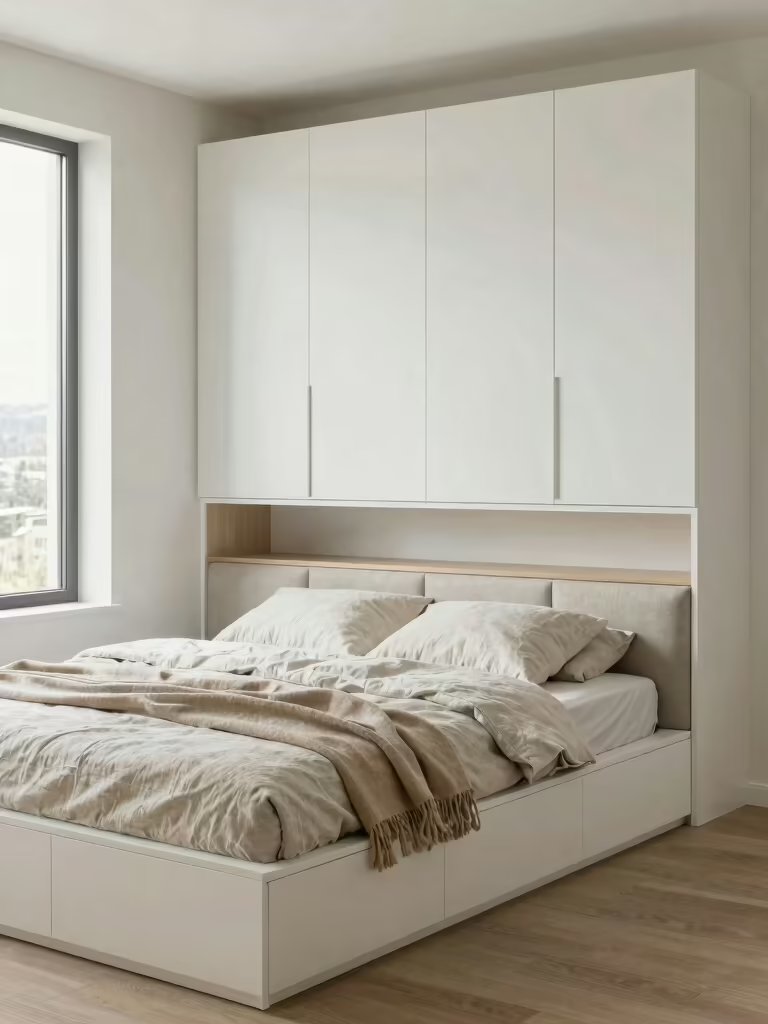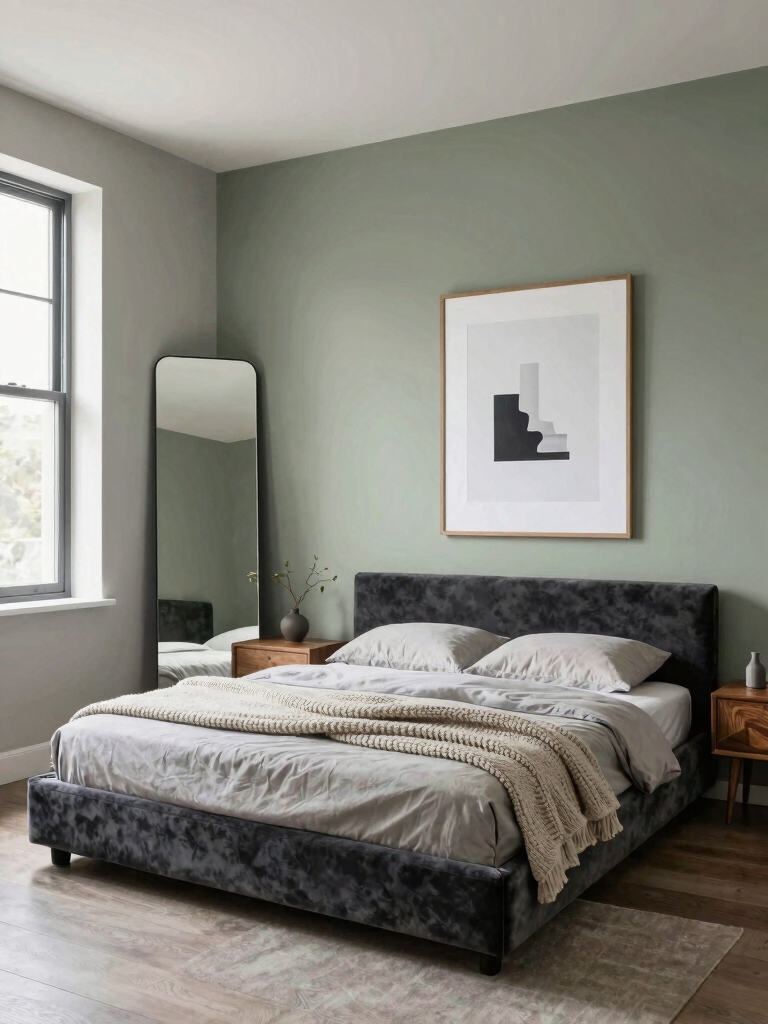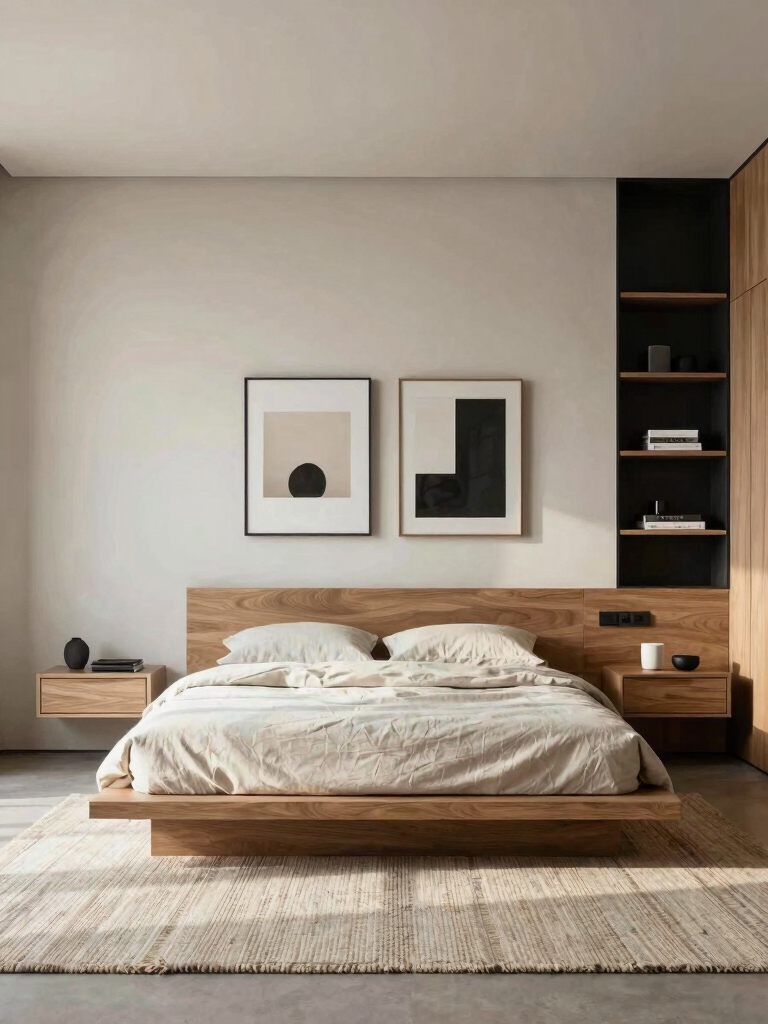
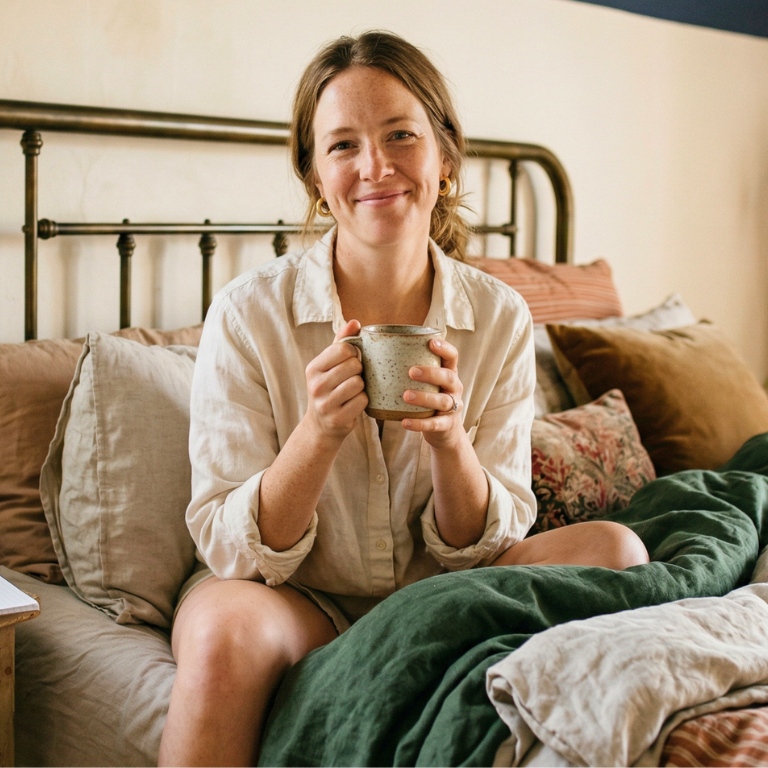
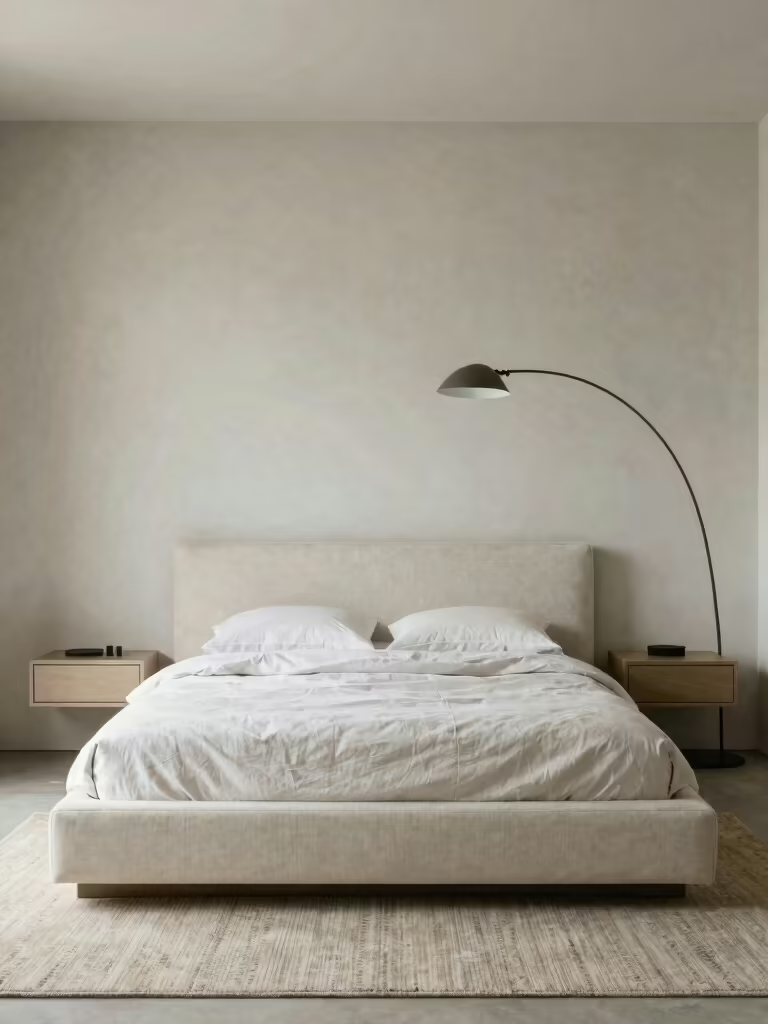
Picture the small bedrooms filling your feeds right now: a bed framed by floating shelves, a single big mirror catching the morning, every surface clear and calm. They look styled by a pro. Most of them aren’t.
These are the aesthetic bedroom ideas for small rooms taking over for a reason, the moves that actually transform a tight space rather than just decorate it. We’ll start with the layout and the bed, then work through storage, light, and the furniture that earns its keep. Each idea is renter-friendly, most cost little, and you can start tonight.
The Big Wins for a Small Room
- Get the bed placement right first; it sets the flow for everything else in the room.
- Pull storage off the floor and under the bed so the open space reads bigger.
- Bounce light with a large mirror and warm lamps to make a tight room feel airy after dark.
- Pick furniture that does two jobs, and keep its legs visible so the floor shows.
Maximize Every Inch of a Small Bedroom Space
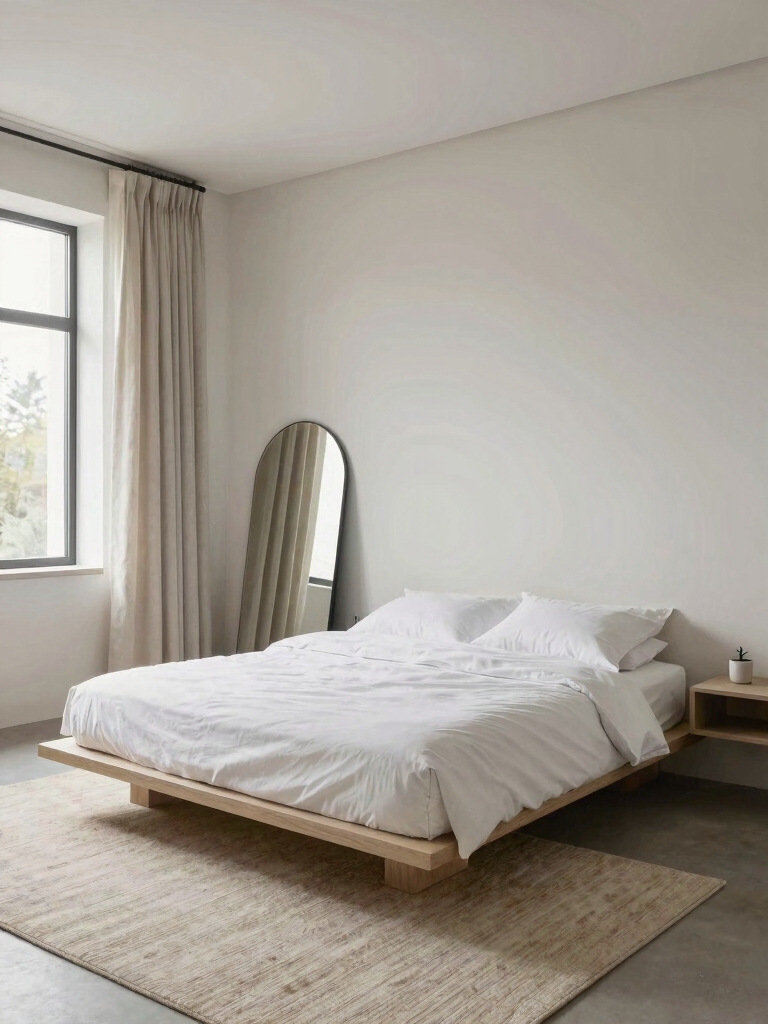
Making a small room work is less about cramming in clever products and more about a clear order of operations. I walk every tight space through the same quick sequence, and it keeps people from buying things that fight the room. Run these in order before you spend a dime.
- Clear and measure. Empty the floor in your head, note the real dimensions, and mark where outlets and the door swing land.
- Place the bed first. It’s the biggest object, so its spot decides the whole layout; everything else works around it.
- Free the floor. Send storage up the walls and under the bed so the open center of the room can breathe.
Measure Light, Goals, and Functionality First
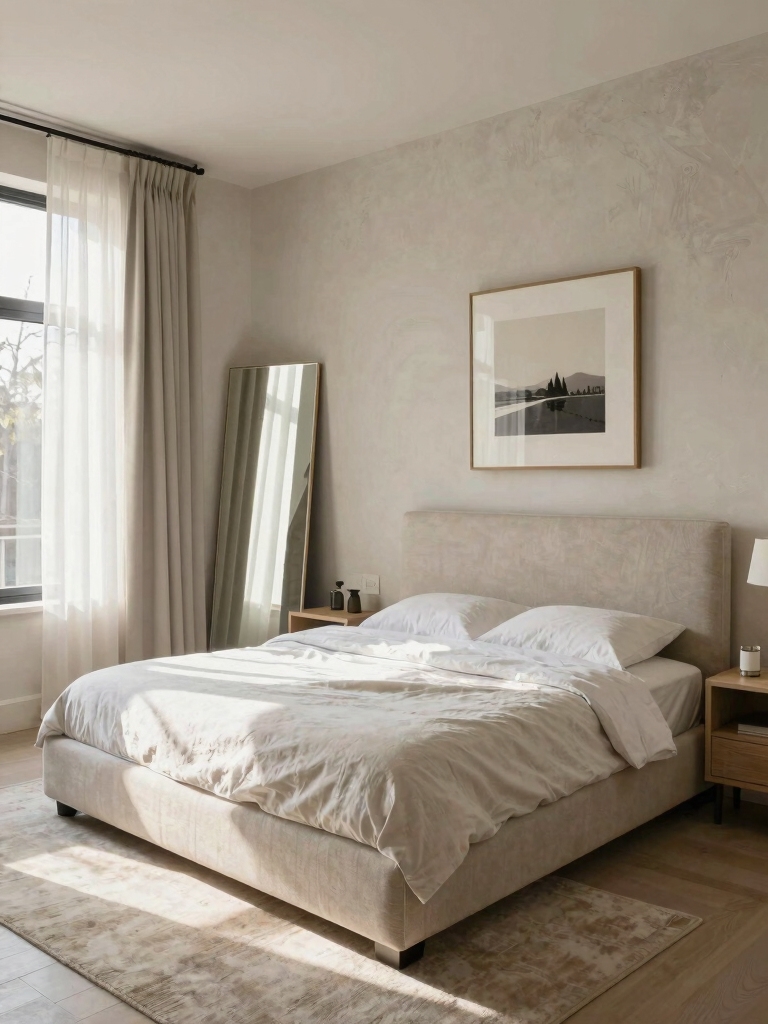
Before styling, spend ten minutes getting honest about how the room actually behaves. Watch where the daylight lands at morning and evening, because that tells you where the bed and a mirror want to go. Note the cold corners, the awkward radiator, the door that eats wall space.
Then name what the room must do beyond sleep: dress, work, store a season of clothes. A small room can’t do everything, so pick the two jobs that matter most and design for those. I’ve watched people lose half a tiny room to a desk they used twice; be ruthless about what earns the space. My [small-room layouts that feel big](bedroom-ideas-for-small-rooms-feel-big) go deeper on planning.
- Track the light for a day; place the bed where it’s calm and a mirror where it’s bright.
- List the room’s two essential jobs and protect those before any decor.
- Measure doorways and the ceiling height before buying tall storage, so nothing arrives too big.
The small-room myth I hear most often:
❌ Myth: Small rooms have to feel cramped.
✅ Reality: Cramped comes from layout and clutter, not square footage. The right bed placement and free floor can make a box room feel calm and open.
❌ Myth: Dark colors make a small room look bigger.
✅ Reality: A light, warm palette bounces daylight and reads more spacious. Save deep tones for a single accent so the room stays airy.
Space-Saving Bed Arrangements That Open the Floor
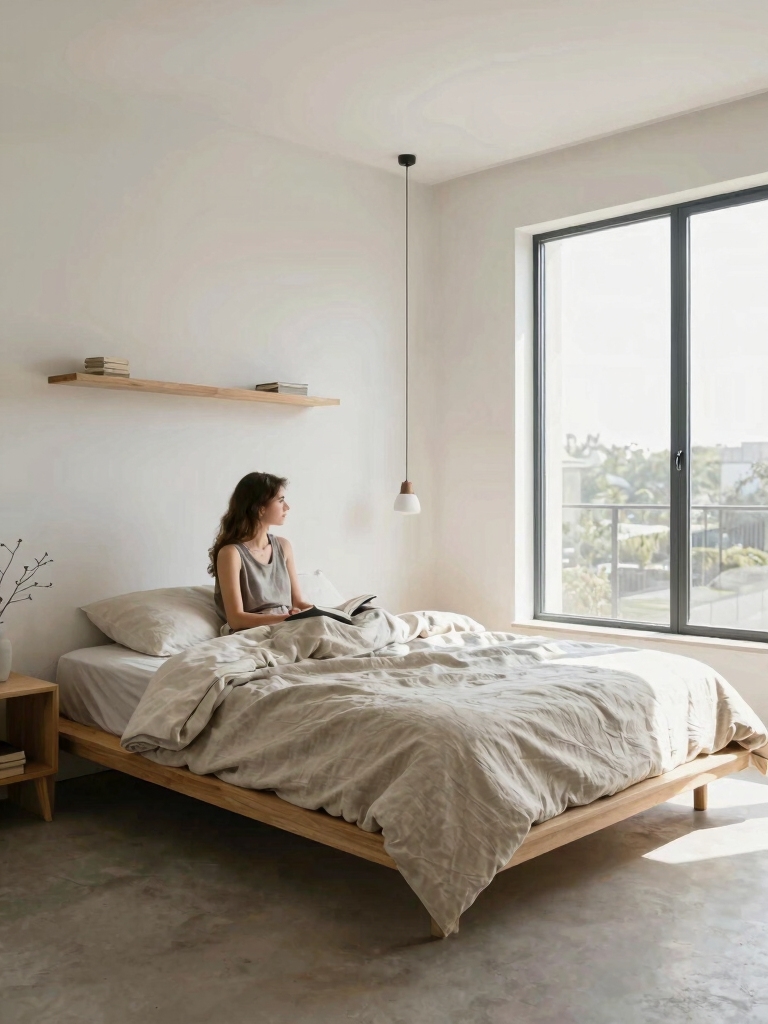
The bed is the anchor, and where you put it makes or breaks a small room. Pushing a bed lengthwise against a wall frees a clear walking path and opens up the center, which instantly makes the room feel larger. In a really tight space, tucking the head into a corner can claim back a surprising amount of usable floor.
Match the frame to the footprint, too. A platform bed with a low profile keeps sightlines open, and one with built-in drawers turns the space under you into a dresser. I keep at least 24 inches of clear floor on the main side so the room never feels boxed in. For more arrangements, see my [bedroom layout ideas for small rooms](bedroom-layout-ideas-for-small-rooms).
- Place the bed lengthwise along a wall to open a clear path through the room.
- Choose a low platform or storage bed ($150 to $400) to keep sightlines low and gain drawers.
- Skip the footboard in a tight room; an open foot makes the floor feel longer.
Clutter-Free, Stylish Storage Solutions
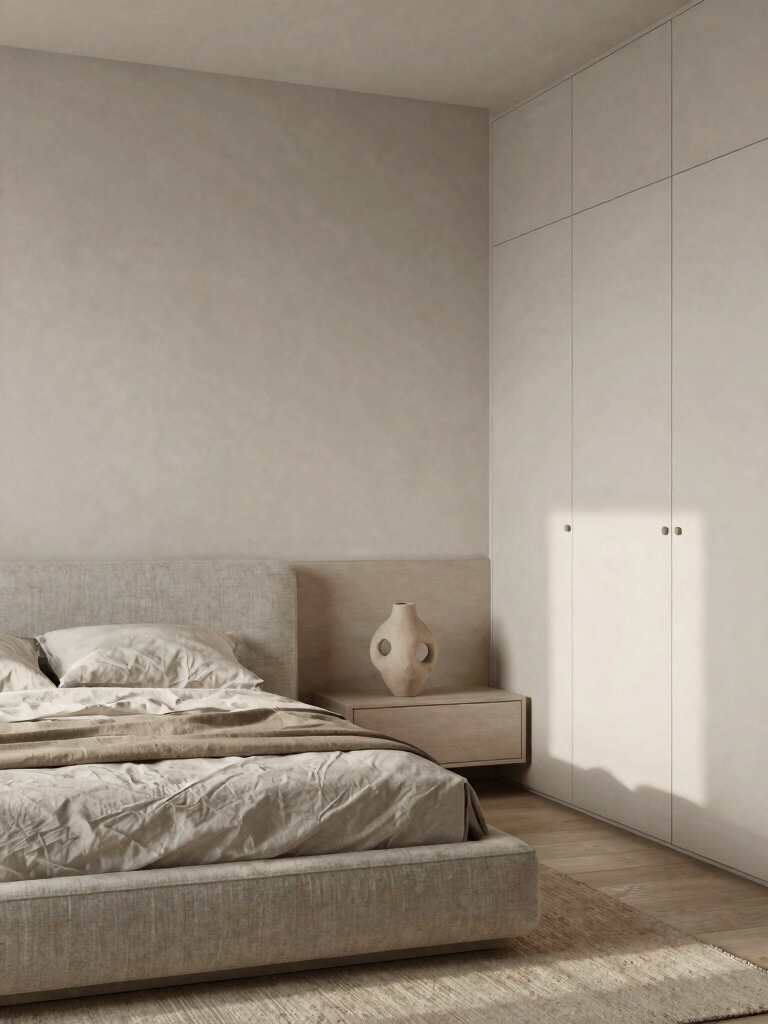
Good small-room storage hides in plain sight, doing its job while looking like part of the decor. The wins are the spots people forget: the wall above the door, the back of the door itself, the dead space under the bed. Used together, these can swallow a whole closet’s worth of overflow.
Keep the look calm by containerizing. Matching baskets on open shelves, lidded boxes for cords, and labeled bins inside the closet turn visible chaos into quiet order. A set of under-bed bins runs $15 to $50, and an over-door organizer adds storage for the cost of lunch. My [storage ideas that beat clutter](bedroom-storage-ideas-clutter) cover systems that actually hold up.
- Mount a shelf above the door for books and rarely-used items; it’s wasted space everywhere else.
- Use matching baskets so open shelving reads tidy instead of busy.
- Add hooks behind the door for bags, robes, and tomorrow’s outfit.
📋Small-Room Furniture Checklist
- ✓A low platform or storage bed with drawers underneath
- ✓A tall, narrow chest instead of a wide dresser
- ✓An ottoman or bench that opens for hidden storage
- ✓A wall-mounted or fold-down desk if you need to work
- ✓A slim, leg-up nightstand or a floating shelf by the bed
Space-Saving, Multi-Functional Furniture That Pulls Double Duty
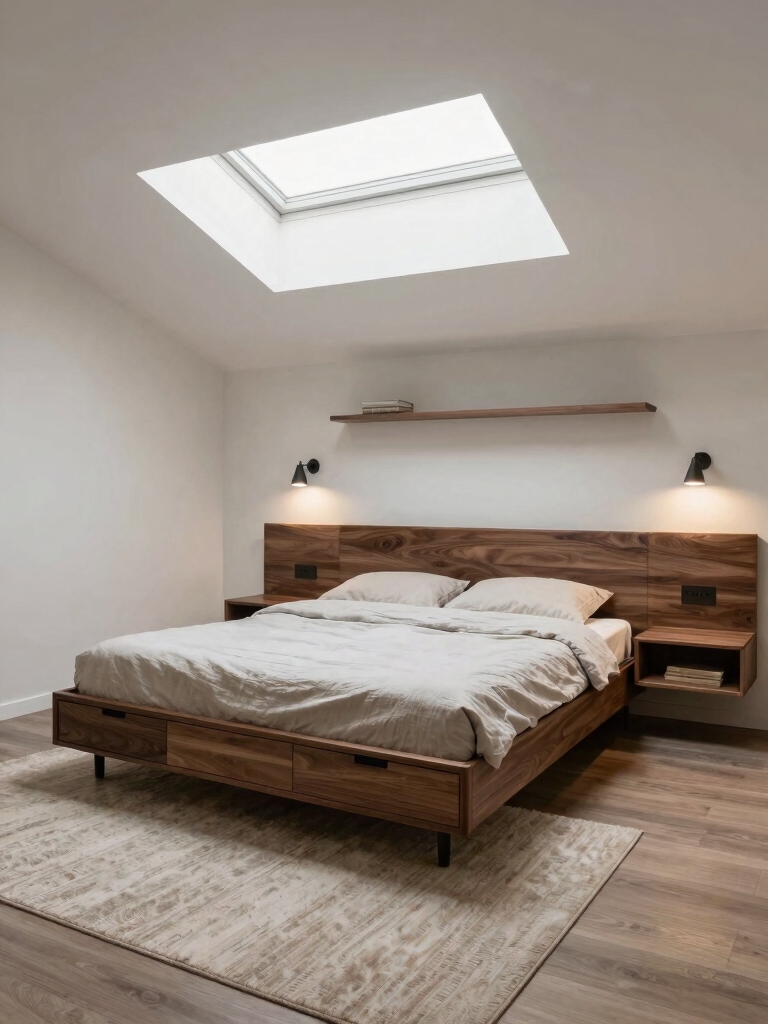
In a small room, single-use furniture is a luxury you can’t afford, so every piece should hold a second job. An ottoman that opens for storage, a nightstand with a drawer, a slim bench that seats and stows: these quietly do the work of two pieces while taking the floor of one. That’s how a modest budget furnishes a whole room.
The Pieces That Pay Off Most
Think vertical and visible. A tall, narrow chest stores more in less floor than a wide dresser, and pieces with exposed legs let light travel underneath so the room feels open. A wall-mounted fold-down desk gives you a workspace that disappears when you’re done with it.
Hunt secondhand for the bigger items. A solid wood storage bench or a slim chest shows up on local resale all the time for a fraction of retail, and the older wood only adds warmth. The checklist below covers the pieces that pay off most in a tight room.
Color and Light Tricks That Make Small Feel Big
Color and light do the heavy lifting once the furniture is sorted, and they’re the cheapest tools you have. Keep walls, trim, and curtains in the same light, warm family so the corners blur and the ceiling feels higher. A coat of soft white runs $30 to $50 in paint and can change a dim box into an airy one in an afternoon.
Mirrors multiply whatever light the room gets. Hang one large mirror across from the brightest window and the space borrows both the view and the glow, which adds real depth. A 24-by-36-inch mirror runs $40 to $150, and a mirrored closet door does the same job for free if you already have one.
Once the sun is down, give the room two or three pools of warm light instead of one bright fixture overhead. A lamp by the bed and a small glow on a shelf turn a cramped box into a calm, settled space. For placement help in tight spaces, see my [bedroom lighting ideas for mood](bedroom-lighting-ideas-mood).
Zoning and Texture Without the Crowding
Even a tiny room feels richer when it has gentle zones, and you can create them without walls or bulky dividers. A small rug under a chair marks a reading corner; a curtain on a tension rod hides a wardrobe alcove; a low shelf quietly separates sleep from work. These cues organize the space while the floor stays open.
Texture is what keeps a small, light room from feeling flat. Layer a few weights, a waffle throw, a linen pillow, a jute rug, so the eye finds depth without any loud color or pattern crowding the space. Restraint is the whole game here, since a tight room shows clutter fast.
Keep personal touches edited to a small, meaningful group. A handful of framed photos on one wall, a single plant, one object with a story: these warm the room more than a dozen scattered trinkets. For curated inspiration, my [aesthetic bedroom ideas worth stealing](aesthetic-bedroom-ideas-worth-stealing) lean into this less-is-more approach.
Budget Order: Where to Spend on a Small Room
When the budget is tight, the order you spend in matters as much as the total. I’d put the first money toward light and paint, since a coat of warm white and a couple of warm bulbs change the whole room for well under fifty dollars. That’s the highest return per dollar a small space offers, and it sets the stage for everything else.
Next comes the one piece that frees the most floor, usually a storage bed or a tall, narrow chest. Buy this secondhand if you can, because solid wood at resale prices stretches a small budget and lasts for years. One well-chosen, double-duty piece does more for a tight room than a cart of small accents ever will.
Save the decorative layer for last and keep it cheap. Baskets, a single mirror, a rug, and a few framed photos finish the room, and they look just as good from a thrift store as from full price. Spend where it changes the function, stretch your dollars on the rest, and the room comes together looking far more considered than the receipts suggest.
Maintenance & Care for a Small Room
A small room shows mess the moment it appears, so the upkeep is mostly about staying ahead. A two-minute reset each night, clearing the one open surface and returning strays to their bins, keeps the calm you built. Wash and rotate bedding every two to three weeks, and vacuum the rug weekly so the pile stays soft underfoot.
Once a season, edit again. Pull anything you haven’t touched, swap a textile or two to mark the weather, and check your storage is still earning its footprint. In a small room this habit pays back fast, because every item that leaves hands you back floor you can actually feel.
Small-Room Bedroom Questions, Answered
?Where should the bed go in a small room?
Push it lengthwise along a wall to open a clear walking path, or tuck the head into a corner in a very tight space. Place it where the light is calm, and keep about 24 inches of floor clear on the main side.
?What’s the fastest way to make a small bedroom feel bigger?
Lighten the walls, free the floor with under-bed and vertical storage, and hang one large mirror opposite the window. Those three moves add the most space for the least money.
?What furniture should I avoid in a small bedroom?
Skip wide, floor-hugging dressers, bulky footboards, and single-use pieces. Choose tall, leggy, double-duty furniture instead so the floor shows and storage stays generous.
?Can a small bedroom still have a workspace?
Yes, if you keep it light. A wall-mounted fold-down desk or a slim console that doubles as a nightstand gives you a work surface without claiming permanent floor space.
?How do I keep a small bedroom from feeling cluttered?
Give every daily item a closed home, keep one surface clear, and do a two-minute reset each night. In a tight room, editing is an ongoing habit more than a one-time purge.
Your Small Room Has More in It Than You Think
The small bedrooms taking over your feed aren’t winning on size; they’re winning on smart placement, free floor, and warm light. Get the bed right, send storage up and under, lighten the palette, and add a mirror, and a tight room starts to feel like a retreat. None of it needs a contractor or a big budget.
Save the one idea that solves your biggest frustration and try it this week. You’ll be surprised how much room was hiding in there all along.