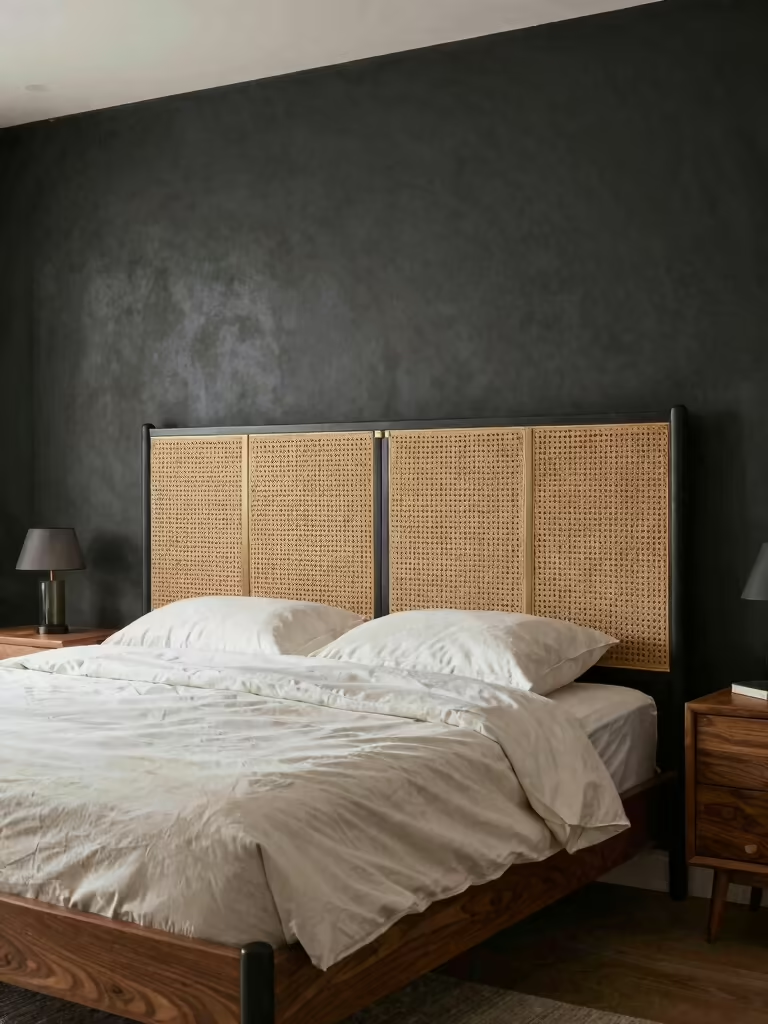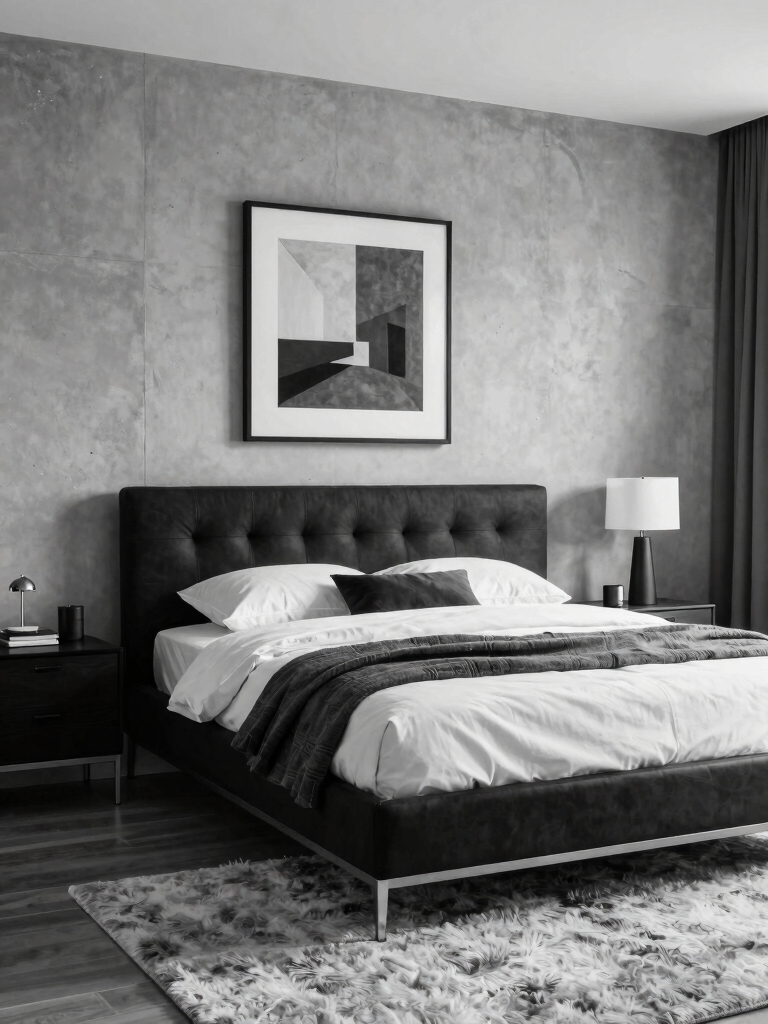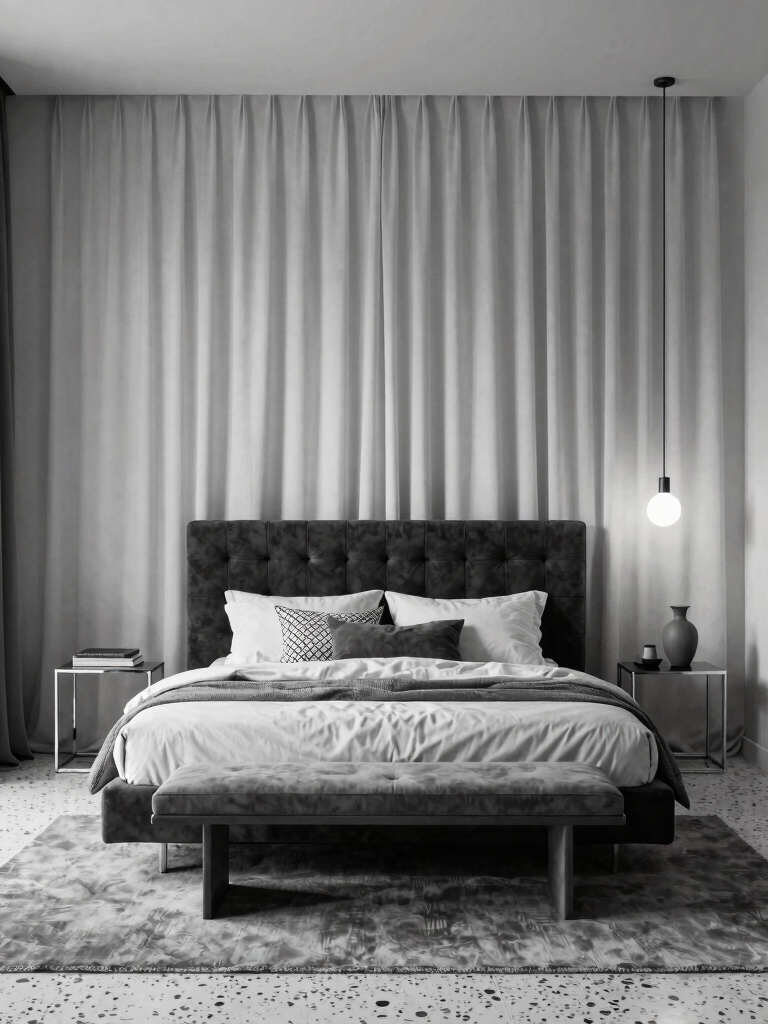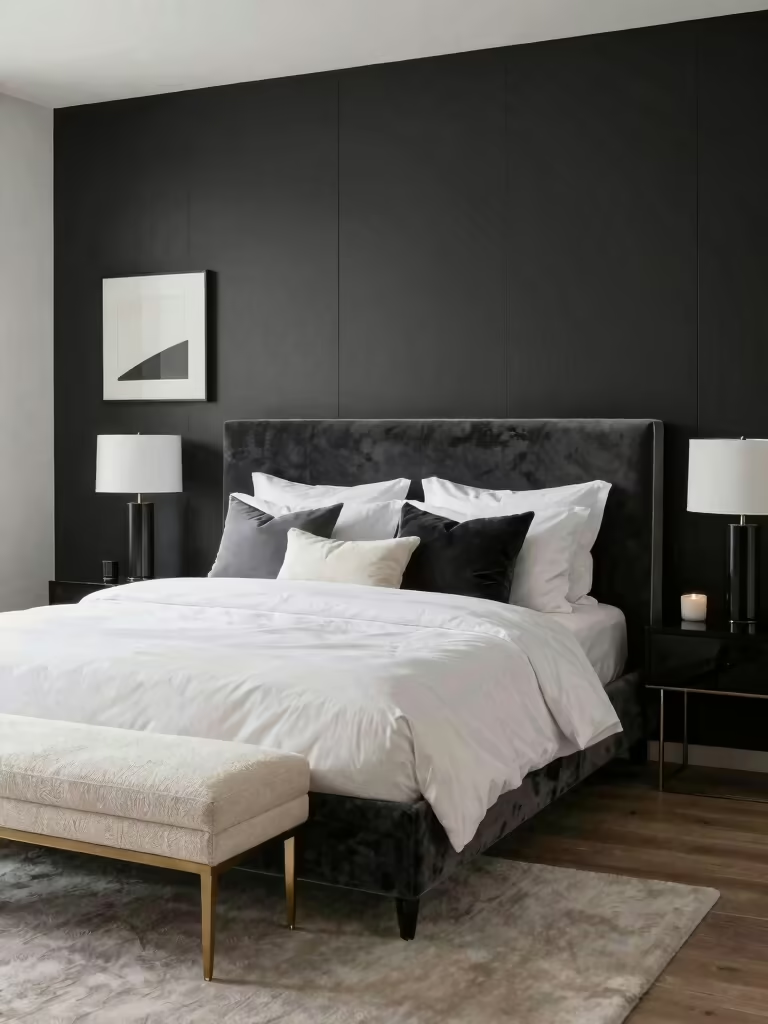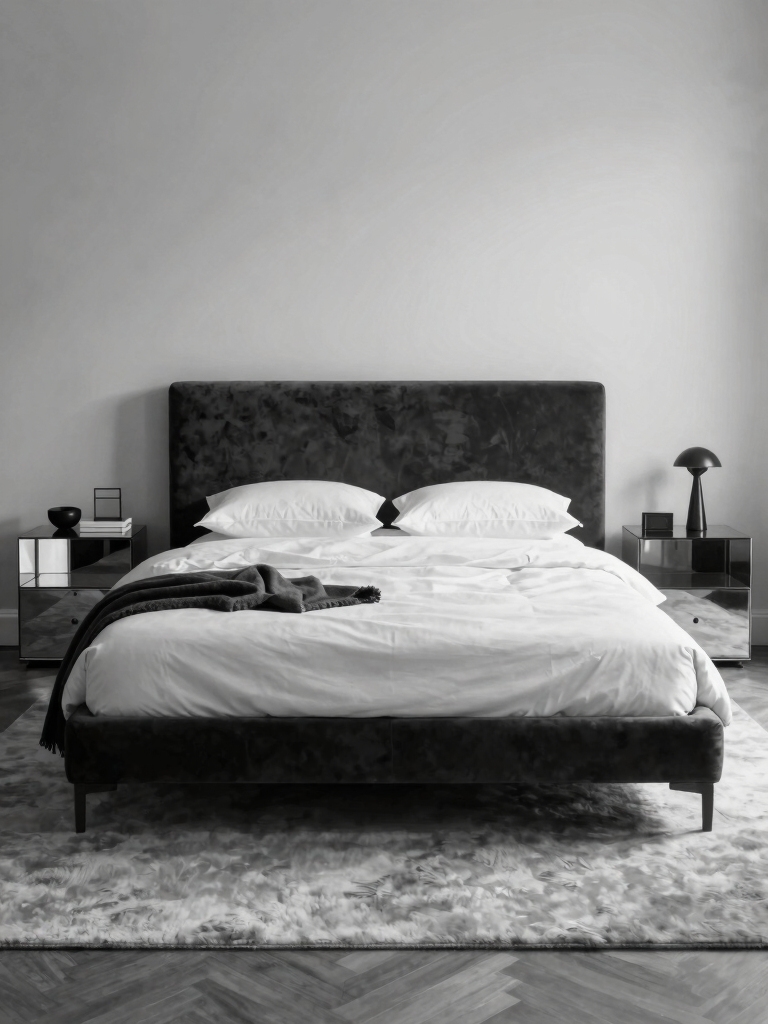

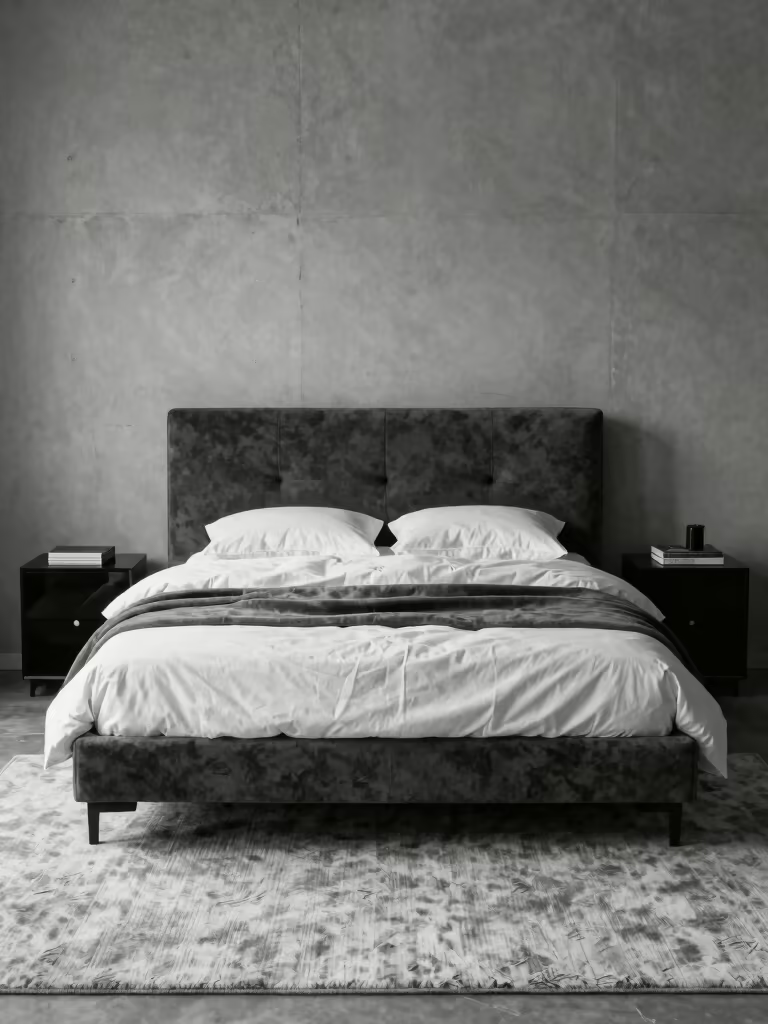
Monochrome bedrooms feel timeless because black, white, and gray pair so effortlessly while still playing with texture and light. I mix bold anchors with airy neutrals, using one strong pattern and plenty of tactile fabrics like knits and linen to add warmth. Layered lighting, glossy and matte finishes, and a single mirror or two keep the space bright without shouting. If you keep exploring, you’ll uncover more practical tricks to elevate your own chic, balanced retreat.
Why Monochrome Bedrooms Feel Timeless
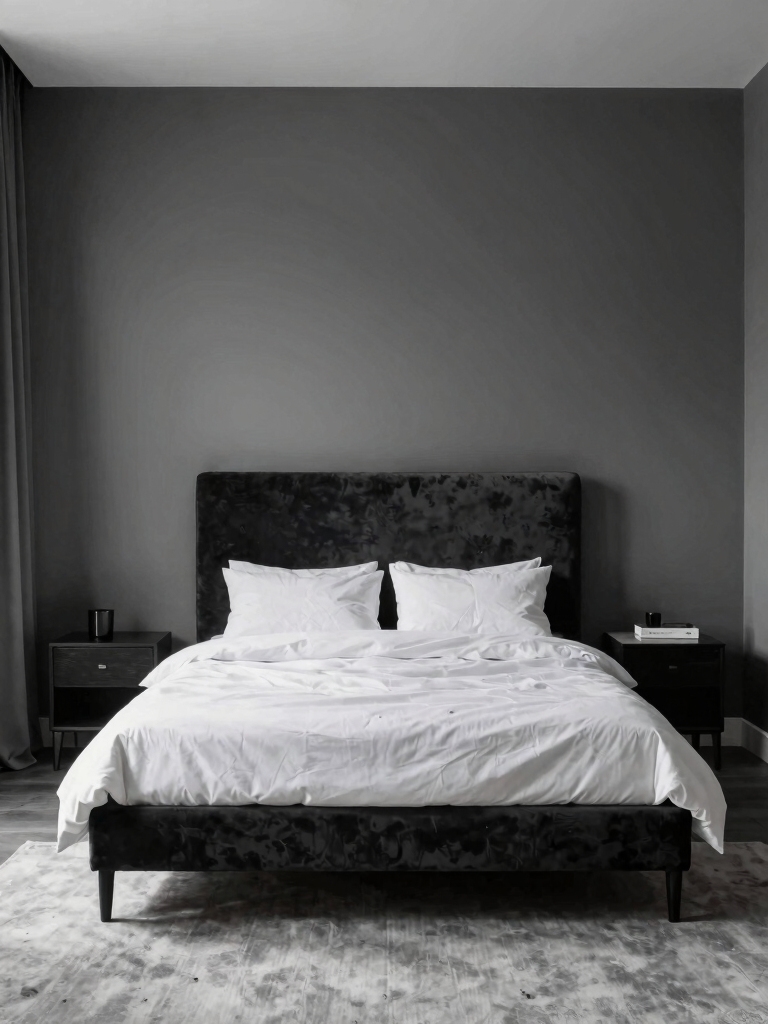
Monochrome bedrooms feel timeless because they strip the room down to its essentials: clean lines, high contrast, and a calm, cohesive mood.
I love how simplicity invites focus—textures, light, and silhouettes take center stage.
I suggest pairing matte walls with glossy accents, add warm lighting, and choose adaptable fabrics.
Less clutter equals a timeless, effortlessly chic sanctuary you can grow with.
The timeless black and white bedroom aesthetic creates a striking yet serene atmosphere that many find endlessly inspiring, embodying aesthetic heaven in interior design.
Building a Balanced Black, White, and Gray Palette
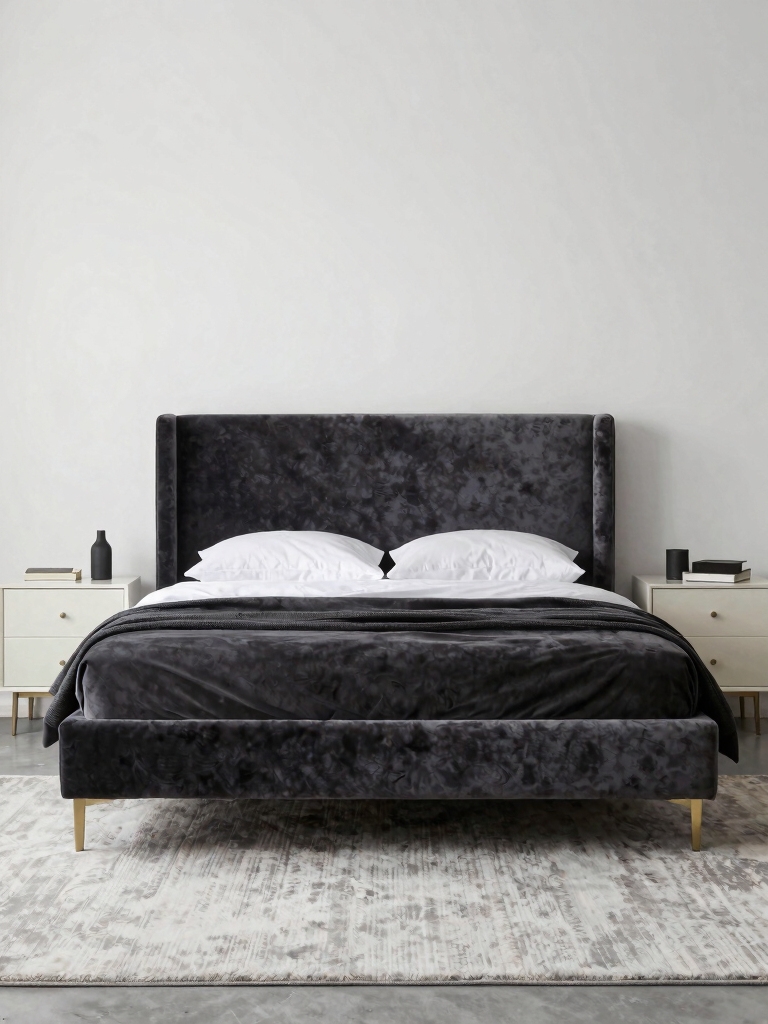
A balanced black, white, and gray palette starts with a simple rule: let the scale and texture do the heavy lifting.
I mix bold anchors with airy neutrals, then weave contrast through lighting, furniture shapes, and floor decisions.
Keep metals and woods restrained, test swatches in room lighting, and adjust until shadows feel intentional, not accidental.
Incorporating a black and white aesthetic is essential for achieving a minimalist-approved look that feels both modern and timeless.
Warmth Through Tactile Textures and Textiles
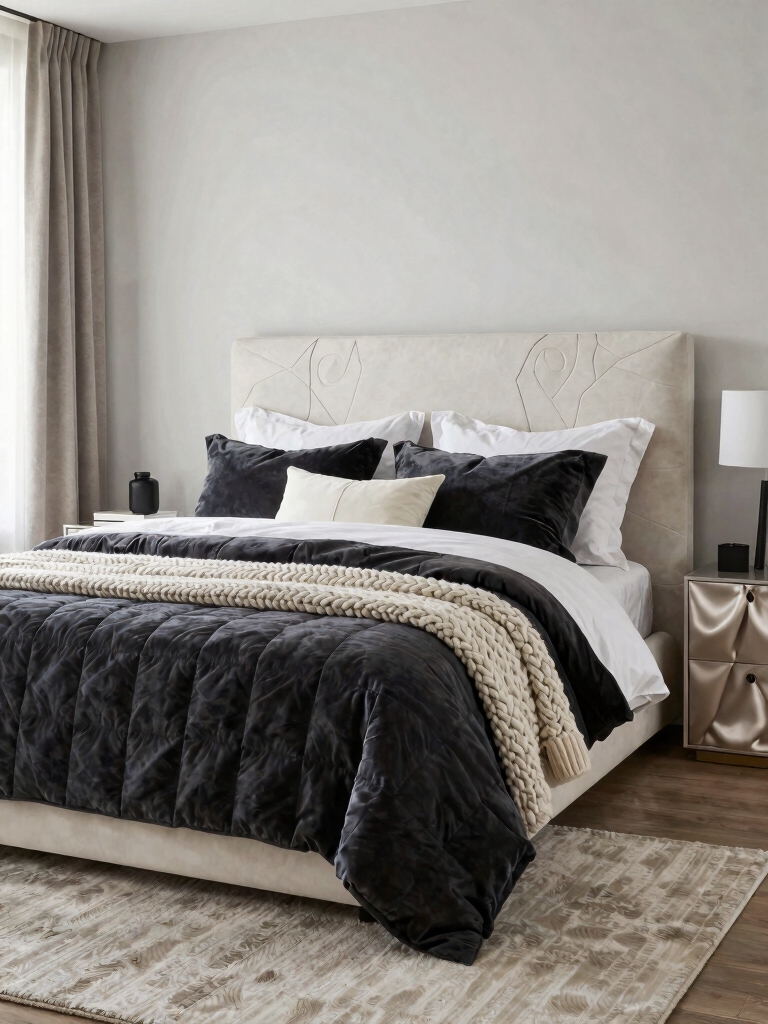
Texture is the secret sauce that makes a bedroom feel warm and lived-in, even in a cooler palette.
I reach for dense, breathable textiles—knits, boucles, and brushed cotton—that invite touch without overheating.
Layer a charcoal throw, woolen rug, and tactile bedding to add depth.
Small details matter: seams, weaves, and fringe elevate chic comfort with practical flair.
Incorporating black, white, and grey tones creates an elegant and timeless backdrop that enhances these textures beautifully.
Layering Depth With Measured Pattern Mixing
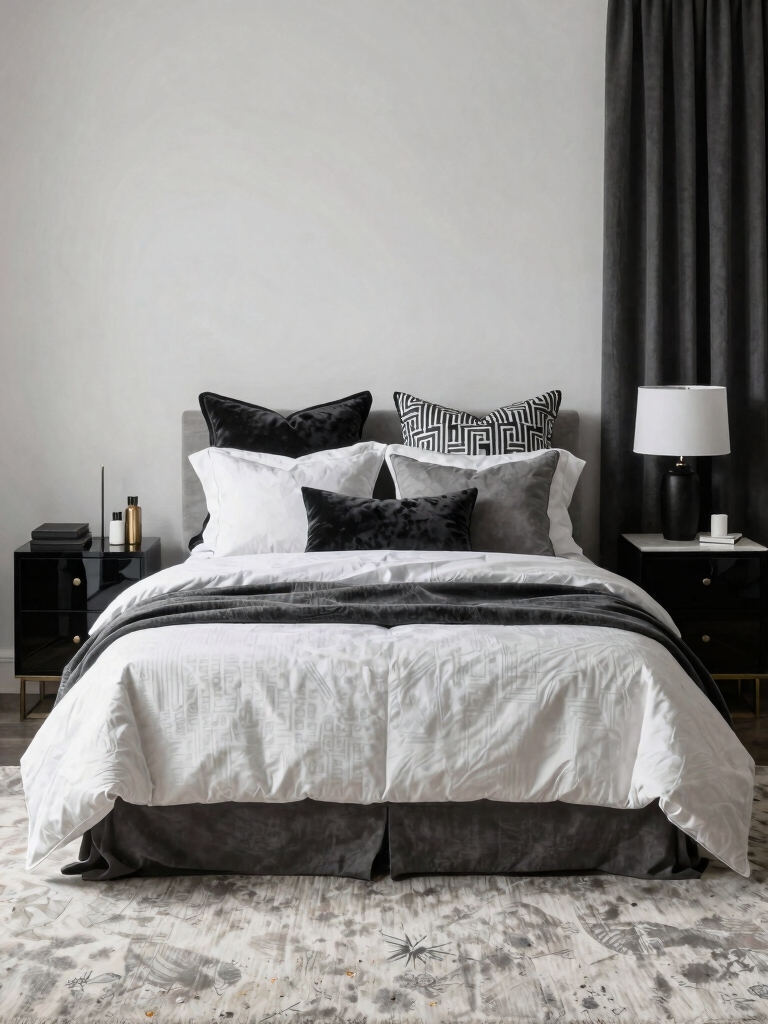
I love mixing patterns in layers that feel intentional, not chaotic, so you get depth with every glance.
I’ll show you how to pair a calm base with a bolder accent and then add a secondary texture for contrast, all while keeping the room balanced.
Together, we’ll explore how layered patterns harmonize and how contrasting textures add tactile interest without overpowering the space.
Using black and white in a small bedroom can create the illusion of more space, making the room feel open and airy through maximized visual contrast.
Layered Pattern Harmony
- Vary pattern scales across textiles for visual cadence.
- Repeat a favorite motif in cushions, blinds, and rug.
- Use a unifying color from your monochrome palette.
- Reserve bolds for accents to avoid overwhelm.
Contrasting Textures Play
Layering depth in the bedroom means mixing textures that feel tactile without overwhelming the space.
I’m guiding you to contrast surfaces—sleek linen with chunky knit, satin with weave—so pattern plays without shouting.
When you mix scales, keep a neutral base, add one or two bold accents, and test lighting.
The result stays chic, inviting, and genuinely livable.
Setting the Mood: Lighting That Flatters Monochrome
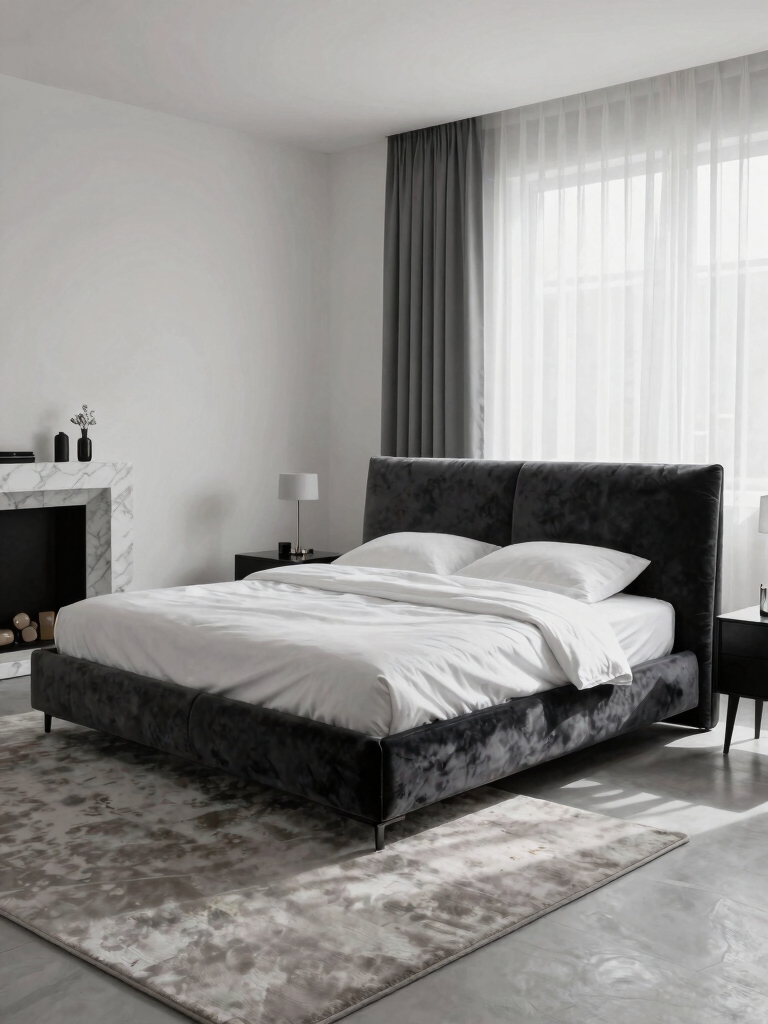
I’m choosing lamps that layer soft light and shadows, so monochrome feels warm rather than stark.
I’ll play with warm dimmers and adjustable sconces to control the mood, using contrasts to highlight textures.
Together, we’ll fine-tune glow and shade to balance drama with calm.
Incorporating elements of Chic Black and White Bedroom Inspiration helps create a timeless and elegant atmosphere in apartment living.
Layered Lamps And Shadows
Layered lamps do more than brighten a room—they sculpt mood.
I guide you through subtle shadows, soft glows, and monochrome calm, keeping humor handy and details useful.
We’ll layer light sources for depth, not glare, and finish with a cohesive vibe.
- Use varying heights
- Mix warm and neutral bulbs
- Place lamps by art and seating
- Dim for film-friendly evenings
Contrast Controls For Mood
From the layered lighting we just explored, the next step is to tune contrast so monochrome rooms feel alive, not flat.
I balance brightness with shadows, using dimmers and warm bulbs to soften edges, then punch highlights with white decor for sparkle.
Subtle contrast guides mood, keeps the space inviting, and never frenetic—making every monochrome moment feel intentional and chic.
Adding a Single Bold Accent Without Chaos
When you want one bold accent without tipping into chaos, start with a single, confident choice and keep everything else calm and quiet.
I’ll guide you lightly, with practical steps that stay chic.
- Pick one color pop
- Limit accessories to essentials
- Choose a statement piece
- Tie textures to a shared hue
Black, white, and grey bedroom ideas are trending fast as a timeless way to achieve a chic and sophisticated look with minimal effort, making it easy to incorporate bold accents.
Deepening Interest With Material Choices
I love mixing textures, from plush velvets to crisp wovens, to keep the bed feeling inviting yet structured.
I’ll compare finishes—matte walls with a glossy nightstand, or warm brass with cool ceramic—so the eye moves intentionally.
Incorporating elements like wood can add a layer of natural warmth that balances the monochrome palette beautifully.
Material Texture Play
Texture is where personality hides in plain sight, so let’s play with materials until the room feels alive.
I love mixing tactile layers that stay timeless: soft felts, crisp linens, matte woods, and subtle metals.
Here’s how:
- Pair a wool rug with cotton bedding
- Contrast satin pillows on a velvet headboard
- Layer a leather bench against linen drapes
- Hidden insulation behind paneled walls for coziness
Contrast With Finishes
Finishes are where the room truly comes alive, so I love how a few purposeful contrasts can sharpen color and mood without shouting.
I mix matte paints with glossy accents, and swap soft oak for cool concrete where it won’t overwhelm.
The trick is balanced shine, finger-safe textures, and timeless neutrals that let black, white, and grey pop with confidence.
Layering Surface Weights
- Velvet throws add warmth.
- Linen upholstery softens lines.
- Marble accents sharpen contrast.
- Wood floors ground the palette.
Designing a Serene Sleeping Nook in Soft Neutrals
Soft, soft neutrals invite calm, so I start by peeling back distractions and letting a pale palette set the mood for your sleeping nook.
I layer warm whites, greiges, and blush hints, choosing simple textures that feel cozy.
Add low lighting, a snug mattress, and breathable linens.
Keep lines clean, balance contrast softly, and let serenity guide every mindful detail.
Incorporating black, white, beige, and grey tones can enhance the cozy warmth while maintaining an elegant neutrality.
Creating Drama With High-Contrast Details
High-contrast details are where bedroom drama gets its punch, and I love using a bold focal moment to draw the eye without overpowering the room.
I share crisp choices that keep balance intact.
- Pair a charcoal wall with white accents
- Use a glossy black headboard against matte bedding
- Add metallic touches for sparkle
- Limit patterns to one strong motif
Incorporating elements from stylish black and white bedrooms can elevate the cozy yet chic vibe effortlessly.
Keeping It Cozy: Natural Fibers and Wood Tones
I love how natural fibers feel—soft textures, breathable warmth, and a subtle, lived-in vibe.
I’ll pair plush cottons or linen with warm wood tones to keep the room inviting without shouting.
Let’s explore simple swaps and practical tweaks that bring cozy comfort to life.
Incorporating grey and wood elements together can truly embrace natural warmth and create a soothing bedroom atmosphere.
Natural Fiber Texture
Natural fiber textures instantly warm a room, inviting you to touch and feel the coziness.
I’ll keep it simple: you’ll notice softer surfaces that invite relaxed days and calmer nights.
Here are easy ideas:
1) Layered throws from cotton or hemp
2) Woven sisal rug underfoot
3) Linen drapes that breathe
4) Jute storage baskets for texture and function
Warm Wood Accents
I pair maple floors with ash bedside tables, keeping lines clean and warm.
I’d mix warm finishes with cool textiles to balance contrast, and I suggest woven headboards for texture.
Practical tip: seal wood to reduce glare, then add plants for life.
Comfort meets simple, stylish grounding.
Monochrome Strategies for Small Spaces
Monochrome schemes can make a small bedroom feel bigger by focusing on one clean, unbroken color story.
I share practical tweaks that keep the look crisp and cozy, no fluff. Ready?
1) Choose a dominant shade and tint variations
2) Use high-contrast accents sparingly
3) Embrace texture for depth
4) Reflect light with mirrors and glossy surfaces
Subtle Metallics for a Modern Edge
Subtle metallics bring a modern edge without shouting—think champagne-brass accents, brushed nickel hardware, and powdery gold highlights that catch the eye without overpowering the room.
I mix one or two gleaming touches with matte neutrals, so reflections feel intentional, not busy.
Choose practical details: a single mirror, slim lamp, and hardware updates that elevate without stealing the scene.
Maximizing Texture in Bedding and Upholstery
Texture is the secret sauce that makes bedding and upholstery feel inviting, not flat.
I’ll show you how to layer touch, color, and pattern without crowding your space. Here are quick, practical ideas:
- Mix velvet, cotton, and linen for depth
- Use a tonal quilt with varied weaves
- Add a tactile throw in a contrasting fiber
- Choose pillow fronts with different textures
Art and Decor That Read as Grayscale
I choose pieces with clean lines, varied textures, and bold silhouettes to create depth without loud hues.
You’ll notice how a charcoal frame, a soft charcoal rug, or a white-on-gray print can anchor a room, keeping everything cohesive, calm, and endlessly chic.
Maintenance Tips to Keep a Fresh Monochrome Look
Keeping a fresh monochrome look means a little routine goes a long way: I start by wiping down surfaces weekly with a microfiber cloth and a gentle, pH-neutral cleaner so dust and fingerprints don’t dull the contrast.
- Vacuum regularly to lift lint and stray hairs.
- Wipe mirrors after showers to prevent streaks.
- Rotate textiles to prevent wear marks.
- Air out daily for a crisp, clean feel.
Real-World Monochrome Bedroom Makeovers You Can Imitate
We’ve seen monochrome living rooms nail it with bold contrasts, and the same magic translates beautifully into bedrooms.
I’ve DIY’d small updates: swap hardware, layer charcoal throws, add a single statement black lamp, and keep white bedding pristine.
Use varied textures—linen, velvet, wood—to prevent flatness.
Imitate real-room tweaks, not perfection, and trust practical, room-tested choices over fads.
Conclusion
I’ve seen how black, white, and gray, like a quiet violin, can carry a room with surprising sway. So here’s the takeaway: lean into texture, let soft, tactile fabrics do the talking, and sprinkle just enough pattern to whisper—not shout. A well-balanced monochrome bedroom isn’t cold; it’s a warm, adaptable stage for rest, dreams, and daily rituals. Trust the rhythm, embrace the glow, and make the grayscale your chic, soothing anchor.