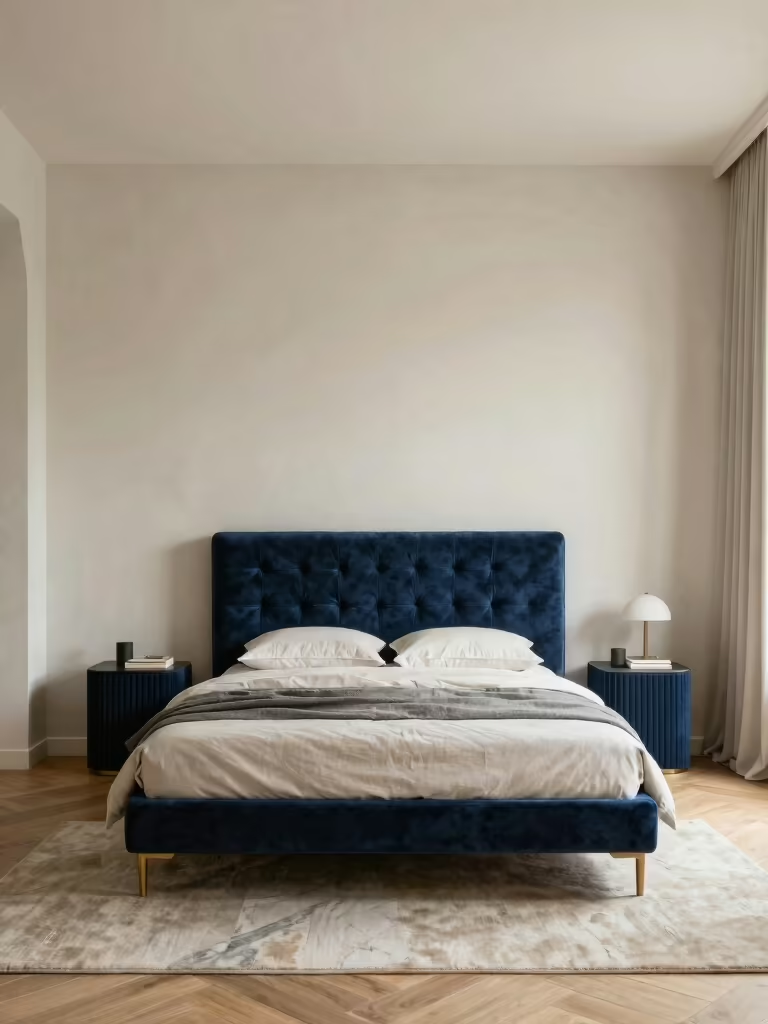


A dreamy bedroom is something you feel before you analyze it. The light is soft on your skin, the bedding gives a little when you sit, the air smells faintly of something warm. That sensory hit is the whole difference. A photo captures the look; only your skin and shoulders register the feeling of a real dream room.
So these bedroom aesthetic ideas chase the feeling, not just the look. We’ll work through the textures, the light, and the small sensory details that make a room melt into comfort, with the rough cost for each. It’s less about a shopping list and more about the things your hands, eyes, and shoulders register the moment you walk in.
What Makes a Room Feel Dreamy
- Lead with touch: layered, varied-weight textures are what your body registers first.
- Keep the light soft and warm at a few low heights so the room glows instead of glares.
- Hold the palette calm and tonal so nothing in the room jars you awake.
- Add a quiet sensory layer, scent and softness, that you feel without quite noticing.
A Calm, Balanced, Textured Sanctuary
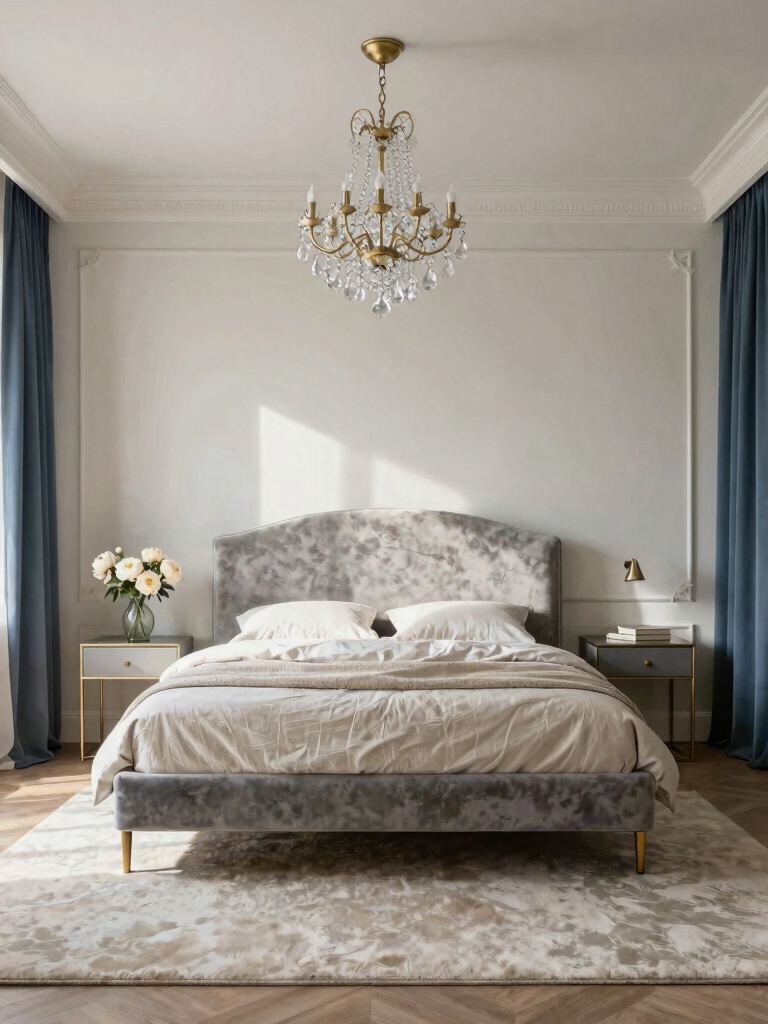
A dream bedroom feels balanced, which is a quiet thing you sense more than see. Nothing competes. Nothing jars. Every surface invites you to slow down and let your shoulders drop the moment you cross the threshold. Getting there is less about buying and more about tuning the room until it feels settled. These are the moves that set that calm, sensory baseline.
- Keep the palette tonal and low-contrast so the eye relaxes the moment you walk in.
- Mix textures at different weights so there’s something soft to land on everywhere.
- Clear one surface on purpose, since a little empty space is what lets the room breathe.
Dreamy Color Palette Selection
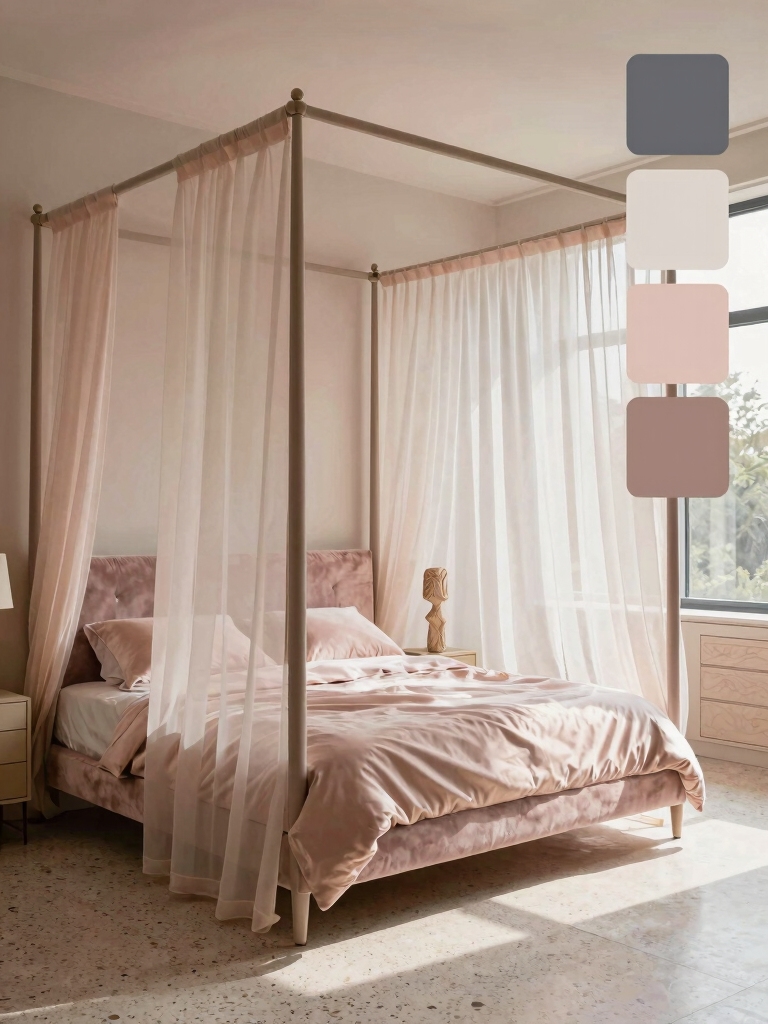
Color sets the dream’s mood. The dreamiest palettes run soft, hazy, and a little undefined, the kind of tones you can’t quite name in the morning half-light. Think muted creams, dusty pastels, foggy grays, the gentlest blush or sky. These low-saturation tones blur together instead of snapping sharp, which gives a dream room its soft-edged feeling.
Keep the contrast low so the whole room reads like one gentle wash. Pick a soft base and a couple of close companions, and let texture rather than bold color do the interest. A tester at night tells you whether a tone stays soft or turns flat under lamplight. For combinations built for that hazy calm, see my [aesthetic room color ideas for any bedroom](aesthetic-room-color-ideas-bedroom).
- Lean to muted, low-saturation tones that blur softly instead of standing out.
- Keep contrast gentle so the room feels like one calm wash of color.
- Let texture, not bold color, carry the interest in a dreamy scheme.
“Begin with the bed and the light, since those two carry most of the dreamy feeling. Get the bedding soft and layered and the bulbs warm and dimmable, and the room already feels like a dream before you add a single accent. Everything else is a finishing touch on top of that base.”
A Cozy Sanctuary Built With Textures

If color is the dream’s mood, texture is its physical sensation, the part you actually feel. A dreamy room layers fabrics that beg to be touched: a fluffy rug underfoot, a chunky knit thrown over a chair, linen that softens with every wash. The goal is simple. Nothing your hand lands on should be hard or cold; everything cushions.
Make Everything Touchable
Build the texture in layers and weights so the softness has depth. A flat-weave rug under a shaggy one, a smooth sheet beneath a waffle blanket, a velvet pillow against a linen sham. The variety is what your senses register as luxurious, even on a plain palette and a modest budget.
Bring the soft stuff up the walls and across the room, too, well beyond the bed. A woven hanging, heavy curtains that pool slightly on the floor, an upholstered headboard: each adds a tactile note and softens the hard edges of a room. That all-over softness is the heart of the dreamy feeling. My [cozy bedroom color palette guide](cozy-bedroom-color-palette-ideas-changing) pairs tones with these textures.
Layered Bedding for Cloudlike Comfort
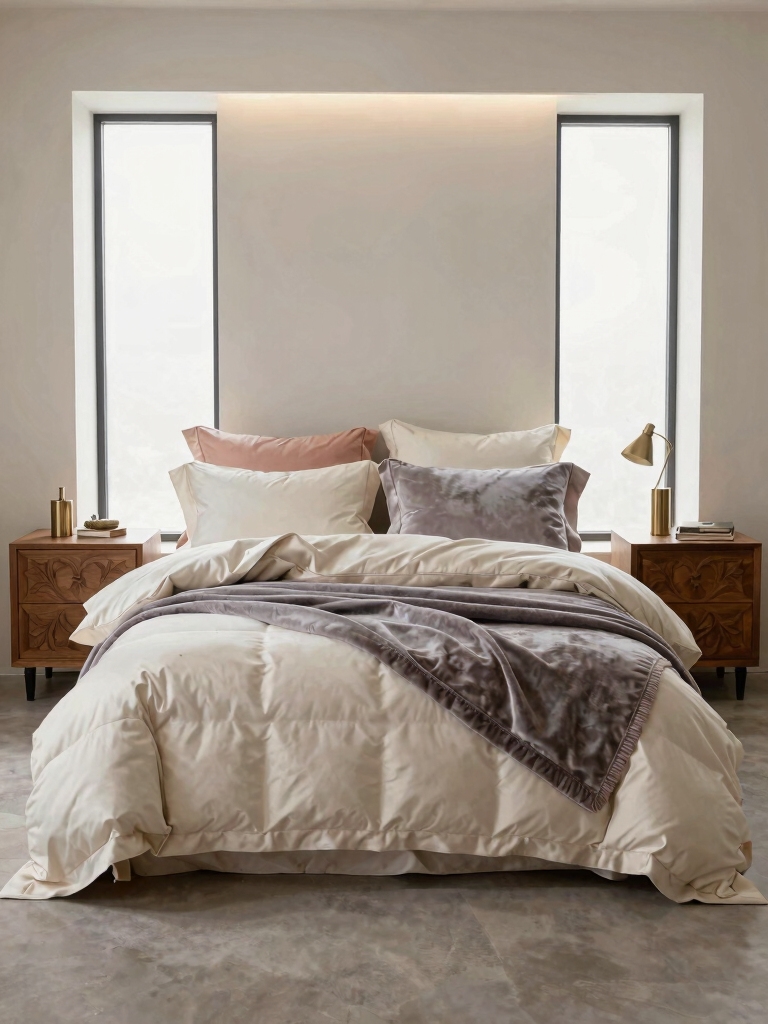
The bed is where a dream room is won or lost, since it’s the thing you actually sink into. Cloudlike comfort comes from layering: a breathable base sheet, a plush duvet or a quilt, and a throw or two that add weight and give. The bed should pull you in. It should look like something you’d fall backward into without thinking twice.
Build it generously but breathably so it stays comfortable to sleep in. Natural-fiber bedding (cotton, linen) under a soft duvet runs about $80 to $200 for the core pieces, and a couple of textured pillows finish it. Keep the layers soft and the colors calm, and the bed becomes the sensory centerpiece the whole dreamy room orbits.
- Start with a breathable cotton or linen base so the bed stays comfortable to sleep in.
- Add a plush duvet or quilt for the sink-in softness a dream bed needs.
- Top with two or three pillows in mixed textures and calm, close tones.
💡Sensory Tip
Test the room with your eyes closed. Walk in, sit on the bed, and notice what you feel: is the light soft on your face, the bedding giving, the air pleasant? If something registers as hard, cold, or harsh, that’s your next fix. A dreamy room passes the eyes-closed test.
Cozy, Warm, Ambient Lighting
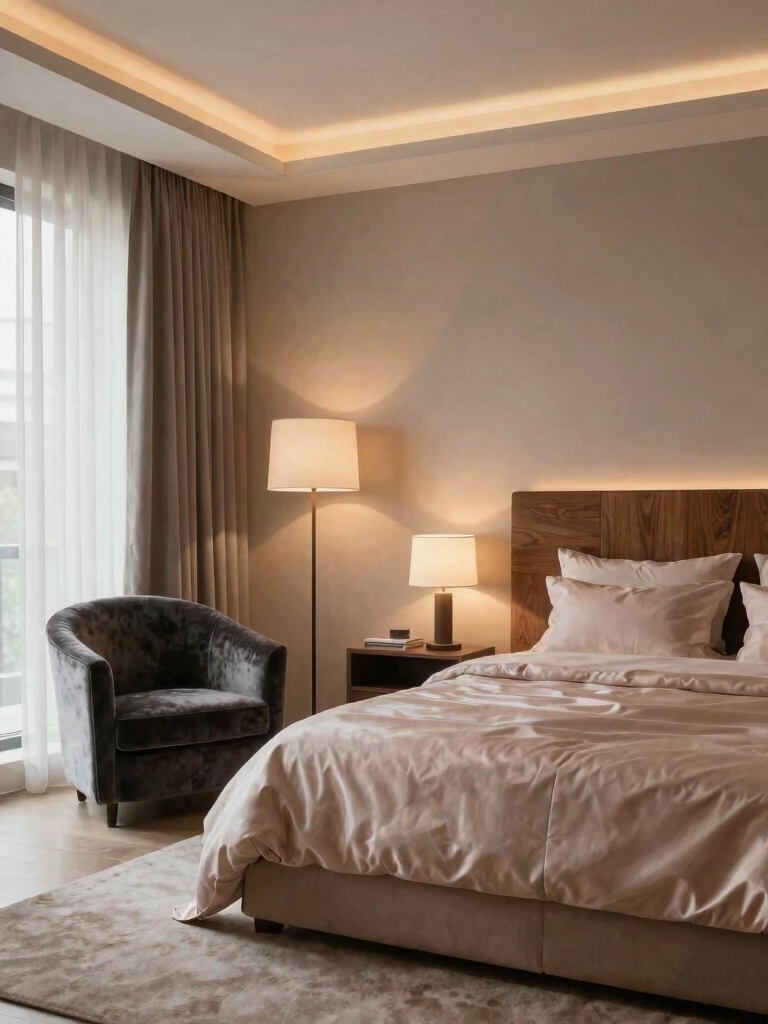
Lighting is what gives a dream room its glow, and the trick is keeping it warm, low, and indirect. Harsh overhead light breaks the spell instantly. Soft pools of warm light from a few low sources keep you inside the dream. A bedside lamp, a low shelf light, and maybe a string of warm fairy lights make the room feel lit by candlelight.
Light It Like Candlelight
Get the warmth right and the whole room softens. Use warm 2700K bulbs everywhere, put the main fixture on a dimmer so you can take it down to a glow, and avoid any cool white light that flattens the mood. The dreamiest rooms are barely lit at night, soft enough to move by and feel held.
Layer the light so you can shift the mood. Brighter for getting ready, soft and golden for winding down, with everything on dimmers or smart bulbs so the change is one tap. That control over the glow is a quiet luxury, and it’s what lets a room feel dreamy on demand. My [bedroom lighting ideas for mood](bedroom-lighting-ideas-mood) walk through the layering.
The Sensory Layer: Scent and Sound
The detail that tips a pretty room into a dreamy one is the part no photo captures: how it smells and sounds. A soft scent, cedar, vanilla, lavender, from a candle or a reed diffuser greets you at the door and signals rest before you’ve even sat down. A diffuser or soy candle runs $12 to $30, and it does more for the dreamy feeling than most decor.
Sound shapes the dream just as quietly. A low white-noise machine, a soft playlist, or simply the hush a thick rug and heavy curtains create all tell your brain the day is closing. Softening the room’s acoustics is half of why a layered, textile-rich space feels so restful to be in.
Keep both gentle, since the sensory layer works best below conscious notice. Scent should be a whisper you catch on the way in, sound a hush beneath everything else. Overdo either and the spell breaks; get them subtle and the room feels dreamy in a way guests can never quite name.
Quick Refreshes That Restore the Dream
A dreamy room doesn’t need a big budget to start or to stay that way; small, sensory swaps do most of the work. New pillow covers, a fresh throw, a swapped lampshade, or a different scent reset the feeling in an afternoon for very little. Because the dream lives in texture and light, the cheap, swappable layers are exactly where it’s made.
Refresh by feel. Trends matter less than whether the room still wraps around you. When a room stops feeling dreamy, it’s usually because the light drifted cool after a bulb swap, the bedding flattened, or clutter crept onto the surfaces. Fix the bulb, fluff or replace the soft layers, and clear the surface, and the dream comes right back.
Lean on what you already own before buying more. Shifting a lamp, layering a throw you forgot you had, or moving a plant into the room can restore the feeling for nothing. For more easy, soulful touches, my [bedroom decor ideas aesthetic souls crave](bedroom-decor-ideas-aesthetic-souls-crave) lean into this swap-and-feel approach.
Keeping the Dreamy Feeling Going
A dream room stays dreamy with the lightest upkeep, since its magic is mostly soft goods and light. Wash and rotate the bedding so it keeps that fresh, sink-in softness, fluff the pillows and throws so they hold their loft, and top up a candle or diffuser as it runs low. None of it takes long, and all of it protects the sensory feeling.
Do a quick reset whenever the room loses its hush. Clear the one surface you keep open, check the bulbs are still warm-toned, and swap a single textile if the season turns. Those few minutes keep the room feeling like the soft, golden, melt-into-it dream it was the day you finished it, season after season.
What to Expect From a Dreamy Bedroom
Set the right expectation and a dreamy room is deeply achievable. It rewards softness and restraint. The feeling comes from how patiently you layer texture and warm light across the bed, the floor, the windows, and the air far more than from any single thing you buy. The one thing it asks is consistency: keep the palette calm, the light warm, and the surfaces edited, and the dream holds.
Budget-wise, it’s gentle. Soft bedding, warm bulbs, a good rug, and a candle deliver the core feeling for a modest spend, and almost everything is swappable if you rent.
Start with the bed and the light, add the textures and the scent over time, and the room drifts into dreamy at whatever pace suits your wallet. For the planning-and-budget side of a dream room, my [aesthetic bedroom ideas for your dream space](aesthetic-bedroom-ideas-dream) lay out the order to build it in.
Dreamy Bedroom Questions, Answered
?What actually makes a bedroom feel dreamy?
The senses, beyond the look: soft layered texture, warm low light, a calm hazy palette, and a quiet scent. A room that feels dreamy passes the eyes-closed test, comfortable to touch, gentle to the eye, pleasant to breathe.
?What colors feel the most dreamy?
Soft, low-saturation tones that blur together: muted creams, dusty pastels, foggy grays, the gentlest blush or sky blue. Keep contrast low so the whole room reads like one calm, hazy wash.
?How do I make my bed feel cloudlike?
Layer a breathable cotton or linen base, a plush duvet or quilt for sink-in softness, and a couple of textured pillows. Soft, varied layers in calm tones make a bed you fall into without thinking.
?What lighting creates a dreamy mood?
Warm 2700K bulbs at a few low heights, on dimmers, with no harsh overhead. Soft pools of golden light, almost candlelit at night, keep the dreamy feeling that bright white light instantly breaks.
?Can I get a dreamy bedroom on a budget?
Yes. The feeling lives in texture, light, and scent, all of which are cheap and swappable. Soft bedding, warm bulbs, a rug, and a candle deliver the core dream for a modest spend, no renovation required.
Chase the Feeling, Not the Photo
A bedroom that feels like a dream comes from the senses, not the camera. Layer soft, varied textures, keep the light warm and low, hold the palette hazy and calm, and add the quiet scent-and-sound layer underneath. Do that and the room stops being something you look at and becomes something you sink into and never want to leave.
Start with the bed and the light tonight, then build the softness outward until walking into the room feels like exhaling.